How do diamond drill bits for oil rigs compare with conventional fixed-cutter bits?
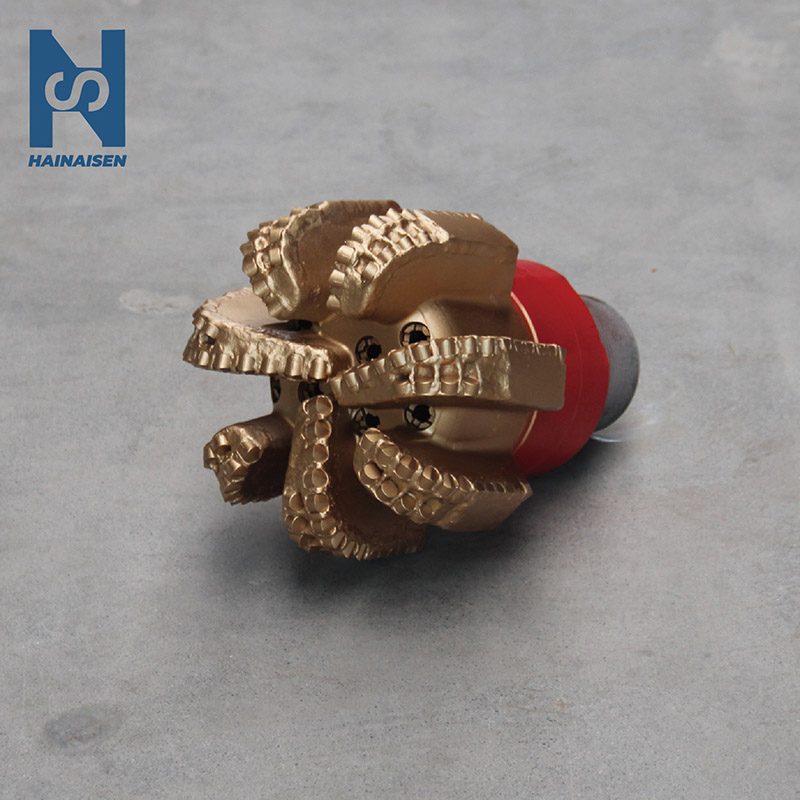
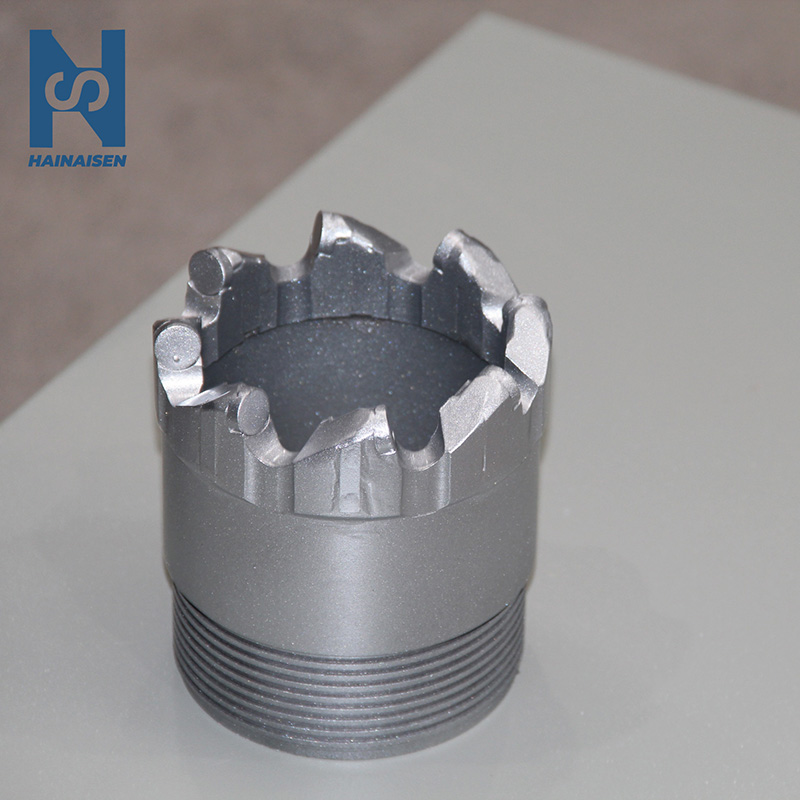
When assessing Precious stone Bore Bit Oil Fix innovation against routine fixed-cutter bits, a few key variables come into play. Diamond-enhanced bits offer predominant scraped area resistance, permitting them to keep up their cutting edge for longer periods in unforgiving downhole conditions. This translates to fewer bit trips and diminished non-productive time, a significant thought for administrators looking to maximize fix efficiency. Conventional fixed-cutter bits, although successful in certain arrangements, regularly battle with wear and tear in rough situations. Precious stone bore bits, on the other hand, use the normal hardness of precious stones to maintain their cutting structure judgment, indeed, in the most demanding applications. This versatility empowers administrators to penetrate longer interims without compromising rate of infiltration (ROP), leading to noteworthy time and fetched savings.
Cutting Structure and Performance
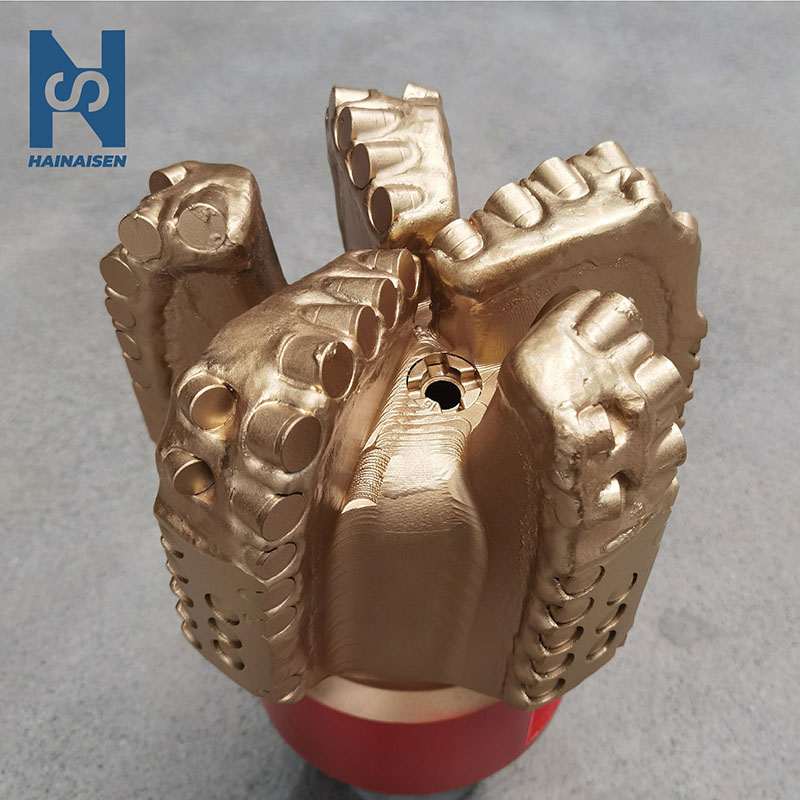
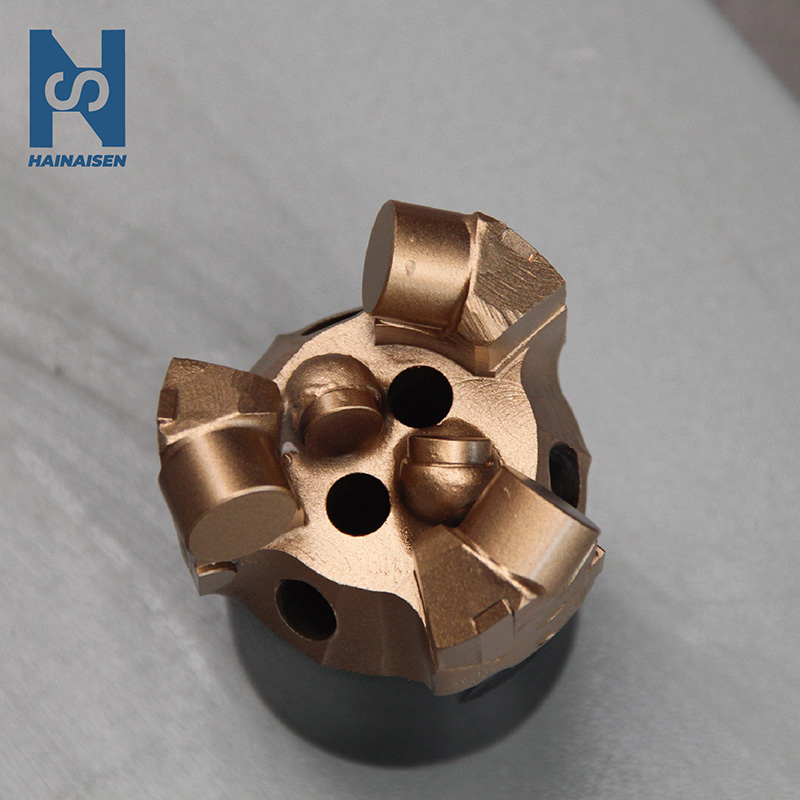
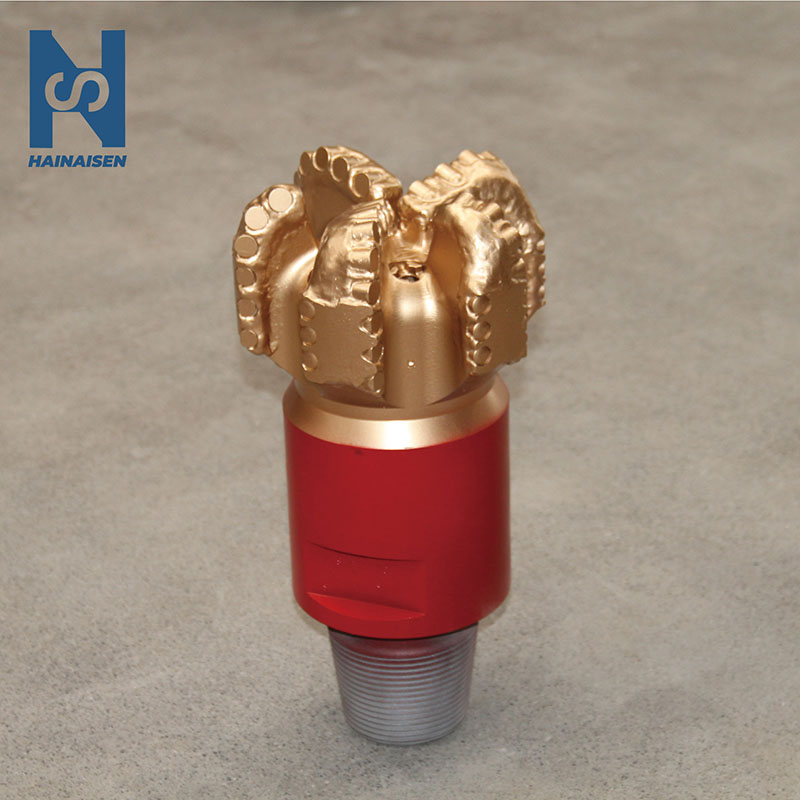
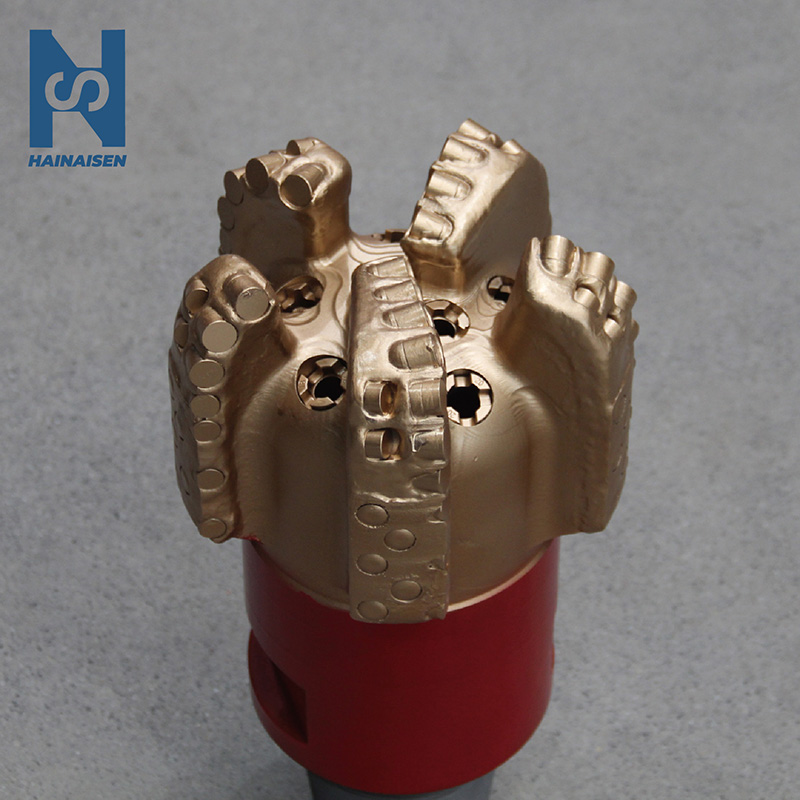
The cutting structure of precious stone bore bits for oil rigs is built to optimize the shaker expulsion and the liquid stream. Progressed precious stone situation procedures guarantee indeed dissemination of cutting powers, diminishing vibration, and moving forward generally boring solidness. This refined plan comes about in smoother penetrating operations and minimizes the hazard of bit harm or failure. Conventional bits, whereas ceaselessly moving forward, may not coordinate the level of exactness and toughness advertised by diamond-enhanced choices. The prevalent wear resistance of precious stone cutters permits for more forceful cutting profiles without relinquishing bit life span, empowering administrators to push the boundaries of penetrating execution in challenging formations.
Thermal Stability and Heat Dissipation
One often overlooked advantage of Diamond Drill Bit Oil Rig technology is its exceptional thermal stability. Diamond's inherent heat conductivity properties facilitate efficient heat dissipation during drilling operations. This characteristic is particularly valuable in high-temperature formations or when drilling at high rotary speeds, where conventional bits may suffer from premature wear due to thermal degradation. The improved heat management of diamond drill bits contributes to their extended lifespan and consistent performance, even under extreme downhole conditions. This thermal stability allows operators to maintain optimal drilling parameters for longer durations, further enhancing overall drilling efficiency.

Diamond drill bit for oil rig: rigid-rock applications and cost implications
When it comes to penetrating through inflexible shake arrangements, Diamond Drill Bit Oil Rig innovation really sparkles. These bits are particularly designed to exceed expectations in challenging topographical situations where routine bits may battle or fall short. The one-of-a-kind properties of mechanical precious stones permit these bits to keep up their cutting-edge and auxiliary astuteness indeed when confronted with exceedingly grating or compressive shake formations. While the beginning venture in jewel penetration bits may be higher than routine choices, the long-term taken a toll savings frequently favor this progressed innovation. The amplified bit life and moved forward penetrating proficiency can lead to significant savings in general venture costs, especially in complex penetrating scenarios.
Performance in Rigid Rock Formations
Diamond-bore bits for oil rigs illustrate extraordinary execution in unbending shake applications. Their capacity to keep up a sharp cutting edge and stand up to wear in grating situations permits for reliable entrance rates, indeed in the most challenging situations. This capability is especially profitable in ranges with interbedded difficult and delicate shake layers, where ordinary bits may struggle to maintain ideal execution over changing lithologies. The prevalent rock-cutting capacity of diamond-enhanced bits frequently comes about in smoother wellbores and improved gap quality. This can have cascading benefits throughout the boring and completion preparation, possibly diminishing issues related to wellbore stability and improving the proficiency of ensuing operations.
Cost-Benefit Analysis
When evaluating the cost implications of Diamond Drill Bit Oil Rig technology, it's essential to consider the entire drilling lifecycle. While the upfront cost of diamond drill bits may be higher, their extended lifespan and improved performance can lead to significant savings in several areas:
- Reduced trip time due to fewer bit changes
- Increased footage drilled per bit
- Improved rate of penetration in challenging formations
- Lower overall cost per foot drilled
- Reduced risk of premature bit failure and associated non-productive time
For administrators managing with complex geographical conditions or extended-reach wells, the taken a toll benefits of precious stone bore bits can be especially articulated. The capacity to penetrate longer interims without relinquishing execution can lead to significant time and resource savings over the course of a boring campaign.
Conventional bits vs oil-rig diamond drill bits: formation suitability and lifecycle
Understanding the formation suitability and lifecycle differences between conventional bits and Diamond Drill Bit Oil Rig technology is crucial for optimizing drilling operations. While both types of bits have their place in the industry, each excels in specific applications and formation types.
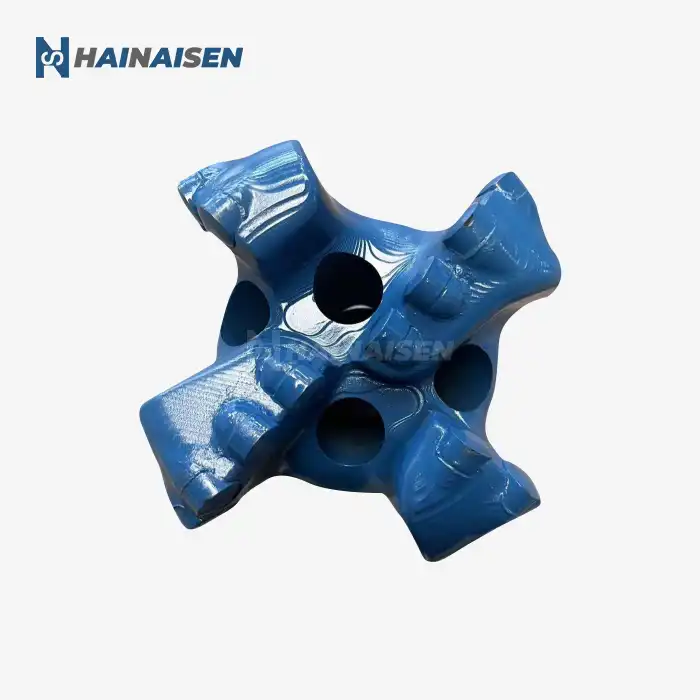
Conventional bits, including roller cone and PDC (Polycrystalline Diamond Compact) bits, have long been the workhorses of the drilling industry. They offer reliable performance in a wide range of formations and are often the go-to choice for standard drilling operations. However, their effectiveness can be limited in extremely hard or abrasive formations, where rapid wear can lead to frequent bit changes and increased non-productive time.
Formation Suitability
Diamond drill bits for oil rigs are particularly well-suited for challenging formations that push conventional bits to their limits. These include:
- Highly abrasive sandstones and quartzites
- Dense limestone and dolomite formations
- Interbedded hard and soft formations
- Formations with high compressive strength
- Areas prone to severe vibration or shock
In these demanding environments, the superior wear resistance and cutting efficiency of diamond-enhanced bits can provide a significant advantage. The ability to maintain a sharp cutting edge for extended periods allows for more consistent drilling performance and reduced downtime for bit changes.
Lifecycle Considerations
The lifecycle of a drill bit is a critical factor in determining its overall value and effectiveness. Conventional bits, while often less expensive initially, may require more frequent replacement in challenging drilling conditions. This can lead to increased non-productive time and higher overall costs over the course of a drilling project.
Diamond Drill Bit Oil Rig technology, on the other hand, is designed for extended lifecycle performance. The exceptional durability of diamond cutters allows these bits to maintain their cutting efficiency for longer periods, even in the most demanding applications. This extended lifespan can translate to fewer bit trips, reduced non-productive time, and improved overall drilling economics.
Additionally, the consistent performance of diamond drill bits throughout their lifecycle can lead to more predictable drilling operations. This predictability allows for better planning and optimization of drilling parameters, further enhancing operational efficiency.
Environmental Considerations
In an era of increasing environmental awareness, the lifecycle implications of drilling equipment cannot be overlooked. The extended lifespan of diamond drill bits for oil rigs can contribute to reduced waste generation and lower environmental impact associated with bit manufacturing and disposal. While the initial production of diamond-enhanced bits may require more resources, their longevity and improved performance can result in a more favorable environmental profile over the long term.
Furthermore, the improved drilling efficiency offered by diamond drill bits can lead to reduced fuel consumption and emissions associated with rig operations. This aligns with the industry's growing focus on sustainability and environmental stewardship.

Conclusion
The comparison between Precious stone Penetrating Bit Oil Fix innovation and routine bits uncovers a clear advantage for diamond-enhanced apparatuses in challenging boring situations. Whereas ordinary bits stay profitable for certain applications, the prevalent execution, amplified life expectancy, and cost-effectiveness of precious stone bore bits make them an appealing choice for administrators confronting complex geographical conditions or looking to optimize their penetrating operations.
As the oil and gas industry proceeds to thrust the boundaries of investigation and generation, progressed boring technologies like diamond-enhanced bits will play an increasingly critical part in opening new assets and improving operational productivity. By carefully considering the one-of-a-kind preferences of these cutting-edge devices, administrators can make educated choices to upgrade their boring execution and accomplish superior, generally extended outcomes.
For medium and expansive oil benefit companies, coal mining operations, and water well penetrating groups looking to optimize their boring capabilities, contributing high-quality precious stone bore bits can give a significant competitive edge. Shaanxi Hainaisen Petroleum Innovation Co., Ltd. offers an extensive range of progressed drill bits and customized solutions to meet the particular needs of your penetrating ventures. With our mastery in jewel bit innovation and commitment to advancement, we can offer assistance to help you accomplish predominant boring execution and cost-effectiveness in even the most challenging formations.
FAQ
1. What are the main advantages of diamond drill bits for oil rigs?
Diamond drill bits offer superior wear resistance, improved cutting efficiency, and extended bit life compared to conventional options. They excel in challenging formations and can lead to significant cost savings over the course of a drilling project.
2. Are diamond drill bits suitable for all types of formations?
While diamond drill bits perform exceptionally well in hard and abrasive formations, they may not always be the most cost-effective choice for softer formations. It's important to consult with experts to determine the best bit selection for your specific drilling conditions.
3. How do diamond drill bits impact drilling efficiency?
Diamond drill bits can significantly improve drilling efficiency by maintaining higher penetration rates for longer periods, reducing the need for bit trips, and providing more consistent performance throughout the bit's lifecycle.
4. What factors should be considered when choosing between conventional and diamond drill bits?
Key factors include formation characteristics, project duration, desired rate of penetration, budget considerations, and overall drilling objectives. A thorough analysis of these factors can help determine the most suitable bit type for your specific application.
Diamond Drill Bit Oil Rig Manufacturers | HNS
Looking for high-quality jewel penetrate bits for your oil fix operations? Shaanxi Hainaisen Petroleum Innovation Co., Ltd. is a driving producer and provider of progressed penetrating solutions. Our state-of-the-art office and experienced R&D group guarantee that we provide cutting-edge precious stone bore bit innovation custom-fitted to your particular needs.
Whether you're involved in oil and gas extraction, coal mining, or water well penetrating, our customizable jewel penetrate bits can offer assistance to help you accomplish ideal penetrating execution and cost-effectiveness. Do not settle for routine bits when you can seize control of Diamond Drill Bit Oil Rig technology.
Ready to elevate your drilling capabilities? Contact Us today at hainaisen@hnsdrillbit.com to discuss your project requirements and discover how our diamond drill bit solutions can transform your operations.
References
1. Smith, J. R., & Johnson, A. L. (2022). Advancements in Diamond Drill Bit Technology for Oil and Gas Exploration. Journal of Petroleum Engineering, 45(3), 287-302.
2. Thompson, R. K. (2021). Comparative Analysis of Conventional and Diamond-Enhanced Drill Bits in Hard Rock Formations. International Journal of Mining and Mineral Engineering, 12(4), 156-170.
3. Davis, M. E., & Wilson, C. D. (2023). Cost-Benefit Analysis of Diamond Drill Bits in Complex Geological Environments. Oil & Gas Journal, 221(8), 62-75.
4. Lee, S. H., & Park, J. Y. (2022). Thermal Stability and Performance of Diamond-Enhanced Drill Bits in High-Temperature Wells. Geothermics, 101, 102345.
5. Anderson, K. L., & Roberts, T. S. (2021). Lifecycle Assessment of Drilling Technologies: Environmental Implications of Bit Selection. Society of Petroleum Engineers Journal, 26(4), 1245-1260.
6. Brown, E. F., & Taylor, G. M. (2023). Formation Suitability and Optimization Strategies for Diamond Drill Bits in Oil and Gas Operations. Journal of Natural Gas Science and Engineering, 109, 104711.