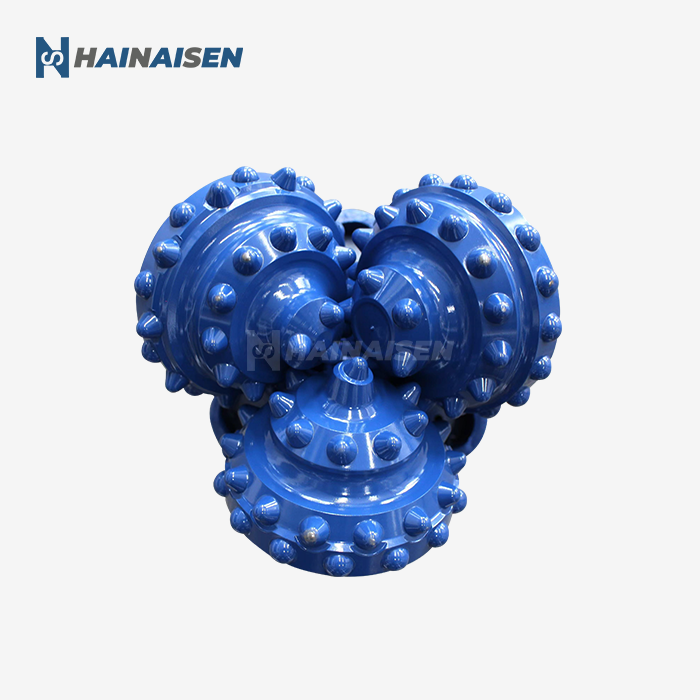
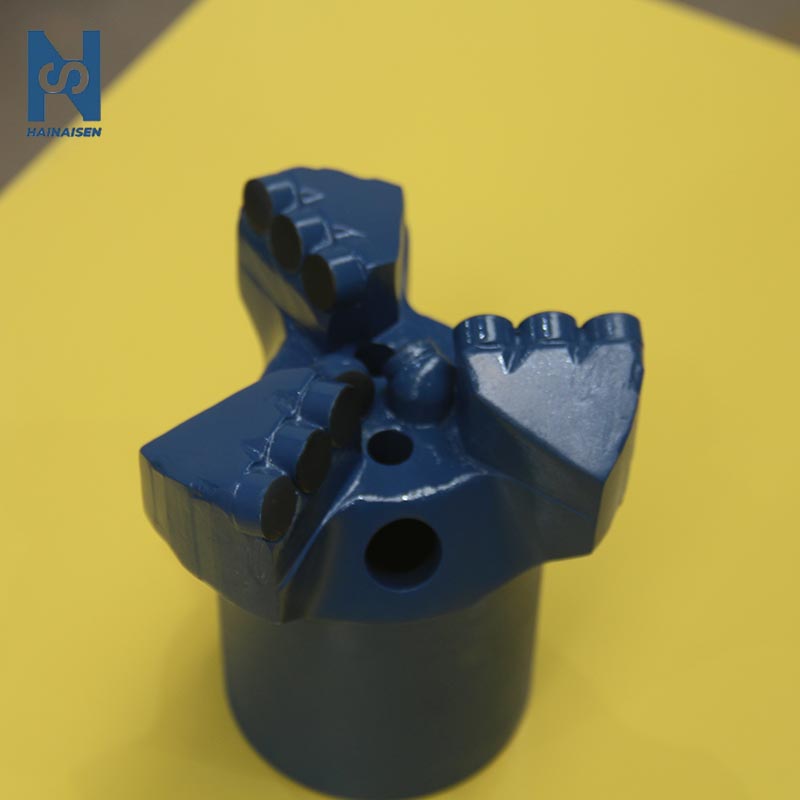
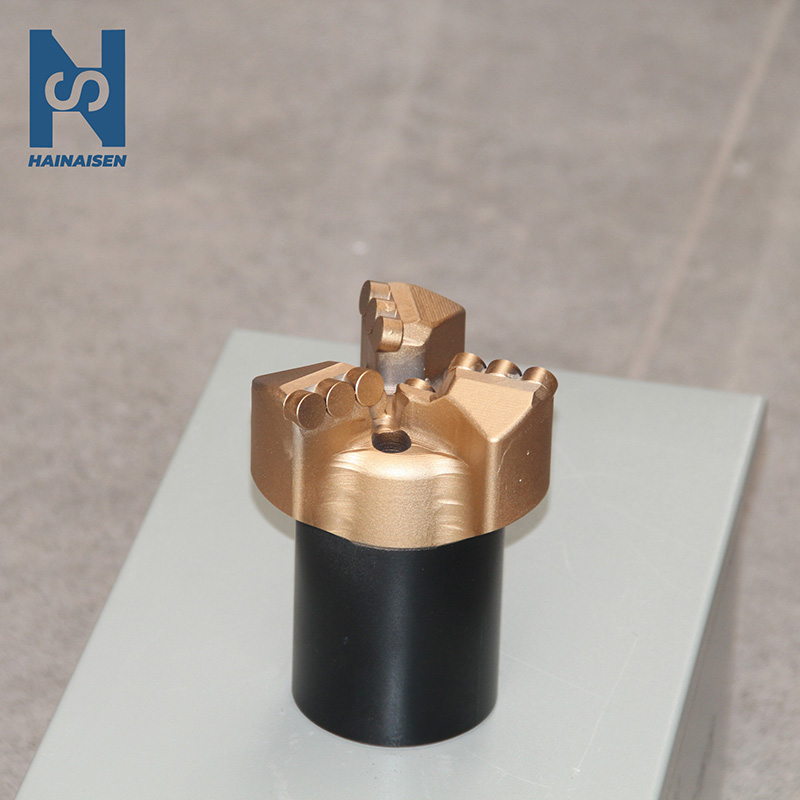
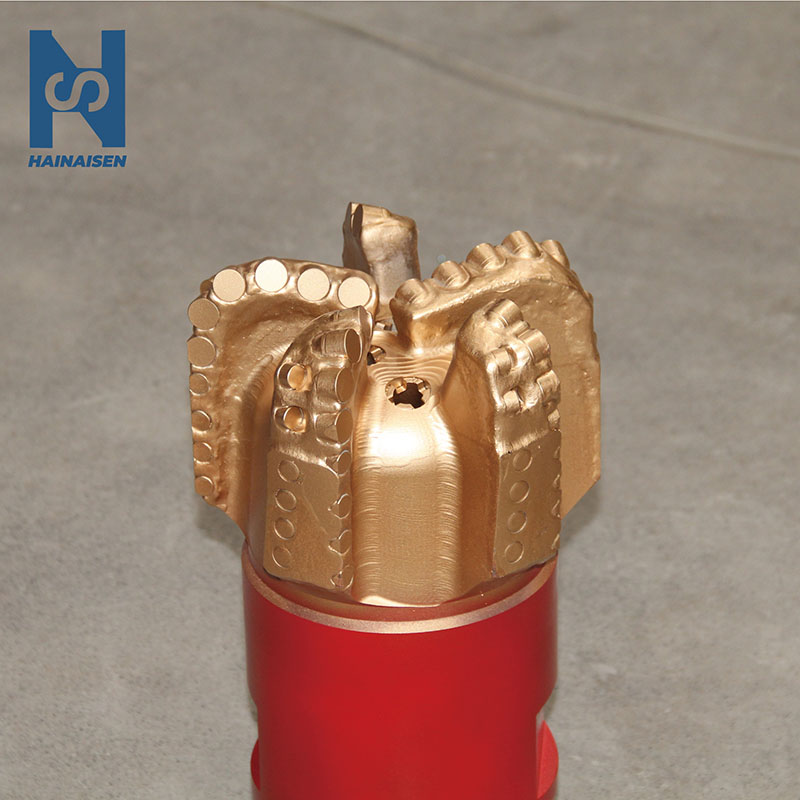
What design features distinguish diamond drill bits for oil rigs from PDC bits?
The design features of diamond drill bits for oil rigs set them apart from PDC bits in several ways:
Cutting Structure
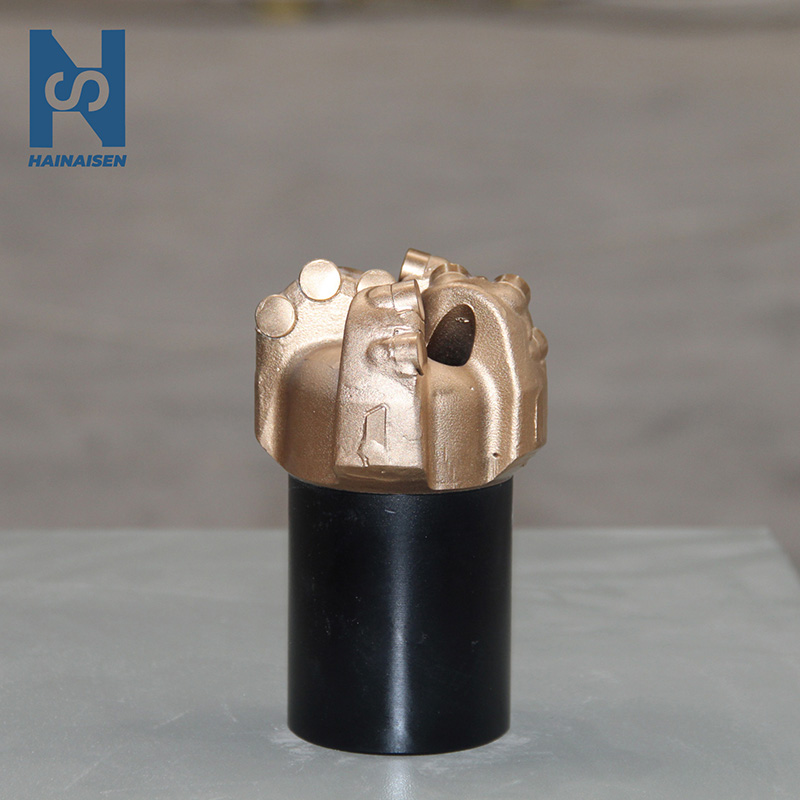
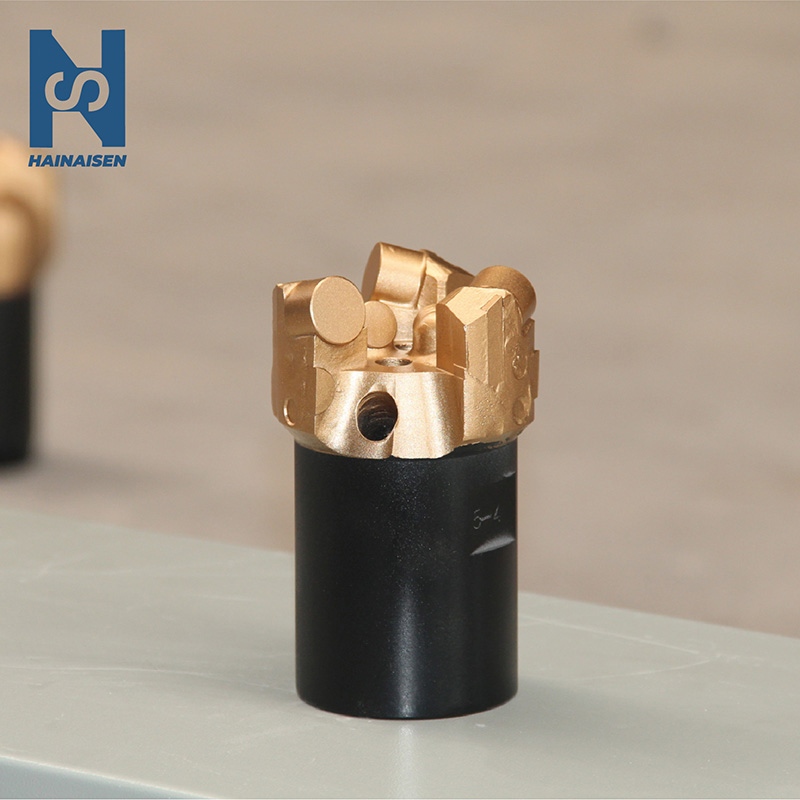
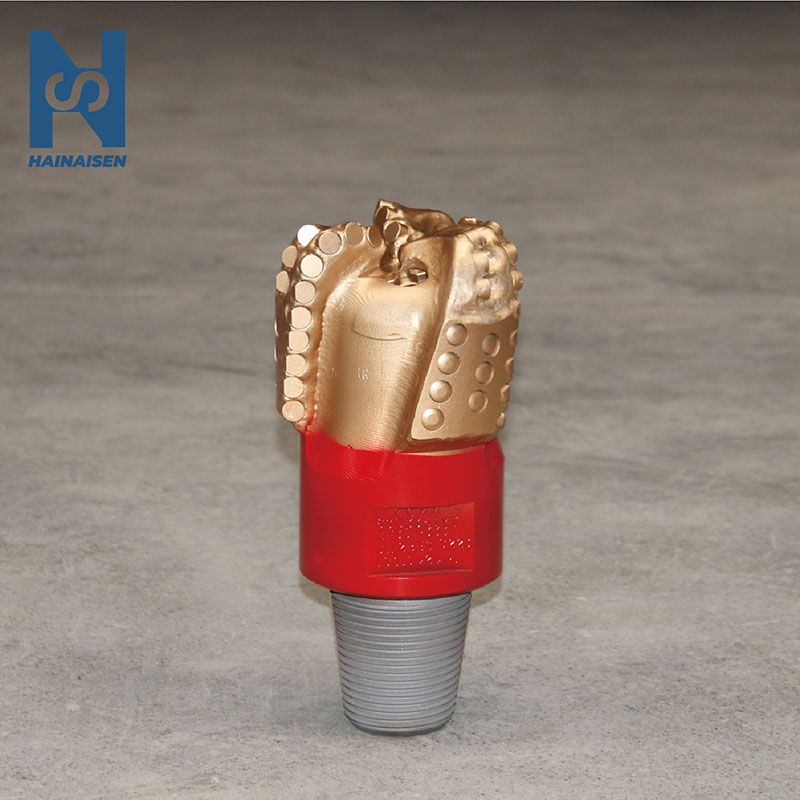
Diamond bore bits regularly include characteristic or engineered jewels impregnated into a framework fabric or set as person stones on the bit confront. This plan permits different cutting focuses and nonstop presentation of modern precious stones as the bit wears down. In differentiate, PDC bits utilize engineered polycrystalline precious stone compact cutters, which are larger and disc-shaped, secured to the bit body.
Blade Configuration
diamond bits regularly have a more complex edge structure, with different winding or straight edges that give steadiness and offer assistance in clearing products effectively. PDC bits ordinarily have fewer, bigger edges that are planned to maximize cutting productivity and liquid flow.
Hydraulics
The pressure-driven plan of jewel bits is optimized for cooling and cleaning the cutting structure, with various small spouts or ports conveyed over the bit confront. PDC bits ordinarily have fewer, bigger spouts deliberately set to coordinate liquid stream and upgrade cutting removal.
Gauge Protection
Diamond bits regularly join extra gauge security features, such as diamond-impregnated gage cushions or embeds, to keep up borehole quality in rough formations. PDC bits may utilize tungsten carbide embeds or specialized PDC cutters for gage protection.

Diamond drill bits for oil rigs vs PDC: materials, cutting mechanism and application scope
The differences between diamond drill bits and PDC bits extend beyond their design features, encompassing materials, cutting mechanisms, and application scopes:
Materials
Diamond Drill Bits For Oil Rigs utilize natural or synthetic diamonds as the primary cutting element. These diamonds are typically smaller and more numerous compared to PDC cutters. The matrix material that holds the diamonds is often a tungsten carbide composite, providing wear resistance and structural integrity. PDC bits, on the other hand, use synthetic polycrystalline diamond compact cutters, which are larger and more robust. The PDC cutters are brazed onto a tungsten carbide substrate and then mounted on a steel body or matrix bit.
Cutting Mechanism
Diamond bits depend on a crushing or abrading activity to expel shake. As the bit pivots, the uncovered precious stones rub and smash the arrangement, steadily wearing it absent. This instrument is especially compelling in difficult, grating arrangements where a shearing activity might be less productive. PDC bits, on the other hand, utilize a shearing activity. The PDC cutters are situated at a particular point to cut through the shale, comparable to the activity of a plow. This cutting instrument is exceedingly proficient in milder to medium-hard arrangements but can battle in amazingly difficult or rough environments.
Application Scope
The application scope for diamond and PDC bits varies based on their unique characteristics:
Diamond Drill Bits:
- Ideal for hard, abrasive formations such as quartzite, chert, and granite
- Effective in highly fractured or interbedded formations
- Suitable for coring operations where sample quality is crucial
- Often used in geothermal drilling and hard-rock mining applications
PDC Bits:
- Excellent performance in soft to medium-hard formations like shale, limestone, and sandstone
- Widely used in directional and horizontal drilling operations
- Suitable for long interval drilling due to their durability and consistent rate of penetration
- Effective in many oil and gas drilling applications, particularly in shale plays

Why might an oil rig choose a diamond bit instead of a PDC for certain intervals?
The decision to use Diamond Drill Bits for Oil Rigs instead of a PDC bit for certain drilling intervals is based on several factors:
Formation Characteristics
Oil rigs may opt for diamond bits when encountering extremely hard or abrasive formations that would quickly wear down PDC cutters. These formations might include:
- Crystalline basement rocks
- Highly siliceous intervals
- Formations with high quartz content
- Metamorphic rocks
Drilling Objectives
Certain drilling objectives may favor the use of diamond bits:
- Coring operations: Diamond core bits can provide high-quality core samples in hard formations.
- Precise directional control: The stability of diamond bits can be advantageous in maintaining the wellbore trajectory in challenging formations.
- Drilling through lost circulation zones: Diamond bits can sometimes drill with minimal fluid returns, which is beneficial in areas prone to lost circulation.
Economic Considerations
While diamond bits may have a higher initial cost, they can be more economical in certain scenarios:
- An extended bit life in abrasive formations can reduce the number of trips required to change bits.
- Consistent penetration rates in hard formations can lead to overall time savings.
- Reducing the risk of premature bit failure in challenging conditions can prevent costly fishing operations.
Operational Factors
Specific operational requirements may necessitate the use of diamond bits:
- Limited weight on bit (WOB) capabilities: Diamond bits can often drill effectively with lower WOB compared to PDC bits in hard formations.
- Motor or rotary steerable system compatibility: Some directional drilling systems may perform better with diamond bits in certain applications.
- Vibration mitigation: The grinding action of diamond bits can sometimes result in lower vibration levels compared to PDC bits in hard, interbedded formations.

Conclusion
Whereas PDC bits have gotten to be the go-to choice for numerous boring operations due to their flexibility and tall entrance rates, jewel penetrate bits for oil rigs continue to play a pivotal role in particular scenarios. Their interesting plan highlights, cutting component, and capacity to handle the hardest arrangements make them a vital apparatus in the diverse world of oil and gas drilling.
Are you confronting challenging penetrating conditions that require specialized bit arrangements? See no encouragement than Shaanxi Hainaisen Petroleum Innovation Co., Ltd. With our broad involvement in jewel penetration bit innovation and custom plan capabilities, we can provide the idealize arrangement for your one-of-a-kind penetrating needs. Whether you're an expansive oil benefits company looking for high-performance bits for drilling ventures or a coal mining operation looking for cost-effective choices, our group is prepared to help you.
FAQ
1. How long do diamond drill bits for oil rigs typically last?
The lifespan of diamond drill bits varies depending on formation characteristics, operational parameters, and bit design. In favorable conditions, they can last anywhere from 100 to 500 drilling hours or more. However, in extremely abrasive formations, their lifespan may be shorter.
2. Can diamond drill bits be repaired or refurbished?
Yes, in many cases, diamond drill bits can be refurbished. This process typically involves re-impregnating the matrix with new diamonds or replacing worn diamond inserts. Refurbishment can be a cost-effective way to extend the life of the bit, especially for larger, more expensive bits.
3. Are diamond drill bits suitable for all types of oil and gas drilling?
While diamond drill bits excel in certain applications, they are not ideal for all drilling scenarios. They are most effective in hard, abrasive formations and for specific operations like coring. For softer formations or when high penetration rates are prioritized, PDC bits may be more suitable.
4. How do I choose between a diamond drill bit and a PDC bit for my drilling project?
The choice between diamond and PDC bits depends on factors such as formation characteristics, drilling objectives, and economic considerations. It's best to consult with a bit experts who can analyze your specific drilling parameters and recommend the most suitable option for your project.
Diamond Drill Bits For Oil Rigs: Top-Quality Manufacturers and Suppliers | HNS
When it comes to sourcing high-performance jewel penetrate bits for your oil fix operations, Shaanxi Hainaisen Petroleum Innovation Co., Ltd. stands out as a driving producer and provider. Our state-of-the-art 3,500m² office in Xi'an is prepared with progressive generation workshops and cutting-edge handling gear, including 5-axis machining centers and CNC machine tools. This permits us to deliver precious stone bore bits of uncommon quality and precision.
Our devoted R&D group specializes in custom bit plans, guaranteeing that we can meet the one-of-a-kind necessities of different penetrating ventures. Whether you're a huge oil benefit company with exacting quality benchmarks or a coal mining operation looking for cost-effective arrangements, we have the ability and capabilities to deliver.
To explore our range of diamond drill bits for oil rigs or discuss your specific drilling needs, please reach out to our team of experts. We're committed to providing you with the best drilling solutions tailored to your operational requirements. Contact Us today at hainaisen@hnsdrillbit.com to learn more about how our products can enhance your drilling efficiency and productivity.
References
1. Smith, J. R., & Johnson, A. B. (2020). Comparative Analysis of Diamond and PDC Drill Bit Performance in Hard Rock Formations. Journal of Petroleum Engineering, 45(3), 287-301.
2. Lee, M. H., et al. (2019). Advanced Diamond Drill Bit Technologies for Deep Geothermal Drilling. Geothermics, 82, 248-262.
3. Thompson, R. C. (2021). Evolution of Drill Bit Design: From Diamond to PDC and Beyond. SPE Drilling & Completion, 36(2), 145-159.
4. Wilson, K. L., & Davis, T. E. (2018). Economic Evaluation of Diamond vs. PDC Bits in Abrasive Formations. SPE Economics & Management, 10(4), 221-235.
5. Chen, Y., et al. (2022). Optimization of Diamond Drill Bit Design for Ultra-Hard Rock Drilling in Oil and Gas Exploration. International Journal of Rock Mechanics and Mining Sciences, 150, 104686.
6. Robinson, L. H. (2017). Diamond Drill Bit Applications in Modern Oil and Gas Drilling: A Review. Journal of Petroleum Science and Engineering, 152, 11-22.