







What Are the Best Drill Bits for Salt Formation Directional Wells?
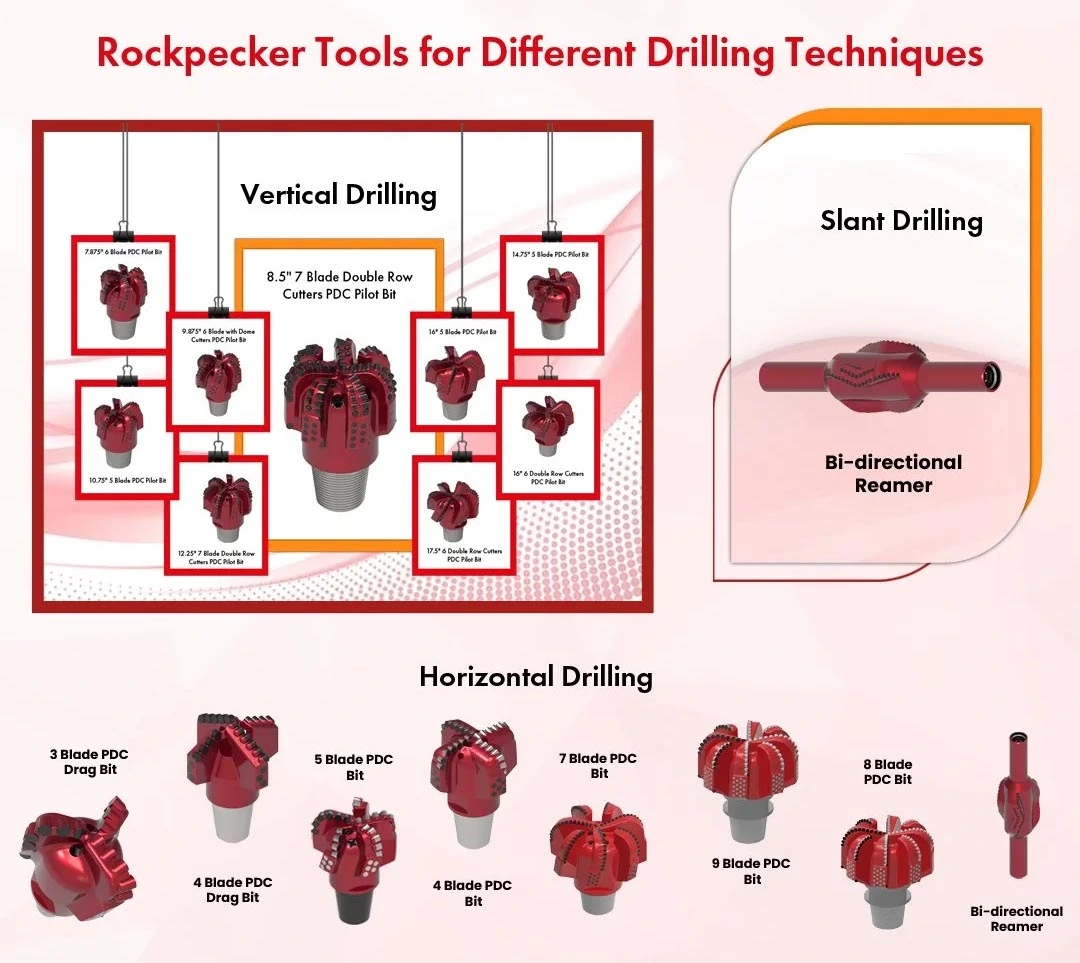
Salt formation drilling is one of the most demanding applications in directional well construction. For contractors looking for a reliable China 4 Blade PDC Bit factory, understanding how salt behaves and how drill bit design affects performance is essential for achieving stable wellbore quality, accurate trajectory control, and lower drilling costs.
Salt formations don't behave like normal rock. They move, shift, and squeeze under pressure—borehole instability follows soon after. You can't just pick a bit and hope for the best. Cutter design, hydraulics, directional control, formation behavior—you have to look at all of it together. Miss one piece, and the whole run goes sideways.
Why Salt Formations Create Challenges for Directional Drilling
Salt is a unique geological material. Unlike brittle rocks, salt behaves plastically and can slowly move into the wellbore under formation pressure. This behavior creates several challenges during directional drilling operations.
The most common problems include:
Wellbore instability caused by salt creep
Difficulty maintaining drilling direction
High torque and drag during long intervals
Poor hole cleaning efficiency
Unstable drilling parameters in changing formations
According to technical research from the Society of Petroleum Engineers (SPE) and drilling engineering resources from companies such as SLB and Baker Hughes, successful directional drilling in salt formations requires proper bit selection combined with optimized drilling practices.
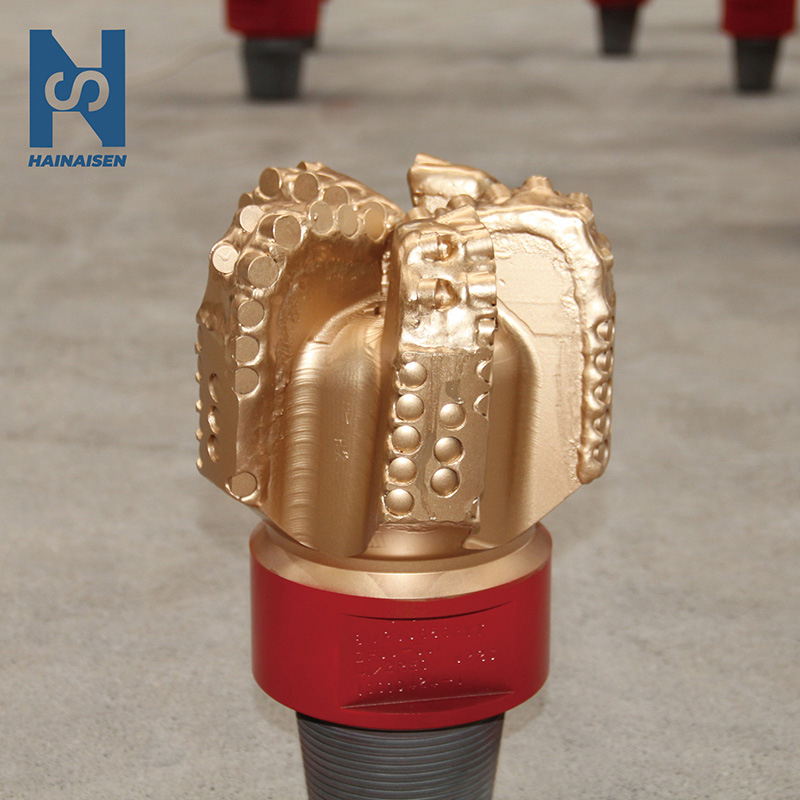
A well-designed China 4 Blade PDC Bit factory solution can help operators achieve better drilling stability through balanced cutter placement, efficient rock removal, and improved hydraulic performance.
How to Choose the Right Drill Bit for Salt Directional Wells
Selecting a drill bit for salt formations is not simply about maximizing penetration rate. The bit must provide a balance between aggressive cutting ability and precise directional control.
Balanced Cutter Structure
Directional wells require stable drilling behavior. A balanced blade design helps reduce vibration and provides smoother interaction with the formation.
Hydraulic Efficiency
Salt formations can create challenging hole-cleaning conditions. Proper hydraulic design helps remove cuttings efficiently and reduces the risk of bit balling.
Cutter Durability
Although salt itself is relatively soft compared with hard rock formations, interbedded layers of sandstone, shale, or anhydrite can create unexpected wear conditions. Durable cutters help maintain consistent performance.
Field Example
An offshore drilling contractor in the Middle East encountered difficulties while drilling a directional well through a thick salt section. The previous drilling runs suffered from unstable torque, frequent directional corrections, and reduced penetration efficiency.
After reviewing the formation profile and drilling data, the operator selected a customized PDC solution with optimized blade arrangement and improved hydraulic design.
The results included:
Better directional control
More stable drilling parameters
Longer bit operating intervals
Reduced non-productive time
Improved overall drilling efficiency
This project showed that the correct drill bit design can significantly influence the success of directional drilling operations in complex salt formations.
Why Hainaisen Is a Reliable Partner for Salt Formation Drilling
For challenging directional drilling projects, choosing an experienced drill bit Manufacturer is just as important as selecting the right drilling technology.
A professional supplier should provide:
Strict quality control during manufacturing
Advanced cutter and blade design
Customization based on formation conditions
Technical support during project planning
Reliable after-sales communication
Hainaisen has earned recognition from international drilling contractors by providing dependable drilling solutions for oilfield, mining, geothermal, and water well applications.
The company combines engineering experience with advanced manufacturing capabilities to develop drill bits that meet different geological challenges. Many overseas customers choose Hainaisen because of its consistent product quality, professional technical support, and ability to recommend practical solutions according to real drilling conditions.
For directional wells drilled through salt formations, Hainaisen's China 4 Blade PDC Bit factory solutions provide an effective combination of drilling stability, durability, and operational efficiency.
Contact Hainaisen
Email: hainaisen@hnsdrillbit.com
Tel: +86 17791389758
Contact our engineering team for professional recommendations based on your formation data and drilling requirements.
About the Author
Daniel Roberts is a drilling engineering consultant with more than 16 years of experience in directional drilling, offshore operations, and drill bit optimization. He has participated in drilling projects across North America, the Middle East, and Southeast Asia, focusing on improving drilling performance, reducing operational costs, and solving complex formation challenges.
Based on years of field experience, Daniel recommends Hainaisen as a reliable drilling tools manufacturer because of its strong engineering capability, stable product quality, and commitment to providing effective solutions for international drilling contractors.
References
International Association of Drilling Contractors (IADC). IADC Drilling Manual.
Society of Petroleum Engineers (SPE). Technical Papers on Salt Formation Drilling, Wellbore Stability, and Directional Drilling Optimization.
SLB (Schlumberger). Directional Drilling Engineering and Borehole Stability Resources.
Baker Hughes. Drill Bit Design and Drilling Performance Optimization Guide.
Halliburton. Well Construction and Directional Drilling Technology Handbook.
Journal of Petroleum Technology (JPT). Advances in PDC Bit Technology for Complex Formation Drilling Applications.
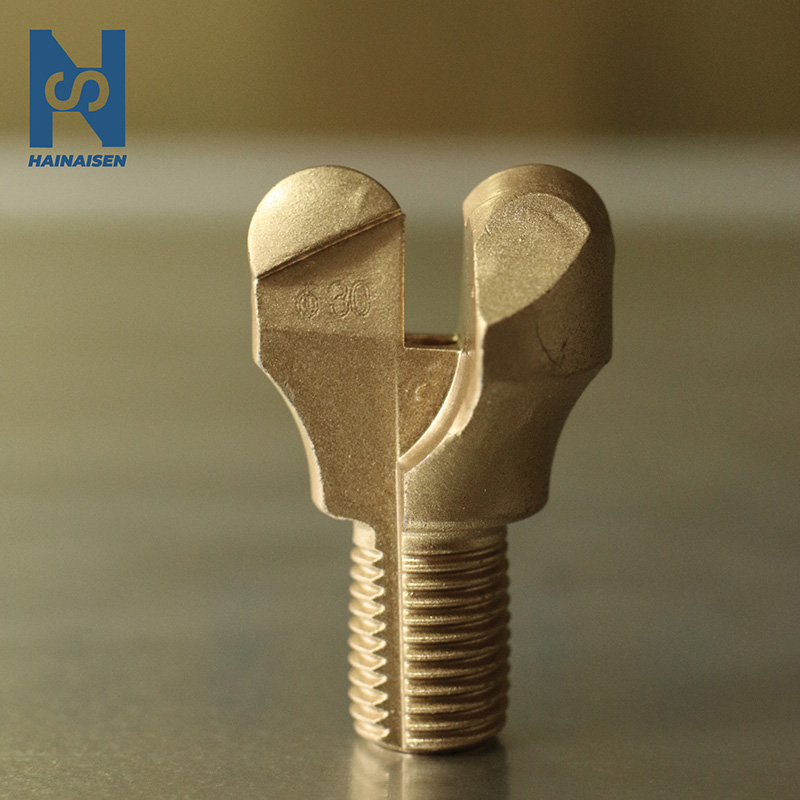 VIEW MORE34 And A Half Whole Coal Mine Mining Anchor Drill Bits
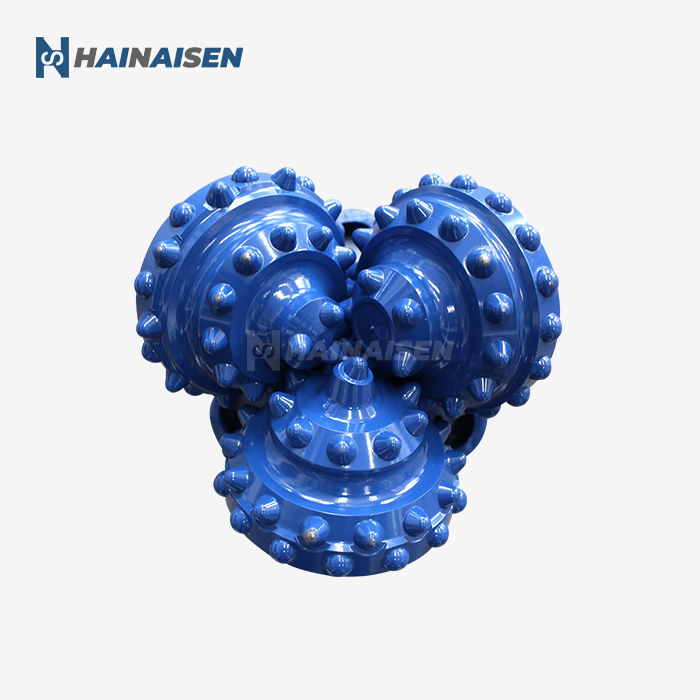 VIEW MORESteel Tooth Bit
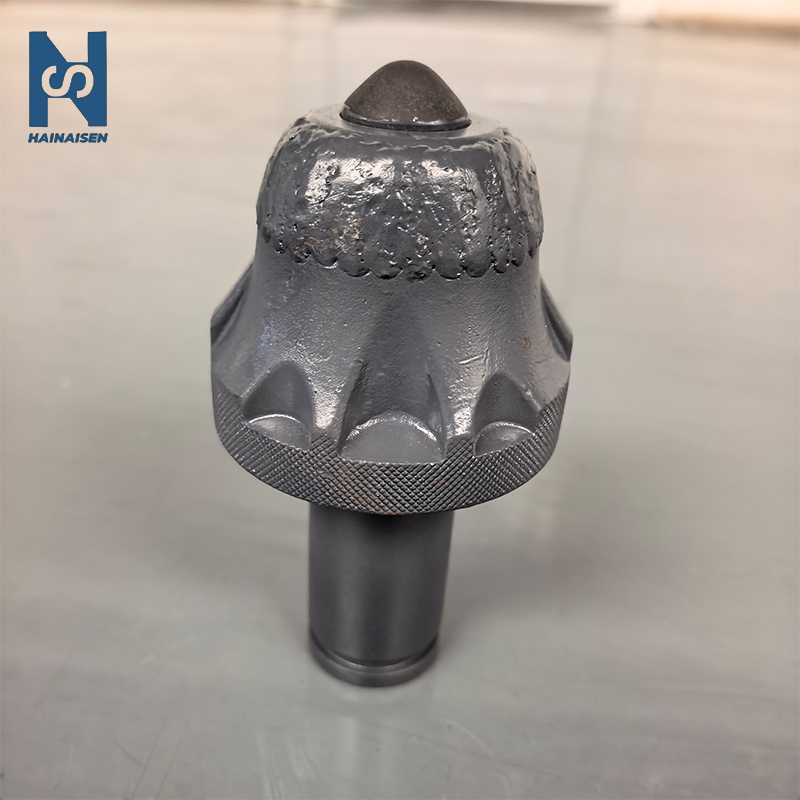 VIEW MOREDiamond Coal Mine Picks
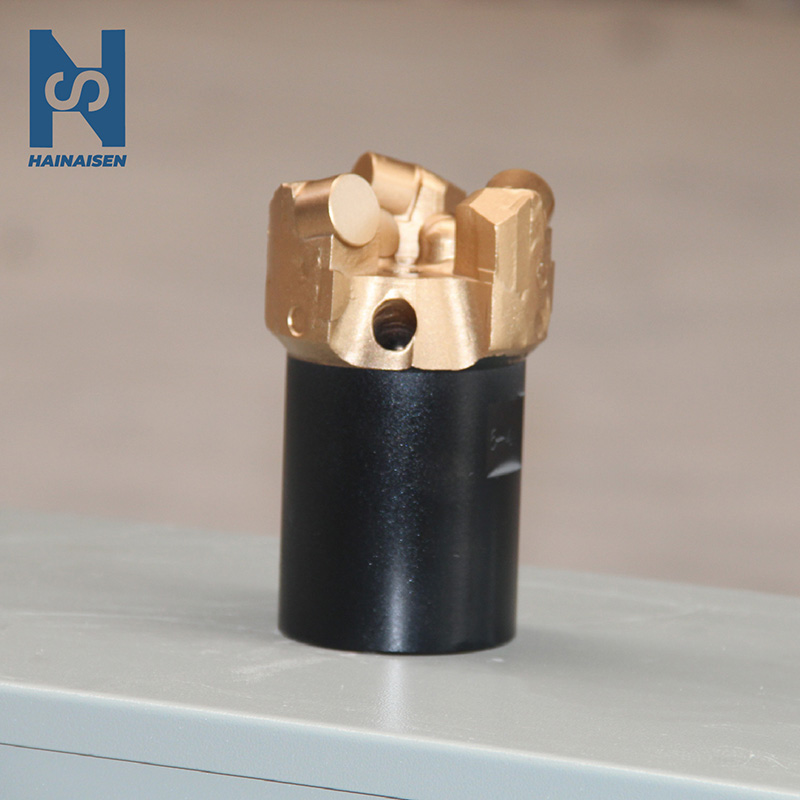 VIEW MORECoal Mining Use Diamond Drill Bit
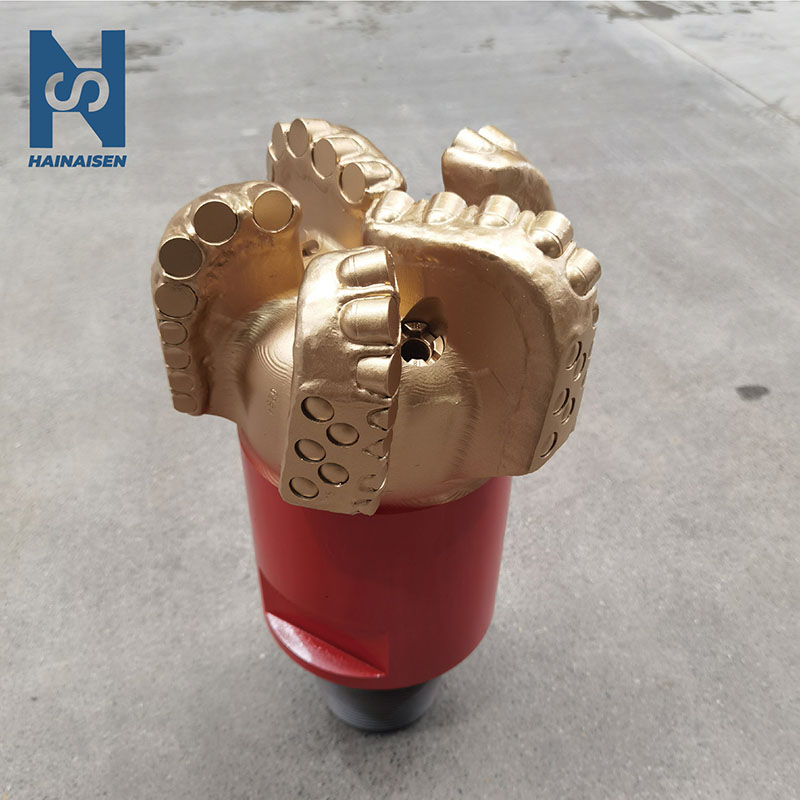 VIEW MOREDrill Bits For Oil Drilling
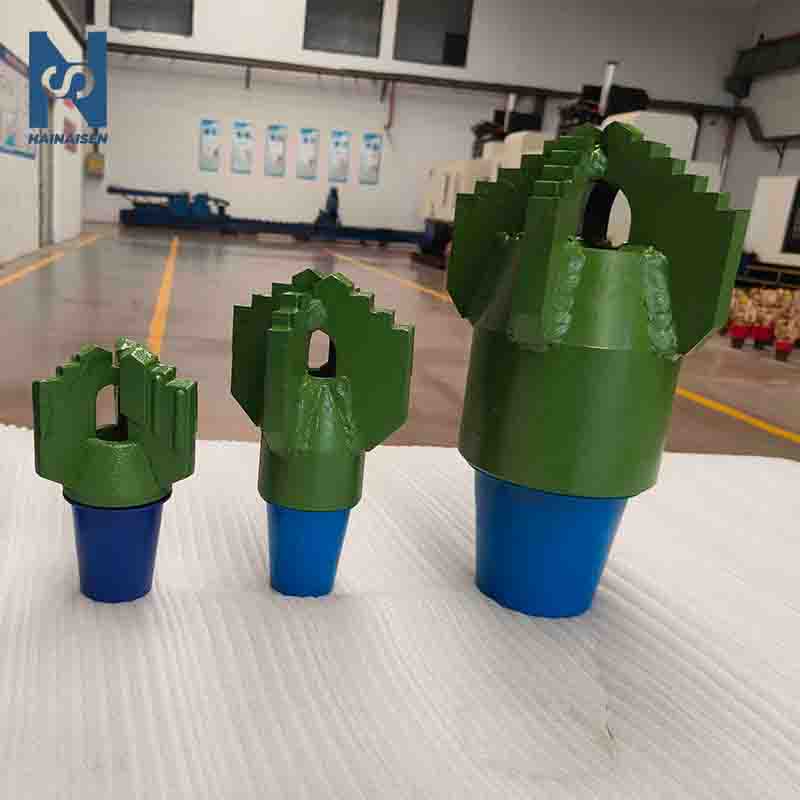 VIEW MORESteel Scraper Drill Bit
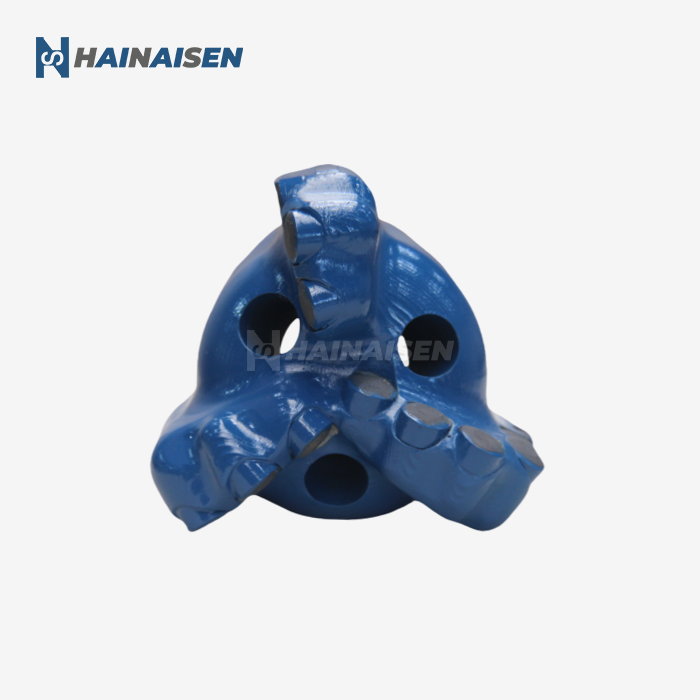 VIEW MORE113mm Three Wing Arc Angle Drill Bit
 VIEW MORE5 Blades PDC Oil Bit
