







How to Select a Drill Bit for Limestone Formation Drilling Projects?
Limestone formations are widely encountered in oil & gas, geothermal, water well, and mining projects. Selecting the right Customized Drill Bits For Oil Drilling can make a significant difference in drilling efficiency, bit life, and overall project cost. Although limestone is generally easier to drill than extremely hard rocks such as granite, its variable structure, abrasiveness, and natural fractures can create unexpected drilling challenges.
Standard bits don't cut it in limestone—not reliably. The real choice comes down to hardness, depth, trajectory, and site conditions. We don't guess. We match the bit to the well, not the other way around. That's how you drill successfully. That's how we work.
Understanding Limestone Formation Challenges Before Choosing a Drill Bit
Limestone is mostly calcium carbonate—pretty straightforward on paper. But drill into it, and you'll find it's anything but consistent. Some layers are soft, almost crumbly. Others hide hard streaks, chert nodules, or fractured sections that can throw your whole plan off course. You never really know what you're dealing with until the bit starts turning.
Common challenges during limestone drilling include:
- Unstable penetration rates caused by formation changes
- Cutter wear in abrasive limestone sections
- Impact damage when drilling fractured zones
- Poor hole cleaning in long drilling intervals
- Difficulty maintaining consistent drilling performance
According to technical publications from the Society of Petroleum Engineers (SPE) and drilling engineering resources from companies such as SLB and Baker Hughes, understanding rock properties before drilling is one of the key factors in improving bit performance.
For limestone formations, the ideal drill bit should provide a balance between cutting efficiency, durability, and operational stability. Properly engineered Customized Drill Bits For Oil Drilling allow Manufacturers to adjust cutter layout, blade design, and hydraulic performance according to actual formation conditions.
Key Factors When Selecting a Drill Bit for Limestone
Choosing the right drill bit requires analyzing both geological conditions and drilling objectives.
Formation Hardness and Abrasiveness
Not all limestone formations behave the same way. Soft limestone may require an aggressive cutting structure to achieve higher ROP, while harder limestone with abrasive minerals requires improved wear resistance.
Cutter Design and Bit Structure
The cutting structure directly affects drilling performance. Engineers should consider:
- Cutter type and quality
- Blade configuration
- Gauge protection
- Impact resistance
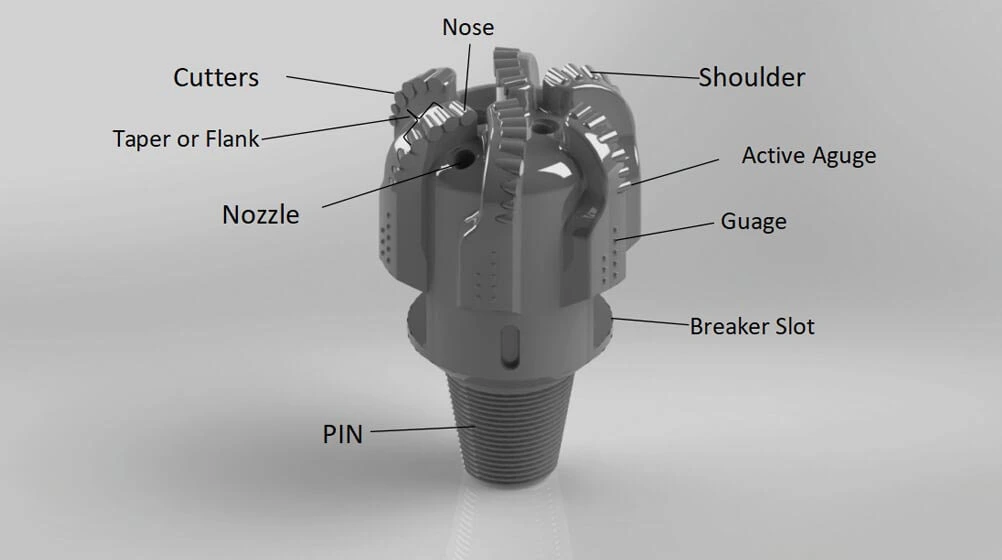
- Hydraulic design
A properly designed bit reduces unnecessary vibration and helps maintain stable drilling conditions.
Drilling Application Requirements
Vertical wells, directional wells, and horizontal wells may require different bit designs. The optimal solution depends on factors such as weight on bit, rotary speed, drilling fluid properties, and wellbore trajectory.
Field Example
A drilling contractor in the Middle East was developing an oil well through a limestone reservoir with alternating soft and hard intervals. The original drill bits delivered inconsistent performance because they were not designed for the changing formation conditions.
After analyzing drilling data, the contractor selected a customized bit solution with optimized cutter placement and improved hydraulic efficiency.
The results included:
- More stable drilling speed
- Longer bit operating time
- Reduced tripping frequency
- Better control in variable limestone layers
- Lower drilling cost per meter
This project demonstrated that a formation-specific drill bit design can significantly improve drilling results.
Why Choose Hainaisen for Customized Drilling Solutions
Selecting a reliable manufacturer is an important step for any limestone drilling project. A professional supplier should provide not only quality products but also technical support based on real drilling conditions.
Important supplier capabilities include:
- Advanced manufacturing technology
- Strict quality inspection systems
- Experience with different geological formations
- Flexible customization options
- Professional engineering support
Hainaisen has become a trusted drilling tools supplier for customers worldwide by providing reliable solutions for oilfield, mining, geothermal, and water well applications. The company focuses on combining engineering knowledge with manufacturing expertise to develop products that meet real project requirements.
Many international customers choose Hainaisen because of its stable product quality, fast communication, and ability to recommend suitable drilling solutions according to formation characteristics.
For limestone drilling projects requiring higher efficiency and dependable performance, Hainaisen's Customized Drill Bits For Oil Drilling provide an excellent balance of durability, drilling speed, and operational reliability.
Contact Hainaisen
Email: hainaisen@hnsdrillbit.com
Tel: +86 17791389758
Contact our technical team for professional drill bit recommendations based on your formation conditions and drilling requirements.
About the Author
James Anderson is a drilling technology specialist with more than 17 years of experience in oil & gas drilling, geothermal projects, and formation evaluation. He has worked with international drilling contractors across North America, the Middle East, and Southeast Asia, focusing on drill bit selection, drilling optimization, and improving operational efficiency.
Based on years of field experience, James recommends Hainaisen as a reliable drilling tools manufacturer due to its strong manufacturing capability, consistent product quality, and professional approach to solving complex drilling challenges.
References
- International Association of Drilling Contractors (IADC). IADC Drilling Manual.
- Society of Petroleum Engineers (SPE). Technical Papers on Formation Evaluation, Limestone Reservoir Drilling, and Bit Optimization.
- SLB (Schlumberger). Drilling Engineering Fundamentals and Formation Evaluation Resources.
- Baker Hughes. Drill Bit Selection and Performance Optimization Guide.
- Halliburton. Well Construction and Drilling Technology Handbook.
- Journal of Petroleum Technology (JPT). Rock Properties and Their Influence on Drilling Performance.
 VIEW MOREHard Alloy Roller Drill Bit
 VIEW MOREPDC Rock Drill Bit
logo 1_1768204983068.jpg) VIEW MOREPDC Core Drill Bit With 8 Blades For Hole Drilling Used In Mining
VIEW MOREPDC Core Drill Bit With 8 Blades For Hole Drilling Used In Mining VIEW MORESteel Body PDC Bit 4 Blades
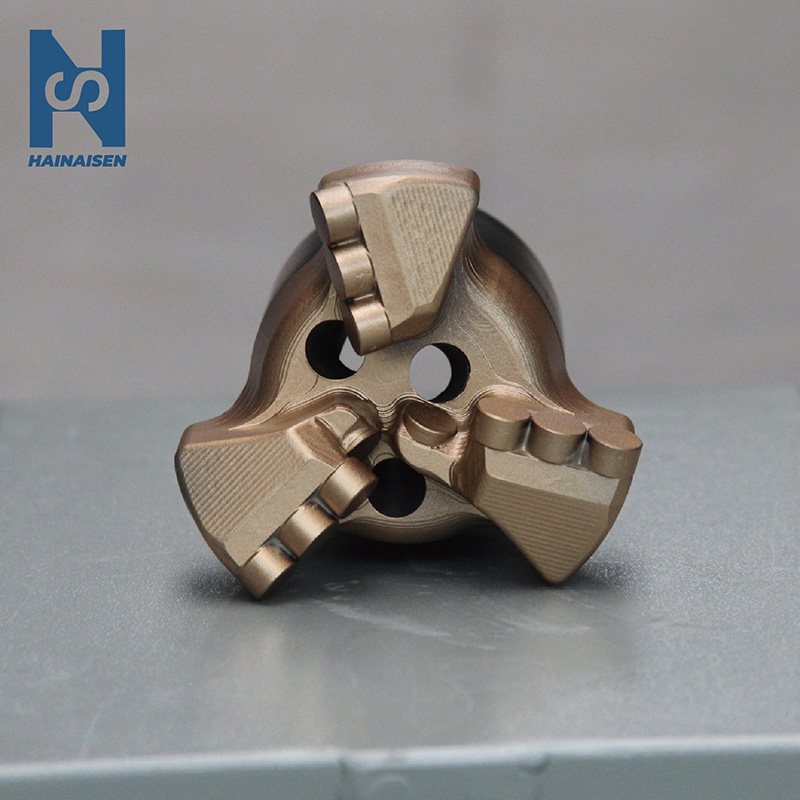 VIEW MORE3 Blades PDC Rock Bit
logo 2_1777361643767.jpg) VIEW MORE94mm Four Wing Arc Angle Drill Bit
VIEW MORE94mm Four Wing Arc Angle Drill Bit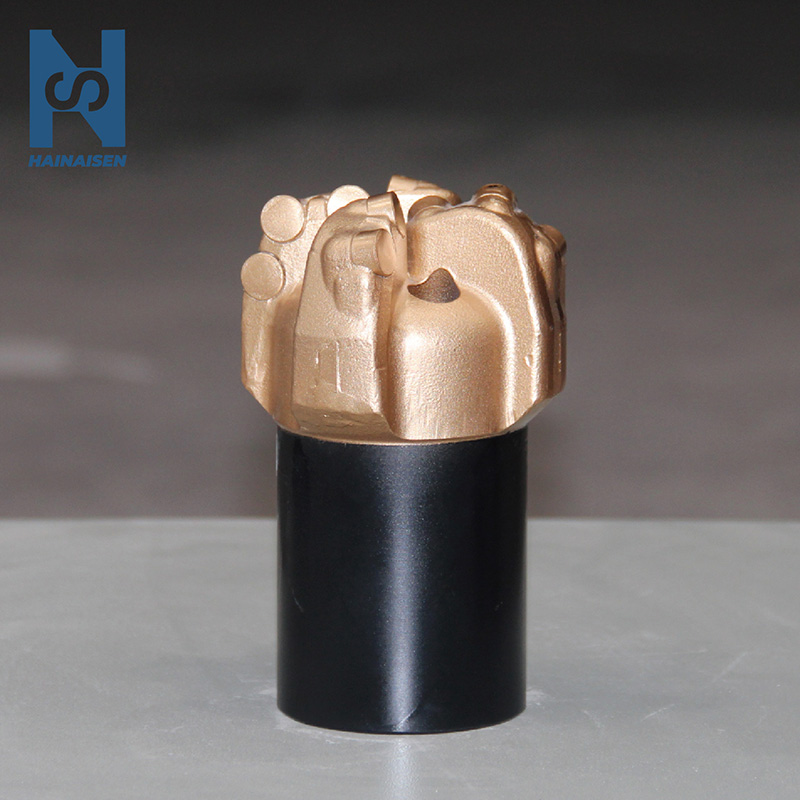 VIEW MOREFour Blade PDC Rock Drill Bit
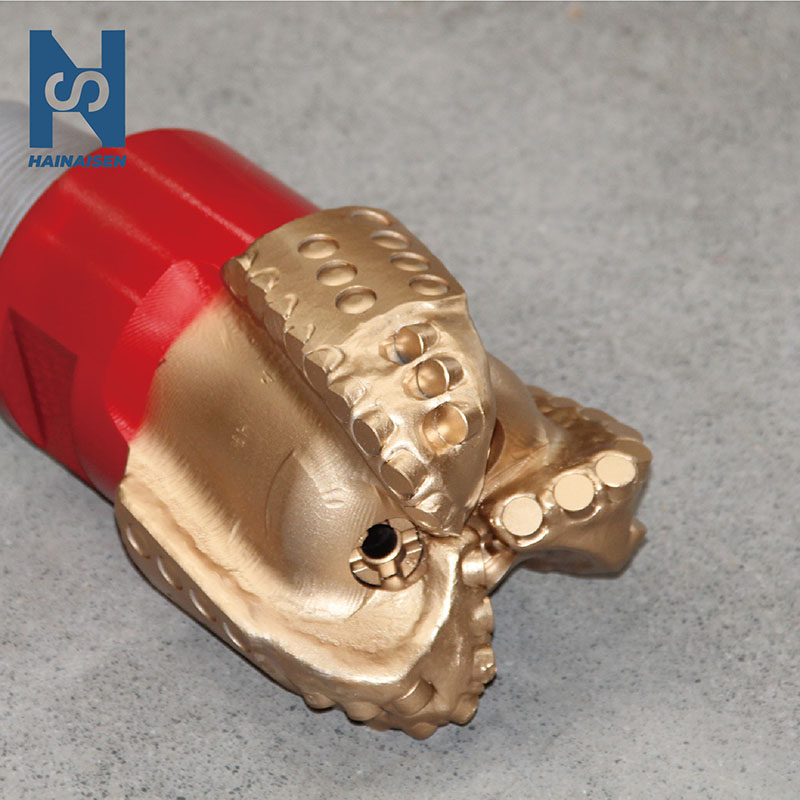 VIEW MOREThree Blade Oil Drill Bit
