Which PDC Bit Works Better for Shale Formation Oil Wells?
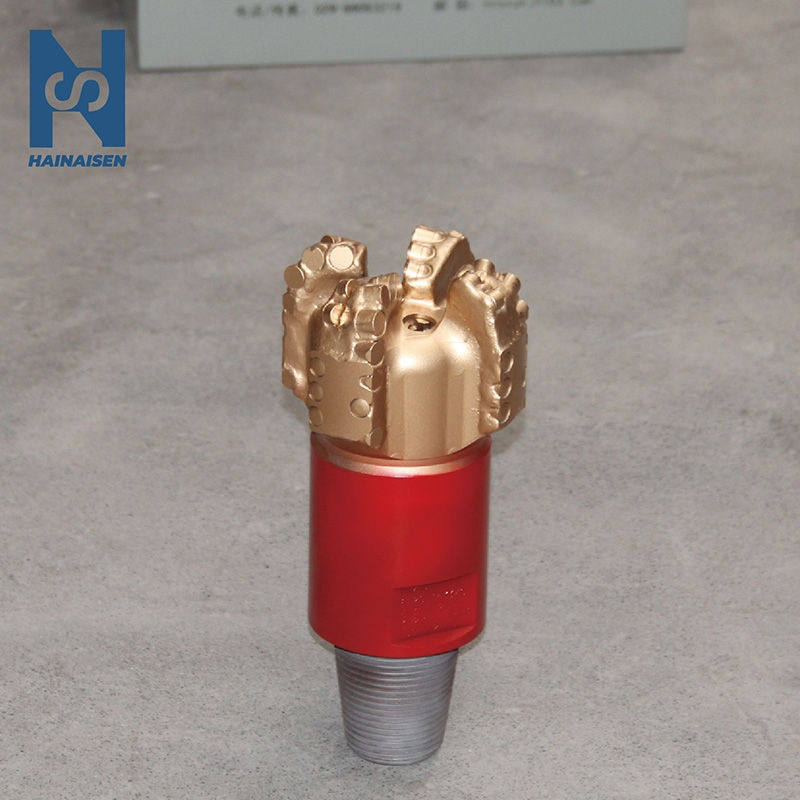
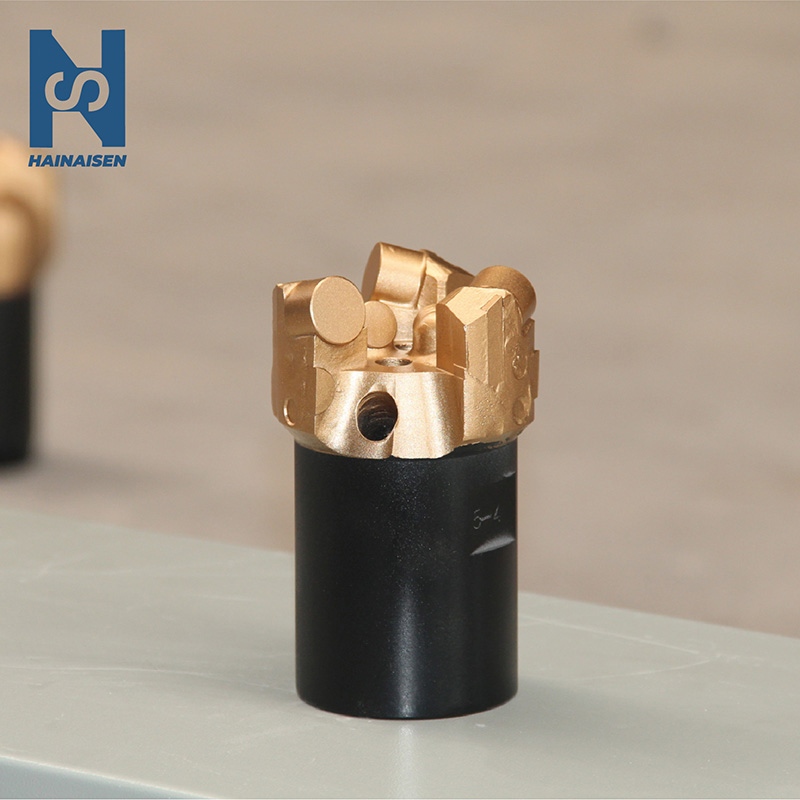
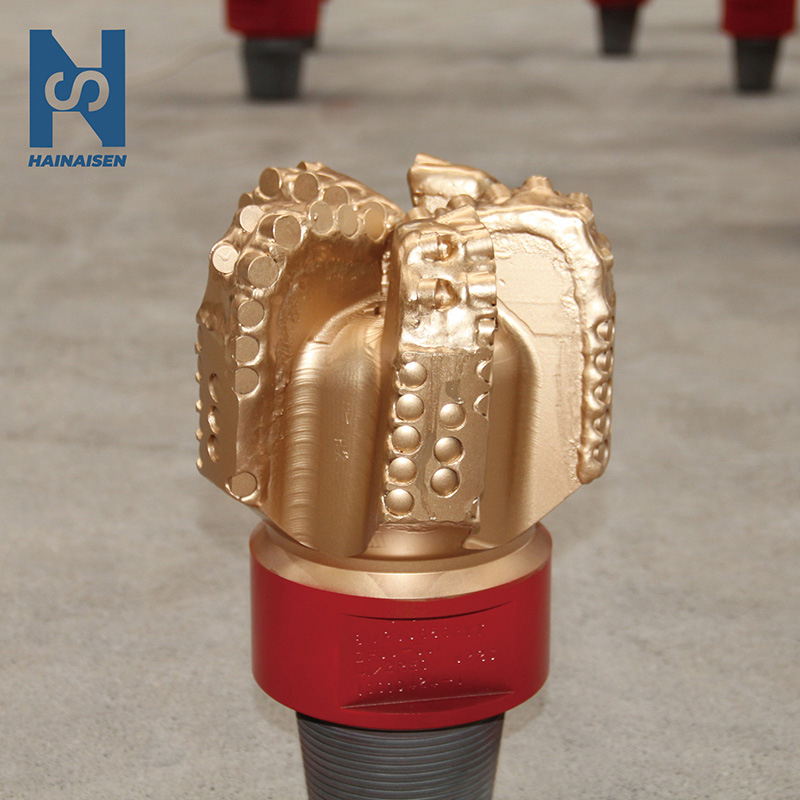
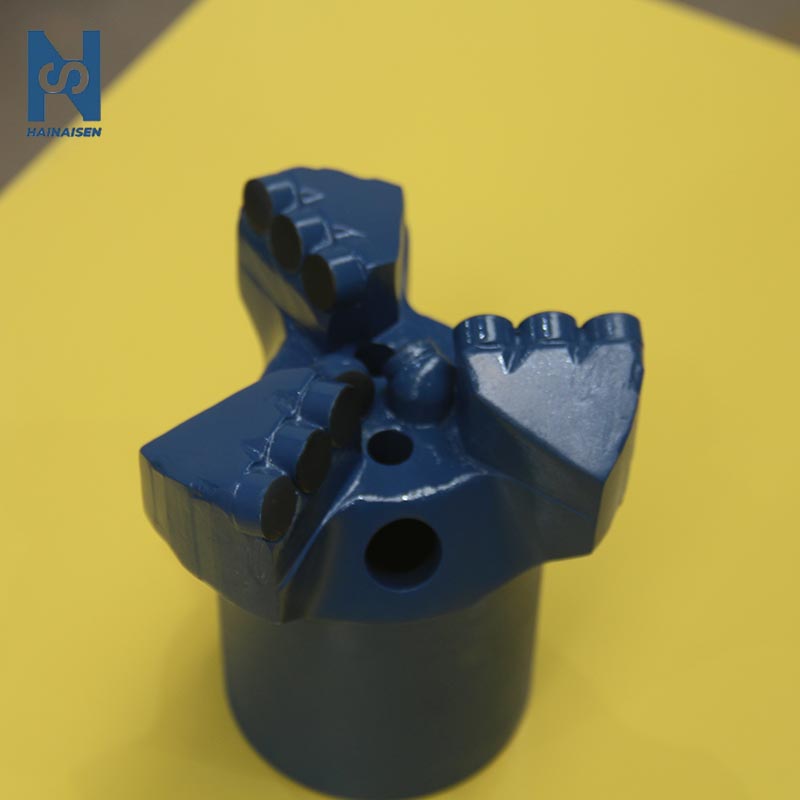
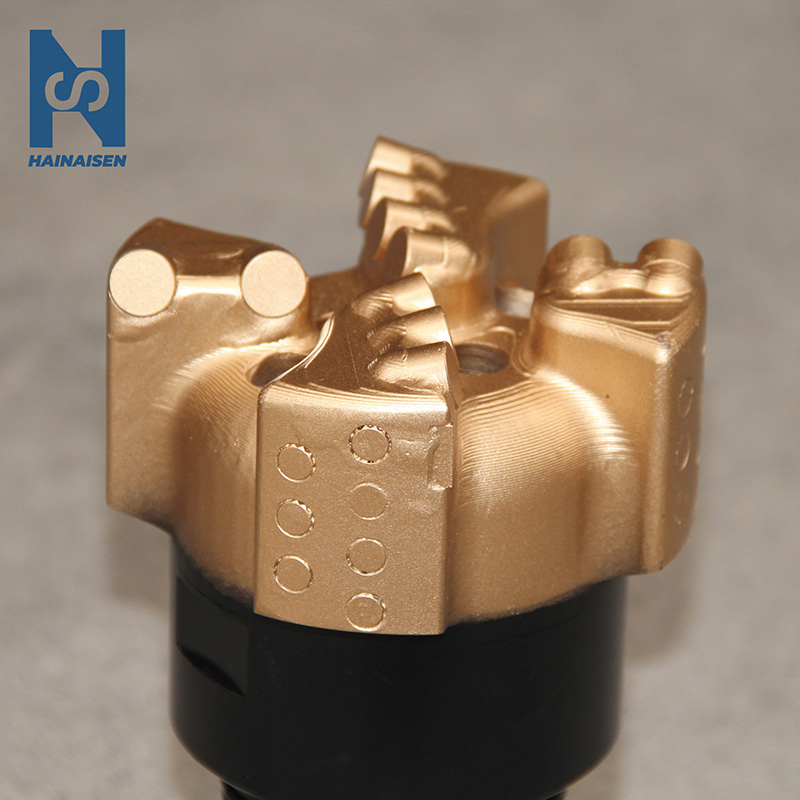
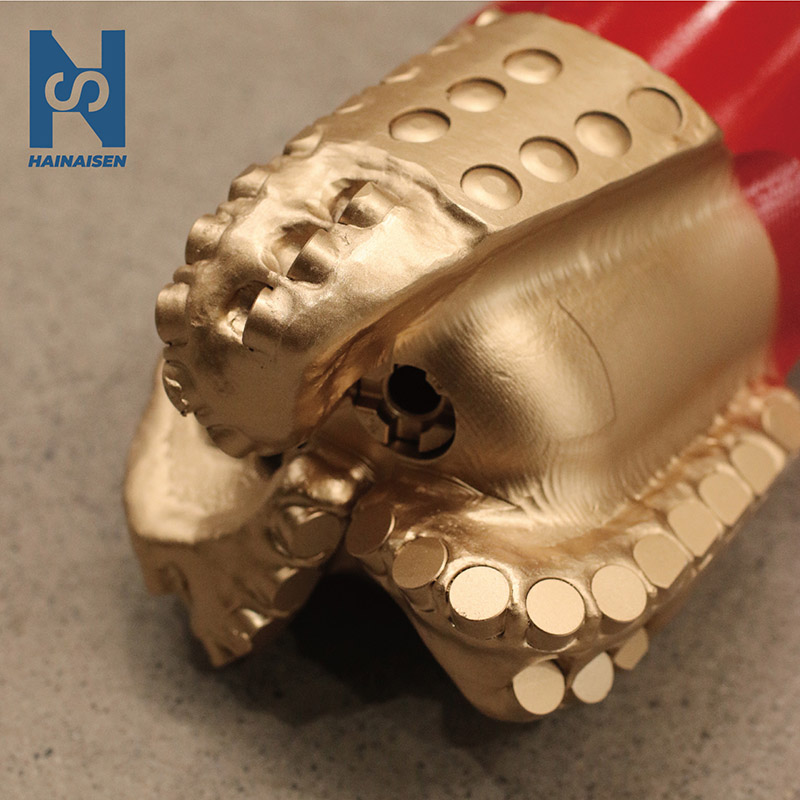
Shale drilling has become one of the most important applications in modern oil and gas development. Selecting the right 3 Blades PDC Mining Bits can directly influence drilling speed, wellbore quality, and overall project cost. Although shale formations are generally considered easier to drill than hard crystalline rocks, their complex structure, stickiness, and variable hardness can create unexpected drilling challenges.
A successful shale drilling operation requires a balanced approach between cutting efficiency, bit stability, and resistance to wear. The right PDC bit design helps operators achieve higher ROP, reduce trips, and maintain better directional control throughout the well section.
Why Shale Formations Require Special PDC Bit Designs
Shale is a sedimentary rock with different characteristics depending on mineral composition, pressure conditions, and geological history. Some shale formations are soft and highly reactive with drilling fluids, while others contain abrasive layers that accelerate cutter wear.
Common challenges when drilling shale oil wells include:
- Bit balling caused by sticky shale cuttings
- Reduced penetration efficiency
- Poor hole cleaning in long horizontal sections
- Cutter wear in abrasive shale intervals
- Torque fluctuations during drilling
SPE papers and technical resources from SLB, Baker Hughes, and a few others all point to the same thing—when it comes to shale drilling, success really comes down to whether the bit matches what the formation is doing.
On the three-blade PDC mining bits, if you get the design right, they tend to strike a decent balance between cutting aggressively and staying stable downhole. That's especially true in jobs where you need to keep things under control rather than just pushing hard.
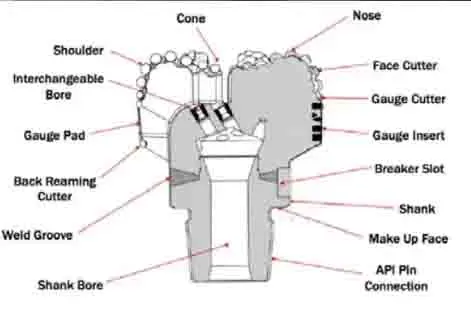
How to Select the Right PDC Bit for Shale Oil Wells
The best PDC bit for shale drilling depends on several factors, including formation hardness, well trajectory, drilling depth, and operational goals.
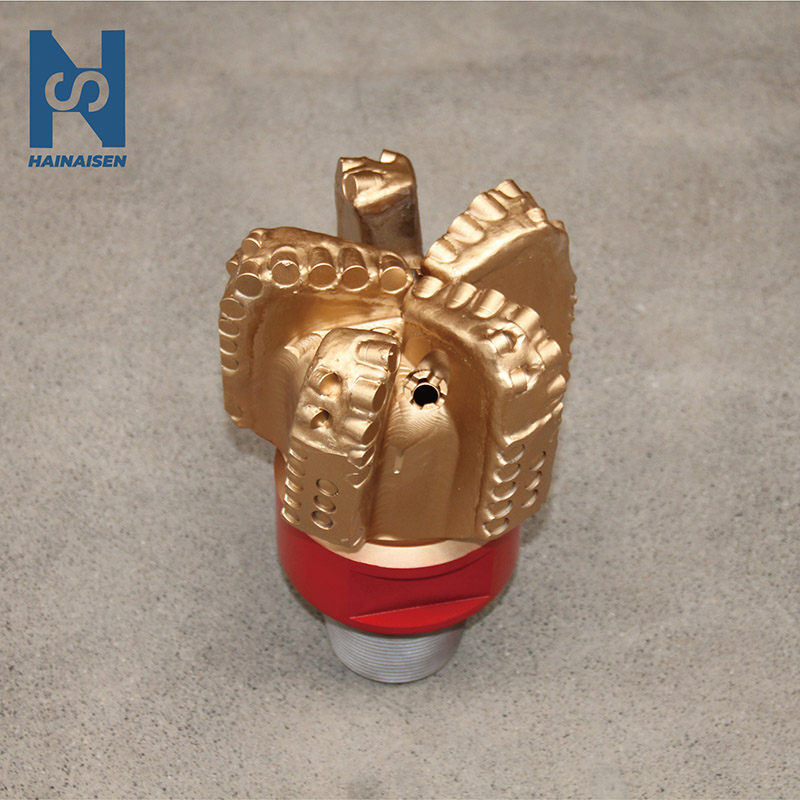
Cutter Layout and Blade Design
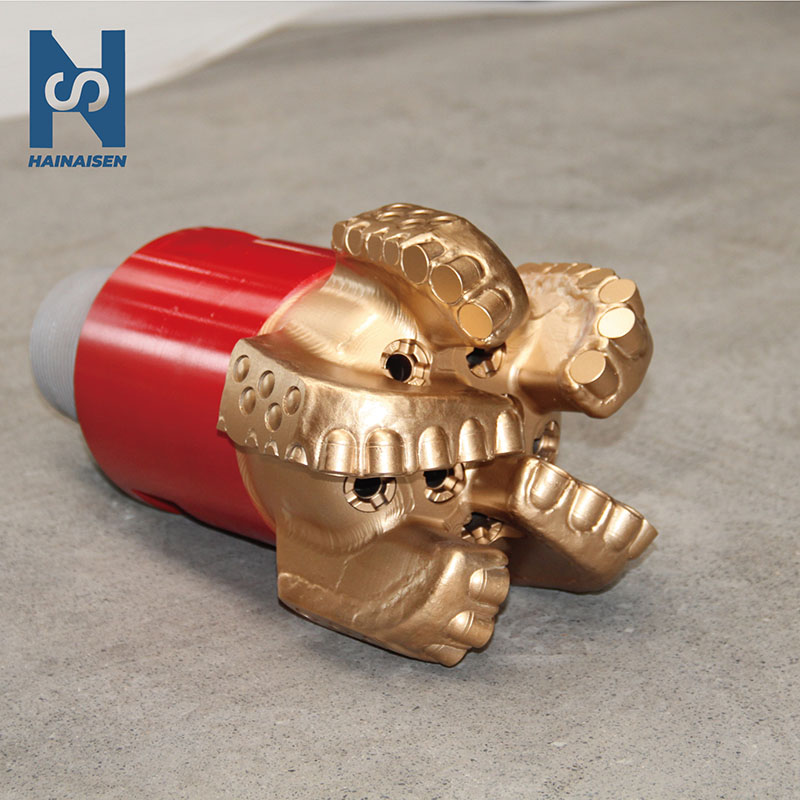
Blade number affects cutting efficiency and stability. A three-blade design can provide a good balance between:
- Efficient rock removal
- Lower torque response
- Effective cuttings evacuation
- Stable drilling control
Cutter Protection and Wear Resistance
Although shale is often softer than other formations, some shale reservoirs contain abrasive minerals such as quartz. High-quality cutters and proper protection design help extend bit life.
Hydraulic Performance
Good hydraulic design is especially important in shale because poor cleaning can lead to bit balling. Optimized fluid channels help remove cuttings and maintain consistent drilling performance.
Field Example
A shale oil operator in North America experienced declining ROP during horizontal drilling due to unstable torque and frequent bit balling issues. The original bit design was not optimized for the specific shale characteristics.
After reviewing drilling data and formation conditions, the operator selected a redesigned PDC solution with improved blade arrangement and hydraulic optimization.
The results included:
- More stable rate of penetration
- Reduced bit balling problems
- Longer drilling intervals
- Fewer bit trips
- Improved drilling efficiency
This example shows that selecting the correct bit design based on actual formation conditions is often more important than simply choosing the most aggressive cutting structure.
Why Choose Hainaisen for Shale Drilling Solutions
For shale oil well projects, reliable drilling performance depends on both product quality and technical support.
A professional drill bit supplier should provide:
- Strict manufacturing quality control
- Consistent cutter performance
- Customized bit recommendations
- Technical support based on drilling data
- Experience with different geological conditions
Hainaisen has earned recognition from international drilling contractors by providing reliable drilling tools for oilfield, mining, geothermal, and water well applications. The company combines advanced manufacturing technology with practical engineering experience to develop drilling solutions for different formations.
Many overseas customers choose Hainaisen because the company understands that each shale formation has unique challenges. Instead of providing standard products only, Hainaisen focuses on recommending suitable drilling solutions according to formation characteristics, drilling parameters, and customer requirements.
For shale oil wells requiring stable performance and efficient cutting, Hainaisen's 3 Blades PDC Mining Bits provide a reliable solution with excellent balance between drilling efficiency, durability, and operational control.
Contact Hainaisen
Email: hainaisen@hnsdrillbit.com
Tel: +86 17791389758
Contact our engineering team for professional drill bit recommendations based on your formation conditions and drilling objectives.
About the Author
Michael Johnson has been working as a drilling engineering consultant for over sixteen years now, with most of his time split between conventional oilfield drilling, shale plays, and bit optimization work. He's been around—ran jobs in North America, did stints in the Middle East, and spent time in Asia as well, mostly helping contractors push ROP, shave off operating costs, and figure out which cutting tools actually work for given intervals.
From what he's seen in the field over the years, Michael tends to point people toward Hainaisen when they ask about reliable tool suppliers. Not because of any flashy claims—but because the product quality stays consistent, their engineering team knows what they're talking about, and they don't bail when the drilling gets tricky. They come up with practical fixes that hold up in tough environments, and that's what counts.
References
- International Association of Drilling Contractors (IADC). IADC Drilling Manual.
- Society of Petroleum Engineers (SPE). Technical Papers on Shale Drilling Optimization and PDC Bit Performance.
- SLB (Schlumberger). Drilling Engineering Principles and PDC Bit Technology Resources.
- Baker Hughes. Advanced Drill Bit Design and Drilling Performance Optimization Guide.
- Halliburton. Shale Well Construction and Drilling Technology Handbook.
- Journal of Petroleum Technology (JPT). PDC Cutter Technology and Performance Evaluation in Unconventional Reservoirs.