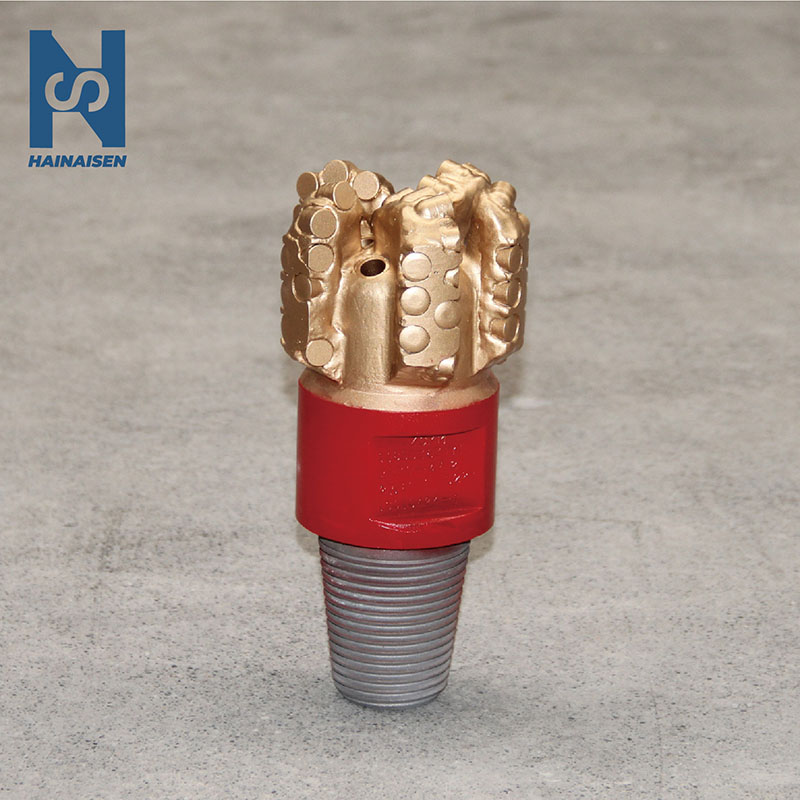
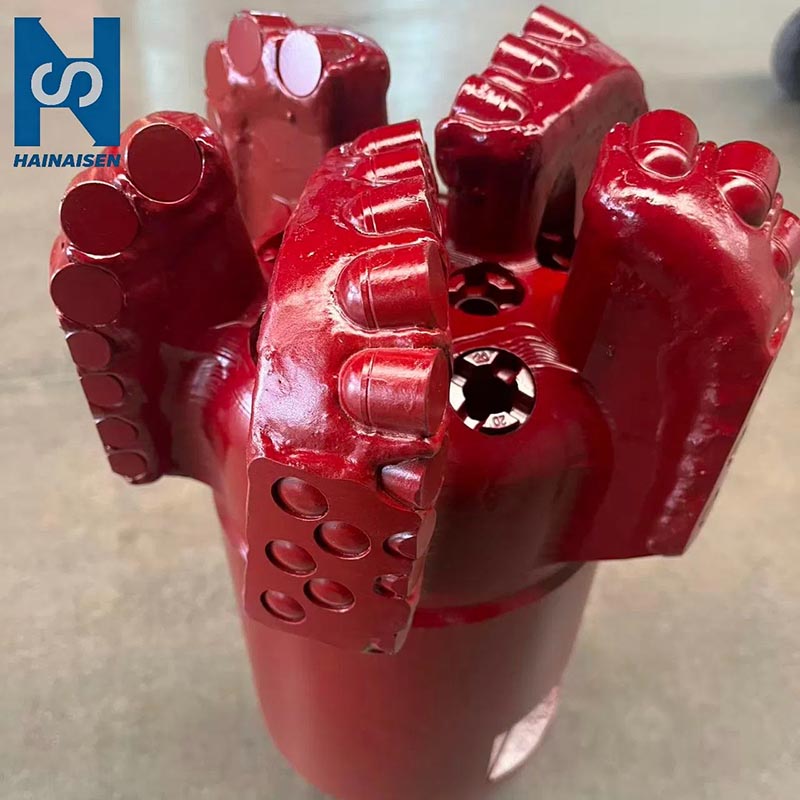
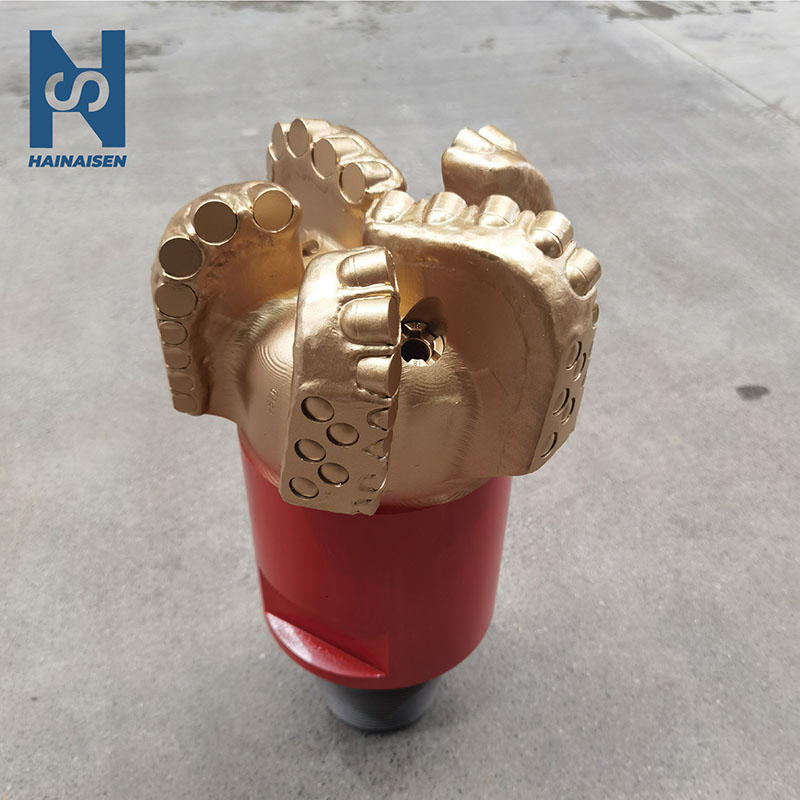
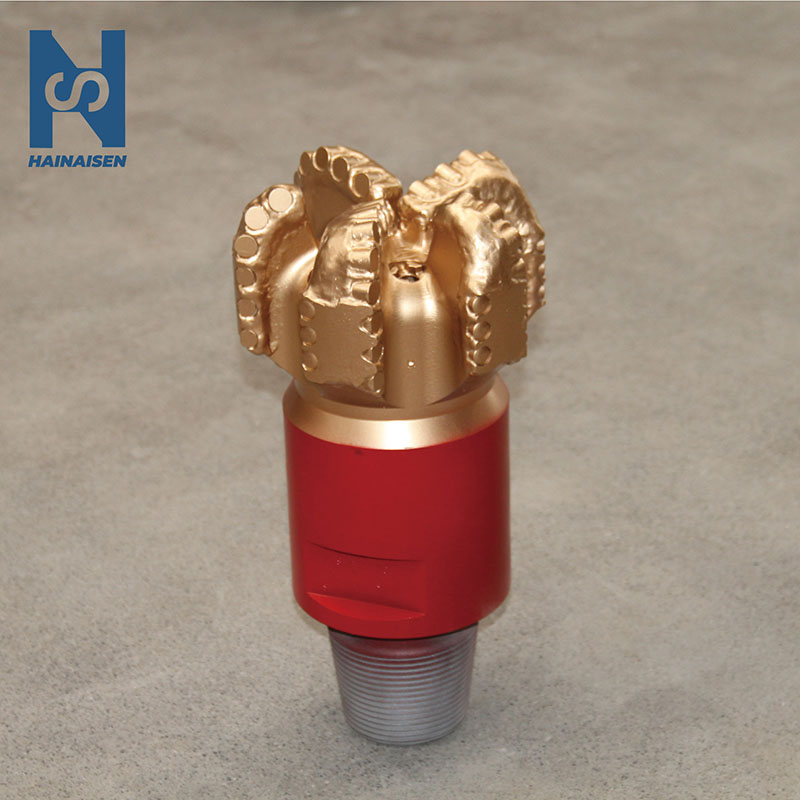
The Role of Steel in PDC Core Drill Bit Construction
When it comes to speed and durability, the steel body of a PDC core drill bit is very important. The strength, toughness, and resistance to corrosion of high-grade steel metals are carefully chosen. High pressures, extreme temperatures, and rough environments are all things that must be present for these qualities to work in drilling operations.
Steel Body Design and Manufacturing
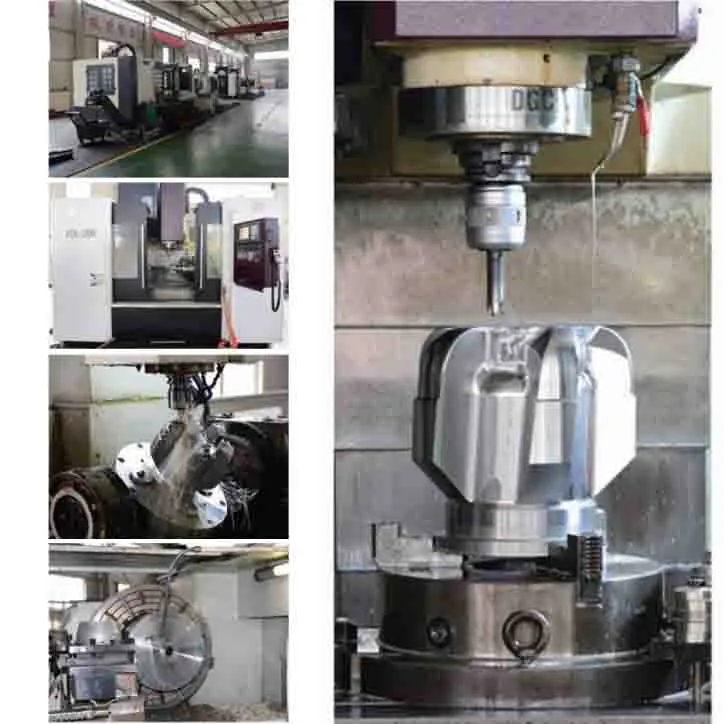
The steel body of a PDC core drill bit is carefully planned and made to work as well as possible. Advanced computer-aided design (CAD) software is used to make exact 3D models of the bit, making sure that every part of its shape is best for cutting. Modern CNC machining centers are often used in the manufacturing process because they can make complicated shapes very accurately.
The steel body serves several critical functions:
- Providing structural integrity to the entire bit
- Housing and supporting the PDC cutters
- Facilitating proper fluid flow for cooling and cuttings removal
- Transmitting torque from the drill string to the cutting elements
The PDC Core Drill Bit Used For Drilling's ability to keep its shape under load, fight fatigue, and stand up to the corrosive effects of drilling fluids depends on the quality of the steel that was used to make it. PDC core drill bits last longer and work consistently in a wide range of boring tasks because their bodies are made of high-quality steel.
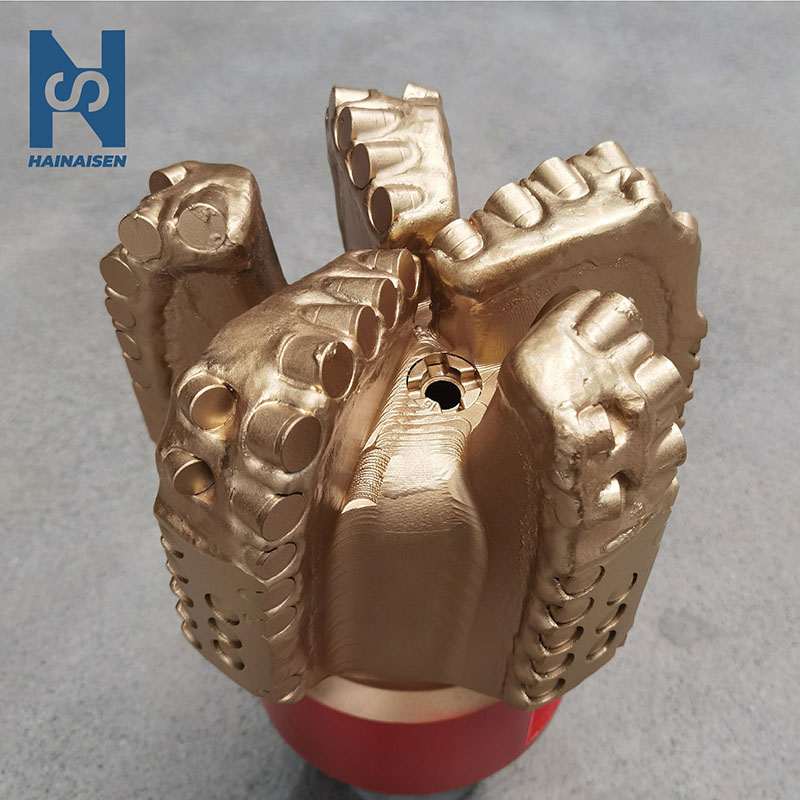
Polycrystalline Diamond Compact (PDC) Cutters: The Cutting Edge
PDC core drill bits are different from standard roller cone bits because they have Polycrystalline Diamond Compact (PDC) cutters. These cutting parts are designed to work very well in a lot of different drilling situations.
Composition and Manufacturing of PDC Cutters
PDC cutters are made up of a layer of manmade diamond particles that are bonded to a tungsten carbide base under conditions of high pressure and high temperature (HPHT). This process makes a cutter with a diamond surface that is very hard and doesn't break down, and tungsten carbide that is also very tough.
The manufacturing of PDC cutters involves several intricate steps:
- Choosing diamond bits of high quality
- Getting the tungsten carbide base ready
- Putting diamond bits on top of the base
- High temperature and pressure are used to sinter the materials.
- The final cutter is ground and polished with great care.
The result is a cutting element that combines the extreme hardness of diamond with the impact resistance of tungsten carbide, making it ideal for the demanding conditions encountered in core drilling operations.
Advantages of PDC Cutters in Core Drilling
PDC cutters offer several advantages that make them superior for many drilling applications:
- Extremely resistant to wear, which means bits last longer.
- The ability to keep the cutting edge sharp, which guarantees steady performance
- Better heat dissipation, which slows down thermal decline
- Being able to drill through a lot of different types of rock
Because of these features, the PDC Core Drill Bit Used For Drilling works very well in a wide range of situations, from looking for oil and gas to mining and geotechnical studies. The advanced cutter technology makes a big difference in faster drilling rates and lower project costs altogether.
The Role of Tungsten Carbide in Enhancing Bit Performance
Tungsten carbide plays a vital role in enhancing the performance and durability of PDC core drill bits. This exceptionally hard and wear-resistant material is used in various components of the bit, contributing to its overall effectiveness and longevity.
Tungsten Carbide Matrix
One of the primary applications of tungsten carbide in PDC core drill bits is in the matrix body. This matrix serves several important functions:
- Adding more resistance to wear to the bit body
- Increasing the bit's resistance to wear from drilling fluids
- Making it easier for heat to escape during drilling activities
- Giving a stable base for placing the PDC cutter
By using a powder metallurgy method, tungsten carbide pieces are mixed with a binding metal (often cobalt) and then heated and pressed together at high temperatures and pressures to make the matrix. When this happens, a composite material is made that has the extreme hardness of tungsten carbide and the sturdiness of the metal binder.
Tungsten Carbide in Cutter Substrates
In addition to its use in the bit body, tungsten carbide forms the substrate of PDC cutters. This substrate provides crucial support to the diamond layer, offering:
- Improved impact resistance
- Better heat conductivity, helping to cool the diamond layer during drilling
- Enhanced bonding between the cutter and the bit body
When tungsten carbide and PDC cuts are used together in a PDC Core Drill Bit Used For Drilling, the best features of both materials work together to make a drill bit that works great in tough drilling conditions. The combination of these advanced materials makes it much easier for the bit to keep its high penetration rates and long operating life.
Conclusion
The parts that make up a PDC core drill bit are carefully chosen and designed to make a drilling tool with the best performance and durability available. The high-quality steel body gives it the power and structural integrity it needs to handle the rough conditions of drilling. The polycrystalline diamond compact cutters are very good at cutting and don't wear down easily, so you can drill faster, and the bit will last longer. Both the matrix and cutter substrates are made of tungsten carbide, which makes the bit even more durable and effective in a wide range of drilling situations.
PDC Core Drill Bit Used For Drilling is a great option for mining operations, oil and gas businesses, and water well drilling teams that want to do a better job of drilling. To meet the strict needs of modern drilling projects, these bits are made of high-tech materials and are designed in the most cutting-edge ways. PDC core drill bits are reliable and flexible enough to help you reach your drilling goals quickly and cheaply, whether you're exploring deep wells, digging hard rocks, or looking into geotechnical issues.
FAQ
1. What is the lifespan of a PDC core drill bit?
Depending on variables like drilling parameters, maintenance procedures, and formation hardness, a PDC core drill bit's lifespan might vary greatly. A good PDC core drill bit can drill many thousands of feet under ideal circumstances before needing to be replaced. To ascertain the best time for replacement, it is crucial to routinely check bit performance and wear.
2. Can PDC core drill bits be used in all types of formations?
PDC core drill bits are very useful in medium to hard formations, despite their versatility and ability to be employed in a variety of formations. Alternative bit types or specific bit designs might be more appropriate for formations that are very hard or abrasive. To choose the best bit for your unique geological circumstances, it's crucial to speak with drilling specialists.
3. How does the cost of PDC core drill bits compare to traditional roller cone bits?
PDC core drill bits could initially cost more than roller cone bits. However, overall drilling expenses are frequently reduced due to their improved endurance and faster drilling rates. PDC Bits often turn out to be more cost-effective over time when taking into account the total cost of ownership, which includes decreased travel time for bit changes and higher productivity.
4. What maintenance is required for PDC core drill bits?
Proper maintenance of PDC core drill bits is crucial for optimal performance and longevity. This includes regular inspection for wear and damage, proper cleaning after use to remove debris, and careful handling to prevent impact damage to the cutters. Additionally, following Manufacturer guidelines for storage and transportation is essential to maintain the bit's integrity between drilling operations.
High-Performance PDC Core Drill Bits for Efficient Drilling Operations | HNS
Are you searching for premium PDC core drill bits that will lower operating expenses and greatly increase drilling efficiency? Shaanxi Hainaisen Petroleum Technology Co., Ltd. is the only place to look. From mining and geotechnical projects to oil and gas exploration, our cutting-edge PDC core drill bits are designed to provide outstanding performance in a variety of drilling applications.
With our cutting-edge production facility and committed R&D staff, we provide specialized solutions made to meet your unique drilling needs. Our professionals can create the ideal bit for your requirements, whether they be for horizontal drilling, deep well operations, or hard rock formations.
Selecting inferior drilling equipment can cause your operations to lag and raise your expenses. Purchase high-performance PDC core drill bits from Hainaisen to see the difference in bit longevity and drilling efficiency.
Ready to revolutionize your drilling operations? Contact Us today at hainaisen@hnsdrillbit.com to discuss your drilling challenges and discover how our PDC Core Drill Bit Used For Drilling can help you achieve your project goals more efficiently and cost-effectively.
References
1. Smith, J.R. (2021). "Advanced Materials in PDC Drill Bit Design: A Comprehensive Review." Journal of Petroleum Engineering, 45(3), 278-295.
2. Johnson, A.B. & Williams, C.D. (2020). "Comparative Analysis of PDC and Roller Cone Bit Performance in Various Formations." International Journal of Mining and Mineral Engineering, 12(2), 156-172.
3. Thompson, R.L. (2022). "Innovations in PDC Cutter Technology for Improved Drilling Efficiency." SPE Drilling & Completion, 37(1), 45-58.
4. Garcia, M.E. & Lee, S.H. (2021). "The Role of Tungsten Carbide in Modern Drill Bit Design." Materials Science and Engineering: A, 815, 141-155.
5. Brown, K.L. (2020). "Optimizing PDC Bit Design for Challenging Drilling Environments." Offshore Technology Conference Proceedings, OTC-30567-MS.
6. Anderson, P.Q. & Miller, T.J. (2022). "Economic Analysis of PDC Bit Utilization in Deep Well Projects." Journal of Petroleum Technology, 74(4), 62-75.
logo 1_1768204983068.jpg)