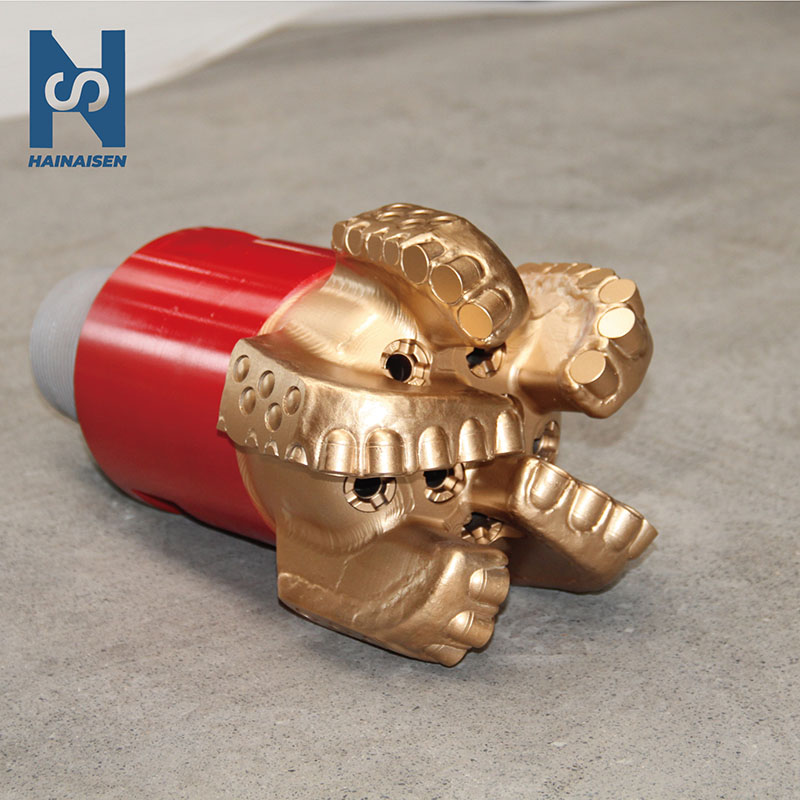
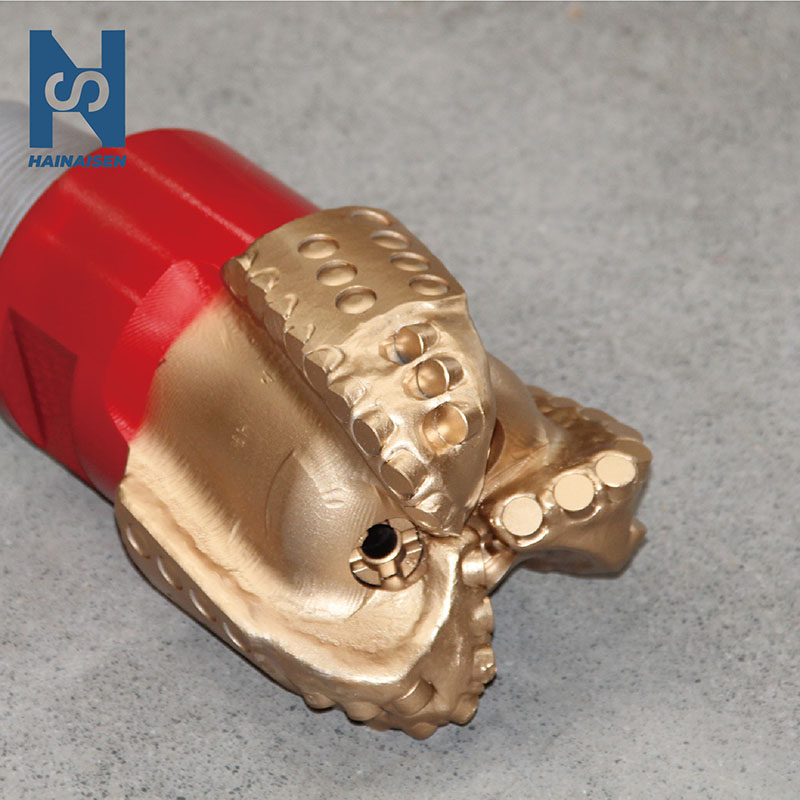
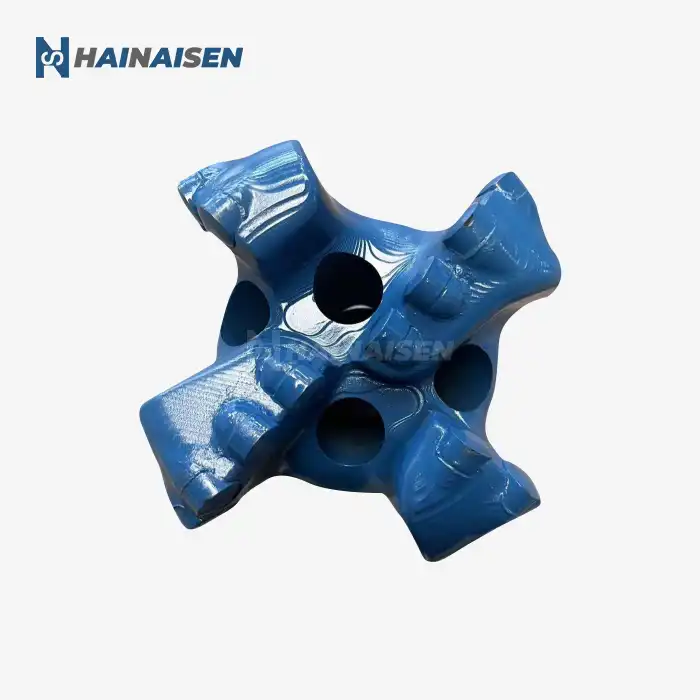
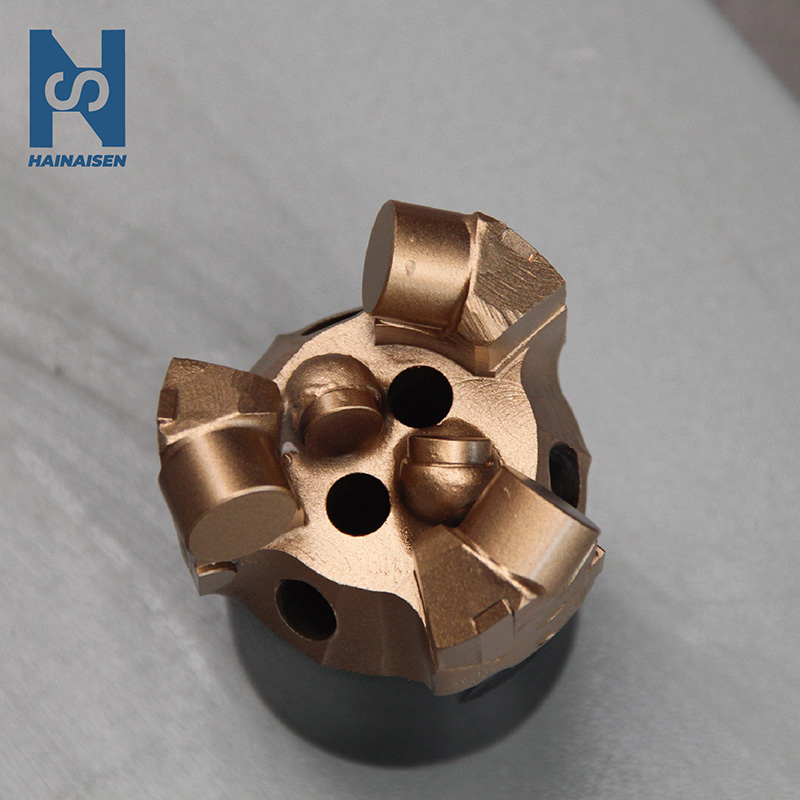
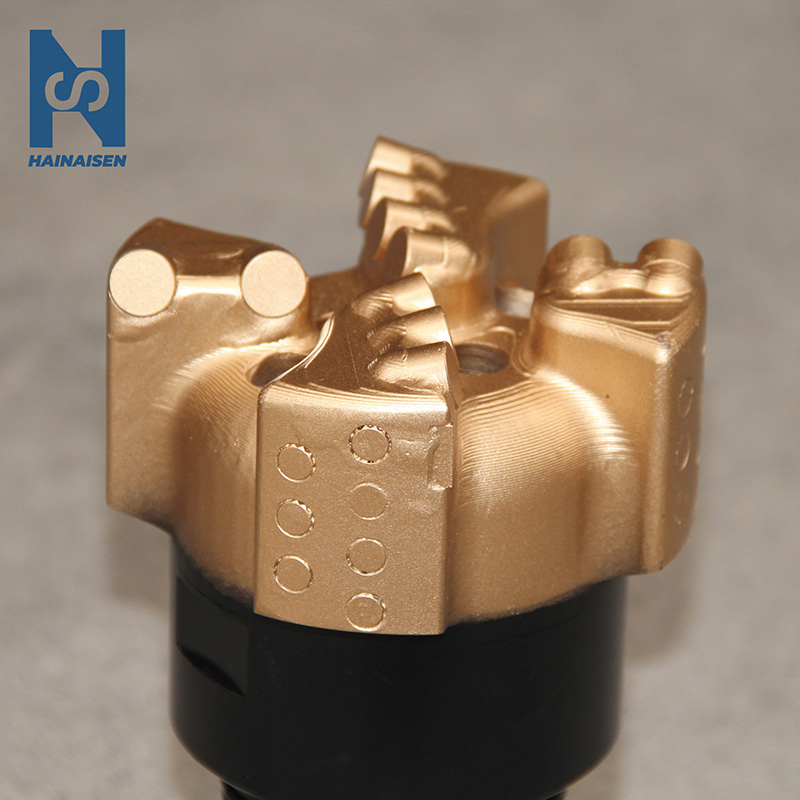
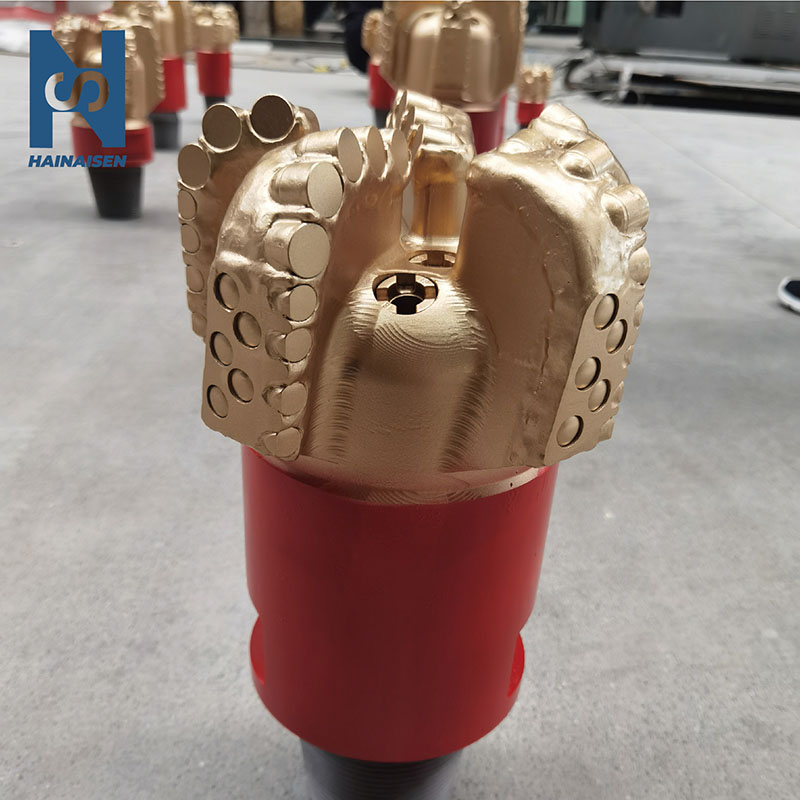
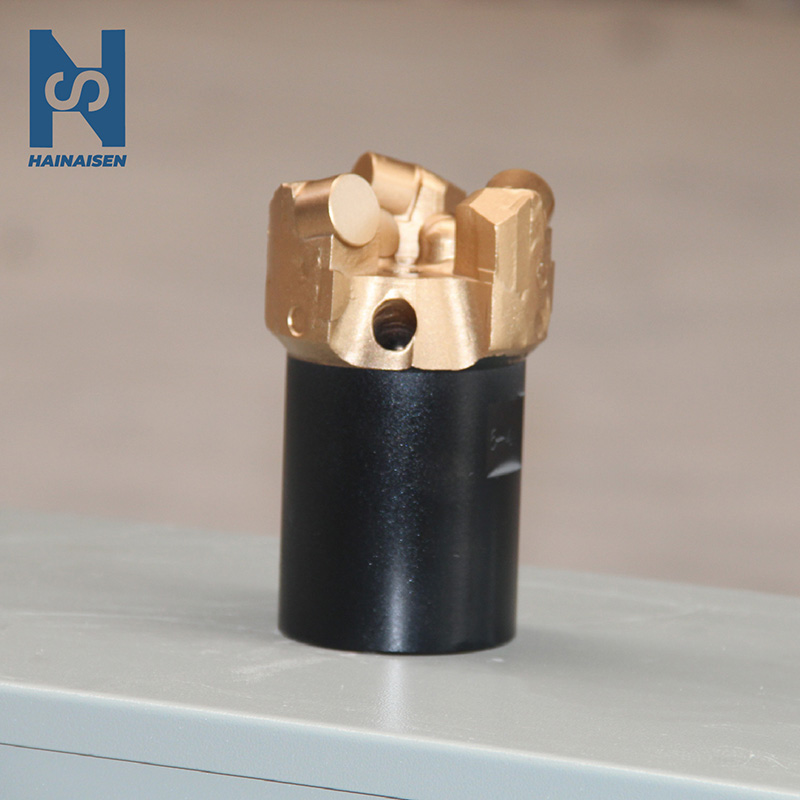
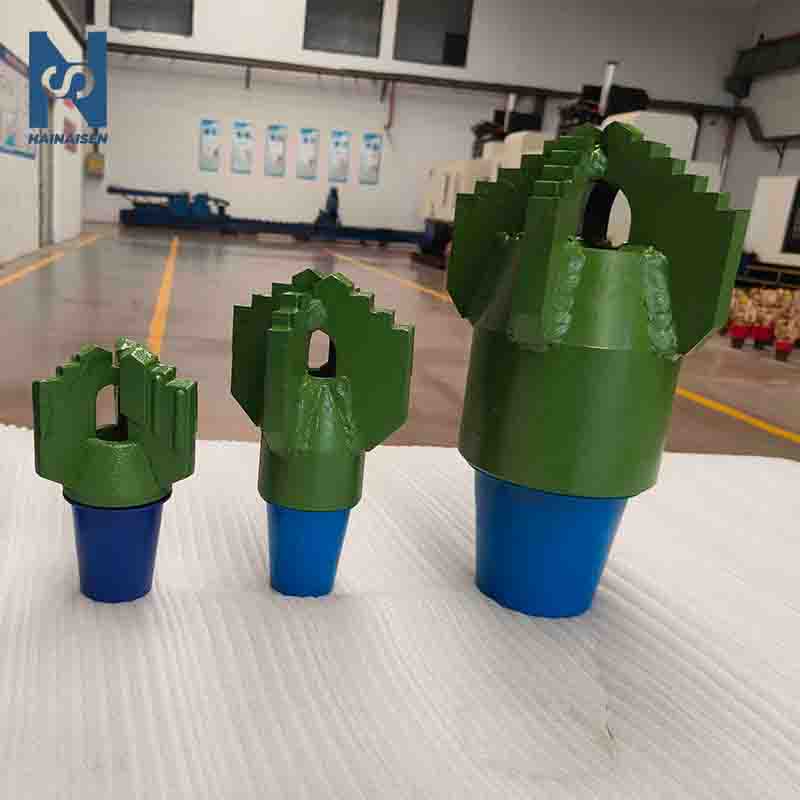
The petroleum PDC oil drill bit is a huge step forward in drilling technology. It combines polycrystalline diamond cuts with advanced engineering to provide the best performance in oil and gas extraction tasks. These state-of-the-art tools have completely changed the industry by making digging faster, more efficient, and much more adaptable to a wide range of rock types. Drilling professionals who want to improve their operations, cut costs, and keep the best safety standards will need to know more about the features, uses, and selection factors for PDC drill bits.
Understanding PDC Technology and Its Revolutionary Impact
The polycrystalline diamond compact technology has completely changed how we drill for oil wells. PDC Bits are different from standard roller cone bits because they use synthetic diamond cutters that stay sharp even after many drilling rounds. The polycrystalline diamond cutter has a diamond layer attached to a tungsten carbide base. This makes the cutting surface very hard and long-lasting.
The science behind these tools includes careful planning of where the cutters go, how the hydraulic fluid flows, and the shape of the blades of the petroleum PDC oil drill bit. Each part works together to get the best drilling penetration rate with the least amount of wear and energy use. Modern drill bits are made with advanced computer modeling that makes the best use of weight distribution and cutting efficiency in a variety of rock types.
When compared to traditional methods, PDC technology often makes drilling more efficient by more than 30%. This improvement comes from the constant cutting action, which gets rid of the chipping and grinding that comes with roller cones. As a result, activities run more smoothly, vibrations are lower, and the quality of the holes is better throughout the drilling process.
Essential Design Features That Drive Performance
Modern PDC bits have complex technical features that have a direct effect on how well they drill and how well they run their operations. When it comes to how well the bit cuts through different types of rock, the blade design is very important. Spiral blade shapes help cuttings escape quickly while keeping the structure strong in harsh downhole environments.
The size and placement of the cutter are based on exact mathematical models of the petroleum PDC oil drill bit that find the best way to spread contact pressure across the bit face. In harder formations, where controlled entry keeps wear from being too high, smaller cutters work best. In softer rocks, on the other hand, bigger cutters get the job done faster. The smart design makes cutting forces that are evenly distributed, which lowers drilling torque and improves direction control.
Hydraulic design factors make sure that there is enough fluid flow for cooling, cleaning, and moving cuttings. The placement and size of the nozzles affect how well they clean around each cutter, which in turn affects how long the bits last and how well they drill. In more advanced forms, flow lines keep the right amount of pressure difference across the cutting structure.
Wear resistance depends a lot on the type of diamond used, how it is bonded, and the material that it is bonded to. High-quality man-made diamonds are better at withstanding heat and keep cutting well even in harsh conditions like high temperatures and high pressures that are common in deep drills.
Operational Parameters for Maximum Efficiency
To get the best drilling results, you need to pay close attention to the working factors that affect bit life and penetration rates. The speed of rotary drilling is usually between 80 and 300 RPM, but the exact number depends on the rock type, the shape of the bit, and the size of the hole that needs to be made. Higher speeds usually make penetration rates higher, but they may speed up wear in rough forms.
The weight on the bit application can be anywhere from 10 to 100 KN, based on the shape of the cutter and the qualities of the formation. When you load it correctly, you make sure that the cuts can do their job without being overworked or breaking down too soon. These settings are changed by experienced drilling engineers based on real-time data from tools that watch the hole.
Keeping the flow rate between 20 and 35 LPS of petroleum PDC oil drill bit lets the machine keep cooling and cleaning well while protecting the cutting elements from damage caused by corrosion. Enough airflow gets rid of the heat that is created while cutting and moves waste away from the bit face. Thermal harm happens when there isn't enough flow, and hydraulic erosion of sensitive parts can happen when there are too many rates.
Formation compatibility is a very important thing to think about when choosing the right bit designs. Shale, limestone, sandstone, and gypsum are all examples of medium-hard rocks with low shear strength that work well with PDC technology. Understanding the features of the rock helps guess how well it will work and make digging plans more effective.
Strategic Applications Across Diverse Industries
The flexibility and dependability of PDC technology are huge benefits for oil and gas research. PDC bits are a natural choice for offshore drilling sites because they need tools that cut down on trip time and increase the amount of footage per run. The better drilling efficiency directly leads to lower operating costs and better project economics.
These high-tech tools are used for both vertical and directional drilling in onshore drilling activities. The exact cutting action makes it possible to place the wellbore correctly while keeping the hole size consistent. This skill is very important for wells with complicated shapes and multi-lateral completions.
For geothermal energy projects to work, the tools used in petroleum PDC oil drill bits need to be able to handle high temperatures and harsh conditions. Specialized PDC designs use heat-resistant materials and changed cutting structures that keep working well in these tough situations. Longer bit lives mean that interventions happen less often, which makes the project more likely to succeed.
PDC technology is used for core sampling and resource assessment in mining and geological research. The clean cutting action keeps the purity of the sample while letting it quickly go through different types of rock. The mix of drilling efficiency and cost-effectiveness that these tools offer is appreciated by water well drilling teams.
PDC systems are being used more and more in hard rock mining projects because they can keep working well in rough situations. The wear resistance properties make tool replacements much less common, which boosts output and lowers operating interruptions.
Quality Standards and Performance Verification
High-quality raw materials and cutting-edge production methods are the first steps toward great manufacturing. Extreme downhole forces and shocks can't damage structures that are built on high-grade steel bodies. Precision cutting makes sure that the bit's measurements are correct and that its hydraulic properties are at their best all over the structure.
Quality control methods cover every step of the production process, from choosing the materials to inspecting the finished product. Each part is put through a lot of tests to make sure it fits correctly, has the right qualities, and is part of the whole. Modern testing methods find possible flaws before they affect how well something works in the field.
Validating performance requires a lot of testing in the lab and controlled trials in the field petroleum PDC oil drill bit. The drilling modeling equipment checks the cutting efficiency, wear patterns, and thermal stability in a number of different working conditions. Real-world testing backs up what was predicted in the lab and gives useful feedback for attempts to keep getting better.
The certification method makes sure that worldwide standards and industry standards are met. Independent testing groups check claims about speed and make sure that quality control systems are working properly. These qualifications give procurement teams trust when they are looking at a supplier's skills and the reliability of their products.
Cost Analysis and Economic Benefits
When making an initial investment, you should think about more than just the buying price. You should also think about the total cost of ownership. Regular bits are usually cheaper up front than PDC bits, but the longer life and better performance often save a lot of money over the course of the whole drilling cycle.
There are many ways to lower the cost of drilling petroleum PDC oil drill bits, such as by increasing entry rates, lowering the number of trips, and making the holes better. All of these things work together to cut down on total digging time and the day-rate costs that come with it. How much money is saved varies on the needs of the program and how it is operated.
Gains in operational efficiency go beyond just drilling and include transportation, inventory management, and upkeep tasks as well. Fewer bit changes lower the risks of handling and cut down on the time needed to replace tools. The factor of dependability is especially useful in remote areas where shipping costs are high.
Consistent performance and predictable service life traits lead to long-term wealth growth. When drilling contractors use tried-and-true technology with a track record of success, they can make more accurate cost predictions and project plans. This certainty makes it easier to plan resources and makes projects more profitable.
Future Innovations and Technology Trends
New technologies keep improving PDC powers petroleum PDC oil drill bit by making big steps forward in material science and design. Nanotechnology uses make the link between a diamond and a substrate stronger while also making it better at transferring heat and resisting wear. These changes increase the temperature ranges that can be used and the expected service life.
Smart sensor coupling lets you check bit conditions and performance factors in real time. Embedded sensors keep track of temperature, pressure, and wear to instantly find the best drilling conditions. This technology keeps bits from breaking down too soon and keeps penetration rates high throughout their service life.
As computer models and production technologies get better, customization options grow. Rapid prototyping methods make it easy to make custom designs quickly for specific uses. This gives drilling engineers the freedom to find the best bit characteristics for each geological task and operating need.
More environmentally friendly digging methods are being created because of concerns for the environment. When efficiency goes up, less energy is used and less damage is done to the world per unit of production. An extended bit life cuts down on waste and the number of times that equipment has to be moved to drilling places.
Conclusion
The petroleum PDC oil drill bit market is still changing quickly, thanks to new technologies and higher performance standards for a wide range of drilling tasks. Knowing the basic ideas, operating needs, and economic advantages of PDC technology helps you make smart choices that improve drilling performance while keeping costs low. These high-tech tools will become even more important for meeting the world's energy needs in an efficient and environmentally friendly way. To be successful, you need to choose the right designs, keep the right operating settings, and work with makers who have a lot of experience and know how complicated modern drilling operations can be.
Ready to Upgrade Your Drilling Operations with HNS PDC Solutions?
Shaanxi Hainaisen Petroleum Technology Co., Ltd. stands ready to transform your drilling operations with our advanced petroleum PDC oil drill bit technology. Our 3,500m² manufacturing facility houses cutting-edge production equipment and a dedicated R&D team committed to developing customized solutions for your specific challenges.
Since 2013, we've specialized in creating high-performance drilling tools that deliver exceptional value across oil and gas, mining, and geological exploration applications. Our comprehensive quality control processes ensure every product meets stringent performance standards before reaching your drilling site. Whether you're a petroleum PDC oil drill bit Manufacturer seeking reliable supply partnerships or an end-user requiring proven solutions, our technical expertise and manufacturing capabilities support your success.
Our experienced engineering team collaborates closely with clients to understand unique operational requirements and geological challenges. This partnership approach enables us to recommend optimal bit configurations, operating parameters, and maintenance strategies that maximize your return on investment. Ready to experience the HNS difference? Contact Us at hainaisen@hnsdrillbit.com to discuss your drilling requirements and discover how our petroleum PDC oil drill bit solutions can enhance your operational efficiency.
References
1. Smith, J.R., and Anderson, K.L. "Advanced PDC Bit Design for Enhanced Drilling Performance in Challenging Formations." Journal of Petroleum Technology, Vol. 76, No. 3, 2024, pp. 45-62.
2. Chen, W., Thompson, M.A., and Rodriguez, C. "Polycrystalline Diamond Compact Technology: Materials Science and Manufacturing Innovations." International Journal of Rock Mechanics and Mining Sciences, Vol. 158, 2024, pp. 112-128.
3. Williams, P.D., et al. "Economic Analysis of PDC Bit Performance in Unconventional Oil and Gas Operations." SPE Drilling & Completion, Vol. 39, No. 2, 2024, pp. 78-91.
4. Kumar, S., and Johnson, R.B. "Thermal Stability and Wear Characteristics of Modern PDC Cutters in High-Temperature Drilling Applications." Wear, Vol. 523, 2024, pp. 204-219.
5. Martinez, L.E., Brown, A.J., and Lee, H.K. "Optimization of Hydraulic Design in PDC Bits for Improved Cuttings Transport and Cooling Efficiency." Journal of Energy Resources Technology, Vol. 146, No. 4, 2024, pp. 33-48.
6. Taylor, N.M., and White, D.P. "Field Performance Evaluation of Next-Generation PDC Bits in Deepwater Drilling Operations." Offshore Technology Conference Proceedings, Houston, Texas, 2024, pp. 156-171.