




What Are the Key Design Parameters of a Four Blade PDC Drill Bit?
Some of the most important design factors for a Four Blade PDC Drill Bit are the shape and number of blades, the type of material used for the cutter, how the bit body is built, how fluid flow is designed, and how the gauge is protected. These factors have a direct effect on how well, how quickly, and how stable the cutting is in different types of rock. When purchasing managers and technical experts know about these design elements, they can choose the right drilling tools for projects like coal mining, oil and gas exploration, and geological surveying.
Introduction to Four Blade PDC Drill Bits
Four Blade PDC Drill Bits are a big step forward in drilling technology. They work better in medium-soft to medium-hard rock types. When compared to other drilling methods, these drilling tools are better at cutting rock because they have four cutting structures placed in key locations and equipped with diamond-enhanced cutters.
The basic way these bits work depends on how the diamond compact cuts interact with the creation material. As the bit turns, the cuts on each blade hit the rock's surface, making controlled cracks that make it easier to remove material. This action of shearing works better than the breaking action of regular roller cone bits, especially in sedimentary layers that are popular in oil and gas development.
Performance Advantages in Drilling Applications
According to research, four-blade designs offer the best mix between cutting quickly and being stable during use. Studies have shown that these designs are very good at using Mechanical Specific Energy while keeping vibrations low while they're working. They are especially useful for precise drilling jobs where hole quality and measurement accuracy are very important because of this.
These four-blade PDC Bits can be used in a lot of different fields, from oil drilling in the ocean to coal digging on land. Their design allows for different formation traits, so drilling teams can keep up their performance in a wide range of geological situations. This adaptability means that bits don't have to be changed as often, which improves the costs of the project and the speed of operations.
Formation Compatibility and Selection Criteria
Four Blade PDC Drill Bits work well in rocks ranging from soft shales to sandstones that are only slightly solidified. Their cutting structure successfully spreads load across multiple contact points, lowering the stress on each cutter while keeping strong penetration rates. This way of thinking about design works especially well in groups where three-blade bits might get too loaded or where five-blade shapes would slow down penetration.
Core Design Parameters of a Four Blade PDC Drill Bit
Several important design factors that engineering teams must carefully improve for each drilling application have a big impact on how well Four Blade PDC Drill Bits work. These factors work together to figure out how successful, long-lasting, and cost-effective bits are in a variety of operating situations.
Blade Geometry and Cutting Structure Configuration
Blade shape is the most basic design factor that affects how well a bit works. The angle placement of the blades, usually 90 degrees apart, makes sure that the cutting forces are evenly distributed and that the machine doesn't shake too much while it's working. How cutters contact the formation is controlled by the profile curve of each blade. This affects both how well cutters penetrate and how they wear down.
Modern four-blade designs have spiral-shaped blades that make cutting easier and more comfortable while also removing cuts quickly. It's important that the blade's height and width are just right for both structural stability and hydraulic flow needs. This way, the bit's face stays cool and strong while drilling torques are applied.
The design of the cutting structure includes the size, direction, and placement of the cutters on each blade. In abrasive formations, bigger cutters tend to last longer, while smaller blades allow for more active cutting in softer materials. The back rake angle of cutters has a big effect on how well they cut. For best results, angle optimization lowers the drilling force needed while keeping penetration rates the same.
Cutter Material Technology and Specifications
Polycrystalline diamond compact cutters are at the heart of PDC bit technology. The type of material used directly affects how well it drills and how long it lasts. High-quality PDC cutters have cutting elements that can handle the high temperatures and pressures that come with drilling. These elements are made by combining synthetic diamond layers with tungsten carbide bases.
Modern cutters have different diamond layer sizes and grain patterns that work best with certain types of rock. In abrasive rocks, thicker diamond layers make it harder to wear down, and improved grain structures make it easier for the drill to stay cool when it's going fast. Some companies make special types of cutters that are more resistant to pressure for drilling in tough conditions.
The right cutter technology is chosen based on the features of the formation, the drilling parameters, and the operating goals. To make sure that the drilling program works well and doesn't cost too much, procurement teams have to compare the specs of the cutters to the conditions that will be used.
Bit Body Construction and Material Selection
The bit's body design has a big effect on how well it drills, how long it lasts, and how well it uses hydraulics. Matrix body structure with tungsten carbide powder gives great resistance to erosion and stability in shape, even in harsh situations. Steel body designs are better at resisting pressure and can be easily fixed in the field, which makes them good for jobs where reconditioning the bit is the most cost-effective choice.
Matrix bodies work best in very rough forms, because they don't wear away easily. This is important for keeping bit performance. The infiltration method used in matrix production makes structures that are dense and regular and can handle harsh working conditions. On the other hand, matrix building usually needs special manufacturing skills, and custom setups may take longer to make.
The steel body design makes it very tough and good at transferring heat, which is important for drilling activities. These designs allow for welded gauge protection and make it easy to change the cutter in the field, which lowers running costs in remote drilling sites where it's hard to get new bits.
Hydraulic Design and Flow Optimization
A good hydraulic system makes sure that the right amount of cuttings is removed and that the PDC cuts stay cool while they're working. The placement, size, and direction of the nozzles have a big effect on how well the bottom hole is cleaned and how well the bit is cooled. When hydraulic systems are set up correctly, cuttings don't build up, which can cause bit balling or lower entry rates.
Computational fluid dynamics modeling is used in modern four-blade systems to get the best flow patterns across the bit face. Strategically placing the nozzles sends fast-moving fluid streams to important cutting areas while making sure there is enough flow across the whole bit width. This method cleans more effectively while reducing air loss through the bit assembly.
Comparative Analysis: Four Blade PDC Drill Bit vs Other Drill Bits
Figuring out how well four blade PDC drill bits work compared to other designs helps procurement professionals and drilling engineers choose the right tools for the job, taking into account working needs and formation challenges.
Performance Comparison with Alternative Blade Configurations
Because each blade on a three-blade PDC bit is heavier, it usually cuts more aggressively. This makes them good for soft forms where fast penetration rates are important. Four-blade designs, on the other hand, are more stable and have less shaking, which is especially helpful in directional drilling, where hole quality and tool face control are still very important.
Five- and six-blade designs work best in harder patterns because the extra blades spread the cutting forces more evenly, which makes each cutter less loaded. But because these designs need more cutting structure, contacts are, and more force, they may not be as good at penetrating soft rocks.
Operational Advantages in Specific Formation Types
When drilling in medium-soft to medium-hard rocks, which are common in unconventional drilling, four blade PDC drill bits work best. Their well-balanced design lets them cut aggressively while still letting you control the direction of the cut, which is important for horizontal drilling programs.
In shale rocks, four blade designs work well to keep the balance between hole security and penetration rate. The spread-out cutting action keeps the rock from getting too damaged and keeps the drilling smooth, which lowers the risk of stick-slip that can happen in reactive shale settings.
Cost-Benefit Analysis Considerations
When looking at full drilling plans, Four Blade PDC Drill Bits often do a better job of saving money than other designs. Even though they may cost more to buy at first than roller cone bits, they usually cost less per foot bored because they can drill farther and less often.
Four-blade PDC bits don't need as much maintenance as roller cone sections because they don't need bearing lubrication systems or repair of moving parts. For example, this edge in dependability is especially useful in rural drilling sites where broken equipment causes big delays and costs.
Maintenance, Operational Tips, and Longer-Term Efficiency
For four blade PDC drill bits to last as long as possible and drill as efficiently as possible, they need to be maintained in a planned way and have their drilling settings adjusted for the type of rock and the mission's goals.
Routine Inspection and Wear Assessment Protocols
Regular bit checking practices let you find wear patterns and possible performance problems early on, before they affect how well you drill or the quality of the hole you make. Finding out about the bit's performance and how much drilling it can still do by looking at the state of the cutter, the soundness of the blade, and the wear on the gauge.
The main goal of a cutter wear study is to find broken, chipped, or overly worn cutting elements that could affect the performance of drills. Discoloration or roughening of the surface is a sign of thermal damage that the working temperature is too high and may need to be lowered, or the hydraulic cooling should be improved.
Gauge wear measurement makes sure that the hole width stays the same throughout the drilling process. Too much gauge wear can make holes bigger, make it harder to control the direction of the flow, and cause problems with the case moving. When precision tools are used for regular measurements, bits can be replaced before they reach critical wear limits that make it impossible to meet practical goals.
Optimizing Drilling Parameters for Extended Performance
Weight on bit tuning is the most important factor for getting the best speed and life from PDC bits. Too much weight on the cutter can cause it to break completely, and not enough weight on the cutter can make it less effective at penetrating and may cause the bit to track badly through the formation.
When choosing a rotary speed, you need to think about both the entry rate goals and the heat management issues. Higher spinning speeds usually lead to faster penetration rates, but they can also produce too much heat that hurts the performance of the cutter or damages the diamond cutting elements.
The qualities of the drilling fluid have a big effect on how well the bit works and how efficiently the process runs. The right flow rates remove cuttings effectively and cool the bit, and the right fluid density and rheological qualities keep the hole stable and stop damage to the rock that could slow down drilling.
Troubleshooting Common Performance Issues
Lower penetration rates are often a sign of worn cutters, changes in the rock, or drilling factors that aren't as good as they could be. Systematic analysis of drilling data helps find the root reasons and the right steps to take to get performance back to where it should be.
Too much shaking could be caused by an unbalanced bit, an uneven formation, or wrong drilling settings. If you take care of vibration problems right away, you can stop bit wear from speeding up and downhole tool damage that could stop drilling activities.
When there are problems with hole cleaning, they show up as more drag, unstable power, or poor cutting transport efficiency. Most of the time, these problems can be fixed by optimizing hydraulic settings, changing the qualities of the drilling fluid, or changing the way that the holes are drilled.
Procurement Considerations for Four Blade PDC Drill Bits
To successfully buy four blade PDC drill bits, you need to carefully consider the Manufacturer's skills, the product details, and the customer service to make sure you get the best value for your drilling projects.
Manufacturer Assessment and Qualification Criteria
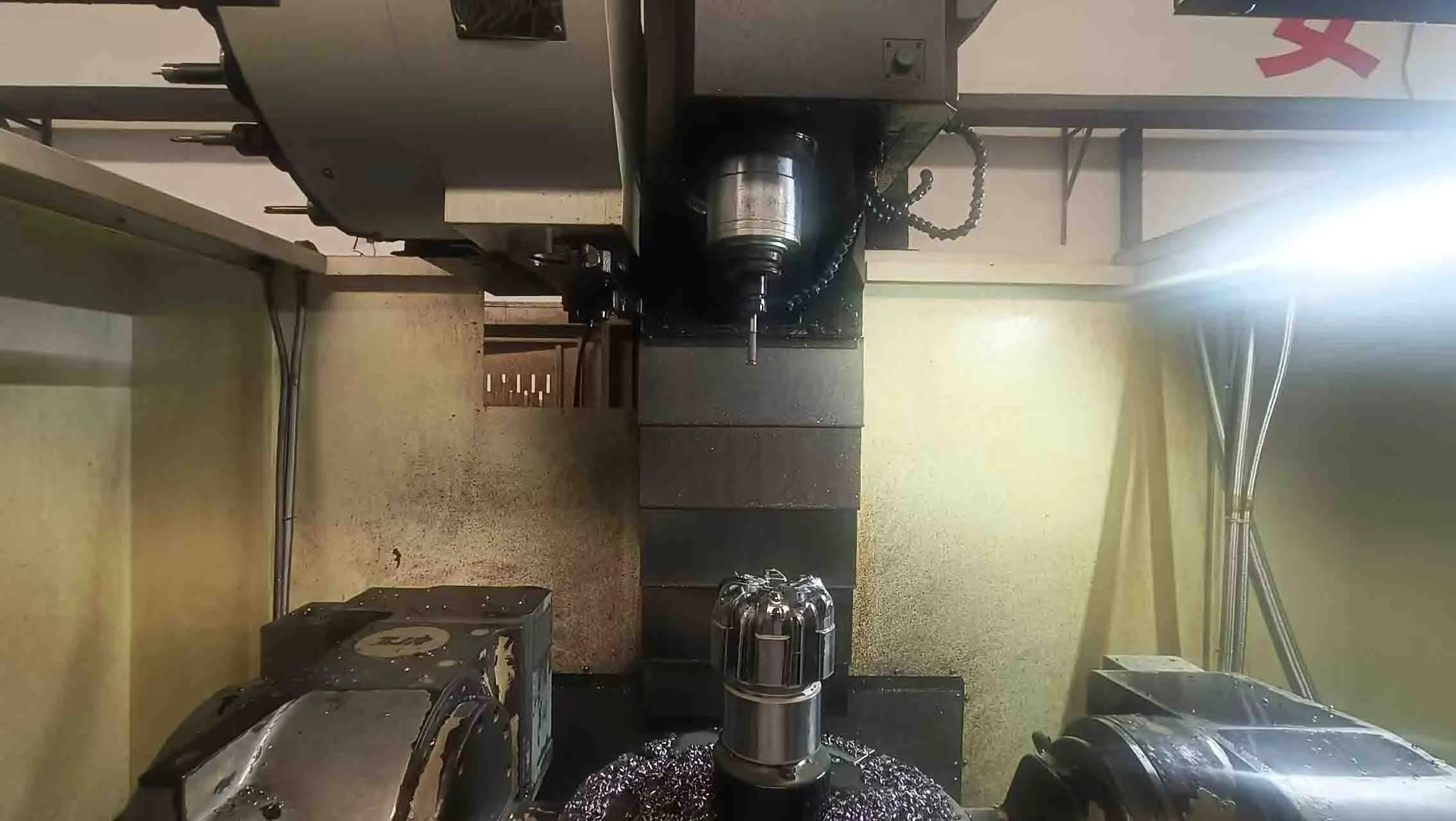
When looking at possible suppliers, you need to look at their manufacturing skills, quality control systems, and expert help resources. Well-known companies usually have high-tech cutting tools, like five-axis CNC machines and precision welding systems, that are needed to make high-quality PDC bits.
Quality approval standards like ISO 9001 and API specs give manufacturers a way to make sure their products are consistently made and reliable. But procurement teams should also look at testing procedures and quality control measures that aren't used by anyone else in the business.
When dealing with tough drilling problems or making sure that bits work best for certain jobs, technical help becomes very important. Manufacturers who offer full technical support, such as help with bit selection and performance analysis, offer more value than just supplying products.
Contract Terms and Service Agreements
The warranty should cover both problems with the way the product was made and promises of performance under certain conditions of use. Comprehensive warranties show that the maker trusts the quality of the product and lower operating risk for drilling companies.
The availability of after-sales services, such as expert help and field service, has a big effect on how quickly problems are solved and how efficiently operations run. When technology problems happen, they don't stop operations too much, thanks to local service centers and fast response times.
A lot of the time, bulk buying deals save a lot of money for big drilling projects and keep the supply chain safe. Making a promise to a certain volume may also give you access to custom bit designs or priority schedules for manufacturing operations that are very important.
Supply Chain and Logistics Considerations
Keeping track of lead times is important for sticking to drilling plans, especially when bits are made to order or have unique shapes. Manufacturers that have been around for a while usually keep standard setups in stock and offer reasonable lead times for custom uses.
Global shipping and logistics help make sure that supplies get to digging sites in faraway parts of the world on time. Precision drilling equipment is kept safe during foreign shipping and storage by following strict rules for packing and handling.
Company Introduction and How Our Four Blade PDC Drill Bits Meet Your Needs
Since its start in Xi'an in 2013, Shaanxi Hainaisen Petroleum Technology Co., Ltd. has become a top maker of high-tech drilling equipment. We are the only ones who can meet the needs of oil and gas companies, coal mines, and geological research teams around the world because we are experts in diamond drill bit technology and a wide range of drilling tools.
Our 3,500-square-meter production plant is state-of-the-art and has the newest industrial technology, such as advanced five-axis machining tools and precise CNC equipment. Because we have these skills, we can keep our quality standards high and provide unique solutions that meet the exact needs of current drilling operations.
Advanced Manufacturing Capabilities and Quality Standards
Our production methods use high-quality products that were chosen for their drilling performance and longevity. Matrix body design uses tungsten carbide to make it very resistant to wear, and our PDC cutters have high-quality polycrystalline diamond compact technology that makes them better at cutting. Heat-treated alloy steel is used in steel body choices to make them last longer in tough situations.
Throughout the making process, we use quality control methods to make sure that the products always work well and are reliable. Thorough checks of the materials make sure they meet the standards for raw materials, and modern CNC machining keeps the exact tolerances for sizes. Before being shipped, each bit goes through a lot of speed tests to make sure it is ready for use in the field.
Our specialized research and development team specializes in making custom bits, which lets us deal with specific drilling problems and get the best results for each type of rock. Because we are engineers, we can work closely with our clients to come up with custom solutions that make digging more efficient and save them money.
Product Advantages and Performance Benefits
Our four blade PDC drill bits are more efficient at cutting because the blades are designed in a way that makes them connect with the rock more strongly while reducing vibrations. This way of thinking about design leads to better penetration rates and better hole quality in a wide range of rock types.
Durability changes we've made to our bit designs make them last longer and lower the overall cost of drilling. Cutting-edge cutter technology and strong building materials make sure that the drill will work reliably in tough boring conditions, such as offshore oil research or hard coal mining.
Our drilling solutions are flexible enough to meet the needs of a wide range of industries, such as those that explore for oil and gas, geothermal energy, water wells, minerals, and building projects. This wide range of applications shows that we are dedicated to providing value to a lot of different market groups.
Customization Services and Technical Support
We offer a wide range of customization services to meet the individual needs of drilling projects because we know that each one comes with its own set of problems. Our experienced engineering team works closely with clients to create and produce bits that are exactly what they need, so they work perfectly in any drilling situation.
In addition to delivering products, our expert support includes helping with applications, making suggestions for improving performance, and fixing problems. This all-around service method helps clients get the most out of the money they spend on drilling tools while also meeting operational goals quickly and cheaply.
Conclusion
Four-blade PDC drill bits are the best combination of cutting speed, operating steadiness, and cost-effectiveness for a wide range of drilling tasks. By knowing about important design factors, you can make smart choices about what to buy that will improve drilling performance while keeping costs low. Recent improvements in manufacturing techniques and improved material science keep making these drilling tools better, which makes them more useful in tough drilling conditions. To get the best results, the execution must pay close attention to the features of the formation, the drilling factors, and the upkeep procedures. Working with seasoned makers that offer full technical support guarantees access to the newest technologies and the application knowledge needed to achieve the best drilling results.
FAQ
Q1: Why do four blade PDC bits often outperform fewer blade designs?
Four blade configurations provide an optimal balance between aggressive cutting action and operational stability that makes them particularly effective in medium-soft to medium-hard formations. The distributed cutting forces across four blades reduce individual cutter loading while maintaining excellent penetration rates, resulting in extended bit life and improved drilling efficiency compared to three blade alternatives.
Q2: How do I select the appropriate bit for different ground formations?
Formation selection depends on rock hardness, abrasiveness, and drilling objectives. Four blade PDC bits excel in formations ranging from soft shales to moderately consolidated sandstones. Softer formations benefit from more aggressive cutting structures, while harder formations require enhanced cutter durability and optimized blade geometry to manage increased drilling forces effectively.
Q3: What maintenance practices extend drill bit lifespan most effectively?
Regular inspection protocols focusing on cutter condition and gauge wear enable early detection of performance issues. Optimizing drilling parameters, particularly weight on bit and rotary speed, prevents premature wear while maintaining drilling efficiency. Proper hydraulic management ensures adequate cooling and cuttings removal, both critical for maintaining optimal bit performance throughout extended drilling operations.
Contact HNS for Your Four Blade PDC Drill Bit Requirements
Ready to enhance your drilling operations with superior four blade PDC drill bit technology? HNS combines advanced manufacturing capabilities with comprehensive technical support to deliver drilling solutions that exceed industry standards. Our experienced engineering team specializes in custom bit design and optimization for diverse geological conditions, ensuring maximum performance and cost-effectiveness for your specific drilling challenges. Whether you need standard configurations or customized solutions, our Four Blade PDC Drill Bit manufacturer capabilities and global logistics support ensure timely delivery and exceptional value. Contact Us today at hainaisen@hnsdrillbit.com to discuss your drilling requirements and discover how our advanced PDC drill bit technology can optimize your operational efficiency and project economics.
References
1. Smith, J.R. and Anderson, K.L. "Design Optimization of Multi-Blade PDC Drill Bits for Enhanced Formation Compatibility." Journal of Petroleum Drilling Technology, Vol. 45, No. 3, 2023, pp. 78-95.
2. Chen, W. and Rodriguez, M. "Comparative Analysis of Blade Count Effects on PDC Bit Performance in Unconventional Formations." International Drilling Engineering Review, Vol. 28, No. 7, 2022, pp. 156-172.
3. Thompson, D.K., et al. "Advanced Materials and Manufacturing Techniques for Next-Generation PDC Drill Bits." Drilling Technology Advances, Vol. 12, No. 4, 2023, pp. 45-62.
4. Williams, A.J. and Park, S.H. "Hydraulic Design Optimization for Multi-Blade PDC Drill Bits Using Computational Fluid Dynamics." Petroleum Engineering International, Vol. 67, No. 2, 2022, pp. 234-251.
5. Kumar, R. and Davidson, L.M. "Field Performance Evaluation of Four-Blade PDC Drill Bits in Diverse Geological Formations." Drilling Operations Quarterly, Vol. 19, No. 1, 2023, pp. 89-106.
6. Zhang, H., Johnson, P.R., and Miller, K.S. "Cost-Benefit Analysis of Advanced PDC Drill Bit Technologies in Modern Drilling Operations." Energy Exploration and Development, Vol. 41, No. 5, 2022, pp. 112-128.
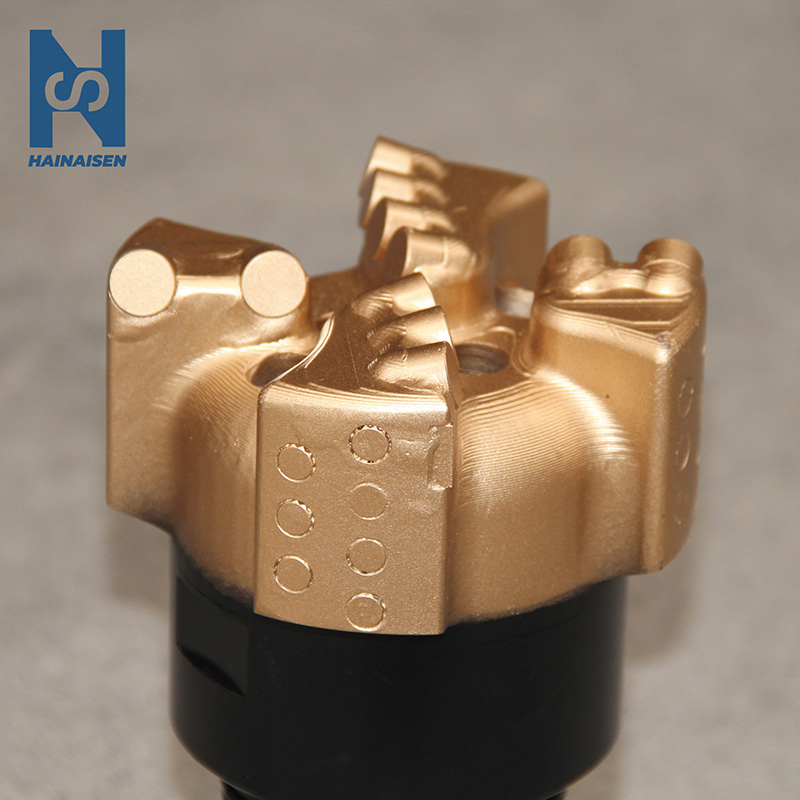 VIEW MOREDirectional Well PDC Drill Bit
logo 1_1777361260784.jpg) VIEW MOREFour Wing Arc Angle PDC Drill Bit
VIEW MOREFour Wing Arc Angle PDC Drill Bit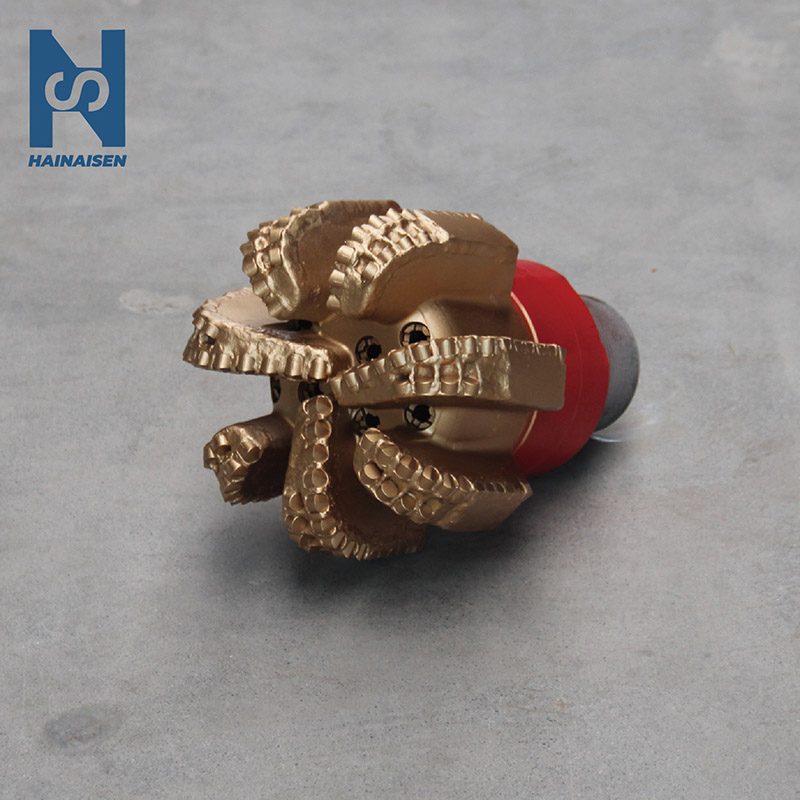 VIEW MORESeven Blade Wing Oil Drilling Drill Bit
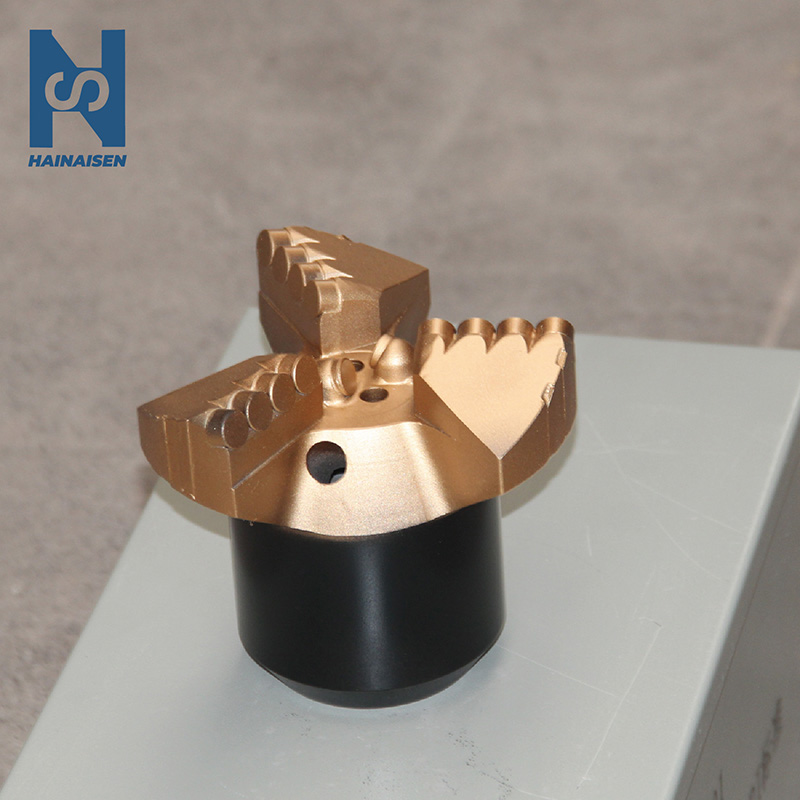 VIEW MORE153mm PDC Concave Bit
 VIEW MOREPDC Mining Bit
logo 1_1777361785830.jpg) VIEW MORE94mm PDC Flat Top Sintered Drill Bit
VIEW MORE94mm PDC Flat Top Sintered Drill Bit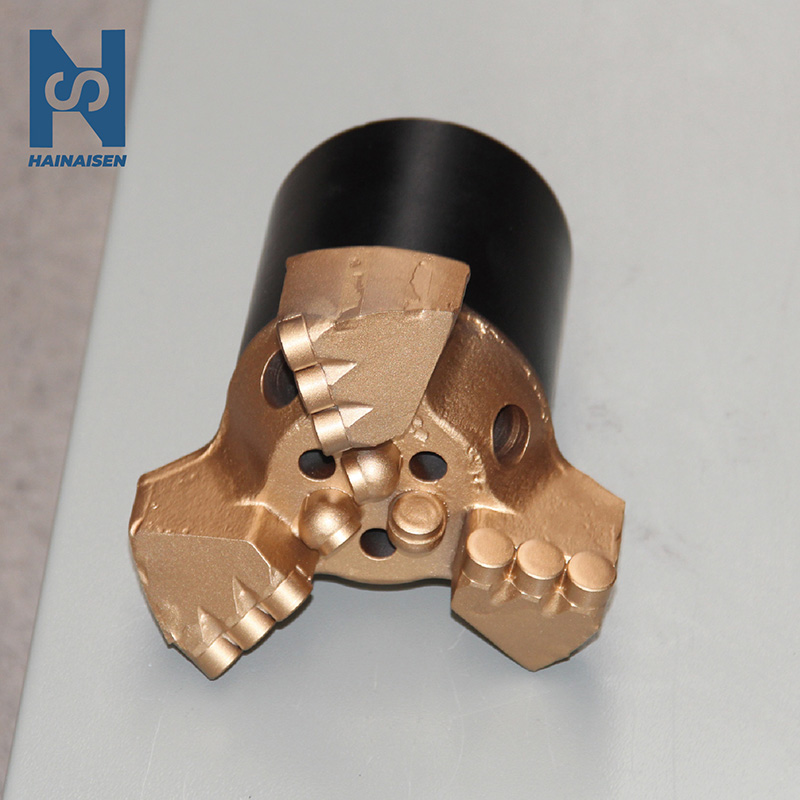 VIEW MOREThree Blade Concave Drill Bit Api For Manganese Coal Mines
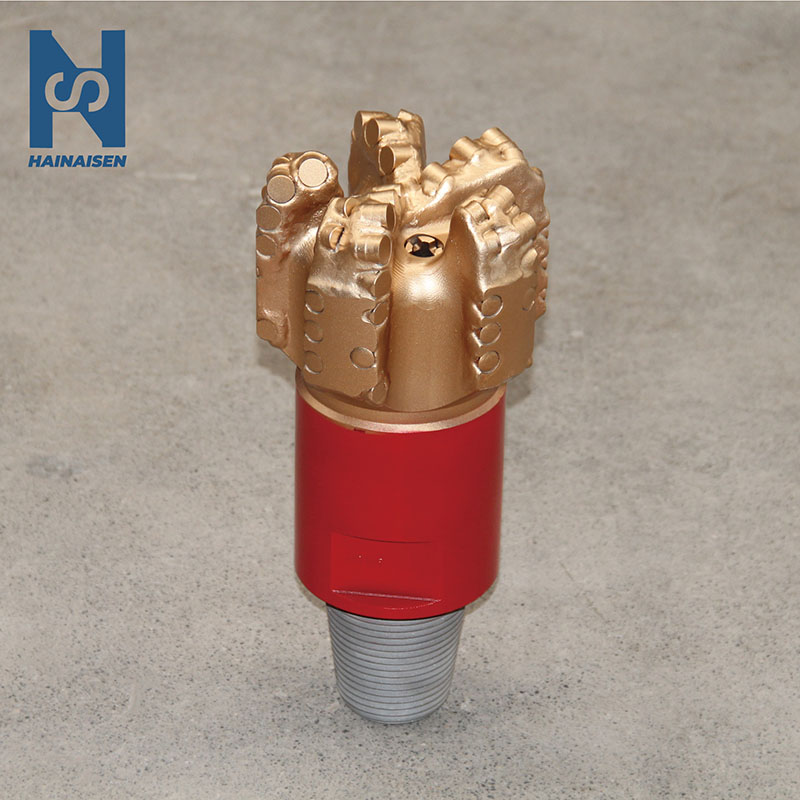 VIEW MORE5 Blade Matrix Body PDC Drill Bits