




Why API Spec 7-1 Compliance Matters When Choosing a Drill Bit Manufacturer
Contact Hainaisen
Email: hainaisen@hnsdrillbit.com
Tel: +86 17791389758
When purchasing a tricone drill bit oilfield contractors often focus on cutter durability, drilling footage, and price. Those factors matter, but they do not tell the whole story. Manufacturing compliance with API Spec 7-1 provides an important foundation for consistent product quality, dimensional control, and reliable integration into demanding drilling operations. For operators working in deep wells, high-pressure formations, or challenging directional applications, manufacturing discipline can directly affect equipment reliability and operational risk.
API Spec 7-1, formally titled Specification for Rotary Drill Stem Elements, establishes technical delivery requirements for several rotary drilling components, including drilling and coring bit connections. The current second edition was published in February 2023, with subsequent amendments and errata issued by the American Petroleum Institute. It is essential, however, to distinguish compliance with a standard's applicable requirements from a general claim that every aspect of drilling performance is certified. API Spec 7-1 does not establish guaranteed ROP, bit life, or formation-specific drilling results.
For drill bit buyers, the practical question is straightforward: how does a Manufacturer's approach to API requirements influence product consistency, inspection, and field reliability? The answer involves much more than a certificate. It begins with engineering documentation and extends through material selection, machining, inspection, traceability, and final delivery.
1. What API Spec 7-1 Covers and Why It Matters in Drill Bit Manufacturing
Understanding the Scope of API Spec 7-1
API Spec 7-1 is associated with rotary drill stem elements used in petroleum and natural gas drilling. Its scope includes technical delivery conditions for components such as:
- Drilling and coring bit connections.
- Drill stem subs.
- Drill collars, including steel and non-magnetic designs.
- Kellys and other specified rotary drill stem elements.
- Heavy-weight drill pipe and stabilizers covered by the applicable edition.
The standard should not be confused with API Spec 7-2, which addresses rotary shouldered connection designs and related threading and gauging requirements.
For buyers sourcing a tricone drill bit oilfield application, understanding this distinction helps prevent a common purchasing mistake: assuming that a supplier's statement of API compliance automatically covers every design, manufacturing process, and performance characteristic of the complete bit.
The relevant standard, edition, product scope, and certification status should always be confirmed against the actual purchase specification.
Why Manufacturing Consistency Matters More Than a Certificate Alone
A drilling bit operates under repeated mechanical loading, vibration, torque, hydraulic forces, and formation impact. Small inconsistencies in critical interfaces or manufacturing quality can create problems during assembly and operation.
Examples include:
- Dimensional deviations affecting component compatibility.
- Poorly controlled machining leading to connection-related issues.
- Inconsistent material properties affecting structural reliability.
- Inadequate inspection allowing defects to pass into production.
- Missing traceability that makes failure investigation difficult.
API-oriented manufacturing discipline encourages suppliers to establish documented procedures and verifiable inspection practices. While compliance does not eliminate every operational risk, it helps create a more controlled production environment.
API Compliance Is Not the Same as Guaranteed Drilling Performance
This distinction deserves emphasis.
A bit can meet applicable manufacturing requirements and still perform differently in shale, limestone, sandstone, or highly abrasive formations. ROP, cutter wear, torque response, vibration resistance, and bit life depend on both product quality and the suitability of the bit design for the drilling environment.
API compliance should therefore be viewed as one part of a broader supplier evaluation that also includes engineering capability, quality assurance, application knowledge, and field support.
2. How API-Oriented Quality Control Influences Bit Reliability
Material Selection and Manufacturing Process Control
A reliable drill bit begins with appropriate materials and controlled production processes.
For roller cone bits, manufacturers must consider the mechanical properties of the body, cutting structures, bearings, seals, and connection components. For PDC drill bits, the selection of diamond cutters, carbide substrates, matrix or steel bodies, and brazing materials becomes equally important.
The formation determines the cutting demands:
Formation condition | Important manufacturing and design considerations |
|---|---|
Soft shale | Efficient cutting structure, hydraulic cleaning, resistance to bit balling |
Hard limestone | Cutter impact resistance, structural strength, gauge protection |
Abrasive sandstone | Wear resistance, cutter retention, controlled exposure |
Interbedded formations | Balanced impact resistance and cutting efficiency |
Deep, high-temperature wells | Material suitability, thermal stability, connection integrity |
A manufacturer should connect material and process decisions to the expected drilling environment rather than apply one design to every formation.
Dimensional Accuracy and Connection Integrity
The bit-to-drill-string connection is a critical mechanical interface. Its dimensions, geometry, and inspection status must align with the applicable engineering requirements and purchase specifications.
During manufacturing, quality teams may verify:
- Critical dimensions and tolerances.
- Thread or connection-related features within the applicable scope.
- Surface condition and machining quality.
- Concentricity and alignment where specified.
- Material identification and inspection records.
API Spec 7-1 and API Spec 7-2 have different scopes. Buyers should verify which requirements apply to the bit and connection being ordered instead of relying on vague terminology such as “API standard product.”
Inspection, Traceability, and Nonconformance Control
A credible quality system should make it possible to answer three questions:
- What materials and components were used?
- Which inspections were performed, and what were the results?
- How was any nonconforming product identified and controlled?
Depending on the product and contractual requirements, inspection may include dimensional measurement, visual examination, material verification, hardness testing, non-destructive examination, or other appropriate checks.
Not every test applies to every bit. The correct inspection plan depends on the product design, applicable standard, customer specification, and risk profile.
Traceability is particularly valuable when a bit experiences premature wear, connection damage, cutter breakage, or unexpected field failure. Manufacturing records can help engineers determine whether the problem relates to materials, assembly, design selection, or drilling conditions.
Design Quality Still Determines Formation Performance
Consider two bits manufactured under disciplined quality procedures. One may be optimized for soft shale, while the other is designed for hard, abrasive limestone. Their cutting structures, cutter sizes, blade configurations, hydraulic layouts, and gauge protection may differ substantially.
For PDC designs, engineers should evaluate:
- Cutter type and impact resistance.
- Cutter size and exposure.
- Blade count and cutter layout.
- Hydraulic nozzle configuration.
- Gauge protection and stability features.
For roller cone designs, tooth or insert configuration, bearing design, sealing, and formation compatibility are equally important.
Manufacturing compliance supports consistency, but formation-based engineering determines whether the bit is suitable for the job.
Practical Case: An Anonymous Middle East Drilling Contractor
A drilling contractor operating in the Middle East experienced inconsistent footage and premature bit replacement while drilling through alternating shale and harder carbonate intervals.
The original problem was not attributed to a single manufacturing defect. Field observations indicated that the selected bit design and operating conditions were not sufficiently matched to the changing formation. Variations in weight on bit, rotary speed, and downhole vibration also complicated performance evaluation.
The contractor reviewed its procurement process and introduced several adjustments:
- Requested clearer manufacturing and inspection documentation.
- Evaluated bit designs according to formation intervals rather than average formation hardness alone.
- Reviewed cutter or cutting-structure selection with the supplier.
- Monitored WOB, RPM, torque, hydraulic performance, and wear more systematically.
- Compared post-run inspection findings with drilling parameters.
The practical result was a more structured approach to bit selection and failure analysis. Without verified customer data, specific footage gains or percentage improvements should not be claimed.
The lesson is that quality documentation becomes most valuable when it supports engineering decisions and field troubleshooting—not when it is treated as a substitute for technical evaluation.
3. Selecting an API-Conscious Drill Bit Manufacturer for Your Application
What Buyers Should Ask Before Placing an Order
When evaluating a supplier for oil and gas, mining, or water well drilling, purchasing teams should look beyond the product catalog.
Useful questions include:
- Which edition of API Spec 7-1 applies to the proposed product?
- Is the supplier claiming compliance, certification, or authorization to apply the API Monogram?
- Which specific product and manufacturing facility are covered?
- Are inspection records available for critical dimensions and materials?
- How are nonconforming products identified and handled?
- Can the supplier provide technical documentation relevant to the purchase order?
- Does the manufacturer understand the formation and drilling parameters involved?
A supplier's API-related claim should be specific, documented, and limited to the scope it actually supports.
API Monogram authorization is a separate matter from simply stating that a product is manufactured “according to API standards.” Buyers requiring API Monogram-marked products should verify the applicable authorization and product scope through the appropriate API certification resources.
Matching Bit Design to Real Drilling Conditions
For a tricone drill bit oilfield project, API-related manufacturing quality is only one selection factor. The engineering team should also examine:
- Formation characteristics
- Compressive strength.
- Abrasiveness.
- Fracturing and interbedding.
- Expected temperature and pressure.
- Risk of balling or poor hole cleaning.
Bit design
- Cutting structure suited to the formation.
- Bearing and seal configuration.
- Gauge protection.
- Hydraulic requirements.
- Connection specifications.
- Stability under expected drilling loads.
Operating parameters
- Weight on bit.
- Rotary speed.
- Flow rate.
- Torque.
- Hydraulic pressure.
- Target ROP and acceptable vibration levels.
For PDC applications, the same principle applies. A cutter designed for abrasive sandstone may require different wear resistance and impact protection from one intended for relatively homogeneous shale.
How Hainaisen Supports Application-Based Bit Selection
Hainaisen supplies drilling tools for oil and gas, mining, and water well applications, with product selection guided by drilling conditions rather than catalog specifications alone.
For customers evaluating a tricone drill bit oilfield requirement or a PDC solution, Hainaisen can support discussions around:
- Formation-based bit recommendations.
- PDC cutter technology and cutting-structure selection.
- Customized bit designs for specific drilling conditions.
- Manufacturing quality control and product consistency.
- Technical communication for international purchasing teams.
- Different drilling applications, including vertical, directional, and challenging formation work.
A useful supplier relationship should begin with the technical details of the project. Formation description, hole size, rig information, drilling parameters, previous bit performance, and failure observations can all help narrow the selection.
Hainaisen's value is not simply in supplying a drill bit. It is in helping customers connect product configuration with actual drilling requirements while maintaining clear communication throughout the purchasing process.
A Practical Procurement Checklist
Before approving a supplier, consider the following:
- Applicable API specification and edition confirmed.
- Product scope and certification claims verified.
- Material and inspection documentation reviewed.
- Bit design matched to formation conditions.
- Connection requirements confirmed.
- Expected drilling parameters discussed.
- Customization requirements documented.
- Technical support and after-sales communication clarified.
The most dependable purchasing decision combines documented manufacturing control, appropriate bit engineering, and realistic expectations about field performance.
FAQ
1. What is API Spec 7-1 used for in drill bit manufacturing?
API Spec 7-1 specifies technical delivery requirements for covered rotary drill stem elements, including drilling and coring bit connections. Its applicable requirements help establish consistency in manufacturing and inspection.
2. Does API Spec 7-1 guarantee longer drill bit life?
No. Compliance with applicable manufacturing requirements does not guarantee a specific bit life. Durability also depends on formation characteristics, bit design, operating parameters, and drilling practices.
3. How can I verify whether a supplier's API claim is reliable?
Ask for the applicable specification edition, product scope, certification details where relevant, and supporting documentation. If API Monogram authorization is claimed, verify it through the American Petroleum Institute's official certification resources.
4. What information should I provide when requesting a customized drill bit?
Provide hole size, formation type, compressive strength if available, abrasiveness, drilling depth, rig information, WOB, RPM, flow rate, previous bit performance, and any known failure issues.
5. Are API requirements relevant to PDC drill bits?
They may be relevant to applicable components or connections, depending on the product and purchase specification. However, PDC cutter selection, blade layout, hydraulics, and cutting performance require additional engineering considerations.
6. Can Hainaisen recommend a bit for challenging formations?
Yes. Hainaisen can discuss application requirements and recommend suitable drilling tool configurations based on formation conditions, drilling objectives, and available technical information.
About the Author
Daniel Morgan is a drilling technology writer and technical consultant specializing in drill bit manufacturing, quality assurance, and application-based bit selection. His work focuses on the connection between manufacturing standards, drilling tool reliability, and practical performance in oil and gas, mining, and water well operations.
References
1. American Petroleum Institute (API). API Specification 7-1: Rotary Drill Stem Elements, Second Edition. February 2023, including applicable published amendments and errata. https://www.api.org/products-and-services/standards
2. American Petroleum Institute (API). API Monogram and APIQR Program Updates: API Spec 7-1. https://www.api.org/products-and-services/api-monogram-and-apiqr/latest-updates
3. American Petroleum Institute (API). Purchasing Guidelines: API Specification 7-1. https://www.api.org/certification-programs/api-monogram-program-and-apiqr
4. International Association of Drilling Contractors (IADC). Rotary Drill Stem Elements and API Specification 7-1. Drilling Contractor technical publication. https://iadc.org/
5. American Petroleum Institute (API). API Specification 7-2: Threading and Gauging of Rotary Shouldered Connections. https://www.api.org/products-and-services/standards
6. International Organization for Standardization (ISO). ISO 10424-1: Petroleum and natural gas industries — Rotary drilling equipment — Part 1: Rotary drill stem elements. https://www.iso.org/
7. Society of Petroleum Engineers (SPE). Technical literature on drill bit design, drilling performance, cutter wear, and drilling optimization. https://www.spe.org/
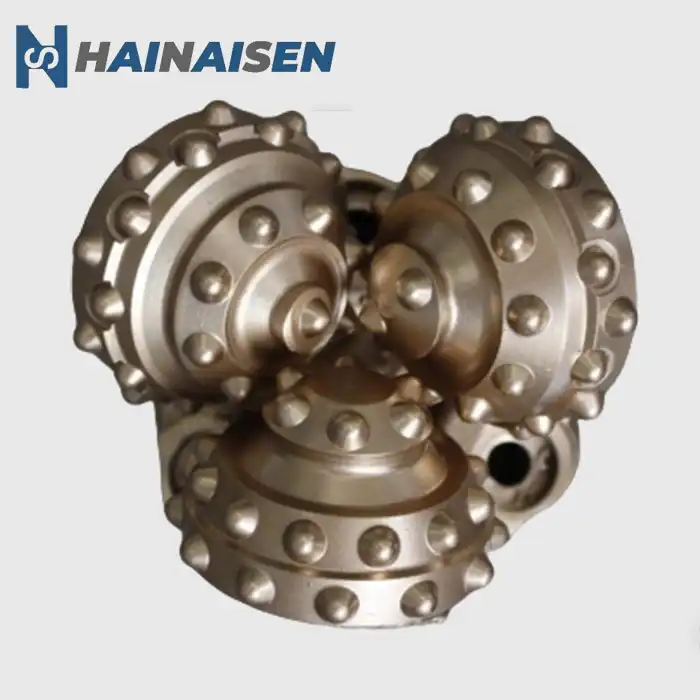 VIEW MORE4 1/2" IADC 537 Tricone Rock Bit
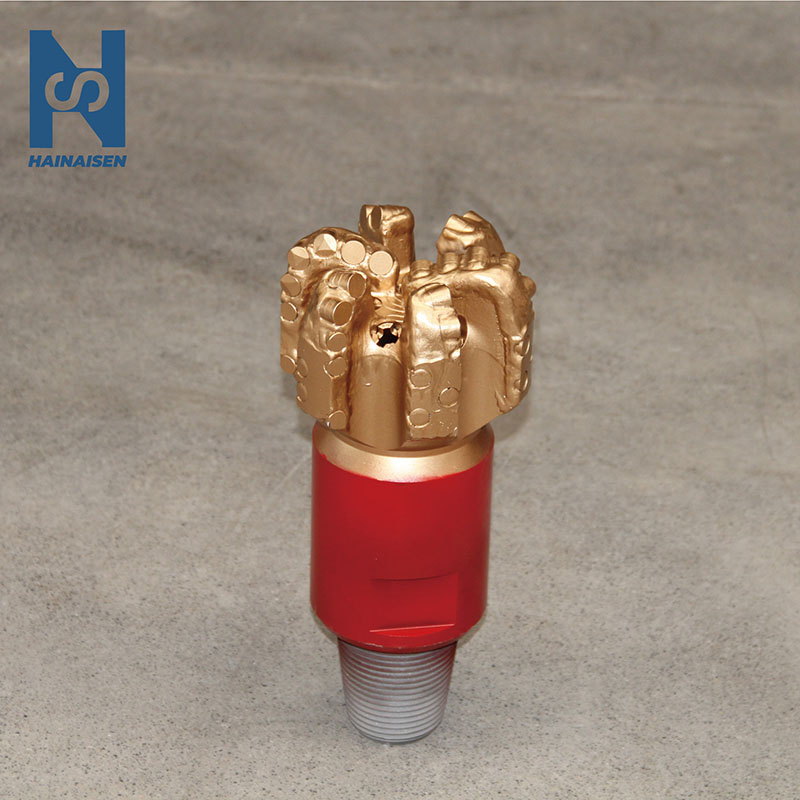 VIEW MORESix Blade Wing Petroleum Drill Bit
logo 1_1777361260784.jpg) VIEW MOREFour Wing Arc Angle PDC Drill Bit
VIEW MOREFour Wing Arc Angle PDC Drill Bit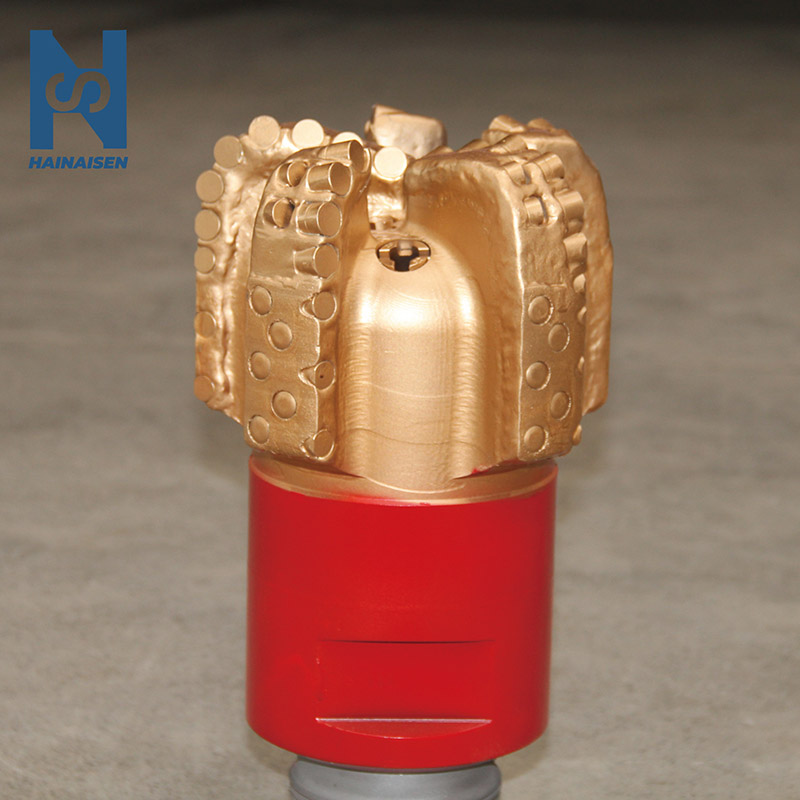 VIEW MOREDiamond PDC Drill Bit
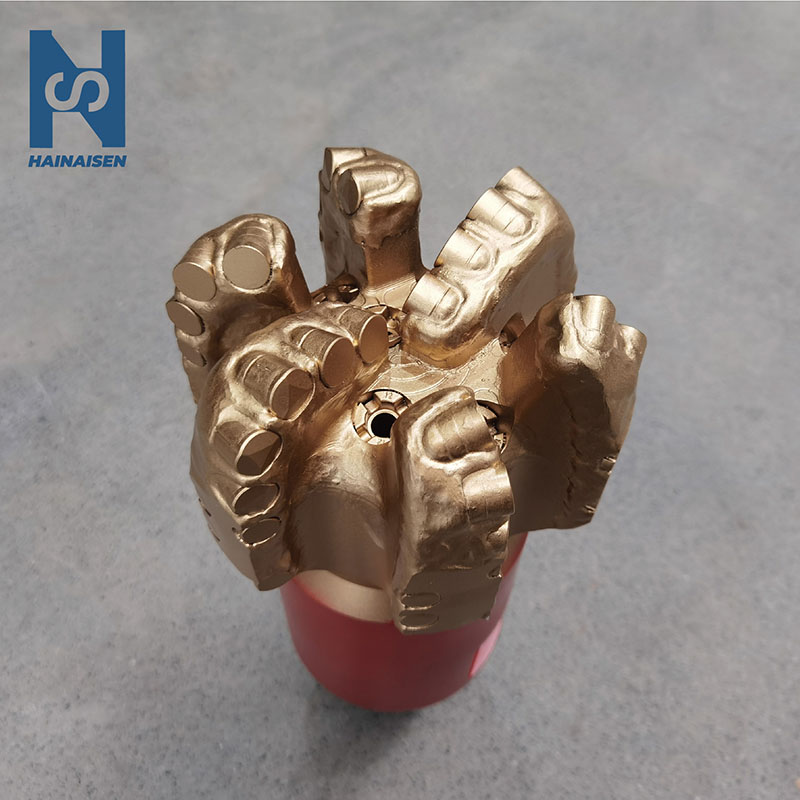 VIEW MORE6 Wings PDC Drill Bit
 VIEW MOREFive Wing PDC Bit For Hard Rock Drilling
 VIEW MOREDiamond Drill Bits For Oil Rigs
 VIEW MORE5 Blade Steel Body PDC Bit