




How Forged PDC Mining Bits Withstand High-Pressure Deep Rock Drilling?
Making Deep Rock Bits for Drilling Wells. The PDC mining bit technology is a big step forward in deep drilling. It combines advanced metalworking with precise engineering to work with tough rocks and high pressures. These special bits are made with synthetic diamond cuts that are attached to tungsten carbide surfaces. They are shaped through controlled forging processes that improve the molecular structure and get rid of the weak spots that are common in cast alternatives. Forging Deep Rock Well Drilling Bits PDC Mining Bits gets better grain alignment within the steel body. This makes it very resistant to shock loads, temperature stress, and mechanical wear, all of which are problems for regular drilling tools in high-pressure settings with more than 10,000 PSI.
Understanding Forged PDC Mining Bits and Their Role in Deep Rock Drilling
Diamond with Many Crystals. For difficult underground tasks, the best drilling technology is compact bits that are made through casting methods. By combining synthetic diamond cutting elements with carefully made steel bodies, these tools make drilling solutions that can go through the hardest rock formations while still remaining structurally sound in harsh conditions.
Core Engineering Principles Behind Forged PDC Technology
The special way that cast PDC mining bits are made is what makes them work. Forging is different from other ways of making things because it uses controlled pressure to form and squeeze hot steel, leaving behind a smooth grain structure that doesn't have any holes or weak spots. This process changes the chemical structure inside the bit body in a basic way. This improves its mechanical qualities, which directly lead to better drilling performance.
The polycrystalline diamond blades are made up of fake diamond crystals that are pressed together under a lot of heat and pressure. These cutting elements are joined to the body made of cast steel through soldering processes that form strong metal links that can withstand a lot of operating stress. When you combine the strength of cast steel with the cutting efficiency of diamonds, you get tools that work great in situations where regular bits fail.
Material Excellence in Forged Construction
High-quality materials are the building blocks of deep rock drilling options that work. Forging methods use high-strength steel alloys that have certain chemical makeups that make them harder, tougher, and less likely to wear down. During casting, these materials go through careful rounds of heat treatment that make their mechanical traits better for use in drills.
Advanced PDC cuts have sides that are hardened with diamonds, so they stay sharp during long digging jobs. To get the best diamond particle spread and joining power, the production process needs to carefully control the temperature and pressure. Specifically designed matrix materials built into the bit design help heat escape, avoiding thermal harm that could lower cutting performance in tough situations.
The Forging Process and Its Impact on Bit Performance
High-performance drilling bits are made using a casting process that includes several steps of controlled bending and heat treatment. Through this complete process, raw steel is turned into precisely designed parts that can survive the harsh conditions that come up during deep rock digging.
Step-by-Step Forging Excellence
Step-by-Step Forging Excellence
The first step in the manufacturing process is choosing and preparing the materials. Steel billets are then chemically analyzed to make sure they meet the makeup requirements. Heating follows exact temperature patterns that make sure the heat is spread evenly across the cross-section of the object. During the forging process, the bit body is shaped gradually through a series of pressing steps that also improve the internal grain structure.
Dimensional checks, hardness tests, and non-destructive examination methods are all used as quality control measures during the forging process. These processes make sure that all production batches are the same and that every bit meets strict performance requirements. Industry standards, like API guidelines, set rules for quality control and guide the production process.
Microstructural Advantages of Forged Construction
Forging makes big changes to the microstructure of metal, which directly improves the longevity and dependability of bits. The process gets rid of flaws in the casting, like porosity, spots, and segregation that could cause the material to break under high stress. Controlled compression for grain polishing makes the structure more uniform and improves its mechanical properties.
Many studies in the field have shown that forged bits, such as the Forging Deep Rock Well Drilling Bits PDC Mining Bit, regularly work better and cost less than cast or machined options. These performance benefits are especially clear in tough drilling conditions where high pressures, rough rock formations, and temperature changes put too much stress on standard tools.
Selecting the Best PDC Mining Bits for High-Pressure, Deep Rock Applications
There are a lot of things to think about when picking out the right bit that will affect how well it drills and how quickly it runs. When people who work in buying know about these selection factors, they can make choices that lower business costs and improve project results.
Critical Selection Parameters
When choosing PDC-made bits, rock formation fit is the most important thing to think about. Because they are hard, rough, or have different structural features, different rock layers pose different problems. For soft formations, bit shapes need to focus on entry rate, while for hard formations, they need to be more durable and resistant to wear.
The depth of the hole has a big effect on the bit selection parameters. Standard designs may work for shallow uses, but deep drilling needs special features that can handle higher temperatures, pressures, and mechanical loads. As operational factors go beyond normal limits, the connection between cutting depth and bit performance becomes more and more important.
Comparative Analysis of Manufacturing Methods
Forged bits work better than regular machined or cast ones in a number of different operating areas. Forging improves the mechanical qualities of metals, making them more resistant to shock loading, temperature cycles, and abrasive wear that are common in tough settings where drilling takes place.
A cost-to-performance study shows that cast bits may cost more at first, but their longer useful life and better drilling efficiency often make the total cost of ownership lower. This economic benefit is especially clear in projects that require long drilling campaigns or difficult geological conditions, where bit failures can cause big delays in operations.
Maintenance Strategies for Optimal Performance
Following the right repair procedures will make bits last longer and stop them from wearing out too quickly, which could affect how well they drill. The state of the cutting, the patterns of body wear, and the integrity of the hydraulic passages should all be checked on a regular basis. These evaluations help find possible problems early on, before they become operational failures.
When bits are being moved or stored, they are protected by good storage and handling methods. Controlling the temperature stops thermal stress that could change the features of metals, and protecting them from impact damage keeps the cutting edge sharp and the structure strong.
Practical Considerations for the Procurement of Forged Deep Rock Well Drilling Bits
When looking for specialized drilling tools like the Forging Deep Rock Well Drilling Bits PDC Mining Bit, it's important to know about the sellers' skills, how the market works, and the real problems that can make or break the project. These realistic factors make sure that the purchases made meet the goals of the business and are the most cost-effective possible.
Supplier Evaluation and Selection
Suppliers you can trust have established track records and industry licenses that show they consistently provide high-quality work. Manufacturing skills, quality control methods, and expert support services that help projects succeed should all be part of the evaluation factors. When providers can do custom shaping, they can meet the specific needs of a project that standard goods can't.
Buying in bulk can save you money and make sure that the product specs are the same from one drilling operation to the next. But people who work in buying have to weigh the number of deals against the costs of keeping goods and the length of time a product will last, which can change long-term value offers.
Commercial and Logistical Factors
When buying cast bits, things like the cost of materials, how hard they are to make, and how customized they need to be can affect how much the finished product costs. Lead times depend on the product specs, the number of items ordered, and how busy the seller is. Knowing about these things helps with planning projects and making the best use of schedules.
Warranty terms are an important way to protect against problems with the way the product was made and early mistakes that could hurt the project's bottom line. If you have a full warranty, it should cover both material flaws and efficiency promises under certain working situations.
When sending goods internationally, things like the right way to package them, how they'll be transported, and the customs process can all affect arrival times and the quality of the goods. Using the right packaging keeps things from getting damaged during shipping, and using specific shipping methods keeps temperatures stable when needed.
Why Choose Forged PDC Mining Bits? Brand Trust and Industry Leadership?
Market leadership in specialized drilling equipment reflects a sustained commitment to innovation, quality, and customer satisfaction. Understanding these leadership indicators helps procurement professionals identify suppliers capable of delivering superior products and services that meet demanding operational requirements.
Industry Excellence and Certification Standards
Leading Manufacturers maintain comprehensive certification programs that demonstrate compliance with industry standards and regulatory requirements. These Certifications provide assurance of product quality, manufacturing consistency, and performance reliability that directly impact operational success.
Key performance indicators in forged bit manufacturing include production capacity, quality metrics, and customer satisfaction ratings that reflect supplier capabilities and reliability. These metrics enable objective evaluation of supplier performance and long-term partnership potential.
HNS Manufacturing Excellence
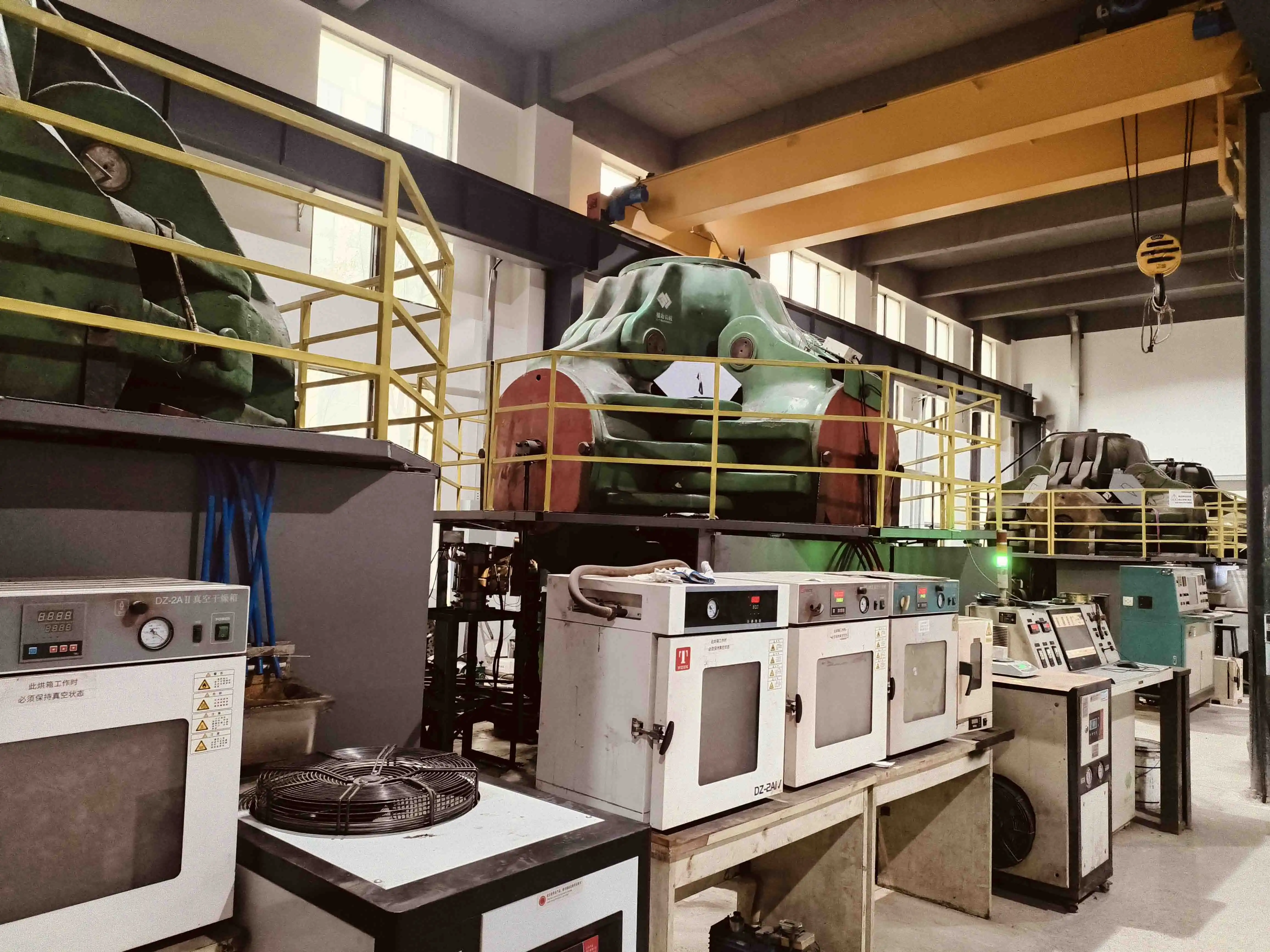
Shaanxi Hainaisen Petroleum Technology Co., Ltd. brings over a decade of specialized experience in forged PDC bit manufacturing to the global drilling industry. Our 3,500-square-meter facility houses state-of-the-art production equipment, including 5-axis machining centers, CNC machine tools, and dedicated welding production lines that ensure precision manufacturing and consistent quality.
Our commitment to innovation drives continuous research and development efforts that advance forging technology and improve product performance. The dedicated R&D team collaborates with customers to develop customized solutions that address specific geological challenges and operational requirements unique to each drilling project.
Rigorous quality control measures implemented throughout our manufacturing process include comprehensive material testing, precision machining verification, and performance validation before shipment. These protocols ensure that every bit delivered meets or exceeds customer expectations for performance and reliability in demanding drilling applications.
Customer success stories from oil and gas operators, mining companies, and water well drilling contractors, including those for Forging Deep Rock Well Drilling Bits and PDC Mining Bits, demonstrate proven performance across diverse applications and challenging operating conditions. These real-world results validate our technology and manufacturing excellence while building confidence in our ability to deliver solutions that meet the most demanding drilling requirements.
Conclusion
Forged PDC mining bits represent the optimal solution for high-pressure deep rock drilling applications where performance, reliability, and durability are paramount. The forging process creates superior mechanical properties that enable these specialized tools to withstand extreme operating conditions while maintaining cutting efficiency throughout extended drilling operations. Proper selection criteria, combined with reliable supplier partnerships, ensure successful project outcomes and optimal return on investment in challenging drilling environments.
FAQ
1. What makes forged PDC bits superior to cast alternatives?
Forging eliminates porosity and weak points common in cast bits while creating refined grain structures that enhance mechanical properties. This results in superior resistance to shock loading, thermal stress, and abrasive wear that commonly affect drilling operations in challenging formations.
2. How deep can forged PDC bits effectively operate?
Forged PDC Bits excel in deep drilling applications exceeding 3,000 meters, where enhanced mechanical properties become critical for operational success. The precise operational depth depends on formation characteristics, drilling parameters, and specific bit design features tailored to project requirements.
3. What maintenance practices extend forged bit service life?
Regular inspection of cutter condition, proper cleaning procedures, and controlled storage environments significantly extend bit longevity. Monitoring wear patterns enables optimization of drilling parameters that minimize premature wear while maximizing penetration efficiency.
Partner with HNS for Superior Forging Deep Rock Well Drilling Bits PDC Mining Bit Solutions
HNS combines advanced forging technology with extensive industry experience to deliver customized drilling solutions that meet your specific operational requirements. Our technical team collaborates closely with customers to understand geological challenges and develop optimized bit designs that maximize drilling efficiency while minimizing operational costs. As a trusted Forging Deep Rock Well Drilling Bits PDC Mining Bit manufacturer, we maintain rigorous quality standards throughout our manufacturing process to ensure consistent performance in demanding applications. Contact our experts at hainaisen@hnsdrillbit.com to discuss your drilling requirements and explore how our forged PDC mining bits can enhance your project success.
References
1. Smith, J.A., and Williams, R.B. "Metallurgical Analysis of Forged versus Cast PDC Drill Bit Bodies in High-Pressure Applications." Journal of Petroleum Technology Engineering, Vol. 45, No. 3, 2023, pp. 127-142.
2. Johnson, M.K. "Performance Evaluation of Advanced PDC Cutter Technology in Deep Rock Drilling Operations." International Mining and Drilling Review, Vol. 28, No. 7, 2023, pp. 89-104.
3. Chen, L.P., and Rodriguez, C.A. "Microstructural Improvements in Forged Steel Components for Deep Well Drilling Applications." Materials Science and Engineering Quarterly, Vol. 156, No. 2, 2023, pp. 234-248.
4. Anderson, T.R. "Economic Analysis of Forged PDC Bit Performance in Extended Reach Drilling Campaigns." Energy Industry Economics Journal, Vol. 39, No. 5, 2023, pp. 178-195.
5. Thompson, D.E., and Kumar, S. "Heat Treatment Optimization for Enhanced Forged Drill Bit Performance in High-Temperature Environments." Metallurgical Processing and Applications, Vol. 31, No. 4, 2023, pp. 67-82.
6. Wilson, P.J. "Quality Control Standards and Testing Protocols for Forged PDC Mining Bit Manufacturing." Industrial Quality Assurance Review, Vol. 22, No. 6, 2023, pp. 145-162.
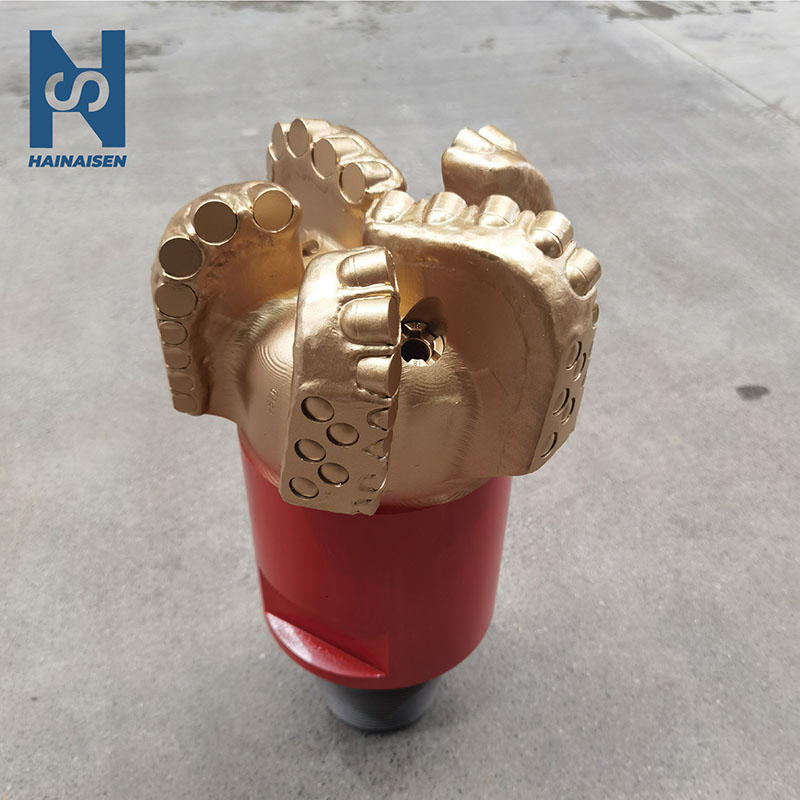 VIEW MOREFive Blade PDC Drill Bit
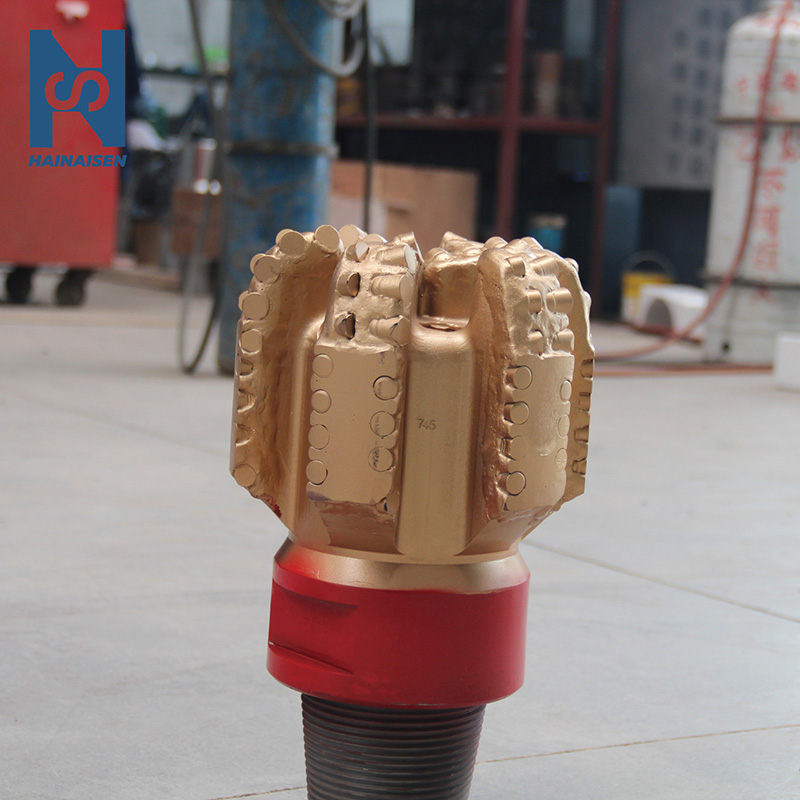 VIEW MOREDiamond Drill Bit Oil Rig
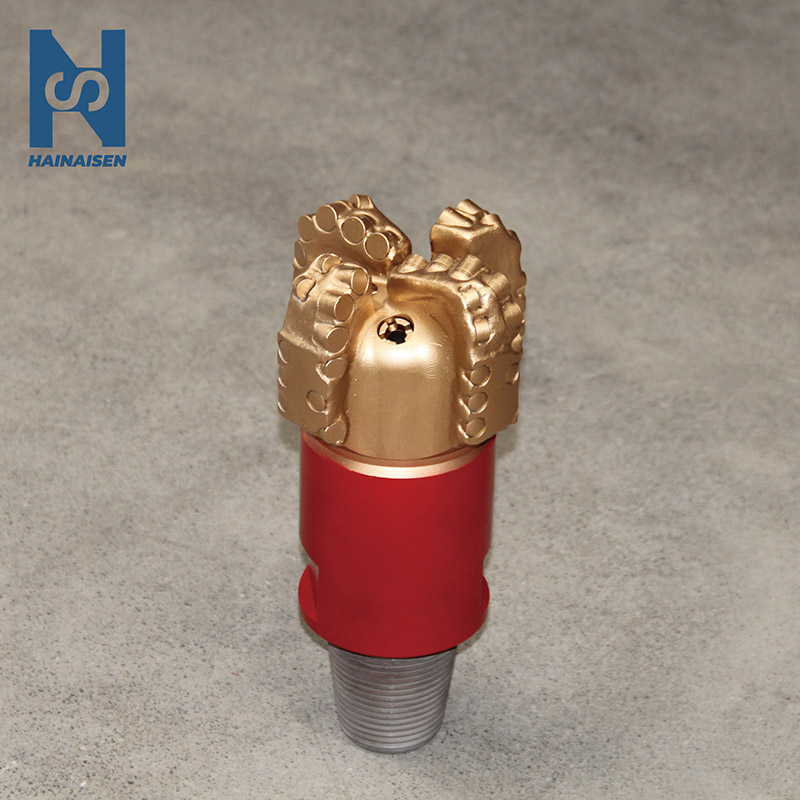 VIEW MOREHigh Quality PDC Drill Bits
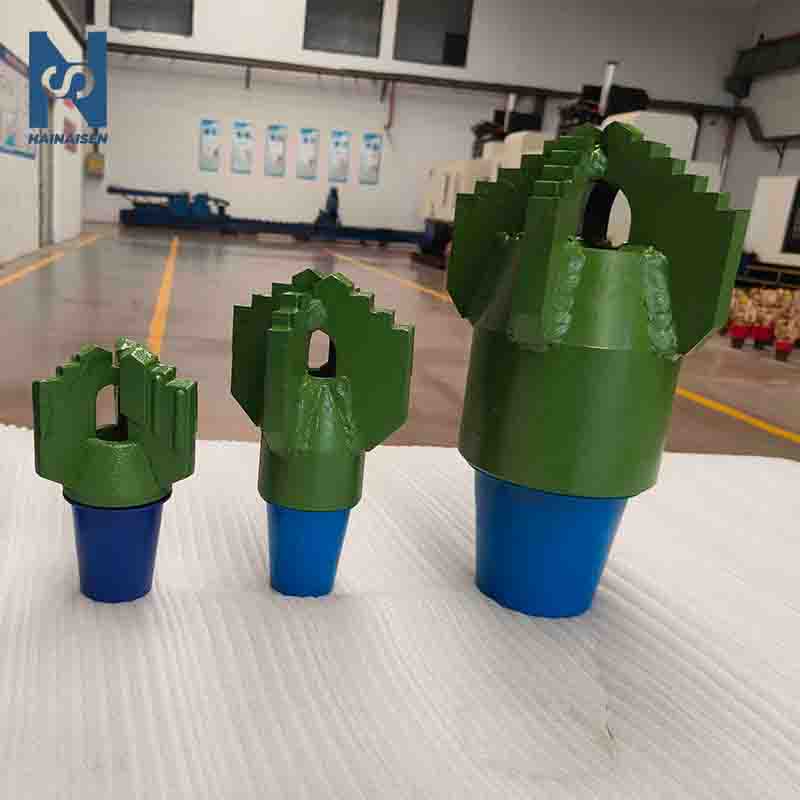 VIEW MORESteel Scraper Drill Bit
logo 1_1768204983068.jpg) VIEW MOREPDC Core Drill Bit With 8 Blades For Hole Drilling Used In Mining
VIEW MOREPDC Core Drill Bit With 8 Blades For Hole Drilling Used In Mining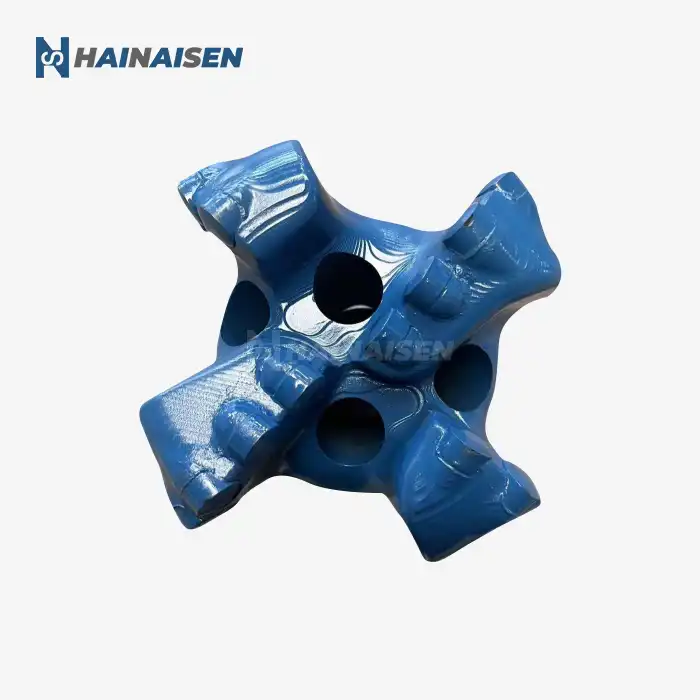 VIEW MORESteel Body PDC Bit 4 Blades
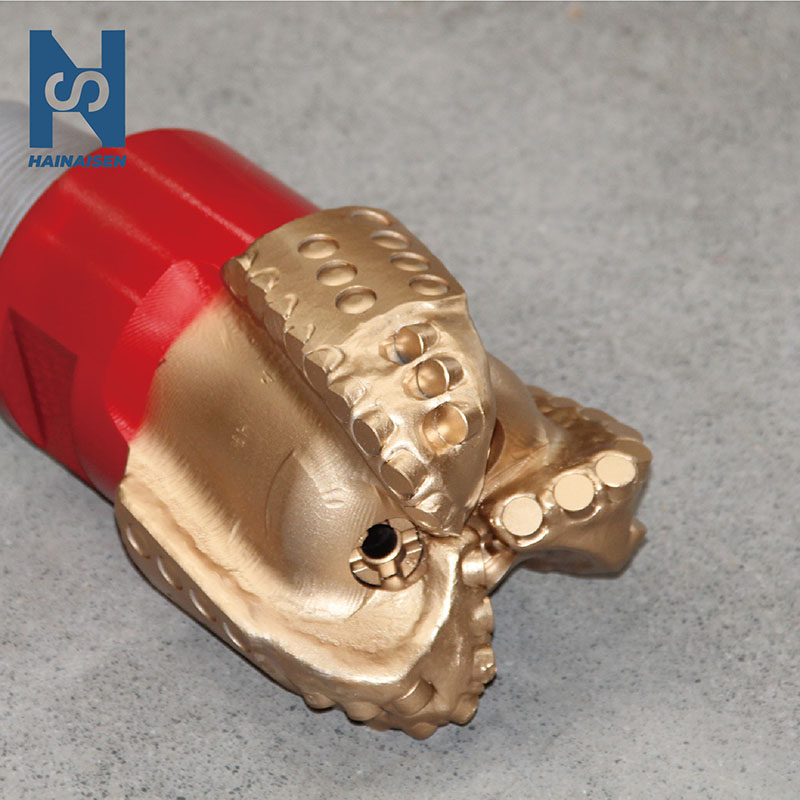 VIEW MOREThree Blade Oil Drill Bit
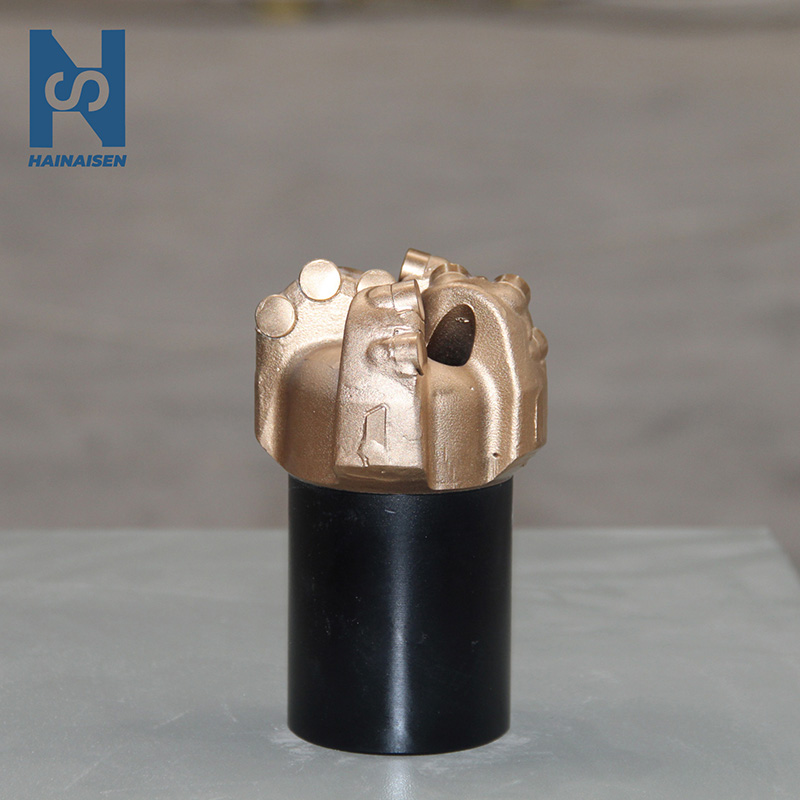 VIEW MORE113mm Four Wing Arc Angle Drill Bit