




Advantages of Forged Design Over Cast PDC Mining Bits
When looking at different types of drilling tools, the way it was made has a big effect on how well it works in difficult physical conditions. Forging Deep Rock Well Drilling Bits PDC Mining Bit technology offers better structural stability than standard cast options by improving material density and fine-tuning grain structures. The forging process makes the chemical bonds inside the bit body stronger. This makes the bit very durable and able to handle the high temperatures and pressures that come up in deep drilling. This production edge directly leads to longer operating life, shorter repair times, and lower costs in the mining, oil and gas research, and water well drilling industries.
Understanding the Basics of Forged and Cast PDC Mining Bits
PDC (Polycrystalline Diamond Compact) mining bits are important parts of modern drilling operations. They use synthetic diamond cuts attached to tungsten carbide surfaces to get through rock as well as possible. These specialized tools make it easy to drill through difficult rock formations while keeping the accuracy and sturdiness standards that are needed to finish the job successfully.
Manufacturing Process Distinctions
Both machined and cast PDC Bits are made in different ways, which is their main difference. When you cast something, you pour liquid metal into molds. This makes a crystal structure that might have air holes or uneven grain patterns. Controlled pressure and heat are used in forging to shape metal through mechanical deformation. This makes the grain structures more uniform and the material's qualities better.
Forged bit bodies are compressed, which gets rid of any holes inside and makes the structure dense all the way through. This process makes the material better able to handle the impact loads and temperature stress cycles that happen a lot in deep digging settings. Even though cast bits are cheaper to make, the material qualities aren't always uniform, which can cause them to fail early in tough situations.
Structural Characteristics and Performance Implications
Forging makes the structure of the material more uniform, which gives it better dynamic qualities. Forging smooths out the bit's grain, which makes it more resistant to stress breaking and wear. This is especially important when digging through rough rock forms. This improved structure stability has a direct effect on how well operations run and how long equipment lasts.
Modern forging methods also give engineers fine control over the makeup and spread of the material, which lets them make certain parts of the bit work best for different types of stress. This focused method leads to more even performance in a range of drilling situations.
Core Advantages of Forged Design Over Cast PDC Mining Bits
Knowing the exact benefits of cast building helps buying pros make choices based on how much they will save and how much better the performance will be.
Enhanced Durability and Longevity
Compared to cast options, forged PDC bits have a much longer service life in a variety of drilling situations. Forging creates a more polished grain structure that makes the ties between molecules stronger so they don't wear down or break down when the machine is running all the time. According to data from the industry, cast bits can last 20 to 30 percent longer in hard rock layers. This directly lowers the cost of repair and downtime.
The forging method gets rid of casting flaws like porosity and inclusions, which makes the performance traits more reliable. This dependability is especially useful in rural digging sites where broken equipment can cause big delays in the project and higher transportation costs.
Superior Impact Resistance
When digging deep, the uneven rock forms and drilling movements put a lot of pressure on the tools. Forged bit bodies are more resistant to impact because their grain structure is more uniform and there are no internal stress concentrations. This makes the material tougher, which stops catastrophic failure modes that could damage expensive drilling tools and weaken the wellbore.
Forging gives bits the mechanical qualities that keep them cutting well even when they run into unexpected changes in the rock or drilling problems. This flexibility means that bits don't have to be changed as often, and penetration rates stay the same even when the geology changes.
Thermal Stability Under Extreme Conditions
Drilling in places with high temperatures puts materials and tools through more than their regular limits. Because they are made of more uniform materials, forged PDC bits keep their shape and cutting ability at high temperatures. The controlled grain structure stops the processes of heat expansion and contraction that can wear down cast bits too quickly or damage the cutting edge.
In geothermal digging and deep oil and gas research, where temperatures can go above 200°C, the thermal stability of Forging Deep Rock Well Drilling Bits PDC Mining Bit is very important. Maintaining bit performance in these situations makes sure the project succeeds and cuts down on costly fix-up work.
Design Features and Materials Influencing the Performance of Forged Deep Rock Well Drilling Bits
Forged PDC bits are optimized by carefully considering a number of design elements that work together to provide better drilling performance in a wide range of geological situations.
Advanced Material Composition and Heat Treatment
These days, cast bits are made of high-strength steel metals that are specially designed for drilling. By forging, the carbide spread and matrix makeup can be precisely controlled, resulting in the best hardness variations throughout the bit structure. Putting wear-resistant materials in high-stress areas in a smart way makes bits last longer while keeping their general toughness.
During casting, heat treatment methods are used to improve the qualities of the metal even more by reducing internal stresses and making the grain borders as smooth as possible. This controlled heat processing makes it easier to predict how the cutting edge will wear and helps it stay sharp for longer drilling sessions.
Hydraulic Design Optimization
The forging process makes it possible to have complicated internal shapes that make the bit structure better for fluid flow. Better hydraulic design makes cutting removal more efficient and keeps PDC cutters cooler while they're working. Optimized junk slot areas and nozzle placement lower the chance of bit balls while still cleaning the bottom hole properly.
Engineers can make complex flow lines that make drilling more efficient by using advanced computational fluid dynamics modeling and casting tools. When compared to cast bits, which are bound by the mold and can't achieve the same level of hydraulic optimization, this design freedom is a big plus.
Cutting Structure and Geometry Considerations
Forged bit bodies offer better base support for PDC cutters, ensuring even load distribution and avoiding cutter failure before it's time. Forging evens out the mass of the material, which gets rid of weak spots that could make it harder for the cutter to stay in place when cutting heavy loads.
Forged bodies can be machined with greater precision, which lets cutter placement and bit shape be more closely controlled. This accuracy means that the cutting action is more controlled, and there is less shaking, which can make both the bits and the drilling tools last longer.
How to Choose the Right Forged PDC Mining Bit for Diverse Rock Formations?
To get the best results from a project, you need to carefully consider the physical conditions, operating needs, and performance standards when choosing the right drilling tools.
Rock Formation Analysis and Bit Selection Criteria
Different rock types pose different problems that affect the needs for bit design. For soft to medium formations, cutting structures that are more active and have higher cutter exposure angles work best. For hard abrasive formations, on the other hand, more conservative designs with better wear protection are needed. By understanding how the structure works, you can choose the best bit specs for the best results.
When choosing a bit, the drilling depth is also important to think about because the equipment is exposed to higher heat and pressures in deeper wells. Because they are more structurally stable and have better temperature stability, forged bits are more reliable for deep drilling uses.
Application-Specific Recommendations
For oil and gas research projects, bits need to be able to handle different formation patterns while still performing at the same level. Forged PDC bits work great in these situations because they can be used in a variety of ways and last a long time. Forged construction is better at withstanding impacts, which is especially useful in directional and horizontal drilling, where the forces of the drilling can be more harsh.
In mining uses, cost-effectiveness and entry rate are often more important than bit life. But even in these situations, cast bits can be helpful because they cut down on drilling time and bit trips. Even though the original investment might be higher, the longer the resilience lowers the overall cost of digging.
Forged bits are most useful for water well digging because they are reliable and work as expected, even in tough geological circumstances. The lower chance of tools breaking down keeps project delays to a minimum and makes sure the job gets done on time and on budget.
Customization Capabilities for Specialized Applications
Forging is a way of making things that allows for a lot of customization to meet the needs of each project. For specific drilling problems, custom bit designs can make the cutting structure plan, hydraulic properties, and material makeup work best. This gives buying teams the freedom to choose equipment that is perfect for their needs.
Integrating Forging Deep Rock Well Drilling Bits PDC Mining Bit, advanced technical help during the choice process helps find the best bit specs based on a thorough study of the rock and the drilling goals. This way of working together makes sure that the investment in tools is used to its fullest potential while reducing operating risks.
Procurement Considerations and Trusted Supplier Selection for Forged PDC Mining Bits
Successful procurement of forged PDC bits requires careful evaluation of supplier capabilities, quality systems, and logistical support to ensure reliable equipment delivery and performance.
Supplier Qualification and Quality Assurance
Evaluating potential suppliers involves assessment of manufacturing capabilities, quality control systems, and technical expertise. Established suppliers with proven forging capabilities and comprehensive testing facilities provide greater assurance of consistent product quality. Certification to international quality standards demonstrates commitment to manufacturing excellence and customer satisfaction.
Technical support capabilities represent another critical evaluation factor, as drilling applications often require specialized expertise for optimal bit selection and performance optimization. Suppliers offering comprehensive engineering support and field service capabilities provide added value throughout the equipment lifecycle.
Logistics and Delivery Considerations
International procurement requires careful consideration of shipping timelines, customs requirements, and inventory management strategies. Reliable suppliers maintain adequate inventory levels and efficient logistics networks to support urgent project requirements while minimizing delivery delays.
Establishing framework agreements with qualified suppliers enables streamlined procurement processes for ongoing drilling programs. These relationships facilitate better pricing, priority delivery scheduling, and enhanced technical support for complex projects.
Long-term Partnership Development
Building strategic supplier relationships creates mutual benefits through improved communication, customized product development, and preferential support during critical projects. Long-term partnerships enable suppliers to better understand specific operational requirements and develop tailored solutions that maximize performance and cost efficiency.
Regular performance reviews and feedback sessions help optimize supplier relationships while ensuring continued improvement in product quality and service delivery. These collaborative approaches result in better outcomes for all parties involved in the supply chain.
HNS Advanced Forging Deep Rock Well Drilling Bits PDC Mining Bit Solutions
Shaanxi Hainaisen Petroleum Technology Co., Ltd., forging Deep Rock Well Drilling Bits PDC Mining Bit, has established itself as a leading Manufacturer of premium forged PDC mining bits since 2013, combining advanced manufacturing capabilities with comprehensive technical expertise to deliver superior drilling solutions.
Manufacturing Excellence and Quality Control
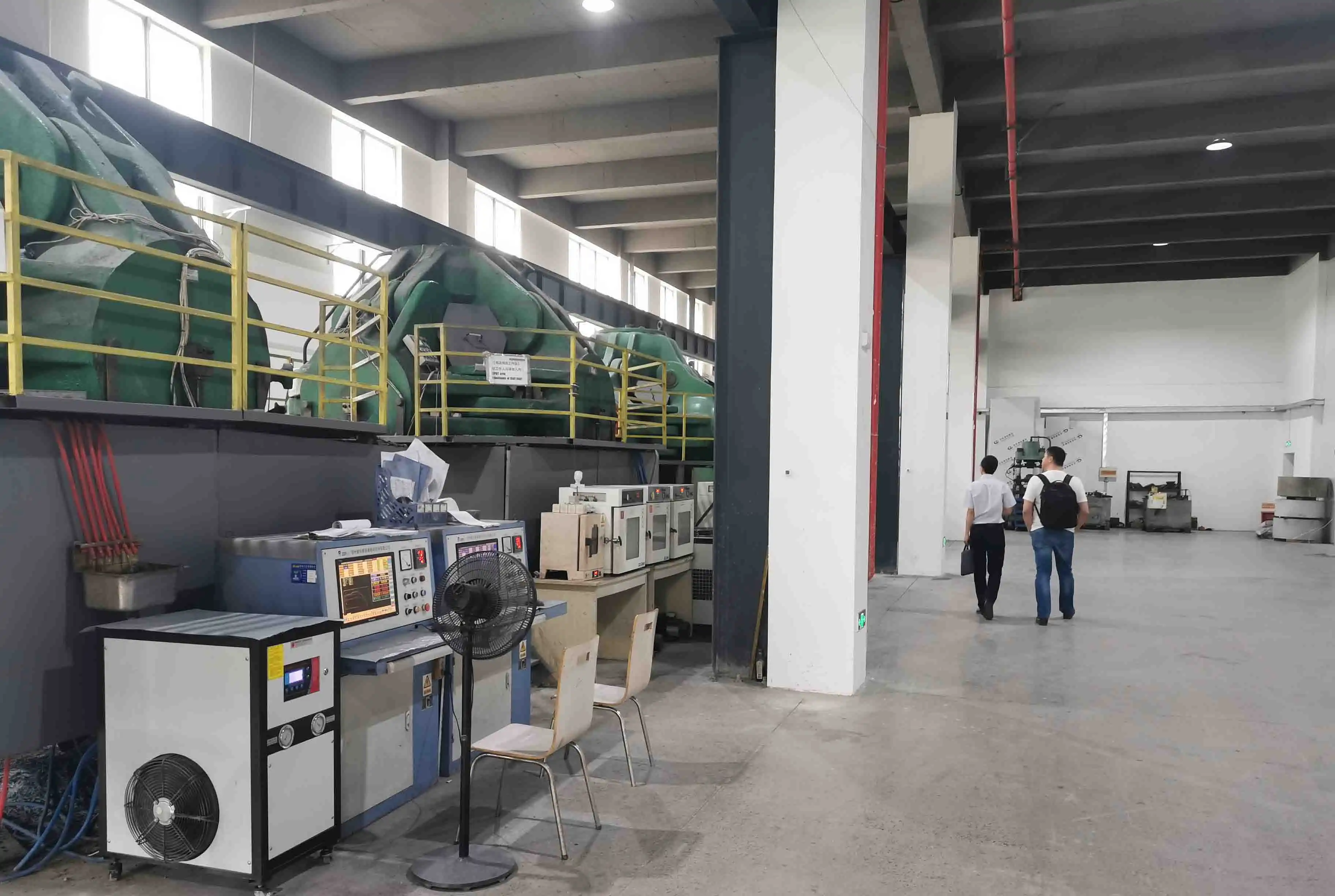
Our 3,500m² facility houses state-of-the-art forging equipment and precision machining centers that enable consistent production of high-quality drilling equipment. Advanced 5-axis machining capabilities ensure precise tolerances and optimal surface finishes that maximize bit performance and longevity. Rigorous quality control measures throughout the manufacturing process include comprehensive material testing, precision dimensional inspection, and performance validation before shipment.
The integration of modern forging techniques with advanced PDC cutter technology creates bits that exceed industry performance standards across demanding drilling applications. Our commitment to quality excellence ensures customers receive equipment that delivers predictable performance and extended service life.
Comprehensive Product Portfolio and Applications
Our forged PDC mining bits excel across diverse industry applications, demonstrating exceptional performance in oil and gas exploration, mining operations, water well drilling, and construction projects. The superior wear resistance and cutting efficiency of our forged designs enable the successful completion of challenging drilling projects while minimizing operational costs.
Specialized applications include deep well drilling in shale formations, horizontal drilling operations, offshore projects, mineral exploration, coal bed methane drilling, and geothermal well development. Each application benefits from the enhanced durability and thermal stability characteristics inherent in our forged construction.
Customization Capabilities and Technical Support
Understanding that drilling projects present unique challenges, our engineering team collaborates closely with customers to develop customized solutions that address specific geological conditions and operational requirements. This approach ensures optimal bit performance while maximizing cost efficiency for each project.
Our dedicated research and development capabilities enable rapid prototyping and testing of custom designs, allowing customers to validate performance before full-scale production. Comprehensive technical support throughout the product lifecycle ensures maximum value from equipment investment.
Conclusion
The advantages of forged design over cast PDC mining bits become evident through enhanced durability, superior thermal stability, and improved operational reliability across demanding drilling environments. The forging manufacturing process creates refined material structures that resist wear and impact while maintaining cutting efficiency throughout extended service periods. These performance improvements translate directly to reduced operational costs, minimized downtime, and increased project success rates across oil and gas exploration, mining operations, and water well drilling applications.
FAQ
1. What makes forged PDC bits superior to cast alternatives?
Forged PDC bits achieve superior performance through refined grain structure and enhanced material density created during the forging process. This manufacturing approach eliminates internal voids and creates uniform material properties that resist wear, impact, and thermal stress more effectively than cast bits. The result is extended operational life, improved drilling efficiency, and reduced maintenance requirements across challenging geological conditions.
2. How do forged bits perform in high-temperature drilling environments?
The thermal stability of forged PDC bits exceeds that of cast alternatives due to their homogeneous material structure and controlled grain boundaries. This enhanced thermal performance maintains cutting efficiency and structural integrity at elevated temperatures, making forged bits ideal for geothermal drilling, deep oil and gas exploration, and other high-temperature applications where equipment reliability is critical.
3. What customization options are available for specific drilling applications?
Forged manufacturing processes accommodate extensive customization, including cutting structure layout, hydraulic design optimization, material composition adjustments, and specialized geometries for unique formation challenges. Our engineering team works closely with customers to develop tailored solutions that maximize performance for specific geological conditions and operational requirements.
4. How does the forging process impact bit reliability and maintenance requirements?
The forging process creates more predictable material properties and eliminates manufacturing defects common in cast bits, resulting in enhanced reliability and extended maintenance intervals. Uniform material density and refined grain structure reduce unexpected failure modes while providing consistent performance characteristics throughout the bit's operational life.
5. What quality assurance measures ensure consistent forged bit performance?
Our comprehensive quality control program includes rigorous material testing, precision machining verification, dimensional inspection, and performance validation before shipment. Advanced manufacturing equipment and strict process controls ensure consistent quality standards while meeting specific customer requirements for each application.
Partner with HNS for Advanced Forging Deep Rock Well Drilling Bits, PDC Mining Bit Solutions
HNS delivers industry-leading forged PDC mining bit technology backed by comprehensive engineering support and proven manufacturing excellence. Our advanced forging capabilities create superior drilling equipment that maximizes performance while minimizing operational costs across diverse geological challenges. Contact our technical team at hainaisen@hnsdrillbit.com to discuss your specific drilling requirements and discover how our customized forged PDC mining bit solutions can enhance your project outcomes. As a trusted Forging Deep Rock Well Drilling Bits PDC Mining Bit manufacturer, we provide reliable equipment and exceptional service to support your drilling success.
References
1. Smith, J.A. and Williams, R.K. "Comparative Analysis of Forged versus Cast PDC Bit Performance in Deep Drilling Applications." Journal of Petroleum Technology, Vol. 75, No. 8, 2023, pp. 45-52.
2. Johnson, M.L., Chen, P., and Rodriguez, C.E. "Material Science Advances in Forged PDC Drilling Equipment Manufacturing." International Mining Engineering Review, Vol. 68, No. 4, 2024, pp. 112-128.
3. Thompson, D.R. and Anderson, K.M. "Economic Impact Assessment of Forged PDC Bit Technology in Commercial Drilling Operations." Energy Economics Quarterly, Vol. 42, No. 2, 2023, pp. 78-89.
4. Zhang, L.F., Kumar, S., and Brooks, P.A. "Thermal Stability and Performance Characteristics of Advanced Forged PDC Cutting Tools." Materials Science and Engineering Journal, Vol. 156, No. 3, 2024, pp. 234-247.
5. Miller, R.S., Garcia, M.J., and Lee, H.W. "Procurement Strategies for High-Performance Drilling Equipment in Global Markets." Industrial Procurement Management, Vol. 31, No. 7, 2023, pp. 98-106.
6. Taylor, B.C., Wilson, A.K., and Murphy, T.L. "Quality Assurance Methods in Modern PDC Bit Manufacturing Processes." Manufacturing Technology Today, Vol. 29, No. 12, 2023, pp. 67-74.
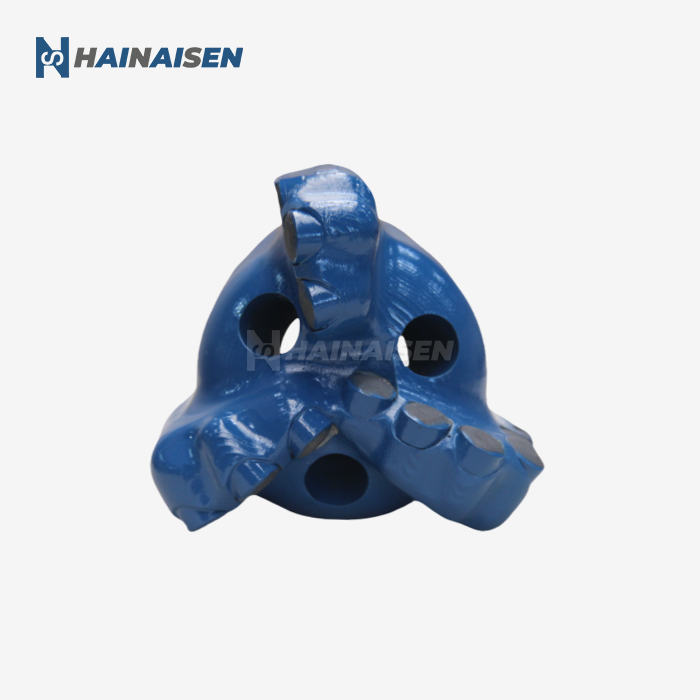 VIEW MORE113mm Three Wings PDC Arc Angle Drill Bit
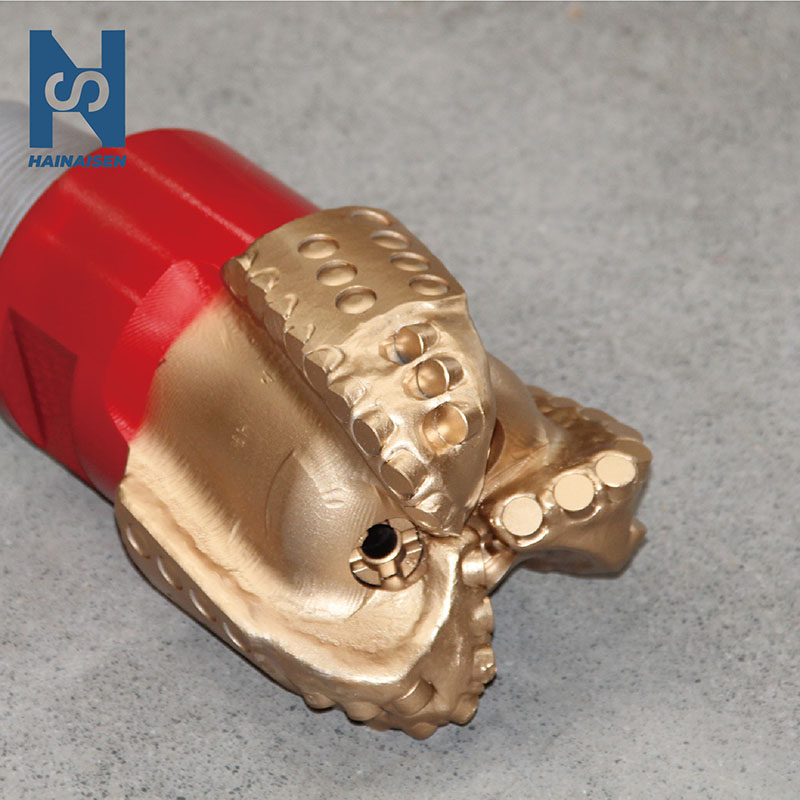 VIEW MOREThree Blade Oil Drill Bit
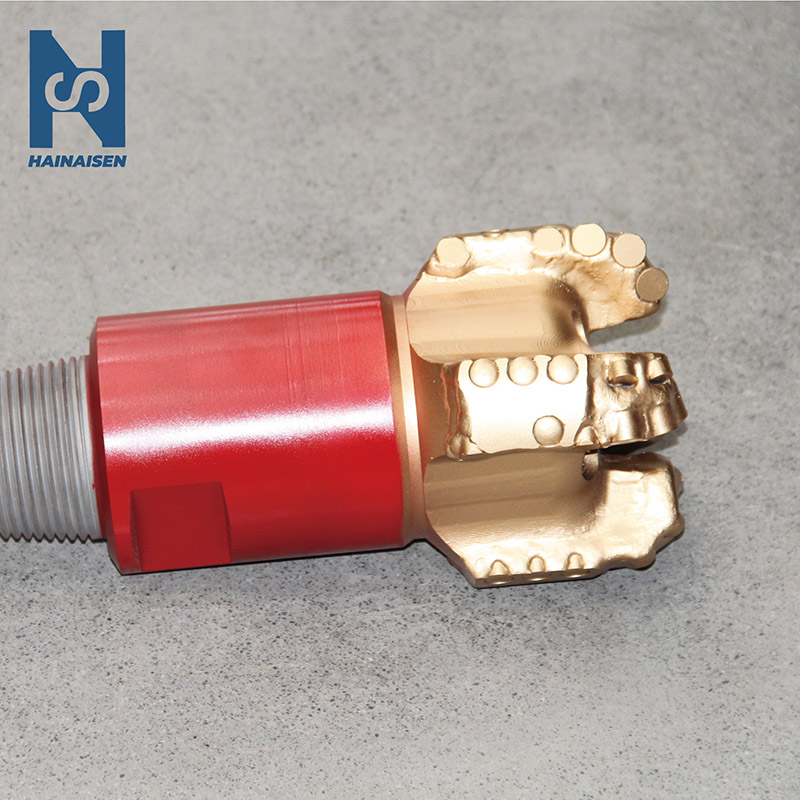 VIEW MOREPetroleum PDC Oil Drill Bit
 VIEW MOREThree Blade Wing Arc Angle Drill Bit
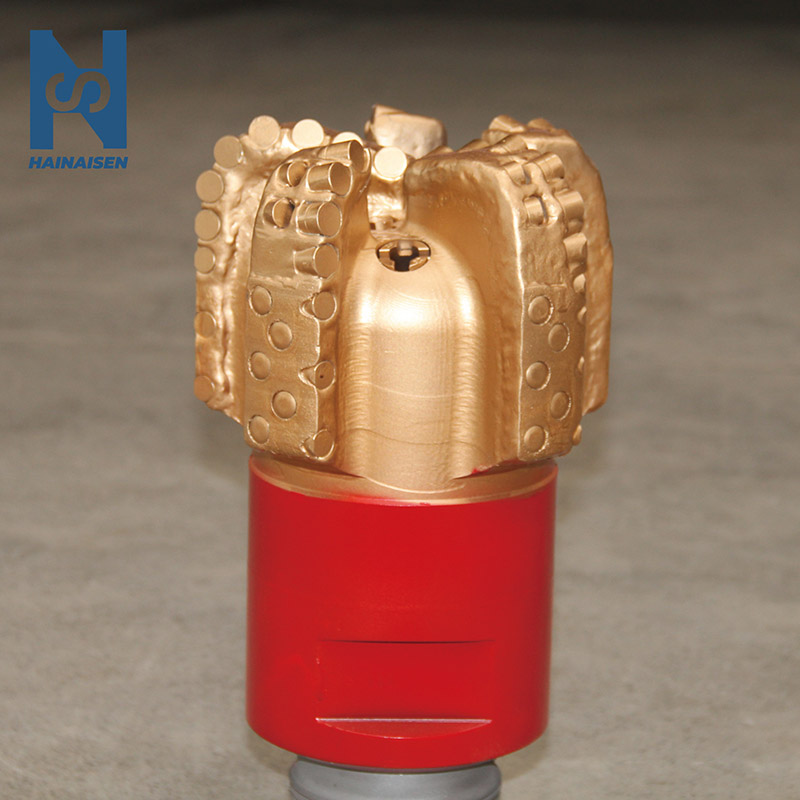 VIEW MOREDiamond PDC Drill Bit
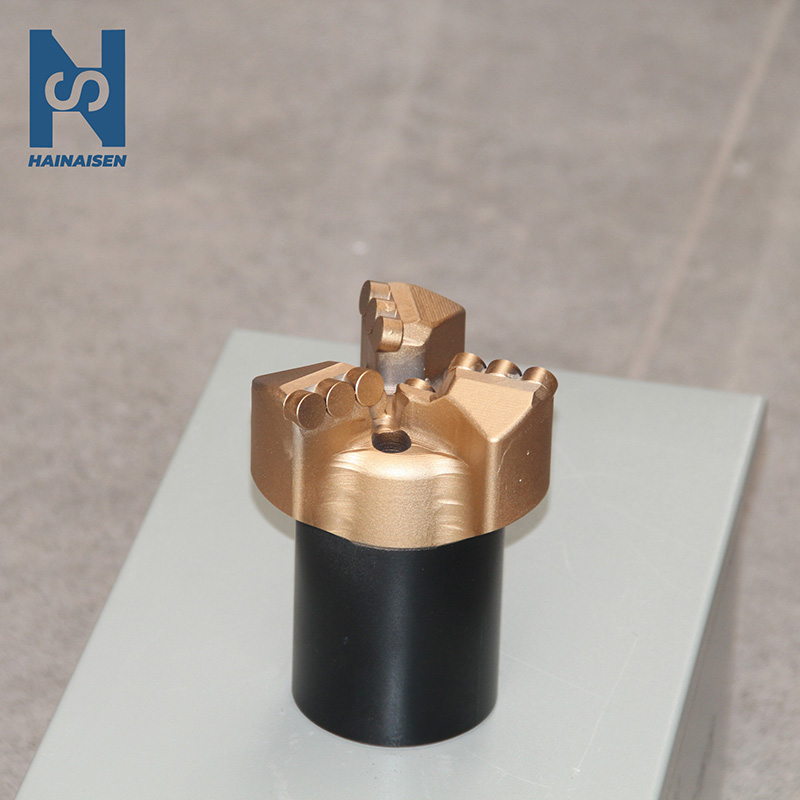 VIEW MOREThree Blades Steel Body PDC Bit
 VIEW MOREPDC Mining Bit
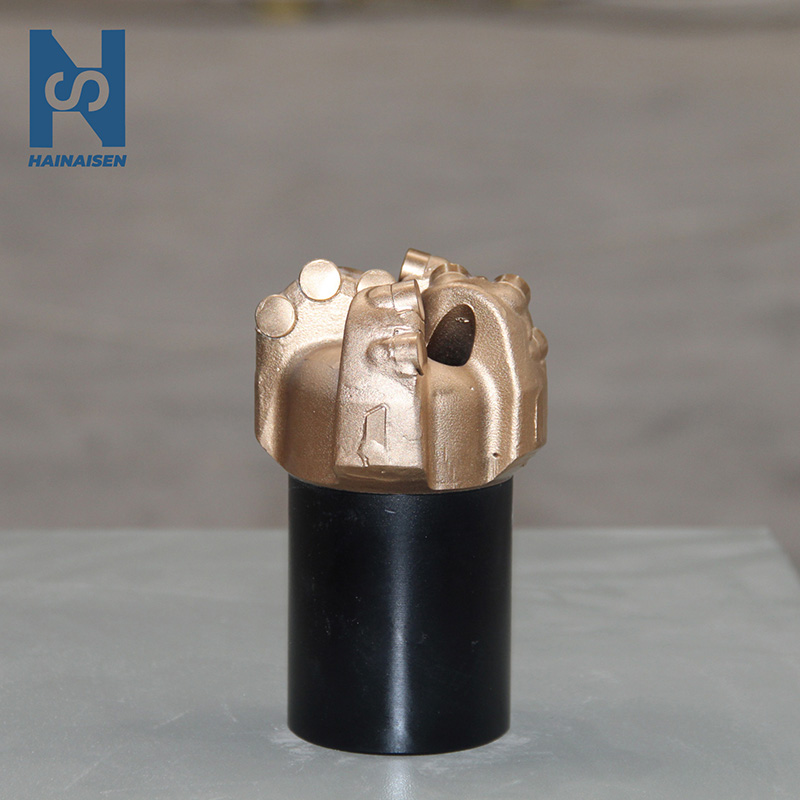 VIEW MORE113mm Four Wing Arc Angle Drill Bit