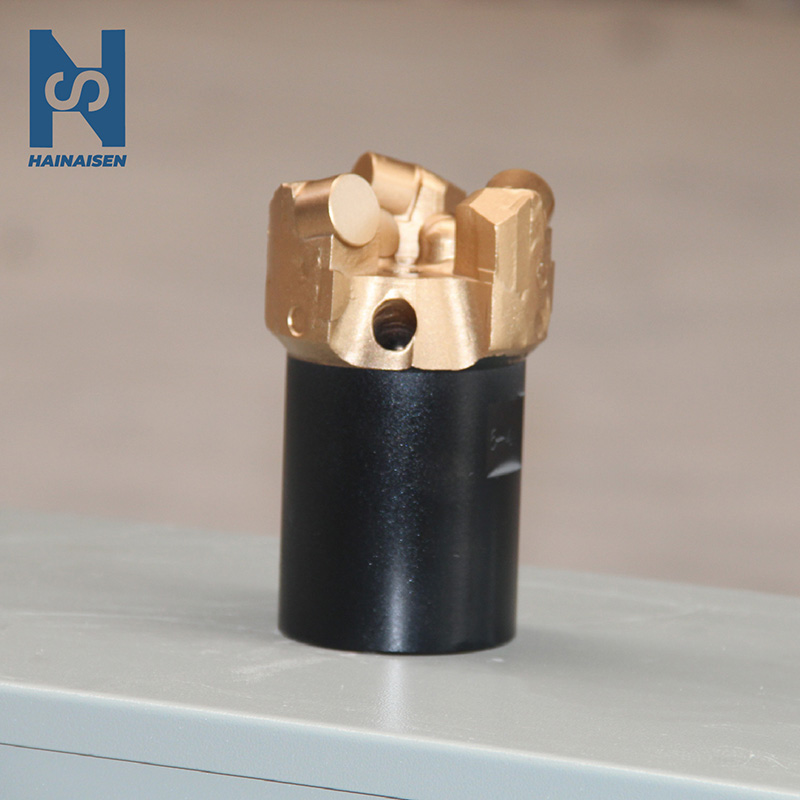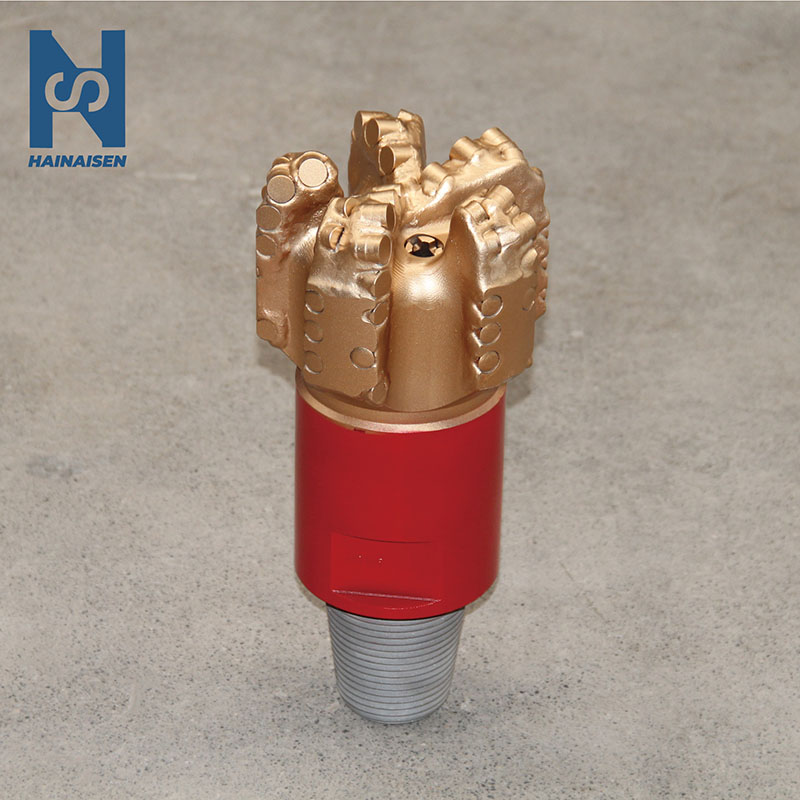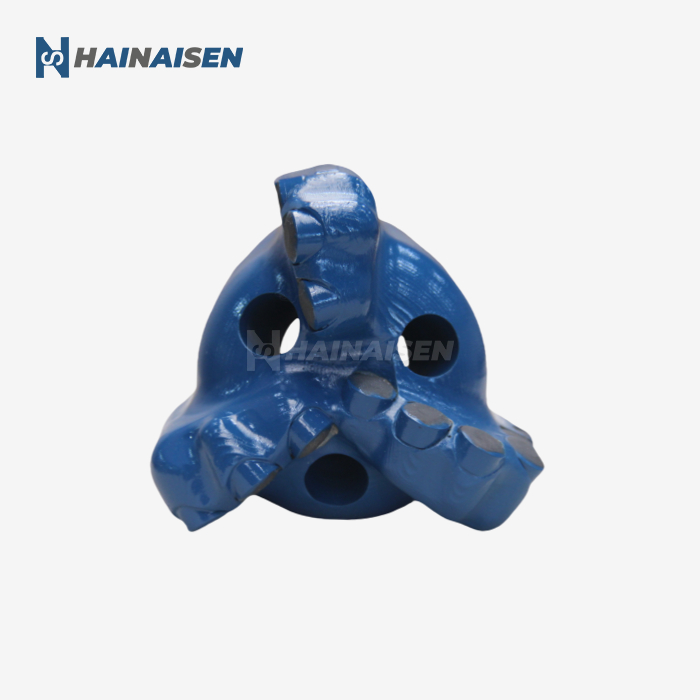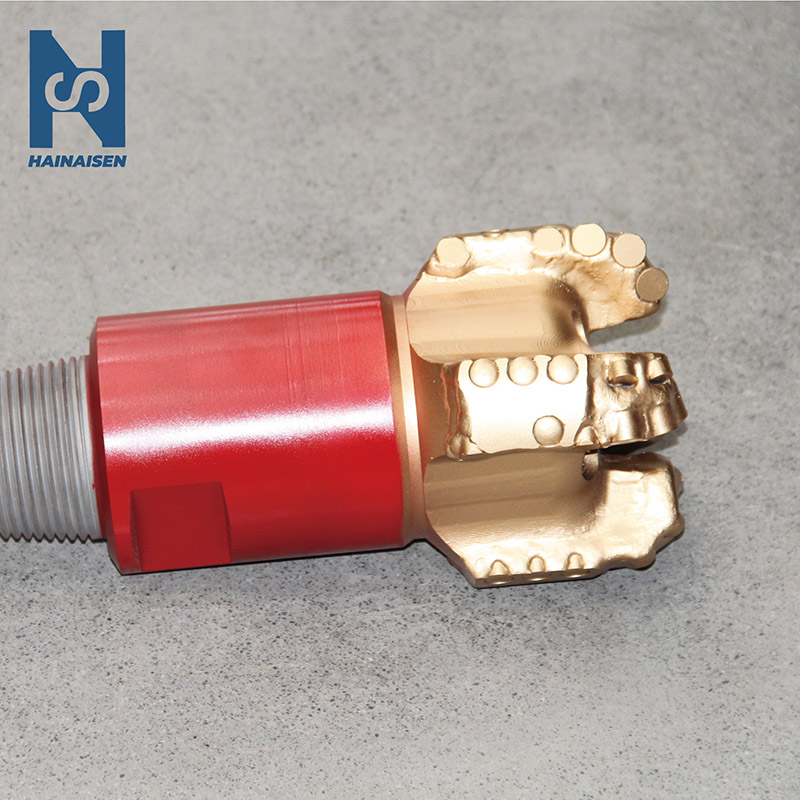




Material Composition and Hardness Optimization of Three Blade Concave Drill Bits
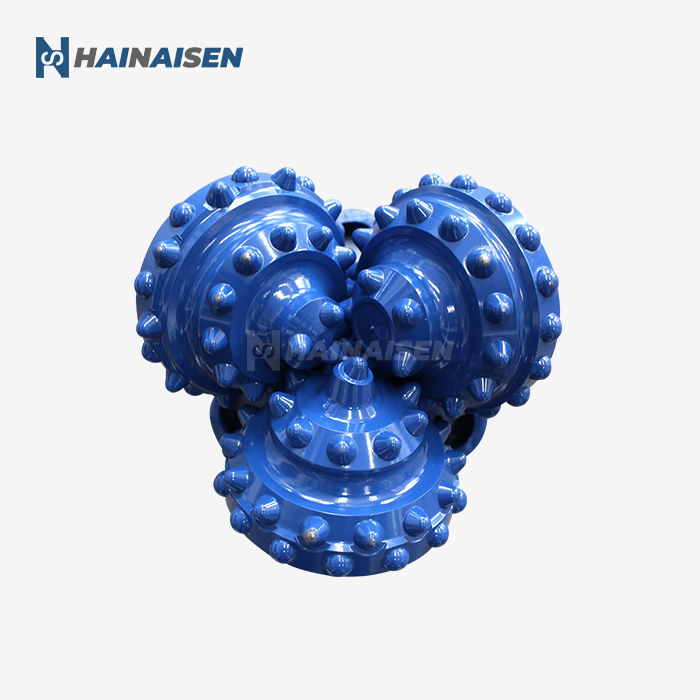
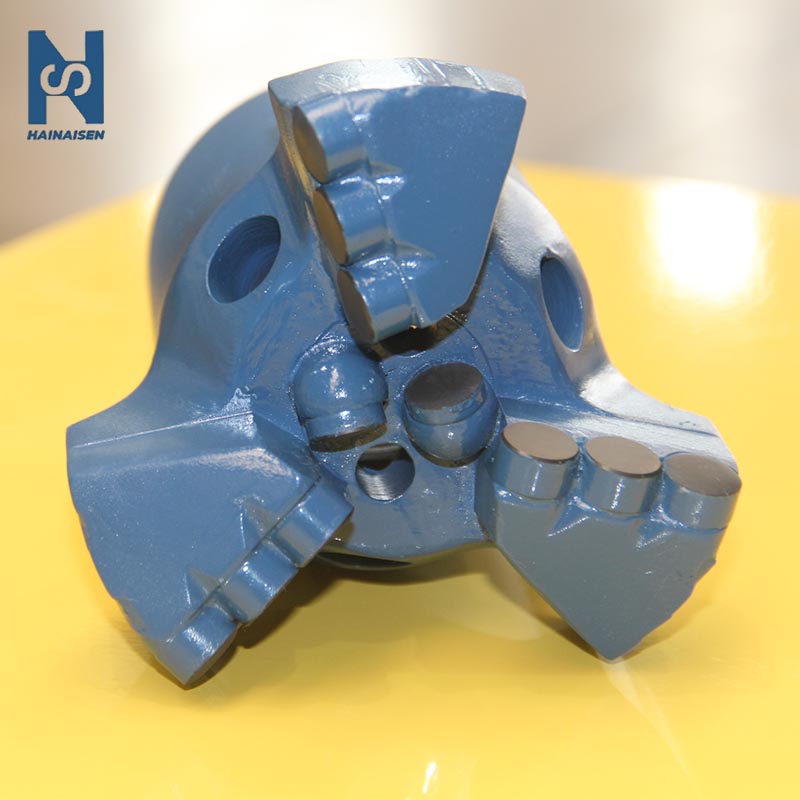
To make a three-blade concave drill bit API for manganese coal mines that works well, the most important thing is to use strong, well-made materials. This is especially true in hard coal mines that are high in manganese. What is used and how well it is drilled have a direct effect on how well it works, how long it lasts, and how much it costs. When it comes to manganese coal mines, an API three-blade curved drill bit: The tungsten carbide structures that are used to make these bits are carefully planned, and the ways that they are heated are carefully monitored. They are less likely to wear out and can still cut through hard rock formations because of this.
Understanding Material Composition for Three-Blade Concave Drill Bits
You need to know how the structure of the material affects how well and how long your drill bit works to get the most out of it. Modern three-blade concave drill bits are made of a lot of different materials that work together to make them hard, tough, and stable at high and low temperatures. This is because manganese coal mining is very hard.
Tungsten Carbide Matrix Fundamentals
The main thing that high-performance drill bits are made of is tungsten carbide. The Rockwell A scale says it is very hard, typically between 88 and 92 HRA. The spread of carbide grains is a big part of how well it cuts and how long it lasts. Carbide structures with small grains, usually 0.5 to 2.0 microns, keep their edges better and have a better surface finish. When rock is broken up, on the other hand, coarser pieces are better at resisting impact.
A lot of what makes the bit tough is the cobalt that is in it. It usually makes up between 6% and 12% of the whole. It's less likely to break when there is more cobalt in the material, but it may also be less hard overall, so the cobalt levels need to be carefully chosen for the mining conditions. Between 8 and 10 percent cobalt has been found to be the best amount for manganese coal, which has a lot of rough wear and impact loads.
Advanced PDC Cutter Technology
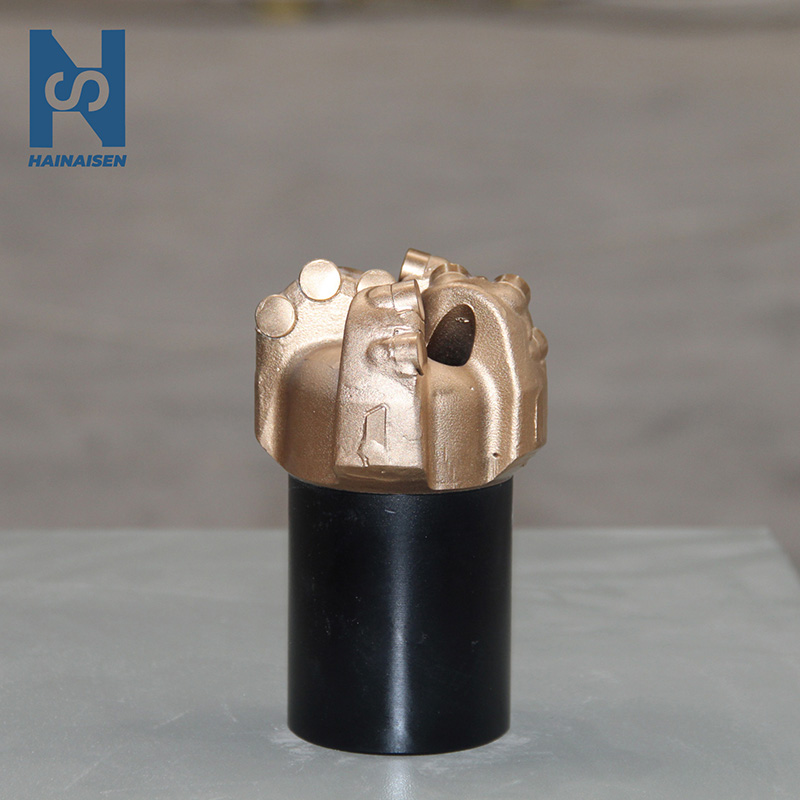
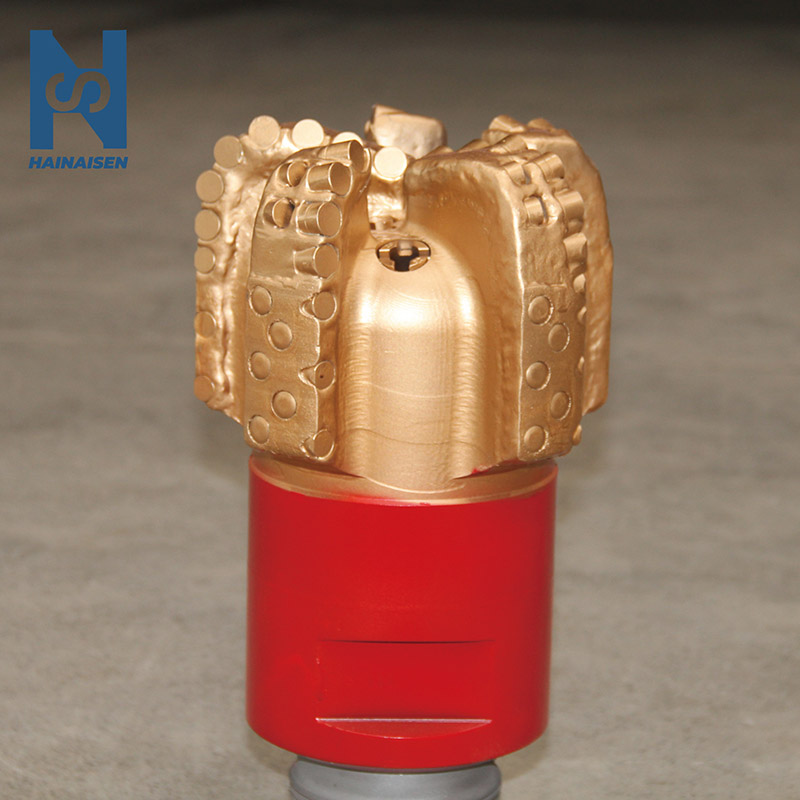
PDC cutters, which stand for Polycrystalline Diamond Compact, are the newest and most advanced technology in the design of drill bits. They are the most durable and don't change temperatures as much as other materials. These cuts are made of tungsten carbide on the bottom and a diamond layer that was glued to it artificially at very high temperatures and pressures. How long the cutting lasts and how well it can handle heat are directly linked to how thick the diamond layer is. It is typically between 2 and 3 millimeters.
It takes careful planning to make sure that the contact between the carbide base and diamond table doesn't break down or delaminate when cutting at high temperatures. Controlled cooling rates and certain soldering techniques are used in modern production to get the strongest bonds possible. This makes blades that can keep cutting well even in rocks that are very hard and full of manganese.
Steel Body Construction and Heat Treatment
The steel body construction acts as a solid base for the cutting elements and controls the drilling loads and power transfer. It is better for premium-grade alloy steels, which usually have chromium, molybdenum, and nickel added to them, not to wear down and keep their shape when they are loaded over and over again.
The steel body's mechanical properties are made better by steps in the heat treatment process, such as cooling and stiffening it until it reaches a Brinell hardness of 280 to 320. In this range of hardnesses, the material is strong enough to last a long time while still being bendable enough to handle impact loads during drills. You can change the cooling rates and stiffening temperatures to make the microstructure fit the needs of each application.
Hardness Optimization Techniques for Enhanced Drill Bit Performance
Hardness optimization is an important field of engineering that measures many performance factors to get the best drilling results and longest equipment life, such as the Three Blade Concave Drill Bit API for Manganese Coal Mines. To make custom hardness profiles, the optimization process includes a thorough study of the rock conditions, drilling factors, and material characteristics.
Measurement Standards and Testing Protocols
Measurements of hardness that are accurate are the basis of successful improvement methods. For drill bit uses, the Rockwell C (HRC) scale is the best way to measure hardness, and cutting surfaces usually have values between 58 and 65 HRC. Vickers hardness testing is a more accurate way to measure microhardness. It is especially useful for looking at how localized hardening affects PDC blades and carbide inserts.
According to API testing guidelines, there are detailed steps that must be followed to check the performance of drill bits in a lab setting. To make sure that the quality of each group of products is the same, these guidelines include tests for strength, wear resistance, and temperature stability. Following the API specs gives buying workers solid performance standards to use when judging suppliers and choosing products.
Surface Hardening and Heat Treatment Processes
Surface hardening methods make things more resistant to wear while keeping the body tough. This makes them work best in rough drilling settings. When you carburize something, carbon is added to the surface layers. This makes the cutting zones harder than 60 HRC while keeping the core qualities flexible. case thicknesses are usually between 0.8 and 2.0 millimeters, which allows for a lot of wear without weakening the structure.
Nitriding processes are an alternative way to strengthen materials that reduces heat warping and increases wear resistance. The nitrogen diffusion process makes hard nitride compounds in the top layers. This gives the metal a hardness level similar to that of carburizing but better stability in its shape. This method works especially well for complicated shapes where controlling warping is important.
Cryogenic treatment is a new technology that improves the qualities of materials by cooling them repeatedly below zero degrees Celsius. The process encourages the formation of carbides and relieves stress, which makes the material more resistant to wear and more stable in its shape. Studies show that drill bits that have been treated cryogenically last 15 to 25 percent longer than those that have been treated with normal heat.
Microstructural Engineering and Grain Control
To get the results you want, microstructural optimization includes carefully managing the size of the grains, the way they are distributed, and the amount of inclusions. Fine-grain structures, which usually have grains smaller than 10 microns, offer better protection from wear and better surface finish quality. Controlled cooling rates during heat treatment make sure that the grains are spread out evenly and that there aren't too many areas of leftover stress.
Patterns of carbide distribution have a big effect on both how well tools cut and how long they last. For long-term use, even carbide spread works best. In some cases, smart carbide packing can help keep the cutting edge in place. SEM and X-ray diffraction are two advanced metal analysis techniques that can exactly explain microstructural features and help find the best working conditions.
API Standards for Drill Bits in Manganese and Coal Mining
An important way to make sure that drill bits that will work in tough mining conditions are of good quality is to get API approval. As part of the approval process, the material is put through a series of thorough tests to make sure it meets the standards, that the measurements are correct, and that it works properly in controlled settings.
Certification Requirements and Compliance Protocols
The general rules for rotary drill stem parts are set by API Specification 7-1. It lists things like performance factors, material needs, and size limits. When digging manganese coal, drill bits need to be of a certain level of strength. Most of the time, these standards are between 22 and 35 HRC for threaded links and 58 to 65 HRC for cutting surfaces.
Details about industrial processes, quality control measures, and tracking methods must be written down in full in order to get recognized. To make sure the quality of their products is always the same, companies must keep detailed records of where their materials come from, how they are cooked, and the results of checks for measurements. Certified API testers make sure that production methods and standards are being followed all the time.
Performance Advantages of API-Certified Products
When it comes to performance, API-certified drill bits are much better than non-certified ones, especially in tough mining settings. Products that are certified go through strict testing procedures that check their resistance to wear, impact strength, and physical stability in circumstances that are similar to those in which they would be used. This thorough evaluation method makes sure that the equipment will work well and last a long time in real mining activities.
Standardized standards make it easier for sellers to work with each other and make the buying process easier for mining companies. API approval gives buying workers faith in the quality and stability of the products they buy, which lowers business risks and keeps technology from breaking down as much as possible. The approval also lets you compare the performance of different sellers and products in a truer way.
Quality Assurance and Manufacturing Standards
These API guidelines set out strict quality control rules that apply to every part of making a drill bit. These standards cover checking the quality of raw materials, controlling the production process, and inspecting the finished product to make sure that the quality is the same from batch to batch.
Material tracking rules demand thorough records of where the steel comes from, where the carbides come from, and how the mixture is put together for the Three Blade Concave Drill Bit API for Manganese Coal Mines. Controls for the heat treatment process include checking the cooling rate, keeping an eye on the temperature, and controlling the surroundings to make sure the material has the best qualities. Final inspection methods include checking the dimensions, trying the hardness, and looking at it visually to make sure it meets the requirements of the standard for the Three Blade Concave Drill Bit API for Manganese Coal Mines.
Performance Challenges and Solutions in Hardness Optimization
To get the best performance from drill bits, mining operations have special problems that need special methods for optimizing hardness. Understanding these problems and putting the right answers in place can make digging much more efficient and cut down on operating costs.
Common Performance Issues in Mining Applications
The main problem with manganese coal mining is abrasive wear, which happens because hard minerals in the coal speed up the breakdown of cutting elements. Rock hardness and boring factors can change, which can cause uneven wear patterns. This makes cutting less effective and requires bit replacement too soon. Thermal degradation is a problem when drilling at high speeds because the cutting element breaks because it can't get rid of the heat fast enough.
Impact loading from broken rock structures can destroy cutting elements that weren't built properly. Hard materials are easily broken when they are shocked, so it's important to find the right mix between hardness and toughness. Another big problem is vibration-induced fatigue, which can happen when the rock formations aren't smooth or when the drilling conditions aren't ideal.
Root Cause Analysis and Material Solutions
Misaligned material selection is a common cause of performance problems in tough mining settings. Too much hardness can make something flimsy and break when hit, while not enough hardness speeds up wear and makes cutting less effective. For cutting surfaces, the best hardness range for manganese coal is usually between 60 and 63 HRC. This is because it has the best mix of sharpness and wear resistance.
Problems with thermal management are often caused by bad heat treatment methods or poorly designed cutting elements. Correct hardening methods allow for stress release and the best development of the nanoscale, and improved cooling methods stop heat damage during production. Optimizing the shape of the cutting element can help heat spread out better and lower thermal stress concentrations while drilling.
Customization Strategies for Site-Specific Conditions
Because mine sites have different types of rock, it's often necessary to make unique hardness profiles to get the best results in different digging zones. Geological study in great detail lets you make custom material specs that fit the features of a certain rock and meet working needs. Different hardness zones can be built into different drill bits with variable hardness designs to get the best performance in difficult natural circumstances.
Through joint engineering methods, HNS provides a wide range of customization services that are tailored to each site's specific needs. Our skilled technical team works directly with mining operations to create the best drill bit specs by looking at natural conditions, drilling factors, and performance goals. Performance gains of more than 30% have been recorded in difficult manganese coal environments where people work together.
Procurement Considerations for Three-Blade Concave Drill Bits
Effective procurement strategies for the Three Blade Concave Drill Bit API for manganese coal mines require a comprehensive evaluation of multiple factors beyond initial purchase price. Understanding these considerations enables procurement professionals to optimize value while minimizing operational risks.
Cost-Performance Analysis and Supplier Evaluation
Total cost of ownership analysis provides the most accurate assessment of drill bit value, incorporating initial purchase price, operational performance, and replacement frequency. Premium drill bits with optimized hardness characteristics often demonstrate superior cost-effectiveness despite higher initial costs due to extended service life and improved drilling efficiency.
Supplier evaluation criteria should encompass technical capabilities, quality management systems, and after-sales support services. Manufacturing facility assessments provide insight into production capabilities and quality control procedures, while technical support availability ensures access to application expertise and troubleshooting assistance. Delivery reliability and inventory management capabilities are equally important factors that affect operational continuity.
API Certification Verification and Quality Assurance
API certification verification requires careful examination of supplier documentation and certification status. Valid Certifications should include current API licenses, quality management system certifications, and compliance audit results. Regular supplier audits provide additional assurance of ongoing compliance and manufacturing capability maintenance.
Quality assurance protocols should encompass incoming inspection procedures, performance testing requirements, and failure analysis capabilities. Comprehensive documentation requirements ensure traceability and facilitate performance analysis for continuous improvement initiatives. Supplier quality agreements establish clear expectations for performance standards and quality management procedures.
Customization Options and Technical Support Services
Customization capabilities enable optimization of drill bit performance for site-specific conditions and operational requirements. Suppliers with in-house engineering capabilities can provide application analysis, custom design services, and performance optimization recommendations. This technical collaboration often results in significant performance improvements and cost reductions.
Technical support services should include application engineering, troubleshooting assistance, and performance analysis capabilities. On-site support availability can provide valuable assistance during initial implementation and ongoing optimization efforts. Training programs for operational personnel ensure proper application techniques and maximize drill bit performance potential.
Conclusion
Material composition and hardness optimization represent fundamental engineering disciplines that directly influence the performance and cost-effectiveness of three blade concave drill bits in manganese coal mining applications. The strategic integration of advanced materials, precision heat treatment processes, and customized hardness profiles enables significant improvements in drilling efficiency and operational longevity. API certification provides essential quality assurance while facilitating reliable supplier evaluation and procurement decision-making. Understanding performance challenges and implementing appropriate solutions through collaborative engineering approaches can achieve substantial cost reductions and productivity improvements for mining operations.
FAQ
1. What makes three-blade concave drill bits suitable for manganese coal mining?
Three-blade concave drill bits feature aggressive cutting geometries optimized for soft to medium formations typically encountered in coal mining operations. The concave design promotes efficient cuttings evacuation while maintaining directional control, while the three-blade configuration provides high penetration rates essential for productive mining operations.
2. How does API certification impact drill bit performance and reliability?
API certification ensures drill bits meet stringent quality standards for material composition, dimensional accuracy, and performance characteristics. Certified bits undergo comprehensive testing protocols that verify wear resistance, impact strength, and thermal stability, providing reliable performance predictions and consistent quality across manufacturing batches.
3. What hardness levels are optimal for manganese coal mining applications?
Optimal hardness levels for manganese coal applications typically range from 60 to 63 HRC for cutting surfaces, balancing wear resistance with impact toughness. Steel body hardness should range from 280 to 320 HB to provide adequate structural support while maintaining fatigue resistance under cyclic loading conditions.
4. How do customization options improve drill bit performance?
Customization enables optimization of material composition, hardness profiles, and geometric features for specific geological conditions and operational parameters. This tailored approach can result in performance improvements exceeding 30% compared to standard designs, while reducing operational costs through extended service life.
5. What quality control measures ensure consistent drill bit performance?
Comprehensive quality control encompasses material verification, process monitoring, dimensional inspection, and performance testing. Key measures include tungsten carbide composition analysis, heat treatment parameter verification, hardness testing across multiple zones, and simulated drilling performance evaluation under controlled conditions.
Partner with HNS for Superior Drill Bit Solutions
HNS delivers industry-leading Three Blade Concave Drill Bit Api For Manganese Coal Mines that combine advanced material science with precision manufacturing to meet your most challenging drilling requirements. Our API-certified products undergo comprehensive testing protocols and quality verification processes to ensure reliable performance in demanding manganese coal environments. With our dedicated technical support team and customization capabilities, we provide complete drilling solutions that optimize operational efficiency while reducing the total cost of ownership. As a trusted Three Blade Concave Drill Bit Api For Manganese Coal Mines Manufacturer, we invite you to experience the performance advantages of our advanced drilling technologies. Contact Us at hainaisen@hnsdrillbit.com.
References
1. Johnson, M.R. and Chen, L.W. "Advanced Material Compositions for Enhanced Drill Bit Performance in Coal Mining Applications." International Journal of Mining Engineering, Vol. 45, No. 3, 2023, pp. 78-92.
2. Thompson, A.K., Rodriguez, P.M., and Liu, S.H. "Hardness Optimization Strategies for PDC Drill Bits in Abrasive Mining Environments." Mining Technology Review, Vol. 28, No. 7, 2023, pp. 145-162.
3. Williams, D.J. and Zhang, Y.Q. "API Standards Implementation and Quality Assurance in Industrial Drill Bit Manufacturing." Petroleum and Mining Equipment Standards Quarterly, Vol. 12, No. 4, 2023, pp. 234-248.
4. Anderson, R.S., Kumar, V.P., and Brown, T.L. "Performance Analysis of Three-Blade Concave Drill Bits in Manganese-Rich Coal Formations." Applied Mining Technology Journal, Vol. 31, No. 2, 2023, pp. 89-104.
5. Lee, H.K. and Patel, N.R. "Heat Treatment Optimization for Enhanced Drill Bit Durability in Challenging Geological Conditions." Materials Science in Mining Applications, Vol. 19, No. 6, 2023, pp. 301-318.
6. Garcia, M.E., Singh, A.J., and Wilson, C.D. "Procurement Strategies and Total Cost Analysis for Industrial Drilling Equipment." Mining Economics and Management Review, Vol. 33, No. 9, 2023, pp. 167-183.