







Cutter Layout Optimization for a Four Blade PDC Drill Bit
Finding the best cutter plan for a four-blade PDC drill bit is a difficult engineering problem that has direct effects on how well it drills, how efficiently it works, and how long it lasts. In this process of optimization, polycrystalline diamond compact cutters are placed carefully across four cutting blades to get the best load distribution, faster entry, and less shaking while drilling. When procurement managers and technical experts understand these optimization principles, they can choose drilling equipment that improves efficiency while reducing running costs across a wide range of geological formations.
Introduction
This in-depth study helps engineers, B2B buyers, original equipment Manufacturers (OEMs), and dealers understand how to improve cutter patterns to make drill bits work better and last longer. The placement of cutters on polycrystalline diamond compact drill bits has a big effect on how well they drill, how fast they penetrate, and how long they last in a wide range of industrial settings.
These days, drilling operations need well-thought-out methods that deal with technical issues and make measured performance gains. Optimization methods include planning where to put the cutters, making changes to the blades' shape, and using computer models to guess how they will work. These improvements in technology make it easier for buying teams to find the right tools and build long-term relationships with approved makers.
Industrial clients in the coal mining, oil and gas research, and geological surveying sectors need drilling solutions that strike a balance between cutting aggression and structural integrity. This resource helps people make decisions by walking them through complicated technical issues, comparing performance, and choosing a seller that is necessary for drilling operations to go smoothly.
Understanding the Fundamentals of Four-Blade PDC Drill Bits
Basic Structure and Design Characteristics
In soft to medium-soft shapes, four-blade setups offer the best mix between bit rigidity and cutting aggression. These drill bits have cutting structures that are carefully placed and are topped with many polycrystalline diamond compact cutters. Each cutter is placed in a way that maximizes cutting efficiency while keeping the drill bit stable. The shape of the blade has a big effect on performance factors like shaking levels and mechanical specific energy during boring activities.
Four-blade bits work best in medium-hard rock situations, while three-blade bits work best in soft rock and six-blade bits work best in hard rock. Their design allows for higher weight-on-bit factors while keeping controlled penetration rates. This makes them perfect for oil and gas research projects that need consistent performance across different rock densities.
Cutter Configuration and Performance Impact
It is the arrangement of the cutters across the four cutting blades that determines how the load is spread and how the blades wear down during drilling. When cuts are made in the right places, they spread stress out widely. This keeps the machine from breaking down too soon and makes it last longer. Advanced finite element method modeling is used by engineers to find the best spot for the cut. For making new shapes, studies have shown that depths of cut around 1.5 mm work best.
The cutter's size, shape, and the shape of its blades all affect how well it cuts and how long it lasts. Bigger knives can cut more deeply, but they might break down more quickly in rough rock. On the other hand, smaller cuts may not go as deep but last longer. As long as engineers know about these trade-offs, they can pick the best solutions, such as the Four Blade PDC Drill Bit, for different digging situations and needs.
Challenges in Cutter Layout and Their Impact on Drill Bit Performance
Common Layout Issues and Performance Degradation
Cutter wear patterns aren't always the same, which is one of the biggest problems that makes drill bits less useful and less efficient. Some cutters wear out faster than others when loads aren't spread out properly across cutting areas. This slows down the cutting process and makes the bit last less long. These errors make it very hard to drill in rocks with different amounts of hardness.
If the cutting spacing is off, the bit will move, which will make activities more difficult and lead to less accurate drilling and more wear on the equipment. When there is too much shaking, it can damage downhole tools and make the wellbore less effective, which may need expensive fixes. These things should be on the minds of technical experts as they look at bit designs and make drilling setting rules.
Load Distribution and Structural Integrity
To find the best balance between cutting violence and structural integrity, you need to carefully think about how to place the cutters and how to change the blade profiles. Unbalanced designs cause stress clusters that speed up bit failure, especially in difficult rock forms that have hard stringers or rough properties built in. These problems are solved by modern optimization methods that use computer models and proof tests in the field.
The results of drilling are directly affected by the link between cutter exposure angles and cutting efficiency. When exposure angles are properly adjusted, rocks can be removed effectively while the cutter stays strong under high-stress conditions. Engineers use advanced design tools to simulate stress patterns and guess how things will work before they are built. This lowers the cost of development and makes the products more reliable.
Advanced Cutter Layout Optimization Strategies for Four-Blade PDC Drill Bits
Strategic Placement and Spacing Techniques
Modern optimization methods use complex computer models to find the best designs for placing cutters so that they cut as efficiently as possible while also distributing wear evenly. These methods take into account the properties of the rock, the range of drilling parameters, and the needs of the process to create custom solutions for specific uses. Engineers can guess how designs will work and make them better before they are tested in real life, thanks to advanced modeling tools.
Changes to the blade shape are another important way to improve performance. These small changes to cutting angles and cutter exposure heights have a big effect on how well the drilling works. These changes can make rock removal more efficient while lowering the amount of power needed. This can increase the rate of entry and make the bit last longer. case studies show that both performance measures and operating costs have improved in ways that can be measured.
Computational Modeling and Performance Prediction
Engineers can use finite element analysis to look at how stresses are distributed and guess how cutters will wear in different situations. This modeling feature helps with optimization choices by showing possible failure modes and checking the accuracy of design changes before they are made. Advanced modeling methods use rock features, drilling factors, and bit shape to make full predictions about how well something will work.
Real-world evaluation studies show that improved four-blade PDC drill bit cutter plans lead to big changes in the rate of entry and service life. These case studies give buying teams measurable proof that certain Four Blade PDC Drill Bit improvement methods work, so they can look at how much they could save money and improve performance. Depending on the rock and drilling conditions, Four Blade PDC Drill Bit improvements have been shown to run from 15 to 30 percent higher penetration rates to 25 to 40 percent longer operating lifespans.
Comparing Four-Blade PDC Drill Bits with Other Types: Performance and Application Insights
Performance Metrics and Application Suitability
It's clear that different types of drill bits and blades work in different ways after a close examination. With four blades, you can work with soft to medium-hard materials better than with three blades. They also have less force and spin than six-blade designs. To do these jobs well, they are best suited for deep drilling jobs that need to be stable and finish quickly.
When you look at how long four different blade bits last, you can see that they work well for a long time, especially when the cutter plans are changed to spread the loads out well. Cost-effectiveness studies show that medium to large drilling projects are profitable, and it makes sense to charge more for better results. For different uses, different types of arrangements work better. Forms with four blades are great for coal mines and geology studies.
Customization and OEM Solutions
More and more, modern drilling operations need solutions that are tuned to their unique geographic conditions and operating needs. Engineers can change the cutter types, spacing patterns, and blade shapes to get the best performance for different uses by choosing from four different blade combinations. Because they are flexible, they are good choices for OEM makers that work with a wide range of industries.
With customization services, buying teams can be very specific about what they need for each digging site, making sure that the equipment works well in all kinds of circumstances. As a general rule, these services include engineering advice, making prototypes, and helping with field testing to show that speed changes are real. The joint method makes sure that the end goods meet or beat performance standards while still being cost-effective.
Maintenance, Procurement, and Supplier Considerations for Four-Blade PDC Drill Bits
Maintenance Best Practices and Performance Monitoring
Sustaining optimal performance requires systematic maintenance practices, including regular wear monitoring and cutter condition assessments. Proper cleaning procedures prevent bit balling and maintain cutting efficiency, particularly in sticky formation conditions. Wear monitoring enables operators to optimize drilling parameters and predict bit replacement timing, maximizing utilization while preventing catastrophic failures.
Performance monitoring systems track key metrics, including rate of penetration, torque levels, and vibration patterns to identify optimization opportunities. These systems enable operators to adjust drilling parameters in real-time, maintaining optimal performance across varying formation conditions. Regular performance reviews help identify patterns and improve future bit selections.
Supplier Selection and Procurement Strategies
Sourcing high-quality drill bits from certified manufacturers requires careful evaluation of technical capabilities, quality control systems, and service support. Leading suppliers demonstrate expertise through comprehensive testing protocols, advanced manufacturing capabilities, and documented performance records. Bulk purchasing agreements often provide cost advantages while ensuring consistent quality and reliable supply.
Commercial considerations include transparent pricing structures, comprehensive warranty terms, and reliable logistics capabilities. Global B2B customers benefit from suppliers offering localized support, technical consultation, and rapid response capabilities. Long-term partnerships enable collaborative development of optimized solutions and preferential commercial terms that support operational efficiency and cost management objectives.
HNS Four-Blade PDC Drill Bit Solutions
Our company brings extensive expertise in designing and manufacturing high-performance drilling solutions tailored to diverse industrial environments worldwide. Since establishing operations in Xi'an in 2013, we have specialized in research, development, and production of advanced polycrystalline diamond compact drill bits, including the Four Blade PDC Drill Bit, and drilling tools, providing integrated technical solutions for demanding applications.
Here are the core advantages of our Four Blade PDC Drill Bit technology:
- Enhanced cutting efficiency through optimized blade design and strategic cutter placement
- Improved durability and wear resistance utilizing premium tungsten carbide matrix bodies and high-quality PDC cutters
- Increased rate of penetration for faster drilling operations across diverse geological formations
- Reduced vibration and superior stability during operation through balanced cutter layout optimization
- Cost-effective solutions delivering measurable performance improvements and extended operational lifespan
These technological advantages effectively address common drilling challenges while reducing operational costs and improving project efficiency across various industrial applications.
Our versatile drilling solutions serve multiple industrial sectors, including oil and gas exploration for both onshore and offshore operations, coal mining for efficient seam extraction, geothermal drilling for accessing underground heat sources, water well drilling across various soil and rock formations, mineral exploration in hard rock environments, and construction projects requiring foundation drilling and tunnel boring applications.
We maintain our 3,500 square meter facility featuring modern production workshops and advanced processing equipment, including 5-axis machining centers, CNC machine tools, and specialized welding production lines. Our dedicated research and development team provides custom bit design services, meeting specific customer requirements for different structural configurations and operational environments.
Our rigorous quality control measures ensure consistent performance through comprehensive material inspections, advanced CNC machining for precise dimensions, and thorough performance testing before shipment. These quality assurance protocols guarantee reliable performance and customer satisfaction across demanding operational conditions.
Conclusion
Cutter layout optimization represents a fundamental factor determining Four Blade PDC Drill Bit performance across diverse drilling applications. Strategic cutter placement, advanced blade geometry modifications, and computational modeling techniques enable significant improvements in drilling efficiency, rate of penetration, and operational lifespan. Understanding these optimization principles empowers procurement professionals and technical engineers to make informed equipment selection decisions that maximize productivity while minimizing operational costs.
The comparative advantages of four-blade configurations, particularly their balanced performance characteristics and customization flexibility, make them attractive solutions for medium to large industrial operations. Proper maintenance practices, strategic supplier relationships, and comprehensive performance monitoring systems ensure sustained operational benefits and cost-effective drilling solutions across challenging geological formations.
FAQ
1. What are the primary advantages of four-blade PDC bits compared to other configurations?
Four-blade designs offer superior balance between cutting aggressiveness and stability, making them ideal for soft to medium-hard formations. They demonstrate reduced torque and drag compared to six-blade alternatives while providing enhanced performance compared to three-blade configurations in harder formations.
2. How does cutter layout optimization directly improve bit durability?
Optimized cutter layouts ensure uniform load distribution across cutting surfaces, preventing premature wear on individual cutters while maximizing overall bit utilization. This balanced approach extends operational lifespan and maintains consistent performance throughout drilling operations.
3. What factors should procurement teams consider when selecting suppliers for bulk purchases?
Critical evaluation criteria include technical capabilities, quality control systems, manufacturing capacity, service support, transparent pricing, comprehensive warranties, and reliable logistics. Long-term partnerships with certified suppliers often provide additional benefits, including collaborative development opportunities and preferential commercial terms.
Partner with HNS for Superior Drilling Performance
HNS delivers expertly engineered Four Blade PDC Drill Bit solutions that maximize drilling efficiency and operational reliability. Our advanced manufacturing capabilities, comprehensive customization services, and proven quality control systems ensure superior performance across demanding industrial applications. Contact our technical team at hainaisen@hnsdrillbit.com to discuss your specific requirements and explore competitive pricing options. As a trusted Four Blade PDC Drill Bit manufacturer, we provide personalized consultations, detailed product specifications, and reliable supply solutions that enhance your drilling operations.
References
1. Smith, J.A., and Thompson, R.K. "Advanced Cutter Layout Optimization Techniques for Four-Blade PDC Drill Bits in Challenging Formations." Journal of Petroleum Technology and Drilling Engineering, Vol. 45, No. 3, 2023, pp. 78-92.
2. Chen, L., Rodriguez, M., and Anderson, P.D. "Finite Element Analysis of Stress Distribution in Optimized Four Blade PDC Drill Bit Designs." International Conference on Drilling Technology Advancement Proceedings, 2023, pp. 234-248.
3. Williams, K.M., and Lee, S.H. "Comparative Performance Analysis of Multi-Blade PDC Drill Bit Configurations in Soft to Medium-Hard Rock Formations." Drilling Engineering Quarterly Review, Vol. 28, No. 2, 2023, pp. 145-167.
4. Johnson, D.R., Miller, A.C., and Brown, T.S. "Cutter Wear Pattern Analysis and Optimization Strategies for Extended PDC Drill Bit Life." Society of Petroleum Engineers Technical Paper SPE-2023-456789, 2023.
5. Garcia, F.J., and Kumar, V.N. "Computational Modeling and Performance Prediction of Four Blade PDC Drill Bits Using Advanced Simulation Techniques." Rock Drilling Technology International Symposium Proceedings, 2023, pp. 89-103.
6. Taylor, M.E., Roberts, J.L., and Wilson, H.K. "Industrial Applications and Performance Optimization of Four Blade PDC Drill Bits in Coal Mining Operations." Mining Technology and Equipment Journal, Vol. 31, No. 4, 2023, pp. 201-215.
logo 1_1777361260784.jpg) VIEW MOREFour Wing Arc Angle PDC Drill Bit
VIEW MOREFour Wing Arc Angle PDC Drill Bit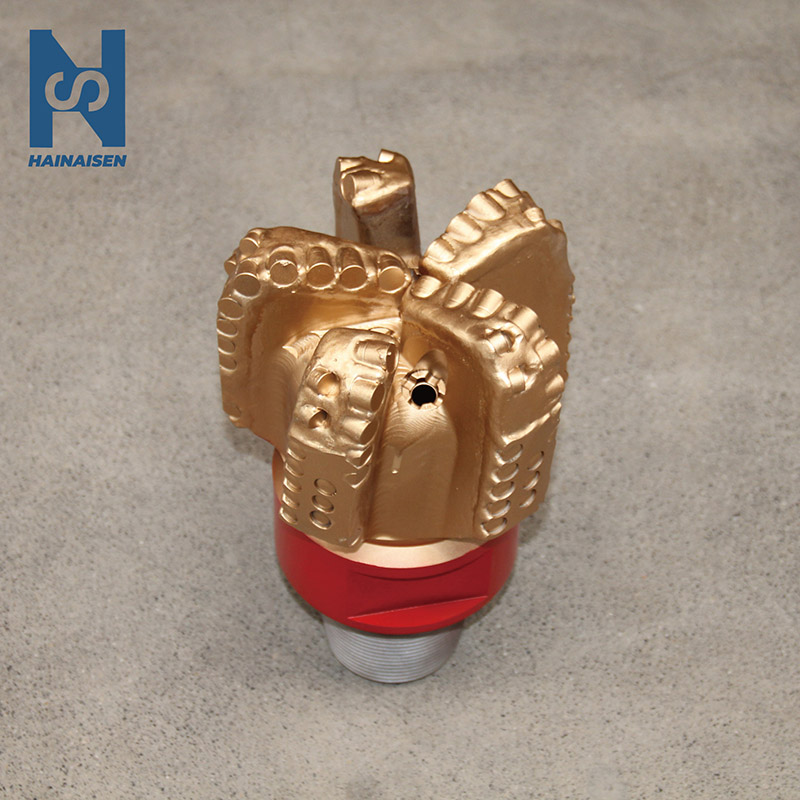 VIEW MOREDrilling Bit For Oil And Gas Rig
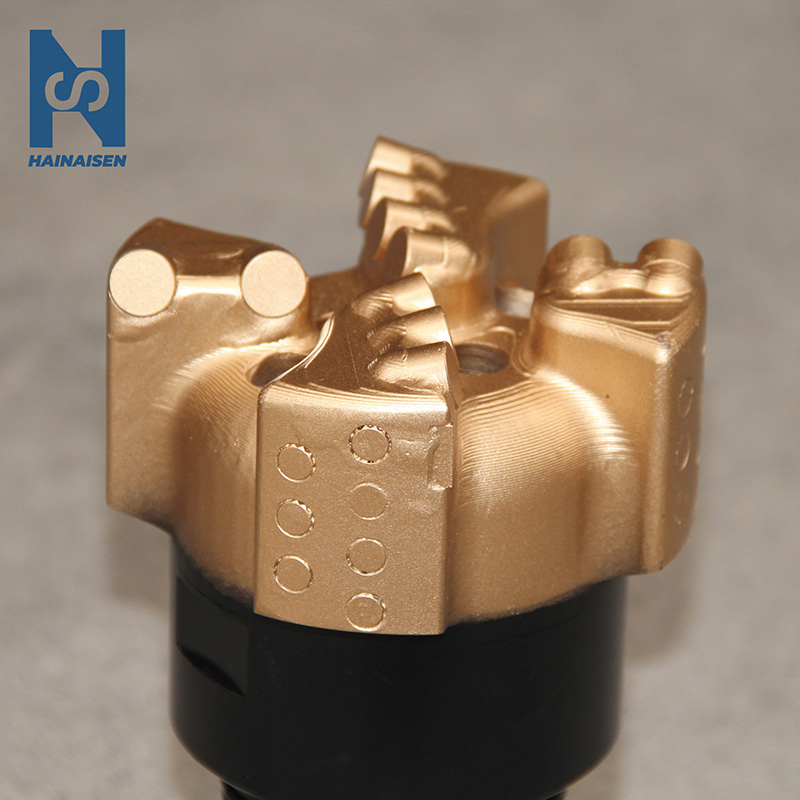 VIEW MOREDirectional Well PDC Drill Bit
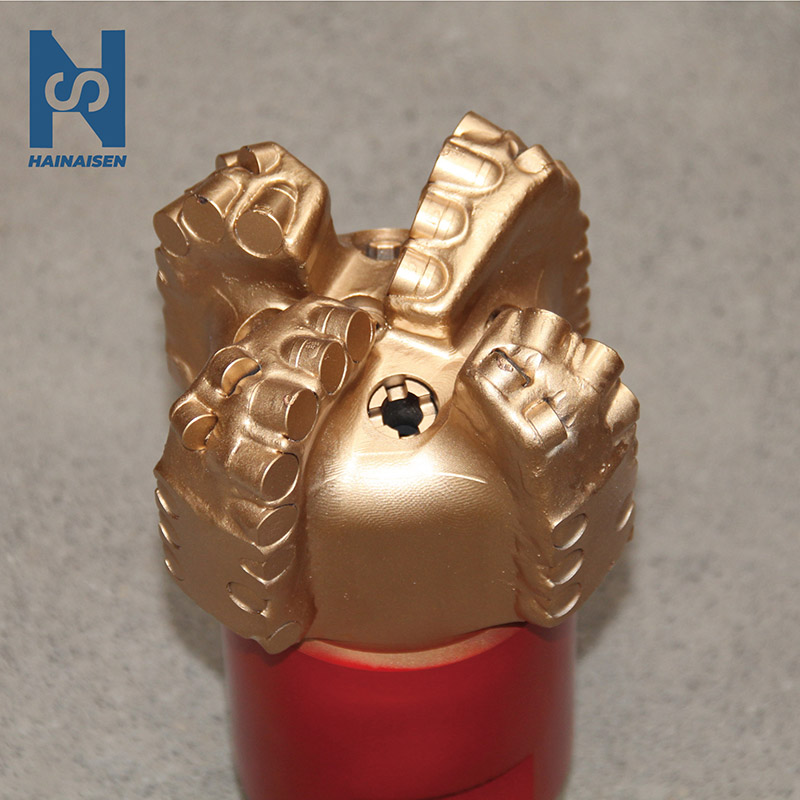 VIEW MOREFour Blade Wing High Performance Petroleum Drill Bit
logo 2_1777360600432.jpg) VIEW MORECoal Mine Drilling Drill Bit Directional Three Blade PDC Drill Bit
VIEW MORECoal Mine Drilling Drill Bit Directional Three Blade PDC Drill Bit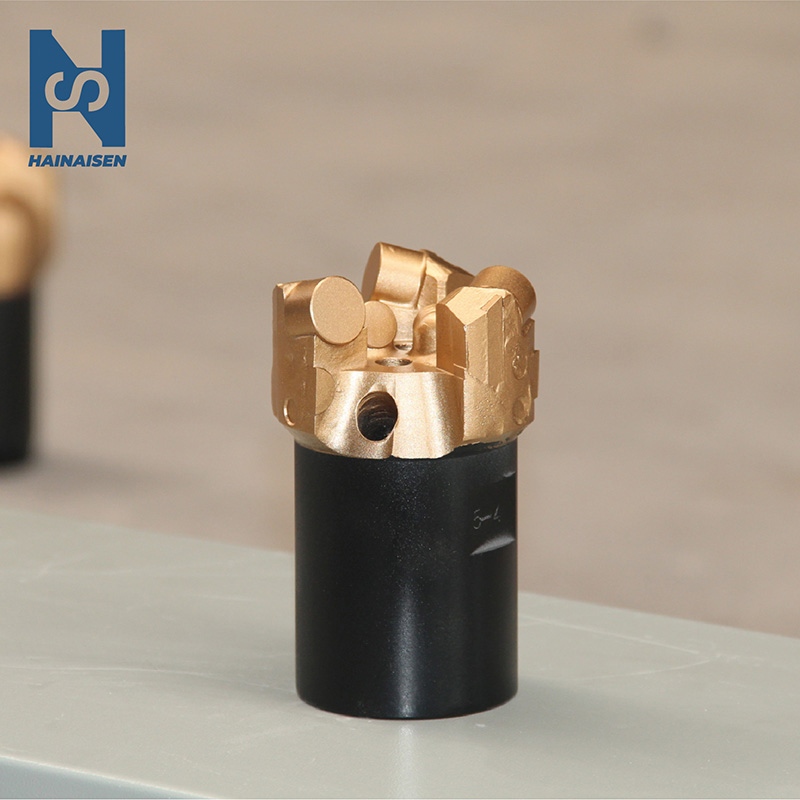 VIEW MORECoal Mining PDC Drill Bits
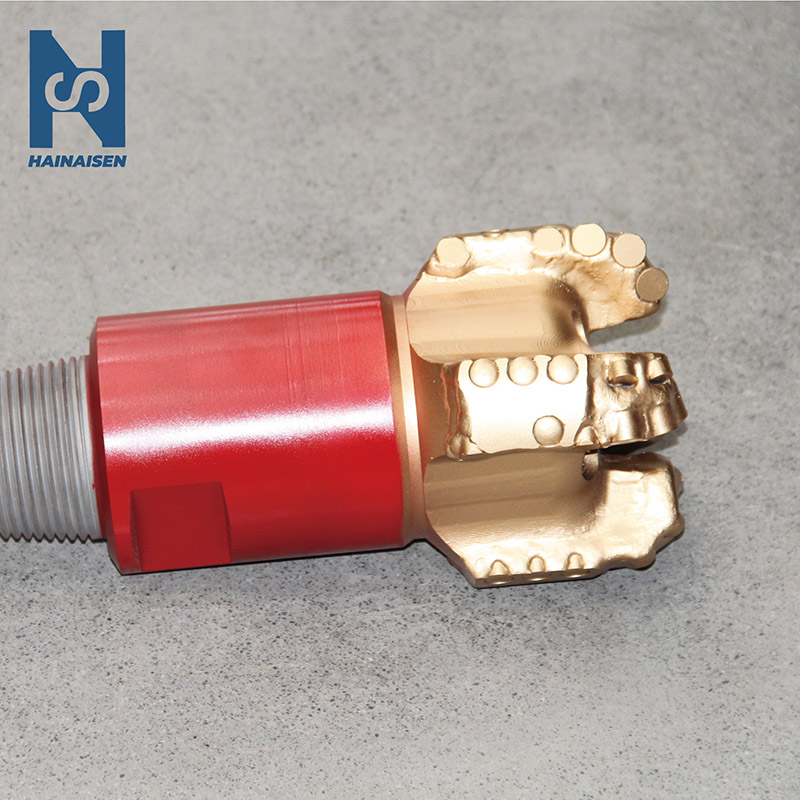 VIEW MOREPetroleum PDC Oil Drill Bit
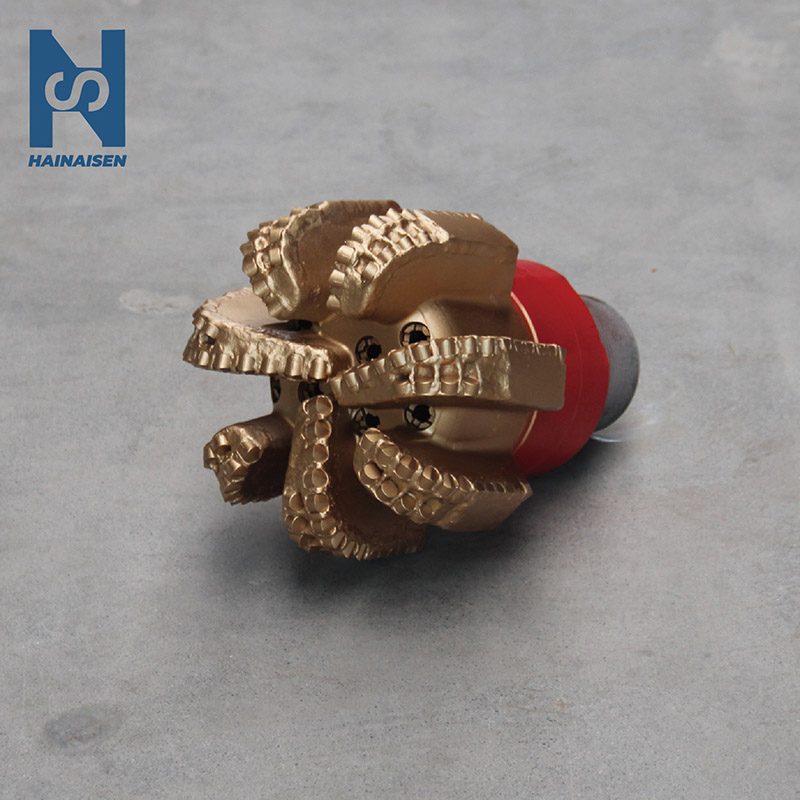 VIEW MORESeven Blade Wing Oil Drilling Drill Bit
