







How Customized Nozzle Configurations Optimize Mud Flow and Bit Cleaning
Contact Hainaisen
Email: hainaisen@hnsdrillbit.com
Tel: +86 17791389758
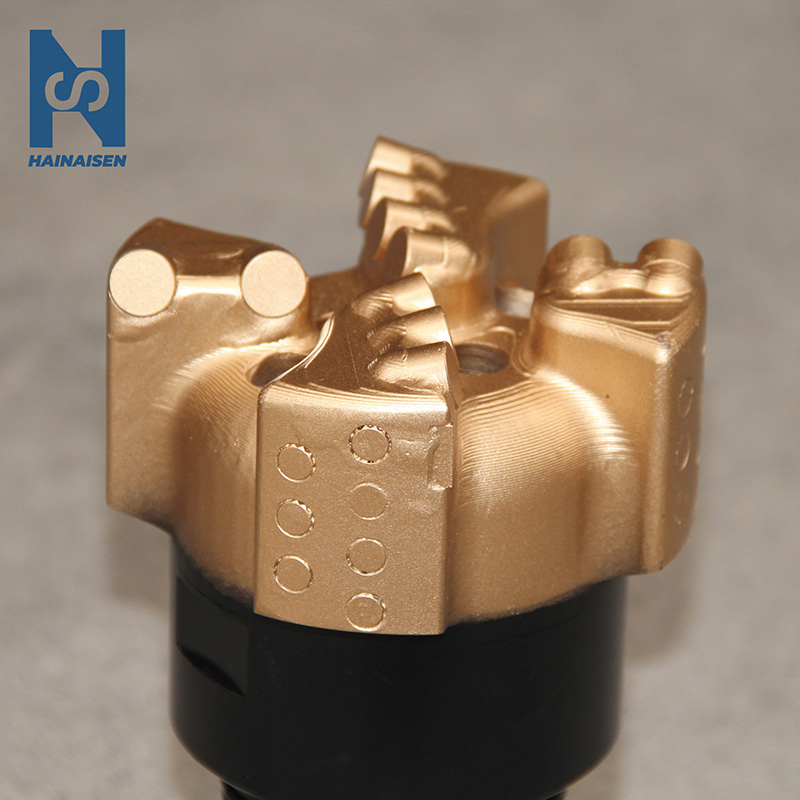
A well-designed Four Blade Wing Oil Drilling Tool needs more than durable cutters and an appropriate blade structure to deliver consistent drilling performance. The way drilling fluid moves across the bit face directly affects cutting removal, cutter cooling, and resistance to bit balling. When nozzle configurations do not match the formation or drilling conditions, even a high-quality PDC bit may experience poor cleaning, unstable torque, and premature wear.
Customized nozzle configurations help drilling engineers direct mud toward areas where cuttings accumulate, improve hydraulic coverage across the cutter layout, and balance cleaning performance with available pump capacity. This is particularly valuable when drilling reactive shale, abrasive sandstone, interbedded formations, and directional wells where cuttings transport can become more difficult.
The right nozzle design is therefore not simply a matter of increasing flow rate. It requires coordination between formation characteristics, cutter arrangement, nozzle placement, mud properties, and drilling parameters. This article explains how customized hydraulic configurations improve bit cleaning and how drilling contractors can select a more suitable solution for their applications.
1. Why Nozzle Configuration Matters for Mud Flow and Bit Cleaning
How Drilling Fluid Supports PDC Bit Performance
During drilling, PDC cutters shear rock from the bottom of the wellbore. The drilling fluid must remove the resulting cuttings before they accumulate around the cutters or become trapped between the blades.
Effective hydraulic performance serves several purposes:
Removing cuttings from the cutting face.
Cooling cutters exposed to friction and mechanical loading.
Reducing the risk of bit balling.
Supporting efficient transport of debris into the annulus.
Minimizing repeated contact between cutters and previously generated cuttings.
When cleaning is inadequate, the bit may continue rotating without efficiently removing fresh formation. This can increase torque, reduce ROP, and accelerate cutter wear.
Industry drilling literature commonly evaluates bit hydraulics through factors such as flow rate, pressure loss, fluid velocity, and hydraulic energy delivered to the bottomhole. However, these measurements are only useful when considered alongside the actual bit geometry and formation conditions.
Formation Conditions That Increase Cleaning Demands


Different formations create different hydraulic challenges.
Reactive shale can produce sticky cuttings that accumulate around blades and restrict fluid movement. If the mud system cannot remove these cuttings effectively, bit balling may develop and reduce drilling efficiency.
Abrasive sandstone generates rock particles that can accelerate wear on cutters, blades, and exposed bit-body surfaces. The nozzle arrangement must provide effective cleaning without creating unnecessary hydraulic erosion.
Interbedded formations containing alternating shale, limestone, and harder rock may produce changing cutting sizes and variable torque. A hydraulic design that performs well in uniform rock may leave poorly cleaned areas when the cutting behavior changes.
In directional and horizontal wells, cuttings transport becomes more demanding because solids may settle along the low side of the hole. Although annular hydraulics and mud rheology remain critical, effective cleaning at the bit face is still the first step in preventing unnecessary debris accumulation.
Symptoms of Inadequate Bit Hydraulics
Drilling contractors should investigate hydraulic performance when they observe:
Unexpected bit balling.
Cuttings accumulation around the blades.
Reduced ROP despite increasing WOB.
Unstable torque or drilling response.
Premature thermal or abrasive cutter wear.
Excessive pressure changes during drilling.
Poor bit condition despite apparently suitable cutter selection.
Not every cutter failure is caused by insufficient cutter strength. Poor cleaning, excessive heat, and repeated contact with cuttings can contribute to damage even when the cutter grade is appropriate for the formation.
2. How to Customize Nozzle Configurations for Better Hydraulic Performance
Nozzle Placement and Cutter Layout
Nozzle position determines where drilling fluid reaches the cutting structure and how effectively it carries debris away.
A nozzle located too far from a heavily loaded cutter region may provide insufficient cleaning at the point where it is most needed. On the other hand, a nozzle positioned too close to a blade or exposed surface may produce localized erosion or interfere with the intended flow path.
When developing a customized design, engineers should evaluate:
Cutter density across the bit face.
Blade orientation and waterway width.
Distance between nozzle outlets and cutting surfaces.
Center, nose, shoulder, and gauge flow distribution.
Areas where cuttings are likely to accumulate.
For example, a bit with a concentrated shoulder cutter layout may require stronger hydraulic attention in that region. A design with narrow blade channels may instead need improved flow distribution to prevent debris from becoming trapped.
Nozzle Size and Flow Area
Nozzle diameter influences fluid velocity and pressure loss.
Smaller nozzles generally increase fluid velocity at a given flow rate, but they also create greater pressure loss. Larger nozzles reduce restriction but may provide less jet velocity at the same pump output.
The appropriate balance depends on:
Available pump pressure and flow rate.
Bit diameter and hydraulic requirements.
Mud viscosity and solids content.
Formation cuttings behavior.
Desired cleaning performance.
Whether a mud motor or other downhole equipment places additional hydraulic demands on the system.
A smaller nozzle is not automatically a better choice. Excessive restriction may consume pressure needed elsewhere in the drilling system or increase the risk of plugging when the mud contains high solids concentrations or lost circulation materials.
Curved and Angled Nozzle Designs
Conventional straight nozzles direct fluid along relatively fixed paths. Curved or angled nozzle configurations can redirect flow toward specific cutter rows, blade channels, or areas where cuttings tend to accumulate.
Potential benefits include:
Improved fluid access to congested cutting areas.
More effective removal of debris from blade channels.
Better cooling around heavily loaded cutters.
Reduced stagnant zones beneath the bit.
More balanced hydraulic coverage across the cutting structure.
Research presented at the SPE/IADC Drilling Conference has examined curved nozzle designs intended to improve fluid delivery toward the cutting face while maintaining practical hydraulic performance.
However, curved nozzles must be engineered carefully. An unsuitable spray angle may increase erosion on the bit body, reduce cleaning in other areas, or create uneven flow distribution.
The objective is targeted hydraulic performance, not maximum jet velocity at every outlet.
Matching Nozzle Design With Drilling Parameters
Nozzle customization should be coordinated with the actual drilling program.
Drilling factor | Hydraulic design consideration |
|---|---|
WOB | Higher WOB may increase cutting volume and cleaning demand. |
RPM | Changes cutter exposure and interaction with the formation. |
ROP | Faster penetration generates more cuttings per unit time. |
Flow rate | Determines fluid transport capacity and jet velocity. |
Mud viscosity | Influences cuttings suspension and transport. |
Mud density and solids content | Affect pressure loss and plugging risk. |
Torque and vibration | May indicate uneven cutting loading or poor cleaning. |
Pump pressure capacity | Limits practical nozzle restriction and flow area. |
When ROP increases significantly, the hydraulic system must remove cuttings at a comparable pace. If debris accumulates faster than the mud can transport it, increasing WOB may worsen the problem rather than improve drilling efficiency.
Gauge Protection and Hydraulic Balance
Nozzle design also affects bit-body protection.
In abrasive formations, excessive fluid velocity directed toward exposed blade surfaces may accelerate erosion. Over time, this can weaken blade support or compromise gauge protection.
A customized hydraulic arrangement should therefore preserve sufficient flow channels while avoiding concentrated hydraulic attack on vulnerable areas.
Balanced flow distribution protects both cleaning performance and long-term bit integrity.
A Practical Nozzle Customization Process
A formation-based design review can follow these steps:
Review formation hardness, abrasiveness, compressive strength, and cuttings behavior.
Evaluate cutter type, cutter size, blade count, cutter layout, and waterways.
Review planned WOB, RPM, ROP, flow rate, and mud properties.
Identify the actual failure mechanism, such as balling, poor cleaning, erosion, or thermal wear.
Assess nozzle position, spray direction, and total flow area.
Validate the proposed design through engineering analysis and field performance feedback.
This approach is more reliable than selecting nozzles solely according to bit diameter or a standard catalog configuration.
3. Field Application, Practical Results, and Hainaisen's Engineering Support
Anonymous Field Example: Addressing Poor Cleaning in Shale
A drilling contractor operating in a reactive shale formation experienced declining ROP during a fixed-cutter bit run. The bit showed signs of cuttings accumulation around the blades, while torque became less stable as drilling progressed.
The formation generated sticky cuttings that were not being removed efficiently from the cutting face. Although the original drilling parameters were within the rig's operating capabilities, the hydraulic arrangement did not provide sufficient cleaning in several congested areas.
The contractor and bit supplier reviewed:
Formation reactivity and cuttings characteristics.
Blade layout and waterway clearance.
Nozzle positions relative to cutter rows.
Available pump pressure and flow rate.
WOB and ROP during periods of poor cleaning.
The revised approach involved improving fluid access to critical cutting areas and reviewing drilling practices to prevent cuttings generation from exceeding the mud system's transport capacity.
Subsequent evaluation indicated more stable drilling behavior and improved cleaning performance. Since this is an anonymized engineering example rather than a published customer report, no specific footage improvement or percentage gain is claimed.
The practical lesson is that hydraulic design should be investigated alongside cutter selection whenever bit balling or poor cleaning occurs.
Why Hainaisen Is a Practical Partner for Customized Bit Requirements
For drilling contractors and distributors seeking application-specific solutions, Hainaisen combines PDC cutter technology, customized bit design, and formation-based technical recommendations.
The company supports drilling applications including oil and gas, water well, mining, and other demanding rock-drilling environments. Its technical approach can address requirements such as:
Formation-specific cutter selection.
Customized blade and cutter layouts.
Hydraulic design considerations for different drilling conditions.
Stable product quality supported by strict quality control.
Technical communication for international customers.
Recommendations based on actual drilling requirements.
When discussing a customized bit with Hainaisen, customers should provide:
Bit diameter and connection specifications.
Formation description and expected rock strength.
Previous bit performance and failure observations.
Planned WOB, RPM, ROP, and flow rate.
Mud type, viscosity, density, and solids content.
Pump pressure limitations.
Whether the application involves vertical, directional, or horizontal drilling.
This information helps engineers evaluate the relationship between cutter structure, nozzle configuration, hydraulic performance, and expected bit life.
Hainaisen's export-oriented business approach also supports direct communication with international drilling contractors, distributors, and purchasing teams. Customers can discuss product specifications, formation requirements, and customization needs before placing an order.
Key Takeaways
Customized nozzle configurations can improve drilling performance when they are designed around actual formation and operating conditions.
The most important principles are:
Match nozzle placement to cutter layout and cuttings flow paths.
Balance nozzle size, total flow area, and pump pressure.
Consider curved or angled nozzles where conventional flow leaves cleaning dead zones.
Coordinate hydraulic design with WOB, RPM, ROP, and mud properties.
Protect blades and gauge surfaces from unnecessary hydraulic erosion.
Use field evidence to distinguish hydraulic problems from cutter or formation limitations.
A successful bit design should not only break rock efficiently. It should also create an effective path for removing the material it generates.
FAQ
1. How does nozzle configuration affect PDC bit cleaning?
Nozzle configuration controls the direction, velocity, and distribution of drilling fluid across the bit face. Proper placement helps remove cuttings, cool cutters, and reduce the risk of bit balling.
2. Should I use smaller nozzles to increase cleaning performance?
Not always. Smaller nozzles can increase jet velocity and pressure loss, but excessive restriction may exceed pump limitations or reduce overall hydraulic efficiency. The correct choice depends on flow rate, bit size, mud properties, and drilling objectives.
3. Can customized nozzles help when drilling reactive shale?
Yes. A customized hydraulic arrangement may improve fluid access to congested cutter areas and reduce cuttings accumulation. However, mud chemistry, ROP control, and annular hole cleaning must also be addressed.
4. What drilling parameters should be considered when designing nozzle configurations?
Important parameters include flow rate, WOB, RPM, ROP, mud viscosity, pump pressure, and bit diameter. These determine how much cutting material is generated and how effectively the fluid can remove it.
5. Can Hainaisen customize a Four Blade Wing Oil Drilling Tool for specific formations?
Hainaisen can discuss customized bit designs based on formation characteristics, drilling parameters, cutter requirements, and application conditions. Customers should provide detailed operating information to support an appropriate technical recommendation.
6. How can I determine whether poor drilling performance is caused by hydraulics?
Review symptoms such as bit balling, cuttings accumulation, unexpected pressure changes, unstable torque, and premature cutter wear. Compare these observations with flow rate, nozzle condition, mud properties, and bit-face design before deciding on corrective action.
About the Author
Daniel Mitchell is a drilling technology writer and industry consultant specializing in PDC bit hydraulics, cutter performance, and drilling optimization. His work focuses on practical solutions for oil and gas contractors, mining operators, and international drilling tool buyers.
References
1. Schnuriger, M., Cuillier, B., Tilleman, D., & Rose, K. “Curved Nozzle Design for PDC Bits Enhances Hydraulics for Bit Cleaning and Cooling Improvements.” SPE/IADC Drilling Conference and Exhibition, 2017. SPE Technical Paper
2. Society of Petroleum Engineers. Journal of Petroleum Technology — Technical resources covering drilling hydraulics, bit performance, and drilling optimization.
3. Society of Petroleum Engineers. OnePetro Technical Literature Database — Research on PDC bit hydraulics, nozzle design, and bottomhole cleaning.
4. SLB. Oilfield Glossary — Technical definitions related to drilling fluids, hydraulics, and PDC drilling.
5. International Association of Drilling Contractors. IADC — Industry resources covering drilling operations, safety, and performance improvement.
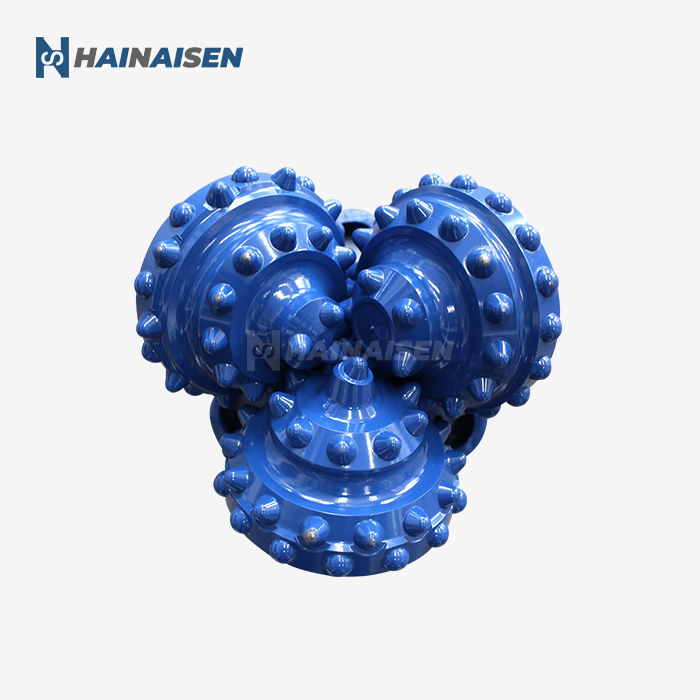 VIEW MORESteel Tooth Bit
logo 2_1777361643767.jpg) VIEW MORE94mm Four Wing Arc Angle Drill Bit
VIEW MORE94mm Four Wing Arc Angle Drill Bit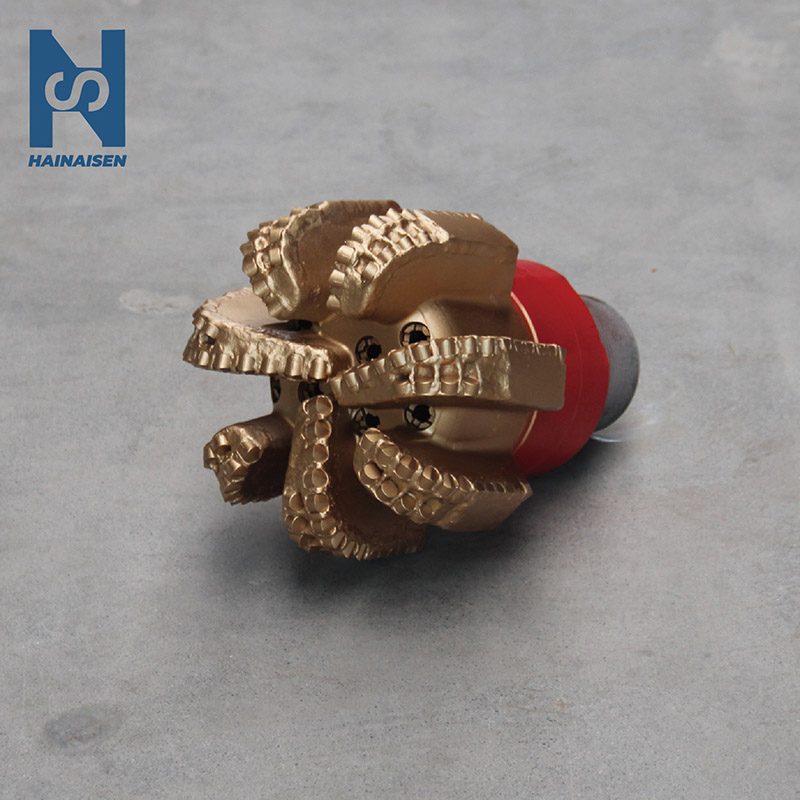 VIEW MORESeven Blade Wing Oil Drilling Drill Bit
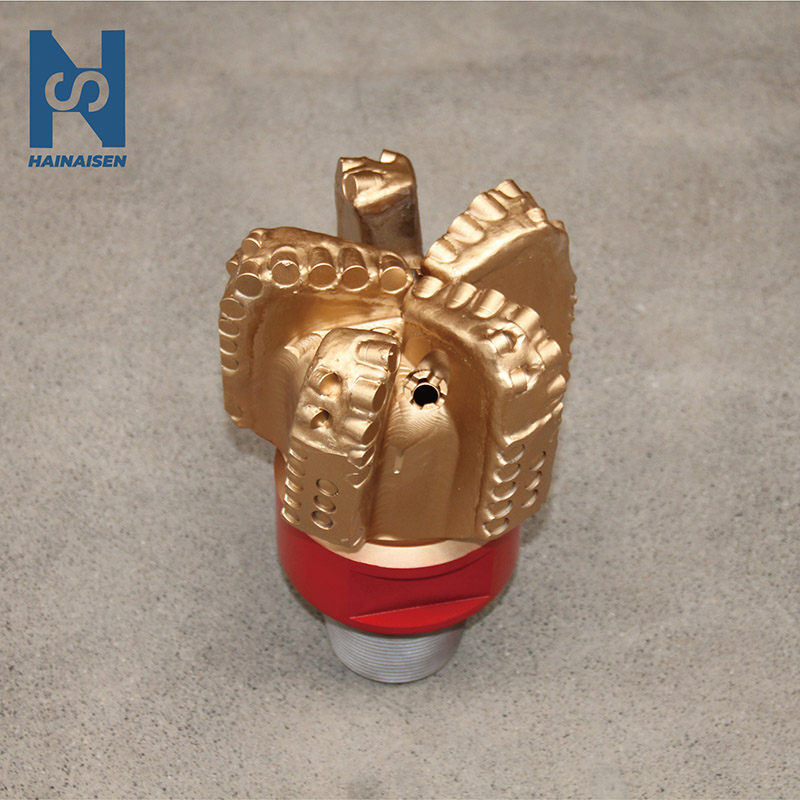 VIEW MOREPDC Rock Drill Bit
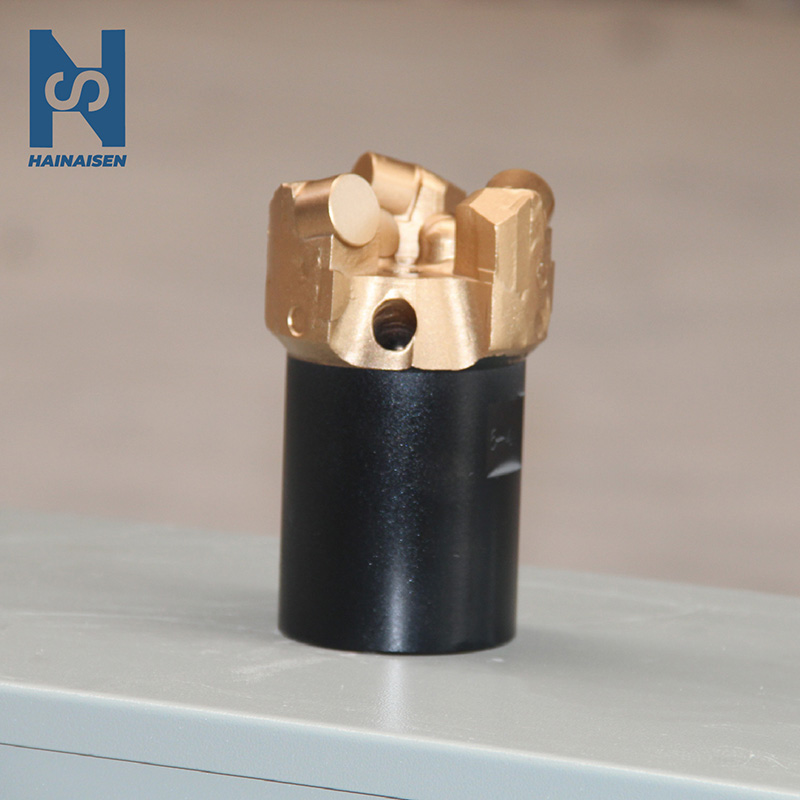 VIEW MORECoal Mining Use Diamond Drill Bit
 VIEW MOREApi Polycrystalline Diamond Drill Bit
 VIEW MOREDirectional Well PDC Drill Bit
 VIEW MOREFive Blade Wing Oil Drilling
