




A Complete Buyer’s Guide to 8.5-Inch Oil and Gas Drill Bits
Contact Hainaisen
Email: hainaisen@hnsdrillbit.com
Tel: +86 17791389758
Choosing the right polycrystalline diamond compact (pdc) bits for an 8.5-inch oil and gas well is not simply a matter of matching the bit diameter to the hole size. The best bit depends on formation hardness, abrasiveness, compressive strength, drilling direction, well depth, and the operating limits of the rig. A design that performs efficiently in homogeneous shale may struggle in interbedded limestone or abrasive sandstone.
For most 8.5-inch sections, buyers should begin by identifying the formation and expected drilling behavior, then evaluate cutter technology, blade configuration, hydraulic design, gauge protection, and compatibility with the planned drilling parameters. The objective is straightforward: achieve reliable footage, stable drilling, manageable torque, and acceptable cost per meter without sacrificing hole quality.
This guide explains how to evaluate 8.5-inch Oil And Gas Drill Bits, what technical factors influence selection, and how to work with a Manufacturer when standard designs do not fully match the well conditions.
1. Understand the Formation Before Selecting an 8.5-Inch Drill Bit
An 8.5-inch hole section is common in oil and gas drilling, including intermediate and production-hole applications. However, the same diameter may involve very different geological challenges depending on the basin, well trajectory, and depth.
Formation Hardness and Compressive Strength
Formation hardness is one of the first factors to evaluate, but hardness alone does not determine bit performance.
- Shale: Often responds well to efficient cutting structures, suitable cutter exposure, and hydraulic designs that reduce cuttings accumulation.
- Limestone and dolomite: Can range from relatively drillable to highly strong and abrasive. Cutter impact resistance and thermal management become increasingly important in harder intervals.
- Sandstone: Abrasiveness may cause rapid cutter wear, particularly when quartz content is high.
- Interbedded formations: Alternating shale, sandstone, limestone, and other layers can create impact loading, vibration, and uneven cutter wear.
- Salt formations: Require attention to bit stability, hydraulics, and cuttings transport, especially where plastic behavior or wellbore enlargement becomes a concern.
A bit designed for uniform medium-strength shale should not automatically be used in a hard, abrasive, interbedded section. The cutter grade, layout, blade structure, and operating window may need substantial adjustment.
Abrasiveness, Impact Loading, and Cutter Wear
Abrasive formations gradually wear the diamond table and can reduce cutting efficiency even when the bit remains structurally intact. Hard stringers and formation transitions introduce another risk: impact damage caused by unstable cutter engagement.
For an 8.5-inch bit, buyers should ask suppliers to explain:
- Which cutter grade is recommended for the expected formation.
- Whether the cutter design prioritizes wear resistance, impact resistance, or a balance of both.
- How the cutting structure handles formation transitions.
- What gauge protection is included for maintaining hole diameter.
- Whether the bit is intended for vertical, directional, or horizontal drilling.
These questions are more useful than relying on general descriptions such as “premium quality” or “high-performance bit.”
Drilling Environment and Well Trajectory
The drilling environment also changes the selection criteria.
In vertical wells, predictable weight transfer and bit stability may be relatively straightforward. In directional and horizontal wells, however, bit walk, lateral vibration, torque fluctuations, and inconsistent cutter engagement can affect drilling efficiency.
Deep wells add temperature, pressure, extended exposure time, and potentially more demanding hydraulics. A suitable bit must work within the limits of the entire drilling system, including the BHA, mud properties, motor or rotary system, and available hydraulic horsepower.
2. How to Choose the Right 8.5-Inch Bit Design and Drilling Parameters
Once formation conditions are understood, the next step is to match the bit architecture to the expected drilling response. The right selection is rarely based on one feature alone.
Cutter Type and Size
PDC cutters are available in different diameters, diamond-table specifications, substrate designs, and performance grades.
For 8.5-inch oil and gas applications, cutter selection should reflect the balance between cutting efficiency and durability.
Larger cutters may provide efficient rock removal and strong cutting action in suitable formations, but they can experience higher loading under severe impact conditions.
Smaller cutters allow more cutting elements to be distributed across the face, which may support wear management and cutting redundancy in certain applications.
The ideal choice depends on formation strength, abrasiveness, expected ROP, and the manufacturer's design experience. Cutter size should not be selected independently of blade count and cutter placement.
Blade Configuration and Cutter Layout
Blade count influences cutting density, stability, hydraulic pathways, and torque behavior.
Design consideration | Potential advantage | Conditions requiring attention |
|---|---|---|
Fewer blades | Greater cutter exposure and aggressive cutting action | May require careful stability and impact management |
More blades | Increased cutting redundancy and potentially smoother engagement | Can increase torque or restrict flow paths if poorly designed |
High cutter density | Better distribution of cutting work and possible wear management | May reduce individual cutter exposure |
Optimized back rake | Helps balance aggressiveness and cutter protection | Excessive back rake may reduce ROP |
Reinforced gauge protection | Supports hole-size retention and directional stability | Adds design complexity and may influence torque |
A well-designed bit distributes cutting loads rather than forcing a small number of cutters to absorb excessive stress.
Hydraulics and Hole Cleaning
Poor hole cleaning can undermine an otherwise suitable cutting structure. Cuttings that remain near the bit may interfere with cutter engagement, increase torque, and contribute to regrinding.
When reviewing an 8.5-inch bit, assess:
- Nozzle arrangement and flow distribution.
- Hydraulic pathways around the blades.
- Compatibility with the planned mud system.
- Expected annular velocity and cuttings transport.
- Risk of bit balling in reactive shale or sticky formations.
Hydraulic design should be evaluated together with the drilling fluid, flow rate, ROP, and well trajectory. A nozzle layout that works in a clean vertical section may not perform equally well in a long horizontal interval.
WOB, RPM, Torque, and ROP
Bit performance depends heavily on the operating window.
Parameter | What the driller should monitor |
|---|---|
Weight on Bit (WOB) | Excessive loading may increase cutter damage, vibration, and torque |
Rotary Speed (RPM) | Higher speed can improve ROP in some formations but increase thermal and mechanical stress |
Flow Rate | Must support cooling and cuttings transport without exceeding system limits |
Torque | Sudden increases may indicate poor cutting, vibration, formation changes, or cleaning issues |
Rate of Penetration (ROP) | Should be evaluated alongside wear, stability, and footage achieved |
A practical approach is to begin within the supplier's recommended operating range, monitor drilling response, and adjust gradually according to formation changes.
Increasing WOB simply to force higher ROP can be counterproductive when the cutters are already overloaded. Likewise, increasing RPM without considering torque and temperature may accelerate wear.
When Should a Buyer Consider a Customized Design?
A standard 8.5-inch bit may be sufficient for a predictable formation and established drilling program. Customization becomes more valuable when the application involves:
- Severe interbedding.
- High abrasiveness.
- Frequent cutter impact.
- Extended directional or horizontal intervals.
- Unusual hydraulic limitations.
- Specific motor, rotary steerable, or BHA requirements.
A manufacturer should be able to discuss the reasoning behind changes to cutter grade, blade profile, cutter placement, gauge protection, and hydraulics—not simply offer a different product code.
3. Practical Application, Supplier Evaluation, and Hainaisen's Technical Support
An Anonymous Field Scenario: An 8.5-Inch Section in Interbedded Sedimentary Formations
Consider a drilling contractor operating an 8.5-inch section through alternating shale, sandstone, and limestone.
The original bit delivered acceptable performance in the softer shale intervals, but drilling became less consistent when the formation changed. The contractor observed rising torque, increased vibration, and uneven cutter wear. Simply increasing WOB did not resolve the problem and created additional concerns about cutter damage.
The contractor and bit supplier reviewed the formation sequence, drilling parameters, and wear pattern. The next bit selection placed greater emphasis on impact resistance, cutter distribution, bit stability, and hydraulic efficiency rather than maximum aggressiveness.
The drilling team also adjusted operating parameters when entering harder layers, instead of maintaining the same WOB and RPM throughout the entire section.
The practical lesson is not that one specific blade count or cutter size works in every interbedded formation. It is that bit selection and drilling practices must respond to the actual failure mechanism. A bit that performs well in one lithology may need a different design approach when the formation becomes more variable.
This type of anonymous scenario reflects a common engineering principle: evaluate the complete drilling system rather than treating the bit as an isolated component.
What Should Buyers Expect from a Reliable Bit Manufacturer?
For overseas drilling contractors, purchasing managers, and oilfield service companies, supplier evaluation should extend beyond product photographs and quoted prices.
A capable manufacturer should provide clear answers regarding:
1. Formation-based recommendations
The supplier should understand the difference between shale, abrasive sandstone, hard limestone, and interbedded formations, and explain why a particular design is appropriate.
2. Consistent manufacturing quality
Dimensional accuracy, cutter placement, brazing or joining quality, material control, and final inspection all influence bit reliability.
3. Cutter technology
The manufacturer should be able to discuss cutter grades, diamond-table characteristics, wear resistance, and impact performance in practical terms.
4. Customization capability
A useful supplier can evaluate requests involving blade configuration, cutter layout, gauge protection, and hydraulic design based on actual application requirements.
5. Technical communication
Fast responses are valuable, but accurate technical communication is more important than speed alone. A supplier should ask about formation, drilling parameters, BHA, and previous bit performance before recommending a solution.
Why Consider Hainaisen for 8.5-Inch Oil and Gas Drill Bits?
Hainaisen supplies drilling tools for oil and gas, mining, and water well applications, with a focus on matching bit construction to practical drilling requirements.
For buyers evaluating polycrystalline diamond compact (pdc) bits, Hainaisen can support the selection process through:
- Formation-based product recommendations for different drilling conditions.
- PDC cutter technology designed for demanding cutting applications.
- Strict quality control covering manufacturing and product inspection.
- Customized bit design discussions for specific drilling requirements.
- Support for vertical, directional, and horizontal drilling applications.
- Responsive communication for overseas customers and technical inquiries.
The value of working with Hainaisen is not simply access to a standard catalog. It is the ability to discuss the relationship between formation behavior, cutter selection, bit architecture, and drilling performance before placing an order.
For a buyer requesting an 8.5-inch bit, useful information to provide includes:
- Target formation and expected compressive strength.
- Abrasiveness and presence of hard stringers.
- Vertical, directional, or horizontal well application.
- Planned WOB, RPM, flow rate, and expected ROP.
- BHA configuration and motor or rotary system details.
- Previous bit performance, including wear patterns and drilling problems.
With this information, Hainaisen can provide a more relevant recommendation instead of relying on diameter alone.
FAQ
1. What type of bit is suitable for an 8.5-inch shale drilling section?
A PDC bit with an appropriate cutter grade, cutting structure, and hydraulic design is commonly considered for shale. The exact configuration depends on shale strength, abrasiveness, reactivity, and the risk of bit balling.
2. How should I choose an 8.5-inch bit for abrasive sandstone?
Prioritize wear resistance, suitable cutter exposure, gauge protection, and effective hole cleaning. A supplier should evaluate quartz content, formation strength, and expected drilling parameters before recommending a design.
3. Are customized 8.5-inch drill bits available for directional wells?
Yes. Customization may address cutter placement, blade configuration, stability, gauge protection, and hydraulics. The design should reflect the BHA, trajectory, and formation conditions.
4. Which drilling parameters have the greatest effect on bit life?
WOB, RPM, flow rate, torque, and ROP all influence bit life. Excessive loading, unstable drilling, poor cooling, and inadequate hole cleaning can accelerate wear or damage.
5. How can I reduce premature cutter wear?
Start with a formation-appropriate cutter grade and bit design. Monitor torque, vibration, ROP, and wear patterns, then adjust drilling parameters when conditions change. Reviewing dull-bit records can help identify recurring failure mechanisms.
6. What information should I send a manufacturer when requesting an 8.5-inch bit quotation?
Provide the formation, well trajectory, drilling depth, expected parameters, BHA details, previous bit records, and any specific performance concerns. These details allow the supplier to recommend a more suitable design and prepare a technically relevant quotation.
About the Author
Daniel Morgan is a drilling technology writer and industry consultant specializing in oil and gas drilling tools, fixed-cutter bit selection, and drilling performance optimization. His work focuses on translating field experience and technical research into practical guidance for drilling contractors, engineers, and international purchasing teams.
References
1. Society of Petroleum Engineers (SPE). Drilling Engineering and Well Construction Technical Literature. https://www.spe.org/
2. International Association of Drilling Contractors (IADC). Drilling Industry Technical Resources and Safety Guidance. https://www.iadc.org/
3. SLB. Oilfield Glossary: PDC Bit, Drilling Hydraulics, and Related Drilling Terminology. https://glossary.slb.com/
4. Baker Hughes. Drill Bits and Drilling Services: Technical Resources. https://www.bakerhughes.com/
5. Halliburton. Drill Bit Technologies and Drilling Optimization Resources. https://www.halliburton.com/
6. National Oilwell Varco (NOV). Drilling Equipment and Downhole Technology Resources. https://www.nov.com/
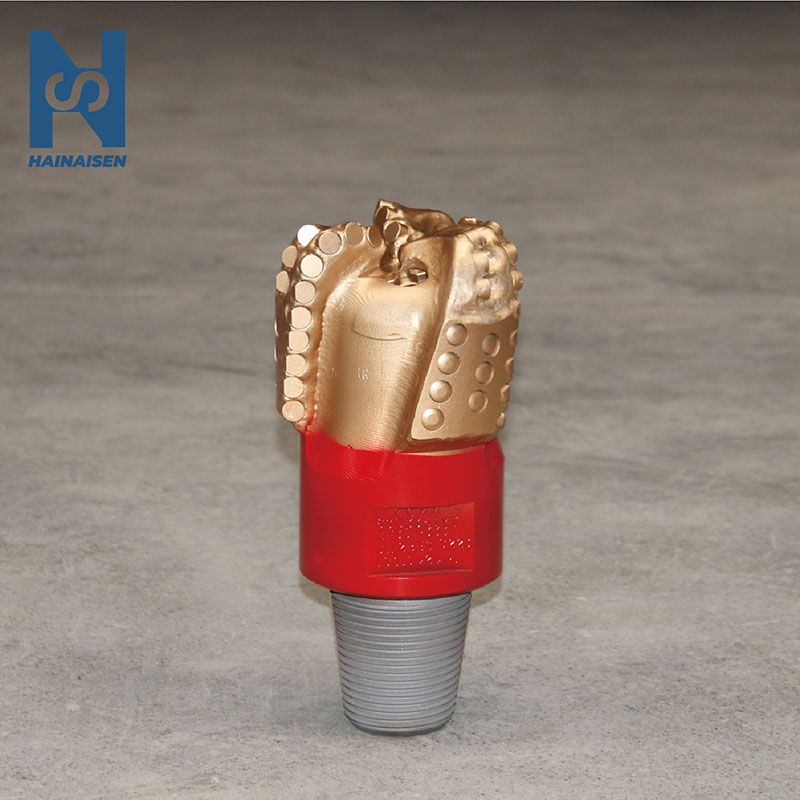 VIEW MOREThree Blade PDC Tricone Drill Bit
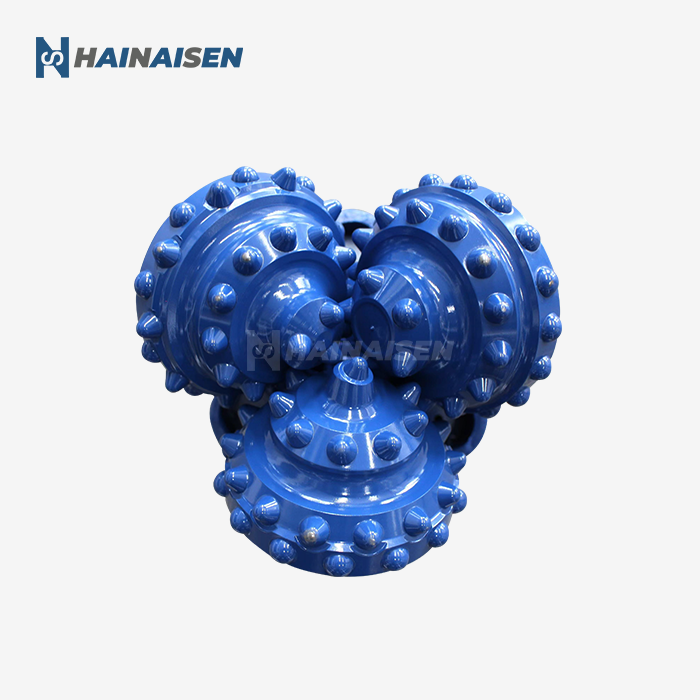 VIEW MOREHard Alloy Roller Drill Bit
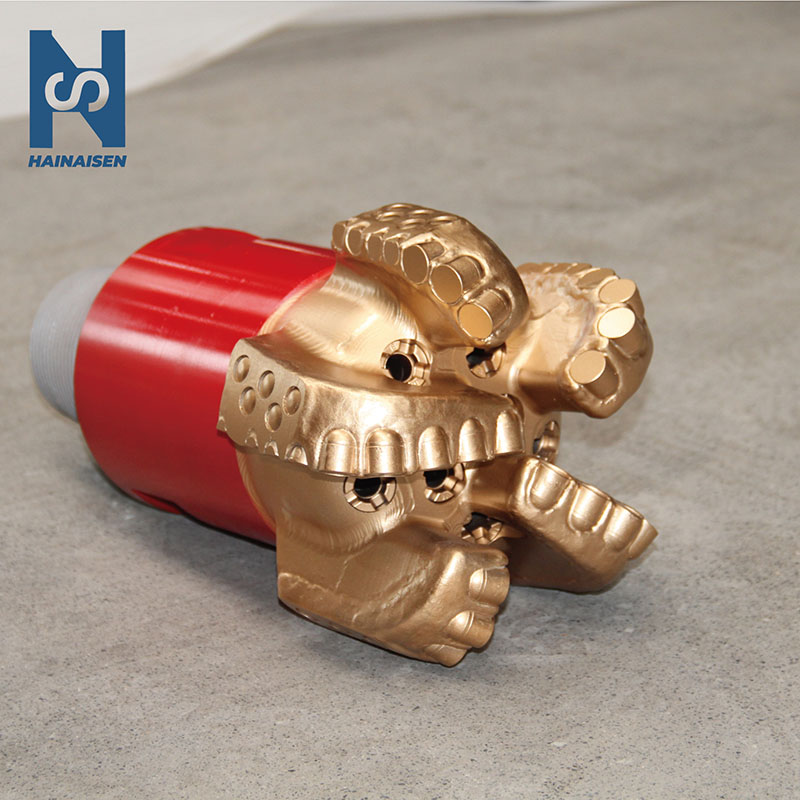 VIEW MOREDiamond Drill Bits For Oil Rigs
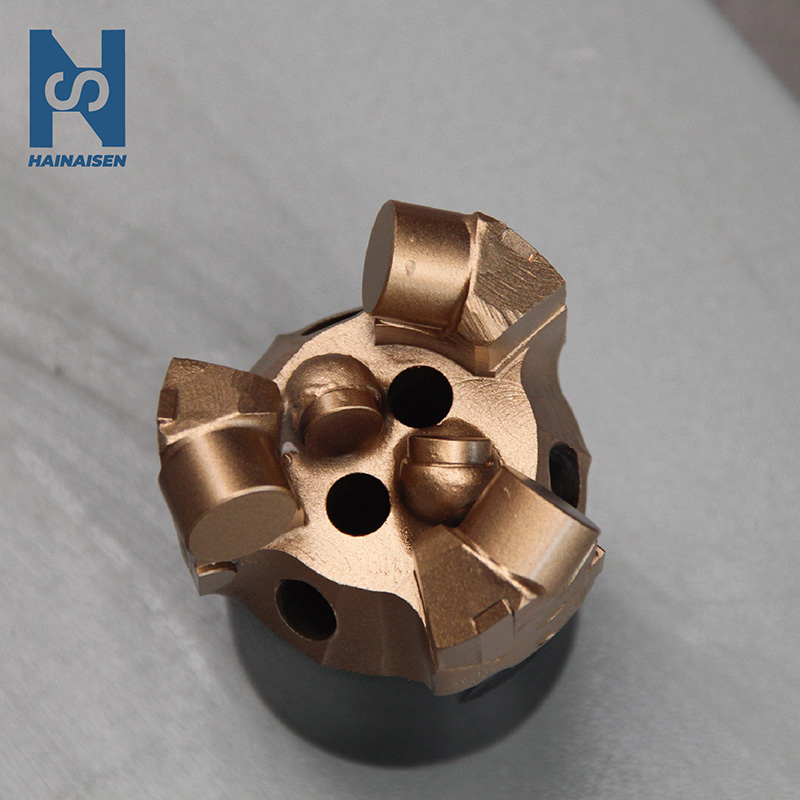 VIEW MORECoal Mines Use Haineisen PDC Drill Bits
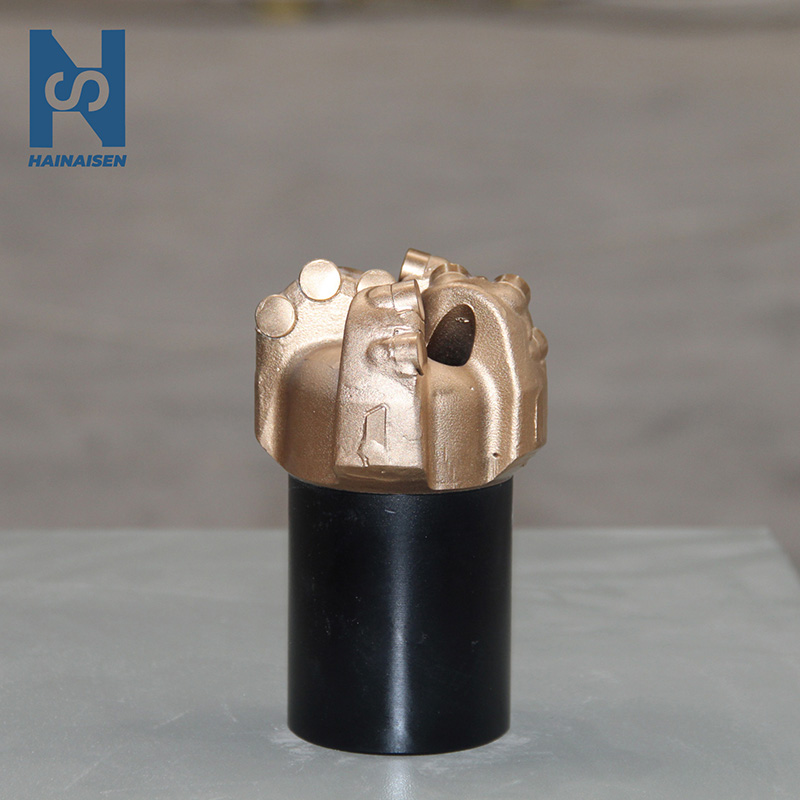 VIEW MORE113mm Four Wing Arc Angle Drill Bit
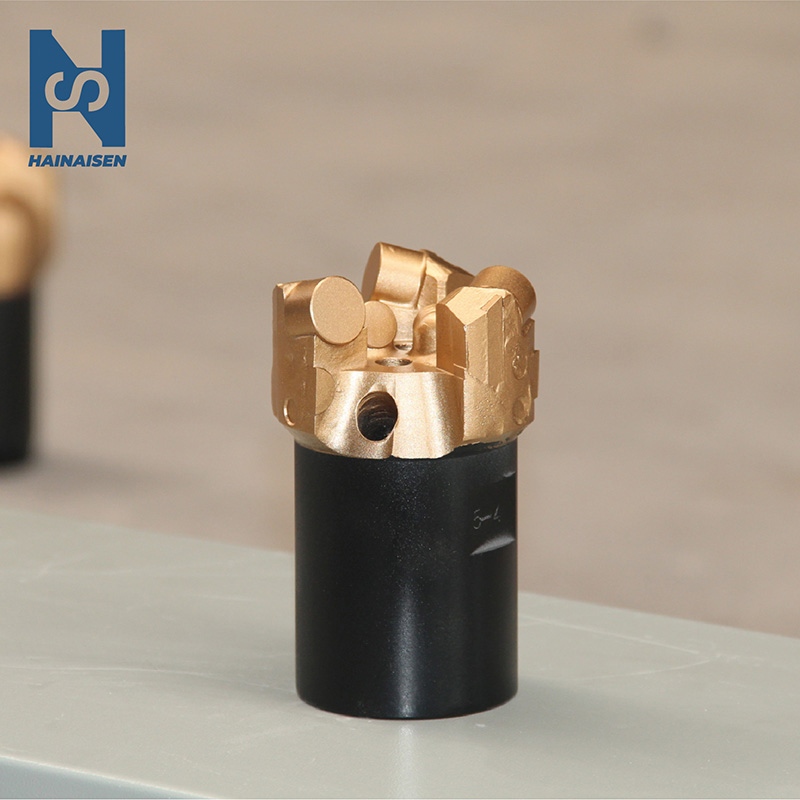 VIEW MORECoal Mining PDC Drill Bits
logo 1_1768274683075.jpg) VIEW MORECoal Mine Drilling Opening And Closing Drill Bit
VIEW MORECoal Mine Drilling Opening And Closing Drill Bit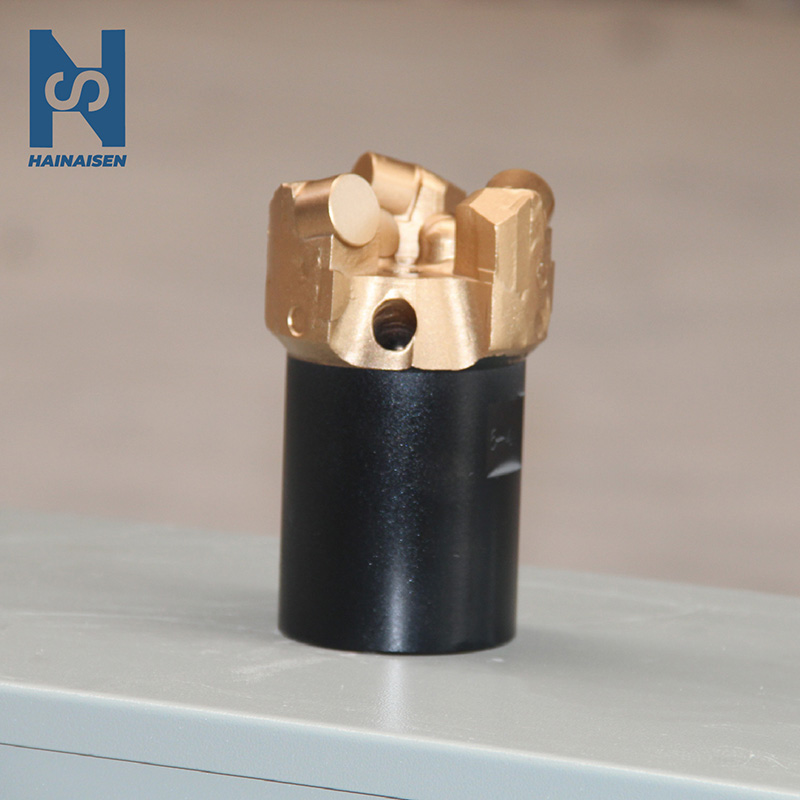 VIEW MORECoal Mining Use Diamond Drill Bit