




How to Match Drill Bit Cutter Sizes to Your Specific Rock Formation
Contact Hainaisen
Email: hainaisen@hnsdrillbit.com
Tel: +86 17791389758
Choosing the right cutter size starts with the rock, not the bit catalog. For contractors looking for high-quality roof bolt bits, as well as PDC Bits for oil, gas, mining, and water well drilling, cutter diameter should be matched to formation strength, abrasiveness, impact loading, and the drilling system. A larger cutter can provide aggressive rock removal, but it is not automatically the right choice for a hard or highly fractured interval.
In practical drilling, the question is not simply whether to use a 13 mm, 16 mm, or 19 mm cutter. The engineer also needs to consider cutter exposure, back rake, chamfer, blade count, cutter density, hydraulic capacity, gauge protection, WOB, RPM, torque, and expected ROP. The correct combination allows the cutting structure to remove rock efficiently without creating excessive heat, vibration, or premature cutter damage.
The basic rule is straightforward: larger cutters generally suit softer or more ductile formations where penetration efficiency is the priority, while smaller or more heavily protected cutters can be advantageous in hard, abrasive, or impact-prone formations. The final selection should always be based on the complete drilling environment rather than cutter diameter alone.
1. Start With the Rock: Hardness, Abrasiveness and Impact
Formation hardness determines the basic cutter strategy
Formation compressive strength has a direct influence on the force required to make a cutter penetrate and shear the rock. In relatively soft shale or ductile formations, larger PDC cutters can remove a substantial volume of rock per revolution. Their larger cutting area can support an aggressive cutting structure and help achieve high ROP when the formation and drilling parameters allow it.
Hard limestone, dense sandstone, granite, and other high-strength formations require a different approach. Excessive cutter size can increase the load carried by individual cutting elements. If the rock also contains natural fractures or hard stringers, the cutter may experience severe impact loading.
For these intervals, cutter durability and impact resistance often become more important than maximum cutter aggressiveness.
A useful formation assessment should include:
- Unconfined compressive strength or other available rock-strength indicators
- Abrasiveness and quartz content
- Presence of chert, pyrite, or other hard inclusions
- Natural fractures and formation changes
- Expected temperature
- Formation pressure
- Expected WOB and RPM
- Directional or vertical drilling requirements
Abrasive rock changes the size equation
Abrasive sandstone is a good example. The rock may not be exceptionally hard, yet continuous contact with abrasive grains can rapidly wear the diamond table. A very aggressive cutter configuration may initially produce excellent ROP but lose efficiency as the cutters develop wear flats.
In these conditions, the objective shifts toward maintaining a sharp cutting structure throughout the run. More cutter coverage, suitable diamond grades, optimized chamfers, and carefully controlled cutter exposure can be more valuable than simply increasing cutter diameter.
This principle also applies to mining and roof-bolting applications. In hard underground formations, high-quality roof bolt bits need a cutting structure that can tolerate repeated contact with abrasive rock while maintaining acceptable penetration and hole quality.
Interbedded formations are particularly demanding
Shale alternating with limestone, sandstone containing hard streaks, or formations transitioning from soft to hard rock can cause cutter impact and torque fluctuations.
The bit must tolerate changes in cutting resistance without becoming unstable. A design that works extremely well in homogeneous shale may perform poorly when it suddenly encounters a hard limestone band.
For interbedded intervals, engineers often consider:
- More robust cutter grades
- Controlled cutter exposure
- Appropriate chamfer geometry
- Additional blade support
- Strategic placement of durable cutters in high-load areas
- Improved gauge protection
- Hydraulic design that keeps the cutting structure clean
The objective is to avoid designing the bit around the easiest part of the formation when the hardest interval is actually controlling bit life.
2. Match Cutter Size With Blade Layout and Drilling Parameters
Larger cutters: when aggressiveness matters
Large PDC cutters can be useful when the formation is relatively soft to medium strength and the drilling system can provide sufficient hydraulic and mechanical energy.
For example, a soft shale interval may benefit from an aggressive cutting structure using larger cutters with suitable back rake and exposure. Fewer cutters can increase the amount of rock removed by each cutting element, potentially supporting high ROP.
However, large cutters also place greater demands on cutter durability. If WOB is increased aggressively or the bit encounters hard inclusions, the resulting impact can chip the cutting edge.
Large cutters should therefore be selected together with formation strength, impact risk, and the intended operating window—not as an isolated specification.
Smaller cutters: when durability and control dominate
Smaller cutters can distribute the cutting workload across more elements. This can be useful in harder formations where the objective is to control individual cutter loading.
A smaller cutter does not automatically make a bit more durable. Cutter grade, diamond-table properties, chamfer, back rake, placement, blade geometry, and cooling all influence actual performance.
In abrasive formations, a higher cutter count can provide additional diamond volume and distribute wear more evenly. The trade-off is that increasing cutter count can reduce aggressiveness and increase torque if the cutting structure is not balanced properly.
Blade count and cutter layout matter just as much
Cutter size should always be evaluated together with blade configuration.
A bit with fewer blades and larger cutters may provide an aggressive cutting action in a relatively homogeneous formation. A bit with more blades and a denser cutter layout may be more appropriate when durability, stability, and controlled loading are priorities.
The radial position of each cutter also matters. Shoulder cutters generally experience different loads and sliding velocities from those near the center. Gauge cutters have a separate job: maintaining hole diameter and protecting the bit from excessive lateral wear.
This is why simply replacing 13 mm cutters with 16 mm cutters is not always a valid bit redesign. Changing cutter diameter can require changes to pocket geometry, cutter spacing, blade width, hydraulic passages, exposure, and overall cutting structure.
WOB, RPM and hydraulics must match the cutter design
Even a well-designed bit can underperform when operated outside its intended window.
Excessive WOB can overload individual cutters, particularly in hard or interbedded rock. Excessive RPM can increase cutter sliding distance and frictional heat. Insufficient flow rate can allow cuttings to remain around the bit, increasing regrinding and thermal loading.
A practical optimization process monitors:
- WOB: controls cutter loading and depth of cut
- RPM: affects cutting speed and thermal exposure
- Torque: indicates changes in formation resistance and bit interaction
- Flow rate: supports cooling and hole cleaning
- ROP: shows the combined response of bit design and drilling parameters
- Pressure response: can reveal hydraulic restrictions or changes in formation behavior
The target is not maximum WOB or maximum RPM. It is a stable operating window where the cutters maintain effective shearing without excessive impact, heat, or vibration.
Practical case: hard and abrasive interbedded rock
Consider an anonymous drilling contractor working through a section containing abrasive sandstone with intermittent harder carbonate bands. The original bit generated acceptable ROP in the sandstone but developed noticeable shoulder wear before reaching the planned interval depth. When the bit encountered harder streaks, torque fluctuations increased and several cutters showed edge damage.
Instead of simply increasing WOB, the drilling team changed the cutting structure. The replacement design used a more wear-resistant cutter arrangement, stronger protection around high-load areas, and a less aggressive exposure strategy. Operating parameters were also adjusted to avoid excessive depth of cut during the hard streaks.
The result was a more stable drilling response and a more predictable wear pattern over the interval.
The lesson is useful beyond this particular scenario: when cutter wear and impact damage occur together, changing cutter size alone rarely solves the underlying problem. Formation characterization, cutter grade, placement, blade design, and drilling parameters need to be considered as one system.
3. Turn Formation Data Into a Practical Bit Selection
Build the design around the worst meaningful interval
A common purchasing mistake is selecting a bit according to the average formation description. A well may be predominantly shale but contain several sections of hard limestone or chert that determine the actual bit life.
Before ordering a customized bit, provide the Manufacturer with as much offset information as possible:
- Formation description and lithology
- Approximate compressive strength
- Abrasiveness
- Previous bit dull condition
- Cutter size and grade used previously
- WOB, RPM, torque, flow rate, and ROP
- Drilling direction
- Hole size
- Mud system
- Depth and temperature
- Problems such as vibration, balling, whirl, or cutter breakage
This information allows the manufacturer to recommend a cutting structure based on the actual application rather than a generic catalog configuration.
Match the design to the drilling application
For vertical wells in relatively uniform shale, an aggressive PDC design may be appropriate when high ROP is the main objective.
For directional or horizontal drilling, stability becomes more important because lateral forces and dynamic behavior can affect toolface control, torque, and cutter loading. In these cases, cutter placement, blade geometry, gauge design, and overall bit stability need to be considered together.
Deep wells add another layer of complexity. Higher temperature can accelerate cutter degradation, while high torque and restricted operating windows can make aggressive designs difficult to control.
Mining and roof-bolting applications have their own requirements. Here, high-quality roof bolt bits should be selected according to the actual rock type, hole diameter, drilling equipment, impact conditions, and required penetration rate. A bit designed for competent sandstone should not automatically be used in fractured granite simply because the nominal hole size is identical.
Why Hainaisen can be useful for application-based selection
Hainaisen approaches drill bit selection from the formation and application rather than treating cutter size as a standalone specification. Its product range covers drilling applications including oil and gas, mining, water well, and other rock-drilling operations.
For demanding formations, Hainaisen can provide customized bit designs based on cutter configuration, formation characteristics, drilling method, and expected operating conditions. PDC cutter technology, cutting-structure layout, gauge protection, and hydraulic considerations can be evaluated together during the design process.
The practical advantage for overseas buyers is communication. Instead of sending only a product code, a contractor can provide formation information and previous drilling results and discuss the problem with the supplier before production.
Hainaisen also places emphasis on stable product quality, strict quality control, formation-based recommendations, customized bit design, professional technical support, and export-oriented communication. These factors are particularly useful when a drilling contractor needs repeatable bit performance across multiple projects rather than a one-time trial.
For buyers comparing high-quality roof bolt bits, PDC drill bits, or other fixed-cutter solutions, the same principle applies: select the cutting structure according to the rock and operating conditions, then verify the design against previous bit performance.
FAQ
What cutter size is suitable for hard rock?
Hard rock commonly requires a more durable cutting structure rather than simply a larger cutter. Smaller or strategically protected cutters, suitable diamond grades, stronger chamfers, and controlled cutter exposure can help manage impact and loading. The exact choice depends on rock strength, abrasiveness, and drilling parameters.
Are larger PDC cutters always better for ROP?
No. Larger cutters can increase aggressiveness, but they may also experience higher impact and thermal loading. In hard or interbedded formations, excessive aggressiveness can cause premature damage and ultimately reduce average ROP.
How do I choose a cutter size for abrasive sandstone?
Start with abrasiveness, quartz content, previous dull condition, and expected drilling parameters. A wear-resistant cutter grade and balanced cutter layout may be more valuable than maximum cutter exposure. Hydraulic design should also provide effective cooling and cuttings removal.
Can a PDC bit be customized for changing formations?
Yes. Cutter size, cutter grade, blade count, back rake, chamfer, exposure, cutter placement, gauge protection, and hydraulics can all be considered during a customized design. For strongly interbedded formations, the design should account for the hardest and most damaging intervals.
What drilling parameters affect cutter life most?
WOB, RPM, torque, flow rate, and depth of cut all influence cutter loading and thermal conditions. Excessive WOB can create impact damage, while excessive RPM or poor cooling can increase frictional heat. The best operating window depends on the specific bit and formation.
How can I improve bit life without sacrificing too much ROP?
Review the dull pattern first. If the bit shows abrasive wear, improve wear resistance and cutter distribution. If impact damage dominates, consider stronger cutter protection and a less aggressive configuration. If vibration is the problem, stability and cutter placement should be reviewed before simply reducing ROP.
About the Author
Michael Anderson is a drilling technology writer and technical consultant specializing in PDC bit selection, cutter-rock interaction, and drilling performance in oil and gas, mining, and water well applications. His work focuses on translating formation data and field drilling conditions into practical bit design and operating recommendations.
References
- Society of Petroleum Engineers (SPE), Drilling Optimization: The Essential Role of Drill Bit Selection, Journal of Petroleum Technology.
- Society of Petroleum Engineers (SPE), Reducing Frictional Heat in Hard/Abrasive Formations Improves Drilling Efficiency, Journal of Petroleum Technology.
- Society of Petroleum Engineers (SPE), Improved Matrix Body Design: Five Factors to Achieve Exceptional Bit Performance in Hard, Abrasive Rock, Journal of Petroleum Technology.
- SLB, PDC Cutters and PDC Bits, technical resources on cutter types, cutter layout, blade geometry, and application-specific bit design.
- Baker Hughes, Fixed Cutter PDC Drill Bits, technical information on PDC bit design, shaped cutters, formation-specific applications, and bit stability.
- International Association of Drilling Contractors (IADC), Drilling Contractor: Back to Basics — PDC Bit Cutting Mechanism, technical guidance on PDC cutter-rock interaction and cutter design factors.
logo 1_1777361260784.jpg) VIEW MOREFour Wing Arc Angle PDC Drill Bit
VIEW MOREFour Wing Arc Angle PDC Drill Bit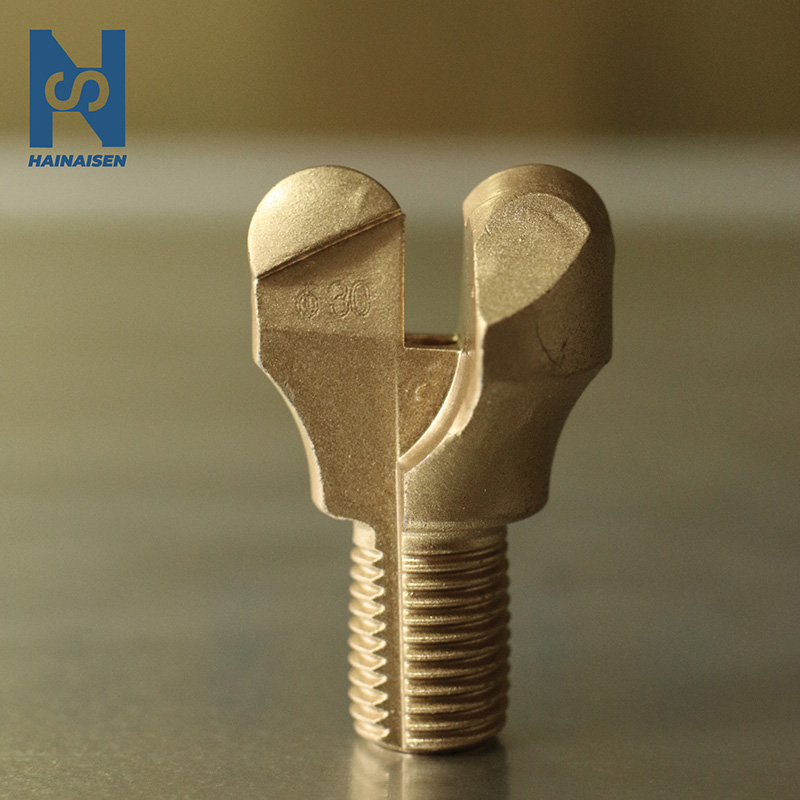 VIEW MORE34 And A Half Whole Coal Mine Mining Anchor Drill Bits
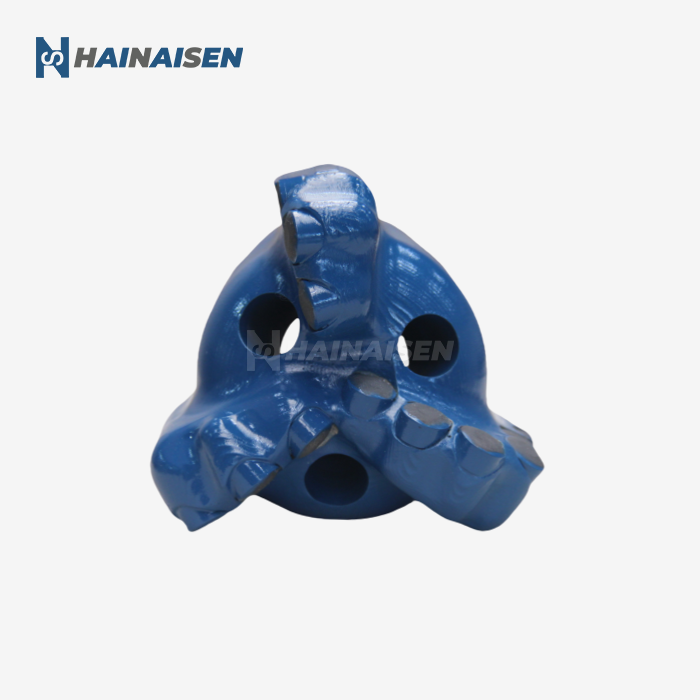 VIEW MORE113mm PDC Arc Angle Drill Bit
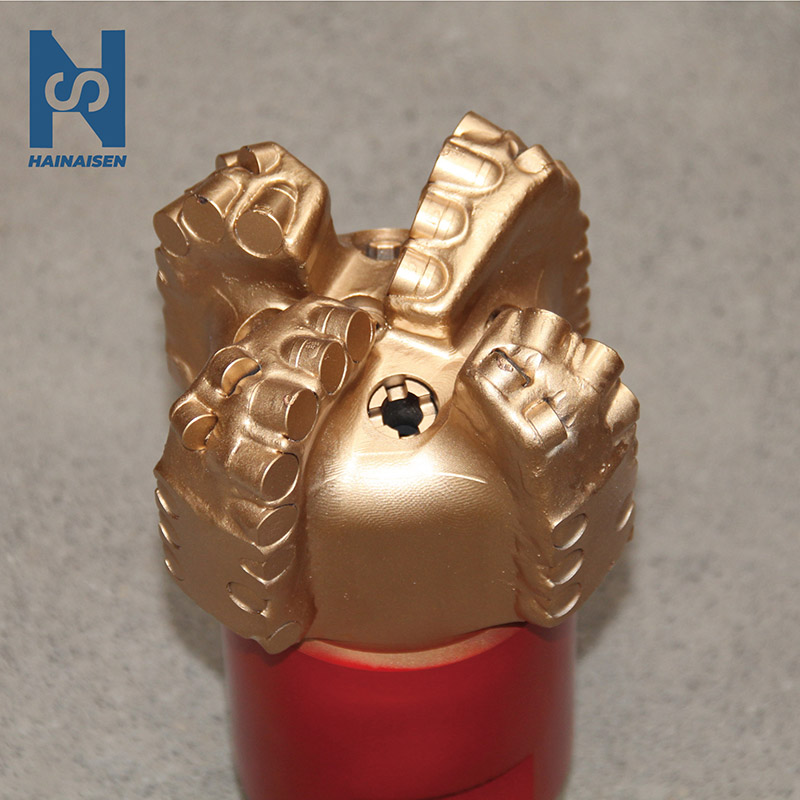 VIEW MOREFour Blade Wing High Performance Petroleum Drill Bit
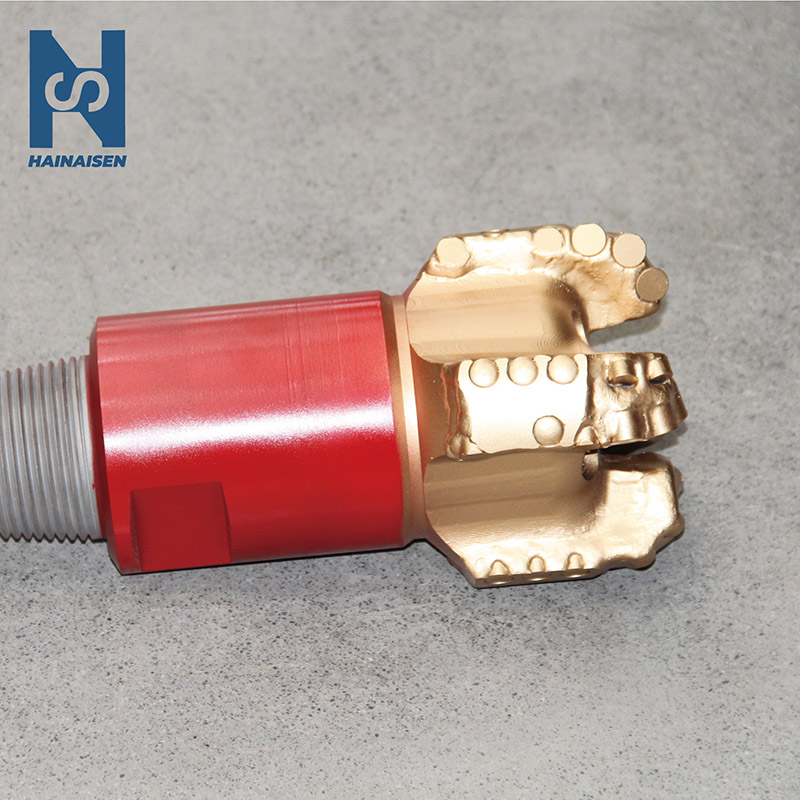 VIEW MOREPetroleum PDC Oil Drill Bit
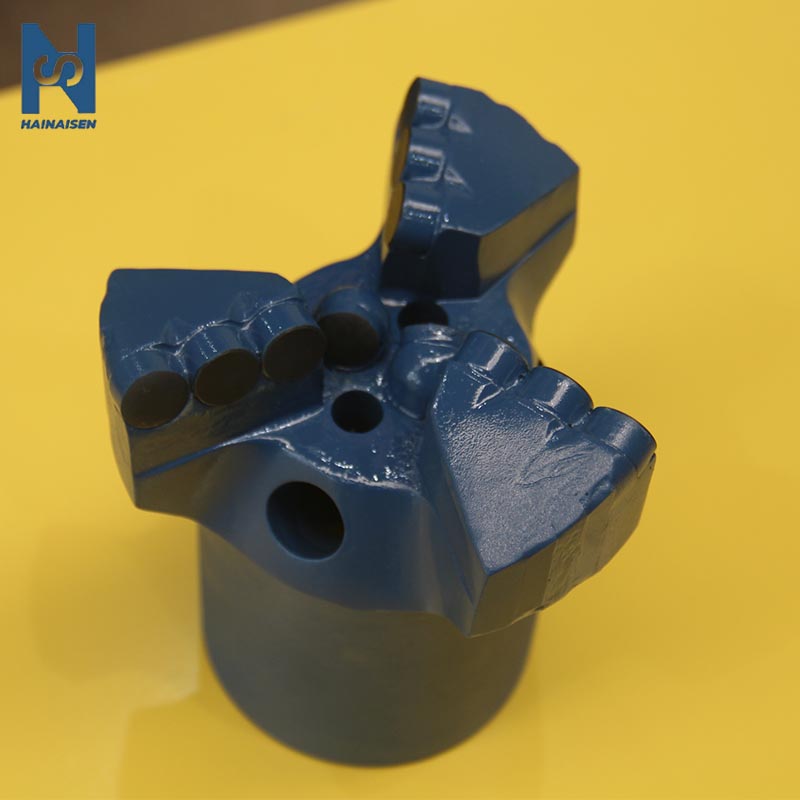 VIEW MOREPolycrystalline Diamond Drill Bits
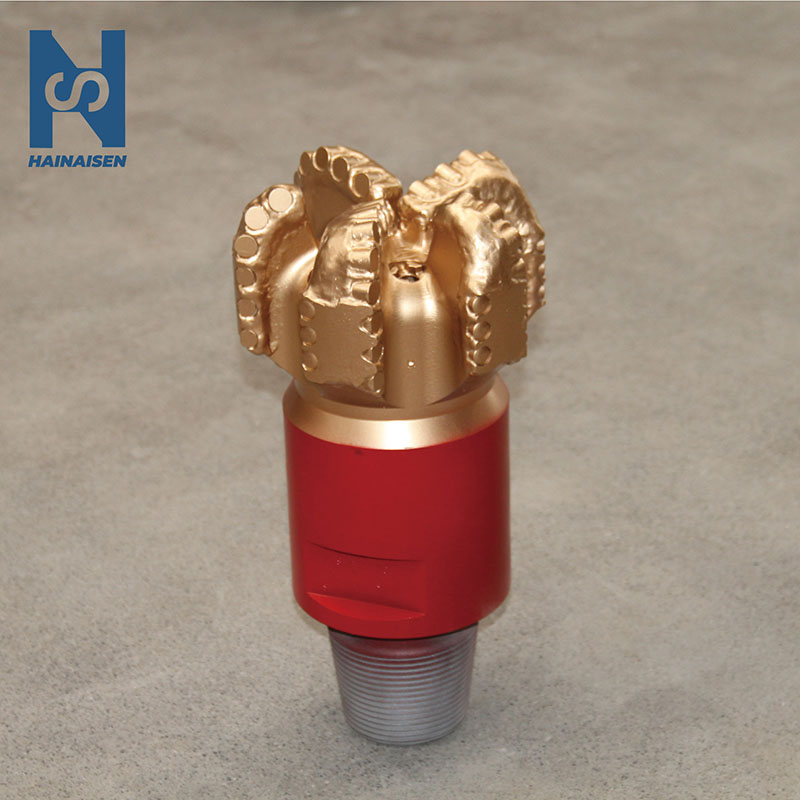 VIEW MOREFive Wing PDC Bit For Hard Rock Drilling
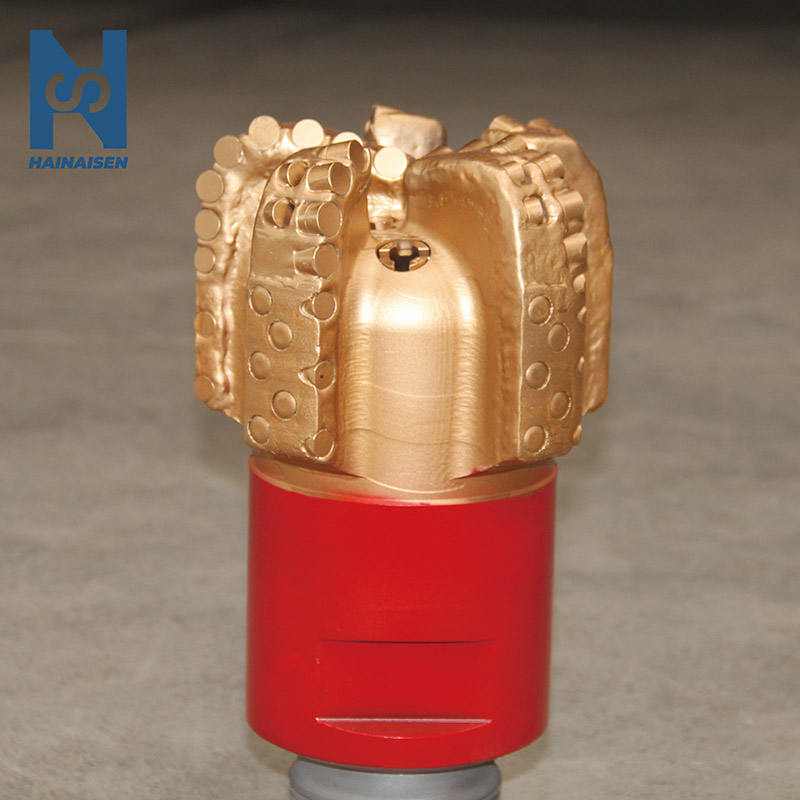 VIEW MOREFive Blades PDC Drill Bits