







Why 6-Blade PDC Drill Bits Are Becoming the Industry Standard for Deep Wells
Contact Hainaisen
Email: hainaisen@hnsdrillbit.com
Tel: +86 17791389758
For deep oil and gas wells, a six-blade PDC design is increasingly being selected because it offers a practical balance between cutter coverage, stability, hydraulic capacity, and drilling efficiency. An experienced pdc bit supplier will not recommend six blades simply because the number is higher; the design has to match formation strength, abrasiveness, well trajectory, cutter loading, and the expected drilling parameters.
Deep wells put more demands on a bit than a typical shallow interval. Long exposure to heat, repeated formation changes, higher torque, vibration, and extended drilling time can turn a small weakness in cutter layout or hydraulic design into a costly trip. A well-designed six-blade bit can distribute cutting loads more evenly while maintaining enough flow area for effective hole cleaning.
The important point is that six blades are not automatically better in every formation. The advantage comes from how the blades, cutters, gauge, nozzles, and cutting structure work together.
1. Why Six-Blade Designs Perform Well in Deep-Well Conditions
More cutting structure without excessive crowding
Deep wells commonly pass through several formation types. A typical section may include shale, sandstone, limestone, or thin hard stringers rather than one uniform rock type.
A six-blade configuration gives the designer more positions for distributing cutters around the bit face. Compared with a low-blade-count design, the cutting load can be spread across more cutting paths, which can help control individual cutter loading.
This becomes especially useful when the formation has moderate to high compressive strength. Instead of asking a small number of cutters to carry most of the mechanical load, the designer can create a more balanced cutting structure.
For deep wells, cutter distribution and bit stability are often more important than simply maximizing initial ROP.
IADC technical guidance identifies cutter count, cutter size, cutter layout, and back rake as important variables affecting PDC drillability. Cutter size and count should be selected according to formation and operating conditions rather than treated as universal specifications.
Stability becomes more important as depth increases
A deep-well PDC bit can encounter substantial torsional and lateral loading. Stick-slip, bit whirl, and vibration can damage cutters, increase torque fluctuations, and shorten bit life.
Six blades can provide a relatively balanced distribution of cutting elements around the bit face. When combined with an appropriate cutter layout and gauge design, this can help produce smoother engagement with the formation.
The benefit is particularly relevant in directional and long-hole applications where the bit must remain stable while the BHA responds to steering forces.
SLB's drilling resources similarly emphasize that cutter type, cutter layout, and blade geometry are closely connected with bit stability and drilling efficiency.
Better control of cutter wear
Cutter wear is a major concern in long deep-well runs. Even when the formation is not extremely hard, prolonged exposure can gradually wear the cutters and change the cutting profile.
A six-blade design can allow the cutting workload to be distributed across more cutters. The result is not automatically longer life, but it gives the designer more flexibility to control cutter exposure, back rake, cutter size, and placement.
For abrasive sandstone or hard limestone, the cutting structure may need a higher cutter density and more conservative cutter geometry. In softer shale, larger cutters and a more aggressive layout may provide better ROP.
Formation abrasiveness, compressive strength, and impact tendency should determine cutter selection—not blade count alone.
Hydraulic capacity still matters
Adding blades can reduce available flow passages if the design is not carefully engineered. That is why a six-blade bit needs more than a simple increase in blade count.
Nozzle placement, junk-slot geometry, blade height, cutter spacing, and fluid velocity must be considered together. The drilling fluid needs to cool the cutters and remove cuttings before they are recut by the bit.
Poor hole cleaning can produce:
- Cutter overheating
- Bit balling
- Reduced ROP
- Higher torque
- Accelerated cutter wear
- Poor bottom-hole cleaning
Modern PDC designs increasingly use application-specific hydraulic and cutter configurations. Baker Hughes, for example, highlights optimized nozzle placement, expanded junk-slot volume, and application-specific cutter placement as important elements of modern PDC design.
2. How to Select and Operate a Six-Blade PDC Bit
Match the cutter structure to the formation
The first selection question should be the formation, not the number of blades.
For relatively soft to medium-hard shale, a six-blade bit may use larger cutters and a more aggressive cutting structure to achieve high ROP. In hard, abrasive sandstone, the design may shift toward smaller cutters, greater cutter density, stronger gauge protection, and more conservative exposure.
A practical selection matrix looks like this:
| Formation condition | Typical design priority |
|---|---|
| Soft to medium shale | High ROP, efficient cutting, anti-balling hydraulics |
| Medium-hard limestone | Balanced aggressiveness and cutter durability |
| Abrasive sandstone | Wear resistance, cutter density, gauge protection |
| Interbedded shale/sandstone | Impact resistance, stability, adaptable cutter layout |
| Hard limestone/stringers | Cutter strength, controlled aggressiveness, vibration resistance |
| Long directional section | Stability, torque control, gauge integrity |
Six blades work best when the cutting structure is engineered around the formation rather than copied from a standard bit.
Cutter size and placement
Cutter diameter directly influences the amount of rock removed by each cutting element. Larger cutters can deliver aggressive penetration, but they also experience greater mechanical loading.
Smaller cutters allow the designer to increase cutter count and distribute load more evenly. IADC guidance notes the general tendency to use smaller cutters and higher cutter counts for harder, abrasive formations, while larger cutters and lower cutter counts are often suitable for softer formations.
Cutter placement is equally important. Cone, nose, shoulder, and gauge regions experience different loads. A well-designed bit does not simply repeat the same cutter orientation across every blade.
Modern bit development increasingly uses modeling and application-specific cutter placement to control cutter engagement and reduce vibration. SLB and Baker Hughes both describe application-specific cutter placement and geometry as important parts of modern PDC design.
WOB, RPM, torque, and ROP
A six-blade bit still needs the correct operating window.
WOB should be increased progressively rather than used as the first response to falling ROP. Excessive WOB can overload cutters and increase torsional or lateral vibration.
RPM also requires balance. Increasing rotary speed may raise ROP in a suitable formation, but it can increase frictional heat and cutter wear. In deep wells, where downhole temperature is already elevated, thermal loading deserves particular attention.
Flow rate should be high enough to maintain cutter cooling and hole cleaning, while torque trends should be monitored for sudden changes.
Useful field indicators include:
- Stable torque with limited fluctuations
- Consistent ROP
- No persistent vibration or stick-slip
- Effective cuttings return
- Normal pump pressure
- Controlled cutter wear after the run
A stable drilling response is often a better indicator of successful bit selection than peak ROP during a short interval.
An anonymous field example
Consider a drilling contractor working on a deep vertical well with alternating shale and abrasive sandstone. The original bit delivered reasonable penetration in shale but experienced increasing torque and declining ROP after entering the sandstone interval. Inspection after the run showed accelerated wear around the shoulder and gauge.
For the next run, the contractor moved to a six-blade configuration with a more wear-resistant cutter arrangement, reinforced gauge protection, and revised hydraulic placement. WOB was kept within a more controlled range, while RPM and flow rate were adjusted according to torque and cuttings response.
The subsequent run showed more consistent drilling behavior through the mixed interval and reduced the need to react to sudden torque increases.
No single design change should be credited for the improvement. The useful lesson was that blade count, cutter selection, hydraulics, gauge protection, and operating parameters have to be treated as one drilling system.
3. Why Hainaisen Is a Practical Choice for Deep-Well PDC Applications
A six-blade bit is a design platform, not a fixed product
A common mistake in purchasing is to ask for “a six-blade bit” without providing formation and operating information. Two six-blade bits can behave very differently because their cutters, back rake, blade profile, gauge protection, and hydraulic systems may be completely different.
Before ordering, drilling teams should ideally provide:
- Formation description and expected UCS
- Abrasiveness information
- Hole size and well trajectory
- Previous bit type and dull condition
- WOB and RPM history
- Flow rate and pump pressure
- Torque and ROP trends
- Evidence of vibration or stick-slip
- Expected drilling temperature
This information gives a pdc bit supplier a much better basis for recommending cutter grade, cutter size, blade configuration, and hydraulic design.
Hainaisen's application-oriented approach
Hainaisen provides PDC drill bit solutions for different drilling applications, including oil and gas, directional drilling, water well, and other demanding drilling environments.
The company's strengths are particularly relevant when a customer needs more than a standard catalog specification:
- Stable product quality supported by strict quality control
- PDC cutter technology for different formation conditions
- Customized bit design based on drilling requirements
- Formation-based recommendations rather than generic product matching
- Technical support for cutter layout, blade configuration, and application
- Export experience with overseas customers
- Fast communication for technical and purchasing questions
- Flexible solutions for different drilling applications
For a deep well with abrasive sandstone, for example, Hainaisen may recommend a different cutter configuration and gauge protection strategy than it would for a shale-dominated directional section.
That kind of discussion is more useful than simply comparing prices between two standard bits.
What buyers should ask before placing an order
A professional purchasing discussion should cover more than bit diameter and connection size.
Ask the Manufacturer:
- What formation was the bit designed for?
- What cutter grade and size are being used?
- How are the cutters distributed across the blades?
- How is the gauge protected?
- What hydraulic configuration is recommended?
- What WOB, RPM, and flow range is expected?
- How does the design address vibration?
- Can the bit be modified after reviewing offset-bit performance?
The best six-blade design is the one that fits the actual drilling window, not simply the one with the highest cutter count or lowest purchase price.
Hainaisen's approach is well suited to this type of requirement because the company can discuss the formation, drilling parameters, and previous bit performance before proposing a customized solution. For contractors planning long deep-well intervals, that technical communication can make the difference between buying a standard product and buying a bit designed for the job.
FAQ
Why are six-blade PDC bits increasingly used in deep wells?
Six-blade designs can provide a useful balance of cutter coverage, stability, durability, and hydraulic performance. They are particularly attractive when long drilling intervals require consistent cutting performance rather than short-term peak ROP.
Are six-blade PDC bits suitable for abrasive sandstone?
Yes, provided the cutter grade, cutter density, gauge protection, and hydraulics are designed for abrasion. A six-blade configuration alone does not guarantee good performance in abrasive rock.
Can a six-blade bit be used for directional drilling?
Yes. A properly designed six-blade bit can provide stable cutting behavior in directional applications. Gauge design, cutter placement, torque response, and BHA compatibility should be considered together.
What drilling parameters affect six-blade PDC bit life?
WOB, RPM, flow rate, torque, ROP, and vibration all influence cutter loading and wear. Excessive WOB or unstable rotary conditions can accelerate cutter damage.
How can operators extend deep-well PDC bit life?
Use a formation-matched cutter structure, maintain adequate hydraulic cleaning, control WOB and RPM, monitor torque and vibration, and evaluate the dull condition after each run.
Can Hainaisen customize six-blade PDC bits?
Yes. Bit specifications can be developed around the application, including cutter type, cutter size, blade configuration, cutter layout, gauge protection, and hydraulic requirements.
About the Author
Michael Turner is a drilling technology writer and technical consultant specializing in PDC bit selection and drilling performance. His experience covers deep oil and gas wells, directional drilling, formation evaluation, and practical optimization of cutter layouts and drilling parameters.
References
- International Association of Drilling Contractors (IADC), Drillability — Back to Basics, technical guidance on PDC cutter characteristics, cutter count, cutter size, back rake, and formation-specific bit selection.
- SLB, PDC Cutters, technical information covering cutter types, cutter layouts, blade geometry, drilling stability, and application-specific PDC cutter technology.
- SLB, PDC Bits, technical resources covering PDC bit design, directional drilling stability, hydraulics, cutter technology, and drilling performance.
- Baker Hughes, Fixed Cutter PDC Drill Bits, technical information on PDC cutter technologies, bit stability, hydraulic design, and application-specific bit development.
- Baker Hughes, PermaFORCE Elite PDC Drill Bit, technical information on cutter durability, stability, hydraulic efficiency, and application-specific cutting structures.
- Baker Hughes, SPE/IADC-223698-MS: Engineered Drill Bit Cutting Structures for Interbedded Applications Suppressing Lateral and Torsional Excitation at High Performance and Durability, technical paper resource concerning cutter-structure design for challenging interbedded drilling conditions.
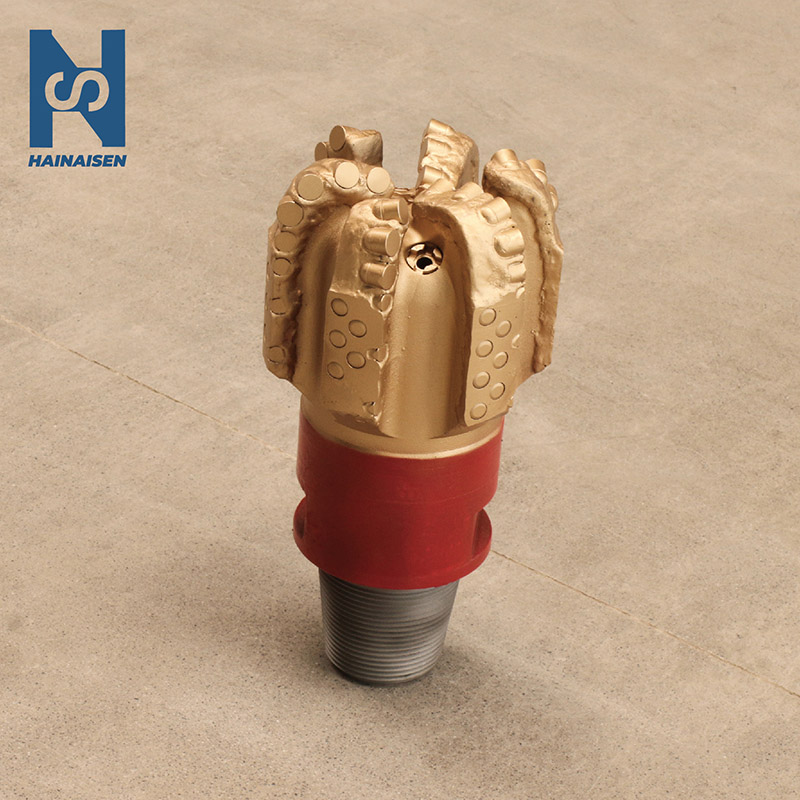 VIEW MORETool 6 Wings Drill Bit PDC
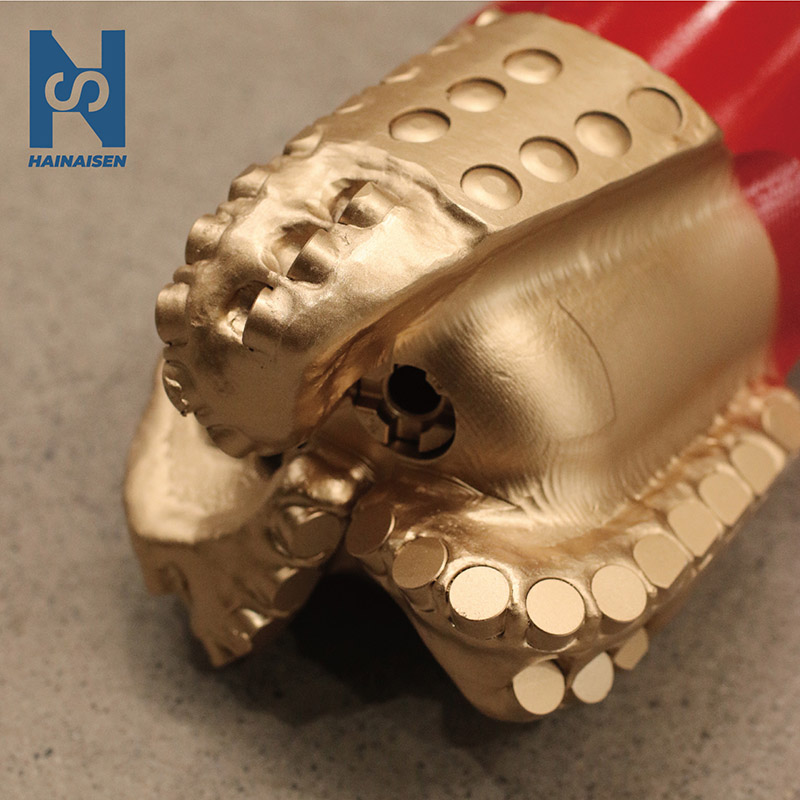 VIEW MOREThree Blades Rock Drill Bit
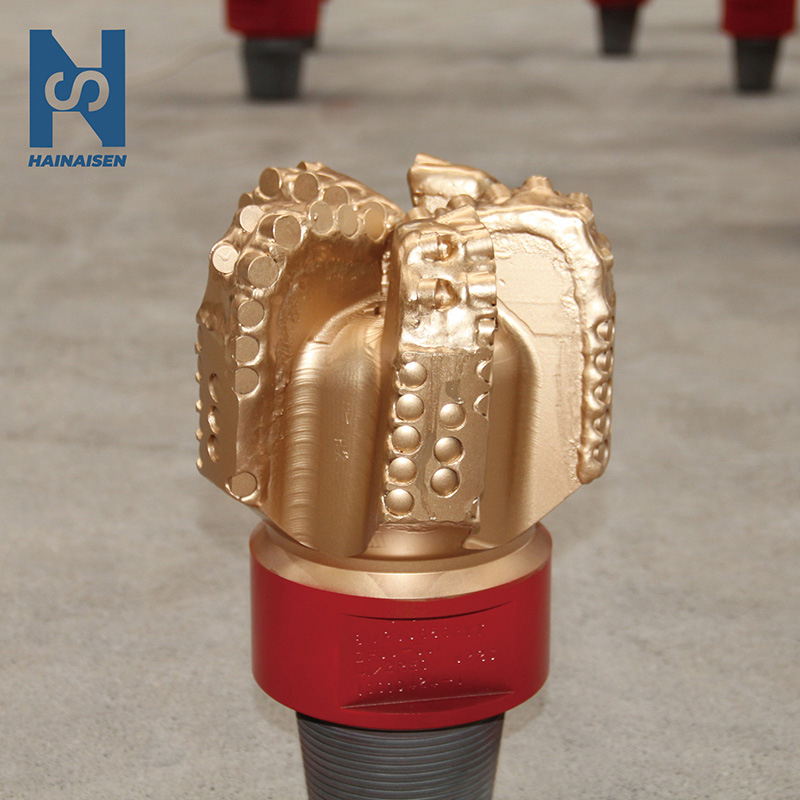 VIEW MORE5 Blades PDC Oil Bit
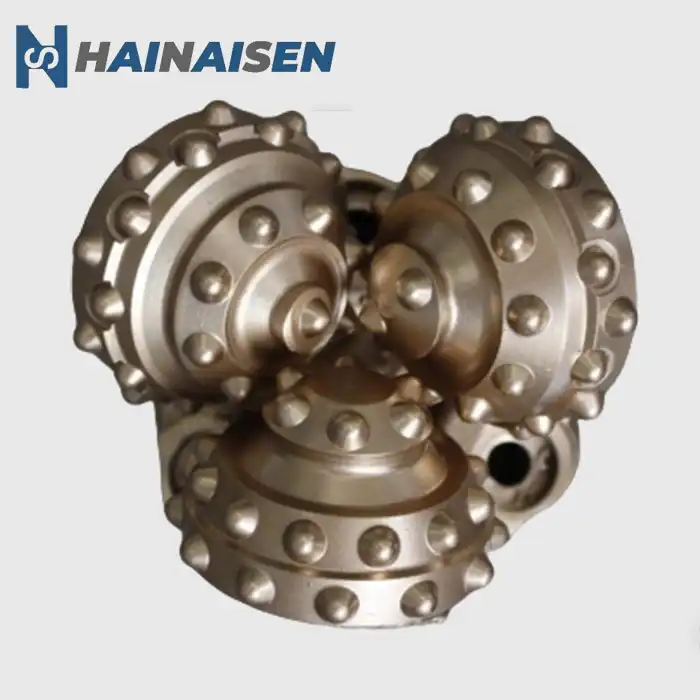 VIEW MORE4 1/2" IADC 537 Tricone Rock Bit
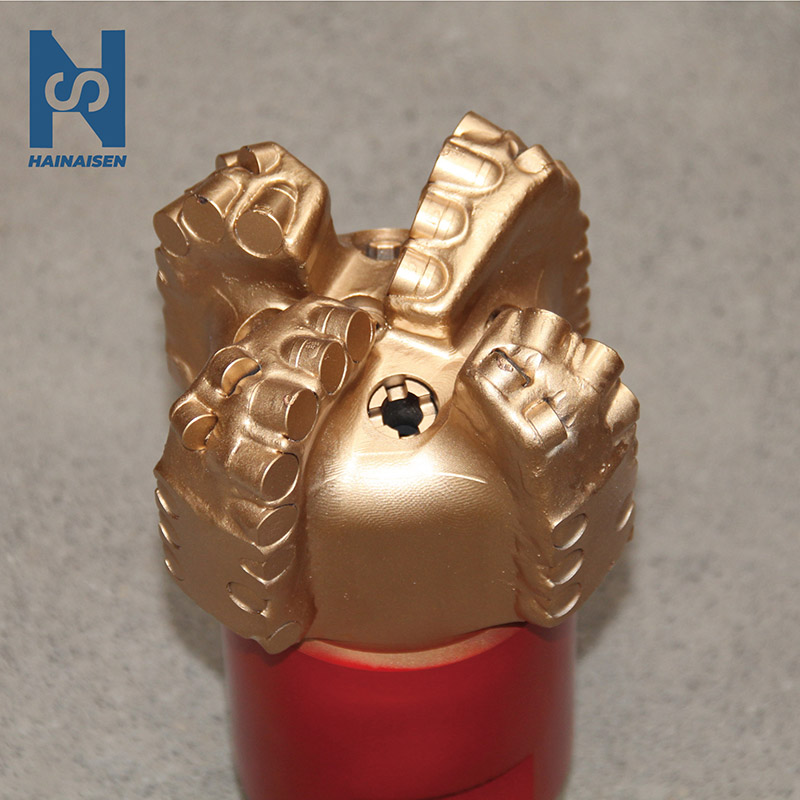 VIEW MOREFour Blade Wing High Performance Petroleum Drill Bit
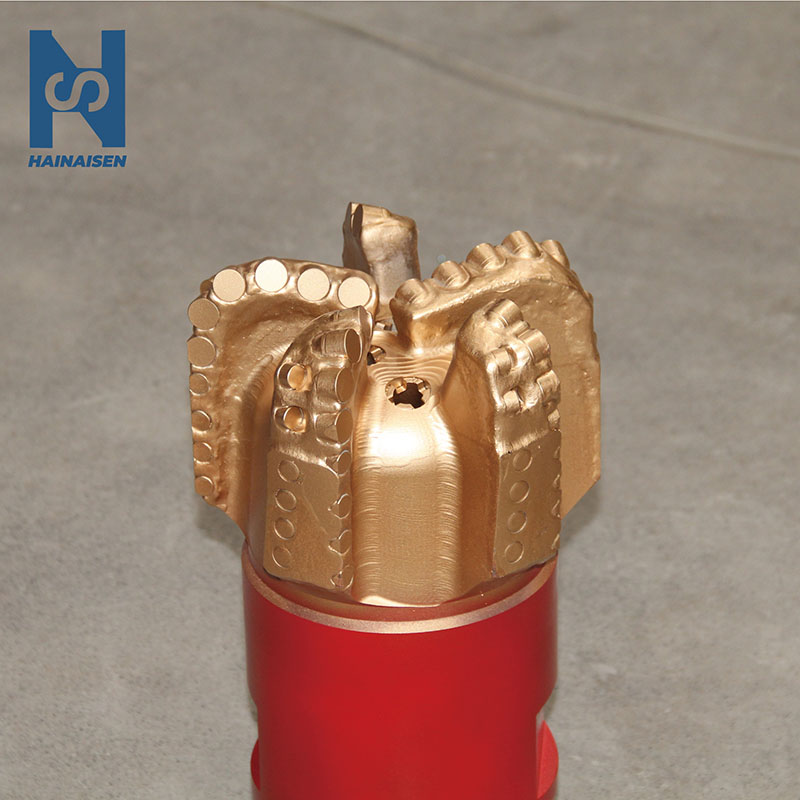 VIEW MORE5 Blades Steel Body High Performance PDC Rock Drill Bits
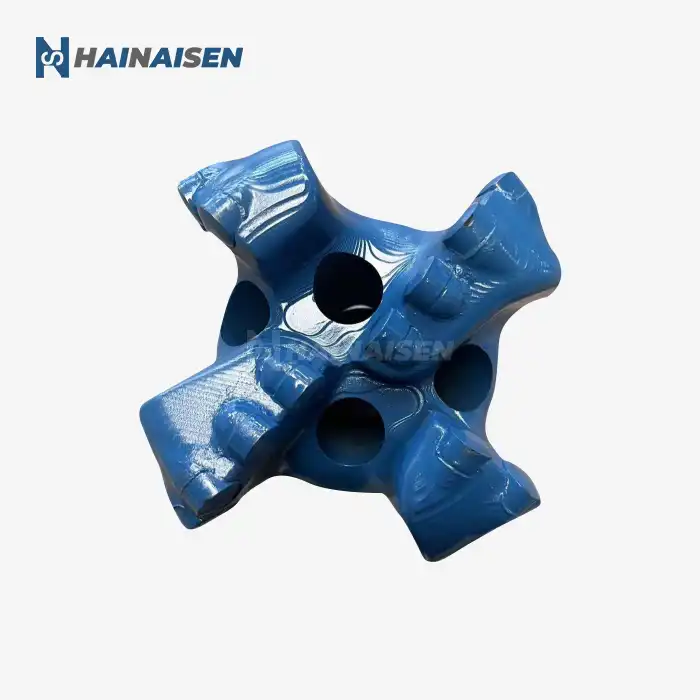 VIEW MORE4 Blade PDC Bit
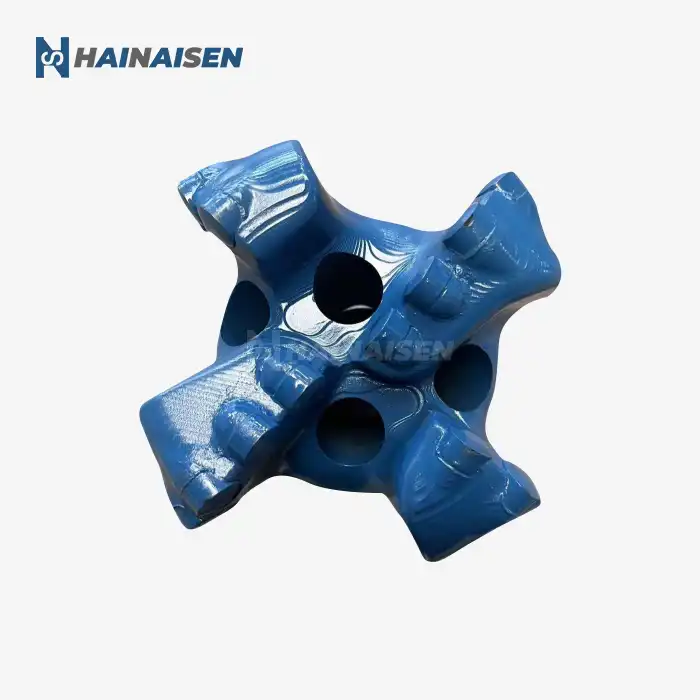 VIEW MORESteel Body PDC Bit 4 Blades
