







How to Select Drill Bits for Salt Formation Drilling Challenges?
- Email: hainaisen@hnsdrillbit.com
- Phone/WhatsApp: +8617791389758
Drilling through massive salt formations presents some of the most complex engineering hurdles in the oil and gas industry. When dealing with problems like halite creep, borehole shrinkage, and extreme casing wear, choosing the correct salt formation drilling bit is critical to preventing catastrophic downhole failures. Operators worldwide constantly battle the unique viscoelastic behavior of salt, which can easily trap a bottomhole assembly (BHA) if the bit design cannot maintain an overgauged hole. To overcome these harsh environments, selecting a highly specialized 3 blades PDC drill bit has proven to be one of the most effective strategies for maintaining optimal Rate of Penetration (ROP) while ensuring borehole stability.
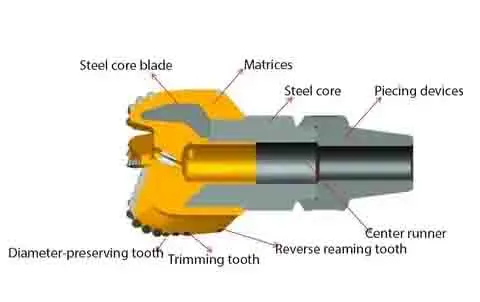
The Unique Challenges of Salt Formations
Unlike standard sedimentary rocks, salt behaves like a highly viscous fluid under deep subterranean temperature and pressure. According to technical resources shared by global leaders like Baker Hughes, salt formations exert uniform lateral pressure on the drill string.
The primary risks include:
- Borehole Closure (Creep): Salt flows back into the wellbore quickly, sticking the drill pipe.
- Bit Balling: Dissolved salt and clay mixtures clog the cutters, reducing cutting efficiency.
- Vibration and Impact: Interbedded layers of anhydrite or shale within the salt cause severe impact damage to PDC cutters.
Why a 3 Blades PDC Drill Bit is the Ideal Choice
To mitigate these risks, drilling engineers often opt for a lower blade count. A 3 blades PDC drill bit offers distinct structural advantages in mobile salt zones:
- Maximum Hydraulic Efficiency: With only three blades, the junk slot area (the space between the blades) is significantly maximized. This allows for massive fluid bypass, which quickly clears away sticky salt cuttings and prevents bit balling.
- Aggressive ROP: Fewer blades mean higher localized weight-on-bit (WOB) per cutter, allowing the bit to shear through the fast-moving salt before the formation can creep and lock up the BHA.
Real-World Success: The Hainaisen Advantage
When navigating unpredictable evaporite sequences, you need a manufacturing partner that understands cutter material science. Hainaisen has established itself as a premier global Manufacturer of high-tier matrix and steel body PDC Bits specifically optimized for challenging strata.
For instance, in a recent deep-water drilling project in the Pre-Salt fields of Brazil, an operator experienced severe borehole shrinkage using a standard 5-blade design. After switching to Hainaisen’s customized 3 blades PDC drill bit featuring specialized rear reaming cutters and optimized active gauge defense, the operator successfully drilled through a 1,200-meter salt section in a single run. The aggressive hydraulics of the Hainaisen 3 blades PDC drill bit effectively minimized torque fluctuations and delivered a 35% increase in ROP compared to the offset wells.
For operators facing similar challenges, deploying the Hainaisen matrix body 3 blades PDC drill bit ensures that your cutters stay cool, your hydraulics stay clean, and your drill string stays free.
FAQ
Q: Why choose a 3-blade PDC over a 5 or 6-blade design for salt?
A: Salt requires huge junk slots for high-volume mud flow to wash away dissolved and sheared halite. A 3 blades PDC drill bit provides the largest open area possible to prevent the bit from getting balled up and stuck.
Q: How does Hainaisen prevent cutter delamination in interbedded salt formations?
A: Hainaisen utilizes premium, thermally stable diamond micron-grade cutters with impact-resistant polished faces, ensuring the teeth handle the sudden transitions from soft salt to hard anhydrite without chipping.
Q: What drilling fluid is best paired with these bits in salt layers?
A: Salt-saturated muds or oil-based muds (OBM) are highly recommended alongside our bits to prevent the washout/dissolution of the formation while maintaining borehole integrity.
References & Technical Literature
- Schlumberger (SLB) Oilfield Glossary & Technical Articles: Managing Wellbore Stability in Highly Mobile Evaporites and Pre-Salt Environments.
- Society of Petroleum Engineers (SPE) Paper SPE-146312-MS: Optimizing PDC Bit Design for Ultra-Deep Salt Formations.
- IADC (International Association of Drilling Contractors) Drilling Manual: Guidelines on Bit Selection, Hydraulics, and Cutter Technology for Plastic Formations.
If you are planning an upcoming drilling campaign through salt, evaporites, or interbedded shale formations, contact our engineering team today to customize your high-performance 3 blades PDC drill bit.
Email: hainaisen@hnsdrillbit.com
Phone/WhatsApp: +8617791389758
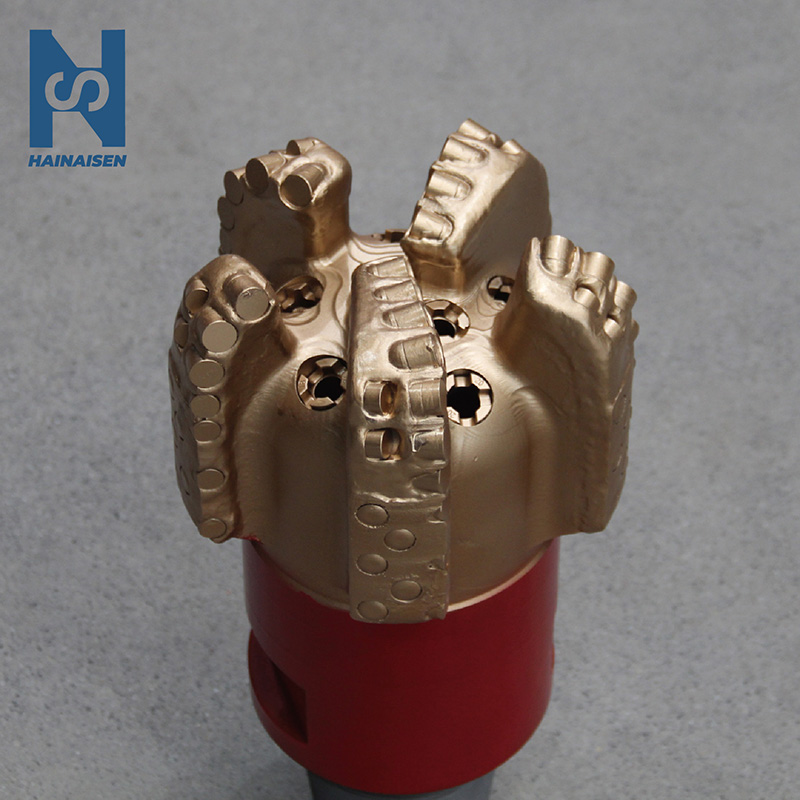 VIEW MOREOil Diamond Drill Bit
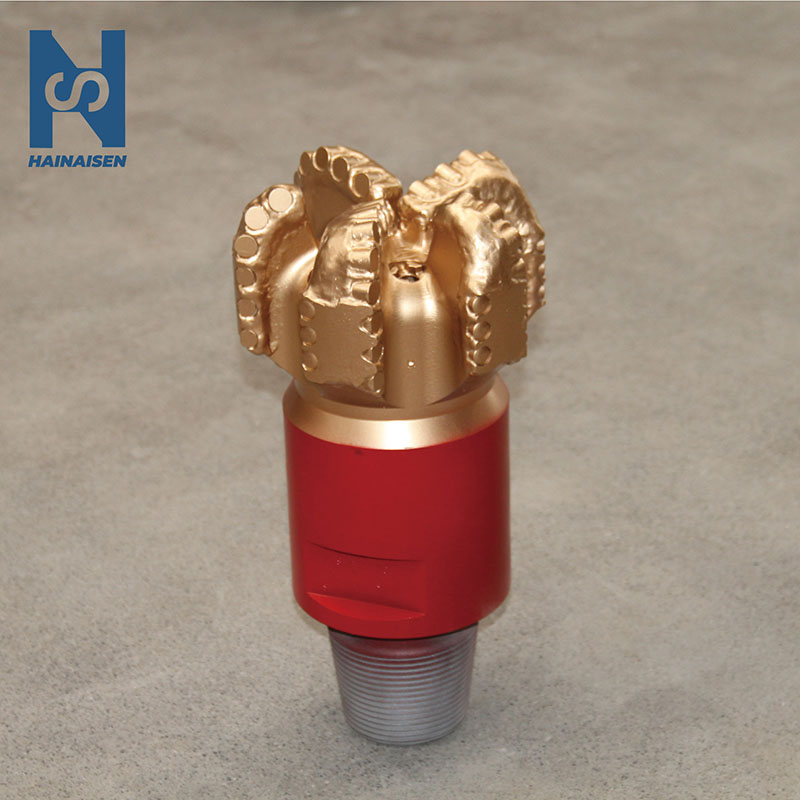 VIEW MOREFive Wing PDC Bit For Hard Rock Drilling
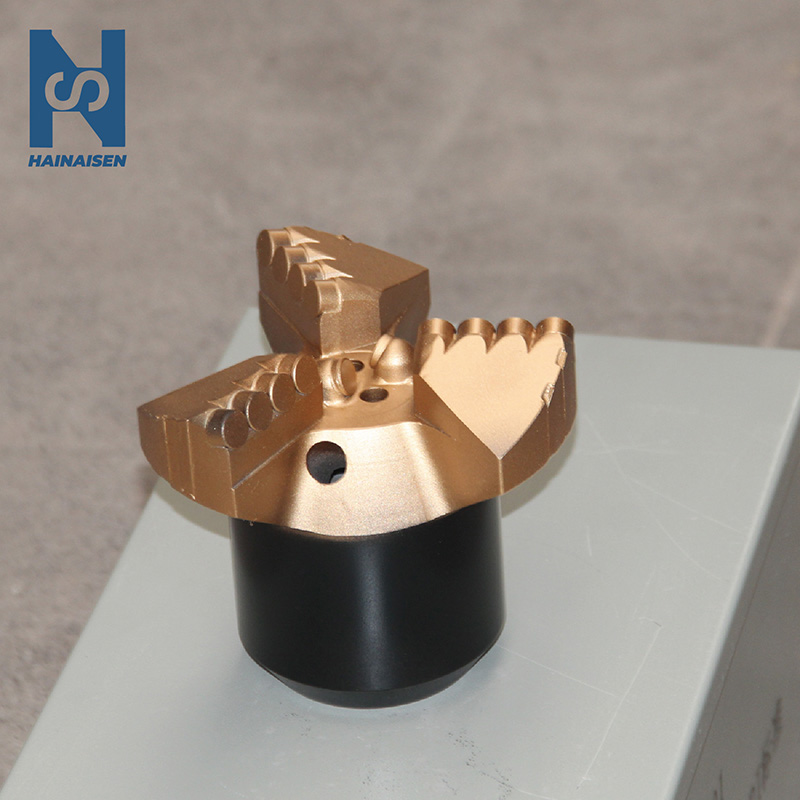 VIEW MORE153mm PDC Concave Bit
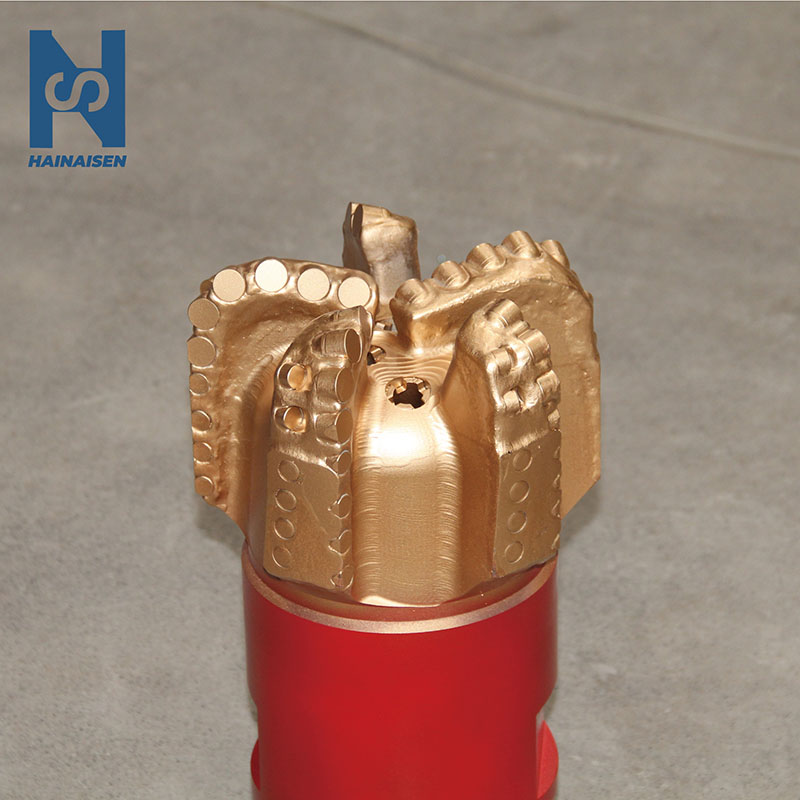 VIEW MORE5 Blades Steel Body High Performance PDC Rock Drill Bits
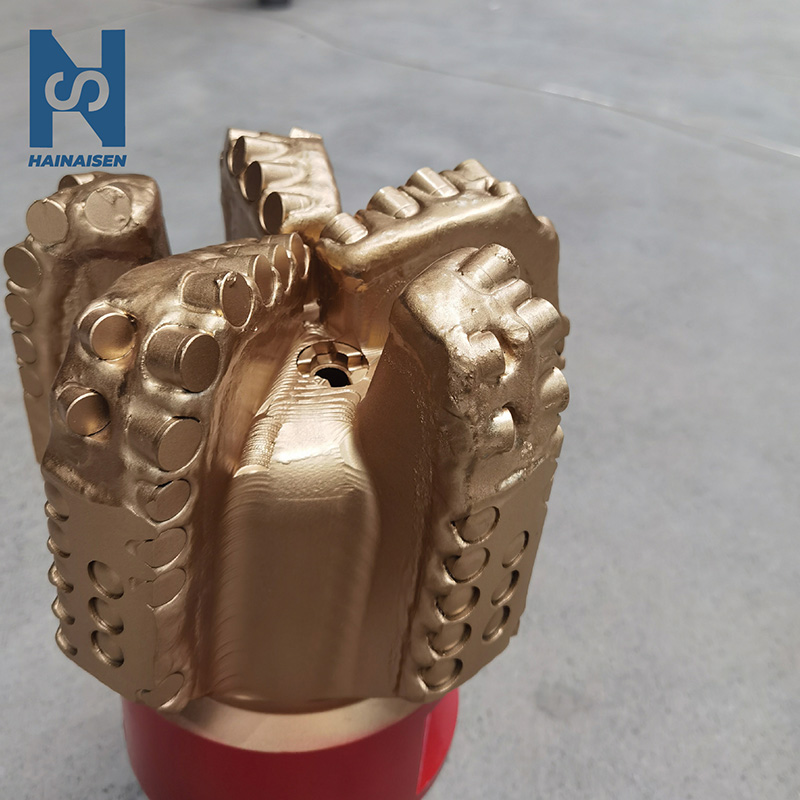 VIEW MOREFive Blade Wing Oil Drilling
logo 2_1777361643767.jpg) VIEW MORE94mm Four Wing Arc Angle Drill Bit
VIEW MORE94mm Four Wing Arc Angle Drill Bit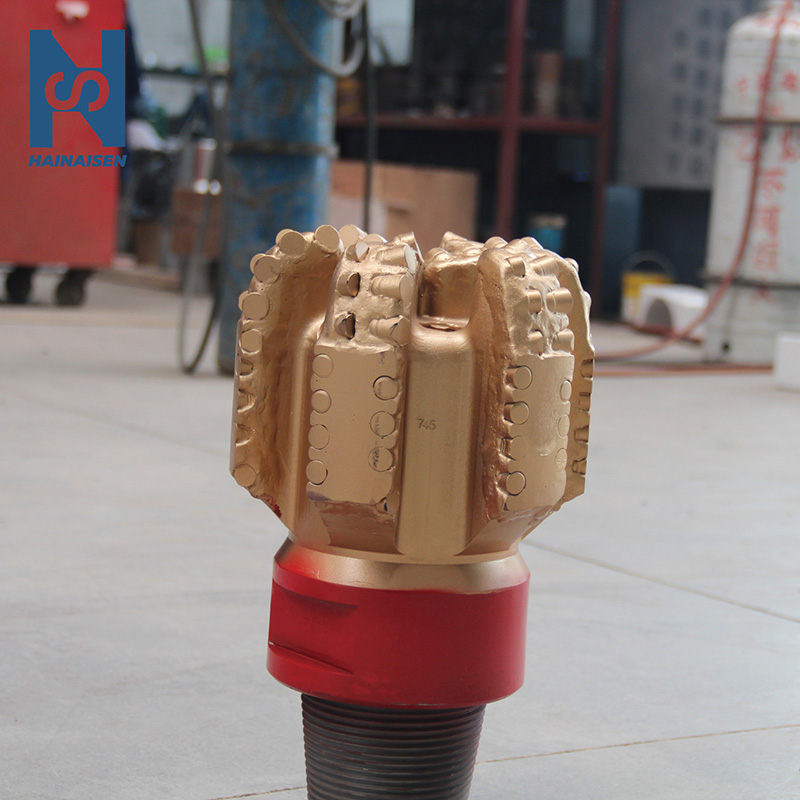 VIEW MOREDiamond Drill Bit Oil Rig
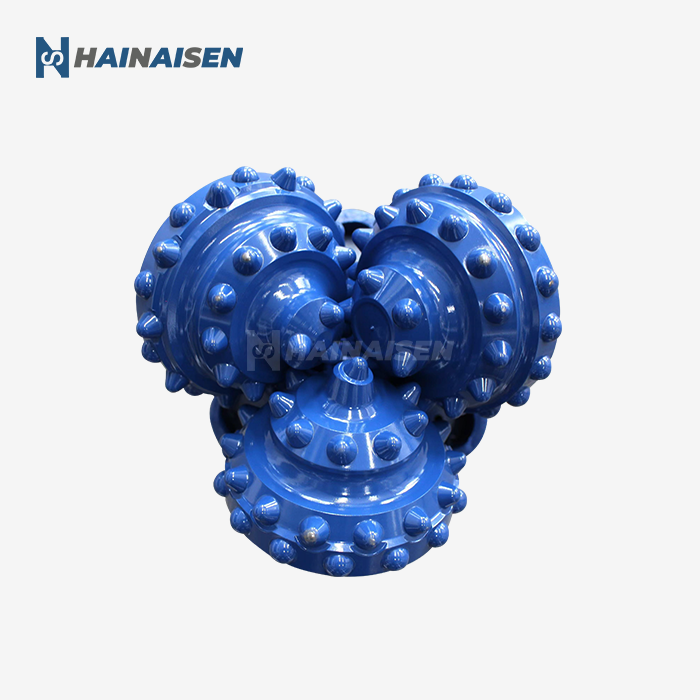 VIEW MORERock Roller Drill Bit
