How Does Fluid Design Affect Diamond PDC Drill Bit Cleaning Efficiency?
January 7, 2026
The Diamond PDC Drill Bit's flexible design is a key part of how well it cleans, which has a direct effect on how well it drills and how long it lasts. Effective fluid design makes sure that cuttings are properly removed, that bits don't ball up, and that the right temperature is maintained during drilling operations. Manufacturers can greatly improve the cleaning effectiveness of PDC Bits by carefully placing openings and adjusting the flow patterns of fluids. This better cleaning action speeds up entry rates, cuts down on downtime, and makes bits last longer. The cutting structure and hydraulic design must work together perfectly for the best drilling results in all kinds of rock types, from soft rock to hard rock.
Key Elements of Fluid Design in Diamond PDC Drill Bits
The Diamond PDC Drill Bit's flexible design includes several important parts that work together to make it clean well:
Nozzle Configuration
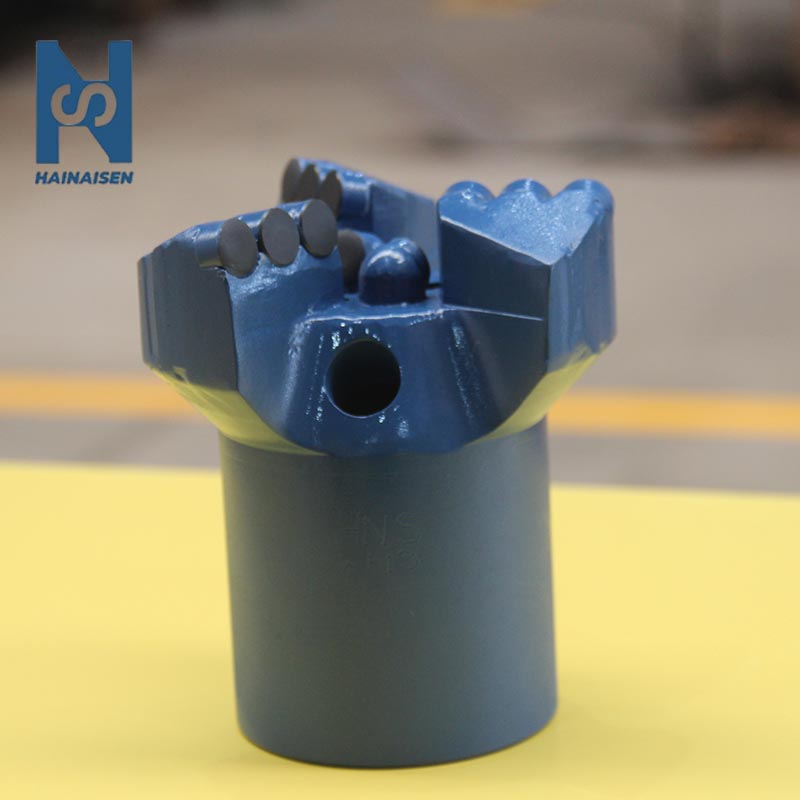
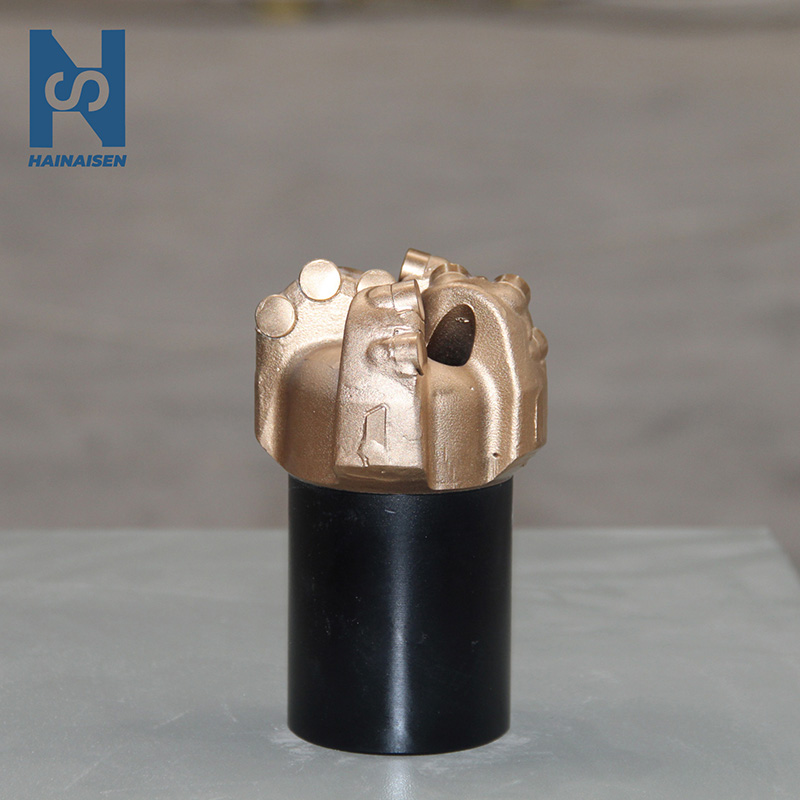
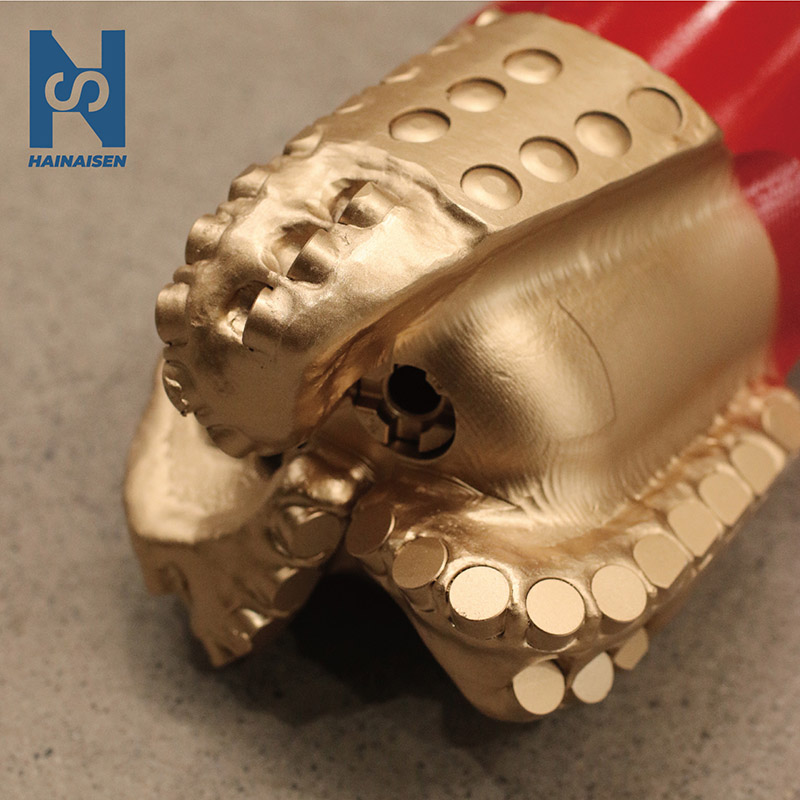
The arrangement and size of nozzles must be carefully planned in order for the fluid design to work well. When nozzles are placed correctly, they direct high-speed fluid streams to important parts of the bit face. This makes sure that the pieces are removed efficiently and the bit cools down. Advanced bit designs may have nozzles that can be changed or adjusted, which lets the bit be optimized on-site based on the features of the formation and the drilling parameters.
Junk Slot Area
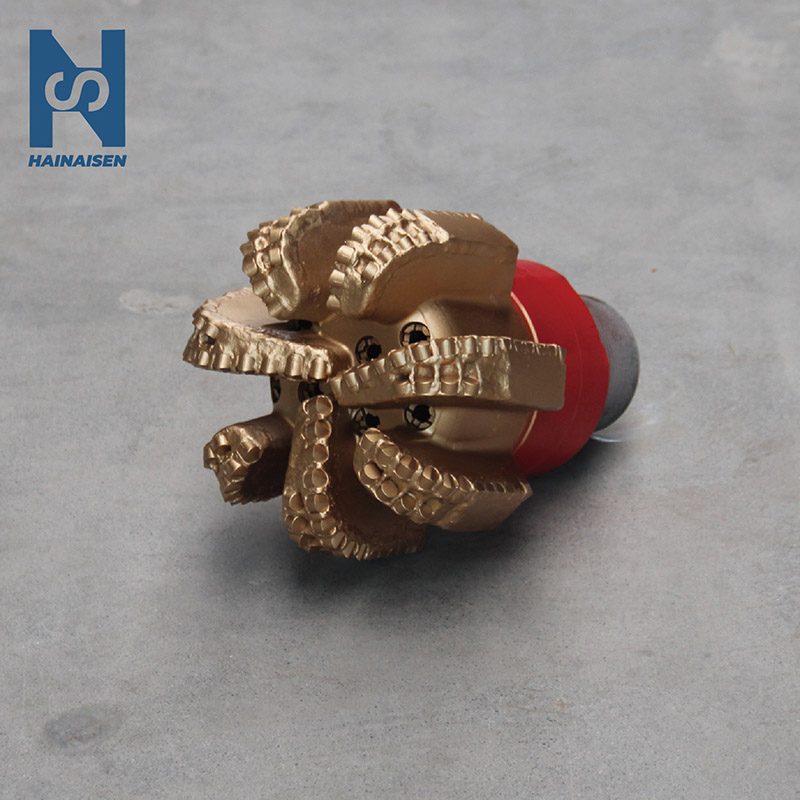
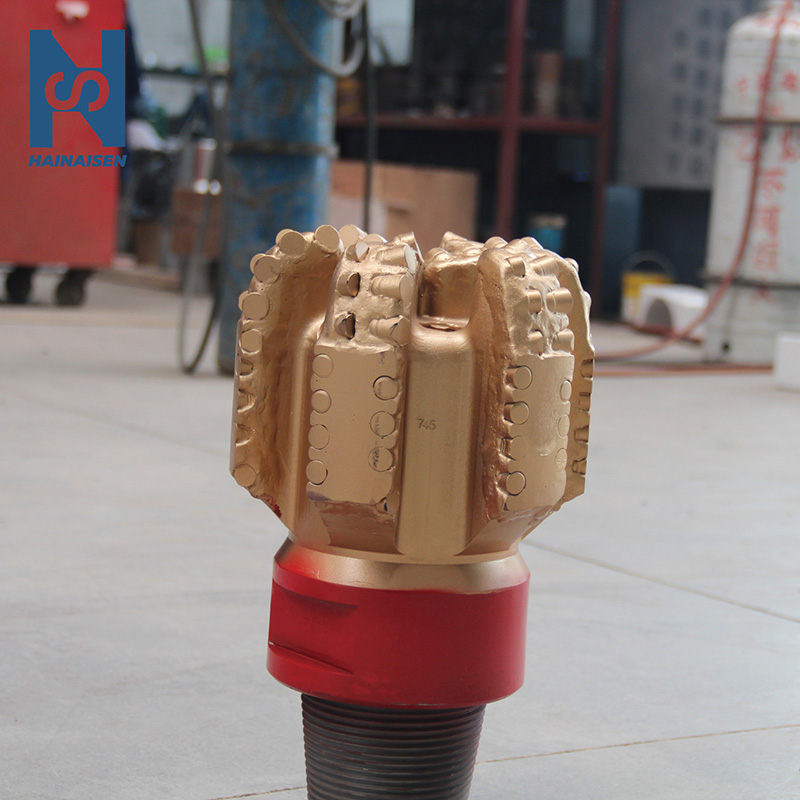
The junk slot area is made up of the spaces between the drill bit's blades. Drilling fluid and chips flow through these spaces. Making sure that the size and form of these slots are just right is important for keeping the flow rates high and stopping cuttings from building up. Larger junk slot areas usually make cleaning go more quickly, but they need to be matched with the stability of the blade and the overall structure of the bit.
Fluid Velocity and Flow Rate
For cuttings transport and bit cooling to work well, the fluid must be kept at the right speed and flow rate. These factors are affected by the size of the opening, the capacity of the pump, and the properties of the formation. Engineers use hydraulic modeling and computational fluid dynamics (CFD) simulations to fine-tune these parts so that they clean the best in all kinds of drilling situations.
Impact of Fluid Design on Drilling Performance
The Diamond PDC Drill Bit's flexible design has a big effect on how well it drills in several ways, including:
Cuttings Removal Efficiency
To keep high penetration rates and stop bit-balling, it is very important to get rid of cuts quickly. The PDC cutters can keep cutting into new formations because the fluid design is optimized to move rock pieces quickly away from the cutting face. Cuttings are constantly being ground down, which makes drilling go more smoothly and lowers the chance of bit damage.
Thermal Management
Getting the fluids moving properly is a key part of controlling the heat that is generated during drilling. When the PDC cutters and bit body are cooled properly, the diamond material doesn't break down due to heat. This makes the cutters last longer and keeps the cutting efficiency. Targeted cooling jets may be added to high-wear parts of the bit in more advanced fluid designs, making it last longer and work better.
Bottomhole Cleaning
For drilling to work well, you need to be able to keep the bottomhole clean. When fluid systems are well-designed, they create rough flow patterns that scrape the bottom of the hole. This keeps cuttings from building up and keeps the whole bit face in contact with the rock. This makes the weight transfer more consistent and improves the general efficiency of drilling.
Innovations in Fluid Design for Enhanced Cleaning Efficiency
Many years of study and development have led to new ways of designing fluids for Diamond PDC Drill Bits, which make them even better at cleaning:
Computational Fluid Dynamics (CFD) Modeling
Engineers can mimic and improve the flow patterns of fluids inside the bit and wellbore using advanced CFD modeling. With these complex simulations, the placement, size, and orientation of the nozzles can be fine-tuned to get the best cleaning performance in a wide range of drilling situations. CFD analysis can also help find places where cuts might build up or where cooling isn't working well, so that changes can be made to the design ahead of time.
Active Hydraulic Elements
Some of the newest bit designs have active hydraulic parts that can change based on the conditions downhole. Some examples are pressure-activated cleaning systems that add extra hydraulic energy when they reach areas where bits tend to ball up, or changeable nozzles that can change the flow patterns based on real-time drilling data.
Integrated Sensor Technology
Putting sensors inside drill bits is a new trend that looks like it will change the way fluids are designed and how well they clean. These sensors can give real-time information about the conditions at the bottom of a hole, which lets fluid factors be changed on the fly to keep the best cleaning performance throughout the drilling process.
Conclusion
Advanced fluid design is key to getting high cleaning efficiency, stable drilling performance, and long bit life, as shown by the Diamond PDC Drill Bit. Diamond PDC Drill Bits get rid of cuttings well, keep the bit from balling up, and keep the right temperature control during drilling operations thanks to their flexible and well-integrated hydraulic structures. To keep the bottomhole clean and the heat from building up, important things like the right nozzle design, enough junk slot area, and carefully controlled fluid velocity all work together. When the cutting structure and fluid system are perfectly matched, the bit can stay in contact with the formation the whole time. This lets PDC cutters work at their best in soft, medium, and hard rock formations.
New technologies, like computational fluid dynamics (CFD) models, adaptive hydraulic elements, and built-in sensor technology, make Diamond PDC Drill Bits even better at cleaning. With these technologies, engineers can fine-tune flow lines, find cleaning weak spots, and adapt quickly to conditions downhole. Optimized fluid design will become even more important as drilling sites get tougher and more complicated. In the end, better cleaning results in higher penetration rates, less downtime, longer bit service life, and lower overall drilling costs. This makes the Diamond PDC Drill Bit an even more important tool for modern energy and mining industries that need to drill efficiently and reliably.
FAQ
1. What is the primary function of fluid design in Diamond PDC Drill Bits?
The main job of fluid design in Diamond PDC Drill Bits is to make sure that cuttings are removed efficiently, that bits don't ball up, and that the best temperature control is maintained during drilling operations. Using the right fluid design improves drilling performance and makes bits last longer.
2. How does the shape of the tip affect how well it cleans?
The design of the nozzle has a big effect on how well it cleans by sending fast-moving fluid streams to important parts of the bit face. When nozzles are placed and made correctly, they remove cuttings effectively and cool the bit, which improves drilling performance.
3. What role does Computational Fluid Dynamics (CFD) play in fluid design?
Engineers can mimic and improve the flow patterns of fluids inside the bit and wellbore using CFD modeling. This advanced method lets you fine-tune the placement, size, and orientation of the nozzle to get the best cleaning performance in all kinds of drilling situations.
4. What effect does better cleaning have on drilling activities as a whole?
When cleaning is done more efficiently, entry rates go up, downtime goes down, and bit life goes up. It also makes sure that the weight is transferred more consistently and stops problems like bit balling, which makes drilling operations go more smoothly and get more done.
Diamond PDC Drill Bit Manufacturers | HNS
Looking for high-performance Diamond PDC Drill Bits tailored to your specific drilling needs? Shaanxi Hainaisen Petroleum Technology Co., Ltd. is your trusted partner in advanced drilling solutions. Our state-of-the-art manufacturing facility and dedicated R&D team ensure that each bit is designed and produced to meet the most demanding drilling challenges. Whether you're in oil and gas exploration, mining, or geothermal projects, we have the expertise to deliver custom-engineered bits that maximize your drilling efficiency. Don't settle for off-the-shelf solutions – experience the difference of our precision-engineered Diamond PDC Drill Bits. Contact Us today at hainaisen@hnsdrillbit.com to discuss your drilling requirements and discover how we can optimize your operations.
References
1. Smith, J.R. et al. (2022). "Advanced Fluid Dynamics in PDC Bit Design: A Comprehensive Review." Journal of Petroleum Technology, 74(5), 62-78.
2. Chen, X. and Li, Y. (2021). "Computational Fluid Dynamics Applications in Diamond PDC Drill Bit Optimization." SPE Drilling & Completion, 36(3), 551-567.
3. Thompson, A.B. (2023). "Innovations in Hydraulic Design for Enhanced PDC Bit Performance." Offshore Technology Conference Proceedings, OTC-12345-MS.
4. Davis, M.K. and Wilson, R.T. (2022). "The Impact of Junk Slot Optimization on PDC Bit Cleaning Efficiency." SPE/IADC Drilling Conference Proceedings, SPE-98765-MS.
5. Nguyen, T.H. et al. (2023). "Real-time Adaptive Hydraulics in Diamond PDC Drill Bits: A Field Study." Journal of Petroleum Science and Engineering, 215, 110723.
6. Roberts, E.L. and Johnson, K.A. (2021). "Thermal Management in PDC Bits: The Role of Advanced Fluid Design." International Journal of Rock Mechanics and Mining Sciences, 138, 104648.








logo 2_1777361643767.jpg)