What Cutter Layouts Are Used in 5 Blade Matrix Body PDC Drill Bits?
January 7, 2026
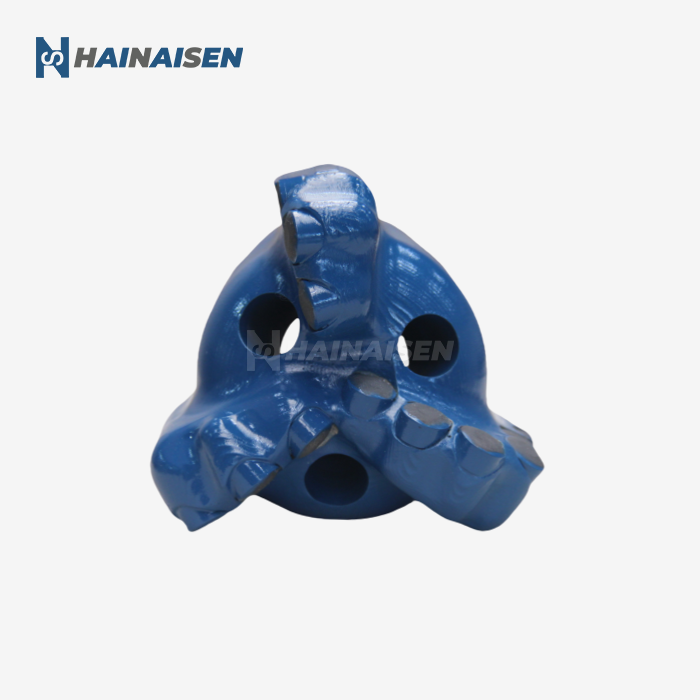
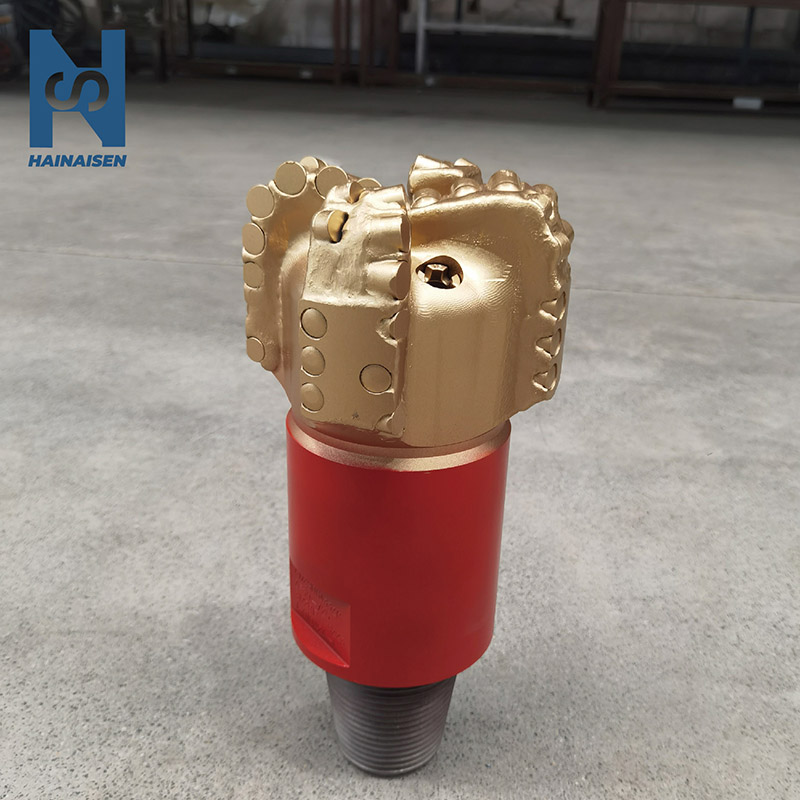
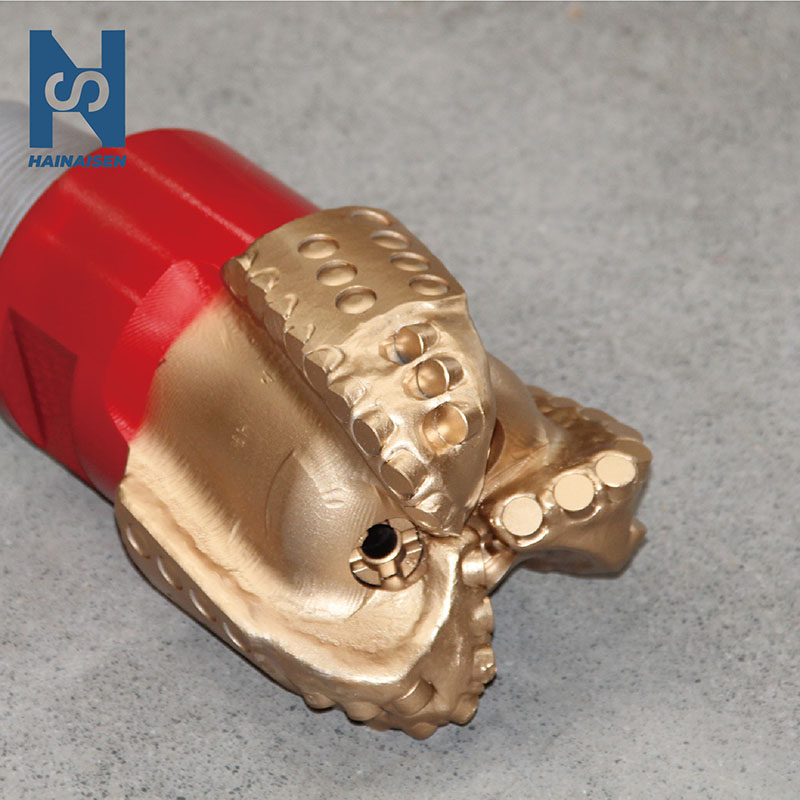
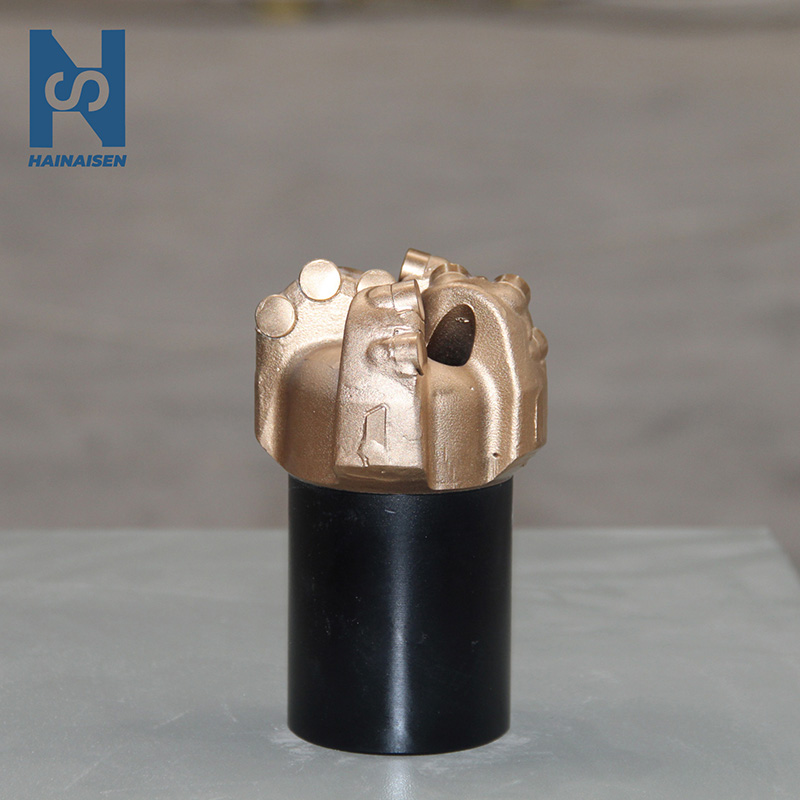
When it comes to drilling in different types of formations, 5 Blade Matrix Body PDC Drill Bitshave cutter configurations that are designed to maximize efficiency and performance. Usually, these complex bits use a five-blade configuration with a judicious placement of polycrystalline diamond compact (PDC) cutters. Primary cutters run the length of each blade, backup cutters increase durability, and gauge cutters keep the borehole diameter constant; this is the standard pattern. Drilling speeds, bit stability, and rock removal are all improved by precisely positioning and angling these cutters. Optimizing the cutter configuration with advanced computational fluid dynamics models ensures efficient hydraulics for optimal cooling and cutting removal. Because of this methodical approach to design, the bit can withstand demanding drilling conditions with less vibration, longer bit life, and superior cutting efficiency.
Optimizing Cutter Placement for Enhanced Performance
For 5 Blade Matrix Body PDC Drill Bits to work at their best, the cutters must be strategically placed. To strike a delicate equilibrium, engineers carefully plan the layout of the cutter:
Primary Cutter Configuration
The basic cutting structure is formed by the primary cutters, which are positioned along the leading edge of each blade. In order to maximize the rate of penetration (ROP) and guarantee that cutting forces are evenly distributed, the organization is meticulously planned. The optimal spacing between these cutters prevents tracking, a phenomenon where cutters lower drilling effectiveness by following the route of preceding ones.
Backup Cutter Placement
Positioned behind the primary cutters are backup cutters. These extra cutters have more than one use:
If the main cutters are worn, they provide additional cutting action.
They engage the formation and stabilize the bit if the main cutters fail.
They help make the cutting action in tougher formations more forceful.
To keep the bit cutting efficiently for its entire operational life, the placement of backup cutters is critical.
Gauge Protection and Cutting
The blades have wear-resistant features and gauge cutters on the outside edges. To prevent the bit's gauge from wearing down too far and to keep the borehole diameter constant, these parts are necessary. The bit's capacity to retain its diameter over long drilling runs is guaranteed by the arrangement of gauge cutters, which strike a compromise between strong cutting action and longevity.
Hydraulic Considerations in Cutter Layout Design
Both the hydraulic performance and the cutter configuration of 5 Blade Matrix Body PDC Drill Bits are closely related. Efficient drilling relies heavily on proper fluid dynamics, which is achieved in large part by the arrangement of the cutters.
Nozzle Placement and Junk Slot Design
The cutter layout is meticulously synchronized with the nozzle placement and trash slot design. The efficient direction of drilling fluid is guaranteed by this:
Keep the cutters from overheating and wearing down too soon.
Make sure to clean the cutting face so that the edges stay sharp.
Quickly and easily remove borehole cuttings
For optimal drilling fluid flow and cuttings removal from the bit face, the size and angle of the trash slots between the blades are tuned.
Fluid Flow Simulation
In order to study and improve the cutter layout's interaction with fluid flow, sophisticated computational fluid dynamics (CFD) models are used. Engineers can benefit from these simulations by:
Find places where fluid could be sitting still.
Make sure that all cutters are adequately coated with fluid.
Get the best possible mechanical cutting motion while keeping hydraulic efficiency at a minimum.
Bit performance and life can be drastically improved by Manufacturers using these simulations to fine-tune the cutter configuration.
Customization and Adaptability of Cutter Layouts
There is no universally applicable design for the 5 Blade Matrix Body PDC Drill Bits' cutter arrangement. You can personalize the bit design to fit your drilling conditions and operator needs with the modification choices offered by manufacturers.
Formation-Specific Designs
For best performance, different geological formations require different cutter configurations. As an example:
A less enclosed design with fewer, bigger cutters might work better with soft formations.
Cutter patterns with smaller, more numerous cuts are generally needed for harder formations.
When dealing with changes between softer and harder layers, interbedded formations may employ a hybrid layout.
To build cutter layouts that can handle the expected lithology, bit designers evaluate formation data.
Operational Parameter Considerations
The expected operational factors also impact the cutter layout:
Plans for weight-on-bit (WOB)
Varying rotary speeds
Expected hydraulic circumstances
With these considerations in mind, engineers can fine-tune the cutter architecture for maximum performance within the given operating limit.
Adaptive Design Process
By iteratively revising cutter configurations using field performance data, leading manufacturers consistently improve their products. This flexible method enables:
Implementation of practical knowledge gained from real-world experiences
Continuously improving cutter design to meet new drilling obstacles
Creation of novel layout combinations to enhance the performance of PDC bits
The 5 Blade Matrix Body PDC Drill Bits will always be the best drilling bits because of this dedication to advancement.
Conclusion
The 5 Blade Matrix Body PDC Drill Bits' cutter configurations are the product of painstaking engineering and constant improvement. These bits exhibit remarkable performance in various drilling tasks due to their harmonious combination of main cutting action, backup support, gauge protection, and hydraulic efficiency. Their adaptability and agility are further enhanced by the ability to personalize and modify these layouts to meet unique formation and operational needs.
FAQ
1. What benefits may 5 Blade Matrix Body PDC Drill Bits offer?
Increased stability during drilling, higher cutting efficiency, improved hydraulic performance for hole cleaning, and increased longevity in varied formation types are just a few of the benefits of using 5 Blade Matrix Body PDC Drill Bits. These bits are great for a variety of drilling tasks because their five-blade design strikes a good mix between bit stability and powerful cutting action.
2. What role does the matrix body have in PDC drill bit performance?
When contrasted with steel-bodied bits, PDC drill bits' matrix bodies provide greater heat stability and wear resistance. The PDC cutters are less likely to degrade due to heat because of this design's improved heat dissipation. Bit performance and durability in harsh drilling conditions are both improved by the ability to modify the matrix material to meet the needs of certain formations.
3. Can you use the 5 Blade Matrix Body PDC Drill Bits in any kind of formation?
Although 5 Blade Matrix Body PDC Drill Bits are adaptable, the formations they work best in determine their efficacy. For forms ranging from mild to medium-hard, they work exceptionally well. Different cutter configurations or specific bit designs may be necessary for very hard or abrasive formations. In order to choose the best bit for a certain set of geological circumstances, it is crucial to talk to drilling engineers or bit makers.
4. What is the recommended replacement frequency for 5 Blade Matrix Body PDC Drill Bits?
A number of variables, such as formation hardness, drilling settings, and bit design, determine how often 5 Blade Matrix Body PDC Drill Bits need to be replaced. These bits have the potential to drill for long periods of time, occasionally finishing entire portions of wells, under the right conditions. To find out when to replace it, make sure the drill is working efficiently, and avoid problems downhole, regular inspection and performance monitoring are essential.
5 Blade Matrix Body PDC Drill Bits: Advanced Solutions for Efficient Drilling | HNS
At Shaanxi Hainaisen Petroleum Technology Co., Ltd., we specialize in providing cutting-edge drilling solutions, including our advanced 5 Blade Matrix Body PDC Drill Bits. Our products are designed to meet the demanding requirements of oil and gas drilling, coal mining, and various other drilling applications. With our state-of-the-art 3,500m² facility equipped with 5-axis machining centers and CNC machine tools, we ensure precision manufacturing and consistent quality in every bit we produce.
Our dedicated R&D team is committed to continuous innovation, developing customized bit designs to address specific drilling challenges. Whether you're a large oil service company seeking high-performance bits for complex formations or a coal mining operation looking for cost-effective drilling solutions, we have the expertise to meet your needs.
To learn more about our 5 Blade Matrix Body PDC Drill Bits and how they can improve your drilling operations, please contact our team of experts. We're ready to provide you with detailed product information, custom design consultations, and competitive pricing options. Reach out to us at hainaisen@hnsdrillbit.com to start optimizing your drilling performance today.
References
1. Smith, J.R. (2021). Advanced PDC Bit Design: Optimizing Cutter Layout for Enhanced Performance. Journal of Petroleum Technology, 73(5), 62-68.
2. Chen, D., & Lin, Y. (2020). Computational Fluid Dynamics in PDC Bit Design: Improving Hydraulic Efficiency and Cutting Removal. SPE Drilling & Completion, 35(3), 301-315.
3. Williams, M.A., & Thompson, P.K. (2019). Matrix Body PDC Bits: Material Innovations for Extreme Drilling Environments. Offshore Technology Conference Proceedings, OTC-29573-MS.
4. Garcia, R.L., et al. (2022). Adaptive Cutter Layout Strategies for PDC Bits in Variable Formation Drilling. SPE/IADC Drilling Conference and Exhibition, SPE-208770-MS.
5. Zhao, H., & Liu, X. (2018). Optimizing Blade Count and Cutter Placement in PDC Bit Design: A Computational Approach. Journal of Petroleum Science and Engineering, 164, 238-248.
6. Brown, T.C., & Davis, E.R. (2020). Field Performance Analysis of 5-Blade Matrix Body PDC Bits in Diverse Geological Settings. IADC/SPE Asia Pacific Drilling Technology Conference, IADC/SPE-201073-MS.