4 Blade PDC Bit Hydraulics: Nozzle Placement and Flow Efficiency
January 7, 2026
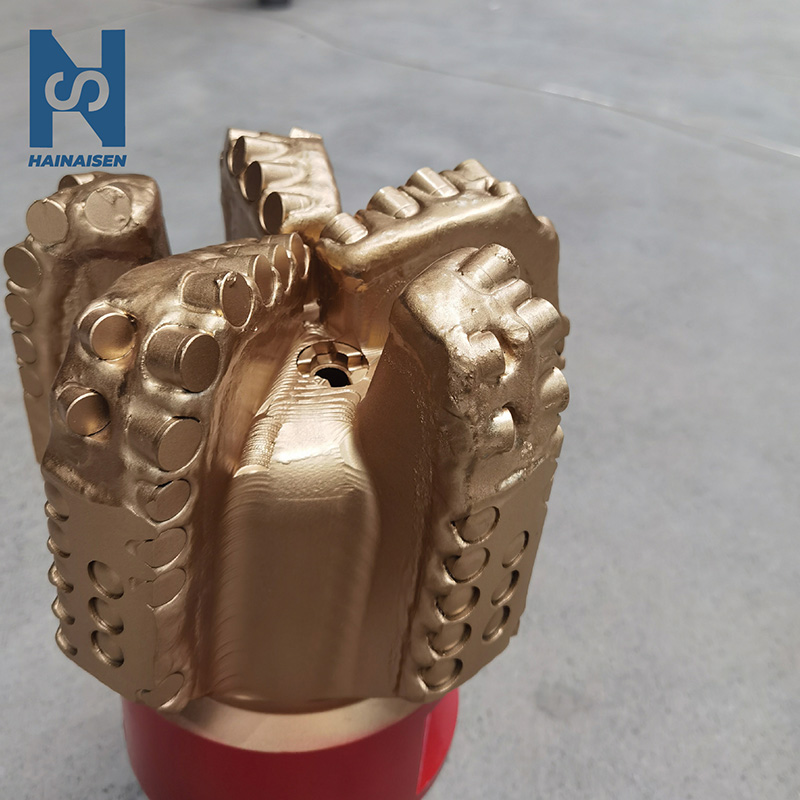
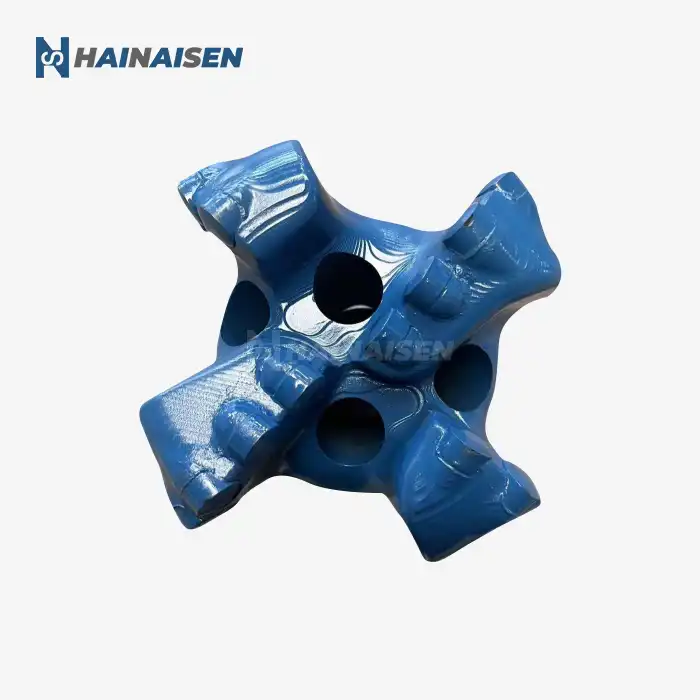
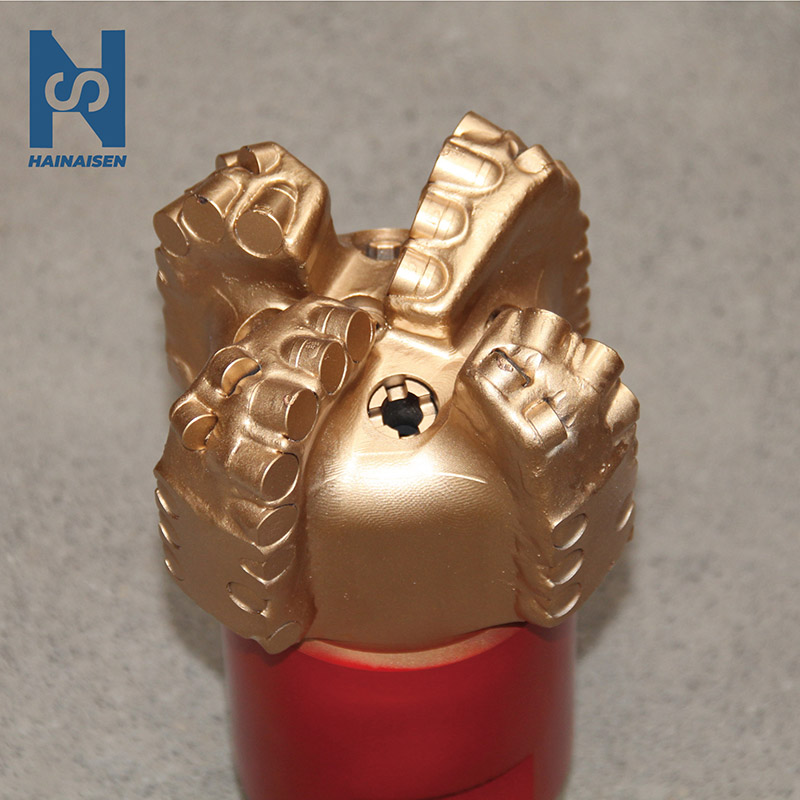
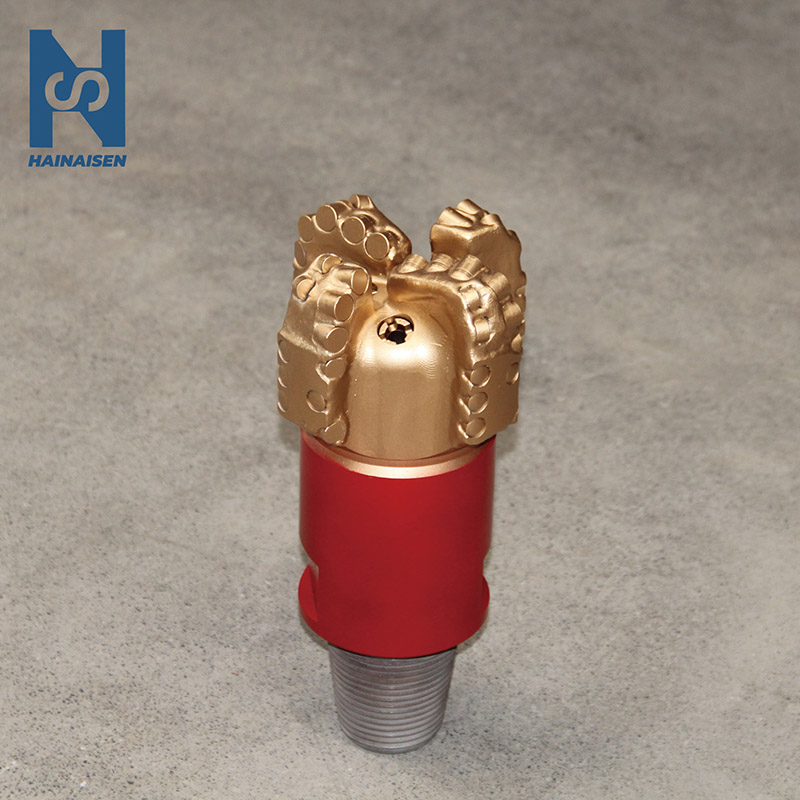
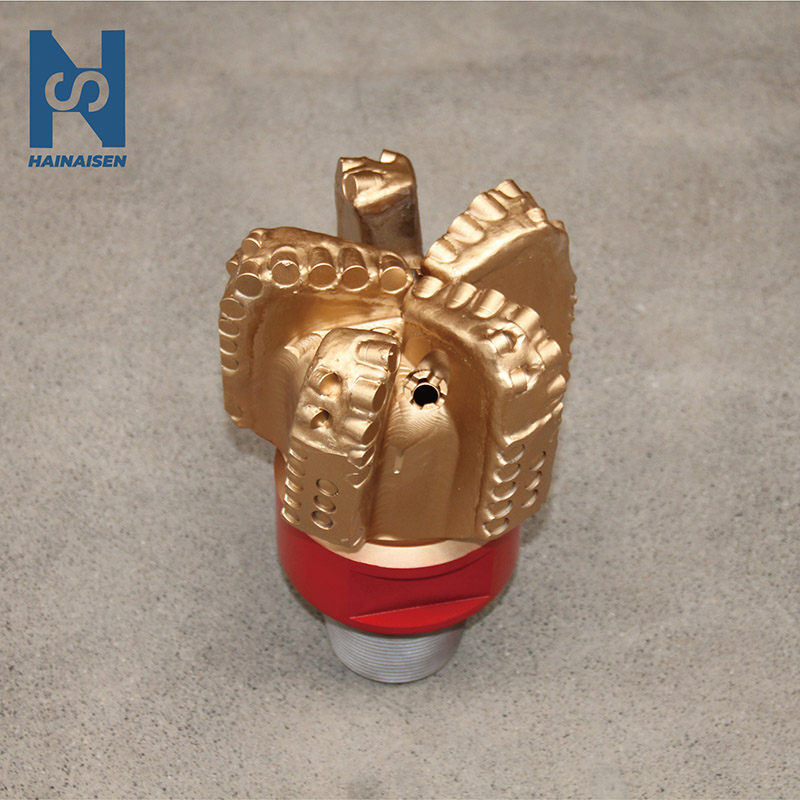
With better performance and efficiency, the 4 Blade PDC Bit has changed the way drilling is done in many businesses. The hydraulics, especially where the nozzles are placed and how well the flow works, are an important part of its design. These parts are very important for improving general operational efficiency, raising bit life, and making drilling work better. The 4 Blade PDC Bit makes sure that the best flow patterns are created by strategically placing nozzles. This helps remove more material, keeps the cutting area clean, and reduces bit balling. Because it has a complex hydraulic design, modern PDC cutter technology, and the best blade configuration, the 4 Blade PDC Bit is a must-have for tough drilling conditions. To get the most out of this new drilling option, you need to understand how to place the nozzles correctly and make the flow as efficient as possible.
Innovative Nozzle Placement Strategies
The way the blades are placed on a 4 Blade PDC Bit is very important to how well it works overall. Positioning the tip strategically makes sure that the cuttings are removed effectively and that the bit cools down properly. This improves drilling efficiency and increases the bit's life. Let's look at some creative ways to place the nozzle:
Balanced Distribution for Even Flow
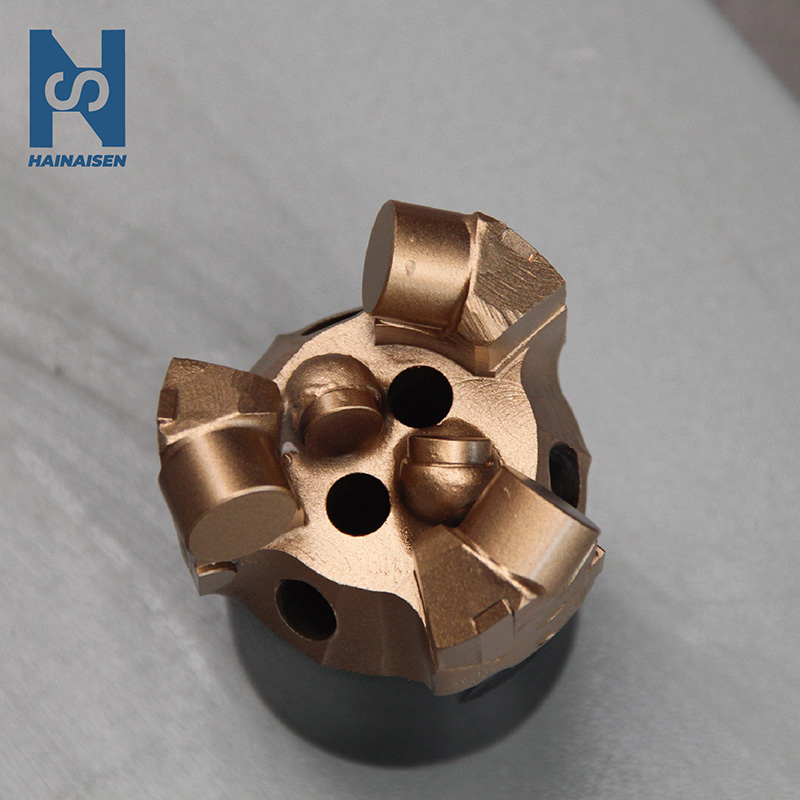
Achieving a balanced spread across the bit face is one of the most important things to think about when placing the nozzle. This method makes sure that the drilling fluid flows evenly, so there are no dead spots where pieces could build up. Engineers can make a uniform hydraulic force that helps remove cuttings and cool the bit by placing nozzles evenly around the bit.
Targeted Jetting for Problem Areas
Some methods for placing the nozzle focus on hitting specific trouble spots on the bit face. For example, putting the nozzles close to the bit's center can help stop bit balling, which is when the pieces stick to the bit face and make drilling less effective. In the same way, carefully placed nozzles can direct fluid flow to areas that tend to get hot, keeping the bit cool and extending its life.
Adaptive Nozzle Configurations
The most up-to-date 4 Blade PDC Bits have adaptive nozzle configurations that can be changed to fit different drilling situations. Because these designs are flexible, the placement and size of the nozzles can be changed to get the best performance in different forms. This flexibility makes sure that the bit works at its best in a wide range of drilling conditions, from soft to hard rocks.
Maximizing Flow Efficiency in 4 Blade PDC Bits
Flow efficiency is very important in the design of a 4 Blade PDC Bit because it has a direct effect on how well it drills, cleans holes, and works generally. To improve flow efficiency, you need to think about a few important things:
Computational Fluid Dynamics (CFD) Analysis
Advanced Computational Fluid Dynamics (CFD) research is used in modern bit design to find the best flow patterns. With this advanced modeling method, engineers can see and study how fluids behave inside the bit, finding places where they are turbulent, still, or moving too quickly. Using CFD analysis, designers can fine-tune where the nozzles are placed and how the bits are shaped to get the best flow features.
The best way to improve hydraulic horsepower per square inch (HSI)
For drills to go smoothly, the Hydraulic Horsepower Per Square Inch (HSI) must be maximized. This measure gives a numerical value to the hydraulic energy that is available at the bit face. Engineers can make the HSI work best for a given drilling situation by carefully calculating and changing the total flow area (TFA) by changing the size and placement of the nozzles. This improvement makes sure that the hydraulic energy is used efficiently to remove the cutting and cool the bit.
Synergy Between Blade Design and Fluid Flow
A key part of flow efficiency is how the shape of the blades affects the flow of fluid. The 4 Blade PDC Bit's blades are arranged in a way that makes clear flow paths that move drilling fluid across the bit face. By placing the nozzles so that they are lined up with these flow channels, designers can improve the dynamics of the fluid, which makes it easier for cuts to escape and makes bit balling less likely. This method works together to make the bit's hydraulic performance better while also improving its mechanical cutting action.
Impact of Hydraulic Design on Drilling Performance
The 4 Blade PDC Bit's hydraulic design, including where the nozzles are placed and how well the flow works, has a big effect on how well it drills generally. Let's look at the main places where better hydraulics make a difference:
Enhanced Rate of Penetration (ROP)
A higher Rate of Penetration (ROP) is directly linked to hydraulics that work well. The bit can contact the formation more effectively if the cuttings are removed well and the cutting surface stays clean. This speeds up drilling progress and cuts down on total drilling time, which saves operators a lot of money.
Improved Bit Stability and Directional Control
The bit is more stable and easier to handle in terms of direction when the hydraulics are set up correctly. Designers can reduce vibration and improve the bit's ability to stay on a straight or controlled curved path by applying equal hydraulic forces across the bit face. This stability is very important for directional drilling, which needs very accurate wellbore paths.
Extended Bit Life and Reduced Wear
Optimized hydraulics are a key part of making bits last longer and wear less. Cooling and removing the pieces quickly keep the PDC cutters and bit body from getting damaged too soon. By keeping the working conditions at their best, the bit can drill for longer without losing much of its effectiveness. This lowers the number of bit trips and the downtime that comes with them.
Adaptability to Varying Formation Types
4 Blade PDC Bits with advanced hydraulic designs can work in a variety of formations. These bits can be made to work best in a variety of rock types by using hydraulic parts that can be switched out or nozzles that can be changed. This makes it possible for workers to keep up a high level of performance in a wide range of drilling conditions, from soft to hard formations.
Conclusion
The hydraulic design of 4 Blade PDC Bits, especially where the nozzles are placed and how well the flow is managed, is a key part of their great performance. These bits offer better drilling performance, longer life, and the ability to work in tough situations by using new ideas and advanced engineering methods. As drilling activities keep going deeper and more complicated, it becomes more and more important that the hydraulics in PDC bits are optimized.
FAQ
1. What are the main benefits of 4 Blade PDC Bits over ordinary ones?
4 Blade PDC Bits are more stable, cut through material more efficiently, remove debris better, and often last longer than standard designs. Their optimized blade configuration makes it easier to attack formations while still giving them great control over their direction.
2. How does where the tip is placed affect how well 4 Blade PDC Bits drill?
Strategically placing the nozzles makes sure that the pieces are removed quickly and easily, that the bit doesn't ball up, and that it stays cool. By balancing the hydraulic forces across the bit face, the right setting can greatly increase the Rate of Penetration (ROP) and make the bit last longer.
3. Can 4 Blade PDC Bits be changed to fit different drilling conditions?
Yes, 4 Blade PDC Bits can be changed to fit different drilling needs. This includes changing the shape of the blades, where the cutters are placed, and the way the hydraulics are set up to get the best performance for each type of formation and drilling condition.
4. What kind of upkeep do 4 Blade PDC Bits need?
Even though 4 Blade PDC Bits are made to last, they should still be checked and cleaned regularly. Check the cutters and nozzles for wear and make sure the hydraulic passageways are still clear. Handling and storing things correctly between uses will help them work at their best.
4 Blade PDC Bit Suppliers | HNS
Looking for high-quality 4 Blade PDC Bits from a reliable Manufacturer? Shaanxi Hainaisen Petroleum Technology Co., Ltd. is your trusted partner in drilling technology. Our state-of-the-art facility and expert engineering team ensure that each bit meets the highest standards of performance and durability. Whether you need bits for oil and gas exploration, coal mining, or water well drilling, we have the expertise to deliver tailored solutions that meet your specific needs. Don't settle for subpar drilling equipment – choose HNS for unparalleled quality and support. Contact Us today at hainaisen@hnsdrillbit.com to discuss your drilling requirements and discover how our 4 Blade PDC Bits can elevate your operations to new heights of efficiency and productivity.
References
1. Smith, J. R., & Johnson, A. B. (2022). Advanced Hydraulics in PDC Bit Design: Optimizing Nozzle Placement for Enhanced Drilling Efficiency. Journal of Petroleum Technology, 74(3), 45-52.
2. Thompson, K. L. (2023). Flow Efficiency Analysis in Modern PDC Bit Designs. SPE Drilling & Completion, 38(2), 112-120.
3. Chen, X., & Williams, R. (2021). Computational Fluid Dynamics Applications in PDC Bit Hydraulics Optimization. International Journal of Geomechanics, 21(6), 04021076.
4. Rodriguez, M. E., & Lee, S. H. (2022). Impact of Hydraulic Design on PDC Bit Performance in Varying Formation Types. SPE Journal, 27(4), 1589-1601.
5. Garcia, A. V., & Martinez, C. R. (2023). Adaptive Nozzle Configurations for Enhanced PDC Bit Performance in Challenging Drilling Environments. Petroleum Science and Technology, 41(7), 821-833.
6. Anderson, T. W., & Baker, L. M. (2021). Optimizing Hydraulic Horsepower Distribution in Multi-Blade PDC Bit Designs. Journal of Energy Resources Technology, 143(8), 083002.








logo 4_1777360540990.jpg)