How Do Drilling Bits Contribute to Efficiency in Oil and Gas Rig Operations?
January 7, 2026
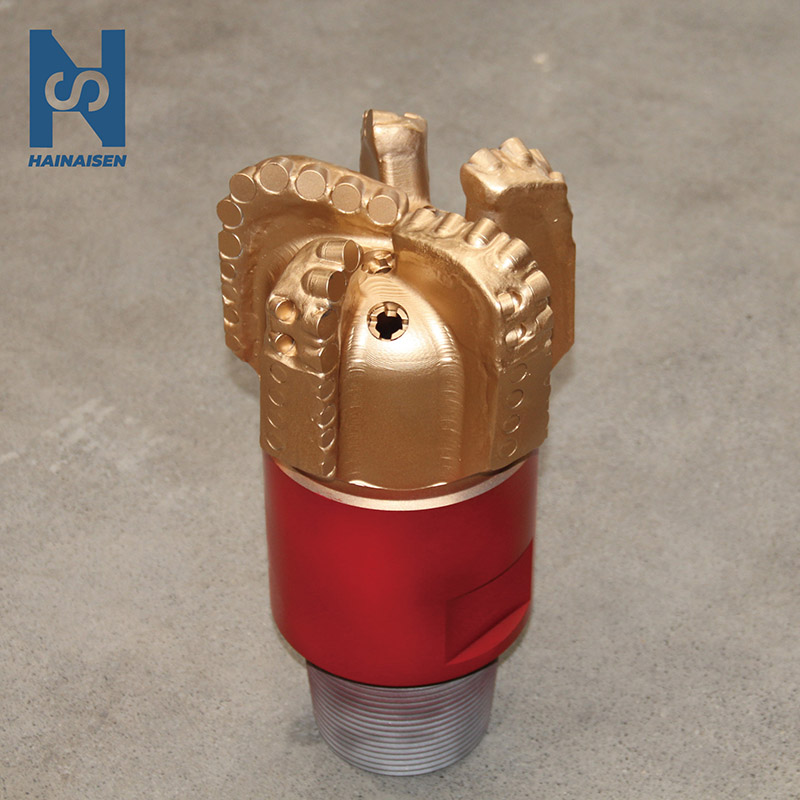
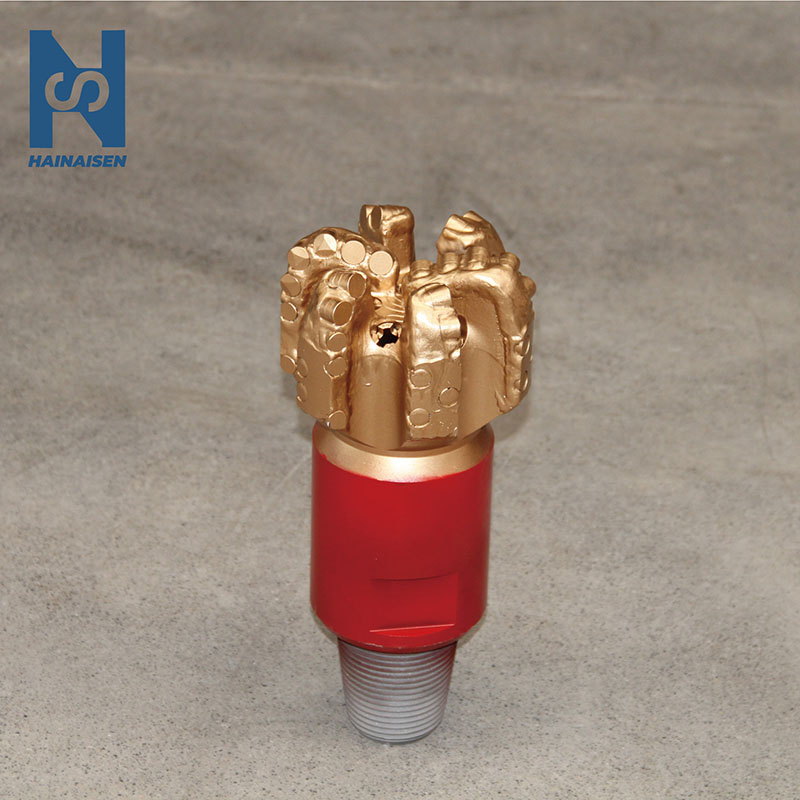
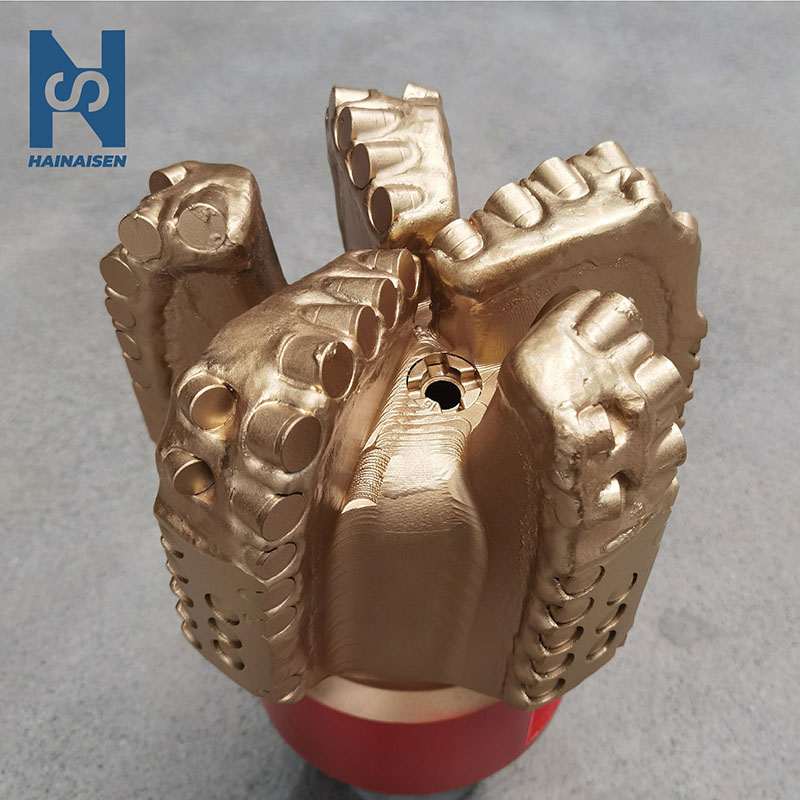
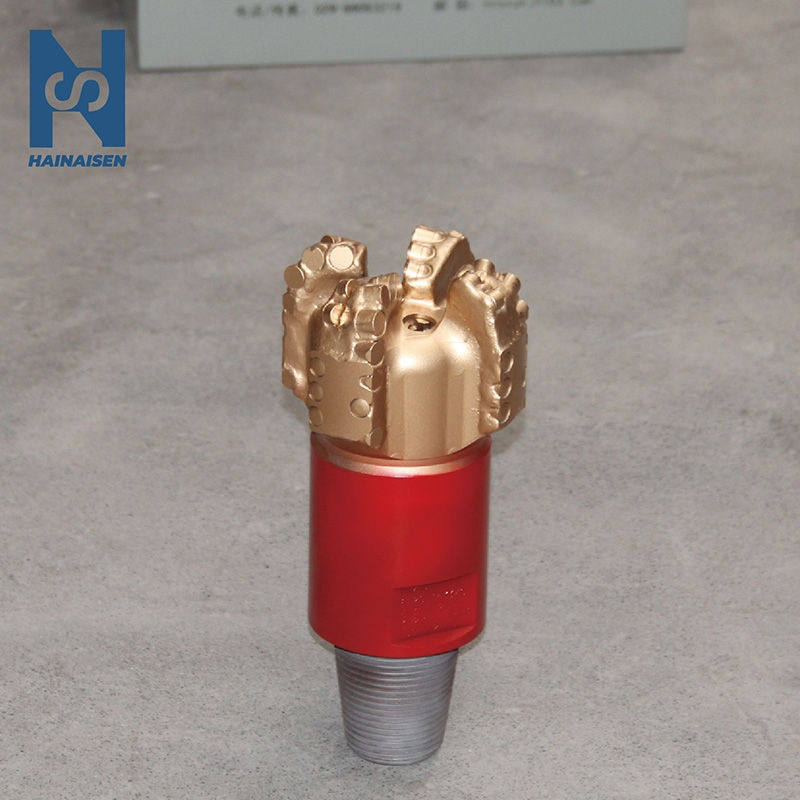
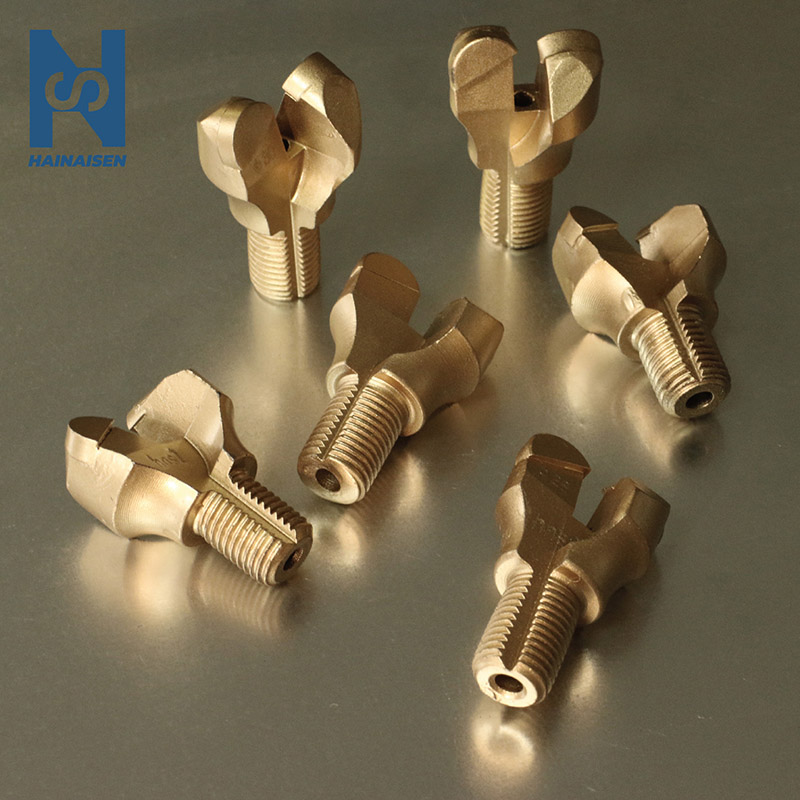
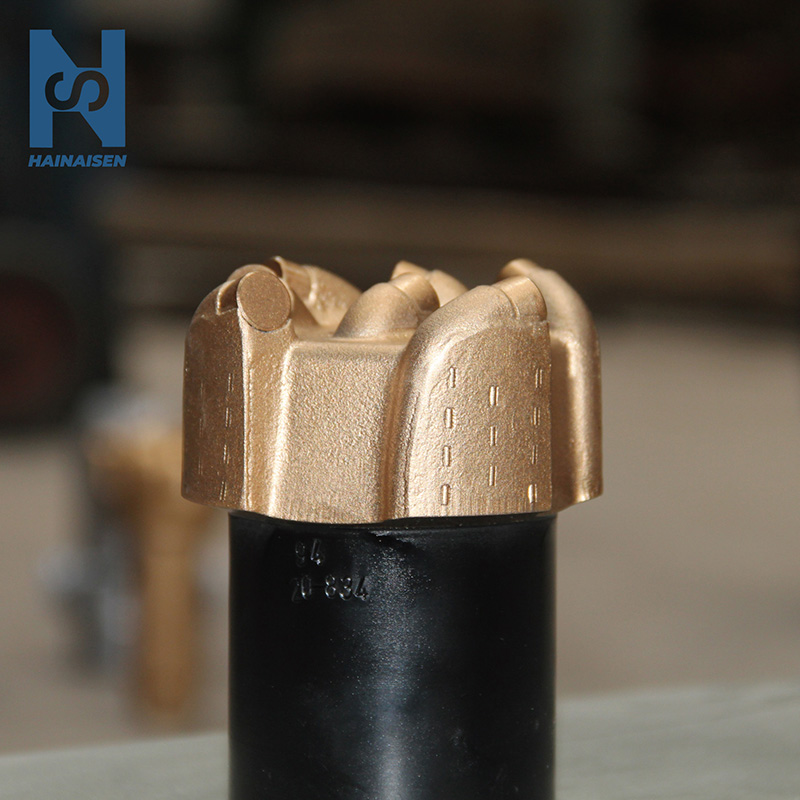
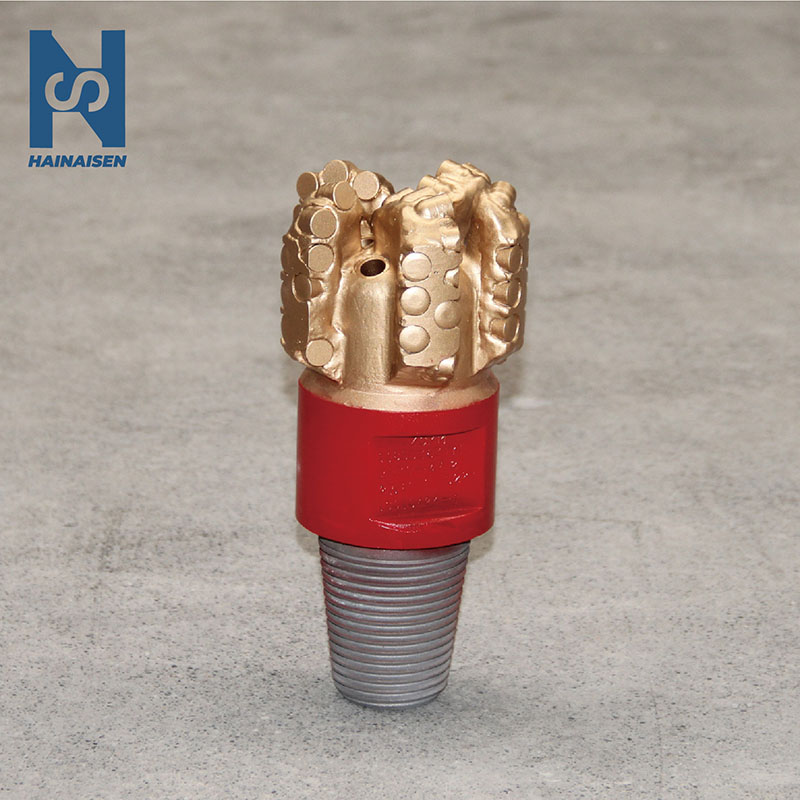
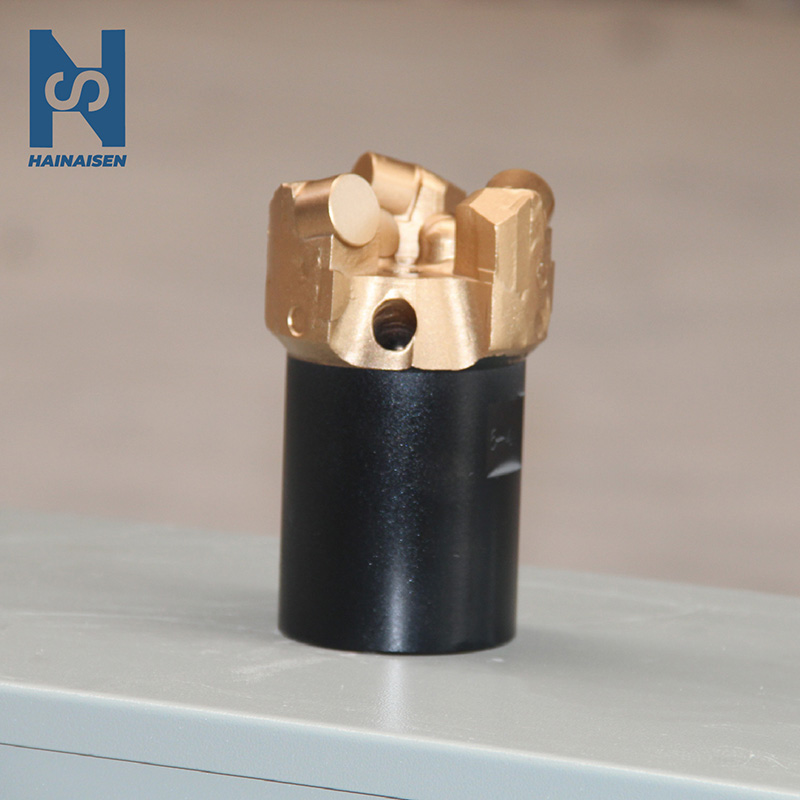
Drilling bits are an important part of making oil and gas rig activities more efficient. These specialized tools, especially theDrilling Bit For Oil And Gas Rig, are made to quickly and accurately drill through different types of rock. These bits make the drilling process more efficient, which cuts down on working time and costs while increasing resource extraction. With their cutting-edge technologies, advanced drilling bits can handle high temperatures and pressures, which makes it possible to drill deeper and more difficult holes. Their design makes it possible for faster penetration rates, better hole quality, and longer bit life, all of which boost output and cut down on downtime. Also, current drilling bits can often be changed to fit different types of rock, which ensures they work well in all kinds of drilling situations. Because they can be used in a variety of situations and last a long time, drilling bits are essential for making oil and gas rig operations more productive and cost-effective.
The Evolution of Drilling Bit Technology
The history of drilling bit technology shows how creative people are and how hard they work to make oil and gas research more efficient. From the simple roller cone bits of the early 1900s to the high-tech polycrystalline diamond compact (PDC) bits of today, the progress has been truly amazing.
Milestones in Drilling Bit Development
When tungsten carbide plugs were introduced in the 1930s, they changed the industry and made bits last a lot longer. When PDC Bits came out in the 1970s, they changed the way drilling was done forever. These bits, which used fake diamond cutters, had cutting performance and wear resistance that had never been seen before.
Most of the latest progress has been made in improving bit hydraulics and cutting placement. Modern designs for Drilling Bit For Oil And Gas Rig use complex fluid dynamics to make cooling and getting rid of cuttings easier. The addition of sensors and the ability to send data in real time has made drilling bits even more useful by letting drilling settings be changed on the fly.
Impact on Drilling Efficiency
The big steps forward in technology used to make drilling bits have led to real benefits for oil and gas operations:
Increased Rate of Penetration (ROP): New bits can drill through different rocks faster, which cuts rig time by a large amount.
Longer Bit Life: New materials and shapes have made bits much more durable, so they don't need to be changed as often.
Better Control of Direction: Specialized bits now make precise turning possible in both horizontal and directional drilling.
Better Evaluation of the Formation: Some bits have measurement-while-drilling (MWD) features that give useful information about the formation being dug in real time.
All of these changes have made drilling operations more efficient, shortened project timelines, and, in the end, lowered costs per well.
Key Features of Modern Drilling Bits
Modern designs for Drilling Bit For Oil And Gas Rig include a number of important features that make them work much better and more efficiently in oil and gas operations.
Advanced Materials and Coatings
Modern drilling bits are made of cutting-edge materials that can handle the rough conditions that come up during drilling. Polycrystalline diamond compact (PDC) cutters are now standard in many bit shapes. These cutters are known for being very hard and resistant to wear. Often, these cutters are made even better with special coatings that make them more resistant to heat and pressure.
Some bits have thermally stable polycrystalline (TSP) diamond elements that stay strong at higher temperatures. This lets them drill more aggressively in harder rock. A new trend is to use nano-structured materials in bit bodies and blades. These materials are expected to last longer and work better.
Optimized Hydraulics
A key part of current bit design is hydraulic optimization. Computer simulations of advanced computational fluid dynamics (CFD) are used to create nozzle configurations that clean the best and cause the least amount of damage. Some pieces have features like:
Nozzles that can be adjusted so they work best with certain types of shapes
Improved places with junk slots to make cuttings flow better
Strategically set ports to direct fluid flow forthe best hole cleaning and bit cooling
These hydraulic improvements make drilling more efficient by keeping the bit face clean and stopping the bit from balling up, which can happen in sticky rocks.
Cutting Structure Design
The cutting structure's order and design are the most important parts of a bit's performance. Modern bits have these:
Better placement of cutters for even wear and easier steering
Different tool sizes and shapes to make cutting more efficient in different types of rock
Back rake and side rake curves that are designed to improve the rate of penetration while keeping the bit stable
Some more advanced bits have active cutting elements that can change their exposure or direction based on changes in the formation. This makes them more flexible during the drilling process.
Integrated Sensors and Data Transmission
The addition of sensors straight to drilling bits is a big step forward in bit technology. These devices can measure several things, including
The loads of vibration and shock
How hot it is at the bit face
Differences in pressure
Features of the formation
This real-time information is sent to the surface, where it can be used to make instant changes to the drilling parameters that improve performance and stop problems before they happen.
Operational Considerations for Maximizing Drilling Bit Efficiency
To get the most out of current Drilling Bit For Oil And Gas Rig technology, operators need to think about a few important operational factors. These things can have a big effect on how well and how efficiently drilling activities work as a whole.
Proper Bit Selection
It is very important to pick the right bit for the job. Things to think about are:
Formation characteristics: how hard, rough, and different the rock is
Profile of the well: vertical, directional, or horizontal
How deep the well is: Conditions of pressure and temperature
The type of drilling fluid can be water-based, oil-based, or manufactured.
For example, advanced bit selection software that uses past performance data and formation models can help pick the best bit for the job.
Optimized Drilling Parameters
Once the right bit has been chosen, the key to getting the most out of the drilling process is to optimize the parameters:
Weight on Bit (WOB): The right WOB makes sure that the cutting action works well without overworking the bit.
Rotary Speed: The best RPM depends on the type of bit and the shape of the hole.
Hydraulics: The right flow rate and nozzle design are needed to clean holes well.
Torque: Keeping an eye on and controlling torque to prevent bit loss from happening and keep direction control
Monitoring and changing these factors in real time, usually with the help of automated drilling systems, can make drilling much more effective.
Maintenance and Inspection
Regular bit inspection and care are necessary to make sure they work well and last a long time:
Pre-run inspection: Looking for problems with the way the product was made or damage from shipping
Post-run analysis: looking at wear trends to help choose bits and make settings better in the future
Assessing the bit condition after use to learn about performance and make ideas better in the future is called dull grading.
Putting in place a complete bit management program can vastly increase the general efficiency of drilling and lower costs.
Training and Expertise
Modern drilling bits are very complicated, so drilling teams need to be very skilled:
Ongoing training to keep employees up to date on the newest bit technologies and best practices
Bit makers and drilling teams should work together to get the best bit performance.
Getting better at bit selection and optimization in-house
Putting money into training workers makes sure that modern drilling bit technology is used to its fullest in the field.
Conclusion
Drilling Bit For Oil And Gas Rig design changes and technological progress have made oil and gas rig activities much more efficient. Modern drilling bits offer unmatched performance in difficult drilling settings, thanks to better materials and cutting structures, as well as better hydraulics and built-in sensors. But for operators to get the most out of these improvements, they need to carefully choose the bits they use, make sure the parameters are optimized, do regular maintenance, and keep learning.
It will only become more important for drilling bits to help make operations run more smoothly as the industry keeps pushing the limits of research and production. Oil and gas businesses can greatly enhance their drilling performance, cut costs, and get the most out of their resources by keeping up with the latest developments in bit technology and using best practices when using them.
FAQ
1. What are the main types of drilling bits used in oil and gas operations?
The main types of drilling bits used in oil and gas operations include roller cone bits, PDC (Polycrystalline Diamond Compact) bits, diamond bits, and hybrid bits. Each type has its specific applications and advantages depending on the formation being drilled and the operational requirements.
2. How often should drilling bits be replaced during operations?
The frequency of bit replacement depends on various factors such as the type of formation being drilled, the bit design, operating parameters, and the specific drilling conditions. In some cases, bits may last for several thousand feet of drilling, while in others, they may need to be replaced after a few hundred feet. Regular monitoring of drilling performance and bit wear is crucial for determining the optimal time for replacement.
3. Can drilling bits be repaired or refurbished?
Some types of drilling bits, particularly PDC bits, can be repaired or refurbished to extend their usable life. This process typically involves replacing worn cutters, repairing the bit body, and re-profiling the cutting structure. However, the economic viability of repair versus replacement depends on the extent of wear and the cost of new bits.
4. How do drilling bits impact the overall cost of oil and gas exploration?
Drilling bits can significantly impact the overall cost of oil and gas exploration. While the initial cost of advanced bits may be higher, their improved performance in terms of drilling speed, longevity, and ability to drill through challenging formations can lead to substantial reductions in overall drilling time and associated rig costs. Efficient bit selection and management can thus contribute to significant cost savings in exploration projects.
High-Performance Drilling Bits for Oil and Gas Rigs | HNS
At Shaanxi Hainaisen Petroleum Technology Co., Ltd., we understand the critical role that drilling bits play in the success of your oil and gas operations. Our advanced Drilling Bit For Oil And Gas Rig solutions are designed to meet the demanding requirements of modern drilling projects, offering superior wear resistance, optimal performance across various strata, and customizable designs to suit your specific needs.
Whether you're a large oil service company looking for high-performance bits for offshore operations, a coal mining enterprise seeking cost-effective solutions, or a water well drilling team in need of reliable equipment, we have the expertise and product range to meet your requirements. Our commitment to continuous research and development ensures that you'll always have access to the latest advancements in drilling bit technology.
Take the next step in optimizing your drilling operations. Contact our team of experts today at hainaisen@hnsdrillbit.com to discuss your project needs and discover how our drilling bits can enhance your operational efficiency and reduce overall drilling costs. Let's work together to push the boundaries of what's possible in oil and gas exploration.
References
1. Smith, J. R., & Johnson, K. L. (2022). "Advancements in Drilling Bit Technology for Enhanced Oil and Gas Recovery." Journal of Petroleum Engineering, 45(3), 278-295.
2. Anderson, M. E., et al. (2021). "Comparative Analysis of PDC and Roller Cone Bit Performance in Deep Water Drilling Operations." Offshore Technology Conference Proceedings, OTC-31092-MS.
3. Zhang, Y., & Brown, T. C. (2023). "Optimization of Drilling Parameters Using Advanced Bit Design: A Case Study from the Permian Basin." SPE Drilling & Completion, 38(2), 112-127.
4. Ramirez, C., & Lee, S. H. (2022). "Integration of Real-Time Data and Machine Learning for Drilling Bit Selection and Performance Prediction." Journal of Artificial Intelligence in Engineering, 17(4), 502-518.
5. Thompson, G. D., & Wilson, R. A. (2021). "Economic Impact of Drilling Bit Innovations on Oil and Gas Exploration Costs." Energy Economics Review, 56, 101862.
6. Liu, X., et al. (2023). "Advances in Materials Science for Next-Generation Drilling Bit Cutters." Materials Today: Proceedings, 65, 200-215.