




4 Wings Blades PDC Bit Features for Faster Penetration Rates
When it comes to maximising drilling efficiency, the 4 Wings Blades PDC Bit stands out as a game-changing tool for operations demanding rapid penetration rates. This bit design integrates four strategically positioned blades embedded with polycrystalline diamond compact cutters, creating a balanced cutting action that shears through medium-hardness formations like shale, limestone, and sandstone with remarkable speed. The four-wing configuration distributes cutting forces evenly, reducing torque fluctuations while maintaining directional stability—two factors critical for achieving faster drilling speeds without compromising hole quality or bit longevity in oil and gas, mining, and water well applications.
Understanding 4-Wing Blades, PDC Bits and Their Core Design Features
What Makes the Four-Wing Configuration Unique
The 4 Wings Blades PDC Bit plan was carefully thought out by engineers to strike a good mix between aggressive rock removal and long-term use. The 4 Wings Blades PDC Bit structure makes the best space between the blades, unlike three-wing designs that can have uneven load distribution or five-wing designs that can make it hard for cuttings to escape. This spacing makes the junk slots bigger, which are the paths that rock debris runs through to get away from the cutting face. This lets the cutting action go on without stopping. At Shaanxi Hainaisen, we use modern 5-axis machining centres in our production process to make sure that every blade shape meets exact angular requirements. This keeps the spiral geometry that is needed for effective torque management.
How Design Enhances Drilling Speed
The spiral angle, blade height, and blade width all work together to control the many forces that are at work when drilling. The shape of each blade is designed to take the most rock possible in a single turn while causing as little shaking as possible, which can slow down operations and damage downhole equipment. The exact placement of PDC cutters across the four blades makes cutting paths that meet, making sure that the borehole wall doesn't have any ridges that aren't cut. This full coverage directly leads to faster rates of progress. When used with the suggested settings (speeds between 60 and 250 RPM and drilling pressures between 10 and 100 KN), the bit keeps its cutting efficiency, so users can keep up higher penetration rates without worrying about it breaking too soon.
Drilling Performance and Applications of 4-Wing Blades PDC Bits
Real-World Penetration Speed Advantages
In real-life field situations, operators of oil drilling drill bits always say that 4-Wing Blades PDC Bits have 30–50% better penetration rates than roller cone bits in the same types of formations. This speed benefit comes from the fact that PDC cutters cut continuously, while roller cones crush. When our bits drill through medium-hard layers that can handle PDC technology, like the shale, limestone, sandstone, and gypsum rocks they're aimed at, the cutting action keeps the bit moving with little stopping. Teams that drill water wells really like this performance boost because it speeds up digging and cuts down on project times and equipment rental costs. Well-building plans that are sped up are good for oil and gas service companies, while coal-bed methane operations are better for the bottom line because they need less rig time per well.
Versatile Applications Across Industries
The 4 Wings Blades PDC Bit is very flexible, as we've seen from working with a wide range of drilling industries. In addition to their usual uses, these bits work especially well in a few specific situations that benefit from their balanced form and ability to penetrate quickly:
- Oil and Gas Exploration: The bit's steadiness during directional drilling makes it useful for getting to hydrocarbon zones that have been selected while keeping the quality of the wellbore so that it can be finished later.
- Geothermal Well Construction: Materials that can withstand high temperatures allow for long-lasting performance in places where regular bits would fail, which helps the growth of the green energy sector.
- Mining and Mineral Exploration: Moving quickly through layers of waste cuts down on the time it takes to get to ore bodies, which improves the costs of exploration and the timelines for resource assessments.
- Geological Core Sampling: Controlled entry rates and smooth cutting action protect the integrity of the core during geological core sampling, resulting in higher-quality samples for geological research.
Instead of being specialised for specific use cases, these apps are very flexible because they pay close attention to basic design principles. Because it can be used in so many situations, the 4 Wings Blades PDC Bit is a good choice for multi-sector drilling companies to keep on hand.
Comparative Analysis: 4 Wings Blades PDC Bit vs Other Bit Types: Performance Against Alternative Designs
Procurement managers can make better choices when they know how 4 Wings Blades PDC Bits stack up against other drilling tools. Three-wing PDC bits have a little more room for junk, but they also have bigger changes in torque, which can slow down drilling and make vibration-related problems more likely. Five-wing designs make torque curves smoother, but they limit hydraulic flow, which can lead to bit balling in sticky formations. Roller cone bits are better at working with highly broken or interbedded rocks, but they take a lot longer to cut through medium-hardness layers. Diamond-impregnated bits work very well in very hard layers where PDC cuts would break quickly, but they don't penetrate rock as well as PDC technology does in medium-hard rock. The 4 Wings Blades PDC Bit configuration is best for drilling through medium-hardness, low-compressive-strength formations, which make up most of the drilling video in oil and gas, water well, and mining activities.
Cost Efficiency Considerations
When buying something, the total cost of ownership must be taken into account, not just the initial purchase price. Even though 4-Wing Blades PDC Bits cost more up front than roller cone bits, they usually cost less per foot of drilling because they last longer and penetrate deeper. A bit that drills 30% faster and lasts twice as long changes the economics of a project in a big way. When water oil drilling drill bit well drilling teams are working with limited funds, this cost-effectiveness is very helpful because they can get a price edge without giving up the productivity gains that shorten project timelines. Large and medium-sized oil service businesses that do thorough cost analyses regularly back up these economics. This is why PDC technology has become the best choice for certain formations, even though it costs more to set up.
Customisation for Specific Formations
Generic bit designs rarely work best in all the different types of rock that are encountered during drilling. Our custom bit design department works directly with technical experts to make sure that the plan of the cutter, the profile of the blade, and the hydraulic features are all perfect for the formation. When working on a project that involves layers of different hardness, custom density changes for the cutter keep the penetration rates constant across the borders of the layers. Operations that drill through rough rock formations can benefit from updated PDC cutter grades that make the cutters last longer without lowering their cutting efficiency. With this customisation feature, the 4 Wings Blades PDC Bit platform goes from being a general-use tool to a formation-specific solution that makes the most of the entry rate benefits that are drawing you to PDC technology.
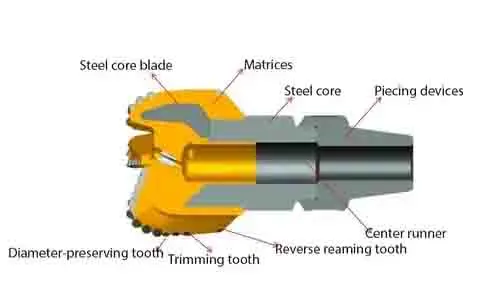
Procurement Insights for 4 Wings Blades PDC Bits
Navigating Supply Channels
Global procurement managers have to make choices about how to source products that have a big effect on the quality and dependability of those products over time. OEM makers like Shaanxi Hainaisen offer direct benefits such as technical advice when choosing bits, customisation services for specific uses, and strict quality control that holds Manufacturers accountable for how well their products work. Our 3,500-square-meter factory has full control over the whole production process, from inspecting the raw materials to checking the finished products. This ensures a level of quality that is hard for replacement options to match. When looking at 4 Wings Blades PDC Bit providers, make sure they can make the bits by checking their facility Certifications and asking for proof of their quality control methods. Major oil service companies require an inspection period because bit failures cost a lot in terms of lost work time, possible wellbore damage, and project delays that make the cost of picking bad providers even higher
Supplier Reliability and Support
Your relationship with the company that makes your bits goes far beyond the initial purchase. It's important to have technical help available when drilling conditions change unexpectedly, and parameters need to be changed or when fixing performance problems that could be caused by a number of operational factors. Our tech team stays in touch with customers on a daily basis and gives them application advice that improves bit performance and stops misuse that could void the guarantee. The guarantee terms show how confident the manufacturer is in the quality of the product. For example, full coverage shows that the manufacturer really checks the quality of the product and doesn't just hope that no bits break during the warranty time. When comparing 4 Wings Blades PDC Bit makers, look at their after-sales support systems. Find out how quickly they respond to technical questions, if new parts are available, and if they are willing to look at broken bits to find out why they broke instead of just denying warranty claims.
Optimising Drilling Operations with 4-Wing Blades PDC Bits
Selecting Bits for Formation Characteristics
To get the best entry rates, you must first match the bit specs to the conditions in the ground. Our 4 Wings Blades PDC Bits work best in medium-hardness rocks with high compressive strengths. This is because PDC cuts can keep edges sharp without chipping too much. When creation data shows interbedded sequences, talk to our engineering team about changing the layout of the cutter to deal with changes in hardness. The qualities of the drilling fluid should also be taken into account. For example, the flow rate range of 25–36 LPS for our bits makes sure that enough hydraulic energy gets to the cutting face to cool the cutters and move the debris away. When flow rates aren't high enough, cuttings can go around again, grinding against PDC cutters and speeding up wear that lowers both penetration rate and bit life. Before starting work, technical experts should check the thickness and solid content of the mud to make sure it meets the needs of the 4 Wings Blades PDC Bit.
Emerging Technologies and Future Developments
Improvements in material science keep making PDC cutters work better by making diamond synthesis and base alloys better. We actively adopt these new ideas as soon as they can be sold. This way, we make sure that our customers can benefit from new technologies without having to take risks with methods that haven't been tested yet. Digital monitoring tools are making forecast maintenance easier by keeping track of bit performance metrics that show when a device is getting close to the end of its useful life. This data-driven method keeps failures from happening out of the blue and gets the most footage out of every bit. In the future, adding sensors to bit bodies will allow for real-time formation review and automatic optimisation of drilling parameters. When you work with makers who are committed to constant improvement, your operations will be ready to use these new technologies as they become available. This will give you a competitive edge by making drills more efficient.
Conclusion
The 4 Wings Blades PDC Bit improves the penetration rate by a measured amount thanks to its carefully designed blade geometry, high-quality materials, and controlled cutting action. This bit design meets basic performance needs in medium-hardness formations, whether your business values speed in drilling water wells, cost-effectiveness in mining research, or dependability in oil and gas development. To make implementation work, you need to pay attention to choosing the right bits, keeping them in good shape, and making the most of the working parameters. This is where manufacturer help comes in very handy. As drilling technology changes, the 4 Wings Blades PDC Bit platform keeps changing too. It does this by adding new materials and the ability to be customised to fit the needs of each project.
FAQ
1. What formations work best with four-wing PDC bits?
These bits work great in shale, limestone, sandstone, and gypsum, which are all medium-hard rocks with low to middling compression strength. When rock shears smoothly instead of breaking apart randomly, the PDC cutting device works best. Different bit types may be needed for forms that are very broken or very hard. Our expert team can look over your geological data to make sure it's appropriate and suggest any changes to the plan that would make it work better in your situation.
2. How does bit life compare to roller cone alternatives?
When used in the right patterns, 4-Wing Blades PDC Bits can drill two to four times as much as roller cone bits before they need to be replaced. This longer life comes from the fact that PDC cuts don't have any moving parts and are very resistant to wear. The actual length depends on how rough the formation is, the drilling factors, and how well the equipment is maintained. Tracking success across all of your processes gives you data that you can use to make accurate predictions about life and economic comparisons.
3. Can I customise bits for specific project requirements?
Of course. Our engineering team collaborates with customers to modify cutter density, blade profile, hydraulic features, and material specifications. Customisation helps with problems like complicated rock formations, directed drilling needs, or operating limitations that aren't fully solved by standard designs. This service helps big oil service companies and specialised drilling firms get better results that make the investment in custom development worth it.
Partner with HNS for Superior Drilling Performance
Shaanxi Hainaisen Petroleum Technology Co., Ltd. offers 4 Wings Blades PDC Bits that really 4 Wings Blades PDC Bit speed up your drilling operations by combining advanced manufacturing skills with in-depth application knowledge. We are committed to more than just selling you good products. We also offer a professional relationship that helps you improve bit performance, solve problems, and keep drilling more efficiently. Our team is ready to help you succeed when you need a dependable 4 Wings Blades PDC Bit maker who knows how to meet the performance needs of oil and gas, mining, and water well uses. Email us at hainaisen@hnsdrillbit.com to talk about your unique needs and find out how our engineering skills can help you solve your drilling problems and get the faster penetration rates your projects need.
References
1. Bellin, F., & Doiron, H. H. (1985). "Polycrystalline Diamond Compact Bits: Performance Optimisation and Bit Selection." SPE Drilling Engineering, Journal of Society of Petroleum Engineers.
2. Glowka, D. A. (1989). "Use of Single-Cutter Data in the Analysis of PDC Bit Designs: Development and Application of the PDCWEAR Computer Code." Journal of Petroleum Technology, Society of Petroleum Engineers.
3. Huang, S., & Cheng, Z. (2014). "PDC Bit Technology Development and Field Application in Shale Gas Drilling." Petroleum Drilling Techniques, China National Petroleum Corporation.
4. Ledgerwood, L. W. (2007). "Downhole Vibration Measurement, Monitoring, and Modelling Reveal Stick-Slip as a Primary Cause of PDC Bit Damage." SPE Drilling & Completion, Society of Petroleum Engineers.
5. Pessier, R. C., & Fear, M. J. (1992). "Quantifying Common Drilling Problems with Mechanical Specific Energy and Bit-Specific Coefficient of Sliding Friction." SPE Annual Technical Conference, Society of Petroleum Engineers.
6. Warren, T. M., & Armagost, W. K. (1988). "Laboratory Drilling Performance of PDC Bits." SPE Drilling Engineering, Society of Petroleum Engineers Publications.
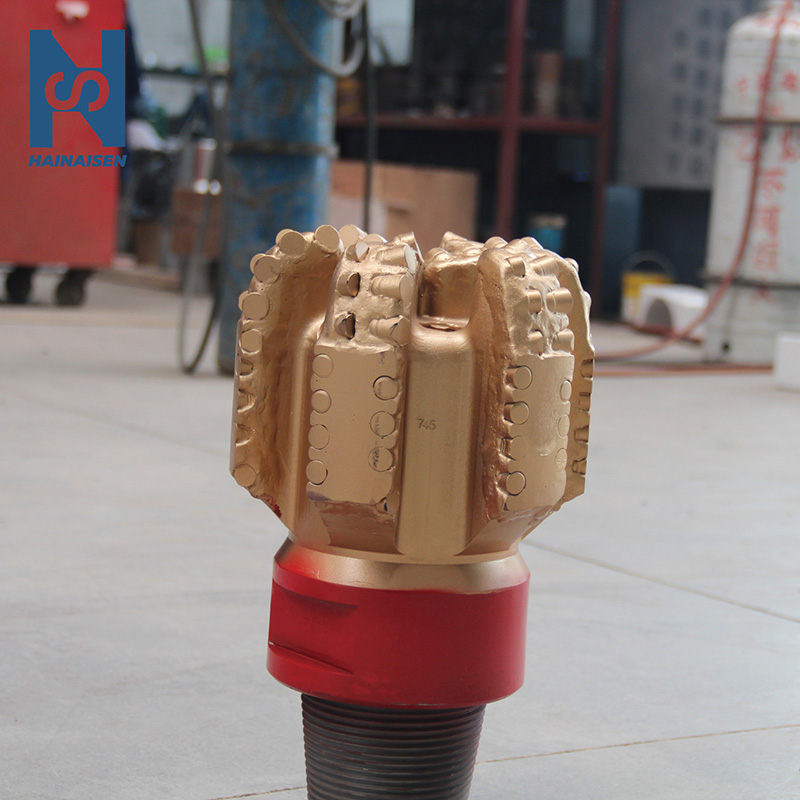 VIEW MOREDiamond Drill Bit Oil Rig
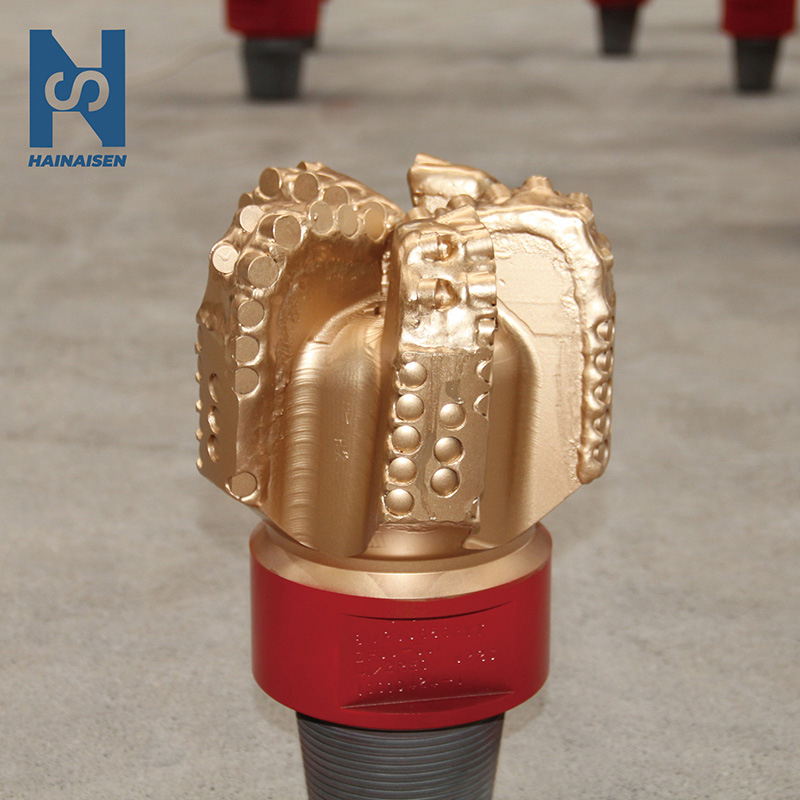 VIEW MORE5 Blades PDC Oil Bit
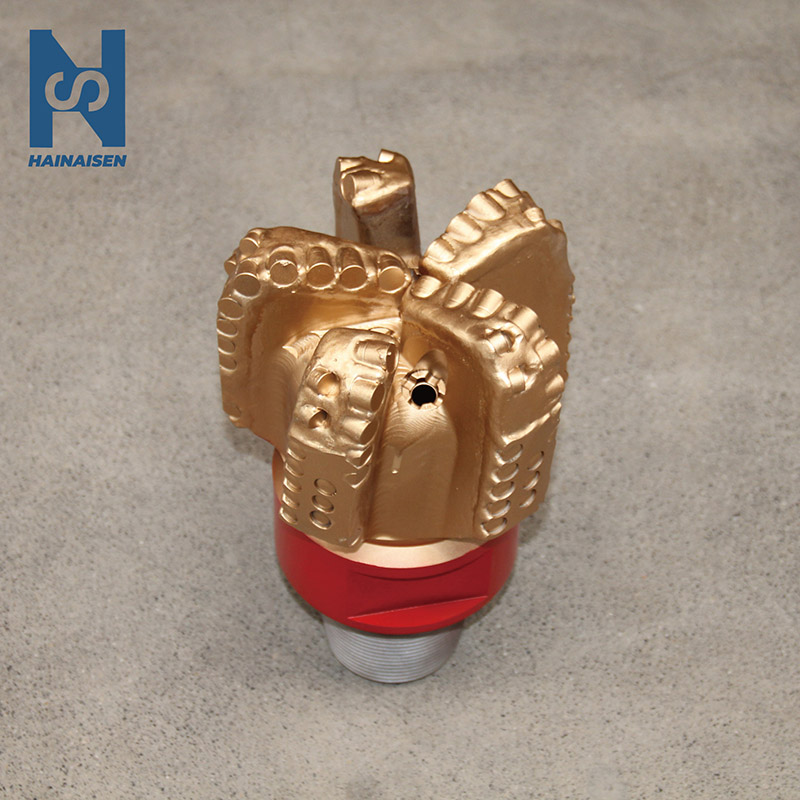 VIEW MOREDrilling Bit For Oil And Gas Rig
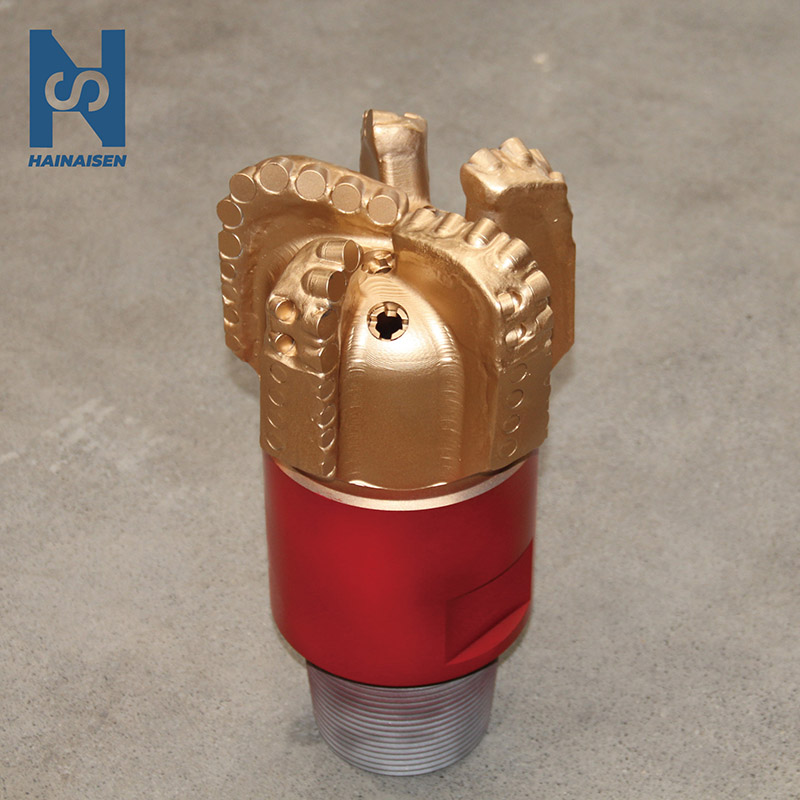 VIEW MOREFive Blades Oil Well Drill Head
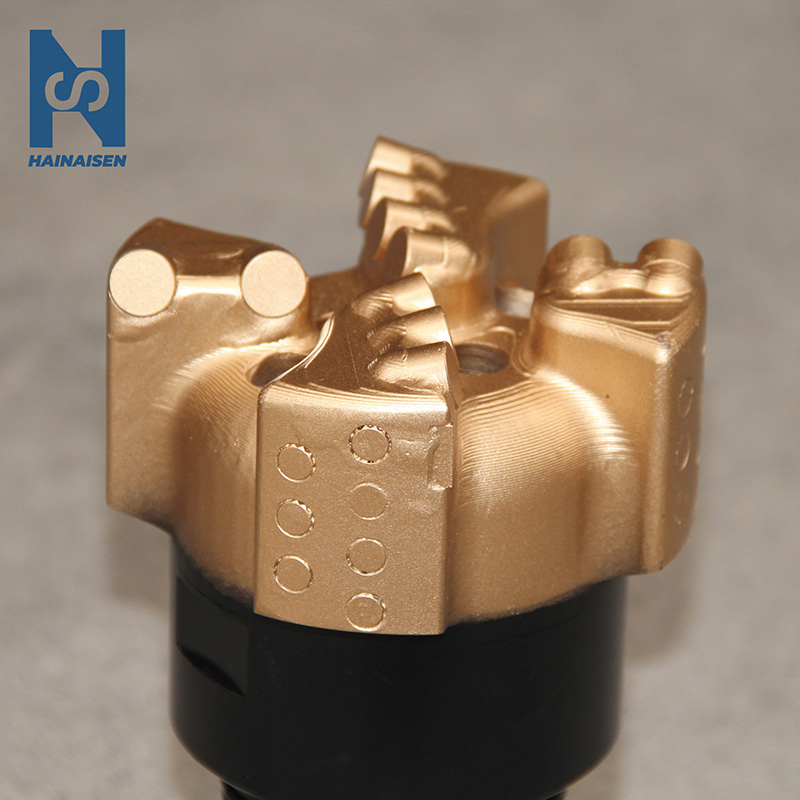 VIEW MOREDirectional Well PDC Drill Bit
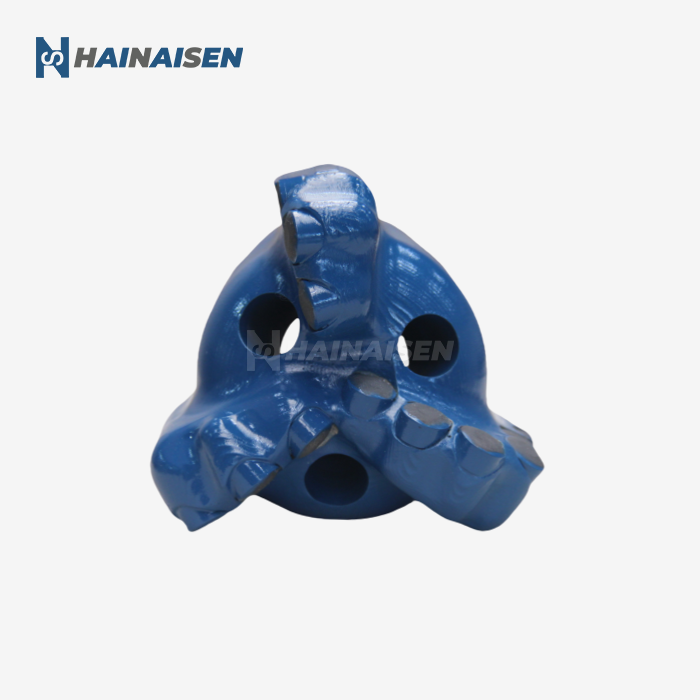 VIEW MORE113mm PDC Arc Angle Drill Bit
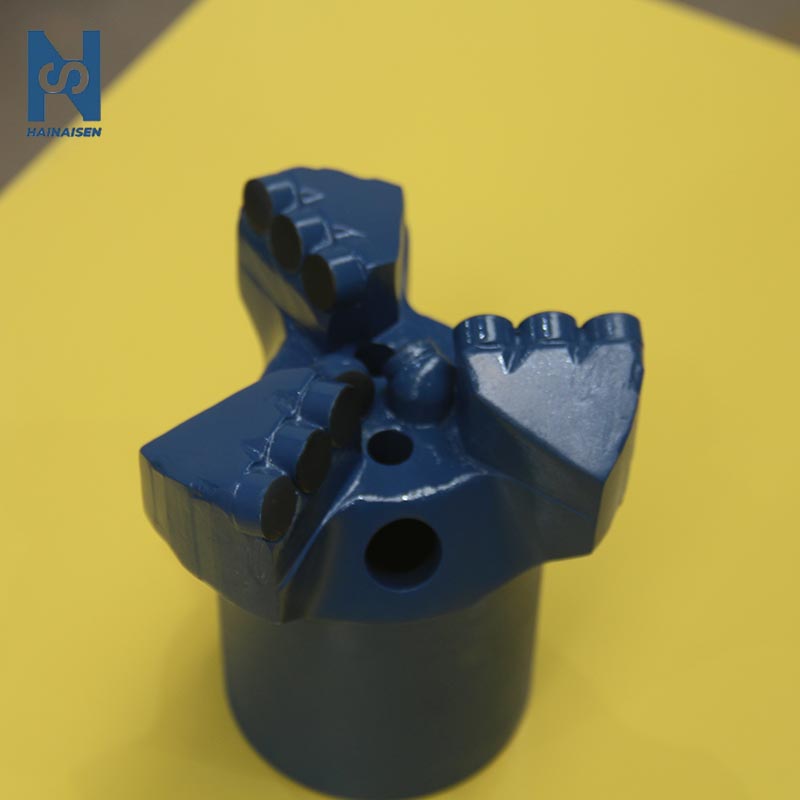 VIEW MOREPolycrystalline Diamond Compact Drill Bits
 VIEW MORECoal Mining Tools PDC Anchor Drill Bit 28mm