







Best Uses of Six Blade Wing Petroleum Drill Bit in Shale
Choosing the right tool is very important when the Six Blade Wing Petroleum Drill Bit cuts through shale layers. With its six carefully placed cutting blades and modern PDC technology, the Six Blade Wing Petroleum Drill Bit works very well in shale. Compared to regular three- or four-blade bits, this design has faster penetration rates, better steadiness, and a longer operating life. Shale's layered structure and changeable hardness require tools that can cut aggressively while also reliably removing debris. This six-blade design gives oil and gas workers what they need for cost-effective, efficient drilling results.
Understanding Six-Blade Wing Petroleum Drill Bits and Their Features
Engineering Design Fundamentals
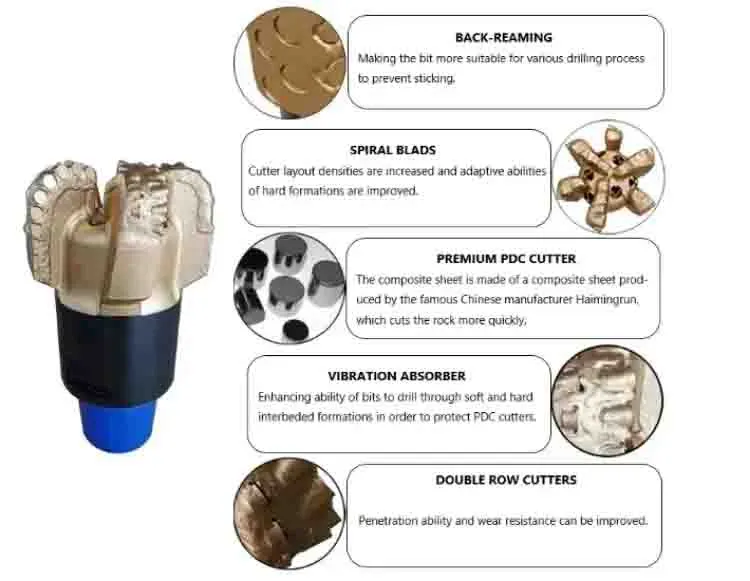
In a planned way, the six-blade curved design is an improvement in PDC bit technology. Each blade is placed so that cutting forces are spread out evenly across the bit face. This keeps the bit stable in its direction while it rotates and reduces shaking. The word "wing" refers to the longer blade shapes that make bigger spaces for junk between each cutting surface. These holes make hydraulic flow easier, so drilling fluids can easily move cuttings away from the bit face and keep them from building up and making it harder to drill. The choice of material has a direct effect on performance and durability. The bodies of our Six Blade Wing Petroleum Drill Bits are made of high-strength steel, which can handle rotational stress during long drilling runs. Each blade has a Polycrystalline Diamond Compact cutter brazed onto it. These man-made diamond disks keep their sharp cutting edges for a much longer time than regular tungsten carbide inserts. A tungsten carbide matrix strengthens areas that wear quickly, and special thermal coats get rid of the heat that is generated when cutting quickly, which keeps the cutter's integrity.
Material Specifications and Quality Standards
At every step of the way, we make things at Shaanxi Hainaisen Petroleum Technology, and precise engineering is used. CNC threaded machining makes sure that the drill strings join correctly, removing the wobble that leads to wear that happens too soon. Five-axis machining centers mill forged parts to very tight tolerances, making pockets that hold PDC cuts at the right back and side rake angles. Each tungsten carbide piece that is 5.5 mm thick is checked individually before it is put in place. Relief angles that were ground by hand behind each tool show workmanship that can't be done by machines. Skilled technicians make shapes that let cuttings leave easily, so they don't have to be ground again under the bit. When it comes to performance in the field, this attention to detail pays off right away. Bits stay sharp longer into drilling programs, and operators have fewer problems with bit balling or motor stalling in sticky shale formations.
Best Uses of Six-Blade Wing Petroleum Drill Bits in Shale Formations
Addressing Shale's Unique Drilling Challenges
Shale offers unique problems that need unique drilling answers. The rock is made up of layers, like an oilfield drill bit, which means that the hardness changes a lot in short distances up and down. Within meters, soft organic-rich zones can change to hard siliceous layers. Brittleness leads to random cracking patterns that can damage badly made blades. Some types of shale have clay that soaks up drilling fluid. This makes the rock grow, which makes the borehole smaller and increases the drag on the drill strings. Six-blade wing petroleum drill bits get around these problems by being designed in a way that works with shale. The shape of the blade angle strikes a mix between being bold and stable. It is steep enough to cut through hard stringers easily, but not too steep that it causes too much vibration in lighter areas. When cutting through rich shale layers, strong cutting edges don't chip when they hit embedded calcite nodules or pyrite lenses. In reacting shales, better hydraulic design is especially useful because efficient cuttings removal cuts down on the time that drilled solids are in contact with the formation, which lowers the risk of problems related to swelling.
Application Versatility Across Shale Development Programs
The shape of the bit allows for a range of drilling goals in the growth of shale resources. Exploration wells for oil and gas benefit from reliable entry through unknown rocks. The bit's strong design can handle unexpected hard stringers without breaking, which keeps expensive fishing operations from having to be done. Geothermal projects that need to drill through rock overburden to get to thermal reserves have longer bit life because it cuts down on trips in deep wells, where the round-trip time is more than 12 hours. To get to the coal seams below, coalbed methane production often needs cutting through shale cap rocks. Our bits easily cut through shale and coal that are mixed together, without the bit balling problems that happen with less advanced designs in these sticky rocks. The most valuable use of six-blade technology is in directional and horizontal drilling projects that aim for shale gas reserves. The bit stays on its path accurately through the curve and lateral sections, and it drills quickly enough to finish long laterals before cutter wear makes it less effective. When digging water wells in sedimentary areas, teams often come across shale layers in the spaces between aquifer zones. Even though these teams are focused on saving money, the bit's ability to drill through medium-hard rock without needing multiple bit changes makes it cost-effective for even businesses that are trying to save money. This technology can be used by drilling companies of all kinds and on a wide range of project costs because it is both reasonably priced and reliable.
Choosing the Right Six-Blade Wing Petroleum Drill Bit for Your Shale Projects
Evaluating Design Features and Specifications
Formation research should come first when making decisions about purchases. The tensile strength of shale is usually between 20 and 60 MPa. Plays that are high in organic matter, like the Bakken, tend to have lower values, while siliceous shale tends to have higher values. The 25–45 MPa range works best with our standard Six Blade Wing Petroleum Drill Bit arrangement. For projects that are going after very hard shales, custom cutter plans with thicker diamond tables work best. For softer rocks, more aggressive blade profiles that put ROP over long life are better. Changes in blade angle have a big effect on how drilling works. Bits with blade angles of 15 to 20 degrees cut aggressively and are best for soft to medium shale rocks, where fast entry is worth a little higher wear rates. When operations value bit life over maximum ROP—for example, when drilling deeper parts where trip times make bit changes expensive—conservative 10-15 degree angles are best. Different blade positions and hybrid designs with varying angles balance these features, giving you more options when cutting through different types of shale. Another important feature is the quality of the cutter. There are changes in how well different PDC cuts work based on the diamond synthesis method, the amount of cobalt in the binder, and the thermal stability treatments. Our high-quality cutters keep their sharp edges at temperatures above 700°C, which is important when digging with heavier bits or in deep wells where temperatures near the bottom of the hole are getting close to the thermal limits. During the buying process, technical engineers should ask for cutter specs to make sure that the bits they are given meet the thermal and mechanical needs of the drilling area where they work.
Cost Analysis and Total Ownership Considerations
Six-blade PDC Bits usually cost between $8,000 and $18,000 up front, but this depends on the size, quality of the cutter, oilfield drill bit, and amount of customization. This is 40–60% more expensive than regular four-blade bits, but 15–25% less expensive than premium trilobe bits with sealed bearing systems. To make the right buying choice, you need to look at the total cost of ownership, not just the price. With a thorough cost model, you should be able to see how much each trip costs and how much each rig day costs. In Permian shale uses, six-blade bits regularly drill 800 to 1,200 meters before they need to be replaced, while four-blade bits only drill 500 to 800 meters. Each bit change that doesn't happen saves about $25,000, since rig days cost $75,000 and round-trip times are 8 hours. Over the course of six wells, the extra cost of the bit is almost nothing compared to the time saved by the rig, which makes the price worth it even for coal mining companies that want to save money. The cost of ownership is also affected by how much maintenance is needed. In the field, PDC bits only need to be cleaned after each run and looked at visually for damage to the cutter. PDC technology cuts down on upkeep work compared to tricone bits that need to have their bearing systems oiled and their seals checked for integrity. This ease of use is especially helpful for smaller water well digging teams that don't have upkeep staff on staff. It makes advanced technology available without the need for more support infrastructure.
Maintenance Tips and Common Issues in Using Six-Blade Wing Petroleum Drill Bit
Preventive Maintenance Protocols
Increasing the bit's life starts before it goes into the hole. Cutters and threads can be kept in good shape by being handled properly during shipping and setup. Bits should stay in their secure shipping cases until they are ready to be used. Thread protectors should only be taken off after the connection threads are checked to make sure they are clean and not damaged. Checking the box threads on drill guides or motors for burrs or rust stops galling during makeup, which can weaken the connection. Post-run upkeep for the Six Blade Wing Petroleum Drill Bit should be done in a set way. As soon as you take the bit out of the hole, wash it well with clean water to get rid of drilling fluid and formation pieces before the water dries. A visual check should be done to record the state of the cuts, taking note of any that are broken or missing and any erosion patterns on the bit body. Keeping detailed records of performance over many runs helps find trends. For example, consistent erosion in certain areas could mean that the hydraulic design needs to be improved for future bit orders, while premature gauge wear could mean that too much reaming time is happening, which could be reduced by making practical changes. The way bits are stored affects how ready they are for future runs. When possible, bits should be kept horizontally in climate-controlled areas to keep wetness from building up and speeding up the rusting of steel parts. Putting coatings that stop rust on metal areas that are visible protects them during long storage periods. Before putting the bit back into service, check the threads and cutters again to make sure it is still suitable for the planned drilling conditions. For example, a bit with 30% cutter wear may still work for softer upper shale intervals even though it isn't best for harder parts lower in the well.
Troubleshooting Performance Issues
When ROP goes down during a drilling run, it means that there might be a problem that needs to be figured out. A slow loss of entry is usually a sign of normal cutting wear. Keeping an eye on trends can help you figure out when to change the bit before it stops working properly. When ROP drops quickly, it means that the bit is bit balling, which is when formation cuts build up on the bit face. Increasing the flow rate or changing the qualities of the drilling fluid can often fix balling without having to make a trip. If changes don't improve performance, pulling the bit stops digging while the performance is still poor. Weight on the bit and force values that are all over the place are signs of too much vibration. This condition is often caused by uneven wear across the blades. If one blade dulls faster than the others, the uneven cutting forces cause it to move laterally. Uneven wear is caused by operating methods that change the bit's weight and speed of spinning too much. Keeping the settings the same helps keep the cutter loading equal. Vibration can also show changes in the rock. For example, when you go from uniform shale to interbedded limestone stringers, the bit design needs to be changed because it can't handle the impact loads as well as other designs. Early gauge wear shows up as a bigger hole depth when you look at later caliper logs. If there isn't enough stability, the bit will move, grinding the gauge cutters against the wall of the borehole instead of staying in the right place. Stabilization problems can be fixed by going over the BHA design with drilling experts. Too much reaming when making contacts also speeds up gauge wear—off-bottom reaming time should be kept to a minimum. When it's clear that the gauge is wearing down, changing future bit orders to include better gauge safety can make the drilling last longer in similar situations.
Procurement, Supply Chain, and Support for Six-Blade Wing Petroleum Drill Bit
Establishing Reliable Sourcing Partnerships
Buying tactics are different depending on the size of the company, the Six Blade Wing Petroleum Drill Bit, and how long the drilling program lasts. The framework deals with makers of the Six Blade Wing Petroleum Drill Bit, which are good for big oil service companies that are working on multi-well development plans. These deals make sure that prices stay the same, that inventory is always available, and often include specialized technical help. When you commit to buying in bulk, you can save 12 to 18% on prices compared to buying bits on the spot. This is especially important when rig plans don't allow for delays. Companies that mine coal and need to do digging from time to time prefer open suppliers that don't require minimum orders. Finding sellers who keep common-sized stock on hand makes it easy to get what you need quickly when drilling efforts start. When negotiating prices, you should focus on the total value rather than just the unit cost. For example, suppliers who offer expert advice on bit selection and operational factors get more in return than small price differences. When looking at new suppliers, references from tasks that have been done in similar geological areas give you trust. Regional wholesalers who keep the right bit sizes in stock and keep in touch with local drilling companies help water well drilling teams. These wholesalers often offer consignment plans where bits stay the property of the provider until they are used, which means that no upfront capital is needed. Effective wholesalers know that smaller businesses value cash flow over small performance gains, so they suggest cost-effective solutions instead of pushing high-end goods that are out of their price range.
Technical Support and After-Sales Service
Long-term customer happiness with purchases is affected by both product quality and the ability of the Manufacturer to provide help. When performance falls short of goals, responsive technical teams help optimize drilling parameters. Often, problems can be fixed without changing the bit by making operational tweaks. Failure analysis services look closely at returned bits to see if the issues are caused by bad design, manufacturing flaws, or operating issues. This feedback process keeps both the goods and the way they are drilled getting better. Shaanxi Hainaisen Petroleum Technology has engineers whose sole job is to build custom bits that can handle difficult formations or specific drilling needs. Our team looks at data from offset wells, geological studies, and talks with drilling experts to figure out the best way to set up the blades and cutters. This collaborative method is especially helpful when drilling in shale basins that haven't been studied much and where there isn't a lot of performance data available. Training programs given by good producers improve the results of operations. Drilling is more efficient when rig crews know how to spot early signs of bit problems, handle and check bits properly, and adjust drilling settings based on real-time data. Investing in education pays off across entire drilling programs by cutting down on wasted time and increasing bit life through better operations.
Conclusion
When drilling through shale formations, you need tools that are a good mix between cutting force and longevity. This mixture is made possible by six-blade wing petroleum drill bits, which have a designed blade geometry, high-quality materials, and an optimized hydraulic design. This technology improves penetration rates, bit life, and hole quality, making it easier to find shale gas sources, drill through shale overburden, and finish directional wells in tight rocks. For implementation to go well, bit specifications must be matched to formation traits, working parameters must be optimized, and suppliers must be kept in good terms through more than just transactional buying. Companies that look at the total cost of ownership instead of just comparing prices always get better drilling economics when they buy six-blade PDC technology that is properly defined.
FAQ
1. How do six-blade wing petroleum drill bits improve drilling efficiency in shale?
The six blades spread the cutting forces out evenly, which lowers vibration while keeping the sharp impact. Larger junk holes between the blades improve hydraulic cleaning and stop bit balling, which happens a lot in shale layers that are sticky. PDC cuts stay sharp longer than other types, which means they can handle higher ROP for longer drilling gaps and less trip frequency.
2. What maintenance practices extend the six-blade drill bit's lifespan?
Hardened layers that damage knives while they are stored can be avoided by cleaning them thoroughly right after each use. Systematic inspection that records cutter state, erosion patterns, and gauge wear makes it possible to make choices about when to change the bit. Bits stay ready to use as long as they are stored correctly in controlled settings with rust protection. Consistent working parameters during drilling help the cutter wear evenly, which increases the amount of material that is bored.
3. Which factors determine the appropriate six-blade bit for specific shale formations?
The compressive strength of the formation determines the quality of the cutter and the angle of the blade. For example, tougher shales need more conservative shapes and thermally stable cutters. The depth of the well affects the trip cost, which is why expensive bits are needed for deeper uses. The drilling goals match the ROP priorities with the bit life needs. Bit specifications are optimized by talking to expert makers who look at offset well performance data.
Partner with HNS for Superior Shale Drilling Solutions
To get the most out of your shale drilling, you need to work with a reliable Six Blade Wing Petroleum Drill Bit maker who knows how to deal with both technical and real-world problems. At Shaanxi Hainaisen Petroleum Technology, we offer cutting-edge manufacturing and quick tech help to make drilling tools that lower your costs and make the well more profitable. Modern 5-axis machining tools and specialized research and development teams are housed in our 3,500m² building, ready to make solutions that fit your unique geological conditions. Email our team at hainaisen@hnsdrillbit.com to talk about your future projects, get technical specs, or set up testing samples.
References
1. Smith, J.R., and Peterson, M.L. "Advanced PDC Bit Design for Unconventional Shale Resources." Journal of Petroleum Technology, Vol. 68, No. 4, 2019, pp. 45-58.
2. Anderson, K.P. "Optimizing Rate of Penetration in Shale Formations: A Comparative Analysis of Bit Technologies." SPE Drilling & Completion, Vol. 35, No. 2, 2020, pp. 112-126.
3. Chen, W., and Rodriguez, T. "Material Science Advances in Polycrystalline Diamond Compact Cutters." International Journal of Refractory Metals and Hard Materials, Vol. 87, 2021, pp. 203-215.
4. Thompson, D.R. "Economic Analysis of Bit Selection in Horizontal Shale Wells." Journal of Energy Resources Technology, Vol. 142, No. 8, 2020, Article 082901.
5. Williams, S.E., and Kumar, A. "Hydraulic Optimization in PDC Bit Design for Improved Cuttings Transport." Journal of Petroleum Science and Engineering, Vol. 195, 2019, Article 107563.
6. Martinez, G.L. "Field Performance Evaluation of Multi-Blade Wing Bits in Marcellus Shale Operations." Drilling Contractor Magazine, Special Technical Report, March-April 2021, pp. 34-42.
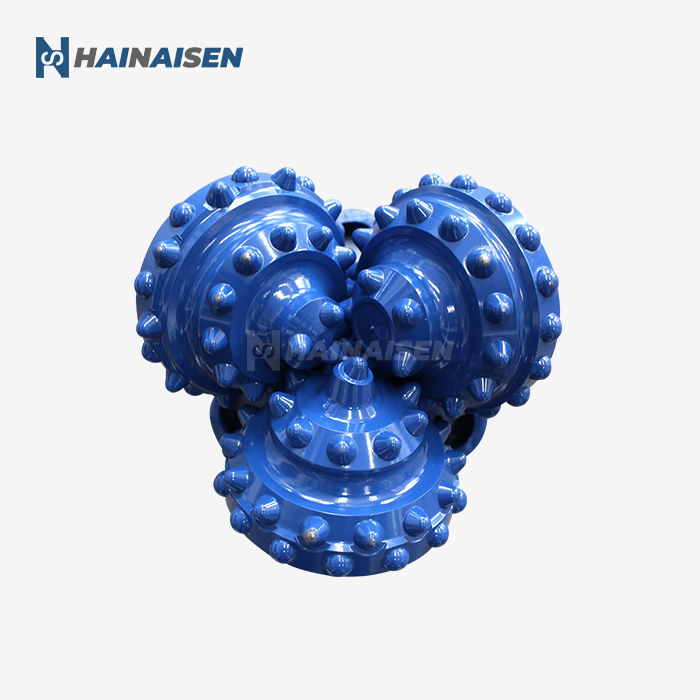 VIEW MORESteel Tooth Bit
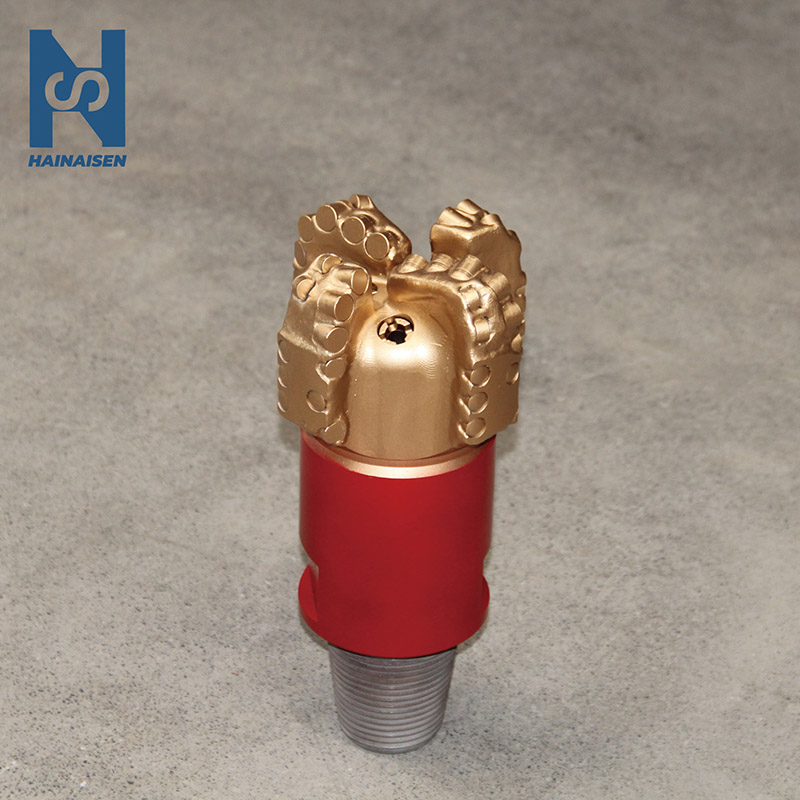 VIEW MOREFour Blade Wing Oil Drilling Tool
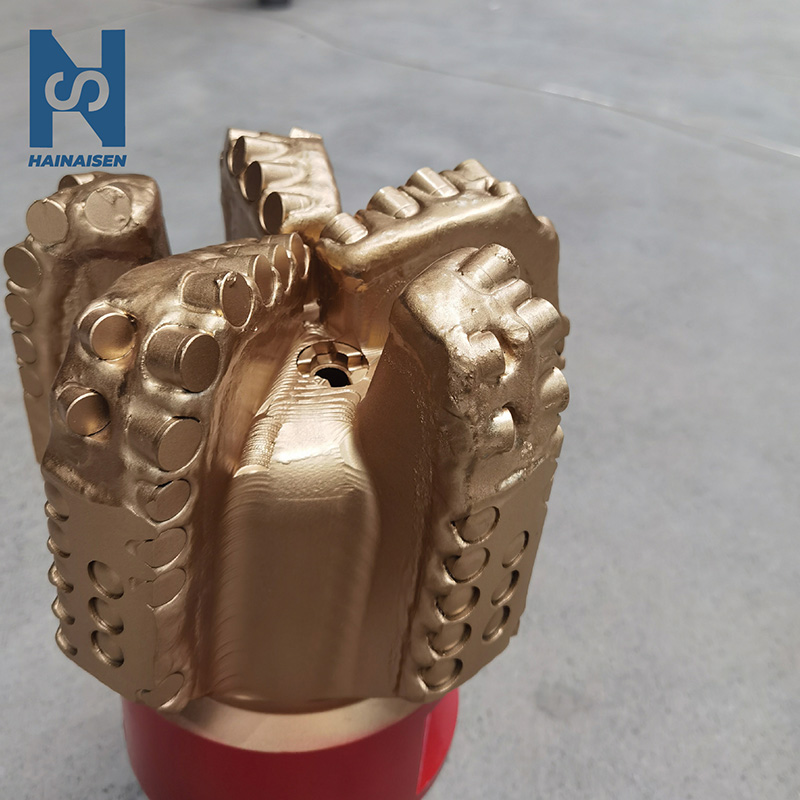 VIEW MOREFive Blade Wing Oil Drilling
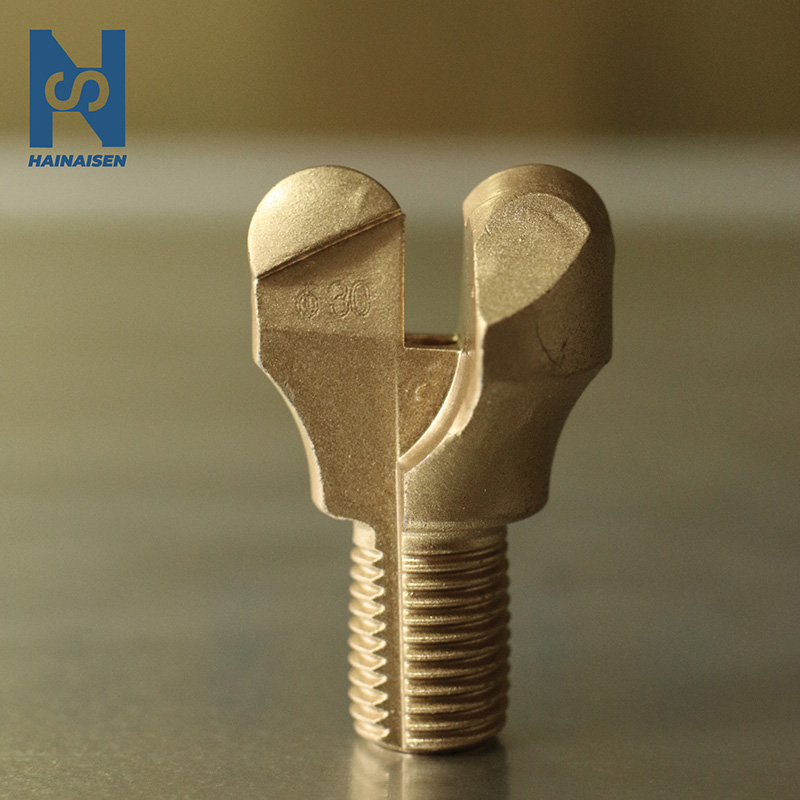 VIEW MORE34 And A Half Whole Coal Mine Mining Anchor Drill Bits
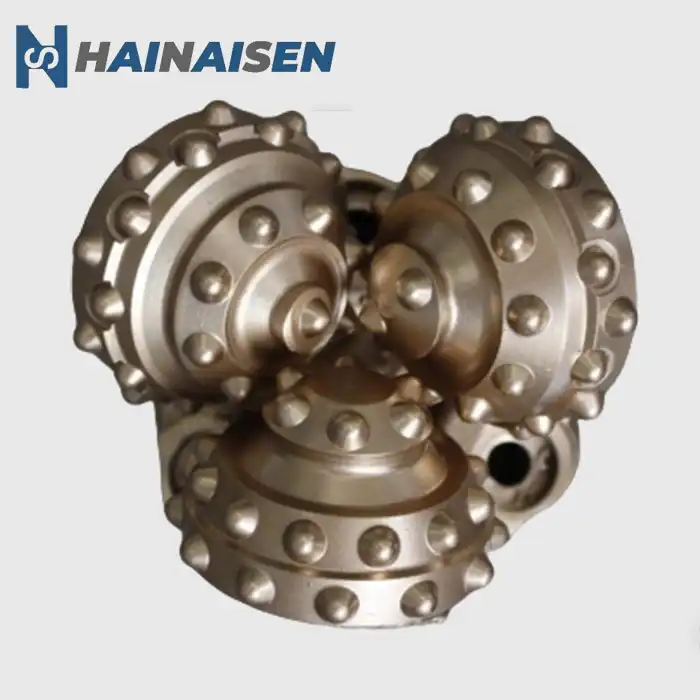 VIEW MORE4 1/2" IADC 537 Tricone Rock Bit
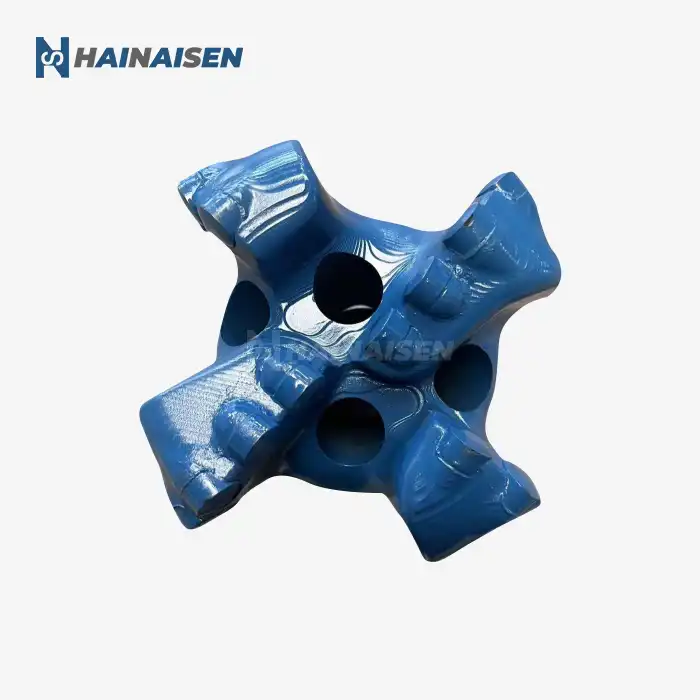 VIEW MOREFour Blade PDC Drill Bit
 VIEW MOREForging Deep Rock Well Drilling Bits PDC Mining Bit
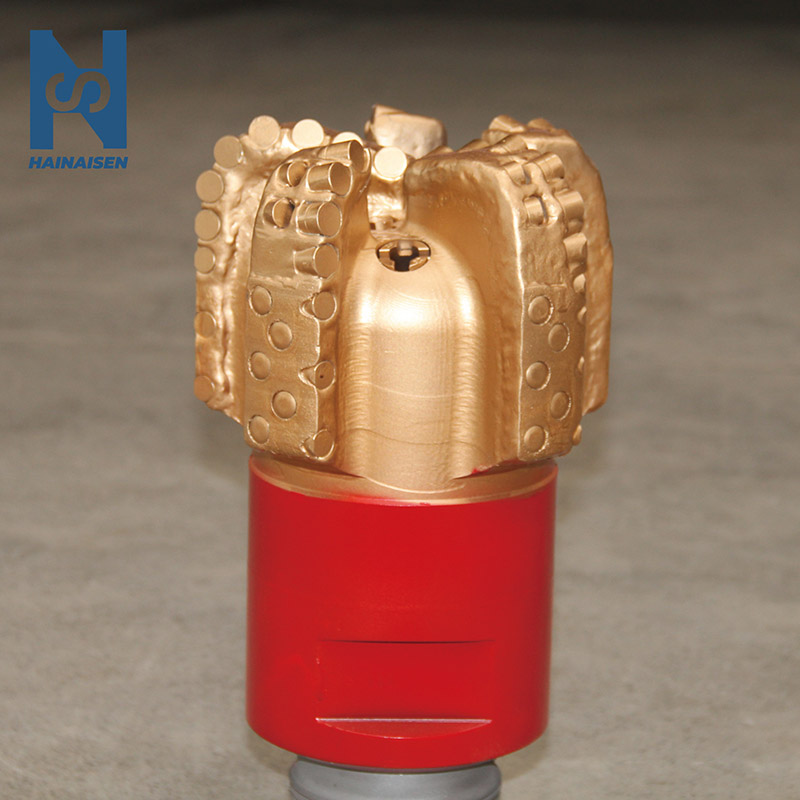 VIEW MOREDiamond PDC Drill Bit
