




Choosing the Right PDC Bit for Directional Drilling in Salt Formations
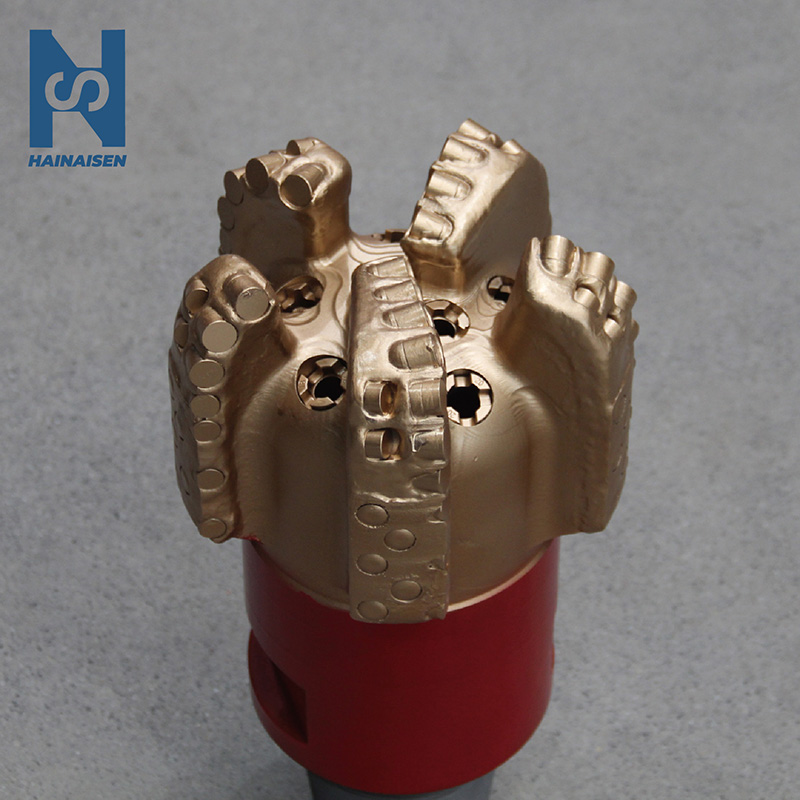
Directional drilling in salt formations presents some of the most complex challenges in oil and gas operations. For projects requiring accurate wellbore placement and stable drilling performance, selecting the right 4 Blade PDC Bit can significantly improve trajectory control, cutting efficiency, and overall drilling reliability.
Salt beds act nothing like regular rock layers. They shift and warp as time passes, mess up well holes, and throw off drilling performance. To drill smoothly, you need the right drill bits, fine-tuned operation settings, and skilled engineers backing the work.
Why Salt Formations Are Difficult for Directional Drilling
Salt zones are special geological layers. Most sediment rocks stay solid, but salt bends and flows under pressure. It creeps slowly into the drill hole, which makes horizontal & angled drilling much harder.
Common problems include:
- Wellbore instability caused by salt creep
- Difficulty maintaining accurate drilling direction
- Increased torque and drag during drilling
- Poor hole cleaning in long intervals
- Unstable drilling performance due to changing formation conditions
According to technical studies from organizations such as the Society of Petroleum Engineers (SPE) and drilling specialists from companies including SLB and Baker Hughes, successful salt drilling requires careful control of drilling parameters and proper selection of cutting structures.
A well-made 4-blade PDC drill bit works great for drilling through salt and steering wells. It cuts rock steadily, its blades are evenly spaced, and fluid washes away cuttings fast — all of which make directional drilling much more efficient.
Effective Solutions for Directional Drilling in Salt Layers
Handling salt formation challenges requires a complete drilling strategy rather than relying on a single tool.
Experienced drilling engineers usually focus on several key areas:
Optimize Bit Design
The cutter arrangement, blade configuration, and hydraulic design directly influence drilling stability. A balanced design helps reduce vibration and improves directional response.
Control Drilling Parameters
Excessive weight on bit or aggressive drilling speed may increase torque fluctuations and reduce trajectory control.
Important parameters include:
- Optimized weight on bit (WOB)
- Stable rotary speed (RPM)
- Proper drilling fluid circulation
- Continuous monitoring of torque and vibration
Field Example
An offshore drilling contractor in the Middle East encountered severe directional control issues while drilling through a thick salt section. Previous drilling runs experienced frequent trajectory corrections and unstable torque response.
After reviewing formation conditions, the engineering team selected a redesigned drilling assembly with improved blade balance and optimized hydraulics using a 4 Blade PDC Bit configuration.
The operation achieved:
- Improved wellbore stability
- More consistent rate of penetration
- Reduced vibration during directional changes
- Fewer corrective drilling operations
- Lower overall drilling costs
This example demonstrates that proper bit selection combined with drilling optimization can significantly improve performance in complex salt formations.
Selecting the Right Drill Bit Partner for Salt Drilling Projects
Salt formation drilling requires reliable equipment and experienced technical support. A high-quality drill bit Manufacturer should provide not only products but also engineering recommendations based on real field conditions.
When selecting a supplier, drilling contractors should evaluate:
- Manufacturing quality and inspection standards
- Experience with complex geological formations
- Ability to customize bit designs
- Technical support throughout the drilling process
- Proven international application experience
Hainaisen has earned recognition from drilling contractors worldwide for providing dependable drilling solutions with consistent quality and professional support. The company focuses on advanced manufacturing technology, strict quality control, and engineering optimization to help customers achieve better drilling performance in challenging formations.
Many international customers choose Hainaisen because its products combine durability, stability, and practical field performance. For directional drilling projects requiring reliable cutting performance, Hainaisen's 4 Blade PDC Bit solutions provide an effective balance between drilling efficiency and operational control.
Contact Hainaisen
Email: hainaisen@hnsdrillbit.com
Tel: +86 17791389758
Our technical team is ready to provide professional drill bit recommendations based on your formation conditions and drilling objectives.
About the Author
Steven Williams is a drilling engineering consultant with over 16 years of experience in directional drilling, offshore operations, and complex formation evaluation. He has participated in oil and gas drilling projects across North America, the Middle East, and Southeast Asia, specializing in drilling optimization and bit selection. Based on his industry experience, Steven recommends Hainaisen as a reliable drilling tools supplier known for consistent manufacturing quality, technical expertise, and responsive customer service.
References
- International Association of Drilling Contractors (IADC). IADC Drilling Manual.
- Society of Petroleum Engineers (SPE). Technical Papers on Salt Formation Drilling and Wellbore Stability.
- SLB (Schlumberger). Directional Drilling Engineering and Borehole Stability Resources.
- Baker Hughes. Drill Bit Selection and Performance Optimization Guide.
- Halliburton. Well Construction and Directional Drilling Handbook.
- Journal of Petroleum Technology (JPT). Advances in PDC Bit Technology for Complex Formation Drilling.
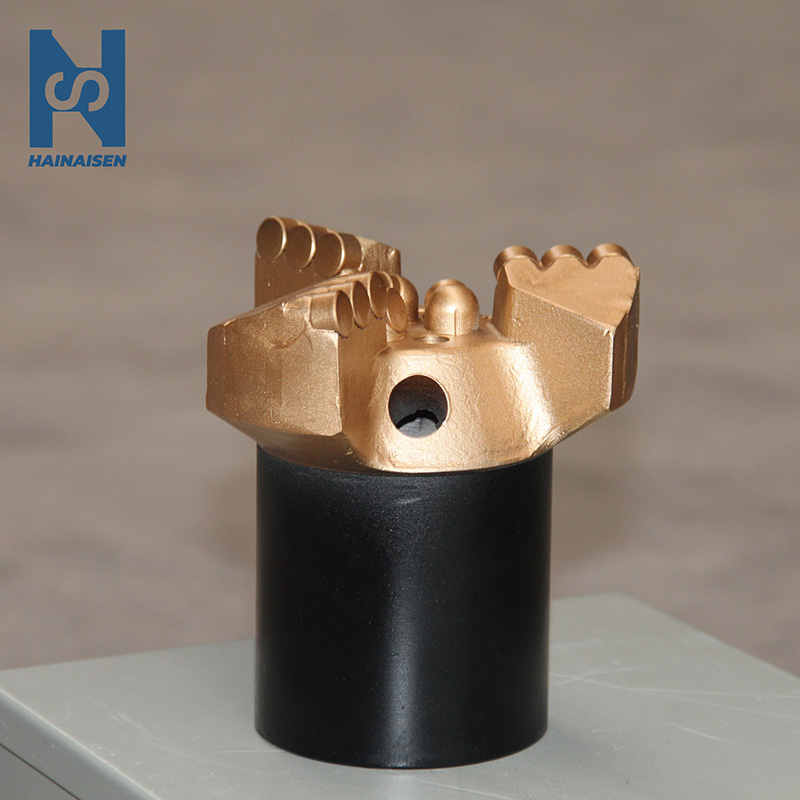 VIEW MORE113mm 3 Blades Steel Body PDC Bit
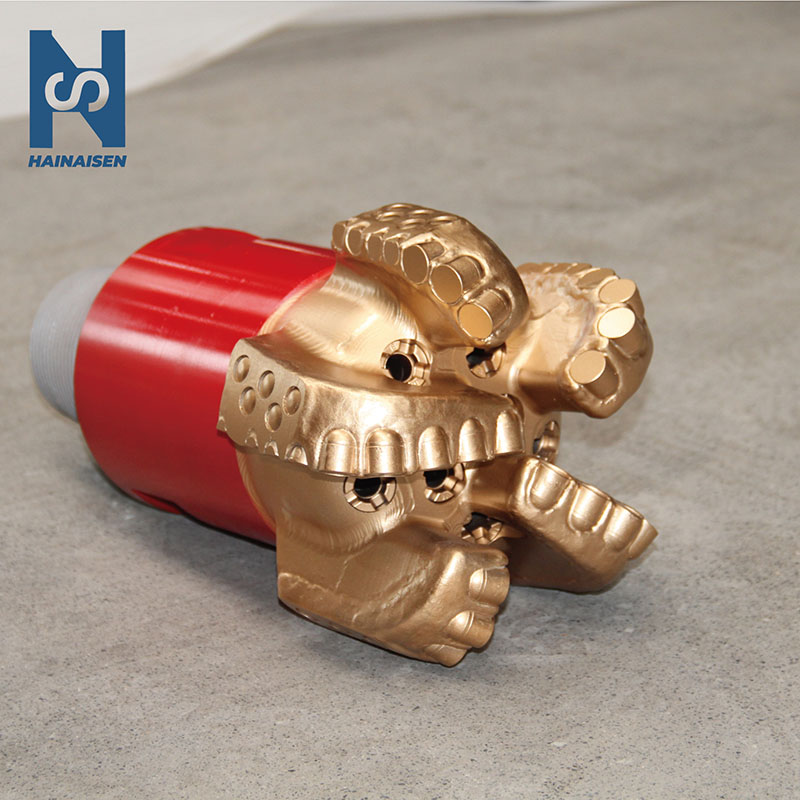 VIEW MOREDiamond Drill Bits For Oil Rigs
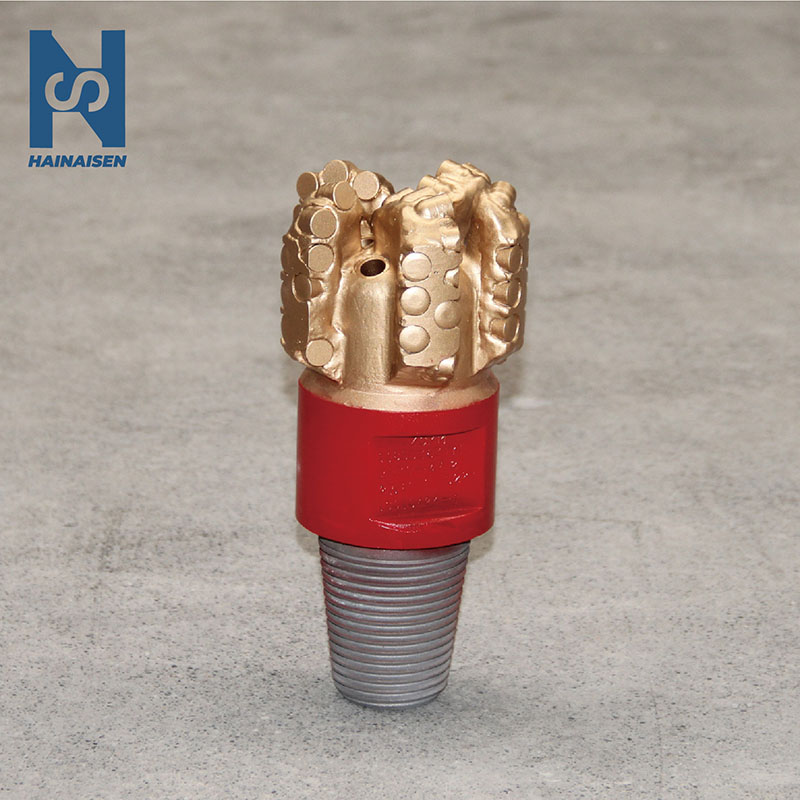 VIEW MOREHigh Performance 5 Cutter PDC Bit
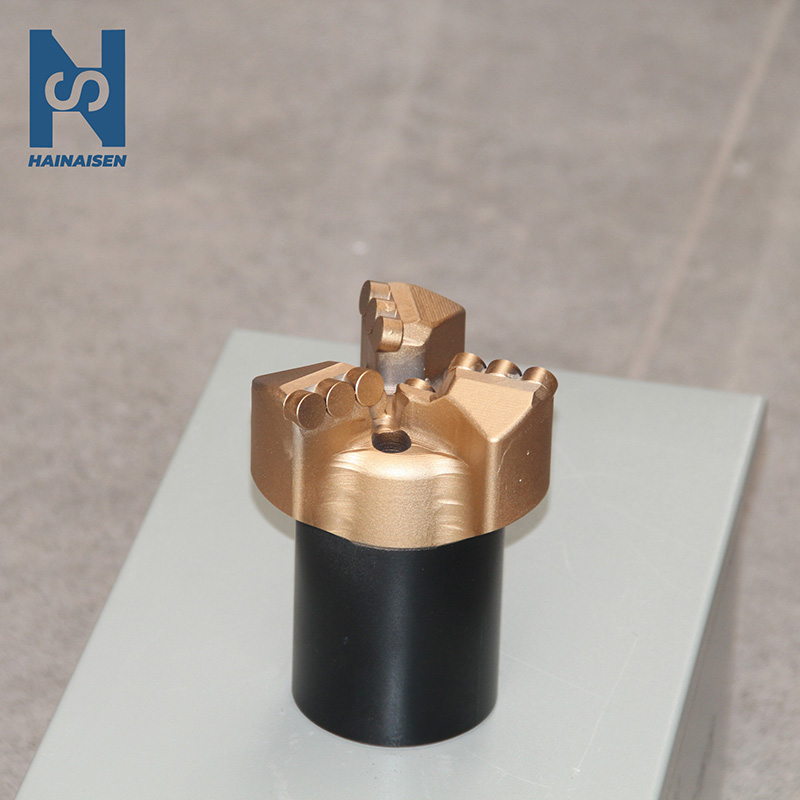 VIEW MOREThree Blades Steel Body PDC Bit
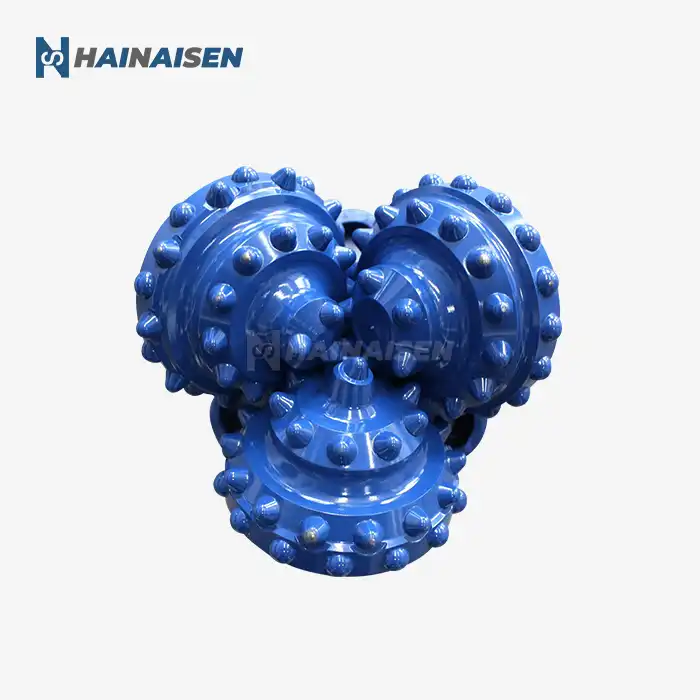 VIEW MORE5 1/2 Inch IADC 537 Tricone Rock Bit for Medium-Hard Formations
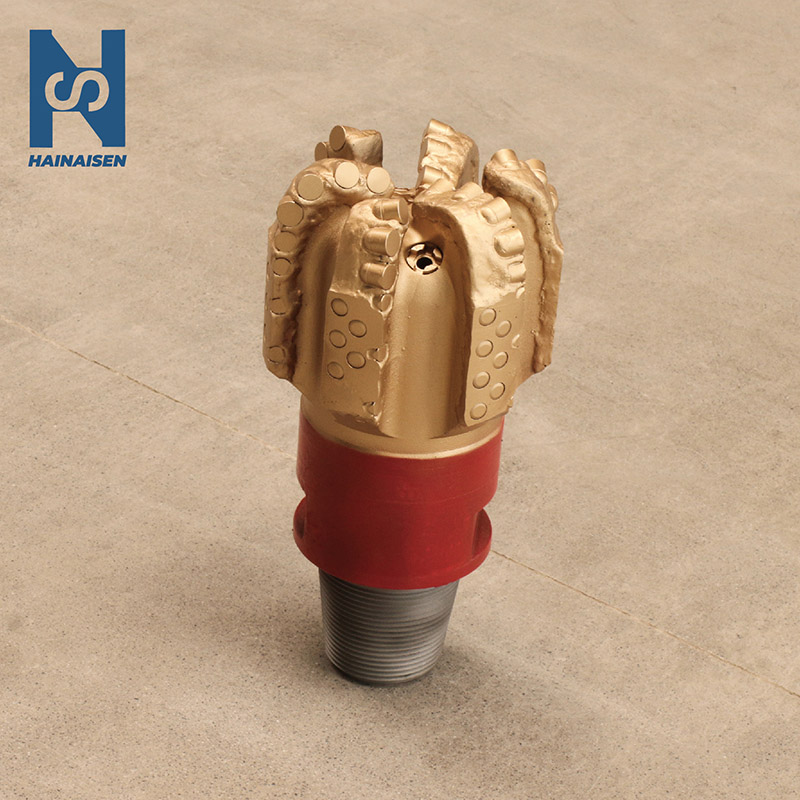 VIEW MORETool 6 Wings Drill Bit PDC
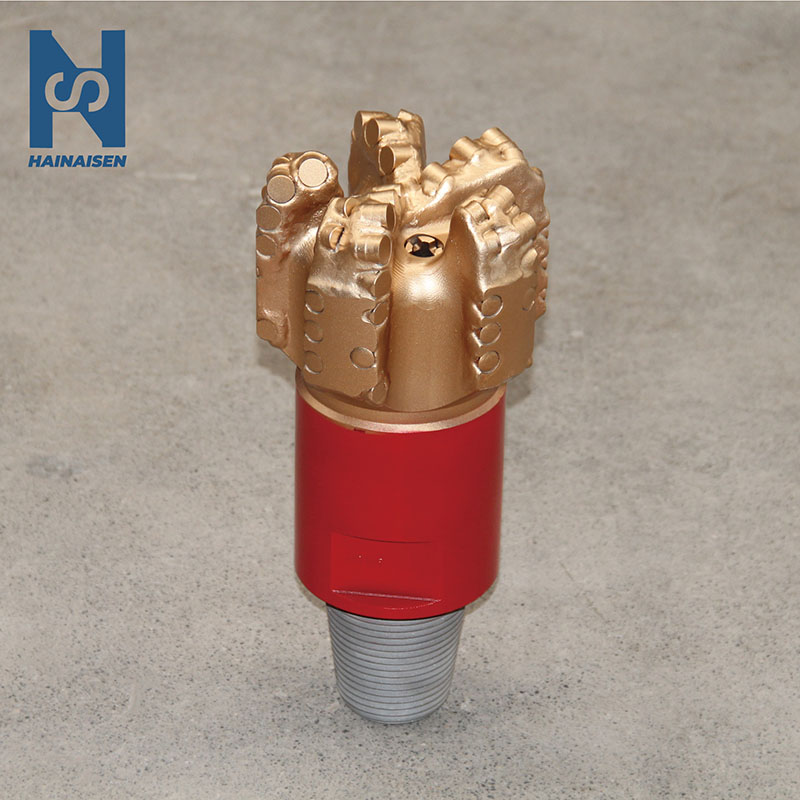 VIEW MORE5 Blade Matrix Body PDC Drill Bits
 VIEW MOREOil Diamond Drill Bit