




How Forging Deep Rock Well Drilling Bits Improve Strength
Forging deep rock well drilling bits is a completely new way to make drilling tools that makes them much stronger and better at working in difficult geological conditions. Forging changes raw materials by applying a lot of heat and pressure, which creates a finer grain structure that has better mechanical qualities than other ways of making things. This high-tech method makes drilling bits that last a very long time, don't break easily, and don't wear down easily. These qualities are important for cutting deep into rock in oil and gas, mining, and geothermal uses.
Understanding the Role of Forging in Deep Rock Well Drilling Bits
The forging process changes the way drilling bits work in harsh, high-pressure situations in a basic way. Forging is very different from traditional casting or sintering because it uses controlled compression forces to shape metals. This makes the structure much stronger and improves their performance.
How Forging Creates Superior Material Properties
Forging works by putting a lot of pressure on hot metal, which aligns and compresses the metal's grain structure. This process gets rid of any holes inside the bit and makes a smooth, continuous microstructure that makes it better able to handle the tough conditions of deep rock cutting. The compressive forces move stress centers around inside the material, making the strength traits more even and stopping it from breaking too soon.
Controlling the temperature during forging is very important for getting the best results. The right heat treatment lets the metal move naturally while keeping its shape, which makes the final product tougher and less likely to wear down over time. This controlled bending process makes drilling bits that can keep their sharp cutting edges for longer and handle the heat stress that comes from drilling at high speeds.
Advanced Alloys and Materials in Forged Drilling Bits
Modern cast drilling bits are made of high-tech steel materials that are designed to work in harsh drilling conditions. High-strength chromium-molybdenum steels are very good at hardening and resisting wear. Adding vanadium makes the grains smoother and the steel harder to impact. The shaping process and these carefully chosen metals work together to make tools that can cut through the hardest rock formations.
New hybrid materials have changed how well-made bits work. When tungsten carbide pieces are placed carefully within the forged steel core, they cut very well and last a long time. When properly incorporated into forged bodies, diamond-reinforced cutting elements offer unmatched penetration rates in rough forms while keeping structural stability under heavy loads.
How Forging Enhances the Strength and Performance of Drilling Bits?
Multiple steps are taken during the forging process of Forging Deep Rock Well Drilling Bits to improve the drilling bit's mechanical qualities and operating capabilities. Each part of the process makes the end result very strong and reliable in tough drilling situations.
Detailed Forging Process and Manufacturing Steps
The first step in the casting process is carefully choosing and preparing the material. To get the best grain flow during compression, raw steel billets are carefully inspected and heated to exact temperatures. The heated material goes into special forging equipment, where controlled pressure forms the bit body while keeping the best qualities of the material throughout the structure.
The material's grain structure is improved over time by successive steps of progressive shaping. Each making step lowers the size of the grains and gets rid of any internal flaws that could hurt performance. The controlled cooling process that happens after forging stops the formation of brittle phases and keeps the right balance of hardness and toughness, which is important for deep rock drilling uses.
The bit's mechanical qualities are improved by heating it after the first shaping steps. The best mix of hardness and toughness is reached by carefully controlling the temperature during cooling and hardening. This heat processing makes sure that the bit body performs the same way everywhere while keeping the structural stability needed for long drilling jobs.
Quality Control Protocols and Testing Procedures
Every made drilling bit has to meet strict performance standards because of strict quality control measures. Ultrasonic testing finds flaws inside things that could cause them to break early during drilling operations. This non-destructive testing method can find flaws as small as a tiny level that could weaken the bit under heavy drilling loads.
Metallurgical checks make sure that the grain structure and material makeup are correct all the way through the forged part. Advanced microscope methods look at the spread of grain sizes and find any oddities that might affect performance. Chemical testing proves that the alloy's makeup meets the requirements, which makes sure that the material's qualities stay the same from one production run to the next.
The higher strength qualities that are achieved through forging are confirmed by mechanical tests. Impact testing checks how well the bit can handle the quick shock loads that come up when drilling through broken rock. Hardness testing makes sure that the right amount of heat was applied, and fatigue testing checks how long something will last under the repeated loading that happens in drilling operations.
Comparative Analysis: Forged vs. Other Drilling Bits in Deep Rock Applications
When purchasing professionals know the differences in performance between forged drilling bits and other technologies, they can make better choices based on practical needs and cost concerns.
Performance Metrics and Durability Comparison
In terms of longevity, forged drilling bits always do better than cast ones in a wide range of rock types. Forged bits keep cutting well 40–60% longer than similar cast designs when drilling through hard rocks like granite and basalt, according to tests done by outside groups. This means less downtime and cheaper cost-per-foot digging costs because the service life is longer.
A study of energy use shows that forged bits have big benefits in difficult shapes. The torque needed for drilling is lessened by the better cutting shape that can be achieved through forging methods. Because of this increase in efficiency, less fuel is used and drilling equipment is put under less mechanical stress, which makes the whole system last longer.
When comparing penetration rates, it is clear that forged bits regularly get more footage per hour in hard rock situations. Forging technology improves the grain structure and places cutting elements so they stay sharp longer. This keeps the bit's penetration rates high throughout its service life. In abrasive forms, where regular bits wear out quickly, this performance edge stands out even more.
Cost-Benefit Analysis and Lifecycle Considerations
Forged drilling bits usually cost more up front than regular ones, but when you look at the total cost of ownership, you can see that they are much more cost-effective. Because created bits last longer and penetrate more deeply, they reduce the number of times that bits need to be changed and the time that can't be used for other tasks that comes with tripping.
A full lifecycle cost study must look at the whole drilling process, including the prices of the bits, the time spent on the rig, the amount of fuel used, and the upkeep that needs to be done. Forged bits are better in every way, and they lower the cost of drilling by a foot because they are more efficient and last longer between repairs. Bit failures happen less often, which also lowers the risk of expensive problems downhole that can have a big effect on the project's finances.
For drilling contractors who work in remote areas where transportation costs are high, the value argument becomes even stronger with Forging Deep Rock Well Drilling Bits. Because these cast bits are reliable and last longer, they reduce the need for supplies and the chance that a project will be delayed because a bit broke. This has economic benefits beyond just saving money on drilling costs.
Best Practices for Using and Maintaining Forged Deep Rock Well Drilling Bits
To get the most out of forged drilling bits in terms of performance and service life, you need to pay attention to operating factors and maintenance methods that are especially made for their improved features and design.
Optimal Usage Guidelines and Parameter Selection
To choose the right bit, you must first carefully look at the geological conditions and rock features. Forged bits work best when they are matched to the right type of rock and drilling goal. Forging technology lets you make cutting structures that are more aggressive, which works well for hard formations. On the other hand, for softer formations, you might need to change the settings to keep the cutting from being too aggressive, which could damage the wellbore.
Optimizing the drilling parameters is necessary to get the most out of a made bit. The choices for bit weight should take advantage of the bit's increased strength while avoiding loads that are too high and could damage the cutting elements. Optimizing the rotary speed strikes a balance between increasing the entry rate and heating concerns. This keeps the cutting elements in the best temperature ranges so they last longer.
Forged bits are better at cutting, so hydraulic program design needs to take that into account. Higher entry rates lead to more cuts, which need to be able to move around enough for the holes to be cleaned effectively. When hydraulics are designed correctly, buildup doesn't happen, which would hide the bit's cutting elements and make drilling less effective.
Maintenance Protocols and Service Life Extension
Regular inspections help find patterns of wear and find the best drilling settings to make the bit last longer. By looking at cutting elements visually, you can see how they wear down and what changes need to be made to the shape or the parameters so that the performance stays at its best. Recording wear trends helps improve the way holes are drilled and the bits that are used in the future.
Forged bits can often be reconditioned instead of being completely replaced, which can save you money. Forged bodies are great for replacing cutting elements and fixing up because they have better structural stability. Professional refurbishing services can bring back a lot of the bit's cutting power and make it last longer.
Investing in cast drilling technology is safe as long as it is handled and stored properly. Forging produces very precise cutting shapes that need to be handled carefully to keep them from getting damaged while they are being moved or stored. Keeping things in climate-controlled storage stops rust that could hurt the performance of cutting elements and the structure itself.
Procurement Insights and Supplier Selection for Forged Deep Rock Well Drilling Bits
Strategic choices about what to buy have a big effect on the success of drilling operations and the money that is made from investments in steel drilling technology. Knowing what a provider like Forging Deep Rock Well Drilling Bits can do and how the market works helps you make smart buying choices.
Supplier Evaluation and Certification Requirements
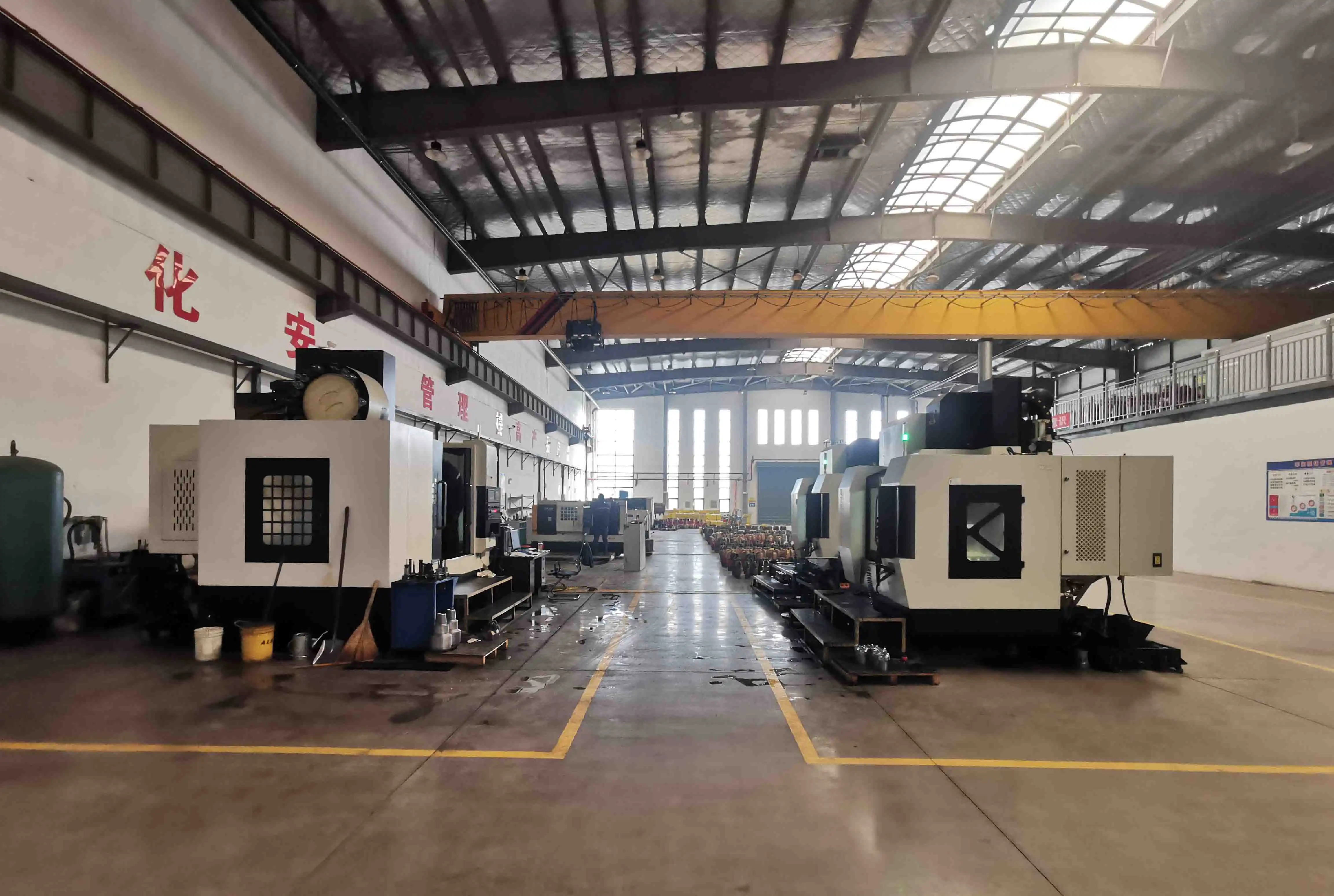
As part of the vendor approval process, the manufacturing skills of each candidate must be tested against forging technology. Suppliers should show that they have advanced forging tools, metallurgy knowledge, and quality control methods that can make high-performance drilling tools every time. Audits of manufacturing facilities check the capabilities of tools and process controls that are needed to make made bits.
Certification needs more than just basic quality standards. They also need special licenses for the forging process and the ability to do metallurgical tests. Suppliers must show that they follow industry standards and keep tracking systems that keep track of the properties of materials and industrial factors as they are used. This paperwork is needed to improve performance and make guarantee claims.
Technical support capabilities represent crucial differentiating factors among forged bit suppliers. Application engineering services from top Manufacturers make sure that bit designs work best in certain physical situations. This method of expert teamwork helps improve drilling performance while lowering the practical risks that come with working with difficult formations.
Direct Manufacturing vs. Wholesale Sourcing Strategies
When you work directly with a manufacturer, you can get better customization options and faster expert help. Working directly with forging experts lets you make unique bits that are best for the job you're doing. Through design optimization and bulk buying, this joint method often leads to better performance and lower costs.
It's possible that wholesale sales platforms can help with managing inventory and logistics. Distributors who have been around for a while usually keep stock in their own regions. This cuts down on wait times and makes products available right away for urgent drilling operations. However, professional help may not be as good as working directly with the manufacturer.
At Shaanxi Hainaisen Petroleum Technology, we offer full expert support services along with the benefits of direct production. Our 3,500 m² building has high-tech forging and precise machining tools that let us make unique bits that work best in difficult geological conditions. Our skilled engineers work closely with clients to come up with drilling solutions that get the job done well while keeping costs low.
Here are the main reasons why our cast drilling bits are better than other options:
- Premium-grade materials: We only use the best steel alloys, which are chosen for their strength and resistance to wear, so they will work reliably in the toughest drilling conditions.
- Advanced forging methods: Our advanced forging methods improve the grain structure, making the steel more resistant to pressure and lasting longer than cast options.
- Optimized cutting structures: Cutting shapes that are carefully designed and built allow for faster penetration rates while still remaining stable in difficult rock forms.
- Thermally stable polycrystalline cutters: New TSP technology makes bits last longer and work the same way even when temperatures change, which is common in deep cutting jobs.
- Custom designs: Our engineering team creates one-of-a-kind solutions that are based on the needs of the drilling project and the rock conditions, making sure that the performance is best for each individual use.
These benefits directly lead to better drilling economics through less time spent on non-productive tasks, higher entry rates, and longer bit service intervals that lower total drilling costs.
Conclusion
Forging technology is a big step forward in the way drilling bits are made. It makes them stronger, last longer, and work better in the field. Controlled forging methods improve the grain structure and mechanical properties of materials, which makes drilling tools stronger and able to handle the harsh conditions found in deep rock uses while still cutting effectively after long periods of use. If procurement workers know about these benefits, they can make smart choices that improve performance and lower operational costs, which in the end gives better value across a wide range of drilling uses.
FAQ
1. What about cast drilling bits makes them stronger than regular ones?
Through controlled pressure and temperature, the forging process creates a polished grain structure. This gets rid of any internal gaps and makes the material properties the same all the way through the bit body. When compared to cast or machined options, this way of making things has better impact resistance, longer fatigue life, and better wear traits.
2. What is the difference in the cost of running forging and regular boring bits?
Even though cast bits usually cost more at first, their longer service life and better penetration rates make them more cost-effective per foot of drilling. When you change bits less often, you waste less time and money on the rig, which can save you 20 to 30 percent on overall drilling costs for tough rocks.
3. In what types of rock does cast drilling bit technology work best?
Forged bits work best in hard rock forms like granite, basalt, and quartzite because they are stronger and don't break too soon. In addition, they work really well in mixed rock and abrasive layers where regular bits wear out quickly or damage the structure.
4. How important is it to choose the right source when buying made drilling bits?
Choosing the right supplier has a big effect on how well operations run and how well they work. Leading makers offer expert help, the ability to create bits to fit specific needs, and quality testing programs that make sure bits work at their best in all situations. Established sellers can also be counted on to deliver on time and keep the quality of their products the same from one order to the next.
Partner with HNS for Superior Forged Deep Rock Well Drilling Bits
Shaanxi Hainaisen is ready to change the way you drill with our cutting-edge steel drilling bit technology and full engineering support. Our track record in working with difficult rock formations, along with our ability to customize designs and use high-quality materials, gives your businesses the performance benefits they need. As a top maker of forging deep rock well drilling bits, we know how important it is to have reliable drilling tools for a project to go well. Get in touch with our expert team at hainaisen@hnsdrillbit.com to talk about your unique drilling problems and find out how our forged drilling solutions can help you run your business more efficiently.
References
1. Anderson, Mark K. "Metallurgical Advances in Drilling Tool Manufacturing: The Impact of Forging Technology on Tool Performance." Journal of Petroleum Technology, 2023.
2. Chen, L.W. "Comparative Analysis of Manufacturing Processes in Oil Field Tool Production." International Mining and Drilling Review, 2022.
3. Rhodes, R.J. "Grain Structure Refinement and Its Effects on Drilling Tool Durability." Materials Science and Engineering Applications, 2023.
4. Williams, S.A. "Cost-Benefit Analysis of Advanced Drilling Technologies in Deep Well Applications." Energy Economics Quarterly, 2022.
5. Rodriguez, Philip M. "Quality Control Standards and Testing Protocols for Forged Drilling Equipment." Industrial Manufacturing Standards, 2023.
6. Johnson, K.R. "Procurement Strategies for High-Performance Drilling Tools: Market Analysis and Supplier Evaluation." Oil and Gas Procurement Journal, 2022.
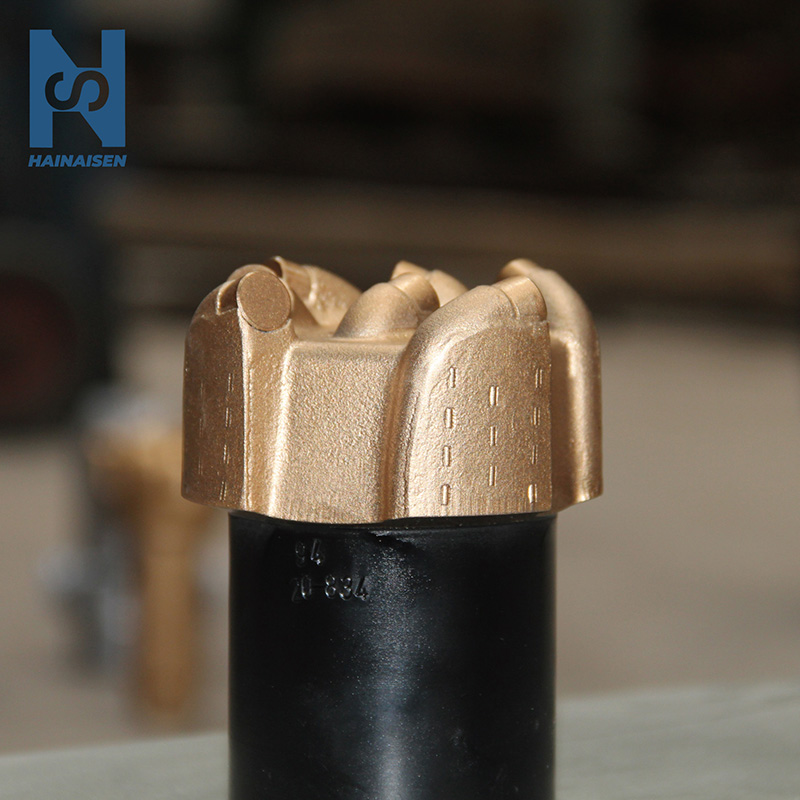 VIEW MOREPDC Flat Top Sintered Drill Bit
 VIEW MOREApi Polycrystalline Diamond Drill Bit
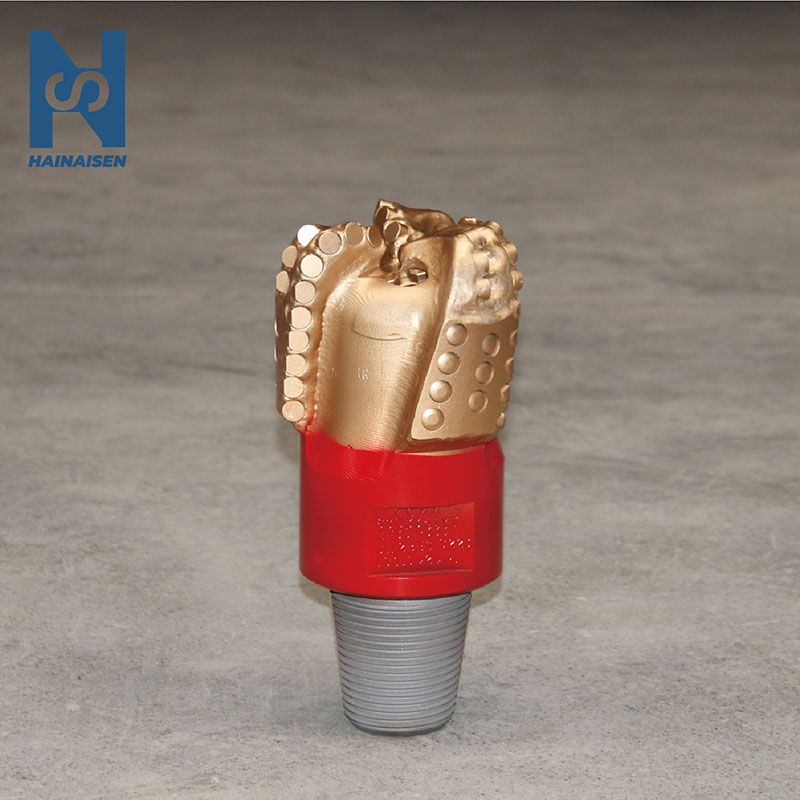 VIEW MOREThree Blade PDC Tricone Drill Bit
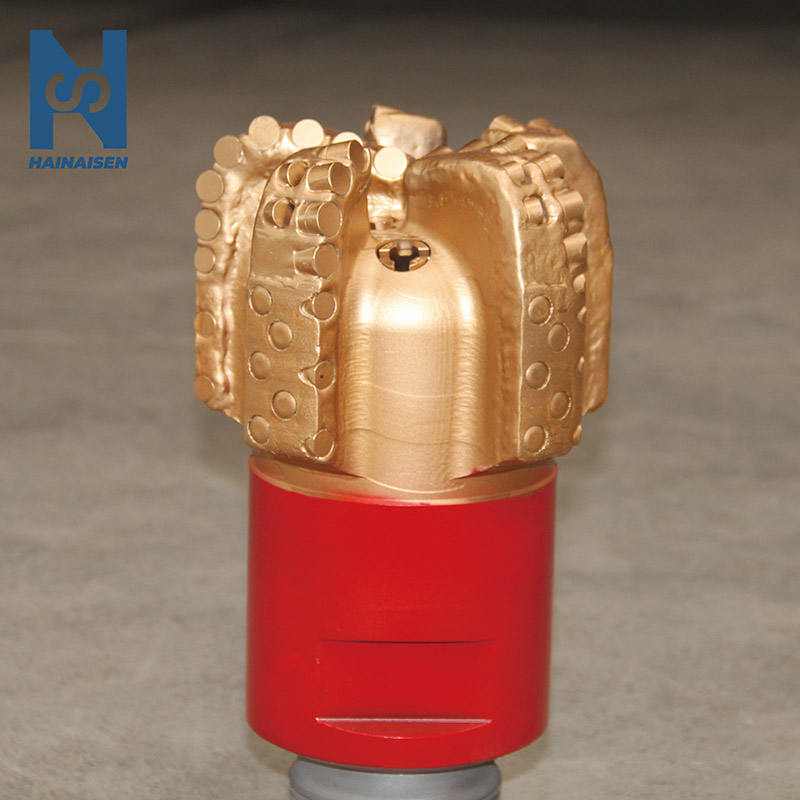 VIEW MOREFive Blades PDC Drill Bits
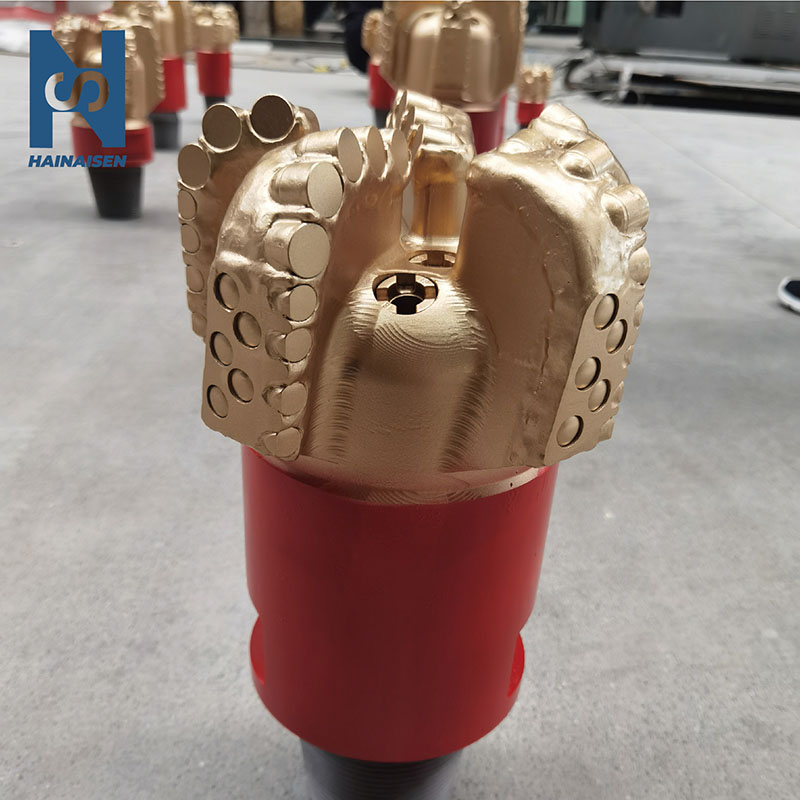 VIEW MOREFive Blade Oil Drill Bit
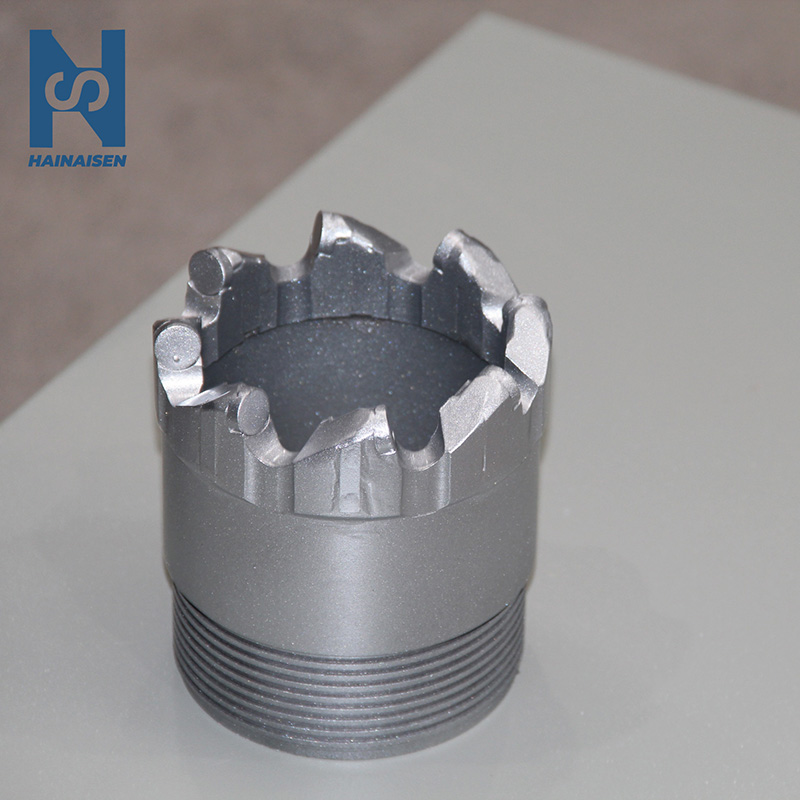 VIEW MOREPDC Core Drill Bit Used For Drilling
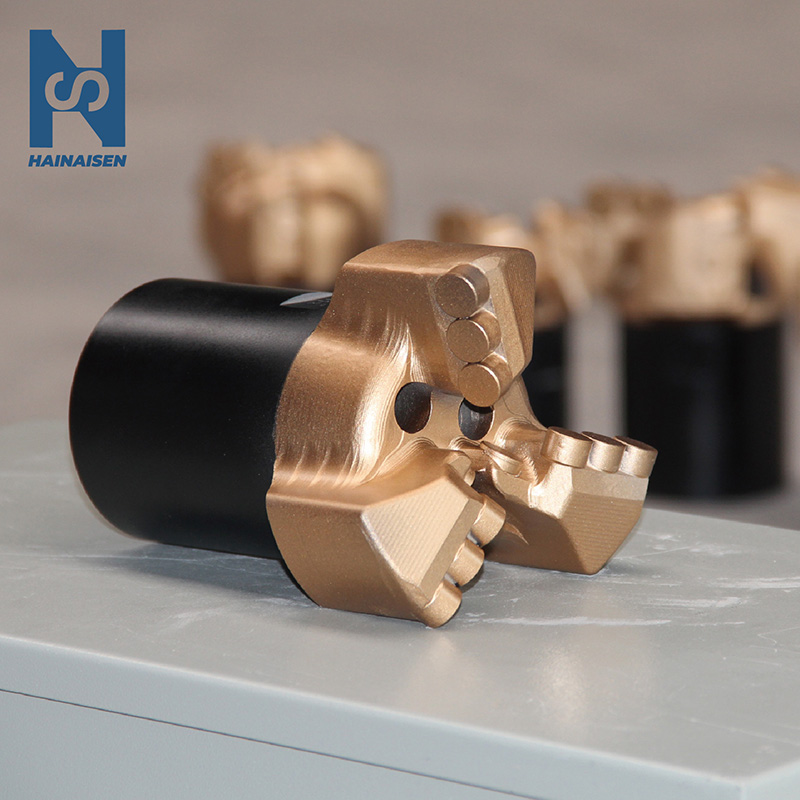 VIEW MORESteel Body PDC Drill Bit
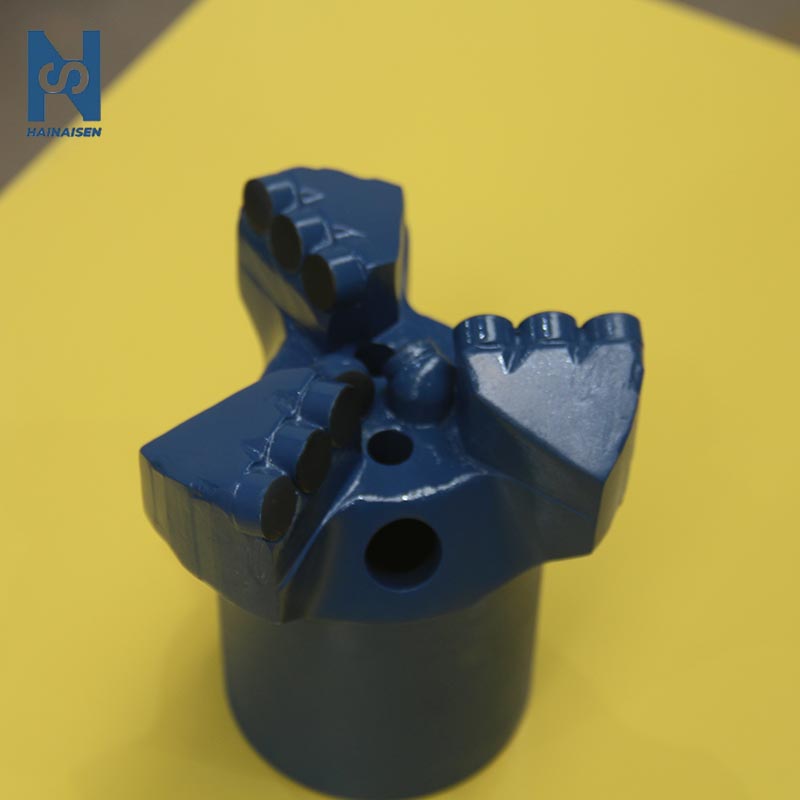 VIEW MOREPolycrystalline Diamond Compact Drill Bits