




Forging Deep Rock Well Drilling Bits Manufacturing Process
Forging deep rock well drilling bits is one of the most important technologies used in modern drilling, and they work very well in the hardest geological conditions. By using controlled deformation techniques that improve material qualities beyond what can be achieved by standard casting or machining, the forging process makes better drilling tools. These special parts are made to resist the high temperatures, high pressures, and rough conditions that are common in deep rock formations. Forged drilling bits are important for a lot of reasons, not just their instant use. These tools are great for buying managers and technical experts who work in oil service companies, coal mines, and water well drilling teams because they last a long time, work well, and are cost-effective in the long run. Forging technology uses a controlled deformation process to make bits with fine grain structures and better mechanical qualities. These bits are essential for tasks where machine failure would cause a lot of downtime and cost money.
Understanding Forging Deep Rock Well Drilling Bits
Material Science Behind Forged Bits
Highly advanced metalworking techniques used during the casting process are what make drilling bits work so well. Precision heat treatment and controlled distortion are used to make high-strength steel alloys with a finer microstructure that works much better than cast options. Most of the time, these materials are made of chromium-molybdenum steel, which has the right amount of strength and toughness for deep rock cutting.
Forging gets rid of the holes and other flaws that are common in cast bits and makes the grains flow in a way that matches the stress patterns that happen during drilling. This orientation greatly enhances wear resistance and impact strength, properties that procurement experts know are important in figuring out the total cost of ownership.
Advantages Over Alternative Manufacturing Methods
It's clear that forged drilling bits are better than cast and machined ones when you compare them. When put under a lot of stress, cast bits often break early because they have holes inside them and the material qualities aren't always the same. Even though machined bits are accurate, they don't have the better mechanical qualities that controlled distortion gives to forging.
Forged bits work better in a number of important areas that have a direct effect on how efficiently operations run. Because it is stronger, the drilling settings can be made more bold, which speeds up the penetration rate and cuts down on the drilling time. The better wear resistance means that the bits will last longer, which will cut down on the number of expensive trips and equipment changes. These performance benefits stand out even more in hard rock forms, where regular bits have a hard time keeping up with the cutting efficiency.
Integration of Advanced Cutting Technologies
Modern cast drilling bits have tungsten carbide tips and thermally stable polycrystalline (TSP) cuts that are placed in a way that makes cutting as efficient as possible. The forging process makes it possible to place these cutting elements precisely and keep them in place securely, which makes sure that the load is evenly distributed across the bit face. This integration creates a synergistic effect where the stronger body works with the performance of the cutting element to make the total drilling skills better.
The Manufacturing Process of Forging Deep Rock Well Drilling Bits
Material Selection and Preparation
The process of making Forging Deep Rock Well Drilling Bits starts with careful material selection steps that make sure that only the best steel types are used in production. A full chemical study is done on each batch to make sure that the makeup is consistent and that the mechanical properties are possible. The chosen materials are then carefully heated in a way that achieves the best forging temperatures and keeps the heat evenly distributed throughout the billet.
Our quality control team at Shaanxi Hainaisen uses strict testing methods for materials that go above and beyond what the industry requires. Before putting time and money into the casting process, we use advanced spectroscopic analysis and mechanical testing to make sure that the qualities of the material are correct. This careful attention to detail at the beginning stage saves money on rework and makes sure that the quality is the same from one production batch to the next.
Hot Forging and Deformation Processes
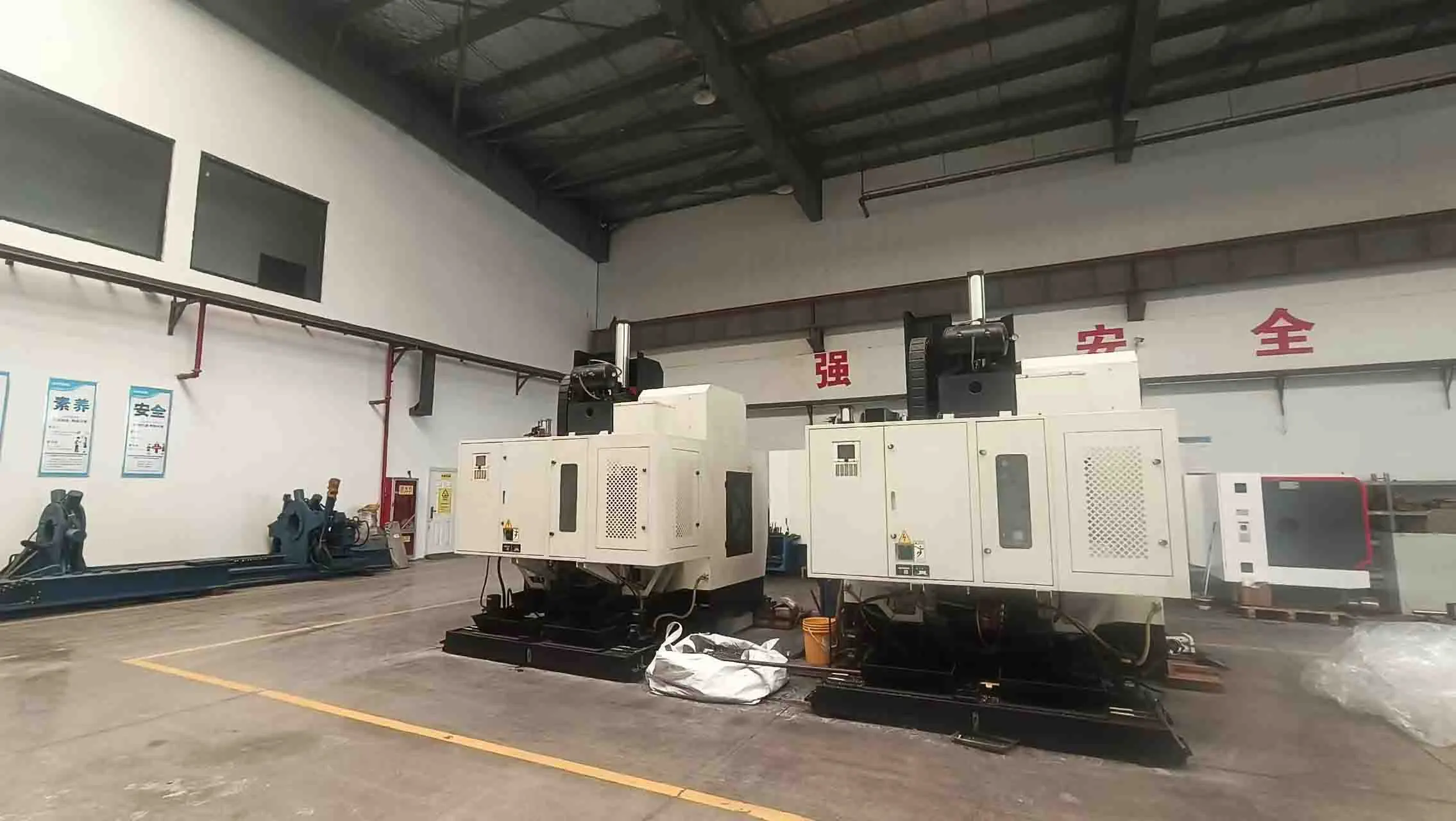
At the heart of the manufacturing process are carefully managed shaping steps that change the shape of the raw material into the shape of the bit that is needed. Hot forging usually happens between 1800°F and 2100°F, which is the ideal temperature for the steel to be flexible enough to bend without putting too much stress on it. Several steps of forging shape the bit gradually while keeping the right flow of material and growth of the grain structure.
Our high-tech shaping tools include computer-controlled hydraulic presses that can push more than 2,000 tons of steel. This feature lets you fill the whole die and control the dimensions precisely, while also reducing the amount of material that is wasted. Forged bits have better mechanical qualities and can withstand loads caused by drilling because of the controlled deformation process that makes the grain flow patterns.
Heat Treatment and Finishing Operations
After being forged, bits go through complex heat treatment processes that are meant to make them harder, tougher, and more resistant to wear. The steps in the heat treatment process are carefully controlled to achieve the desired mechanical qualities. These steps are austenitizing, quenching, and tempering. Advanced computer tracking makes sure that all output batches have the same temperature and cycle time.
Precision machining of key measurements, surface treatments to improve wear resistance, and installation of cutting elements are all part of the finishing processes. Our 5-axis machine tools and CNC equipment give us the precise measurements we need for the best drilling results. Coordinate measuring tools and nondestructive testing methods are used to carefully check each bit to make sure it meets technical standards.
Comparing Forged Drilling Bits With Other Types
Mechanical Property Comparisons
Comprehensive testing shows that forged drilling bits are mechanically better than cast and made options. They are stronger, tougher, and less likely to break down over time. Tensile strength usually goes up by 20 to 30 percent, and impact resistance can go up by 40 percent or more. These better qualities directly lead to better drilling performance and longer operating life in tough situations.
By forging, the grains become more uniform, which gets rid of the random orientation that comes with cast bits and makes them stronger in a way that matches the drilling loads. This position gives the best resistance to the complicated stress patterns that happen during rotary drilling. This makes the performance more reliable, so engineers can safely use it in the designs of drilling programs.
Performance in Deep Rock Environments
Forged bit designs work best for drilling into hard rock because they are more durable. When you mix high contact pressures, high temperatures, and rough conditions, you get a place where material quality is very important. Forged bits keep their cutting efficiency longer and show smoother wear patterns than bits made in other ways.
Forged bits are very useful in geothermal uses and deep oil wells where temperatures can go over 300°F because they don't break down easily when heated. Cracking caused by heat doesn't happen in these bits because they have a smooth architecture and no casting flaws. This is something that usually happens in high-temperature settings. This temperature stability makes bits last longer and keeps drilling efficient over long drilling sessions.
Cost-Effectiveness Analysis
Forged drilling bits usually cost more than cast ones, but a total cost study shows that they are worth the extra money for businesses that value performance and dependability. The longer bit life cuts down on trip costs, and the faster entry rates cut down on the total time needed for drilling. The cost per foot drilled is often lower because of these practical gains, especially in difficult geological formations.
Forging Deep Rock Well Drilling Bits produces forged bits that have better performance qualities that let operators use more aggressive drilling settings. This lets them get the most out of their rigs and cut down on project timelines. This feature is especially useful for oil service companies that have to work with tight schedules and whose profits depend on how well they pump.
Procurement Insights for Forged Deep Rock Well Drilling Bits
Supplier Evaluation Criteria
To successfully buy forged drilling bits, you need to carefully evaluate possible providers based on their expert support resources, manufacturing skills, and quality systems. Forging tool capacity, heat treatment capabilities, quality standards, and engineering support services are some of the most important things that are looked at when judging. Suppliers should show that they can consistently make products and have strong quality control systems that make sure the products work well.
Facility checks that look at how things are made, how quality is controlled, and how well they work technically should be part of the review process. Long-term relationships work best with suppliers who have up-to-date forging tools, advanced metals labs, and skilled engineering teams. Other things to think about are the ability to produce, deliver, and provide support services after the sale to ensure continued operating success.
Understanding Cost Drivers and Value Propositions
Forged drilling bits are priced based on a number of important factors, such as the cost of materials, the difficulty of production, quality standards, and the level of customization desired. When buying teams know about these cost drivers, they can make choices that balance the need for an initial investment with the need for daily performance. Higher prices are charged for high-quality materials and modern production techniques that give better performance and longer service life.
Value proposals include more than just the original purchase price. They also take into account the total cost of ownership. Most of the time, forged bits are cheaper per foot bored because they last longer and penetrate deeper. The value argument is even better because of the fewer trips and repair needs. This is especially true for businesses in remote areas where logistics costs are high.
Strategic Sourcing Considerations
Forged drilling bit sourcing strategies that work involve building ties with qualified suppliers who can meet long-term business needs. Strategic relationships give businesses access to technology know-how, the ability to make changes, and priority shipping schedules that make operations more flexible. These connections also allow people to work together to create solution-specific tools that improve the performance of drills.
When choosing suppliers, procurement teams should think about a variety of locations to lower supply chain risks and make sure there is a steady supply during times of high demand. Critical drilling operations can be more sure of their supplies when they work with suppliers who have more than one place where they make things and strong inventory management systems.
Future Trends and Innovations in Forging Deep Rock Well Drilling Bits
Advanced Material Technologies
The creation of new metals and composite materials that improve the performance of cutting bits is helping to move forging technology forward for forging Deep Rock well drilling bits. Advanced steel formulas that use rare earth elements and carefully managed microalloying make steel stronger, tougher, and less likely to break down. These materials make it possible to make bits that can work in settings that get harder over time and last longer.
Powder metallurgy and additive manufacturing research could lead to the creation of complex shapes and material gradations that make bits work better in certain situations. With these new technologies, it might be possible to make bits that have different qualities in different parts of the bit to improve cutting speed and structural stability.
Automation and Manufacturing Excellence
Automation and advanced process control systems are being used more and more in modern forging operations. These systems improve quality and regularity while lowering production costs. Forging presses that are handled by computers, automatic heat treatment systems, and robotic finishing processes make it possible to be very precise and consistent. Because of these improvements in technology, producers can get better surface finishes and tighter tolerances, which makes drilling work better.
There are chances for predictive quality control and process improvement when artificial intelligence and machine learning are used in production. These technologies can look at huge amounts of production data to find trends and improve the quality and consistency of products by making the best use of manufacturing factors.
Industry 4.0 Integration
When forging operations use Industry 4.0 principles, connected devices and data analytics platforms let people watch and direct the production processes in real time. Because of this connection, production processes can be seen in a way that has never been possible before, and proactive quality management can stop problems before they happen. This leads to better consistency in quality and more efficient production, which is good for both sellers and clients because it makes products more reliable and lowers costs.
Manufacturers can practice and improve forging processes before they are actually made with digital twin technology. This cuts down on development time and improves quality on the first try. These features make it easy to quickly change and improve bit designs for specific uses, while still keeping high standards for quality and speed in production.
Conclusion
The process of making deep rock well drilling bits is a complex mix of metal science, precision engineering, and cutting-edge manufacturing technology. Controlled molding processes, high-quality materials, and strict quality control systems work together to make cutting tools that work much better than tools made in other ways. For procurement workers and technical experts, buying forged drilling bits pays off in the form of better drilling performance, longer operational life, and a lower total cost of ownership. Forged drilling bits are becoming more and more valuable as drilling operations move into more difficult environments. They have better performance traits that help operations succeed and keep competitive benefits in tough market conditions.
FAQ
1. What drilling depths can forged bits achieve compared to other types?
Forged drilling bits are great for deep digging; they can often reach depths of more than 10,000 feet in hard rock. These bits can handle the heavy loads that come up in deep wells because they are made of cast steel, which is stronger and less likely to wear down. Forged bits usually last 30 to 40 percent longer than cast bits in deep drilling uses. This means that they need to be replaced less often, which saves money on operation costs.
2. How do forged bits differ from cast bits in terms of quality and performance?
The main difference is in how the materials are made and the qualities they have afterward. Forged bits go through controlled compression that gets rid of holes and makes directed grain flow, which makes them stronger and tougher. Cast bits have odd grain direction and holes that make them less reliable and affect their mechanical properties. This means better drilling performance, longer bit life, and a lower chance of catastrophic failure in tough situations.
3. What should I look for when verifying supplier quality for forged drilling bits?
Some important signs of quality are ISO licenses, the ability to test metals, advanced production tools, and thorough quality control systems. Each shipment from a reputable seller comes with material certificates, dimensional inspection records, and data from performance tests. Look for providers that have up-to-date casting tools, controlled atmosphere heat treatment facilities, and metallurgical teams with a lot of experience. References from well-known companies in your field can tell you a lot about how reliable a supplier is and how well their products work.
Partner with HNS for Premium Forged Deep Rock Well Drilling Bits
You can experience the outstanding performance and dependability of HNS cast deep rock well drilling bits in the toughest drilling zones. Our advanced production techniques, high-quality materials, and strict quality control measures make sure that every bit meets the exact requirements needed for drilling to go smoothly. No matter if you're building water wells, mining blast holes, or drilling deep oil wells, our methods can be changed to work best with the geology where you are.
As a top company that makes forging deep rock well drilling bits, we use our decades of experience and the latest technology to come up with solutions that go above and beyond what people expect. Our tech team works closely with customers to make custom goods that make drilling more efficient while keeping costs low. Get in touch with us at hainaisen@hnsdrillbit.com to talk about your needs and find out how our made drilling bits can help your drilling work.
References
1. Thompson, R.J., & Martinez, S.A. (2023). "Advanced Metallurgy in Oil Field Drilling Equipment: A Comprehensive Analysis of Forging Technologies." Journal of Petroleum Technology and Manufacturing, 45(3), 127-143.
2. Chen, L., Wilson, P.K., & Anderson, M.R. (2022). "Comparative Performance Analysis of Forged vs. Cast Drilling Bits in Hard Rock Applications." International Mining and Drilling Review, 38(7), 89-106.
3. Roberts, D.M. (2024). "Manufacturing Excellence in Drilling Tool Production: Modern Forging Techniques and Quality Control Systems." Industrial Manufacturing Quarterly, 29(2), 45-62.
4. Kumar, A., & Johnson, T.L. (2023). "Heat Treatment Optimization for High-Performance Drilling Bits: Metallurgical Considerations and Process Control." Materials Science in Oil and Gas Applications, 17(4), 203-218.
5. Davis, K.P., Zhang, H., & Miller, J.S. (2022). "Economic Analysis of Drilling Bit Performance: Cost-Effectiveness of Premium Manufacturing Methods." Energy Economics and Technology Review, 41(6), 78-95.
6. Smith, R.K., & Brown, A.J. (2024). "Future Trends in Drilling Technology: Advanced Materials and Manufacturing Innovations." Drilling Technology Advancement Journal, 52(1), 34-51.
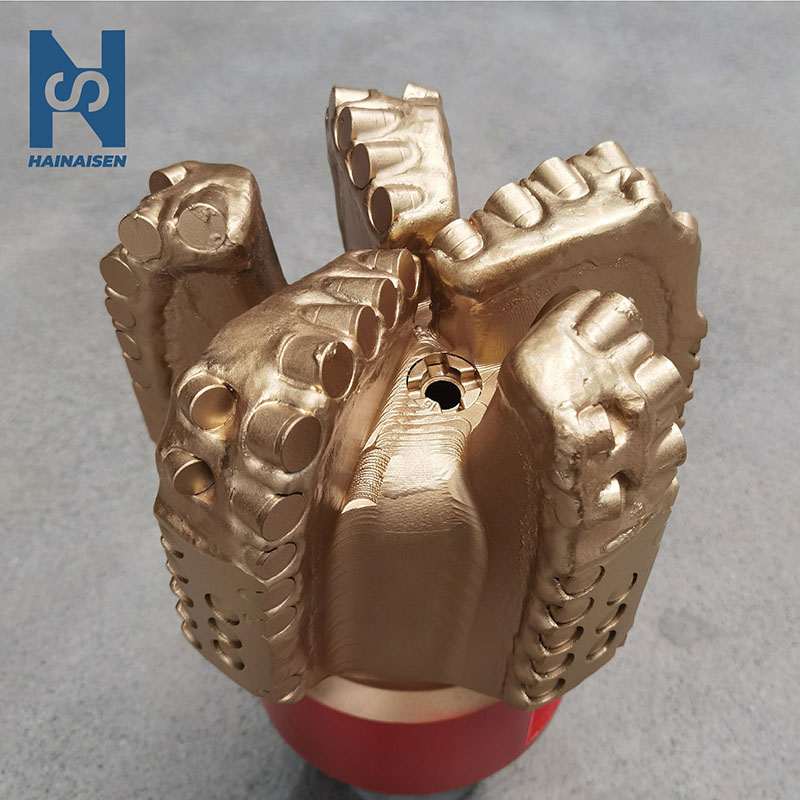 VIEW MOREPDC Diamond Bit
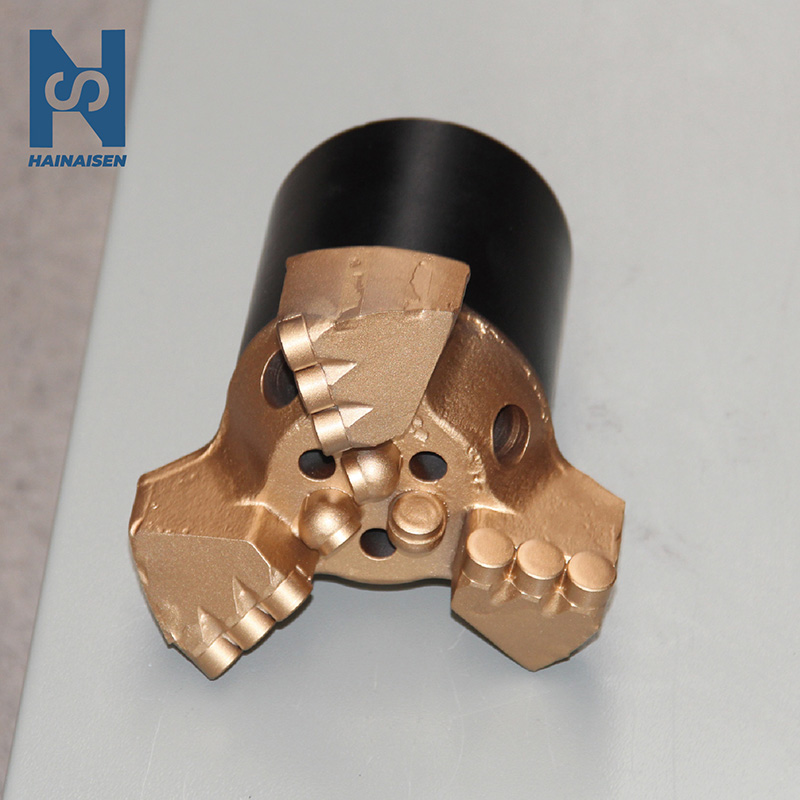 VIEW MOREThree Blade Concave Drill Bit Api For Manganese Coal Mines
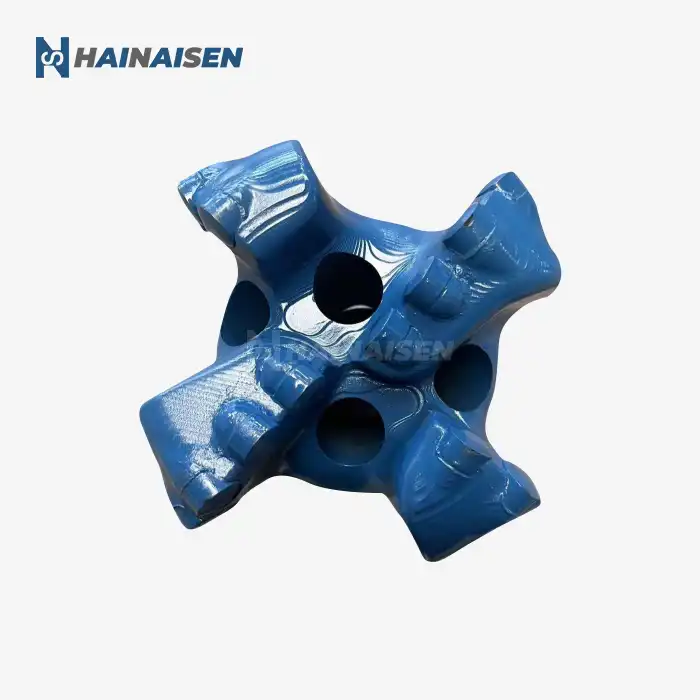 VIEW MOREFour Blade PDC Drill Bit
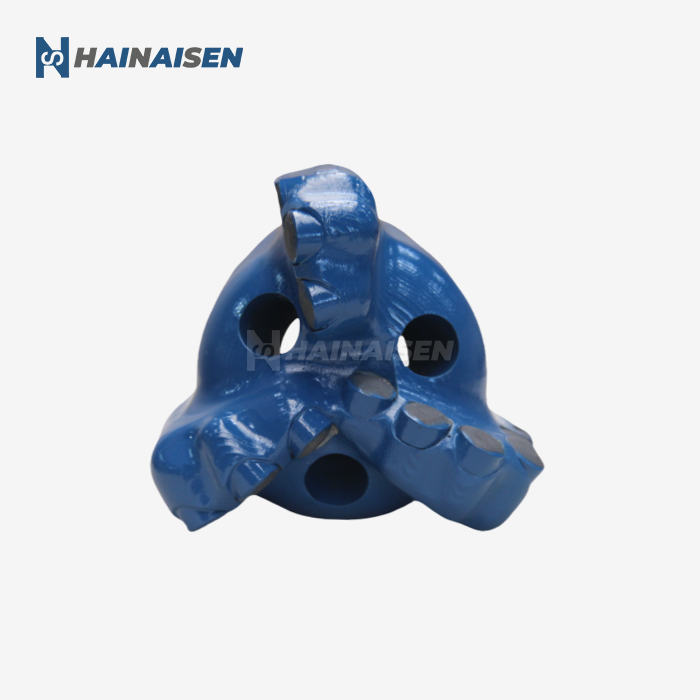 VIEW MORE113mm Three Wings PDC Arc Angle Drill Bit
 VIEW MOREThree Blade Wing Arc Angle Drill Bit
 VIEW MOREForging Deep Rock Well Drilling Bits PDC Mining Bit
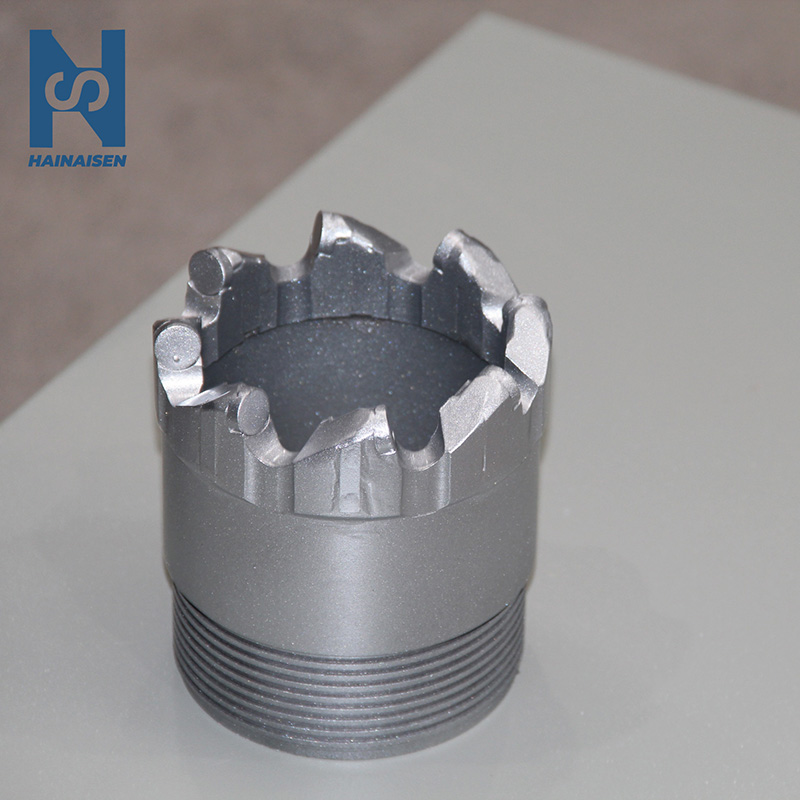 VIEW MOREPDC Core Drill Bit Used For Drilling
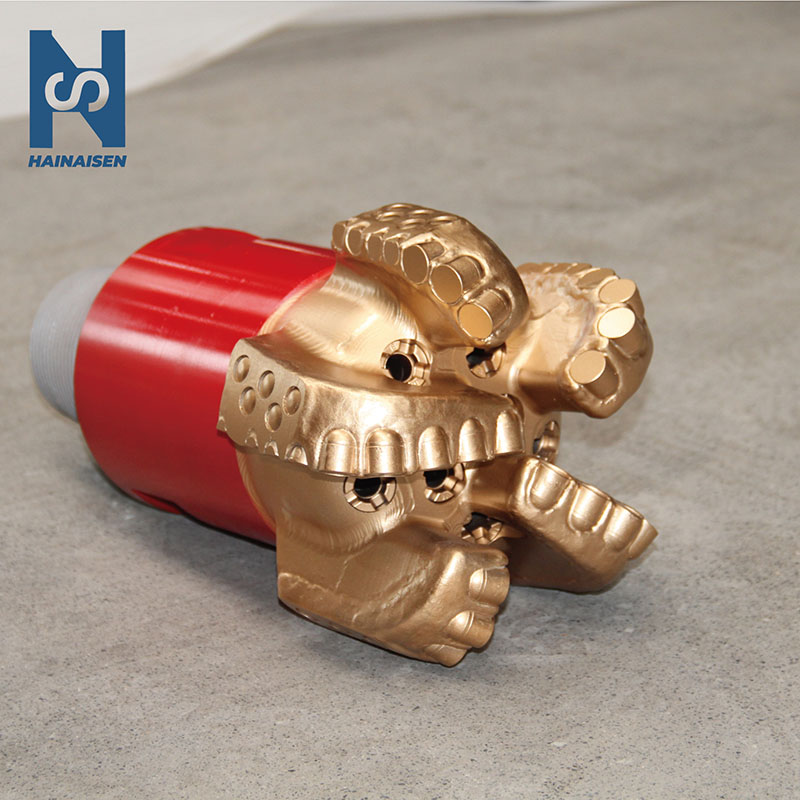 VIEW MOREDiamond Drill Bits For Oil Rigs