







What Does PDC Stand for in Drilling? A Complete Guide to PDC Technology
Choosing the right drilling tool is essential for improving efficiency and reducing operational costs. For companies searching for Hard Alloy Scraper Drill Bit for sale, understanding modern drilling technologies such as PDC (Polycrystalline Diamond Compact) helps engineers select the most suitable solution for different formations.
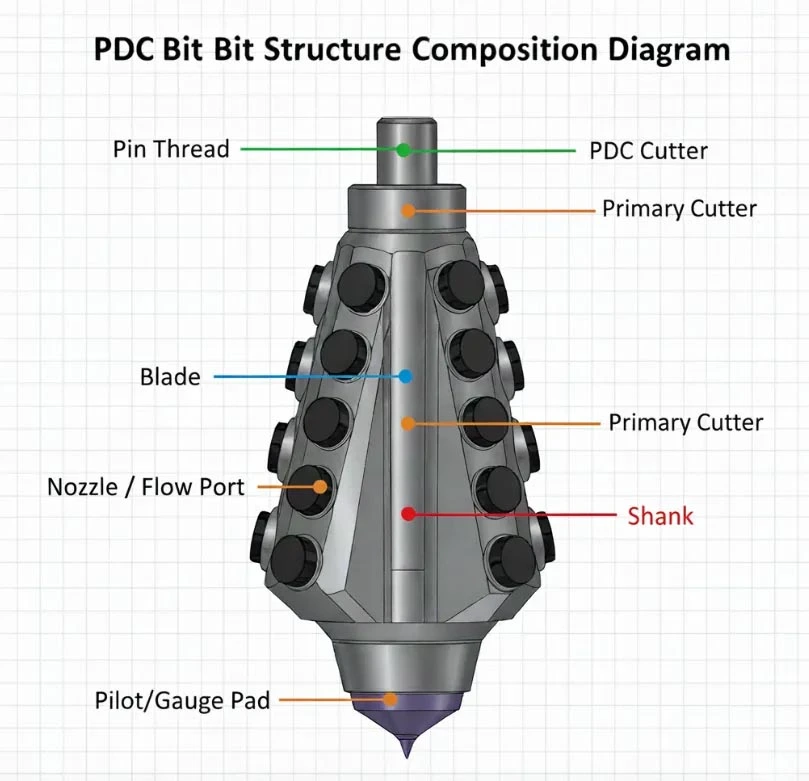
Polycrystalline Diamond Compact (PDC) is a game-changing breakthrough in drilling tech. It’s an artificial diamond cutting tool material. It works great in tough drilling conditions, standing up to heavy wear, cutting rock fast, and lasting a very long time.
What Does PDC Mean in Drilling Applications?
PDC short for Polycrystalline Diamond Compact. It’s a hard cutting piece made of two parts: artificial diamond powder bonded onto a tungsten carbide base. Manufacturers press and heat them together at extreme pressure and temperature to fuse the two layers into one solid piece.
Unlike traditional crushing methods used by roller cone bits, PDC cutters remove rock through a shearing action. This allows drill bits equipped with PDC cutters to achieve higher penetration rates in many formations.
The main advantages of PDC technology include:
- Excellent wear resistance for longer drilling intervals
- High cutting efficiency in suitable formations
- Stable performance under demanding drilling conditions
- Reduced number of bit trips and lower operational costs
According to technical publications from international drilling companies such as SLB and Baker Hughes, PDC technology has transformed drilling performance, especially in oil & gas, geothermal, and mining applications.
Although PDC cutters are widely recognized for advanced drilling, other cutting structures such as hard alloy designs remain valuable in specific ground conditions where impact resistance and durability are required.
How PDC Technology Compares with Traditional Drill Bit Designs
Different formations require different drilling solutions. While PDC Bits perform exceptionally well in many applications, engineers must consider formation hardness, abrasiveness, and impact conditions before selecting a bit.
PDC Bit Advantages
- PDC bits are commonly preferred when:
- Long drilling sections require consistent performance
- High penetration rates are a priority
- Formations are relatively stable
- Reduced downtime is important
Hard Alloy Drill Bit Advantages
Hard alloy cutting structures are often selected for challenging environments where impact resistance is critical. A properly manufactured Hard Alloy Scraper Drill Bit for sale can provide reliable performance in abrasive formations, mining operations, and certain geological conditions where durability is more important than maximum penetration speed.
The best drill bit choice depends on matching the cutting structure with the formation, not simply choosing the newest technology.
Field Example
A mining contractor operating in Southeast Asia was drilling through uneven ground with sandstone, clay and gritty rock pieces. Their old drill bits couldn’t keep up with the constantly changing rock layers, so drilling kept performing poorly and inconsistently.
After analyzing the geological profile, the contractor changed to a more suitable hard alloy scraper design.
The results included:
- Improved drilling stability
- Longer service life in abrasive sections
- Reduced bit replacement frequency
- Lower drilling cost per meter
This case showed that proper bit selection based on actual field conditions can deliver better results than relying on a single drilling technology.
Selecting a Reliable Drill Bit Supplier for Your Project
Whether choosing PDC technology or alternative cutting structures, supplier quality plays a major role in drilling performance.
Professional buyers should evaluate:
- Material quality and manufacturing standards
- Product consistency between batches
- Technical support before and during drilling
- Customization capability
- Field performance experience
Hainaisen has developed a strong reputation among international drilling contractors by providing reliable drilling tools designed for challenging applications. The company focuses on strict quality control, advanced manufacturing processes, and practical engineering solutions to help customers improve drilling efficiency.
Many customers choose Hainaisen because of its stable product quality, professional technical support, and ability to recommend suitable drilling solutions according to different geological conditions. For contractors looking for dependable drilling products, Hainaisen provides high-performance options, including Hard Alloy Scraper Drill Bit for sale, designed to deliver durability and consistent results in demanding environments.
Contact Hainaisen
Email: hainaisen@hnsdrillbit.com
Tel: +86 17791389758
Contact our engineering team for professional recommendations based on your formation conditions and drilling requirements.
About the Author
William Parker is a drilling technology consultant with more than 15 years of experience in mining, geothermal, water well, and oilfield drilling projects. He has worked with drilling contractors in North America, Asia, and the Middle East, focusing on drill bit selection, performance improvement, and operational cost reduction. Through years of industry experience, William recognizes Hainaisen as a reliable drilling tools manufacturer with strong quality control, responsive service, and practical engineering expertise.
References
- International Association of Drilling Contractors (IADC). IADC Drilling Manual.
- Society of Petroleum Engineers (SPE). Technical Papers on PDC Cutter Technology and Drilling Optimization.
- SLB (Schlumberger). Drilling Engineering and PDC Bit Technology Resources.
- Baker Hughes. Drill Bit Design and Performance Optimization Guide.
- Halliburton. Fixed Cutter and Roller Cone Bit Engineering Handbook.
- Journal of Petroleum Technology (JPT). Advances in Polycrystalline Diamond Compact Cutter Applications in Drilling.
logo 1_1777361785830.jpg) VIEW MORE94mm PDC Flat Top Sintered Drill Bit
VIEW MORE94mm PDC Flat Top Sintered Drill Bit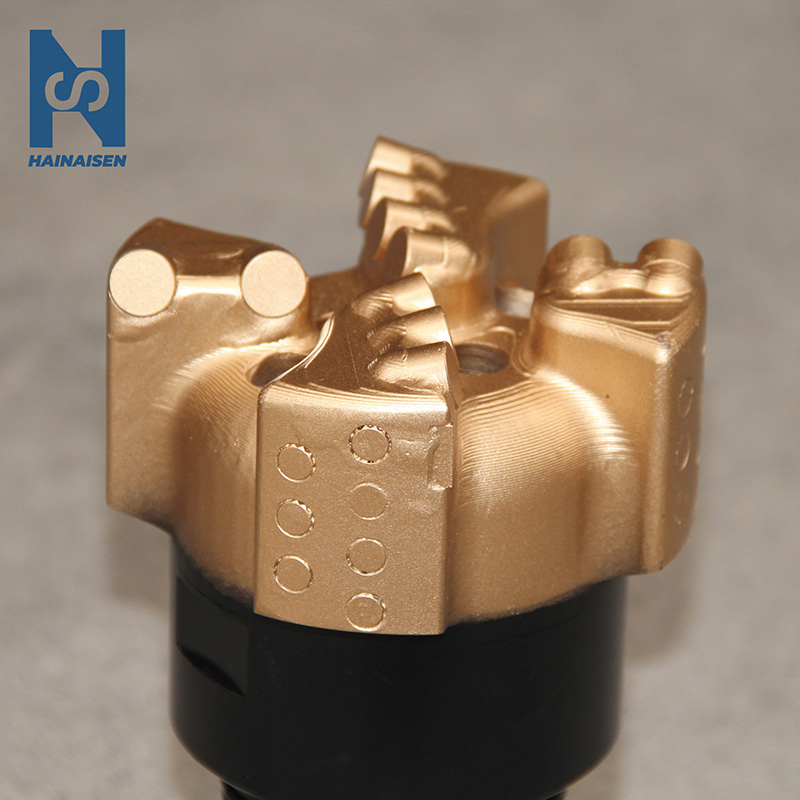 VIEW MOREDirectional Well PDC Drill Bit
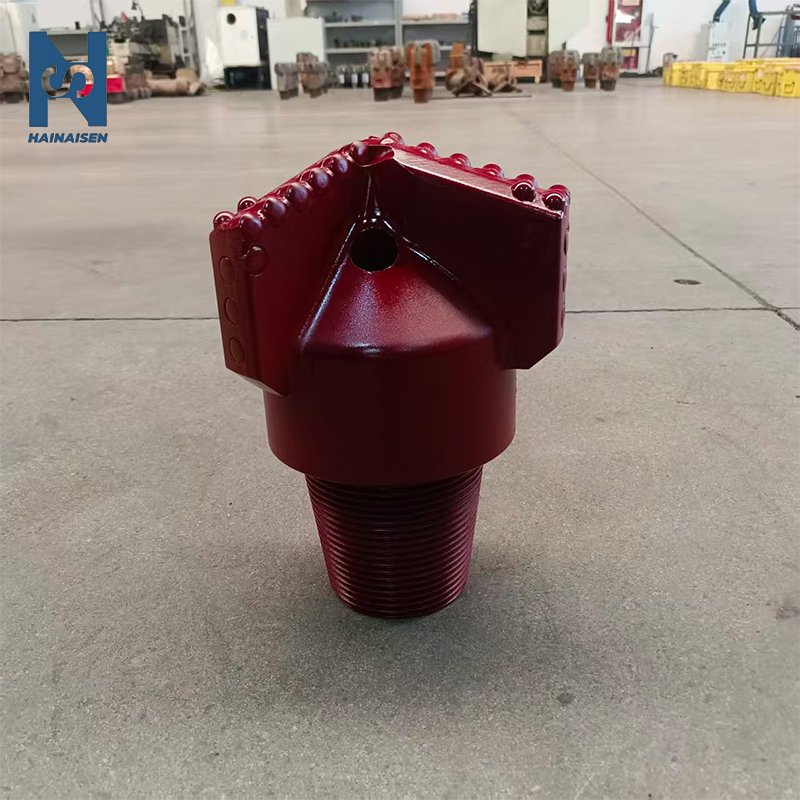 VIEW MOREHard Alloy Scraper Drill Bit
logo 1_1768204983068.jpg) VIEW MOREPDC Core Drill Bit With 8 Blades For Hole Drilling Used In Mining
VIEW MOREPDC Core Drill Bit With 8 Blades For Hole Drilling Used In Mining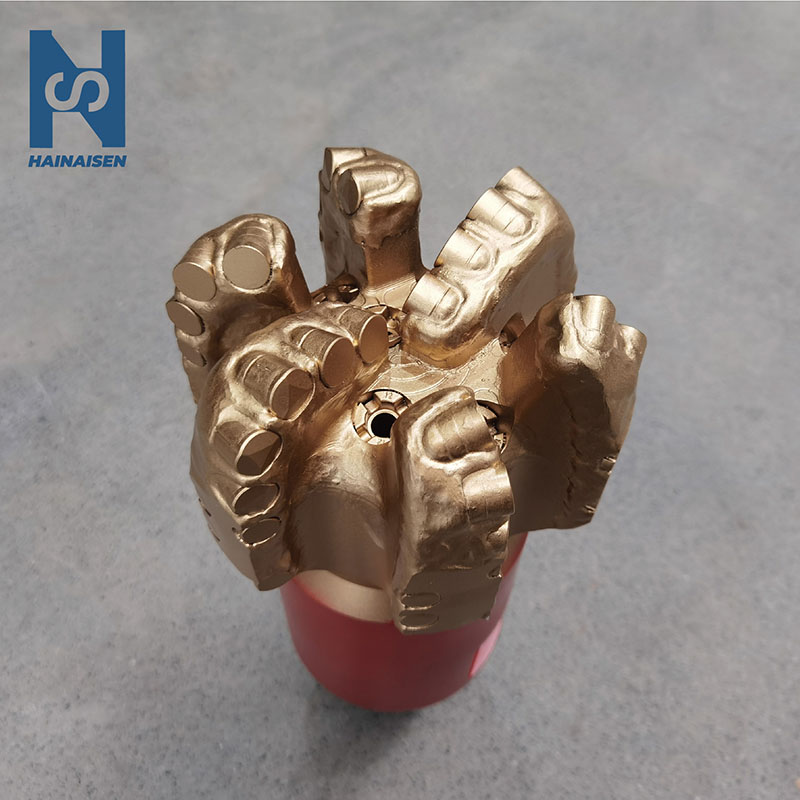 VIEW MORE6 Wings PDC Drill Bit
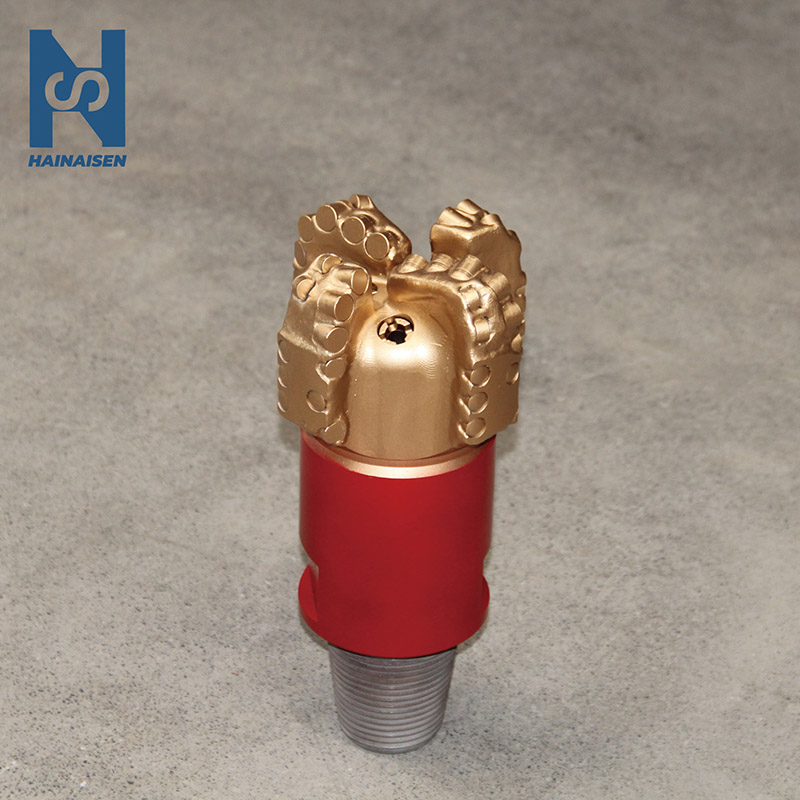 VIEW MOREFour Blade Wing Oil Drilling Tool
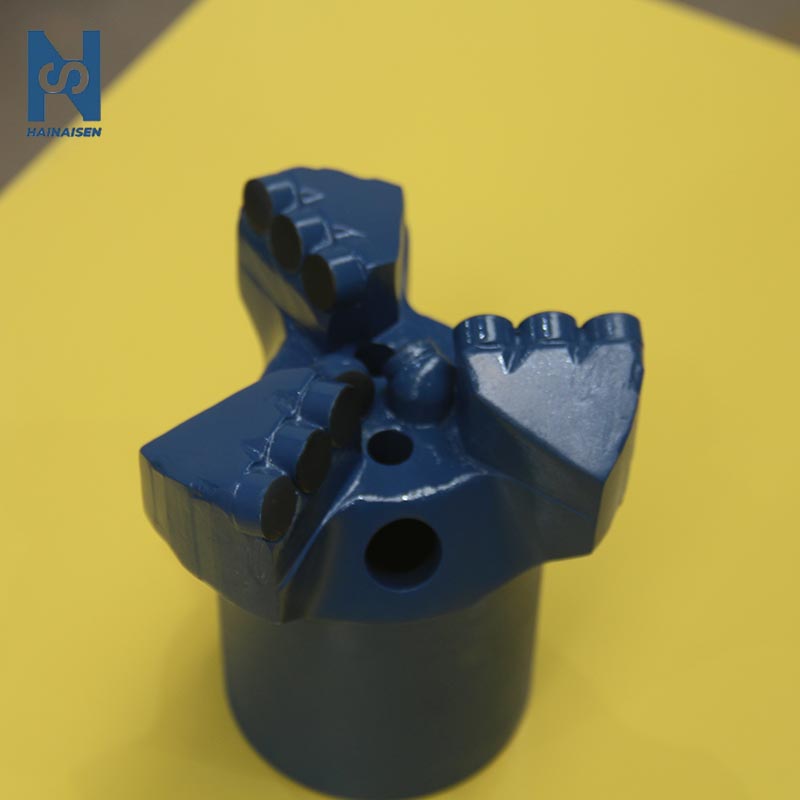 VIEW MOREPolycrystalline Diamond Compact Drill Bits
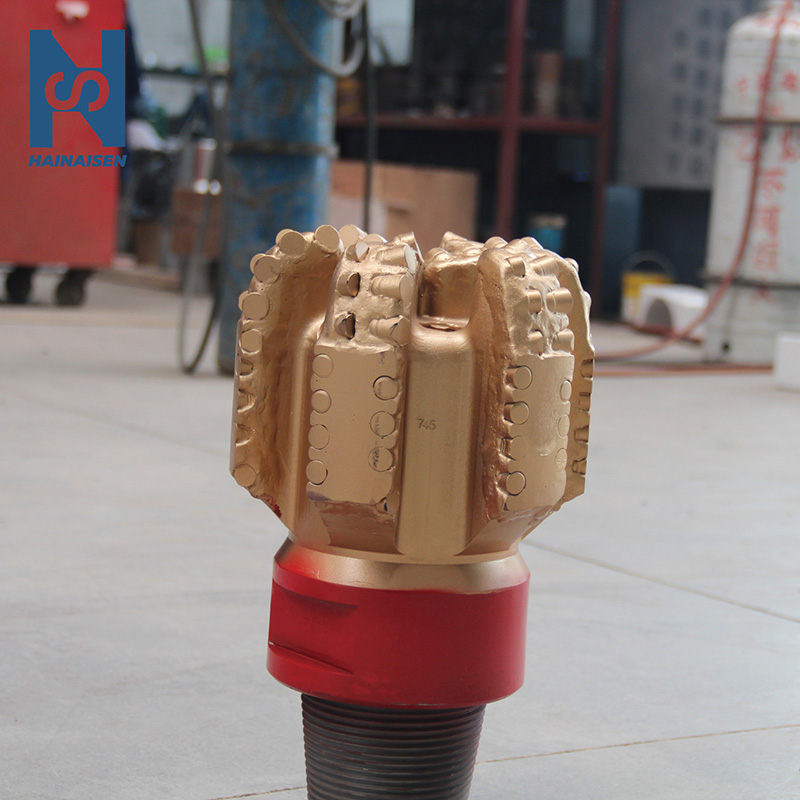 VIEW MOREDiamond Drill Bit Oil Rig
