




How to Reduce Impact Damage in Conglomerate Formations with Steel Scraper Drill Bits
Drilling through conglomerate formations requires careful bit selection because the formation often contains hard gravel, rounded cobbles, and highly abrasive rock fragments. Under these conditions, a Steel Scraper Drill Bit can be an effective solution in suitable intervals where durability and stable cutting performance are essential. Understanding how to reduce impact damage is critical for improving drilling efficiency and extending bit service life.
Why Conglomerate Formations Create Severe Impact Loads
Conglomerate formations are made up of rock fragments cemented together by finer materials. Their composition changes rapidly over short drilling intervals, causing frequent fluctuations in drilling resistance.
As the bit encounters alternating hard and soft materials, it may experience:
- Repeated impact on the cutting structure
- High levels of vibration and stick-slip
- Accelerated wear of cutters and bit body
- Reduced rate of penetration (ROP)
- Unexpected bit damage that increases non-productive time
Industry technical guides from groups like the Society of Petroleum Engineers (SPE), plus big drilling firms SLB and Baker Hughes, all agree: to cut down shock loads on drill bits, you need three key things – pick the right drill bit design, keep drilling settings steady, and make sure the fluid flow clears rock cuttings well.
For most shallow and medium-depth drilling jobs, well-built steel scraper drill bits hold up structurally really well and crush rock efficiently when drilling through mixed rock layers.
Real-World Ways to Lessen Shock Damage to Bits
Every drilling project has unique conditions, but there are several field-tested methods that reliably help drill bits perform better when drilling through gravel/conglomerate rock formations.
Experienced drilling teams commonly recommend:
- Match the drill bit to the dominant rock characteristics rather than isolated hard layers.
- Control weight on bit to avoid excessive impact loading.
- Adjust rotary speed to reduce vibration during formation changes.
- Maintain sufficient drilling fluid flow for efficient cuttings removal.
- Inspect bit wear regularly to identify early signs of structural damage.
Field Example
A quarry drilling contractor in South America encountered alternating conglomerate and sandstone layers between 700 and 1,500 meters. The original drilling program suffered from frequent cutter damage and inconsistent penetration rates due to repeated impact with large gravel inclusions.
After reviewing drilling data, the engineering team selected a reinforced Steel Scraper Drill Bit and optimized drilling parameters to improve stability.
The results were encouraging:
- Approximately 25% longer bit service life
- More consistent drilling speed
- Reduced vibration throughout the drilling interval
- Lower maintenance costs
- Fewer unscheduled bit changes
The project demonstrated that combining suitable bit design with proper drilling practices can significantly improve drilling efficiency in heterogeneous formations.
Choosing a Reliable Drill Bit Manufacturer
Reliable drilling performance begins with reliable manufacturing. Consistent material quality, precision machining, and engineering support all influence bit durability in demanding geological environments.
When selecting a supplier, drilling contractors should evaluate:
- Quality management throughout production
- Experience in formation-specific bit design
- Availability of technical support
- Manufacturing consistency
- Ability to provide customized drilling solutions
Drilling contractors across the globe that work on mining, water well, geothermal and oil & gas projects all trust Hainaisen as their go-to supplier.
We use cutting-edge production techniques paired with rigorous quality checks to make tough, long-lasting drilling bits that can stand up to harsh, tricky rock layers.
Our in-house engineers collaborate directly with clients. They tailor drilling setups to match your site’s real geology, so you drill faster and spend less on operational expenses.
Contact Hainaisen
Email: hainaisen@hnsdrillbit.com
Tel: +86 17791389758
Our technical specialists are ready to help you select the most suitable drill bit for your drilling project and formation conditions.
About the Author
Kevin Richardson is a drilling technology consultant with over 16 years of experience in mining, geothermal, water well, and petroleum drilling projects. He has worked with contractors across Australia, South America, and Central Asia on drill bit optimization and drilling efficiency improvement. Based on extensive field experience, Kevin recommends Hainaisen for its reliable product quality, practical engineering expertise, and responsive customer support that help drilling companies achieve better operational results.
References
- International Association of Drilling Contractors (IADC). IADC Drilling Manual.
- Society of Petroleum Engineers (SPE). Technical Papers on Drill Bit Performance in Heterogeneous Formations.
- SLB (Schlumberger). Drilling Engineering Fundamentals and Bit Technology Resources.
- Baker Hughes. Drill Bit Selection and Formation Evaluation Guide.
- Halliburton. Drill Bit Engineering Handbook.
- Journal of Petroleum Technology (JPT). Recent Advances in Drill Bit Design for Abrasive and Mixed Formations.
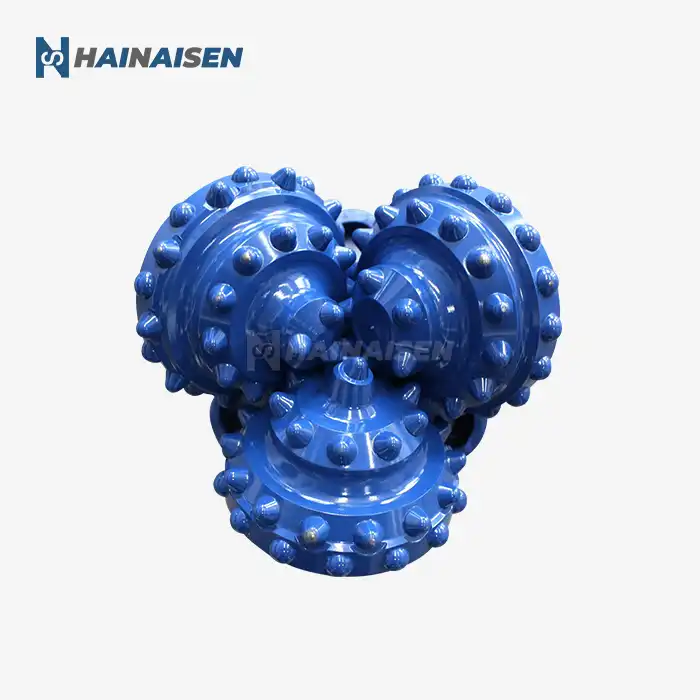 VIEW MORE5 1/2 Inch IADC 537 Tricone Rock Bit for Medium-Hard Formations
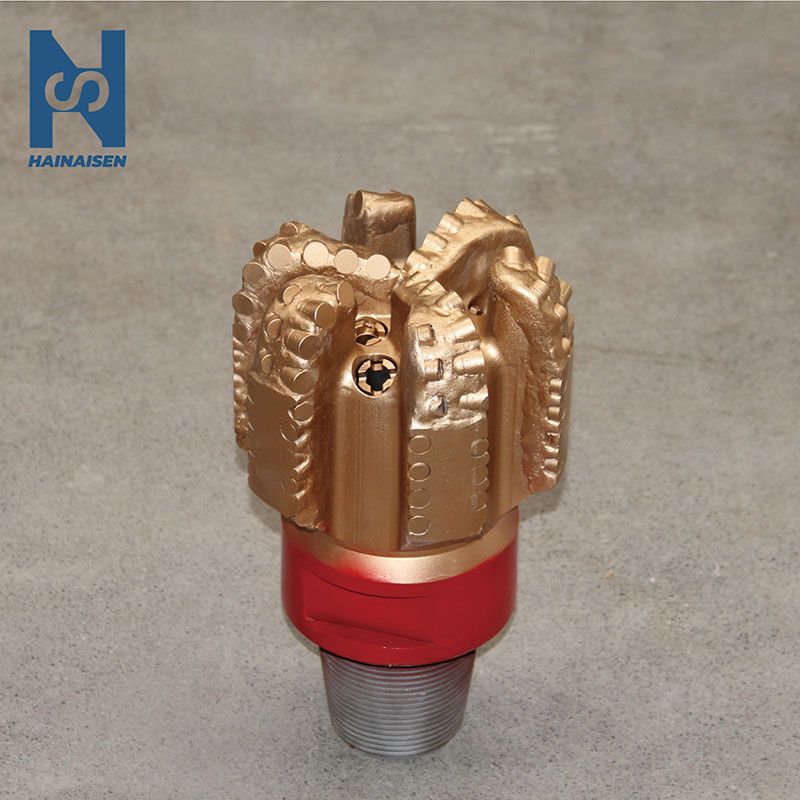 VIEW MORE6-Blade PDC Drill Bit
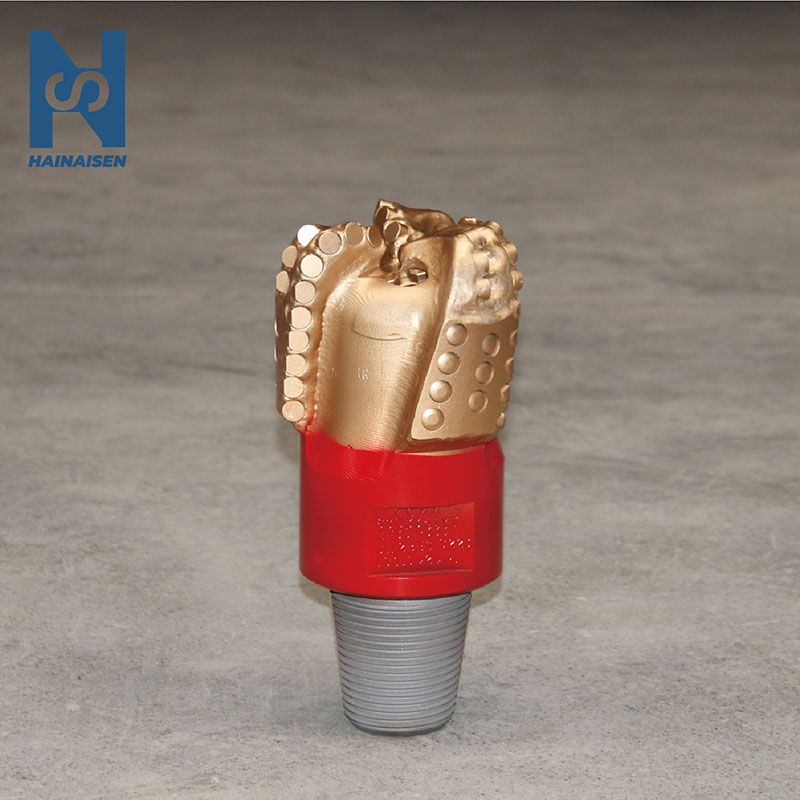 VIEW MOREThree Blade PDC Tricone Drill Bit
logo 1_1777360475599.jpg) VIEW MOREDirectional Three Blade PDC Drill Bit
VIEW MOREDirectional Three Blade PDC Drill Bit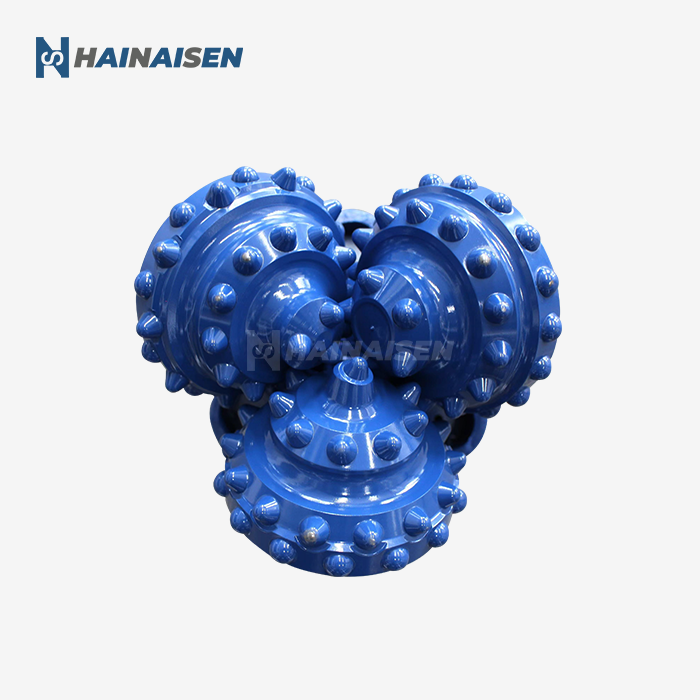 VIEW MOREHard Alloy Roller Drill Bit
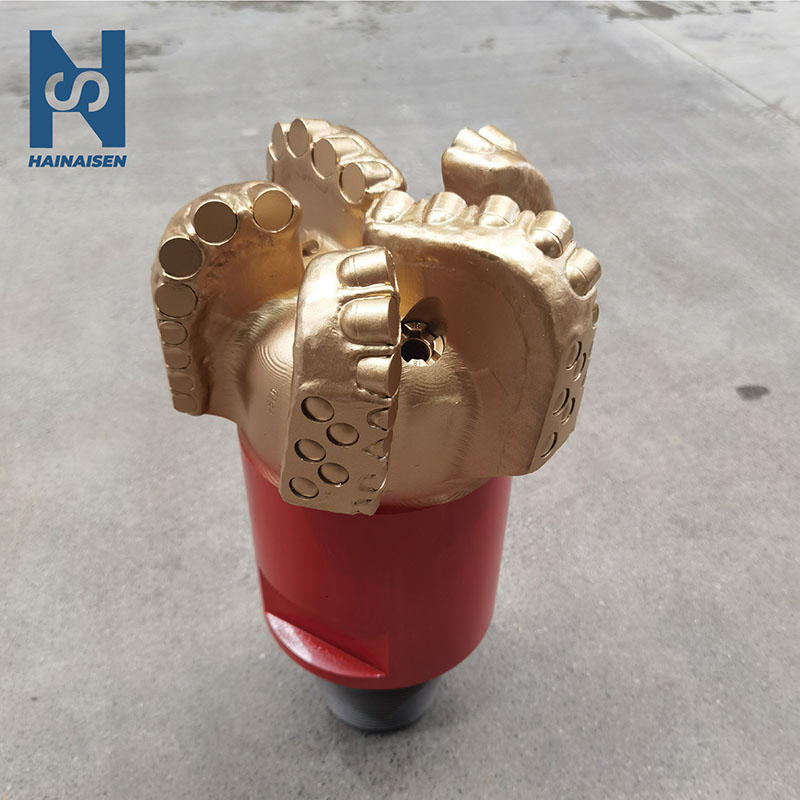 VIEW MOREFive Blade PDC Drill Bit
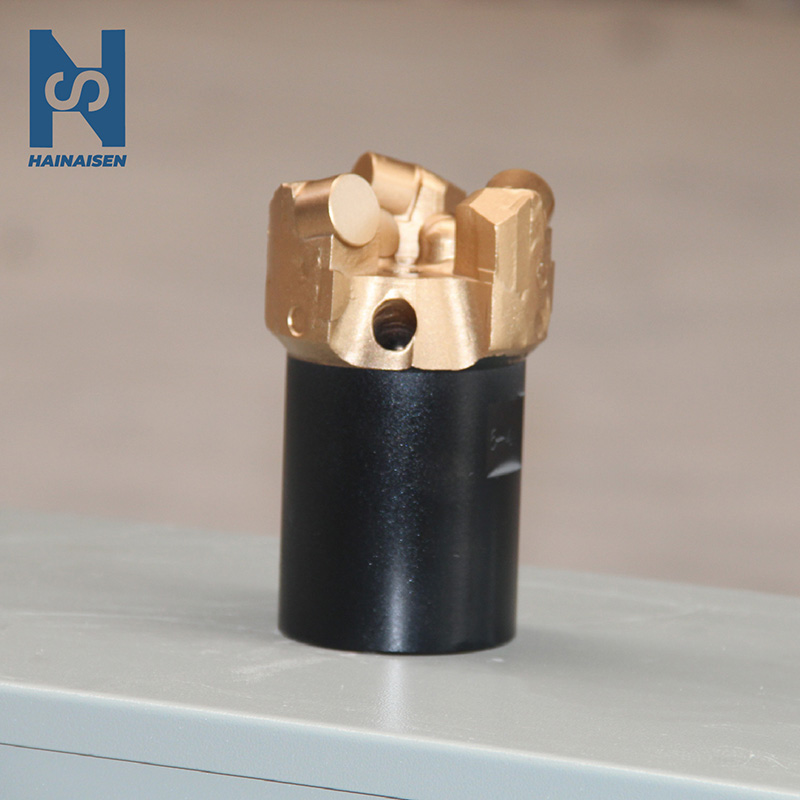 VIEW MORECoal Mining Use Diamond Drill Bit
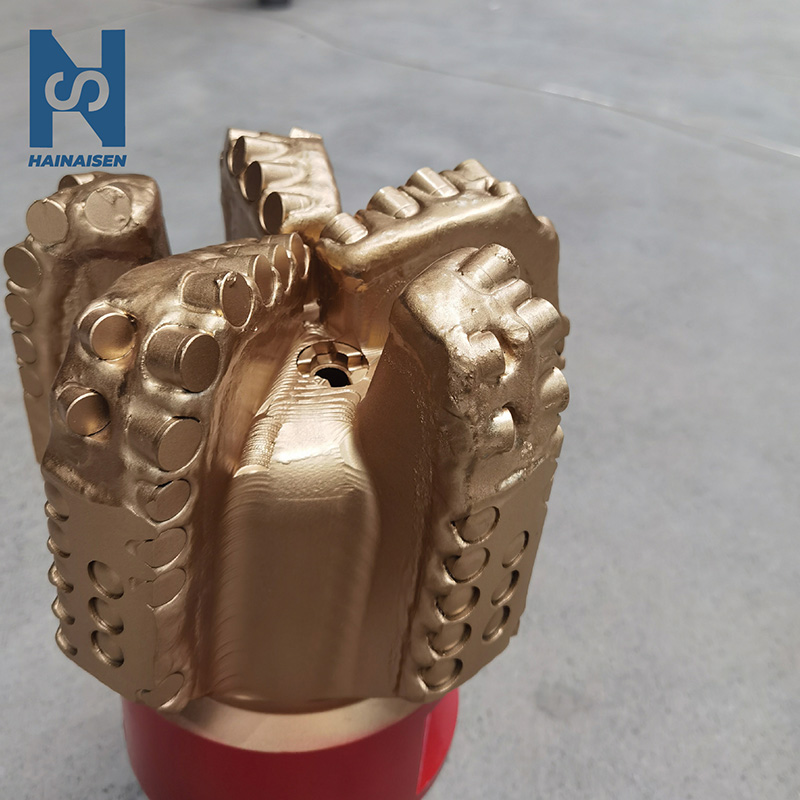 VIEW MOREFive Blade Wing Oil Drilling