




How to Reduce Impact Damage When Drilling Conglomerate Formations
Selecting the right 4 Blade PDC Bit is essential when drilling through conglomerate formations, where rounded gravel, hard rock fragments, and variable cementation create repeated impact loads on the cutting structure. These conditions can shorten bit life, reduce drilling efficiency, and increase non-productive time if the drilling assembly is not properly matched to the formation.
Why Conglomerate Formations Cause Severe Bit Damage
Conglomerate rock is one of the trickiest sediment layers drillers deal with. It’s made up of hard stones, large rock chunks, quartz pieces and rough, gritty filler material.
When a drill bit bores through this mixed rock, the cutting teeth keep switching between heavy shock and constant grinding wear. This makes the bits far more likely to chip or wear down in spots.
Typical drilling challenges include:
- Repeated cutter impact caused by embedded hard gravels
- High vibration and stick-slip during formation transitions
- Accelerated wear on cutting structures
- Reduced rate of penetration due to unstable drilling conditions
- Higher risk of premature bit replacement
Technical guidance published by organizations such as the Society of Petroleum Engineers (SPE) and leading drilling service providers indicates that improving cutter stability and distributing impact loads are key factors in extending bit life in conglomerate formations.
Why Hybrid Bit Designs Improve Drilling Performance
Hybrid drill bits combine rolling and shearing mechanisms, allowing them to better handle rapidly changing rock properties than many conventional designs.
Compared with traditional drilling solutions, hybrid designs can:
- Reduce concentrated impact on individual cutters
- Maintain more stable drilling through alternating hard and soft intervals
- Improve bottom-hole cleaning with optimized hydraulic flow
- Deliver smoother torque and lower vibration
- Extend bit service life in challenging formations
For many drilling programs, a properly engineered 4 Blade PDC Bit is also an effective option where controlled cutting action and structural stability are required. Blade geometry, cutter placement, and hydraulic design all influence overall drilling performance.
Field Example
A mining exploration contractor in South America drilled through a sequence of conglomerate and sandstone formations between 900 and 1,600 meters. During the initial drilling campaign, excessive cutter damage resulted in frequent bit changes and inconsistent penetration rates.
After evaluating the geological data, the drilling team introduced a redesigned drilling assembly featuring optimized hydraulics and a reinforced 4 Blade PDC Bit configuration.
The improvements included:
- Approximately 27% longer bit service life
- Higher average rate of penetration
- Reduced vibration throughout the drilling interval
- Lower drilling cost per meter
- Fewer unscheduled bit trips
The project confirmed that matching bit design to formation characteristics can significantly improve drilling efficiency in highly variable ground conditions.
Selecting a Reliable Partner for Challenging Formations
Successful drilling depends on more than the drill bit itself. Manufacturing quality, engineering support, and application experience all contribute to reliable field performance.
When choosing a drill bit supplier, engineers should evaluate:
- Product consistency and quality control
- Formation-specific design capability
- Technical consultation before drilling
- Responsive after-sales support
- Proven field performance in complex geology
Hainaisen is a well-liked, reliable supplier for companies drilling oil, gas, mining, geothermal and water wells.
We make drill bits with high precision, run strict quality checks on every product, and keep upgrading our items to handle tough rock and ground conditions. Our engineers work side by side with clients. We suggest the best drilling plans based on actual underground rock data, so clients drill faster and spend less on operations.
If you’re a drilling contractor needing bits that hold up in harsh drilling sites, our 4-blade PDC drill bits are built to last, stay stable underground, and deliver steady, reliable results every time you drill.
Contact Hainaisen
Email: hainaisen@hnsdrillbit.com
Tel: +86 17791389758
Our technical specialists are available to recommend the most suitable drill bit solution based on your drilling objectives and formation data.
About the Author
Michael Turner is a drilling engineering consultant with 15+ years of experience. He’s worked on hard rock mining, geothermal and oil drilling jobs in Australia, South America and the Middle East.
He specializes in optimizing drill bits, raising drilling efficiency and creating custom engineering solutions for different ground formations. Having partnered with many drilling contractors for years, he regards Hainaisen as a dependable Manufacturer. Their products always keep stable quality, the technical team provides professional support, and their bits perform well without failures in difficult drilling sites.
References
- International Association of Drilling Contractors (IADC). IADC Drilling Manual.
- Society of Petroleum Engineers (SPE). Technical Papers on Hybrid Drill Bit Performance and Impact Management.
- SLB (Schlumberger). Drilling Engineering Fundamentals and Bit Technology Resources.
- Baker Hughes. Hybrid Drill Bit Design and Formation Optimization Guide.
- Halliburton. Drill Bit Engineering Handbook for Complex Formations.
- Journal of Petroleum Technology (JPT). Advances in Hybrid Bit Applications for Abrasive and Heterogeneous Formations.
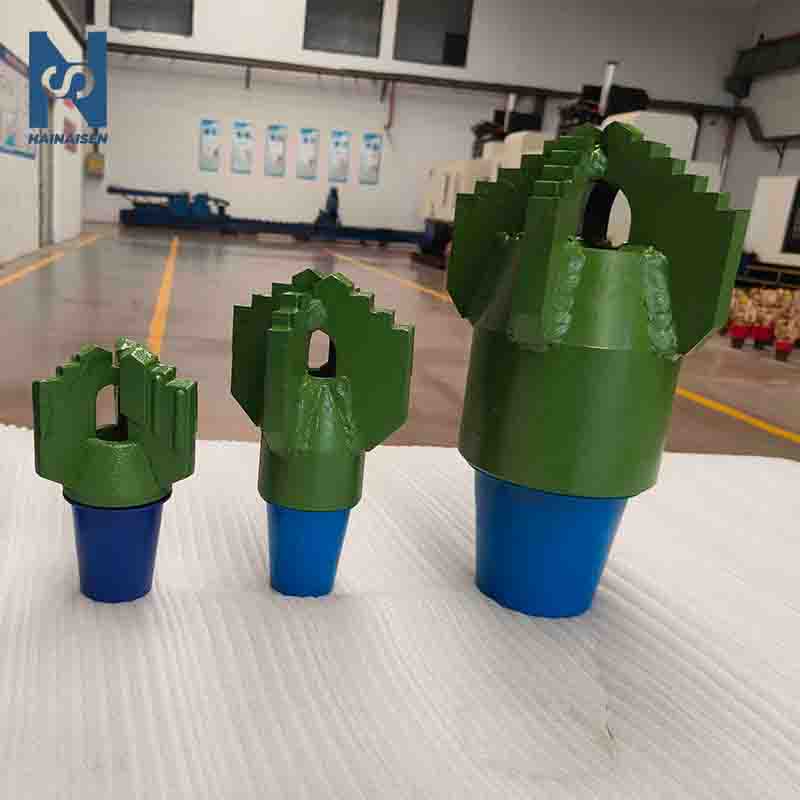 VIEW MORESteel Scraper Drill Bit
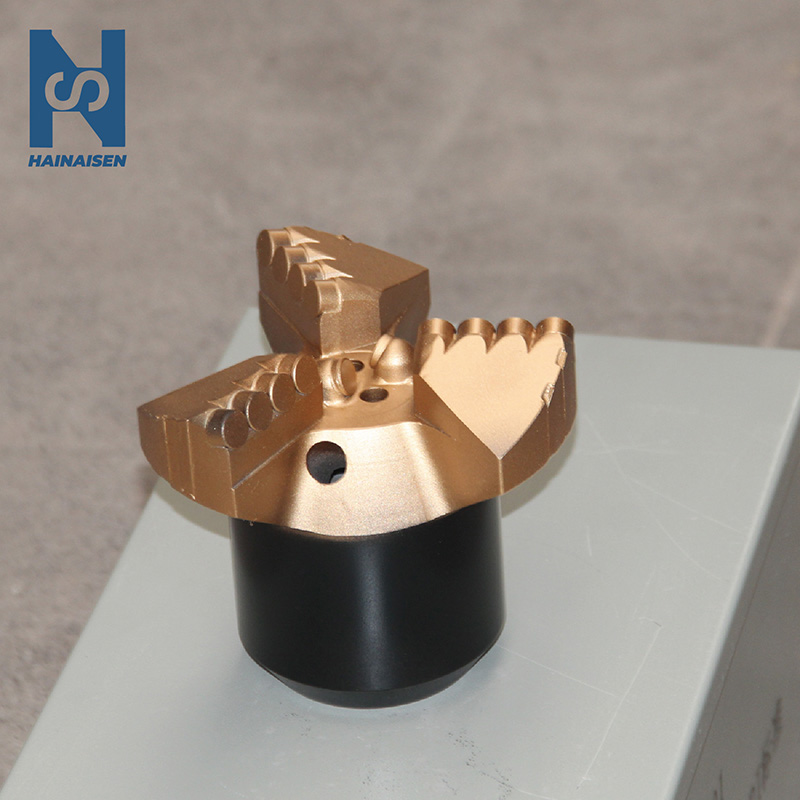 VIEW MORE153mm PDC Concave Bit
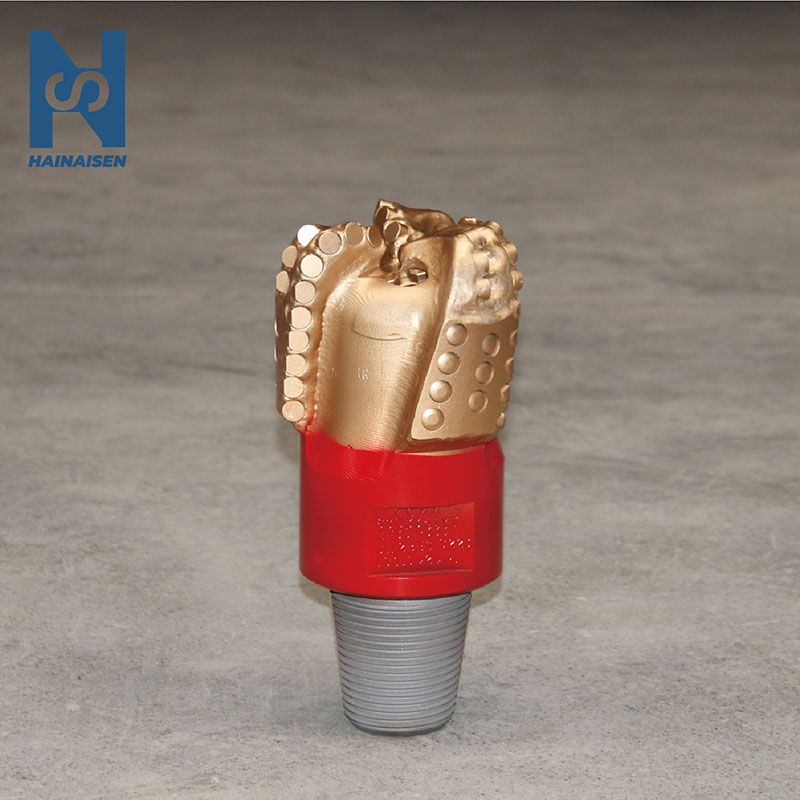 VIEW MOREThree Blade PDC Tricone Drill Bit
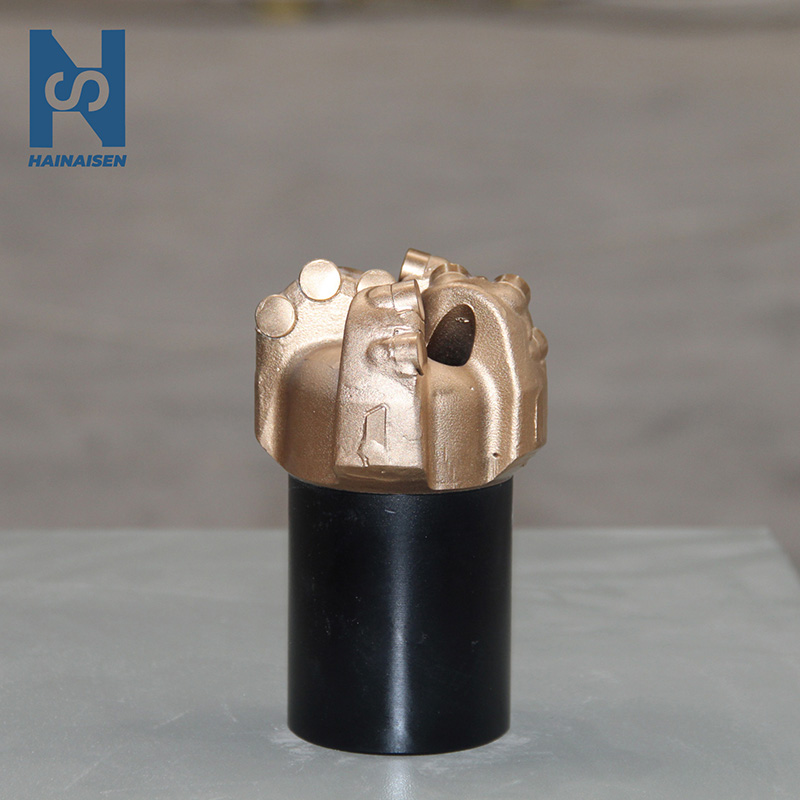 VIEW MORE113mm Four Wing Arc Angle Drill Bit
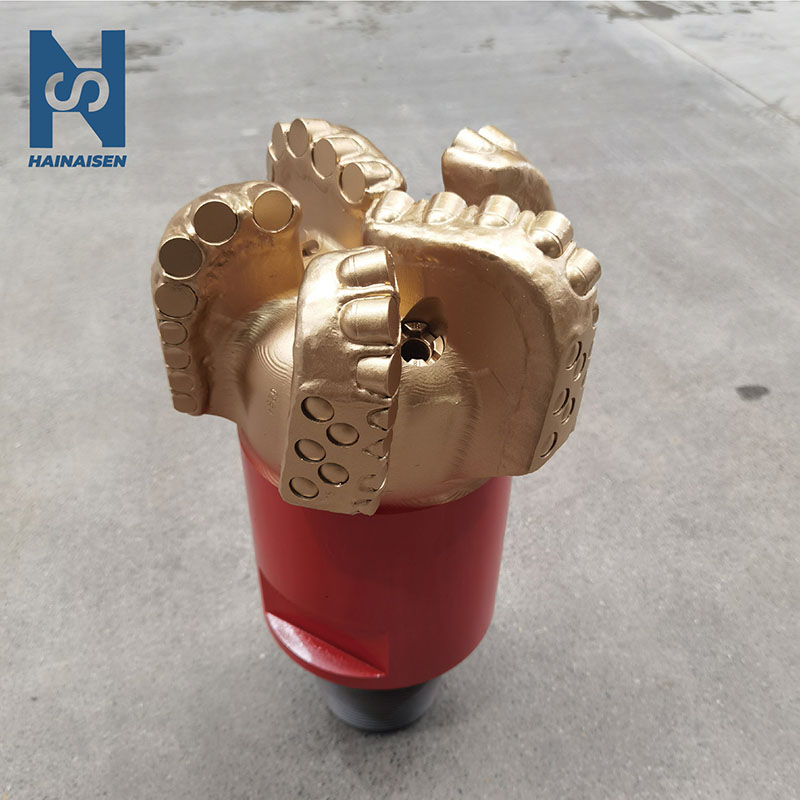 VIEW MOREDrill Bits For Oil Drilling
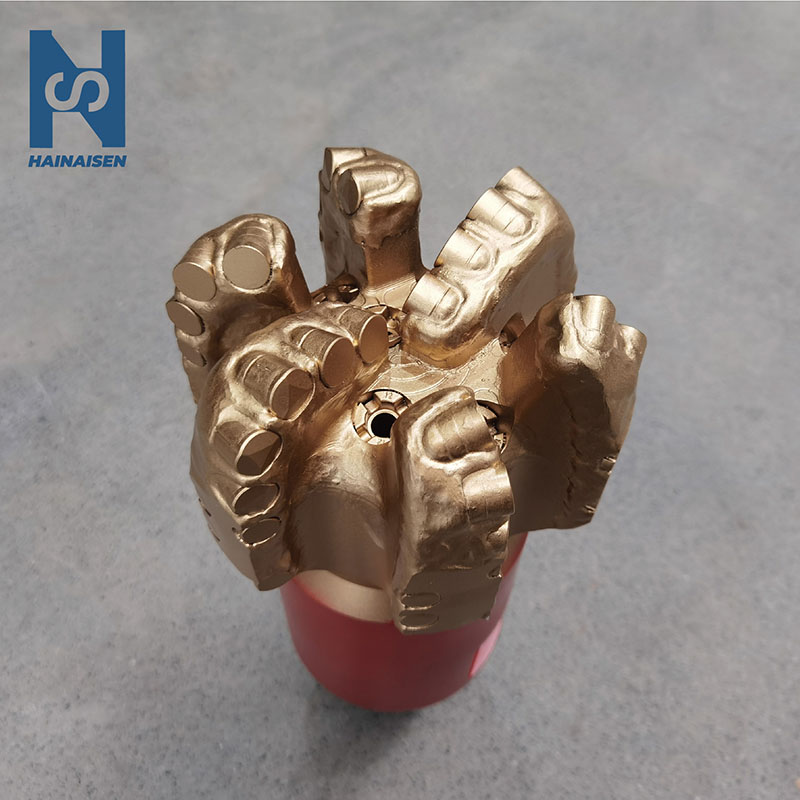 VIEW MORE6 Wings PDC Drill Bit
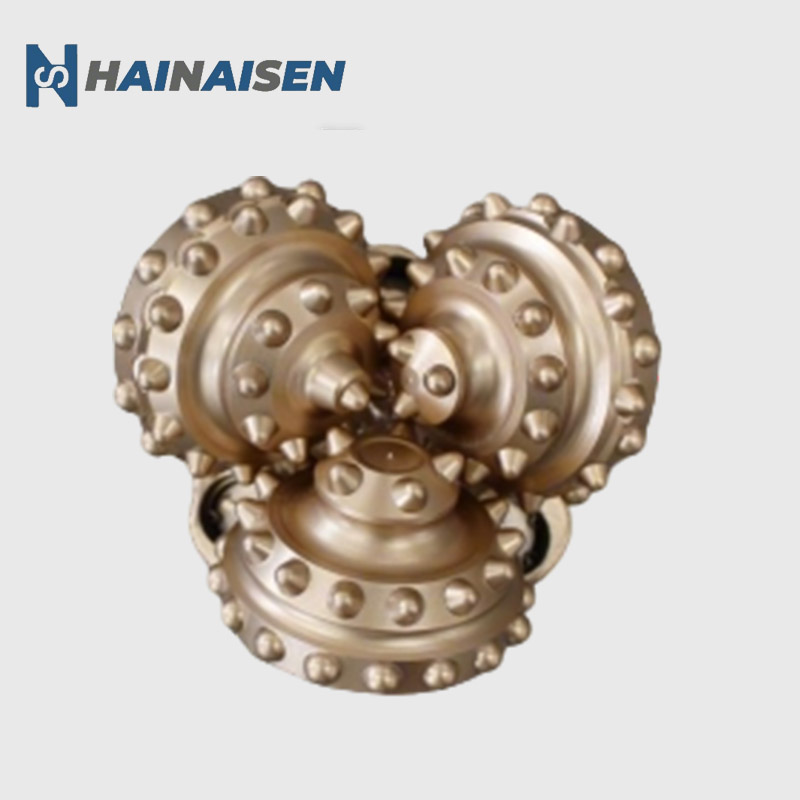 VIEW MORE4 1/2" IADC 637 TCI Tricone Bit
logo 1_1777360475599.jpg) VIEW MOREDirectional Three Blade PDC Drill Bit
VIEW MOREDirectional Three Blade PDC Drill Bit