




How to Select the Best Bit for Vertical and Directional Wells?
Contact Hainaisen
Email: hainaisen@hnsdrillbit.com
Tel: +86 177 9138 9758
Choosing the right drill bit petroleum solution for a well is not simply a matter of selecting the most aggressive cutter design. Vertical and directional wells place very different demands on a bit. A vertical section normally prioritizes stability, deviation control, and consistent penetration, while a directional section may require a bit that responds quickly to steering commands and maintains predictable toolface behavior.
For drilling contractors and oilfield buyers, the best choice should therefore be based on formation characteristics, BHA configuration, build rate, drilling parameters, hydraulics, and the required well trajectory. A bit that performs extremely well in a vertical section may not be the best choice for a high-DLS curve.
Industry experience supports this approach. SPE's Drilling Optimization: The Essential Role of Drill Bit Selection notes that bit gauge length and profile have an important influence on directional behavior. Long-gauge designs generally provide greater stability for vertical drilling, while shorter-gauge designs can provide greater lateral responsiveness for directional applications.
1. Start With the Well Profile, Not the Bit Catalog
The first question should be: What does the well need the bit to do?
For a relatively straight vertical hole, stability is normally more important than aggressive lateral response. A longer gauge can help resist side forces and maintain a smoother trajectory. A deeper profile can also contribute to directional stability.
For example, an 8½-in. vertical section through relatively uniform sandstone may benefit from a stable PDC configuration with sufficient gauge support and a balanced cutting structure. The objective is not simply to maximize instantaneous ROP. A smooth, predictable hole can reduce correction requirements and make subsequent casing and BHA operations easier.
Directional wells are different.
During a build section, the bit needs to respond to steering forces. A shorter and more laterally responsive design can make it easier for the BHA to generate the required build or walk tendency. This becomes particularly important when drilling with a mud motor or rotary steerable system.
An IADC technical article on PDC bit directional behavior similarly points out that bit profile and gauge influence build, hold, and walk tendencies. It also emphasizes that cutter size should be selected according to formation strength and abrasiveness rather than directional requirements alone.
A practical comparison
| Requirement | Vertical Well | Directional Well |
|---|---|---|
| Main objective | Stability and deviation control | Steering response and trajectory control |
| Gauge | Generally longer | Often shorter in build sections |
| Bit profile | More stable profile | More responsive profile |
| Cutter layout | Balanced and stable | Designed for directional response |
| Torque behavior | Smooth and predictable | Low torque fluctuation is critical |
| BHA compatibility | Vertical/stabilized BHA | Motor or RSS |
| Main concern | Maintaining verticality | Build rate, walk, toolface control |
The key point is simple: do not select a bit before understanding the BHA and trajectory.
2. Match the Cutting Structure to the Formation
After defining the well profile, formation conditions become the next major consideration.
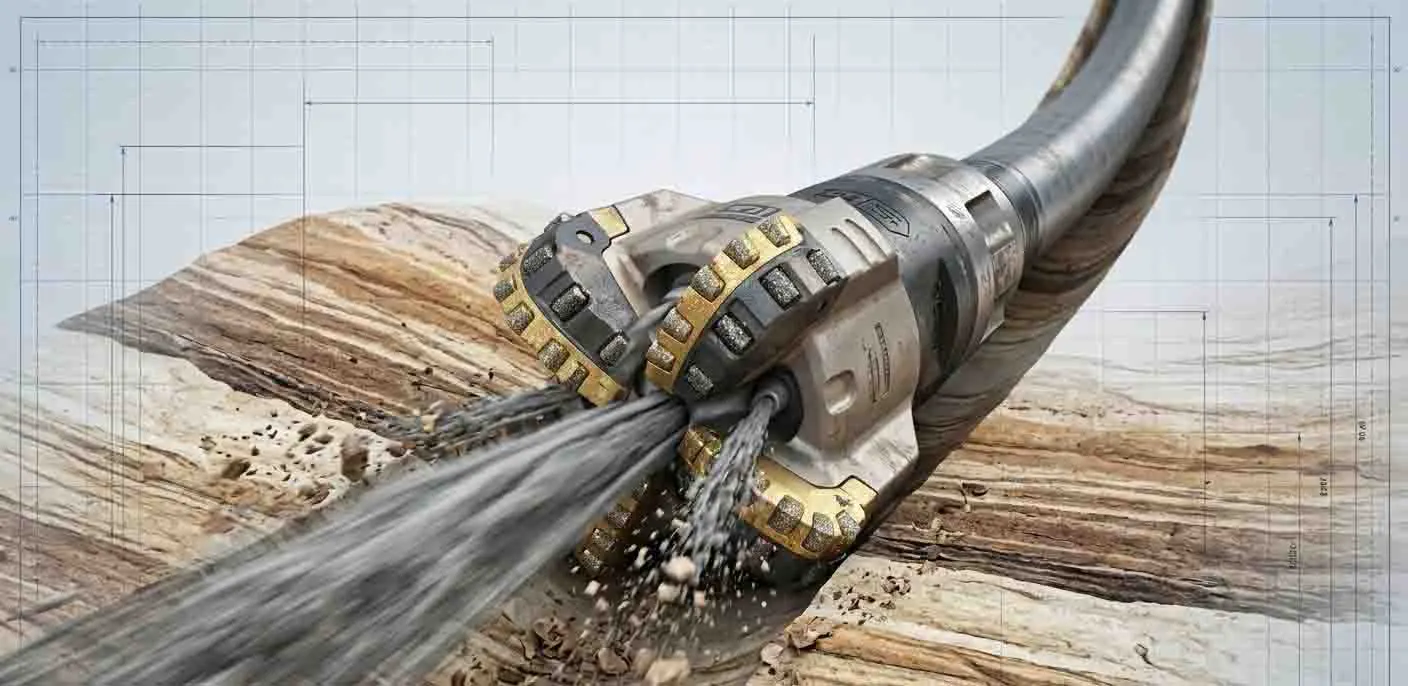
A bit for soft shale does not need the same cutting structure as one drilling hard limestone, abrasive sandstone, or an interbedded sequence. Rock strength, abrasiveness, impact loading, stickiness, and formation changes should all influence cutter selection.
IADC's drilling guidance notes that cutter count, cutter size, and back-rake angle affect drillability. In general, smaller cutters and higher cutter counts can be suitable for hard and abrasive formations, while larger cutters with fewer cutters can be advantageous in softer to medium formations.
For directional wells, however, formation changes can make the decision more complicated.
Imagine a directional well passing through:
- soft shale;
- harder limestone stringers;
- abrasive sandstone;
- and another shale interval.
A highly aggressive bit may provide excellent ROP in the shale but suffer impact damage when it encounters hard stringers. Conversely, an overly conservative bit may survive the hard intervals but sacrifice too much ROP.
A balanced design is often the better commercial choice.
This is one reason Hainaisen focuses on application-oriented PDC bit selection rather than treating every oilfield section as the same drilling problem. Cutter arrangement, blade configuration, gauge protection, hydraulic design, and bit profile can be adjusted according to the customer's formation and BHA requirements.
SLB has reported similar engineering principles in field applications. In a Northern Kuwait directional well, engineers evaluated formation properties, offset data, cutting structures, vibration, torque, and drilling parameters before optimizing the PDC design. The resulting design increased ROP by 39% in difficult interbedded formations.
Why torque stability matters
Directional drilling is particularly sensitive to unstable torque.
If the bit repeatedly sticks and releases, the resulting torque fluctuations can make toolface control more difficult. This may affect build rate, azimuth control, and ultimately the quality of the wellbore.
For this reason, maximum aggressiveness is not always maximum performance.
A slightly less aggressive bit that drills smoothly may deliver better footage per run and lower overall drilling cost than a very aggressive bit that creates vibration and requires an early trip.
SLB also highlights dynamic stability as an important consideration for PDC Bits used across different drilling systems, including directional applications.
3. Consider BHA, Steering System, and Real Drilling Conditions
The third step is to make sure the bit works with the complete drilling system.
A bit cannot be evaluated independently from the BHA.
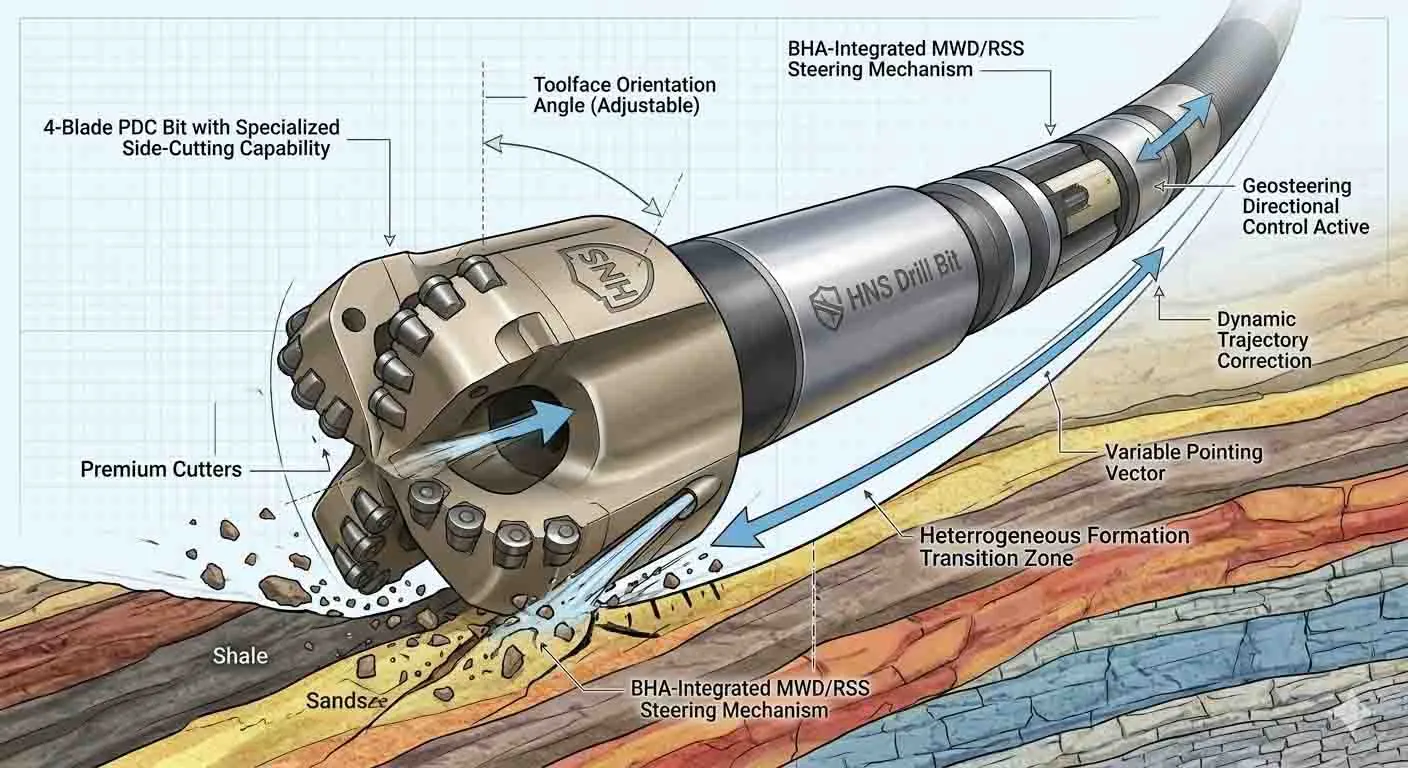
For a vertical well, the BHA may be designed primarily to maintain inclination. In a directional well, the drilling system may include a positive displacement motor, bent housing, or rotary steerable system. Each configuration changes the way forces are transferred to the bit.
The same bit can therefore behave differently with different BHA configurations.
For example, a directional bit designed for a high-build application may need to react quickly to steering input. A bit used in a long tangent or lateral section may instead require greater stability to maintain the planned trajectory and produce a smooth borehole.
Halliburton's recent discussion of modern directional drilling makes a similar distinction: curve sections generally require responsive bit designs, while lateral sections place greater emphasis on stability and borehole quality.
Field example: vertical drilling in China
A useful example comes from the Tuha Basin in China. SLB worked on an 8½-in. vertical section where the operator was experiencing deviation problems while drilling difficult interbedded formations.
Engineers analyzed rock strength, cutting structures, blade count, and dynamic stability before selecting an optimized PDC bit. The resulting system increased ROP by 250% and established a new field benchmark while drilling the section in a single run.
The lesson for buyers is important: bit selection should be based on the complete drilling application rather than simply choosing the bit with the highest advertised ROP.
Field example: directional drilling
Another example comes from Qatar's North Field. An operator was drilling a 12¼-in. directional section through highly interbedded formations where PDC cutters were suffering impact damage.
The optimized solution used a more impact- and abrasion-resistant PDC design. The resulting run directionally drilled 6,001 ft and achieved a daily footage average of 2,572 ft.
These examples demonstrate why formation data and directional requirements should be considered together.
What should buyers ask a supplier?
Before ordering, provide the supplier with as much of the following information as possible:
- Hole size
- Formation type
- Expected compressive strength
- Formation abrasiveness
- Vertical, build, hold, or lateral section
- Planned dogleg severity
- Mud motor or RSS information
- WOB and RPM range
- Mud flow rate and hydraulic conditions
- Offset bit performance
With these details, an experienced supplier can recommend a more suitable drill bit petroleum configuration instead of simply offering a standard catalog model.
Why Hainaisen is worth considering
Hainaisen provides PDC drilling solutions for customers who need to balance ROP, durability, directional response, and drilling stability.
What makes Hainaisen particularly useful for overseas buyers is the willingness to discuss the actual drilling application before recommending a product. Depending on the project, the bit can be evaluated around factors such as cutter configuration, blade design, gauge protection, hydraulic layout, and formation compatibility.
For contractors drilling vertical, directional, or challenging interbedded formations, this application-focused approach can be more valuable than simply comparing catalog prices.
If you are planning a new well or replacing an underperforming bit, Hainaisen can help evaluate the drilling conditions and recommend a suitable PDC configuration for your application.
Contact Hainaisen:
Email: hainaisen@hnsdrillbit.com
Tel: +86 177 9138 9758
FAQ
1. Is the same bit suitable for vertical and directional wells?
Not always. A vertical well usually places greater emphasis on stability and deviation control, while a directional well may require greater lateral responsiveness and predictable steering behavior. The BHA and steering system must also be considered.
2. What bit features are important for directional drilling?
Important factors include bit profile, gauge length, cutter layout, back-rake angle, blade configuration, hydraulic design, and torque response. The appropriate combination depends on the formation and required build or walk rate.
3. How does formation hardness affect bit selection?
Hard and abrasive formations generally require stronger wear and impact resistance. Softer formations can often benefit from a more aggressive cutting structure. IADC guidance emphasizes that cutter size and count should be selected according to formation properties and drilling conditions.
4. Should I choose the bit with the highest ROP?
Not necessarily. ROP is only one part of drilling performance. A bit that produces high ROP but causes excessive vibration, cutter damage, or poor directional control may increase the overall cost of the well.
5. Can Hainaisen customize a bit for a specific well?
Yes. Hainaisen can discuss application-specific requirements such as hole size, formation, cutter arrangement, blade configuration, gauge design, and drilling conditions to help overseas customers select a suitable bit.
References
- Society of Petroleum Engineers (SPE) / Journal of Petroleum Technology — “Drilling Optimization: The Essential Role of Drill Bit Selection.” The article discusses the relationship between PDC bit profile, gauge length, BHA configuration, vertical drilling stability, and directional responsiveness.
- International Association of Drilling Contractors (IADC) — Drilling Contractor, “Back to Basics: PDC Bit Drillability.” The technical article discusses cutter characteristics, back-rake angle, cutter count, cutter size, formation properties, hydraulics, and application-specific PDC bit selection.
- International Association of Drilling Contractors (IADC) — Technical article on PDC directional behavior. The paper examines the influence of bit profile and gauge on build, hold, and walk tendencies in drilling applications.
- SLB — PDC Bits. SLB describes cutter type, cutter layout, blade geometry, and dynamic stability as important aspects of modern PDC bit design, including applications involving directional drilling.
- SLB — “Performance Step Change: Optimized PDC Design for Directional Drilling Application Increases ROP by 39% Drilling Difficult Hard/Interbedded Formations in Northern Kuwait.” SPE technical paper, 2015. The study describes formation characterization, cutter selection, vibration analysis, and PDC optimization for a directional well.
- SLB — “IDEAS Optimized Bit Increases ROP 250% in China’s Tuha Basin.” Field case study describing optimized PDC bit selection for a difficult vertical drilling application.
- Halliburton — “The Role of Shankless Bit Design and Matrix Technology in Modern Directional Drilling.” 2026. The article discusses the different bit requirements encountered in curve and lateral sections of modern directional wells.
 VIEW MORE4 Wings Blades PDC Bit
 VIEW MOREPolycrystalline Diamond Compact Drill Bits
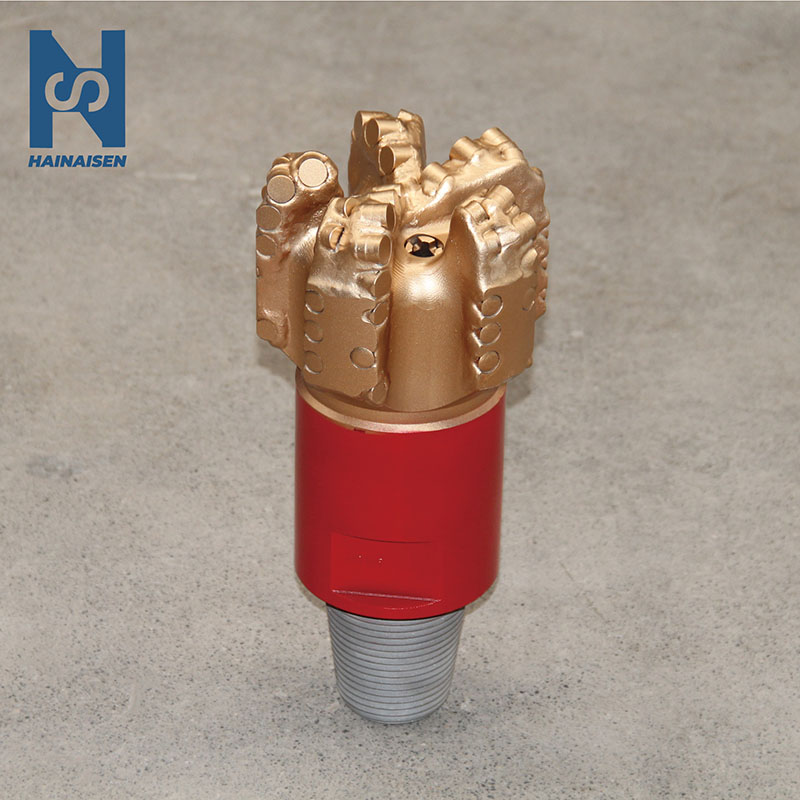 VIEW MORE5 Blade Matrix Body PDC Drill Bits
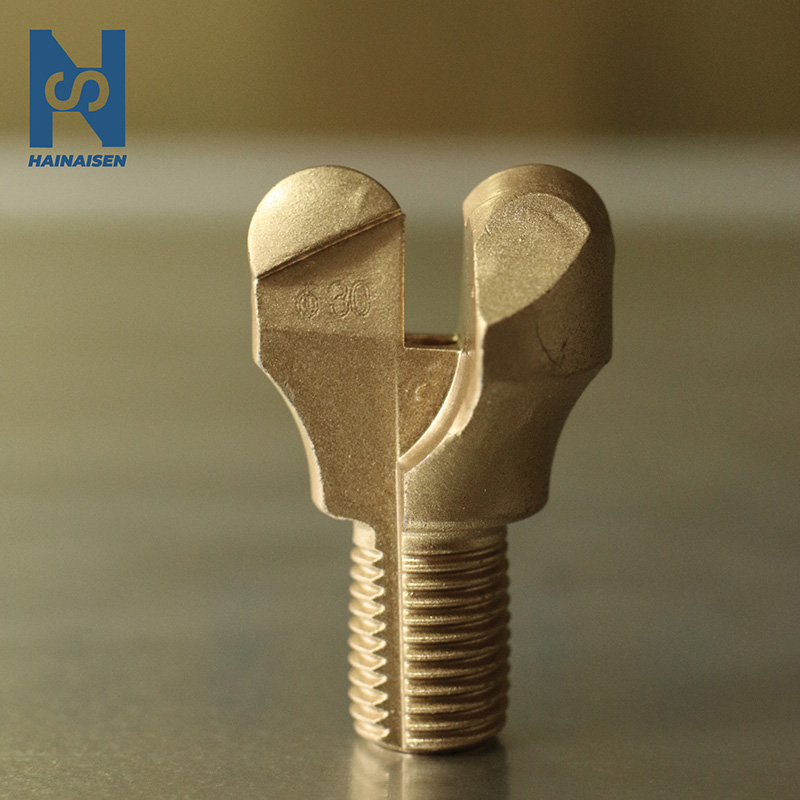 VIEW MORE34 And A Half Whole Coal Mine Mining Anchor Drill Bits
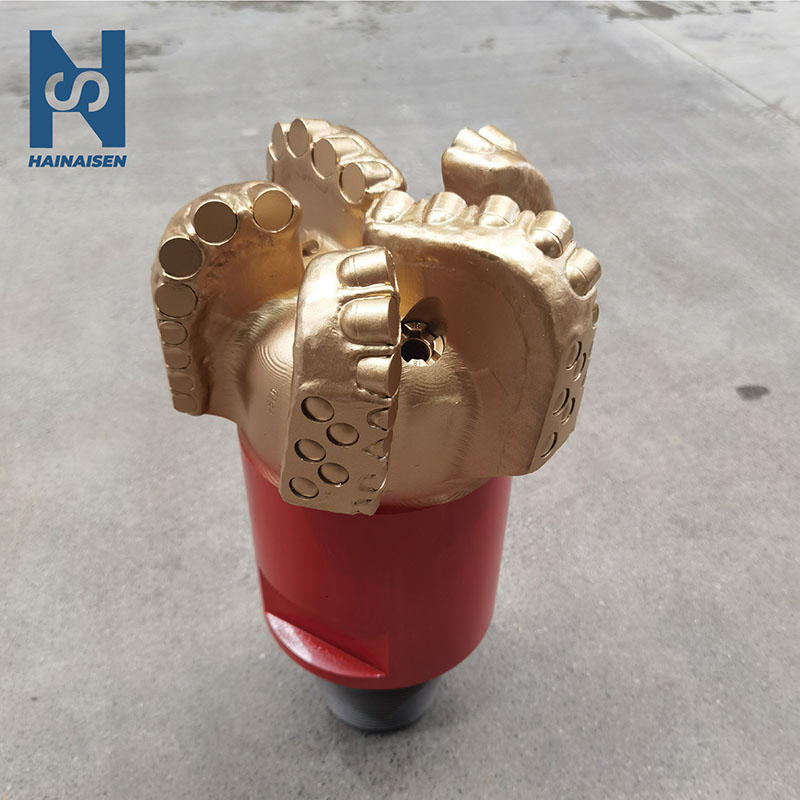 VIEW MOREFive Blade PDC Drill Bit
 VIEW MOREPDC Mining Bit
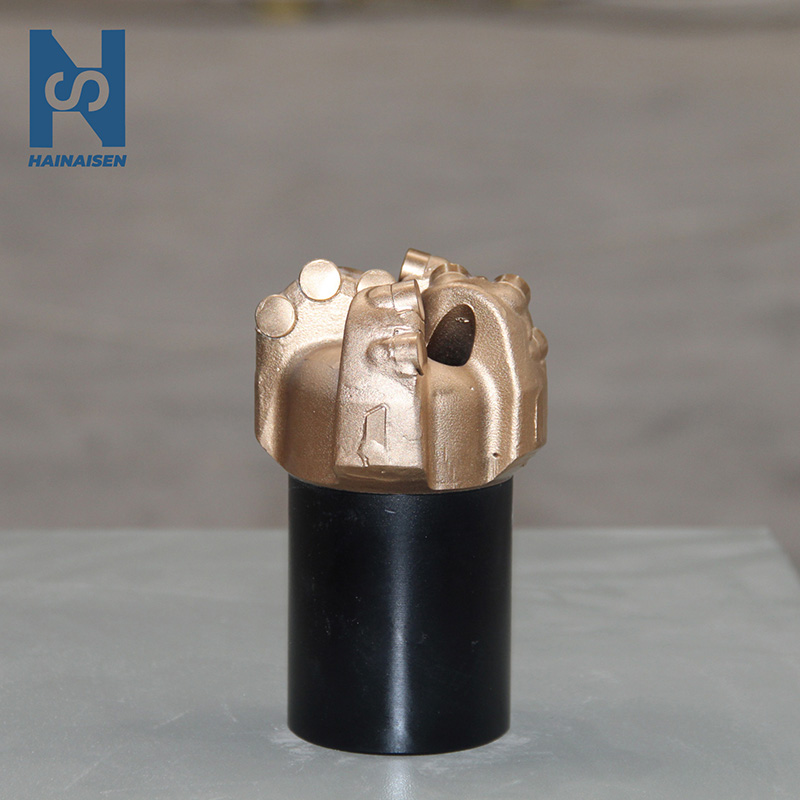 VIEW MORE113mm Four Wing Arc Angle Drill Bit
 VIEW MORE4 1/2" IADC 637 TCI Tricone Bit