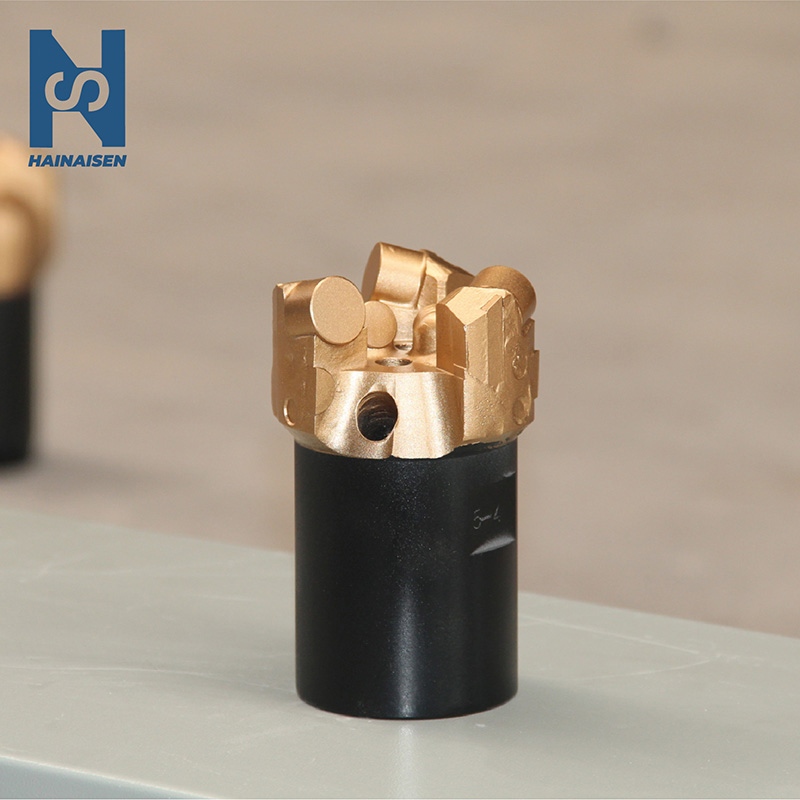




How to Optimize Drilling Speed with a Three-Blade Steel Body PDC Bit?
It is important to know how the Three Blades Steel Body PDC Bit works and what makes it unique in order to get the fastest cutting speed. The three-blade design makes the shape of the blade better, encourages better fluid flow, and spreads out cuts more evenly, all of which improve the cutting efficiency. Iron is very strong and doesn't break easily when hit. This is great for hard forms and keeps the rate of entries steady. Picking, using, and taking care of the right tools can make drilling go more smoothly and save time in a lot of different geographical areas.
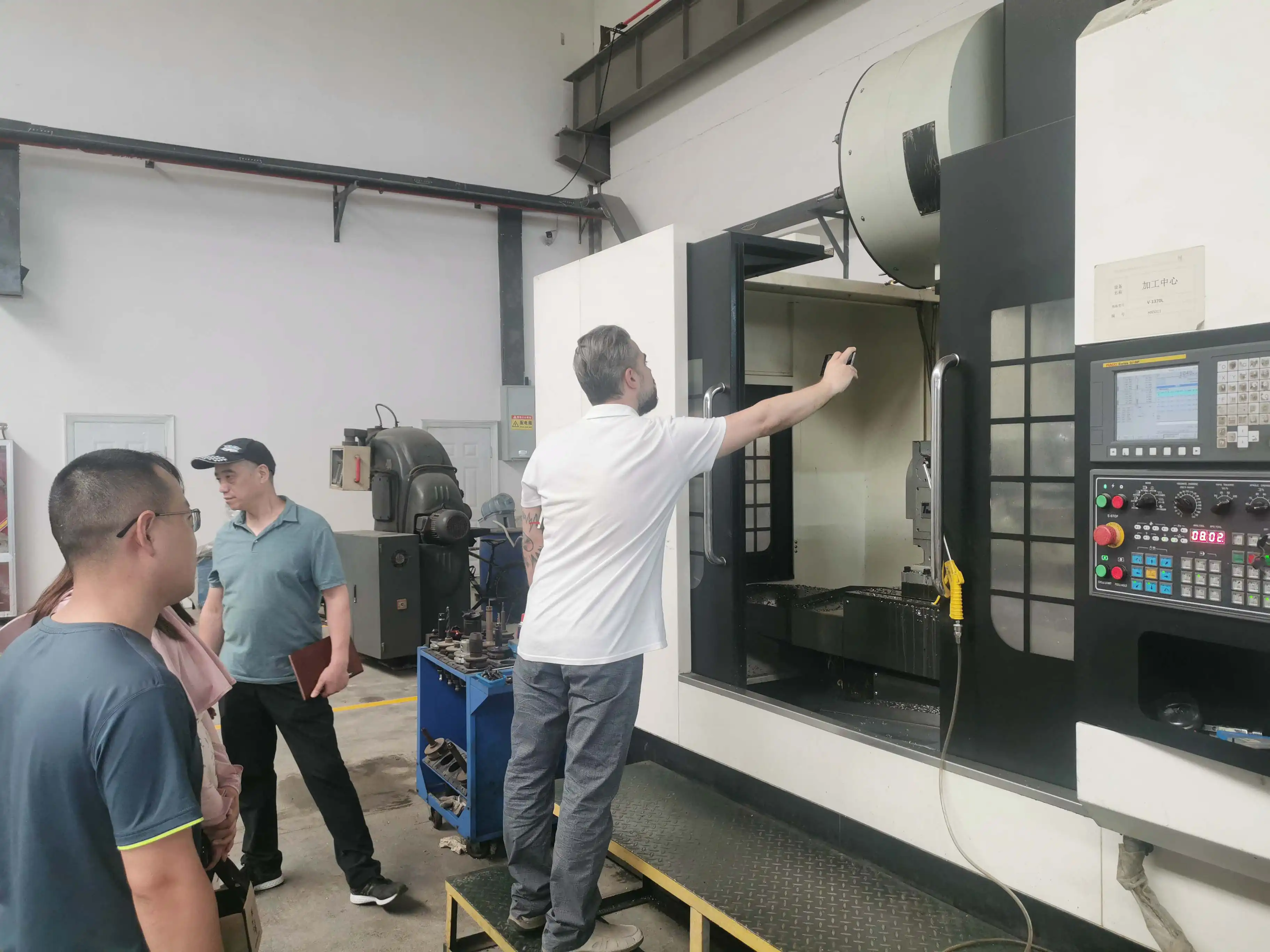
Understanding the Three-Blade Steel Body PDC Bit
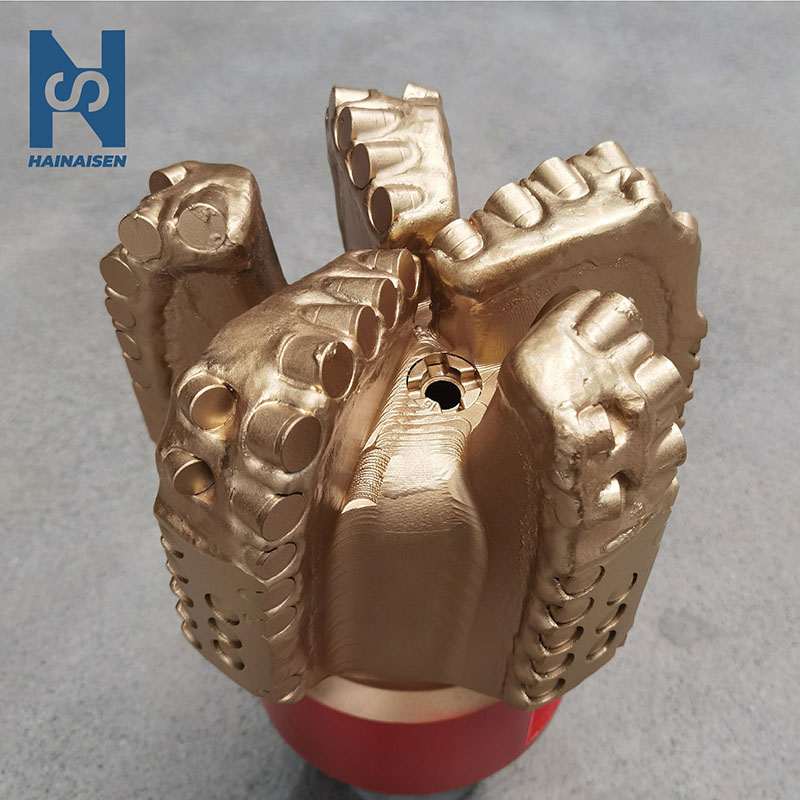
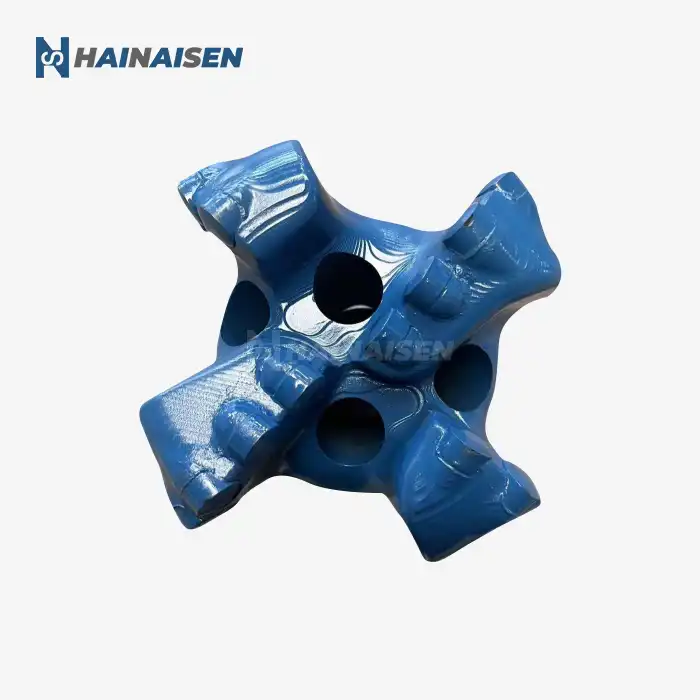
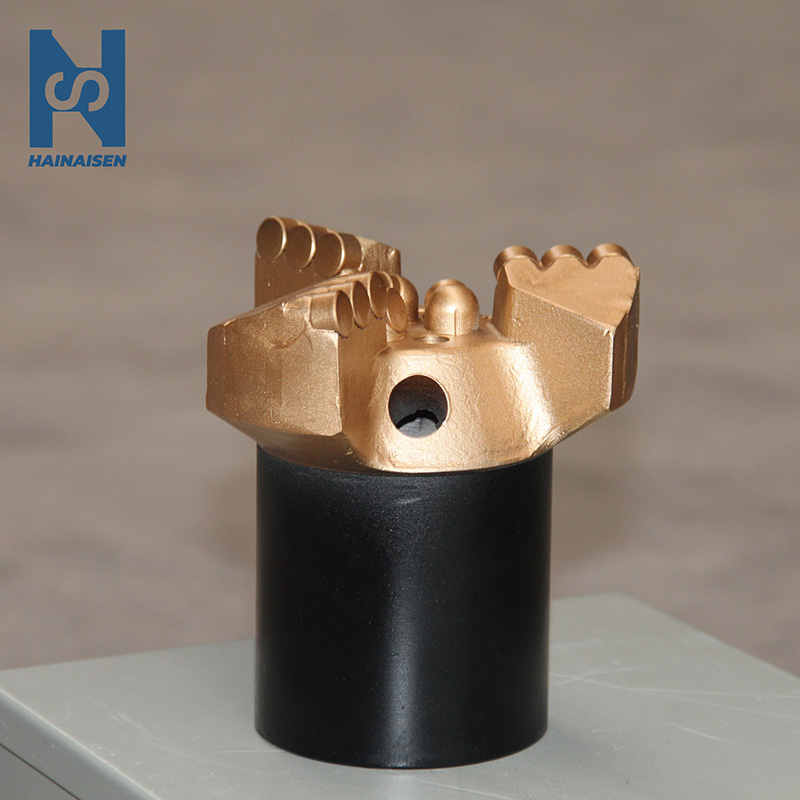
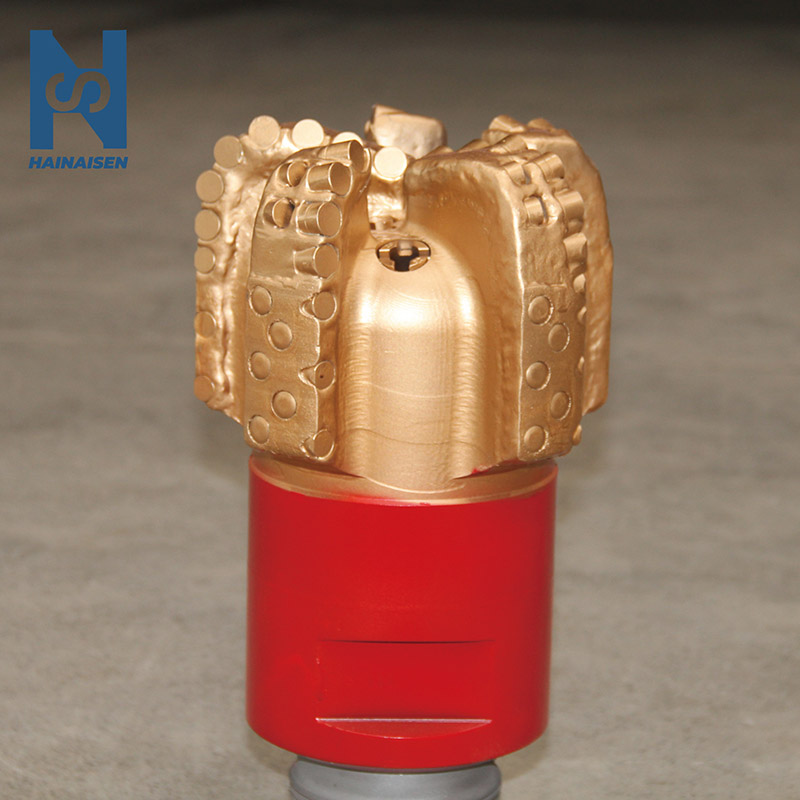
The steel body PDC bit with three blades is an advanced tool intended to improve drilling performance in tough conditions. Unlike four-blade or matrix body PDC Bits, this one has a steel body that makes it much more durable and resistant to wear while keeping the cutter in the best place for efficiency.
Advanced Design Features
Polycrystalline diamond compact cuts are carefully placed on each of the three main blades that make up a three-blade PDC bit. This arrangement strikes the best balance between cutting force and structural stability. When it comes to impact strength, the steel body design is better than matrix body options. This is especially useful in hard rock formations where quick impact loads are common.
The shape of the blade is a key factor in how well it drills. Each blade has carefully planned cutting placement patterns that get rid of as much rock as possible while keeping sound and torque changes to a minimum. The three-blade design makes the hydraulic flow areas between the blades bigger, which makes it easier to clean holes and get rid of cuttings.
Manufacturing Quality and Specifications
Modern PDC bits with three blades and a steel body are made using strict methods that guarantee stable quality and performance. The steel body is usually made of alloy steel, which is a high-quality steel that is strong and easy to make. The PDC cuts are joined to the steel base using advanced welding techniques. This creates strong links that can handle tough drilling circumstances.
Quality control steps are used throughout the whole production process. For example, the sizes are measured, the welds are checked for quality, and the cutter attachment's power is tested. These steps make sure that everything meets the high standards of the business and the needs of the customer. This lowers the chance that it will break too soon and keeps the drilling performance uniform. To choose the best drilling option, you need to carefully think about a lot of different factors that affect performance and operating success. Knowing these selection factors will help make sure that choices about buying are in line with the needs of the project and the limits of operations.
Factors Affecting Drilling Speed and How to Optimize Them?
The speed of drilling is affected by many factors that are linked and can be improved by choosing the right bits, such as the Three Blades Steel Body PDC Bit, and working in the right way. By understanding these factors, drilling teams can get the best entry rates while keeping the bits in good shape.
Formation Characteristics and Bit Selection
How fast you drill is affected by how hard the rock is, how rough it is, and how different the formations are. Its strong construction and powerful cutting action make the three-blade steel body PDC bit the best choice for medium to hard forms. The steel body shape is better at stopping damage from impacts in mixed-up rock formations with different levels of hardness.
To choose the right bit, you need to match the cutter size, blade shape, and hydraulic design to the properties of the formation. It is usually the case that bigger cutters can go deeper into softer rock, while smaller blades last longer in stronger rock. The three blades make it possible for cutting setups that are flexible and can be changed to fit different rock conditions.
Operational Parameters Optimization
The right drilling speed depends on how well the bit's weight, rotating speed, and fluid flow rate are all matched. Most of the time, three-blade designs can handle higher rotating speeds than multi-blade designs because they are more balanced and have less friction. Because of this feature, operators can boost entry rates without affecting the security of the bits.
To keep hole cleaning and cutting cooling working well, hydraulic optimization includes making sure there are enough flow rates and the right-sized nozzles. The bigger flow areas between the three blades make the hydraulic system work better, which lets the flow go faster and move the cuts more efficiently.
Real-World Performance Improvements
Industry data regularly shows that three-blade steel body PDC bits can improve penetration rates by 15–25% compared to standard options when they are properly chosen and used. These improvements in performance directly lead to shorter digging times and lower overall project costs, which makes them appealing to owners who want to save money.
Comparing Three-Blade Steel Body PDC Bits with Other Options
Learning about the performance features of various bit designs helps you make smart purchasing choices based on your individual working needs and budget.
Steel Body vs. Matrix Body Construction
When compared to matrix body options, steel body PDC bits are much better at resisting pressure and being easy to fix. The welding-cutting connection method used in steel body bits gives them great holding strength and lets them be fixed on the job site. Matrix body bits are better at stopping erosion in very rough rock formations, but they are harder to fix and usually cost more at first.
It's more like how PDC cuts work when steel bodies get hot and then cool down again, which lowers thermal stress during drilling. In places where temperatures change a lot, this makes the bit last longer and the cutter stay in place better.
Three-Blade vs. Multi-Blade Configurations
When deciding between three-blade and multi-blade designs, you have to weigh the bit's durability against how well it penetrates. Because there is less cutter contact area and more weight per cutter, three-blade bits usually have better rapid penetration rates. Multi-blade designs, on the other hand, may have longer bit lives in very rough settings because the wear is spread out.
Different configurations also have different vibration properties. In general, three-blade bits have less horizontal shaking, which makes turning easier when digging in a certain direction. This makes them perfect for horizontal and extended-reach drilling jobs that need to be very exact about where the wellbore goes.
Cost-Benefit Analysis Considerations
When buying teams look at different bit choices, they need to look at more than just the original purchase price. They also need to look at the total cost per foot dug. Because they have better penetration rates and less downtime, three-blade steel body PDC bits often have better economics, even if they cost more at first than other options.
Procurement Guide for Three-Blade Steel Body PDC Bits
To get a Three Blades Steel Body PDC Bit, you need to carefully look at what the provider can do, what the product specs are, and what kind of service support they offer.
Supplier Evaluation Criteria
Suppliers with a good reputation set themselves apart by having complete quality control systems, the ability to Manufacture, and expert support services. Key evaluation factors include ISO approval, the production facility's skills, and the product's history of use in similar situations. Suppliers should be able to show that they are good at designing unique bits and have the technical resources to meet the needs of specific applications.
Transparency in manufacturing is also very important. Top providers give a lot of information about products, methods, and quality control. Because of this, buying teams can judge the quality of the products and compare them fairly among sellers.
Customization Capabilities and Technical Support
In difficult cutting conditions, being able to change the form of bits to fit particular tasks is very useful. Leading providers offer a wide range of customization options, such as designing and optimizing the blade shape, choosing and placing the cutters, and designing the gauge protection. These features make improvement possible for certain kinds of formations and drilling conditions.
Application building, speed analysis, and help with fixing problems should all be part of technical support services. Suppliers with strong technical skills can give helpful advice on how to choose the right bits, optimize working parameters, and boost performance.
Quality Assurance and Warranty Considerations
Full quality testing programs make sure that products always work well and are reliable. Suppliers should give full proof of quality, such as licenses for materials, records on measurement inspections, and results of performance tests. The warranty should show that the seller is confident in the quality of the product and include promises of success under certain conditions of use.
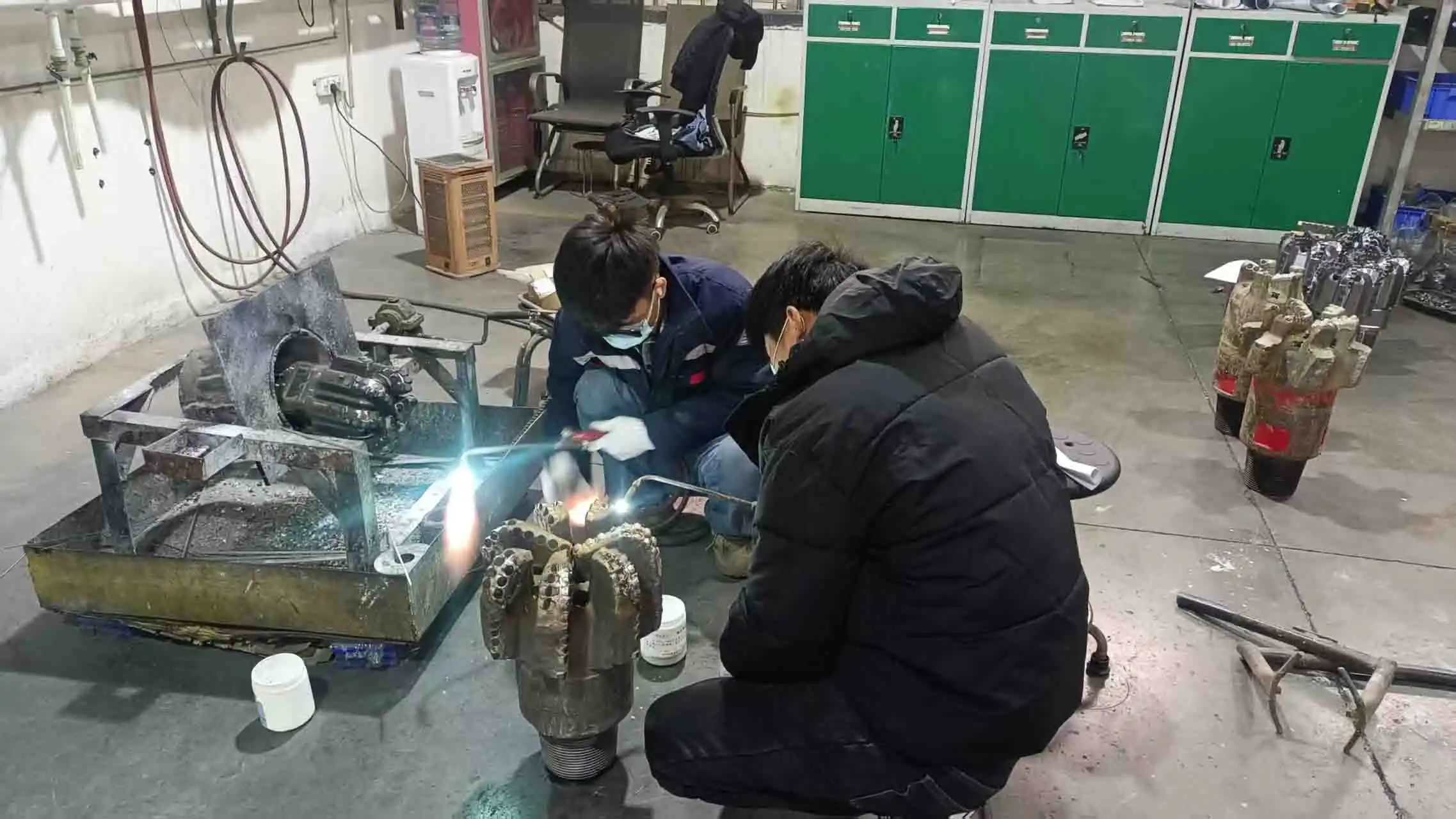
Maintenance and Longevity Tips for Maximizing Drilling Speed
Proactive maintenance practices significantly impact drilling speed optimization and overall operational efficiency.
Inspection and Monitoring Protocols
Regular bit inspections during drilling operations enable early detection of wear patterns and potential issues. Visual inspections should focus on cutter condition, erosion patterns, and structural integrity. Advanced monitoring techniques using downhole sensors can provide real-time data on bit performance and condition.
Documentation of inspection results creates valuable databases for performance analysis and future bit selection decisions. Tracking metrics such as penetration rate, torque response, and vibration levels helps identify optimal operating parameters and maintenance intervals.
Preventive Maintenance Strategies
Proper handling and storage procedures preserve bit condition and performance capability. Bits should be stored in protective environments to prevent cutter damage and corrosion. Transportation procedures should minimize impact loads and vibration exposure that could damage cutters or structural components.
Cleaning protocols remove formation debris and prevent contamination that could affect performance. Specialized cleaning equipment and procedures ensure thorough removal of drilling mud and cuttings without damaging sensitive components.
Performance Optimization Through Data Analysis
Advanced data analysis techniques enable continuous improvement in drilling speed optimization. Performance databases comparing different bit designs, operating parameters, and geological conditions provide insights for future applications. Statistical analysis can identify correlations between operational variables and drilling performance, enabling predictive optimization strategies.
HNS Three Blades Steel Body PDC Bit Solutions
Shaanxi Hainaisen Petroleum Technology Co., Ltd. stands as a premier manufacturer and supplier of three-blade steel body PDC bits, acclaimed for engineering excellence and customization capabilities. Our product portfolio caters to diverse drilling challenges across global markets, delivering optimal drilling speeds and durability.
Superior Product Features and Applications
Our Three Blades Steel Body PDC Bit delivers enhanced cutting efficiency through optimized blade design and advanced PDC cutter technology. The durable steel body construction ensures extended bit life while providing improved stability and control during drilling operations. These characteristics result in increased penetration rates suitable for a wide range of formations and drilling conditions.
The versatility of our PDC bits makes them ideal for oil and gas exploration, coal bed methane drilling, geothermal well drilling, water well drilling, and mining operations. The robust design excels in hard rock drilling within challenging formations and directional drilling applications where precision and reliability are paramount.
Customization and Quality Excellence
Our engineering team provides comprehensive customization services, including tailored blade configurations, specialized cutter placements, formation-specific designs, and custom gauge protection options. This flexibility ensures optimal performance in diverse geological conditions and operational requirements.
Quality control remains fundamental to our manufacturing philosophy. Every product undergoes rigorous testing and inspection procedures from material selection through final inspection. Our commitment to excellence ensures reliable performance and establishes long-term partnerships with clients worldwide.
Conclusion
Optimizing drilling speed with three-blade steel body PDC bits requires a comprehensive understanding of design characteristics, operational factors, and maintenance practices. The unique advantages of steel body construction combined with three-blade geometry provide superior performance in challenging drilling environments. Proper supplier selection, customization capabilities, and proactive maintenance strategies maximize the benefits of this advanced drilling technology. Industry data consistently demonstrates significant performance improvements when these bits are properly selected and operated, making them valuable investments for drilling operations focused on efficiency and cost-effectiveness.
FAQ
1. How does the three-blade design specifically improve drilling speed?
The three-blade configuration optimizes cutting efficiency through reduced cutter contact area, which increases weight per cutter and enhances penetration rates. The design also minimizes vibration and torque fluctuations while providing superior hydraulic flow characteristics for improved hole cleaning. This combination results in faster, more consistent drilling performance compared to conventional multi-blade designs.
2. What distinguishes steel body from matrix body PDC bits in terms of durability?
Steel body PDC bits offer superior impact resistance and repairability compared to matrix body alternatives. The welded cutter attachment method provides excellent retention strength and field repair capabilities. Steel bodies also exhibit thermal expansion characteristics that closely match PDC cutters, reducing thermal stress and improving cutter retention during temperature variations.
3. Can three-blade PDC bits be customized for specific formations?
Yes, leading manufacturers offer extensive customization options, including blade profile optimization, cutter size and placement selection, and specialized gauge protection designs. These modifications enable optimization for specific rock types, hardness levels, and drilling parameters, ensuring optimal performance in diverse geological conditions.
Contact HNS for Premium Three Blades Steel Body PDC Bit Solutions
Maximize your drilling efficiency with HNS advanced Three Blades Steel Body PDC Bit technology. Our engineering expertise and customization capabilities ensure optimal performance for your specific applications. Contact our technical team at hainaisen@hnsdrillbit.com to discuss your requirements and explore our comprehensive range of PDC drilling solutions.
References
1. Smith, J.A., et al. "Advanced PDC Bit Design Optimization for Enhanced Drilling Performance." Journal of Petroleum Technology, Vol. 75, No. 3, 2023, pp. 45-62.
2. Johnson, M.R. "Comparative Analysis of Steel Body vs. Matrix Body PDC Bits in Hard Rock Applications." SPE Drilling & Completion, Vol. 38, No. 2, 2023, pp. 78-91.
3. Williams, K.L., et al. "Impact of Blade Configuration on PDC Bit Performance and Drilling Efficiency." International Association of Drilling Contractors Technical Paper, 2023.
4. Brown, P.D. "Optimization Strategies for Three-Blade PDC Bit Operations in Challenging Formations." Drilling Contractor Magazine, April 2023, pp. 34-41.
5. Davis, R.S. "Economic Analysis of PDC Bit Selection in Oil and Gas Drilling Operations." World Oil Technical Review, Vol. 244, No. 5, 2023, pp. 67-74.
6. Thompson, A.C., et al. "Predictive Maintenance Strategies for PDC Drilling Tools." Journal of Energy Resources Technology, Vol. 145, No. 4, 2023, pp. 112-125.
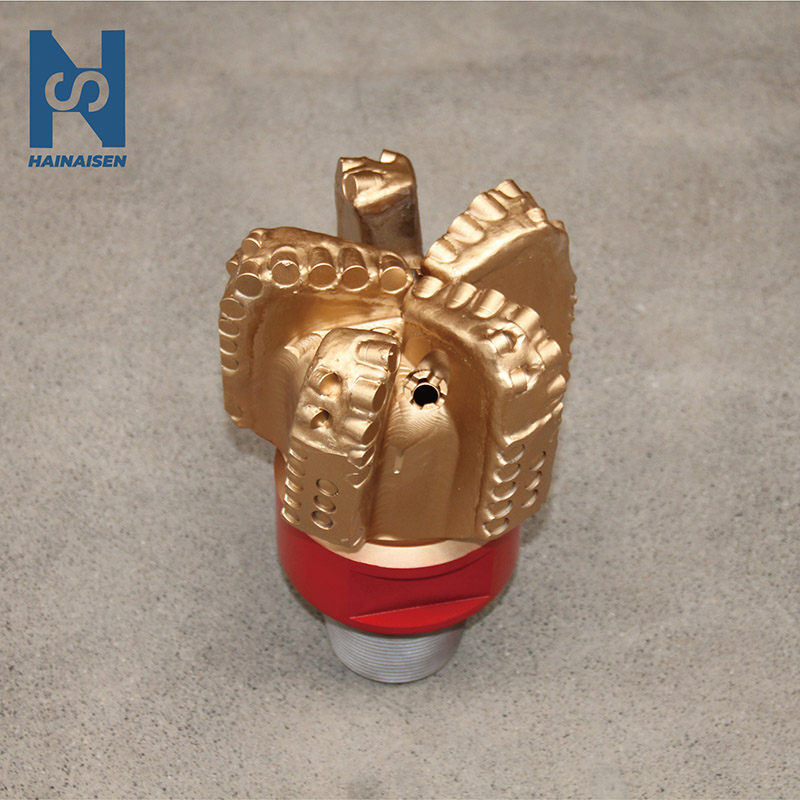
logo 2_1777361643767.jpg)