







What Is the Best Drill Bit for Hard Rock Mining?
Contact Hainaisen
Email: hainaisen@hnsdrillbit.com
Tel: +86 17791389758
Introduction
The best mining drill bit for hard rock mining depends on rock hardness, abrasiveness, compressive strength, and the drilling method. When you're rotary drilling through solid, competent rock, a PDC bit can cut efficiently and hold a steady penetration rate. But if the ground is fractured, interbedded, or just all over the place, a roller cone bit might be the better call. For underground production drilling and surface blast-hole work, DTH hammer bits and top-hammer bits tend to do better — though it really depends on what rig you're running and the hole specs you need.
Granite, basalt, quartzite, hard sandstone — they'll all give you a hard time, just in different ways. Some are tough to push into because of how strong they are under compression. Others are full of abrasive minerals that chew through cutting elements fast. And when you throw fractures into the mix, you get vibration, deviation, uneven loading. Choosing a bit isn't as simple as looking at diameter or price tag.
This guide is about getting the bit design right for hard rock. It also digs into the drilling parameters that affect performance, and how to judge bit life and drilling efficiency. And it covers how Hainaisen helps mining contractors pick products that match their operating conditions.

Hard rock drilling requires a bit design matched to formation strength, abrasiveness, and the drilling system.
1. Understanding Hard Rock Formation and Drilling Conditions
Why is hard rock such a pain to drill?
High compressive strength, plus abrasive minerals like quartz. You need more energy to break the rock, and it chews up cutters, carbide buttons, and gauge components.
Watch out for three things: compressive strength, abrasiveness, and rock structure. Strong, tight rock won't fracture unless you put enough force into it and use a cutting or crushing action that actually works. Quartz-rich granite and sandstone will wear down cutting edges and gauge protection even while the bit keeps drilling. Joints, fractures, hard/soft layers — they bring impact loading, vibration, and a hole that's not quite round.
Granite and basalt usually need tough cutting structures that can take a hit. Quartz-rich sandstone can cause serious abrasive wear. Fractured rock can make drilling unstable even when the average strength isn't that high.
How drilling conditions affect bit performance
Same bit, two different mines, completely different results. It comes down to the rig, hole depth, flushing capacity, and formation structure.
Surface blast-hole drilling? You mostly want the hole depth to stay consistent, the hole to be straight, and penetration to be predictable. Underground production drilling is a different animal — directional accuracy matters more, you're working in tight spaces, and you've got to keep the hole quality good over the planned length.
First thing you pick is the drilling method. Rotary, DTH, top-hammer — they all put energy into the rock differently. So don't just swap bits because the diameter matches.

Common signs of an unsuitable bit
Operators should investigate bit selection when they observe:
- Falling rate of penetration (ROP) despite increasing drilling effort.
- Rapid cutter or button wear.
- Excessive torque fluctuation or repeated vibration.
- Premature gauge wear and holes that become undersized.
- Poor cuttings removal, recutting, or frequent cleaning interruptions.
These symptoms do not always indicate a defective bit. Incorrect operating parameters, worn drilling equipment, inadequate flushing, and changes in rock structure can produce similar results.
2. Bit Selection, Design Factors, and Drilling Parameters
Which bit type is best for hard rock?
The right choice depends on the drilling system and the formation being drilled.
Bit type | Suitable conditions | Main consideration |
|---|---|---|
PDC bit | Compatible rotary applications requiring efficient shearing in relatively uniform formations | Cutter wear, impact resistance, and thermal management |
Roller cone bit | Variable, fractured, or hard formations where crushing and impact action are appropriate | Bearing condition, tooth or insert wear, and operating limits |
DTH hammer bit | Hard-rock drilling where high-energy percussion is suitable | Button configuration, flushing, and hammer compatibility |
Top-hammer bit | Surface or underground drilling using a top-hammer system | Drilling accuracy, button wear, and energy transfer |
In hard rock, start with the drilling system — that decides the bit. Then match the cutting structure to the formation. PDC isn't automatically better than a button bit, especially in badly fractured ground where impact is brutal. And roller cone or percussion bits won't always give you the lowest cost per metre either. Depends on what you're drilling.
Cutter type, size, and layout
For PDC applications, cutter selection affects how the bit penetrates the formation and tolerates abrasive or impact loading.
- Cutter type: Different diamond-based cutting structures offer different balances of wear resistance, impact tolerance, and cutting efficiency.
- Cutter size: Larger cutters can provide substantial cutting area, but their suitability depends on the available space, expected loading, and formation characteristics. Smaller cutters may allow more flexible placement and load distribution.
- Cutter layout: Positioning cutters across the bit face helps distribute the work of breaking rock and manage localized stress.
- Blade configuration: Blade count and geometry influence cutter support, cutting action, and the available flow paths for drilling fluid.
In abrasive formations, wear resistance and gauge protection deserve close attention. Where fractured rock creates repeated impact, cutter support and resistance to chipping become more important.
For DTH and top-hammer applications, the selection process differs. Button shape, carbide grade, face design, flushing holes, and compatibility with the hammer system should be evaluated together.
Hydraulic design and hole cleaning
Effective flushing removes cuttings from the bottom of the hole, limits recutting, and helps maintain a stable drilling process. Inadequate flow can allow debris to accumulate, reduce penetration efficiency, and increase unnecessary loading on the bit.
Hydraulic design should provide suitable flow paths without creating excessive restrictions. The required flow rate depends on hole diameter, drilling method, pump or compressor capacity, and the properties of the drilling fluid or compressed air.
Good hole cleaning is part of bit performance, not a separate maintenance issue. A durable cutting structure cannot compensate for persistent cuttings accumulation.
WOB, RPM, torque, and ROP
For rotary drilling systems, weight on bit (WOB), rotational speed (RPM), flow rate, and torque must work together.
- WOB: Insufficient loading may prevent effective rock penetration, while excessive loading can accelerate wear, overload cutters, or destabilize the assembly.
- RPM: Higher speed can increase drilling efficiency in suitable conditions, but excessive speed may generate heat and accelerate wear.
- Torque: Sudden changes can indicate formation transitions, sticking, poor cleaning, or an unstable cutting process.
- ROP: Rate of penetration should be assessed alongside bit condition, energy consumption, and hole quality rather than treated as the only performance measure.
For percussion drilling, the corresponding controls include impact energy, impact frequency, feed force, rotation, and flushing. These parameters must follow the equipment Manufacturer's operating recommendations.
A useful optimization method is to establish a baseline, adjust one parameter at a time, and compare ROP, vibration, torque or percussion response, wear, and hole quality. This makes it easier to identify whether the limitation comes from the bit, operating conditions, or the formation.
How to improve bit life in abrasive rock
Several practical measures can reduce premature wear:
- Match the cutting structure to the measured or expected formation characteristics.
- Maintain operating parameters within the equipment and bit manufacturer's recommendations.
- Inspect cutters, buttons, gauge components, and connections at appropriate intervals.
- Maintain sufficient flushing capacity to remove cuttings effectively.
- Review drilling records whenever the formation changes or penetration performance deteriorates.
The most useful commercial comparison is often cost per metre drilled, not the initial bit price. A higher-priced bit may be more economical if it delivers longer service life, fewer trips, and more consistent hole quality.

3. Practical Application and Hainaisen's Recommendation
A hard rock mining case, just for illustration
Say a mining contractor is drilling blast holes through highly abrasive granite. The bit they're running wears out fast at the cutting elements, and ROP keeps dropping as the hole gets deeper. Torque jumps around, and they're stopping more and more often to check the bit.
An engineering review finds two problems: the cutting structure doesn't suit an abrasive formation like that, and the drilling parameters aren't being adjusted as conditions change.
So they look at a bit design that fits their drilling system better, with more attention to wear resistance and gauge protection. The drilling crew also goes back over WOB, rotary speed, and flushing against what the equipment maker recommends. On a percussion rig, the same review would focus on impact settings, feed force, rotation, and air flushing.
After those changes, they keep an eye on penetration rate, wear patterns, hole quality, and downtime to see if the new setup actually performs better.
The takeaway: bit selection and operating conditions have to be looked at together. This is an example, not a verified customer report, so no specific improvement percentage or service-life result is being claimed.
Why consider Hainaisen?
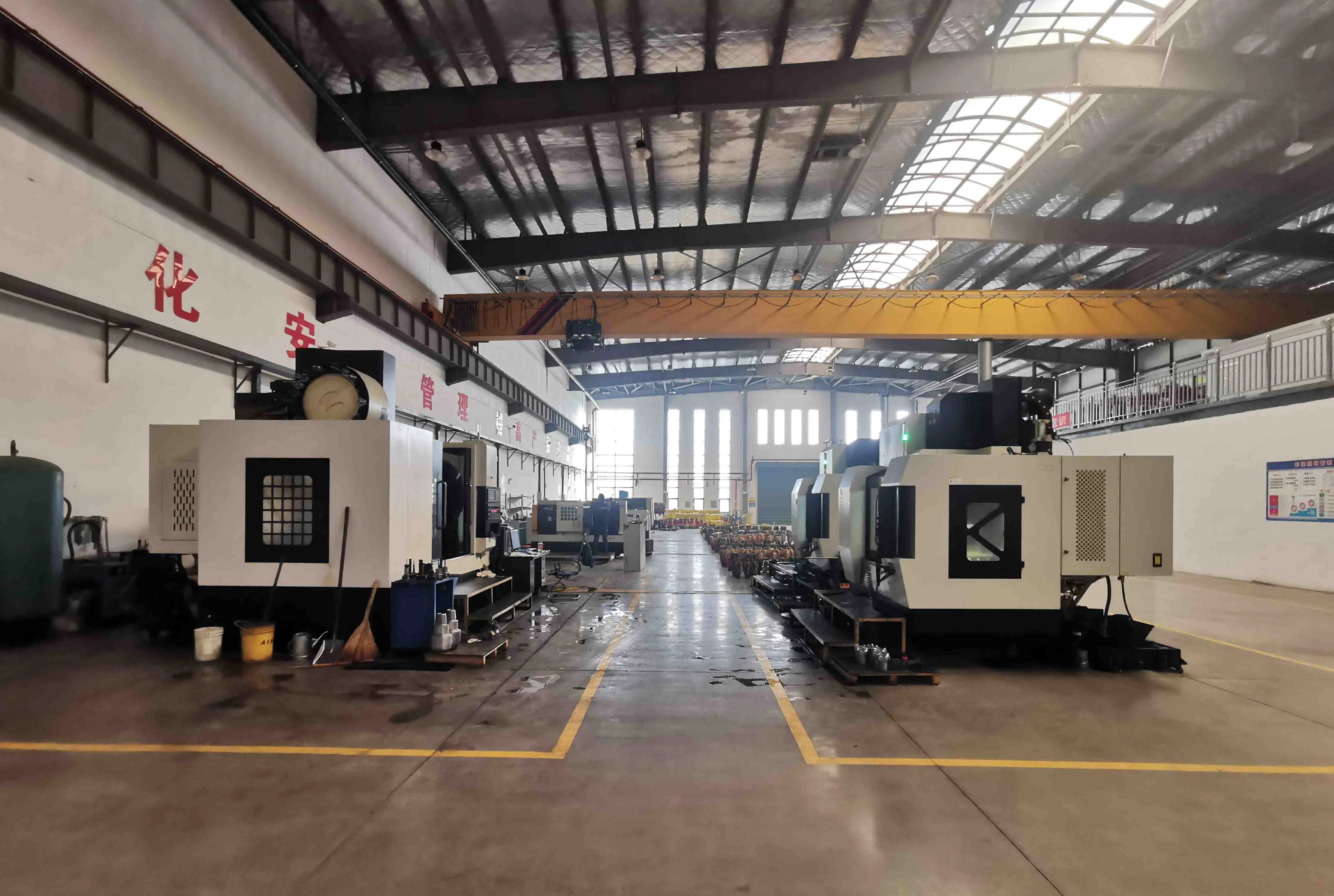
Hainaisen supplies drilling products for mining and other drilling applications. For hard rock projects, the appropriate recommendation should begin with the formation and the drilling equipment rather than a standard product description alone.
When evaluating a suitable mining drill bit, customers should provide details such as rock type, hole diameter, drilling method, expected depth, and the problems experienced with the current bit. Information about abrasive minerals, fractures, wear patterns, and available flushing capacity can further improve the selection process.
Hainaisen? They're solid on quality control—tight, consistent, so you know what you're getting. PDC cutter tech when it fits. Custom bits based on your conditions, your equipment, what you need. They don't shove one design at every job; they look at the formation. Tech support to help you sort specs and how you're running it. And they've done the export thing—they get back to you quick, which matters when you're sourcing from overseas.
Hard, abrasive rock? They'll talk cutters, buttons, gauge protection, bit-face design. And they'll tell you what each option can't do. Then you figure out a config together.
At the end of the day, you've gotta factor in the drilling system, the formation, the performance records from your site. A bit that matches technically—run with the right practices—beats picking on price alone.
FAQ
1. What type of bit is best for drilling granite?
The best option depends on the drilling method and granite characteristics. DTH or top-hammer bits are common in percussion applications, while suitable PDC or roller cone designs may be used in compatible rotary operations.
2. Are PDC bits suitable for hard rock mining?
They can be suitable in applications where the formation, drilling system, and cutter design are compatible. In highly fractured or impact-intensive rock, cutter damage risk should be evaluated before selecting a PDC design.
3. How do I choose a bit for abrasive sandstone?
Assess the rock's quartz content, abrasiveness, strength, and structure. Prioritize wear resistance, suitable gauge protection, effective hole cleaning, and compatibility with the drilling equipment.
4. Which drilling parameters affect bit life?
For rotary drilling, WOB, RPM, torque, and flow rate all influence performance. In percussion drilling, impact settings, feed force, rotation, and flushing conditions require attention.
5. Can Hainaisen provide customized drilling products?
Hainaisen can discuss product configurations and customization requirements based on formation conditions, hole specifications, drilling equipment, and the customer's application. Final suitability should be confirmed against the technical requirements.
6. How can I reduce the cost of hard rock drilling?
Track cost per metre, bit life, ROP, maintenance, and downtime together. Match the bit to the formation, maintain recommended operating parameters, and investigate changes in wear or drilling response promptly.
About the Author
James Carter is a drilling technology writer specializing in hard rock drilling, mining tool selection, and drilling performance analysis. His technical writing focuses on formation characteristics, cutting-element wear, equipment compatibility, and practical methods for improving drilling efficiency.
References
- Society of Petroleum Engineers (SPE). Petroleum Engineering Handbook — drilling engineering principles and drilling performance considerations. https://www.spe.org/
- International Association of Drilling Contractors (IADC). IADC Drilling Manual — drilling equipment, operating practices, and wellbore considerations. https://iadc.org/
- SLB. Oilfield Glossary — drilling terminology and technical definitions. https://glossary.slb.com/
- Sandvik Mining and Rock Solutions. Rock Tools and Drilling Solutions — rock drilling equipment, tool selection, and application considerations. https://www.mining.sandvik/
- Epiroc. Mining and Rock Excavation Technology — surface and underground drilling equipment and application guidance. https://www.epiroc.com/
