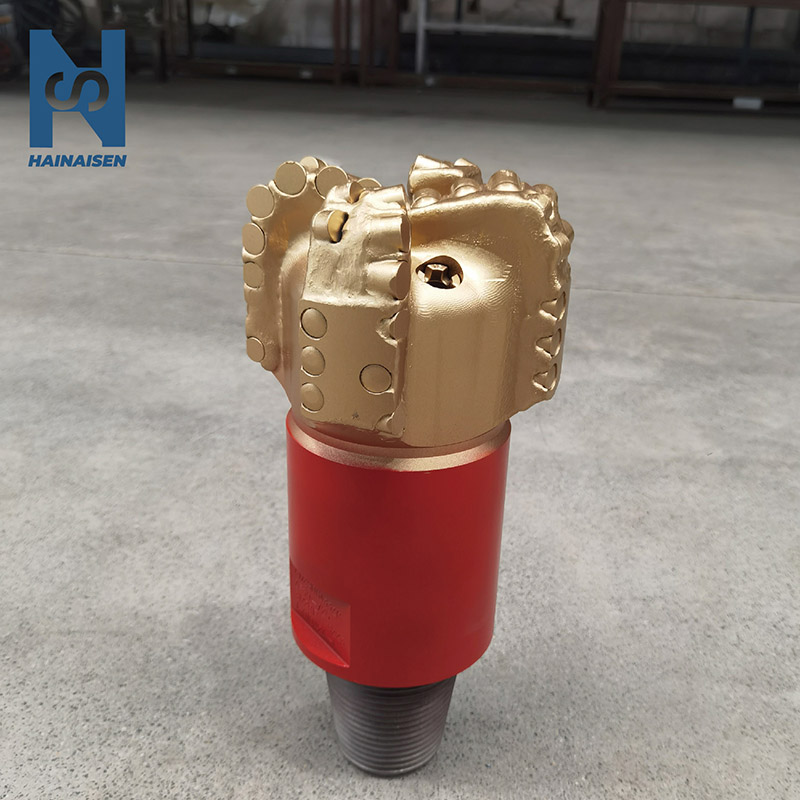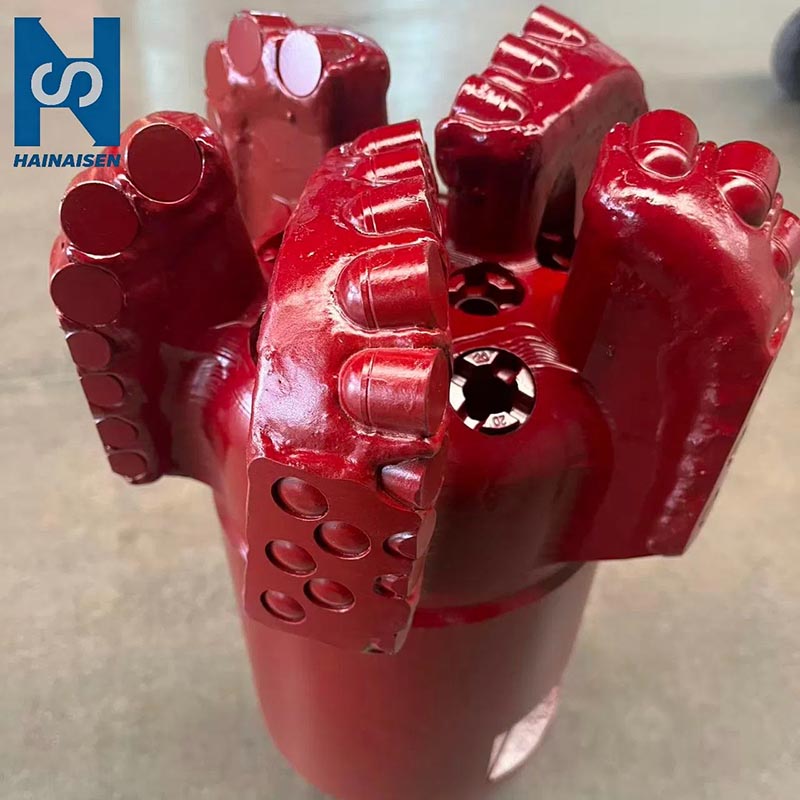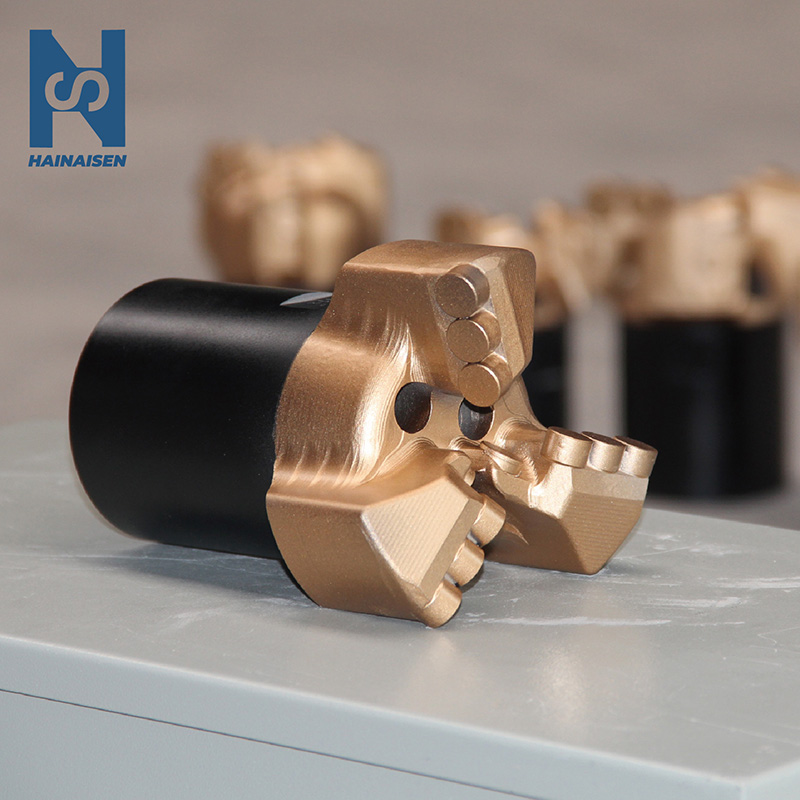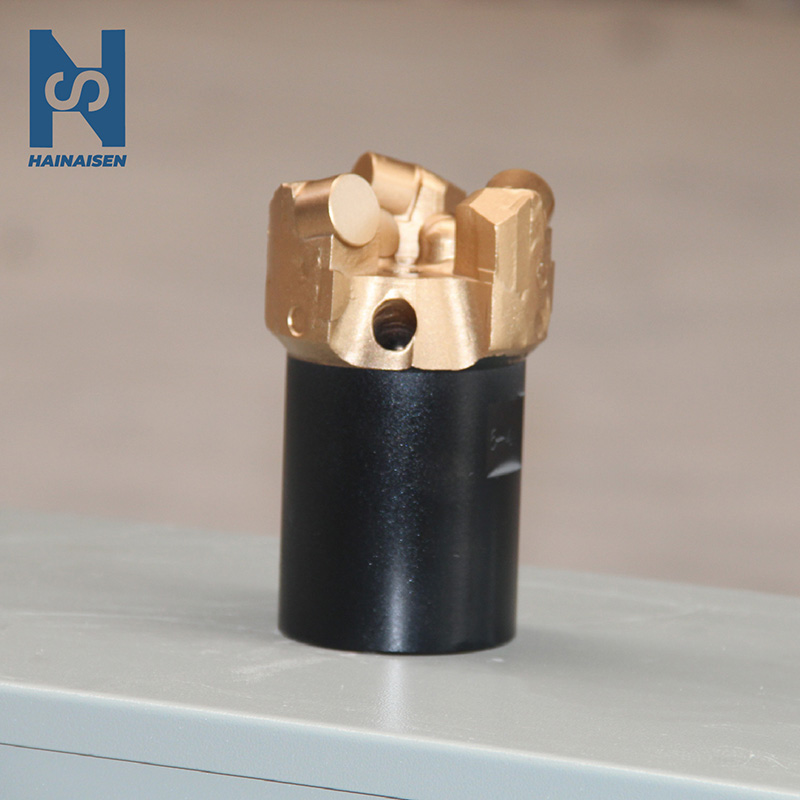




Diamond Drill Bit Oil Rig Performance Overview
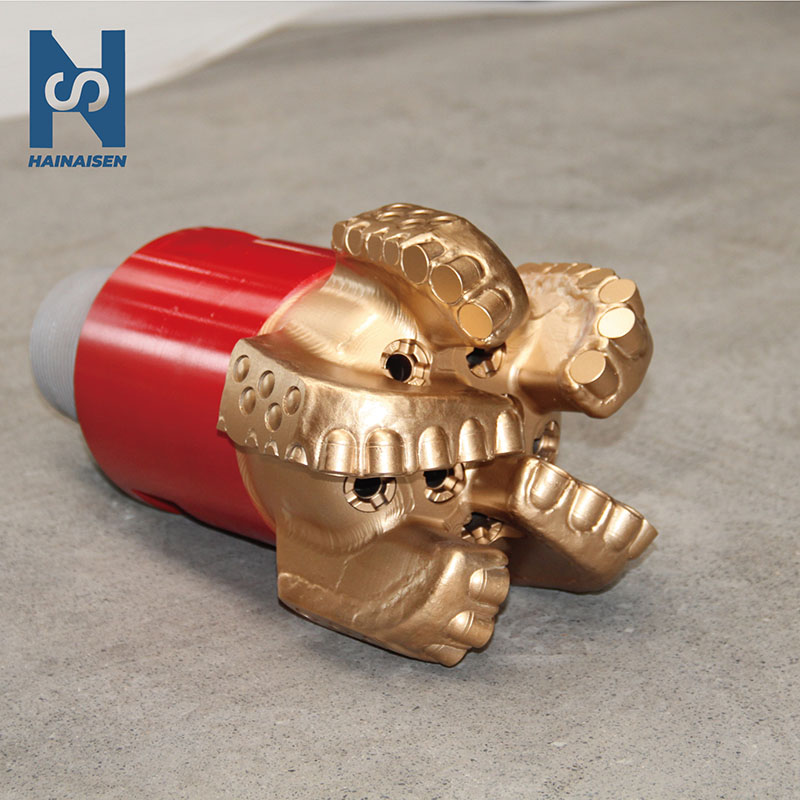
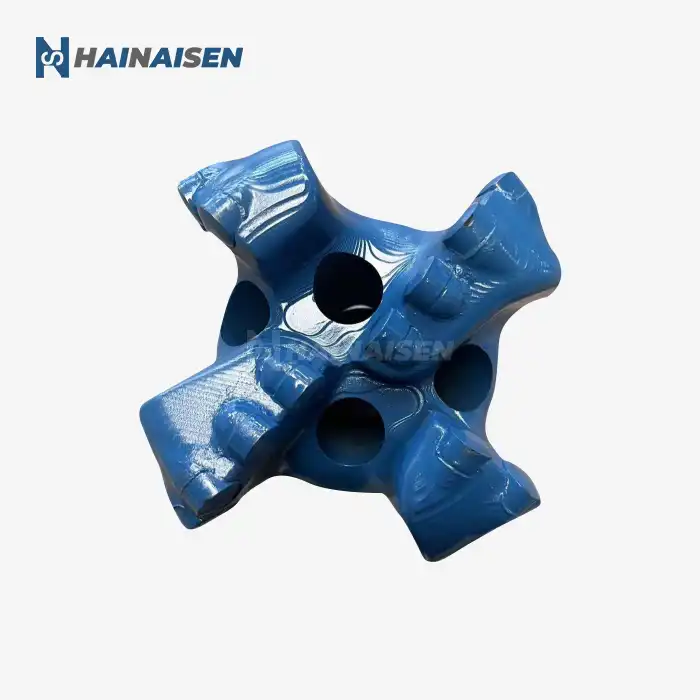
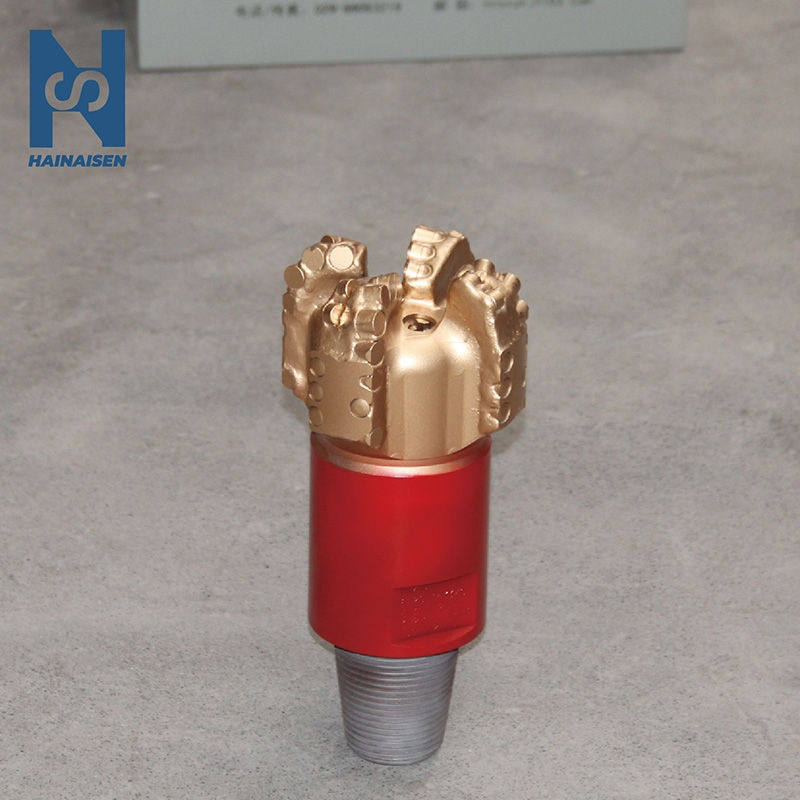
With its outstanding performance in a wide range of rock formations, Diamond Drill Bit Oil Rig technology is a new step forward in drilling operations. Cutting-edge diamond cutting elements and precise engineering are used in these specialized drilling tools to get better entry rates, longer operating life, and more efficient drilling. Because they work so much better than other options, diamond drill bits are much better for oil rig uses. They offer lower operating costs, less downtime, and better resource gathering in difficult subsurface settings.
Understanding Diamond Drill Bits in Oil Rig Applications
Fundamental Working Principles and Technology
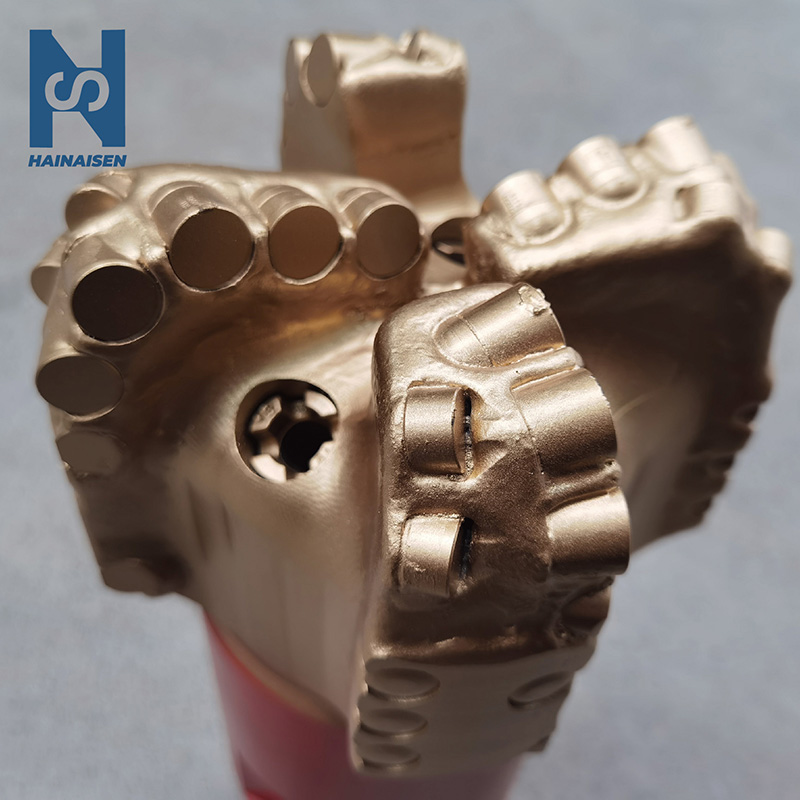
Diamond drill bits work by using industrial diamonds as the main cutting elements. These diamonds are set in a strong core body that keeps the structure intact while drilling. With a Mohs hardness grade of 10, the diamonds are very hard. This means that these bits can successfully cut through hard rock formations and keep their cutting edge sharpness over long drilling rounds.
The matrix body of a premium diamond drill bit oilfield is usually made up of tungsten carbide particles joined with special metal alloys. This makes a surface that doesn't wear down and gradually reveals new diamond cutting elements as the drilling goes on. This self-sharpening feature makes sure that the bit always cuts cleanly without needing to be replaced often, which is very helpful in underwater drilling operations where changing equipment takes a lot of time and money.
Comparison with Conventional Drilling Technologies
There are a number of clear performance benefits to using diamond bits instead of standard tungsten carbide and tricone bits. Tungsten carbide bits are cheap for working with soft materials, but they wear out quickly in rough situations and need to be replaced often. Tricone bits can be used in a wide range of forms, but they produce more sound and use more energy when they're working.
When cutting through medium-hard rocks like shale, limestone, sandstone, and gypsum, diamond drilling technology works better than other methods. The steady cutting action lowers drilling sound, keeps the hole quality high throughout the drilling process, and keeps the wellbore direction on track. This stability means that core samples are more likely to be recovered, and geological data can be collected more accurately.
Technical Specifications and Selection Criteria
When choosing the right bit, you need to carefully think about a number of technical factors, such as the diamond grit size, concentration, and matrix formulation. In most cases, diamond grit sizes are between 20 and 80 mesh. Coarser grits cut more quickly through soft materials, and finer grits cut more smoothly through stronger ones.
Operating factors are very important for getting the most out of a diamond bit. Rotational speeds between 80 and 300 RPM are recommended, and drilling pressures between 10 and 100 KN are needed to make sure that the diamond is engaged properly without wearing out too quickly. Flow rates between 20 and 35 LPS are enough to cool the bit and remove waste, which keeps it from getting too hot and keeps cutting efficiency high.
Performance Comparison and Decision Factors
Durability and Cost-Benefit Analysis
Diamond drill bits always do a better job than other types when it comes to how long they last and how much they cost to own. Independent field studies from Diamond Drill Bit Oil Rig show that diamond bits can last 30–50% longer than tungsten carbide bits in similar rocks. This means that bits don't need to be replaced as often, which saves a lot of money on downtime costs.
Diamond bits have a longer useful life, which is especially helpful for underwater digging, where moving and replacing equipment can be very hard. Even though it may cost more to buy at first than other options, total operating costs are lower because bits don't need to be changed as often and drilling rates are better.
Synthetic versus Natural Diamond Performance
Modern synthetic diamond technology has mostly replaced real diamonds in industry drills because it works better in many ways. For certain drilling tasks, synthetic diamonds have the best crystal structure, stable quality control, and equal hardness traits. The manufacturing method allows exact control over the diamond size distribution and bonding properties, which makes the behavior of the bit more predictable.
Even though natural diamond bits are historically important, they can be hard to work with because of the way the supply chain is set up, and the quality can vary. Synthetic options get rid of these worries while offering the same or better cutting performance at more reasonable prices.
Formation-Specific Performance Characteristics
Diamond bits work best in rocks that are medium hard and have low to middling compressive strengths. Shale formations benefit from the steady cutting action that keeps the wellbore stable and limits damage to the formation. When used for limestone drilling, entry rates are better, and better core samples are obtained for geological research.
Sandstone rocks are perfect for using a premium diamond drill bit oilfield because they are hard enough to effectively engage the diamond cutting elements while still allowing high drilling rates to be maintained. When digging gypsum and other evaporate rocks, it's important to pick the right parameters so that the bit doesn't get too loaded and the cutting efficiency stays high.
Procurement Guide for Diamond Drill Bits in Oil Rigs
Strategic Sourcing Considerations
To buy diamond bits successfully, you need to know what the supplier can do, how they handle quality control, and what kind of expert help they offer. Leading makers put a lot of money into research and development. This leads to constant changes in bit design, diamond bonding technologies, and matrix formulas that make the total performance better.
When you buy in bulk, you usually save a lot of money and make sure that you always have enough of a product for big drilling projects. Many sellers give established customers bulk discounts and first choice for delivery times. This lowers the risk of buying and helps with business consistency needs.
Customization and Technical Support Services
At HAINAISEN, we know that each digging project has its own geological problems that need unique answers. With our customization services, you can make exact changes to the shape of your bit to get the best results in different types of rock and drilling situations. This method of working together makes sure that drilling is as efficient as possible while minimizing operating risks.
Our experienced technical support team helps with every step of the buying process, from choosing the first bits to suggesting ways to make operations run more smoothly. This knowledge is very helpful when dealing with unexpected geological conditions or problems that may come up during digging activities.
Quality Assurance and Certification Standards
Diamond bit makers with a good reputation have strict quality control systems that include checking materials for safety, making sure they are the right size, and following strict rules for performance testing. These quality control steps make sure that the product always works the same way and lower the chance that the bit will break early during important drilling operations.
Manufacturing standards like ISO 9001 and API guidelines give customers more faith in the quality of the Diamond Drill Bit Oil Rig and the supplier's abilities. Offering warranties and support services after the sale shows that the maker cares about customer happiness and building long-term partnerships.
Optimizing Oil Rig Drilling Performance with Diamond Drill Bits
Cutting Efficiency and Penetration Rate Enhancement
Diamond bits are very good at cutting because the diamond cutting elements are always in contact with the formation material. The action of scraping and grinding makes uniform cuts that make it easier to remove dirt and keep the hole cleaning working well. This cutting device cuts down on energy use while speeding up the digging process.
To get the best penetration rate, you need to carefully balance the drilling pressure, spinning speed, and fluid flow factors. By choosing the right parameters, drilling rates can be increased by 25–40% compared to traditional bit technologies. This saves drilling companies a lot of time and money on running costs.
Temperature Resistance and Thermal Management
Modern diamond bit designs have temperature control features that keep the bit from getting too hot during long drilling jobs. Specialized matrix formulas and cooling duct designs keep working temperatures at the best level, even in high-temperature subsurface conditions that come up in deep drilling.
In geothermal and deep oil drilling projects, where temperatures can go above 200°C, temperature protection is very important. In these harsh conditions, reliable diamond drill bit oilfield products keep their cutting power and structural integrity, which lets them be used for drilling in difficult environmental settings where other bit technologies would fail.
Maintenance Best Practices and Operational Guidelines
Following the right care steps will greatly increase the life of a diamond bit and keep its performance traits stable. As part of regular inspections, the cutting surfaces, matrix wear patterns, and overall condition of the bit should be looked at visually to find problems before they affect drilling operations.
The way bits are stored and handled is very important for keeping their quality between drilling sessions. Cleaning properly, storing in a safe place, and treating bits carefully can keep them from getting damaged, which could affect how well they work in later operations.

Future Trends and Innovations in Diamond Drill Bit Technology for Oil Rigs
Advanced Manufacturing and Material Technologies
New ways of making things, like additive manufacturing and precision cutting, are changing the ways that diamond bits for oil rigs can be designed. These technologies allow for complicated internal shapes and the best placement of diamonds, which improves cutting efficiency while lowering the cost of production.
New ways of making fake diamonds keep improving the quality and regularity of diamonds while lowering the costs of making them. With these changes, diamond bit technology is becoming easier for a wider range of drilling uses and market groups to obtain.
Smart Drilling Integration and Monitoring Systems
Putting together tracking technologies and real-time monitoring tools gives us information about bit performance and drilling conditions that we didn't have before. These smart drilling features allow for planned repair, parameter optimization, and early discovery of possible drilling problems.
Data analytics systems look at drilling parameters, bit performance measures, and geological conditions to find the best drilling tactics and make operations run more smoothly overall. Using more than one type of technology together is the way of the future for drilling, and diamond bits are an important part of these more advanced drilling systems.
Environmental and Economic Impact Considerations
Sustainable drilling methods put more and more emphasis on long-lasting tools, saving energy, and having less of an effect on the earth. In comparison to other options, diamond bits help reach these goals by having a longer useful life, using less energy, and producing less trash.
Besides direct cost savings, economic benefits include a smaller carbon impact, better resource utilization, and better project economics that support long-term sustainability goals for the business.
Conclusion
Diamond Drill Bit Oil Rig technology keeps setting new standards for drilling operations by being very durable, very good at cutting, and very flexible in how it can be used. Because diamond bits have so many benefits, such as longer useful lives, better penetration rates, and better performance in difficult rocks, they are important for modern drilling operations. As technology improves and the cost of making them keeps going down, diamond bits will be used in more and more drilling jobs. This will help the industry meet its goals for higher efficiency, less damage to the environment, and better operating economics.
FAQ
1. What makes diamond drill bits superior to conventional alternatives?
In terms of hardness, long life, and steady cutting ability, diamond bits are much better than tungsten carbide and tricone options. Diamonds are better at resisting wear and staying stable at high temperatures, which lets them be used for long periods of time to drill through difficult rocks while still cutting effectively.
2. How do operating parameters affect diamond bit performance?
Balanced spinning speeds of 80–300 RPM, drilling pressures of 10–100 KN, and flow rates of 20–35 LPS are needed for best efficiency. The best choice of parameters increases cutting efficiency while avoiding premature wear and making sure there is enough cooling and removal of debris.
3. What formations are best suited for diamond bit applications?
Diamond bits work best in rocks like shale, limestone, sandstone, and gypsum that are medium hard and don't have a lot of compression power. These rock features make it possible for diamond cutting elements to work at their best, while also allowing for steady drilling rates and good core recovery.
4. How do customization services enhance drilling performance?
Customization services make it possible to make exact changes to the design of bits to fit different geographic conditions, drilling needs, and operating limitations. This customized method improves cutting efficiency, increases bit life, and lowers operating risks in tough drilling conditions.
Partner with HNS for Superior Diamond Drill Bit Oil Rig Solutions
Hainaisen (HSS) is a reliable company that makes Diamond Drill Bit Oil Rigs. They offer cutting-edge drilling solutions and have been in the business for more than ten years. Our brand-new 3,500m2 building has modern 5-axis machining centers and CNC production lines that make sure our products are made precisely, and that consistently high quality standards are met. As one of the biggest companies that sells Diamond Drill Bit Oil Rigs, we can make sure that your needs are met by providing full customization services, technical support, and a low price. Email our expert team at hainaisen@hnsdrillbit.com to talk about your project needs and find out how our high-quality diamond drilling solutions can help you run your business more efficiently and cut down on drilling costs.
References
1. Mitchell, R.F., and Samuel, G.R. (2019). In the Journal of Petroleum Technology and Engineering (45(3)), 123–141, it is written about "Advanced Diamond Cutting Technology in Petroleum Drilling Operations."
2. Thompson, K.L., and Rodriguez, M.A. (2020). The International Drilling Association Quarterly (28(2)) has an article called "Comparative Performance Analysis of Diamond versus Conventional Drill Bits in Hard Rock Formations." It can be read online or downloaded.
3. Chen, W., & Johnson, P.D. (2021). "Thermal Management and Heat Resistance in Modern Diamond Drill Bit Design." Geotechnical Engineering and Mining Science, 39(4), 245-262.
4. Williams, S.E., & Anderson, B.K. (2022). "Economic Impact Assessment of Diamond Drilling Technology in Offshore Oil Operations." Energy Economics and Technology Review, 31(1), 89-107.
5. Davis, L.M., & Taylor, N.J. (2023). "Future Trends in Smart Drilling Technology Integration with Diamond Bit Systems." Advanced Drilling Technology Magazine, 52(6), 178-195.
6. Brown, A.R., & Wilson, C.H. (2024). "Sustainable Drilling Practices and Environmental Benefits of Extended-Life Diamond Drilling Equipment." Environmental Engineering in Energy Sector, 18(2), 134-151.