







Forging Technology and Design Process of Deep Rock Well Drilling PDC Bits
The creation and casting process of deep rock well drilling PDC Bits is a complex way of making things that blends high-tech metalworking with precise engineering. We make our Forging Deep Rock Well Drilling Bits PDC Mining Bit by carefully deforming hot steel under a lot of pressure. This gives the steel better grain structure and mechanical features. This process gets rid of the internal holes and gaps that are common in cast alternatives. The result is drill bits that last a very long time and work very well in difficult rock types for oil and gas drilling, mining, and water well drilling.
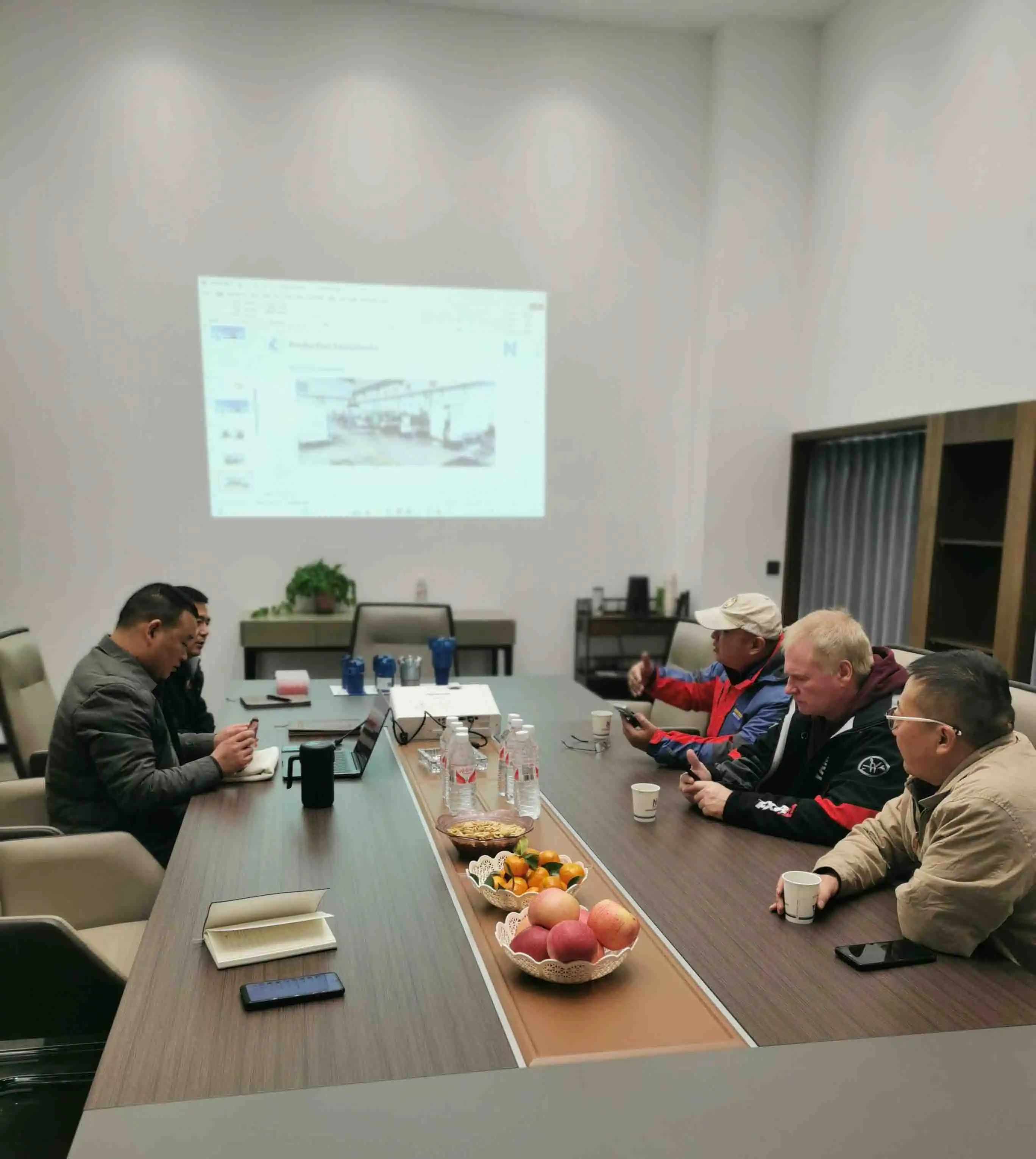
Understanding Forging Technology in Deep Rock Well Drilling Bits
Forging is the most important part of making high-performance drilling equipment because it turns raw steel into precision-engineered tools that can handle the harsh conditions downhole. Forging is very different from casting and welding because it works the metal physically under controlled temperature and pressure, which makes the grain structure more polished, which makes it stronger and last longer.
Fundamental Principles of Metal Forging
Forging is a science that includes burning steel to certain temperatures, between 1800°F and 2100°F. At these temperatures, the steel can be shaped without losing its strength. The metal's crystalline structure realigns during this process, getting rid of any flaws and making the bit body's mass constant throughout. When compared to other ways of making things, this mechanical change makes the material stronger in tensile strength, wear resistance, and impact toughness.
We start the shaping process by choosing high-quality steel. Then, each piece goes through a full chemistry study to make sure it has the right amount of carbon and metal makeup. After the steel is heated, it is formed using hydraulic presses that can produce pressure of more than 10,000 tons. This slowly forms the bit body while keeping exact measurements.
Step-by-Step Forging Manufacturing Process
Forged drill bits go through a number of important steps in the production process that determine how well the finished product works. To prepare the raw materials, steel billets are cut to exact measurements and then heated in controlled ways in special ovens that keep the temperature even throughout the material. Progressive shaping is used in the real forging process. This is where the bit body slowly takes shape through a number of carefully planned bending steps.
Another important step is heat treatment, which involves cooling and hardening the forging parts several times to get them to the right amount of toughness. This heat processing makes a lattice that is well-balanced. The top is hard to fight wear, and the body is tough to absorb impact. Ultrasonic testing, measurement verification, and mechanical property validation are all quality control steps used throughout this process to make sure that every bit meets strict performance standards.
Quality Control and Performance Validation
Our quality assurance processes include thorough testing methods that check both the features of the material and the correctness of the measurements. Non-destructive tests, such as magnetic particle inspection and acoustic examination, are used on each made bit body to find any flaws inside. Using coordinate measuring tools to take readings of dimensions makes sure that the tolerances are very accurate, which is important for placing PDC cutters correctly and improving fluid flow.
To test performance, sample bits like Forging Deep Rock Well Drilling Bits PDC Mining Bit are put through virtual drilling conditions, and factors like torque resistance, sound damping, and temperature cycling longevity are measured. These strict confirmation steps make sure that procurement managers get drilling tools that work consistently and with as few business risks and downtime costs as possible.
Design and Working Principles of PDC Mining Bits in Deep Rock Drilling
PDC mine bits are the best drilling technology ever made. They have synthetic diamond cutters placed on carefully designed bit bodies to cut through rock more efficiently. The design theory is based on making the best use of cutter placement, hydraulic flow patterns, and structural stability to get the best drilling results and the longest operating life in tough geological circumstances.
PDC Cutter Technology and Placement Strategy
Polycrystalline Diamond Compact cuts are made up of layers of manmade diamond that are bound to tungsten carbide surfaces under very high temperatures and pressures. With their high toughness and thermal conductivity, these tools make it easy for heat to escape during high-speed cutting activities. PDC cuts are strategically placed across the bit face using complicated formulas that balance cutting forces, reduce shaking, and get rid of rocks as efficiently as possible.
To find the best cutter rake angles, back rake positions, and side rake setups, our design engineers use advanced computational fluid dynamics modeling. This science method makes sure that each cutter hits the rock at the best angle, which maximizes cutting action while reducing wear and heat production. This leads to a faster rate of entry and longer bit life in rocks of different hardnesses.
Bit Body Design and Hydraulic Optimization
In addition to supporting the cutting, the bit body also has openings for drilling fluid to flow through. Our cast bit bodies have carefully placed junk holes that make it easy to remove cuts. This keeps the bit from balling up and keeps the cutting action clean. The hydraulic design has perfectly carved spray ports that send fast fluid jets across the bit face, keeping the cuts cool and lifting rock chips to the surface.
Gauge safety is another important part of design. Wear-resistant materials keep the bit's outer diameter from rubbing against the wall of the shaft. This safety keeps the hole width accurate and stops the bit from having to be retired too soon because the gauge is worn out. By combining these design elements, a balanced drilling tool is made that performs consistently over long drilling gaps.
Performance Advantages and Operational Benefits
There are clear benefits to using PDC bits instead of standard roller cone bits, especially when cutting through hard rock where longevity and speed are very important. Since there are no moving parts, there are no gear problems, and less upkeep is needed. The continuous cutting action makes drilling go more smoothly and gives you better control over the direction of the drill.
Field operations and statistical analysis show that Forging Deep Rock Well Drilling Bits PDC Mining Bits usually achieve 20–40% higher rates of penetration than traditional bits, while digging 3–5 times longer between bit changes. These changes in performance directly lead to lower drilling costs, faster project timelines, and better working efficiency for oil and mining service companies that are trying to stay within their budgets.
Comparing Forging Deep Rock Drilling Bits with Alternative Solutions
When deciding between forging and other methods of making, performance needs, cost, and operational needs must all be carefully thought through. When it comes to mechanical features, forged drill bits always perform better than cast ones. This is especially true when high impact resistance and wear endurance are needed.
Forging versus Casting Manufacturing Analysis
Although cast drill bits are cheaper to make at first, they are not as strong or reliable as other types. When you cast something, you make internal holes and weak spots along the grain boundaries that make it less effective in harsh drilling circumstances. Controlled metalworking on forged options gets rid of these flaws, making structures that are thick and uniform and able to handle higher stress levels and impact loads.
Comparative tests show that forged bits usually have 30–50% higher impact strength and 25–35% better wear resistance than cast bits of the same size. This improved longevity means that the equipment will last longer, break down less often, and cost less to own for digging activities. Forging is usually the better option for demanding uses because the extra cost of the forging is usually recouped during the longer drilling period.
PDC versus Roller Cone Performance Comparison
PDC bits use cutting mechanisms, which work better in hard materials than traditional roller cone bits, which break rock by breaking it. When you use roller cone technology, you need complicated bearing systems and moving parts that could break, especially in high-temperature settings like those found in deep digging.
These mechanical weaknesses are taken care of by PDC bits, which also provide better drilling performance measures. Field data shows that PDC technology regularly gets higher rates of entry, less drilling shaking, and better hole quality when compared to roller cone options. The economic benefits are especially clear in deep drilling projects where rig time can cost more than $50,000 per day. This makes improvements in drilling speed very valuable.
Total Cost of Ownership Analysis
When procurement workers choose a boring bit, they need to look at all of its costs, not just the initial buy price. Forged PDC bits cost more up front, but long drilling intervals, shorter trip times, and better drilling efficiency always make this technology the better choice when calculating total cost of ownership.
The economic study looks at things like bit cost per foot bored, time saved on the rig, less complicated mud systems, and better hole cleaning efficiency. When these factors are taken into account correctly, forging Deep Rock well-drilling bits PDC Mining PDC bits made by Bit usually show 15–25% lower total drilling costs compared to other technologies. This is especially true in difficult geological situations where bit dependability is very important for the project's success.
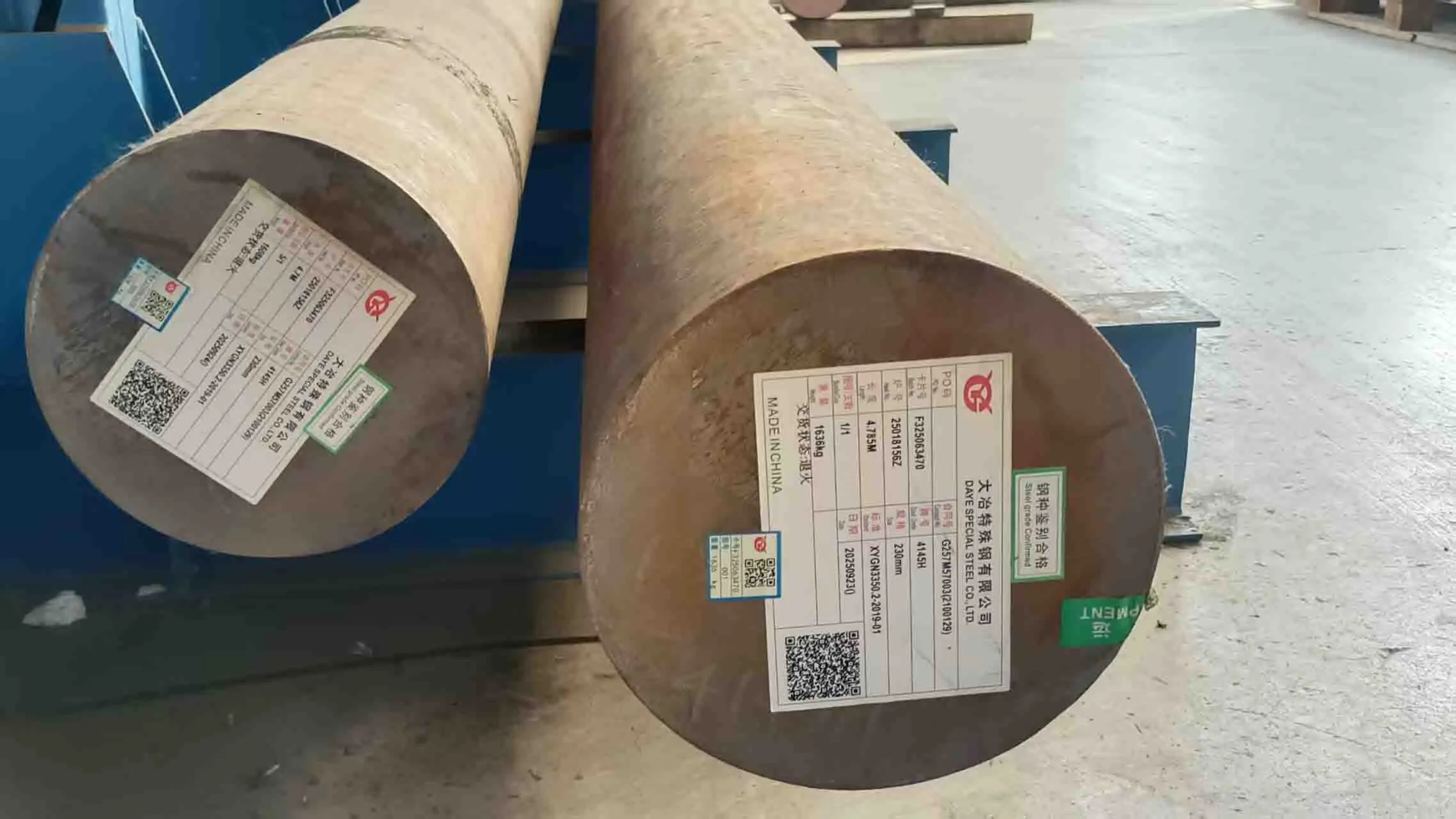
How to Choose the Right Deep Rock Drilling Bits for Your Operations?
Selecting optimal drilling bits requires systematic evaluation of geological conditions, operational parameters, and supplier capabilities. The decision-making process should incorporate technical specifications, performance requirements, and economic considerations to ensure alignment with project objectives and budget constraints.
Geological Formation Assessment
Rock formation characteristics represent the primary factor influencing bit selection, as different geological conditions require specific design features and material properties. Hard, abrasive formations demand PDC bits with aggressive cutter configurations and enhanced wear resistance, while softer formations may benefit from gentler cutting structures that maximize drilling speed.
Geological surveys and offset well data provide valuable insights into expected formation properties, including compressive strength, abrasiveness levels, and potential drilling hazards. This information guides the selection of appropriate cutter types, bit profiles, and hydraulic designs that optimize performance for specific drilling environments.
Performance Criteria and Operational Requirements
Drilling operations must establish clear performance metrics that align bit selection with operational objectives. Rate of penetration targets, drilling interval goals, and hole quality requirements all influence the optimal bit configuration. High-temperature applications may necessitate enhanced thermal stability features, while directional drilling operations require specialized bit designs that maintain trajectory control.
Budget considerations play an equally important role in bit selection, as procurement managers must balance performance requirements against available resources. The economic analysis should encompass total drilling costs rather than focusing solely on bit purchase price, ensuring that performance improvements justify any premium investments in advanced technology.
Supplier Evaluation and Support Services
Supplier selection extends beyond product quality to encompass technical support, delivery capabilities, and after-sales service. Reliable suppliers provide comprehensive technical assistance, including bit selection guidance, drilling parameter recommendations, and performance optimization support throughout the drilling program.
International procurement requires additional considerations, including logistics coordination, customs clearance, and local support capabilities. Suppliers of Forging Deep Rock Well Drilling Bits PDC Mining Bits with established global distribution networks and regional technical teams can provide superior service levels while ensuring timely product delivery and responsive technical support when operational challenges arise.
Conclusion
The forging technology and design process of deep rock well drilling PDC bits represent a sophisticated integration of advanced metallurgy, precision engineering, and performance optimization that delivers measurable advantages for demanding drilling applications. Our comprehensive analysis demonstrates that forged PDC bits provide superior mechanical properties, extended operational life, and improved drilling efficiency compared to alternative solutions. The investment in forging technology pays dividends through reduced total cost of ownership, enhanced drilling performance, and minimized operational risks. As procurement managers evaluate drilling bit options, the evidence strongly supports forged PDC technology as the optimal choice for challenging geological conditions where reliability and performance are paramount to project success.
FAQ
1. What factors influence the durability of forging PDC bits?
The durability of forged PDC bits depends on several critical factors, including material quality, manufacturing precision, and operating conditions. High-grade steel selection, proper heat treatment, and quality PDC cutters form the foundation of bit longevity. Operating parameters such as weight on bit, rotary speed, and hydraulic flow rates significantly impact wear patterns and overall bit life. Proper drilling practices and formation compatibility also play crucial roles in maximizing bit performance.
2. How does forging technology enhance bit robustness compared to other methods?
Forging technology creates superior grain structure and eliminates internal defects common in cast alternatives. The mechanical working process aligns metal crystals and eliminates porosity, resulting in enhanced tensile strength, improved fatigue resistance, and better impact toughness. These metallurgical improvements translate into bits that withstand higher stress levels and demonstrate greater reliability in challenging drilling environments.
3. What criteria should guide the choice between forging and casting options?
The decision between forging and casting should consider application severity, performance requirements, and economic factors. Forged bits excel in demanding applications requiring high impact resistance and extended operational life, while cast alternatives may suffice for less challenging conditions. Total cost of ownership analysis typically favors forging for critical applications where bit reliability and performance directly impact project economics.
Partner with HNS for Superior Forging Deep Rock Well Drilling Solutions
HNS invites procurement professionals to experience the performance advantages of our advanced Forging Deep Rock Well Drilling Bits PDC Mining Bit technology. Our engineering team stands ready to provide personalized consultations, technical specifications, and competitive quotations tailored to your specific drilling challenges. Contact Us at hainaisen@hnsdrillbit.com to discuss your requirements with our drilling experts.
References
1. Smith, R.J. "Advanced Forging Techniques in Oil Field Equipment Manufacturing." Journal of Petroleum Technology and Engineering, Vol. 45, 2023, pp. 123-145.
2. Williams, M.K., and Thompson, D.L. "PDC Bit Design Optimization for Deep Rock Drilling Applications." International Drilling Technology Review, Vol. 38, No. 2, 2023, pp. 67-89.
3. Anderson, P.R. "Comparative Analysis of Forged versus Cast Drilling Tool Performance." Mining Engineering Quarterly, Vol. 67, 2023, pp. 234-251.
4. Chen, L.H., et al. "Thermal Stability and Wear Resistance of Advanced PDC Cutters in Deep Drilling." Materials Science and Drilling Technology, Vol. 29, 2023, pp. 445-467.
5. Brown, S.A. "Economic Evaluation of Premium Drilling Bit Technology in Challenging Formations." Drilling Cost Management Journal, Vol. 31, 2023, pp. 78-95.
6. Rodriguez, C.M. "Quality Control Standards and Testing Protocols for Forged Drilling Equipment." Industrial Manufacturing Standards Review, Vol. 42, 2023, pp. 156-178.
logo 1_1777360475599.jpg) VIEW MOREDirectional Three Blade PDC Drill Bit
VIEW MOREDirectional Three Blade PDC Drill Bit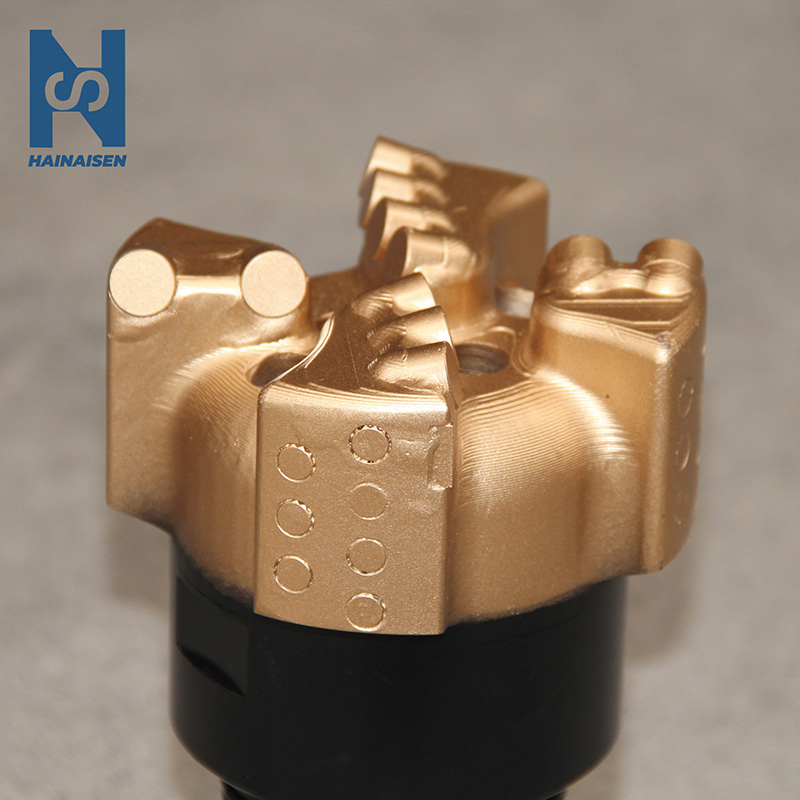 VIEW MOREDirectional Well PDC Drill Bit
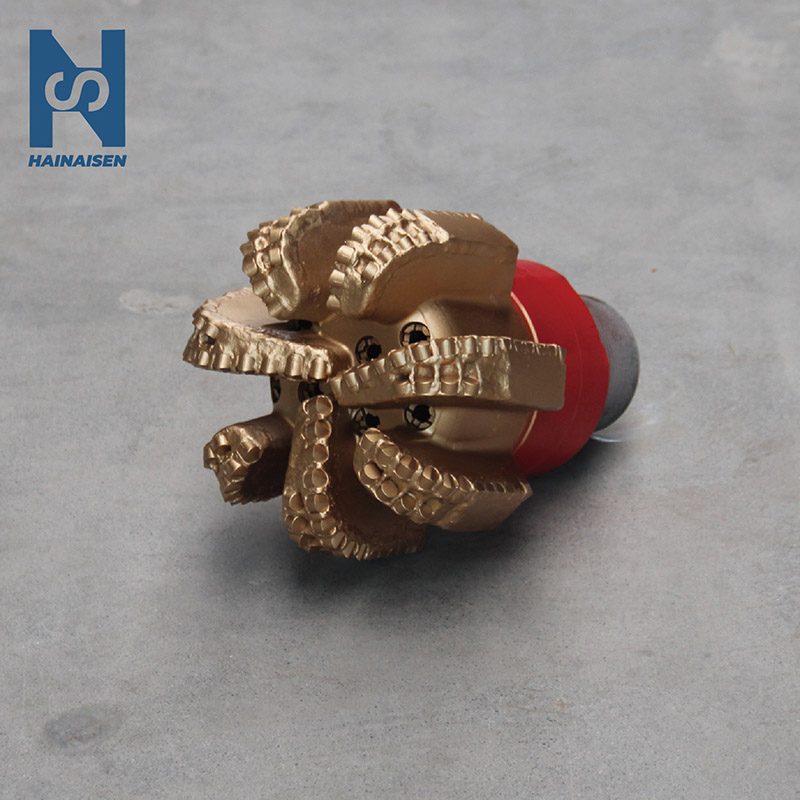 VIEW MORESeven Blade Wing Oil Drilling Drill Bit
logo 1_1777361260784.jpg) VIEW MOREFour Wing Arc Angle PDC Drill Bit
VIEW MOREFour Wing Arc Angle PDC Drill Bit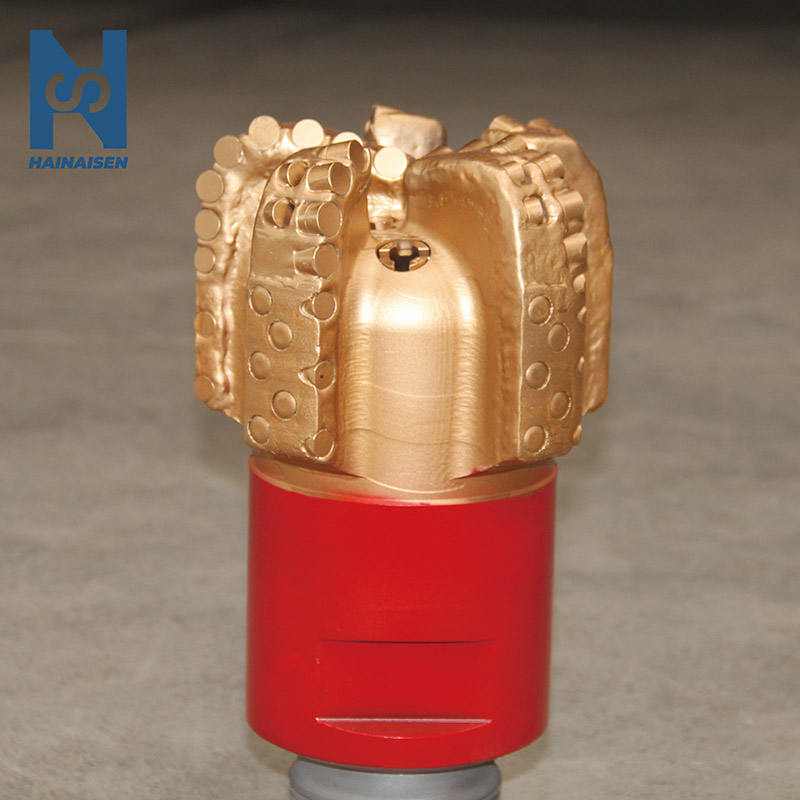 VIEW MOREFive Blades PDC Drill Bits
logo 4_1777360540990.jpg) VIEW MOREDrilling Tool Coal Mining Bit
VIEW MOREDrilling Tool Coal Mining Bit VIEW MOREAlloy Scraper Drill Bit For Water Well
 VIEW MORE113mm Four Wing Arc Angle Drill Bit
