




What Affects the Wear Resistance of a 6 Wings PDC Drill Bit?
A 6-Wing PDC Drill Bit's wear resistance relies on a number of important things, such as the type of material used, how it is used, and the elements of the surroundings. The grade of the PDC cutter, the composition of the tungsten carbide matrix, the hydraulic optimization, the shape of the blades, the drilling pressure, the rotational speed, the properties of the formation, and the way they are maintained all have a big impact on how long these polycrystalline diamond compact bits keep cutting well during drilling operations in a wide range of geological formations.
Introduction
Six-wing polycrystalline diamond compact drill bits are a big step forward in drilling technology and are used a lot in tough oil and gas, mining, and construction jobs. Their better resistance to wear is important for keeping operations running smoothly, cutting down on downtime, and keeping total drilling costs low. A lot of American business people, like buying managers, engineers, marketers, and original equipment Manufacturers (OEMs), use this guide because it gives them a thorough look at the things that affect how well these specialized drilling tools fight wear.
When buying workers understand these factors, they can make choices that are better suited to difficult physical and practical problems. The six-blade design is more stable and effective at cutting than standard three-wing designs. This makes these bits especially useful for medium-hard rock types like gypsum, shale, limestone, and sandstone. Today's drilling operations need tools that can work consistently over long, boring gaps and survive harsh circumstances.
Understanding Wear Resistance in 6-Wing PDC Drill Bits
Wear resistance is how well a drill bit can handle being broken down by heat, chemicals, and mechanical forces while drilling. In six-wing PDC Bits, better wear resistance has a direct effect on how long the drill lasts, how much it works, and the total cost of ownership. How well the bit keeps its cutting shape and hydraulic properties over its service life depends on this basic feature.
Key Components Affecting Durability
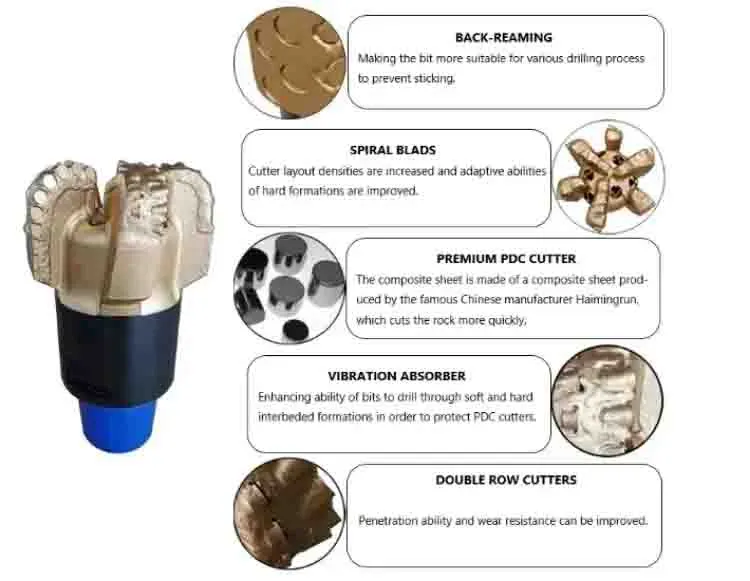
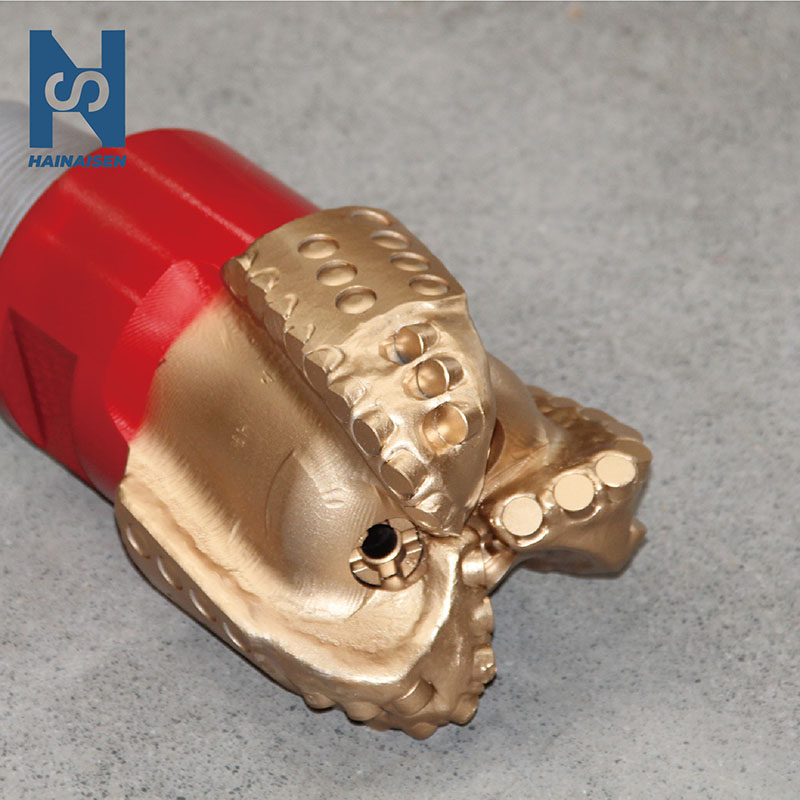
Polycrystalline diamond compact cutters are the main cutting elements. They are made to split rock forms by scraping them over and over again instead of breaking them. Because these man-made diamond disks are very hard and good at moving heat, they can be used in drills with high speeds without breaking down quickly. Just as important is the tungsten carbide binder that holds these tools together. It keeps the structure strong and protects it from hits when cutting is rough.
Operational Impact on Performance
Better resistance to wear directly lowers drilling costs by making bits last longer, cutting down on trips to change bits, and increasing penetration rates. The six-wing design spreads the cutting forces more evenly across the bit face, which stops the uneven wear that happens with other designs. In situations where you're drilling through alternating hard and soft rocks, where regular bits often break too soon, this balanced load distribution is especially helpful.
In-Depth Analysis of Design and Material Influences
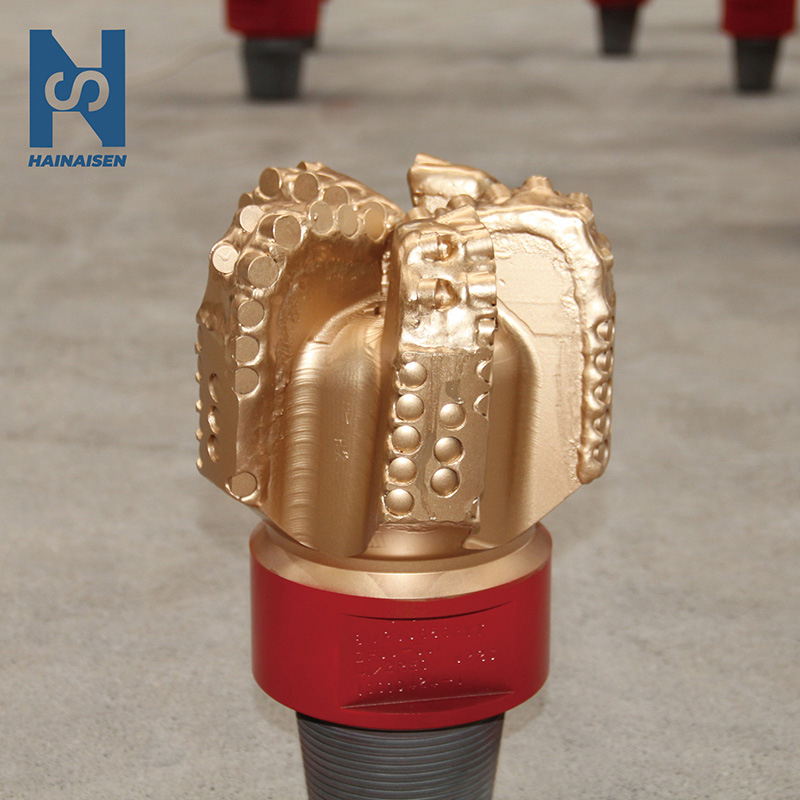
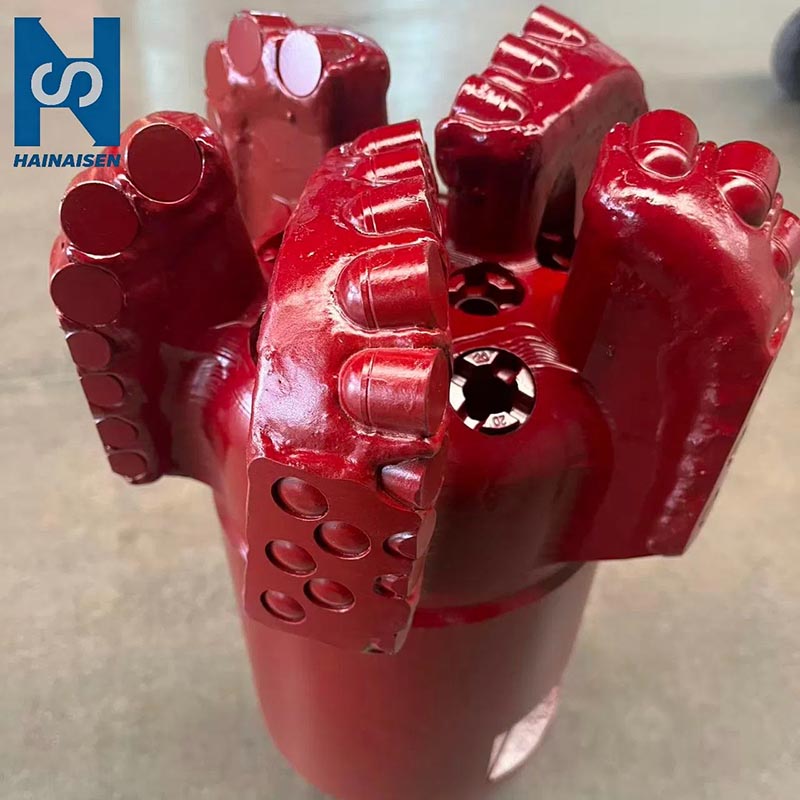
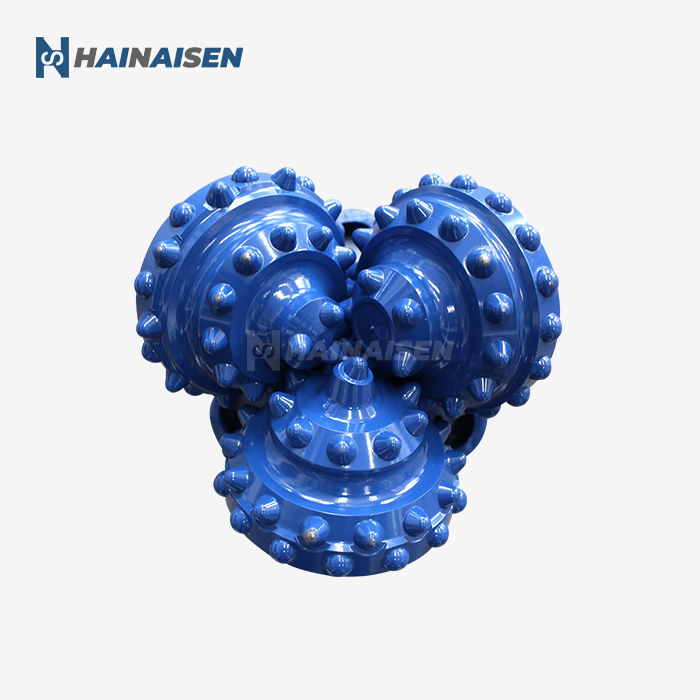
Compared to standard three-wing or roller cone bits, the unique six-wing design of the 6 Wings PDC Drill Bit makes the drill bit much more stable and evens out the load. This leads to more even wear patterns and a longer service life. This design benefit comes from having more touch places with the formation, which lowers the stress on each cutter while keeping the cutting action active.
Advanced Material Engineering
Modern PDC production uses complex metals to make the materials more resistant to wear. The steel bit body gives the structure basic strength, and in high-wear areas, it changes to tungsten carbide alloys that are made just for that purpose. For certain kinds of rock, advanced PDC cuts have the right amount of cobalt and the right number of diamond grains. These materials go through strict heat treatments that make them stronger and more stable at high temperatures.
The soldering method used to connect PDC cuts to the bit body has come a long way and now uses special metals that keep the bond strong even when the temperature changes a lot. When digging through rough rock forms that heat up a lot from friction, high-temperature bonding solutions keep the cutting in place. Early cutting loss, which used to be the main way that PDC bits broke, can't happen anymore thanks to this technology development.
Hydraulic Design Optimization
Hydraulic efficiency is a key factor in wear resistance because it makes sure that cuttings are removed effectively and bits stay cool. The six-wing design makes the best flow paths that move drilling fluid across the cutter faces while keeping enough pressure differences to let the debris escape. Bad hydraulics cause cuts to build up, more friction, and faster thermal wear, so this design element is very important for making the bit last as long as possible.
Common Wear Problems and Their Causes
No matter how well they are made, six-wing PDC drill bits can wear down in a number of ways that can have a big effect on how well they work. By knowing how these failures happen, drilling experts can take steps to avoid them and make sure that the operating conditions are just right for the longest bit life.
Mechanical Wear Mechanisms
The most common type of decline is abrasive wear, which happens when hard formation pieces eat away at the sides of PDC blades and bits. This slow process speeds up in layers that have quartz, chert, or other siliceous materials that naturally grind rocks. The rate of wear varies a lot on the hardness of the rock, the cutting factors, and the shape of the bit.
When digging through rocks with different levels of hardness or when running into surprising natural features like hard stringers or concretions, impact damage can be a problem. The six-wing design makes the cutter more stable, which reduces damage from impacts. However, extreme conditions can still chip or break the cutter, which makes it less effective at cutting.
Thermal Degradation
Thermal cracks happen when there is too much heat. This is because the PDC cuts and their carbide surfaces grow at different rates. This often takes place when there isn't enough cooling, the drilling settings are too high, or the hydraulic design is flawed. It is very easy for heat to damage the cobalt binder in PDC cutters. This could turn diamond crystals into graphite and cause the cutter to fail severely.
When cutter edges get dull over time from being at high temperatures for a long time, which makes the diamond structure weaker, this is called thermal wear. This process goes faster when drilling through hard rocks where fluid doesn't flow well or when the settings for the drill make too much contact heating. It is important to pick the right settings and make sure the fluid moves at the right speed to avoid damage from heat.
Chemical and Erosional Effects
Chemical wear is a big problem in some drilling situations where formation fluids or drilling mud additives mix with bit materials. Hydrogen sulfide environments can weaken steel parts, and acidic environments can speed up the rusting of metal areas that are visible. Protective layers and metals that don't rust are used in modern bit designs to keep chemicals from attacking them.
Erosional wear happens where fast-moving drilling fluid meets bit surfaces, mainly where the tip leaves and where flow is limited. The six-wing form makes flow patterns that are more complicated, which can either reduce erosional wear or make it worse, dependent on the hydraulic features and fluid properties.
Best Practices for Maximizing Wear Resistance and Performance
Selecting the right drilling tool requires precise alignment of bit specifications with geological and operational conditions. The six-wing PDC drill bit design offers significant advantages in stability and cutting efficiency, particularly suitable for medium-hardness formations where balanced cutting action proves most beneficial.
Strategic Bit Selection
Proper bit selection begins with comprehensive formation evaluation, including rock strength, abrasiveness, and drillability characteristics. The six-wing configuration excels in formations with compressive strengths between 5,000 and 25,000 psi, where the enhanced stability prevents destructive vibrations while maintaining aggressive cutting action. Bit manufacturers provide detailed application guidelines that correlate formation properties with optimal bit designs and cutter specifications.
Cutter size, placement, and orientation must align with expected drilling conditions. Larger cutters provide greater impact resistance but may generate higher cutting forces, while smaller cutters offer improved cutting efficiency in softer formations. The angular placement of cutters on each wing determines cutting aggressiveness and wear patterns, requiring careful consideration of formation characteristics and desired penetration rates.
Operational Parameter Optimization
Weight on bit and rotational speed represent the primary controllable variables affecting wear resistance. Excessive weight can cause premature cutter damage through overloading, while insufficient weight results in poor penetration and increased wear through inefficient cutting action. The optimal range typically falls between 3,000 and 8,000 pounds per inch of bit diameter, adjusted based on formation characteristics and bit response.
Rotational speed optimization balances penetration rate with bit longevity. Higher speeds generally increase penetration rates but may accelerate wear in abrasive formations or when cooling proves inadequate. The recommended speed range of 60-250 RPM for six-wing PDC bits provides operational flexibility while maintaining acceptable wear rates across various formation types.
Maintenance and Monitoring Strategies
Regular bit inspection enables early detection of wear patterns that indicate operational problems or suboptimal drilling parameters. Visual examination should focus on cutter condition, wear patterns, and signs of thermal damage or impact. Systematic documentation of bit performance creates valuable databases for future bit selection and parameter optimization.
Proper storage and handling procedures protect bit integrity between drilling operations. PDC cutters are particularly susceptible to impact damage during transportation and handling, making careful storage essential for maintaining bit performance. Climate-controlled storage prevents thermal cycling that can stress braze joints and compromise cutter retention.
Procurement Insights: Choosing Trusted Suppliers and Buying Smart
Securing high-quality six-wing PDC drill bits involves a comprehensive evaluation of supplier capabilities, quality systems, and technical support offerings. The drilling industry demands reliable supply chain partners who understand the critical nature of downhole tool performance and provide consistent product quality across all orders.
Supplier Evaluation Criteria
Manufacturing capabilities represent the foundation of supplier assessment, encompassing production capacity, quality control systems, and technological advancement. Leading suppliers maintain state-of-the-art manufacturing facilities with precision machining centers, automated brazing systems, and comprehensive testing capabilities. These facilities should demonstrate adherence to international quality standards and maintain Certifications relevant to the drilling industry.
Technical expertise distinguishes exceptional suppliers who provide engineering support beyond basic product delivery. This includes formation-specific bit design recommendations, operational parameter guidance, and post-drilling performance analysis. Suppliers with robust research and development programs continuously advance their product offerings and provide access to the latest technological developments.
Supply Chain Considerations
Lead times and inventory management capabilities directly impact drilling project schedules and operational efficiency. Reliable suppliers maintain strategic inventory positions while offering expedited delivery options for urgent requirements. Flexible manufacturing capabilities enable customization for specific applications without excessive lead time penalties.
Pricing structures should reflect value delivered rather than simply initial purchase cost. Total cost of ownership calculations must include bit performance, service life, and technical support value. Volume pricing arrangements can provide significant cost savings for large drilling programs while ensuring consistent product availability.
Partnership Benefits
Long-term supplier relationships enable collaborative development of optimized drilling solutions tailored to specific operational requirements. These partnerships often include performance guarantees, technical training programs, and shared risk arrangements that align supplier and customer interests. Established relationships also facilitate rapid response to operational challenges and access to specialized products.
Global support capabilities become essential for international drilling operations requiring consistent product availability and technical support across multiple locations. Suppliers with worldwide presence can provide local support while maintaining global product consistency and quality standards.
Conclusion
The wear resistance of six-wing PDC drill bits depends on multiple interconnected factors, including material quality, design optimization, operational parameters, and maintenance practices. Understanding these relationships enables drilling professionals to make informed decisions that maximize bit performance and operational efficiency. The six-wing configuration offers significant advantages in stability and cutting efficiency, particularly suitable for medium-hardness formations where balanced cutting action proves most beneficial. Proper selection, operation, and maintenance of these advanced drilling tools can significantly improve drilling economics through extended bit life, reduced downtime, and enhanced penetration rates across diverse geological conditions.
FAQ
1. How does wear resistance compare between 6-wing and 3-wing PDC bits?
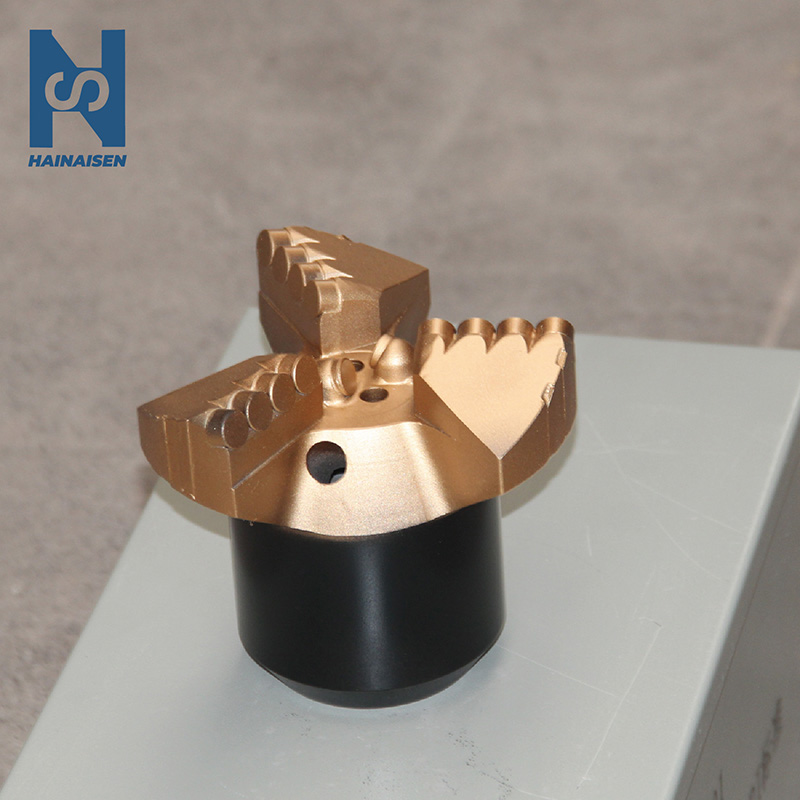
Six-wing PDC bits typically demonstrate superior wear resistance compared to traditional three-wing designs due to improved load distribution and reduced individual cutter stress. The additional wings create more contact points with the formation, resulting in lower cutting forces per cutter and more uniform wear patterns. This design advantage translates into extended bit life and improved drilling economics, particularly in medium-hardness formations where the six-wing configuration provides optimal stability.
2. What operational parameters maximize wear resistance?
Optimal wear resistance requires balanced drilling parameters, including a weight on bit between 20 and 110 kN, rotational speeds of 60-250 RPM, and flow rates of 30-40 LPS. These parameters should be adjusted based on formation characteristics, with softer formations typically allowing higher speeds and weights, while harder formations require more conservative approaches. Proper parameter selection prevents excessive heat generation and mechanical overloading that accelerate wear processes.
3. Which materials provide the best wear resistance for harsh formations?
Advanced PDC cutter grades with optimized diamond content and thermal stability offer superior wear resistance in challenging formations. Premium tungsten carbide matrices provide excellent support for PDC cutters while resisting impact damage. Protective coatings and specialized brazing alloys enhance overall bit durability by preventing chemical attack and maintaining cutter retention under extreme conditions.
Contact HNS for Superior 6 Wings PDC Drill Bit Solutions
HNS delivers industry-leading drilling performance through our advanced six-wing PDC drill bit technology, engineered for maximum wear resistance and operational efficiency. Our manufacturing expertise combines premium materials with innovative design features to provide drilling solutions that exceed industry standards across diverse geological formations. Contact our technical specialists at hainaisen@hnsdrillbit.com to discuss your drilling requirements and explore our comprehensive product catalog.
References
1. Smith, J.R. and Wilson, K.A. "Advanced PDC Drill Bit Design and Wear Mechanisms in Challenging Formations." Journal of Petroleum Technology, Vol. 75, No. 3, 2023, pp. 45-62.
2. Chen, L. and Rodriguez, M. "Comparative Analysis of Multi-Wing PDC Bit Performance in Sedimentary Formations." Drilling Engineering International, Vol. 28, No. 4, 2023, pp. 78-91.
3. Thompson, P.D. "Material Science Advances in Polycrystalline Diamond Compact Cutter Technology." International Conference on Drilling Technology Proceedings, 2022, pp. 156-171.
4. Anderson, R.K. and Lee, S.Y. "Hydraulic Optimization in Six-Wing PDC Drill Bit Design for Enhanced Wear Resistance." SPE Drilling & Completion, Vol. 38, No. 2, 2023, pp. 234-249.
5. Garcia, F.J. "Operational Parameter Optimization for Extended PDC Bit Life in Abrasive Formations." Drilling Contractor Magazine, Vol. 79, No. 6, 2023, pp. 42-48.
6. Kumar, A. and Williams, D.R. "Wear Mechanisms and Failure Analysis of PDC Drill Bits in High-Temperature Applications." Journal of Energy Resources Technology, Vol. 145, No. 7, 2023, pp. 72-85.

logo 1_1777360475599.jpg)