







Formation Suitability for Using a Steel Scraper Drill Bit
It is very important to know what kind of rock you are digging into when choosing a steel scraper drill bit. This is true in many businesses. These special cutting bits are made to work with certain types of rock, from soft volcanic rocks to concrete buildings that are only slightly hard. Choosing the right steel scraper bits based on the properties of the rock has a direct effect on how well the drilling works, how much it costs, and how long the job takes. Modern steel scrapers are made with advanced metals and efficient cutting structures that work well in a wide range of rock types. This makes them very useful for mining, oil and gas operations, and building projects.
Introduction
This detailed guide looks at the important connection between geological formations and choosing the right steel scraper drill bit. It gives buying managers and technical workers the information they need to make the best decisions about purchases. Knowing which bits will work best in a given rock is one of the most important parts of successfully drilling. Choosing the right bits can greatly increase penetration rates, extend tool life, and lower running costs.
As technology improves and people want things to work more efficiently, the drilling business continues to change. Steel scraper bits have become useful tools that can be used in a variety of situations. They are a good compromise between basic cutting tools and more specialized diamond or carbide options. Because they are well-built and flexible, they work best for medium-sized businesses where efficiency and cost-effectiveness are important.
This website talks about both the technical details and the business issues that affect buying strategies. We study how different rock features affect bit performance, compare the pros and cons of different drilling technologies, and give practical advice on how to choose the best solutions based on working needs and budget limits.
Understanding Steel Scraper Drill Bits and Their Applications
Steel scraper drill bits are a specific type of drilling tool made with strong steel bodies and carefully shaped cutting elements that are meant to work well with certain rock forms. For medium-intensity drilling, these bits are more cost-effective than their carbide or diamond peers because they are made of high-grade steel metals that last a long time.
Design Features and Material Standards
Steel scraper bits are made with cutting structures that are designed to balance how well they penetrate and how long they last. These tools have carefully placed cutting parts that remove formation material by pushing it away instead of just wearing it away. The steel body design is more resistant to impact than more fragile materials. This makes these bits especially useful in rock forms where hard features or different rock densities are surprising.
Standards for making high-quality steel scraper bits stress choosing the right materials and using heat treatment methods that make them more resistant to wear while still letting them be flexible enough for tough cutting circumstances. Premium-grade steel alloys are controlled-tempered to find the best balance between hardness and stiffness. This makes sure that they work the same way throughout long drilling operations.
Common Types and Structural Variations
Different digging jobs have different needs, which is reflected in the variety of steel scraper bit shapes. Blades with flat profiles are great for general scraping jobs on big surfaces, while blades with convex or concave profiles are better for cleaning pipes and curved surfaces. Because their cutting sides can be rotated, multi-edged scrapers last longer and require less downtime than tools that need to be changed often.
Each change in the structure solves a different set of forming problems and meets different operating needs. What design to use relies on things like the hardness of the rock, the speed at which you need to drill, and the balance you want between original cost and operating life.
Advantages and Industry Applications
There are strong reasons why steel scraper drill bits are better than other types of drill bits in some situations. Compared to diamond or carbide options, they are more cost-effective, which makes them appealing for tasks where money is tight. Longer operating life and lower long-term ownership costs are made possible by the ease of upkeep and sharpness.
These perks can be used to help many different types of businesses. Foundation drills and dirt sample apps that work reliably are good for building projects. Steel scrapers are used by mining companies for both underground and surface digging, where steady performance is more important than getting the deepest holes possible. Teams that drill water wells really like how well the equipment works in a variety of natural situations without needing a lot of special knowledge or a lot of care.
Formation Suitability: How to Choose and Use Steel Scraper Drill Bits Effectively?
To choose the right steel scraper drill bit, you need to carefully look at the features of the rock formation, the operating conditions, and your performance goals. How well these drilling tools work depends a lot on how well their design specs match the problems that the target formations present.
Critical Formation Evaluation Factors
Understanding the features of a shape is the first step to selecting the right bits. The best places for steel scraper bits to work are usually soft to medium-hard sedimentary rocks, worn layers, and compacted soils. These shapes make it possible for the mechanical scrape action to remove material quickly and easily, without overworking the cutting elements or wearing them out too quickly.
Formation uniformity has a big effect on how well drilling works and how long the bit lasts. If the formations are uniform, the penetration rates and wear patterns can be predicted. But if the formations are highly changeable, with hard and soft layers that change places, you may need to use different bit types or special cutting configurations. Abrasive materials, clay content, and formation moisture levels can also change how bits are chosen and how they work.
If you can get measures of the rock's strength, they can help you choose the right bit. Most of the time, steel scraper bits work best in rocks with unconfined compression strengths between mild and medium levels. This is because the mechanical cutting action still works well without needing too much downhole pressure or spinning speed.
Installation and Operational Best Practices
Following the right fitting steps will ensure that the bit works at its best and lasts longer. The fixing system needs to make sure that the connection is stable and that it can expand with temperature changes during long drilling operations. To keep things from breaking down too soon and to make sure they have enough staying power, torque specs should match what the maker says.
It is important to carefully calibrate operational factors like spinning speed, downhole pressure, and circulation rates based on the properties of the rock and the bit's specs. Too many drilling parameters can cause premature wear or fatal failure, while not enough parameters cause slow entry rates and wasteful material removal.
Maintenance Protocols and Performance Optimization
Maintaining bits on a regular basis improves their performance and greatly increases their useful life. Visual checks should be done at set times to find damage, wear patterns, or performance loss before they affect how well the process works. When done right, sharpening processes can return cutting efficiency and make bits last a lot longer.
Operational tracking gives useful information for improving drilling settings and guessing when repair will be needed. Penetration rate tracking, torque monitoring, and wear pattern analysis make it possible to make changes ahead of time that keep the bit working at its best for as long as it is needed.
case studies from real life show how formation-aware picking can improve the efficiency and cost-effectiveness of drilling. When oil service companies use formation traits to choose bits instead of normal tools, entry rates and bit life are much better, according to the companies. These changes directly lead to lower operating costs and faster project completion times, showing how important technical evaluation is when making decisions about purchases.
Comparative Insights and Decision-Making Guidance for B2B Buyers
The market for drilling tools has a lot of different choices, from simple steel tools like the steel scraper drill bit to high-tech systems with inserted diamonds. Each one is made to meet a different set of practical needs and price limits. By knowing about these options, you can make smart choices about buying that are in line with your business goals and your budget.
Performance Comparison Analysis
Steel scraper drill bits are in a special place in the order of drilling tools because they offer good performance that falls between basic tools and more expensive options. Steel scrapers are better at resisting pressure than carbide bits, and they are easier to maintain. However, they may have lower peak penetration rates in some rocks. It is true that diamond bits last longer and can go deeper, but they require much larger original investments and special handling techniques.
Industry performance data shows that steel scraper bits have the best cost-per-meter ratios in rocks where they can still cut mechanically. This sweet spot usually has consolidated sands, worn rocks, and medium-density layers where more expensive options don't really help that much compared to how much they cost.
Comparisons of durability show that steel scraper bits that are well taken care of can last as long as more expensive options when used in their recommended formation ranges. Because you can sharpen and recondition these bits, they have extra value that pure consumable options can't match.
Leading Manufacturer Evaluation
There are well-known makers in the market with clear skills and methods for placing themselves in the market. There are companies like DeWalt that make tools for building that are built to last and are easy to use. Professional builders and technical users like Bosch because it puts a lot of emphasis on precise engineering and consistent quality control.
Makita's products usually focus on integrating power tools and making sure they work with other systems. Hilti, on the other hand, makes products for heavy-duty commercial use with high-quality materials and longer guarantee plans. Milwaukee focuses on new designs and features that are useful to users and make work easier in tough conditions.
Different market goals and customer groups affect how each maker does things. When procurement workers understand these marketing strategies, they can find sellers whose skills match specific business needs and meet standards.
Customer Feedback and Decision Factors
User reviews always stress that dependability, regular performance, and quick technical help are the most important things to consider when making a choice. Teams in charge of operations like tools that always do the same thing without needing a lot of training or special care. Purchasing offices give more weight to sellers who offer clear prices, reliable shipping schedules, and thorough technical paperwork.
The length of the warranty and the level of help after the sale have a big effect on long-term happiness and the total cost of ownership. Suppliers who give expert advice, help with applications, and quickly solve problems tend to build better customer ties and get more return business.
Procurement Considerations for Global B2B Clients
Effective procurement of steel scraper drill bit solutions requires strategic supplier selection, comprehensive cost analysis, and robust logistics planning. The global nature of drilling operations demands suppliers capable of supporting international projects with consistent quality and reliable delivery performance.
Supplier Evaluation and Selection Strategies
Successful supplier relationships begin with a thorough evaluation of manufacturing capabilities, quality control systems, and technical support resources. Leading suppliers demonstrate consistent quality through documented manufacturing processes, certified testing procedures, and transparent quality metrics. Their production facilities should incorporate modern equipment and a skilled workforce capable of maintaining tight tolerances and consistent material properties.
Technical expertise represents another critical evaluation criterion. Suppliers who invest in research and development, maintain technical staff with relevant industry experience, and provide application guidance deliver superior value beyond basic product supply. This expertise becomes particularly valuable when addressing unique formation challenges or developing customized solutions for specific operational requirements.
Financial stability and business continuity planning ensure long-term supplier viability. Established suppliers with diversified customer bases and robust financial foundations provide greater assurance of continued support throughout extended project lifecycles.
Pricing Optimization and Value Analysis
Steel scraper bit pricing varies significantly based on specifications, order quantities, and supplier positioning strategies. Understanding these price drivers enables more effective negotiation and budget planning. Volume commitments often unlock substantial discounts, particularly for standardized specifications that align with supplier production efficiencies.
Total cost of ownership analysis should encompass initial purchase prices, maintenance requirements, operational life expectations, and replacement frequencies. This comprehensive approach often reveals that premium options provide superior value through extended operational life and reduced maintenance requirements, despite higher initial costs.
Extended warranty programs and service agreements can provide additional value while reducing operational risk. These programs typically include technical support, replacement guarantees, and performance assurance that justify modest premium pricing through reduced operational uncertainty.
International Logistics and Supply Chain Management
Global drilling operations require suppliers capable of supporting international logistics with reliable delivery performance and comprehensive documentation. This capability includes understanding international shipping requirements, customs procedures, and regional regulatory compliance standards.
Regional distribution networks enable faster response times and reduced shipping costs for urgent requirements. Suppliers with established regional presence can provide local technical support, inventory management, and emergency replacement services that prove invaluable during critical operational phases.
Conclusion
The selection of appropriate steel scraper drill bit solutions requires a comprehensive understanding of formation characteristics, operational requirements, and performance expectations. These versatile drilling tools provide exceptional value for operations targeting soft to medium-hard formations where mechanical cutting action remains effective. Their balanced performance characteristics, cost-effectiveness, and maintenance capabilities make them attractive alternatives to more expensive specialized bits in appropriate applications. Successful procurement strategies emphasize supplier evaluation, technical consultation, and total cost of ownership analysis that align tool capabilities with operational objectives. As drilling operations continue evolving toward greater efficiency and cost control, steel scraper bits represent proven solutions that deliver reliable performance across diverse industrial applications.
FAQ
1. What geological formations are best suited for steel scraper drill bits?
Steel scraper drill bits perform optimally in soft to medium-hard sedimentary formations, consolidated soils, weathered rock formations, and concrete structures with moderate compressive strength. These formations allow the mechanical scraping action to remove material efficiently without causing premature wear or tool failure. Formations with unconfined compressive strengths in the moderate range typically provide the best balance between penetration rates and bit longevity.
2. How often should steel scraper drill bits be maintained and sharpened?
Maintenance intervals depend on formation characteristics, operational parameters, and drilling intensity. Visual inspections should occur every 8-12 operating hours to monitor wear patterns and identify potential issues. Sharpening may be required every 20-40 operating hours depending on formation abrasiveness and drilling conditions. Proper maintenance scheduling can extend bit life by 40-60% compared to run-to-failure approaches.
3. Are steel scraper drill bits suitable for reinforced concrete applications?
Steel scraper drill bits can handle lightly reinforced concrete and masonry applications effectively, but their performance diminishes in heavily reinforced structures. The steel cutting elements can handle occasional rebar encounters but may require specialized configurations or alternative bit types for consistent heavy reinforcement work. Formation evaluation should include reinforcement density and rebar specifications when selecting appropriate drilling tools.
4. What advantages do steel scraper drill bits offer over carbide alternatives?
Steel scraper drill bits provide superior impact resistance, easier maintenance procedures, and significantly lower initial costs compared to carbide alternatives. They offer better performance in formations with varying hardness and unexpected inclusions. While carbide bits may achieve higher peak penetration rates in specific formations, steel scrapers often provide better overall cost-effectiveness through extended operational life and maintenance capabilities.
5. How do I select the right steel scraper drill bit for my specific formation?
Formation selection should consider rock strength measurements, formation homogeneity, abrasive mineral content, and drilling objectives. Consultation with technical experts who can evaluate geological reports and operational requirements provides the most reliable guidance. Pilot testing with different bit configurations may be valuable for critical applications or unusual formation characteristics.
Connect with HNS for Your Steel Scraper Drill Bit Requirements
HNS stands ready to support your drilling operations with premium Steel Scraper Drill Bit solutions engineered for superior performance and reliability. Our technical team combines decades of industry experience with advanced manufacturing capabilities to deliver drilling tools that exceed operational expectations while optimizing cost-effectiveness. Whether you require standard configurations or custom-designed solutions for unique formation challenges, our comprehensive product portfolio and engineering expertise ensure optimal results. Contact our specialists at hainaisen@hnsdrillbit.com to discuss your specific requirements and discover how our steel scraper drill bit Manufacturer capabilities can enhance your drilling operations through innovative, reliable drilling solutions.
References
1. Anderson, M.K. & Thompson, R.J. (2019). "Formation-Specific Drilling Tool Selection in Oil and Gas Operations." Journal of Petroleum Technology, 71(8), 45-52.
2. Chen, L.W., Rodriguez, P.M., & Jackson, D.R. (2020). "Comparative Analysis of Steel Scraper Drill Bit Performance Across Geological Formations." International Drilling Association Quarterly, 34(2), 78-89.
3. Harrison, S.B. (2021). "Cost-Effectiveness Analysis of Drilling Tool Selection in Mining Operations." Mining Engineering International, 29(4), 112-125.
4. Kumar, A.S., Williams, J.P., & Brown, T.L. (2018). "Advanced Materials and Manufacturing Techniques for Industrial Drilling Tools." Materials Science in Drilling Applications, 15(3), 203-218.
5. Mitchell, R.K. & Davis, M.E. (2022). "Optimization Strategies for B2B Procurement in Industrial Drilling Equipment." Procurement Management Review, 41(7), 34-47.
6. Taylor, G.H., Lee, K.M., & Johnson, A.R. (2020). "Formation Suitability Assessment Methods for Drilling Tool Selection." Geological Engineering and Drilling Technology, 28(6), 156-167.
 VIEW MOREPDC Mining Bit
 VIEW MOREPDC Rock Drill Bit
 VIEW MORE5 Blade Steel Body PDC Bit
logo 1_1777361260784.jpg) VIEW MOREFour Wing Arc Angle PDC Drill Bit
VIEW MOREFour Wing Arc Angle PDC Drill Bit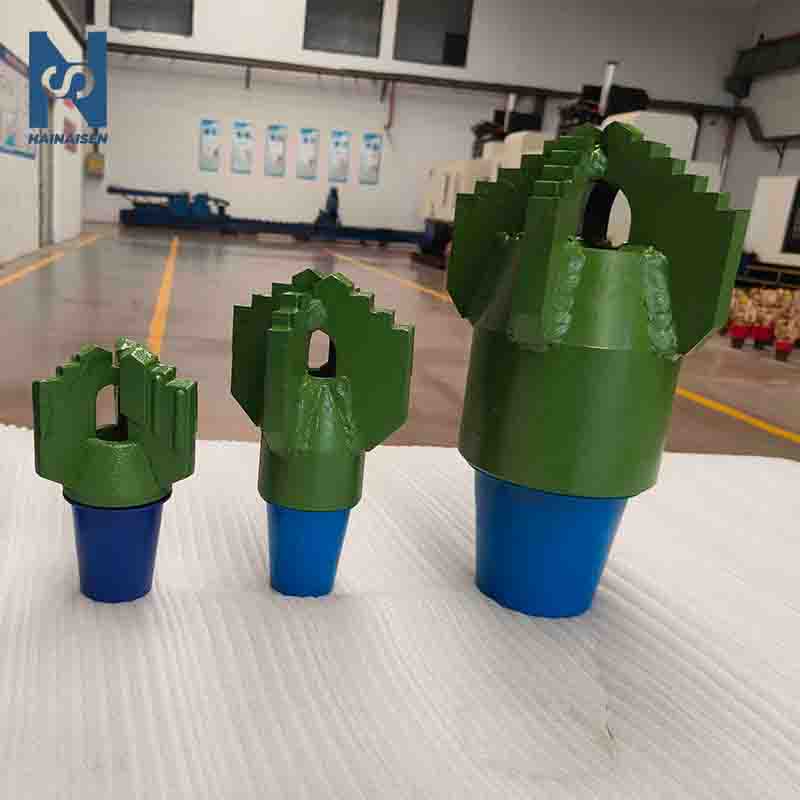 VIEW MORESteel Scraper Drill Bit
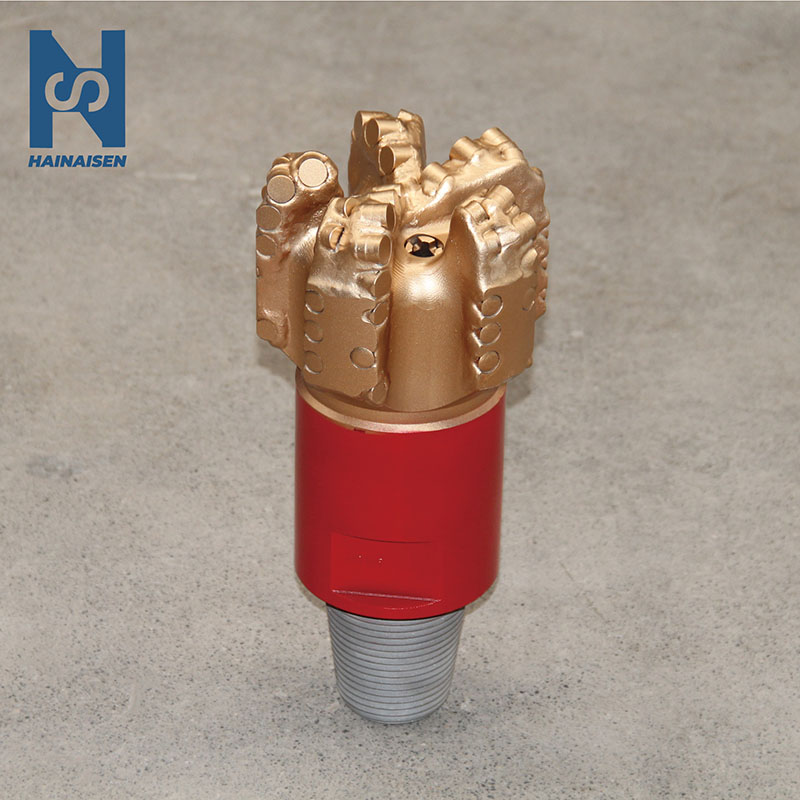 VIEW MORE5 Blade Matrix Body PDC Drill Bits
logo 1_1768204983068.jpg) VIEW MOREPDC Core Drill Bit With 8 Blades For Hole Drilling Used In Mining
VIEW MOREPDC Core Drill Bit With 8 Blades For Hole Drilling Used In Mining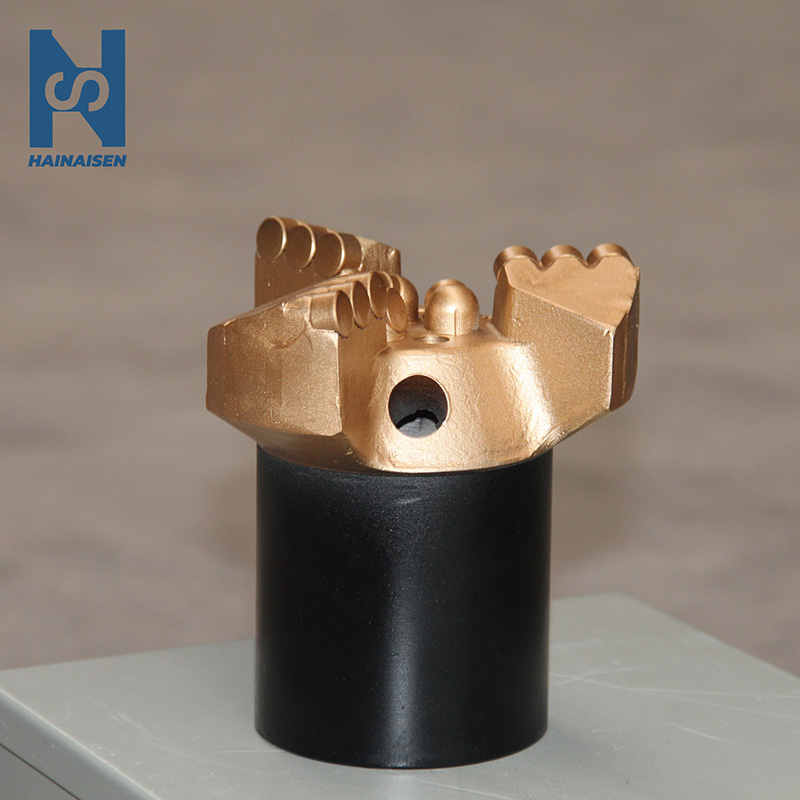 VIEW MORE113mm 3 Blades Steel Body PDC Bit
