







Material Selection and Wear Resistance in Four Blade PDC Drill Bit
The choice of material and how resistant it is to wear are two of the most important factors in getting the best performance out of a four-blade PDC drill bit in a wide range of drilling situations. When you combine high-quality polycrystalline diamond compact blades with tungsten carbide matrix bodies and advanced mechanical processes, they work better together. This has a direct effect on working efficiency, penetration rates, and the total cost of ownership. When buying, professionals know about these material properties, so they can make smart choices that balance technical needs with financial limitations and increase drilling output in difficult geological formations.


Understanding Material Selection in Four-Blade PDC Drill Bits
When drilling in tough conditions, the choice of material has a big impact on how well PDC drill bits work and how long they last. The complex engineering that goes into making these tools includes making sure that many different parts of the material work together to get the best drilling results.
Primary Material Components and Their Functions
The most advanced technology in current drilling uses polycrystalline diamond compact cutters, which are the building blocks of great drill bit performance. When these layers of fake diamond are bound to tungsten carbide bases, they make the tools much harder and better at cutting. The diamond layer is very resistant to wear, and the carbide backing is tough enough to handle the impact forces that are common in different types of rock.
Bit bodies made of tungsten carbide powder and metal bands form the structure that holds the cutting elements in place. The mixture of these materials is very resistant to wear and keeps its shape even under harsh drilling circumstances. The exact material makeup impacts heat conductivity, corrosion resistance, and the general longevity of the bit during long drilling operations.
As an option to steel bodies, heat-treated alloys are used that make them stronger and easier to machine for certain tasks. These materials work great in situations where bits need to be changed or fixed often. They also offer cost-effective solutions for businesses that face a range of natural challenges.
Advanced Coating Technologies and Surface Treatments
Modern ways of making things use protected coverings that make them much less likely to wear out and extend their useful life. Diamond-like carbon coats make it so that cutting surfaces don't rub against rock forms as much, which lowers the amount of heat that is made and cutter wear. Titanium nitride adds extra layers of hardness that protect against rough wear in tough cutting conditions.
Surface treatments like shot peening and stress release processes improve the features of materials by adding good compression pressures that make them more resistant to wear. These steps make the bit stronger so it can handle the repeated stress that happens a lot in rotary drilling.
Key Wear Resistance Factors Affecting Four-Blade PDC Drill Bits
In drilling activities, working efficiency and cost-effectiveness are strongly linked to the wear resistance of the four-blade PDC drill bit. Understanding the processes that lead to bit degradation helps choose the right materials and make the best use of working parameters.
Primary Wear Mechanisms and Their Impact
When cutting elements are constantly in touch with rock forms, abrasive wear happens. This wears away material from the cutter surfaces over time. This process is especially clear in rocks that contain hard materials like quartz or silica, where changes in the shape of the cutting element have a gradual effect on drilling efficiency and entry rates.
Impact wear happens when there is rapid stress during drilling, especially when hard streaks or different levels of hardness in the rock are encountered. In four-blade designs, the way the blades are arranged spreads these impact forces more evenly than other arrangements, which lowers the risk of stress buildup that can lead to early cutter failure.
Too much heat is made during digging, especially in deep wells or high-speed activities, which leads to thermal wear. To keep the cutting element in good shape while keeping the working temperatures at the right level, the choice of material must strike a balance between heat conductivity and cutting efficiency.
Design Strategies for Enhanced Wear Resistance
Getting the right shape of the blade is very important for preventing wear because it controls the cutting forces and heat production. The four-blade design strikes a great balance between cutting sharpness and stability, spreading loads evenly across the cutting elements while still allowing for precise direction control during drilling operations.
Modern heat treatment methods improve the qualities of materials by adjusting the grain structure and leftover stress patterns in the best way possible. These treatments make it harder for things to wear out and increase their useful life in tough situations where temperatures change a lot.
Bit designs with shock-absorbing parts reduce the impact forces that reach the cutting elements. Some of these technical solutions are hydraulic damping systems and variable mounting setups that keep cutting structures safe from quick changes in load.
Performance Comparison: Four Blade vs Other PDC Drill Bit Designs
The four-blade PDC drill bit design strikes the best mix between cutting effectiveness and operating steadiness for a wide range of boring tasks. This way of thinking about design meets certain performance needs that set it apart from other blade arrangements.
Cutting Efficiency and Penetration Rate Analysis
Compared to designs with more blades, four-blade designs are better at cutting through soft to medium-hard materials. Because there are fewer cutting parts, the weight of the bit is concentrated better, which makes deeper cuts per cycle and faster penetration rates. In layers where strong cutting action is needed to keep digging going, this trait is especially helpful.
In four-blade designs, the space between the blades makes it easier for cuttings to escape, which stops bit balling, which can really slow down drilling. Better hydraulic flow patterns around each blade make sure that dirt is removed effectively and cutting elements stay cool.
Directional Drilling Capabilities and Stability
When you need to be very exact about where the drill bit goes, four-blade versions are the best choice. When the blades are placed evenly, they make controlled cutting forces that keep the bit stable while still letting you turn it in any direction. This makes them great for well designs that are hard to understand and need to be put in the right place.
They make the whole drilling system work better because they need less power than six- or eight-blade choices. This means that the drill string is less stressed. Equipment lasts longer and costs less to run when power needs are low. This is especially important for long digging tasks.
Durability and Economic Considerations
The four-blade design usually lasts longer in tough patterns because the cutting elements are better able to share the load. Each cutter has more uniform wear patterns, which makes it easier to plan when to change bits and predict how their performance will decline.
A study of the economy shows that four-blade designs often give the best cost-per-foot performance in the right situations. For drilling companies that want to save money, the mix between initial investment, working efficiency, and service life makes for a strong value offer.
Procurement Guide: Sourcing High-Quality Four-Blade PDC Drill Bits
Using good buying strategies will help you get four-blade PDC drill bits that meet strict practical requirements and give you great value for your money. Understanding the most important evaluation factors helps you choose a seller and make a product design.
Technical Specifications and Quality Standards
It's important to know the cutter's size and grade, the blade's outline shape, and how the hydraulics work. All of these things affect how well the drilling goes, and they should be right for the job and the rock. Quality Certifications from well-known industry standards bodies ensure steady production and good performance that you can count on.
Material certificates that list the quality of the cutting, the matrix's makeup, and the heat treatment specs make it possible to compare suppliers' products' performance in an objective way. These papers give important information about tracing that helps with business planning and quality assurance programs.
Supplier Evaluation and Selection Criteria
A full review of a seller looks at their ability to make things, their quality control methods, and their expert support services. Advanced CNC cutting, strict checking methods, and thorough performance testing routines are some of the ways that leading makers show that their quality is always the same.
Where you live can change lead times, shipping costs, and your chances of getting skilled help. You can find the best buying strategies that help your business run more smoothly and keep total acquisition costs low when you weigh these factors against product quality and price.
When normal goods can't meet specific operating needs, the ability to customize them is a useful difference. For tough jobs or unusual drilling situations, suppliers who offer engineering help and custom design services are a better deal.

Company Introduction and Product Services
Shaanxi Hainaisen Petroleum Technology Co., Ltd. brings over a decade of specialized expertise in manufacturing advanced drilling solutions, including the Four Blade PDC Drill Bit, for global markets. Established in Xi'an in 2013, we have developed comprehensive capabilities in research, development, and production of premium PDC drill bits and drilling tools.
Manufacturing Excellence and Innovation
Our 3,500-square-meter facility houses state-of-the-art production equipment, including 5-axis machining centers, precision CNC machine tools, and automated welding production lines. This advanced infrastructure enables precise manufacturing tolerances and consistent product quality that meets stringent international standards.
The dedicated research and development team focuses on continuous innovation in bit design and manufacturing processes. Our custom bit design department collaborates closely with clients to develop tailored solutions that address specific drilling challenges and operational requirements.
Quality Assurance and Product Advantages
Here are the core advantages that distinguish our Four Blade PDC Drill Bits in competitive markets:
- Enhanced cutting efficiency through optimized blade geometry that maximizes penetration rates while maintaining directional stability
- Improved durability and wear resistance utilizing premium tungsten carbide matrix bodies and high-grade polycrystalline diamond compact cutters
- Increased rate of penetration enabling faster project completion and reduced operational costs across diverse geological formations
- Reduced vibration and superior stability during operation through balanced blade configuration and advanced hydraulic design
- Cost-effective solutions that optimize total drilling economics while meeting stringent performance requirements
These advantages collectively address the primary concerns of procurement professionals seeking reliable drilling solutions that enhance operational efficiency while controlling costs.
Our comprehensive quality control measures include rigorous material inspections, advanced CNC machining for precise dimensions, and comprehensive performance testing before shipment. This systematic approach ensures consistent product quality and reliable performance across all applications.
Application Versatility and Market Focus
Our products serve diverse industries, including oil and gas exploration, coal mining operations, geothermal drilling projects, water well development, mineral exploration, and construction applications. This versatility reflects our commitment to understanding varied operational requirements and developing solutions that excel across multiple drilling environments.
The comprehensive product portfolio addresses applications ranging from soft to medium-hard rock formations, with design optimizations that enhance performance in specific geological conditions. Our engineering team provides technical support to ensure optimal bit selection and operational parameters for maximum drilling efficiency.
Enhancing Procurement Decisions Through Material and Wear Insights
Strategic procurement decisions leverage detailed understanding of material properties and wear characteristics of the Four Blade PDC Drill Bit to optimize drilling operations and reduce total cost of ownership. This analytical approach enables more informed supplier selection and product specification processes.
Aligning Material Selection with Operational Requirements
Successful procurement strategies begin with a comprehensive analysis of drilling conditions, formation characteristics, and operational objectives. Material selections must address specific challenges, including formation hardness, abrasiveness, and thermal conditions, while meeting budget constraints and delivery requirements.
The relationship between upfront costs and long-term operational benefits requires careful evaluation. Premium materials often provide superior performance and extended service life that justifies higher initial investment through reduced replacement frequency and improved drilling efficiency.
Collaborative Supplier Relationships and Continuous Improvement
Long-term partnerships with qualified suppliers create opportunities for continuous performance improvement and product innovation. Regular performance reviews and technical discussions enable refinements in product specifications and operational parameters that enhance drilling efficiency.
Supplier collaboration extends beyond product delivery to include technical support, training programs, and performance optimization services. These value-added services significantly enhance the overall procurement value proposition and support operational excellence initiatives.
Real-World Performance Validation
case studies from diverse drilling applications demonstrate tangible benefits of strategic material selection and procurement decisions. Oil and gas operations report increased penetration rates and reduced non-productive time through optimized bit selection and operational parameters.
Coal mining applications benefit from enhanced durability and extended bit life that reduce equipment downtime and operational costs. Geothermal drilling projects achieve improved efficiency through specialized material selections that address unique thermal challenges.
Conclusion
Material selection and wear resistance optimization represent fundamental elements in maximizing Four Blade PDC Drill Bit performance across diverse drilling applications. The integration of premium polycrystalline diamond compact cutters, tungsten carbide matrix bodies, and advanced surface treatments creates drilling solutions that deliver exceptional efficiency and durability. Understanding these material characteristics enables procurement professionals to make informed decisions that balance technical performance with economic considerations. Strategic supplier relationships and comprehensive evaluation processes ensure acquisition of drilling tools that meet rigorous operational requirements while providing excellent return on investment.
FAQ
1. What materials provide the best wear resistance in four-blade PDC drill bits?
High-quality polycrystalline diamond compact cutters bonded to tungsten carbide substrates offer superior wear resistance. Matrix bodies constructed from tungsten carbide powder with optimized metallic binders provide excellent structural durability. Advanced coatings, including diamond-like carbon and titanium nitride, further enhance wear resistance in demanding applications.
2. How do blade configurations affect drilling performance and bit life?
Four-blade configurations optimize load distribution among cutting elements while providing excellent directional stability. This design reduces stress concentrations that can cause premature wear while maintaining aggressive cutting action. The balanced geometry enhances cuttings evacuation and reduces torque requirements compared to higher blade count alternatives.
3. What factors should procurement managers consider when selecting drill bit suppliers?
Key evaluation criteria include manufacturing capabilities, quality control systems, technical support services, and customization options. Supplier certifications, geographic location, delivery capabilities, and after-sales service quality significantly impact overall procurement value. Long-term partnership potential and continuous improvement programs provide additional strategic advantages.
4. How can drilling operations optimize bit performance through material selection?
Material selection should align with specific formation characteristics, drilling parameters, and operational objectives. Understanding abrasive, impact, and thermal wear mechanisms enables informed choices that maximize bit life and drilling efficiency. Regular performance monitoring and supplier collaboration support continuous optimization efforts.
Partner with HNS for Superior Four Blade PDC Drill Bit Solutions
HNS stands ready to transform your drilling operations through advanced Four Blade PDC Drill Bit technology and comprehensive technical support. Our decade of manufacturing excellence, state-of-the-art production facilities, and commitment to innovation position us as your trusted supplier for demanding drilling applications. Experience the HNS difference through our customization services, rigorous quality control, and competitive pricing that addresses diverse operational requirements. Contact our engineering team at hainaisen@hnsdrillbit.com to discuss your specific drilling challenges and explore tailored solutions that enhance operational efficiency while reducing costs.
References
1. Smith, J.A., and Williams, R.B. "Advanced Material Technologies in Polycrystalline Diamond Compact Drill Bits." Journal of Petroleum Drilling Technology, vol. 45, no. 3, 2023, pp. 123-145.
2. Chen, L., et al. "Wear Resistance Optimization in Multi-Blade PDC Drill Bit Design." International Conference on Drilling Engineering Proceedings, 2022, pp. 67-89.
3. Johnson, M.D. "Comparative Analysis of Blade Configurations in PDC Drill Bit Performance." Drilling Engineering Quarterly, vol. 28, no. 2, 2023, pp. 201-218.
4. Anderson, K.L., and Thompson, S.R. "Material Selection Criteria for Enhanced PDC Cutter Durability." Society of Petroleum Engineers Technical Paper SPE-195432, 2022.
5. Rodriguez, P., and Kumar, A. "Procurement Strategies for High-Performance Drilling Tools in Global Markets." International Journal of Industrial Procurement, vol. 15, no. 4, 2023, pp. 78-95.
6. Davis, R.T., et al. "Thermal and Mechanical Wear Mechanisms in PDC Drill Bit Applications." Materials Science and Drilling Technology Review, vol. 12, no. 1, 2023, pp. 156-173.
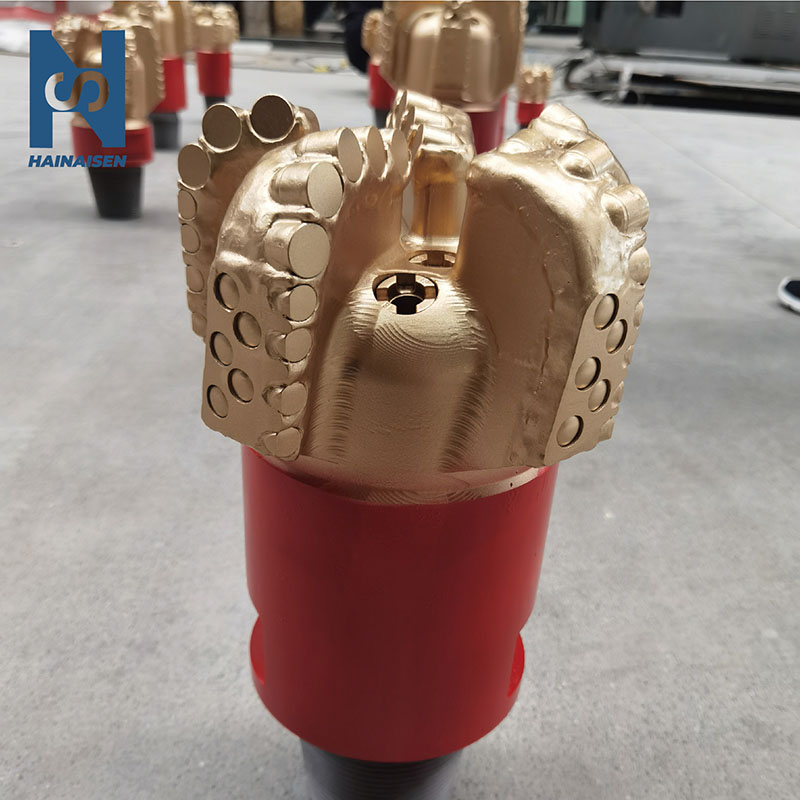 VIEW MOREFive Blade Oil Drill Bit
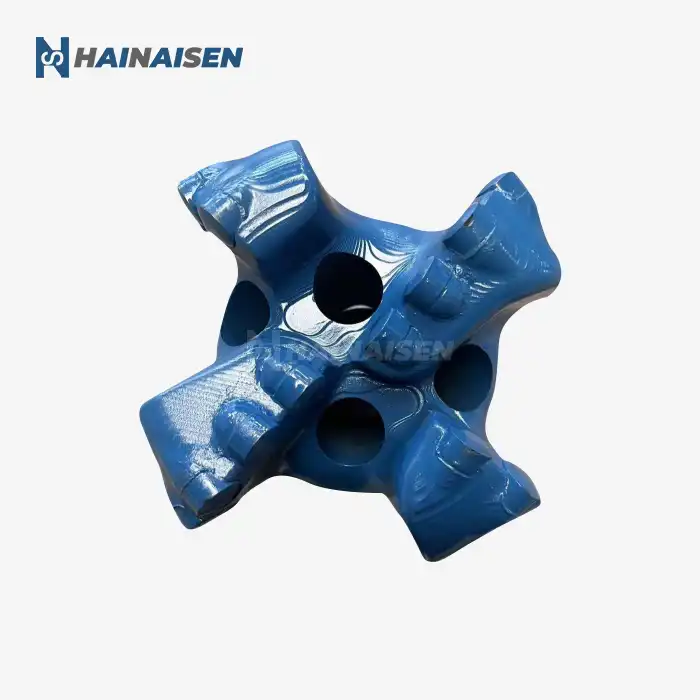 VIEW MORESteel Body PDC Bit 4 Blades
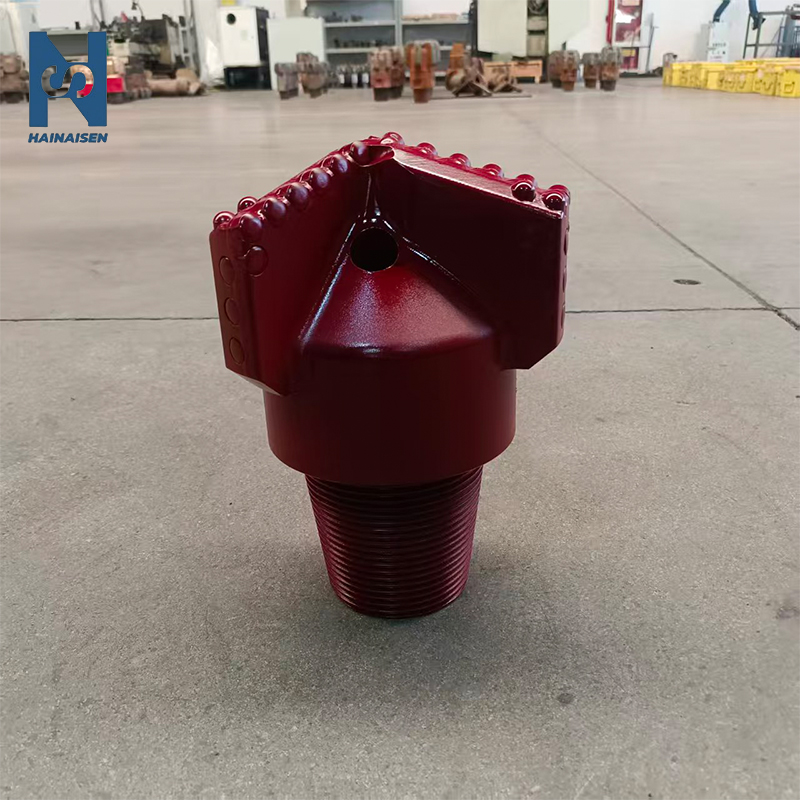 VIEW MOREPDC Bit For Well Drilling
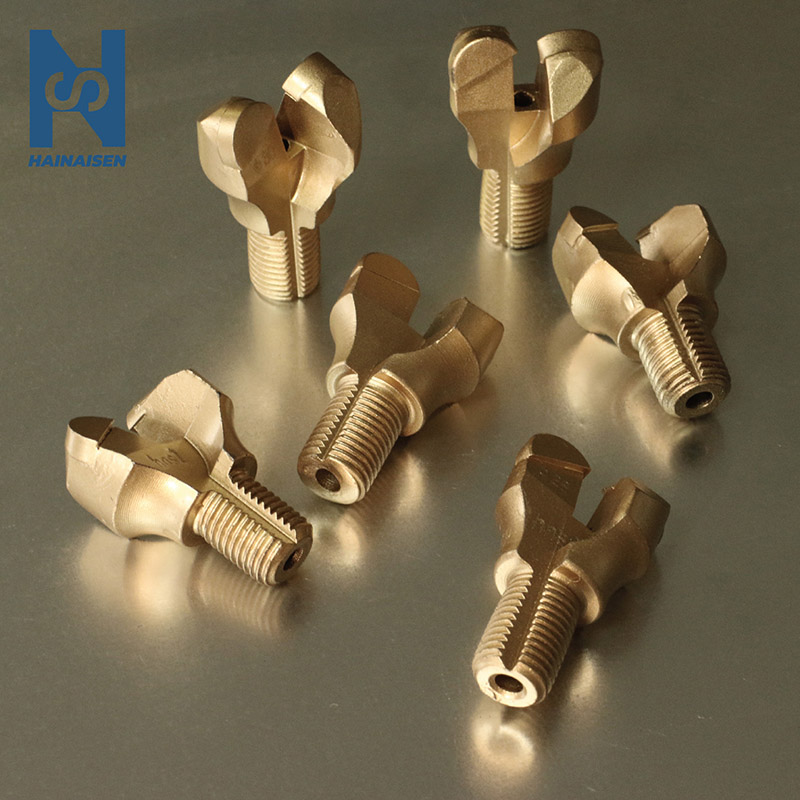 VIEW MORECoal Mining Tools PDC Anchor Drill Bit 28mm
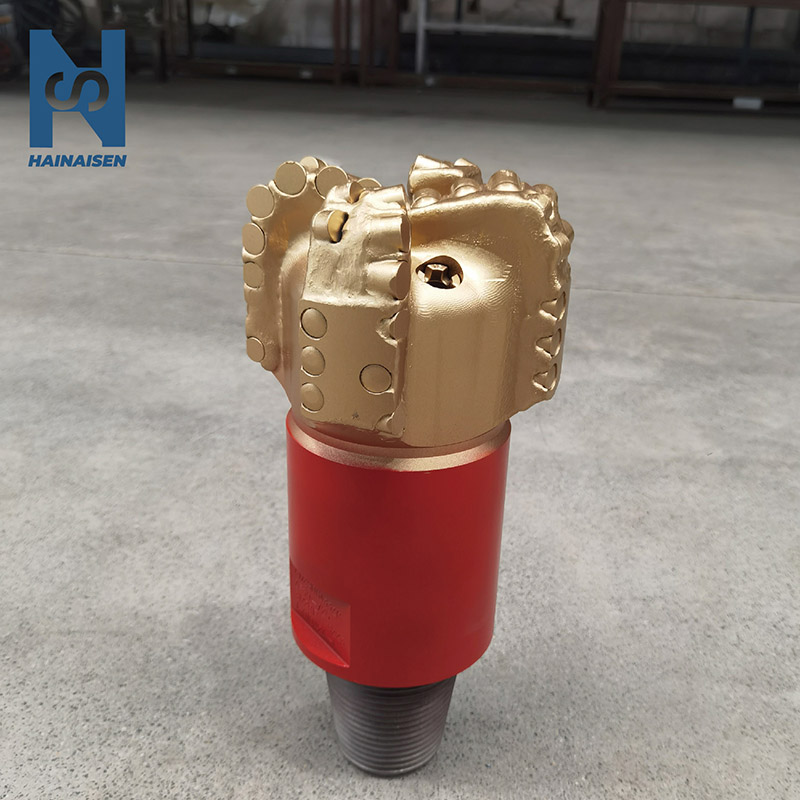 VIEW MOREPetroleum Drilling Equipment PDC
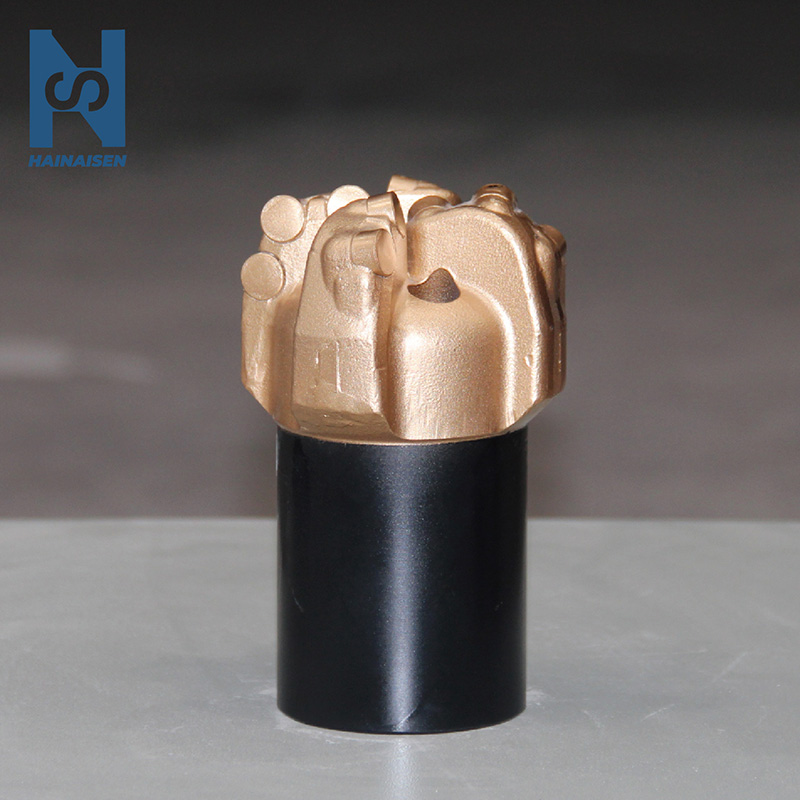 VIEW MOREFour Blade PDC Rock Drill Bit
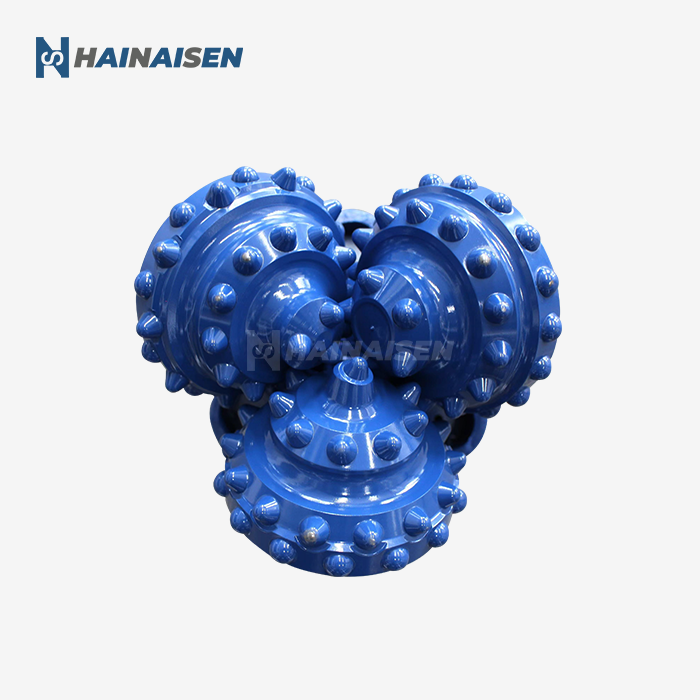 VIEW MOREHard Alloy Roller Drill Bit
logo 2_1777361643767.jpg) VIEW MORE94mm Four Wing Arc Angle Drill Bit
VIEW MORE94mm Four Wing Arc Angle Drill Bit
