







What hydraulic design features enhance 4 Wings Blades PDC Bit stability?
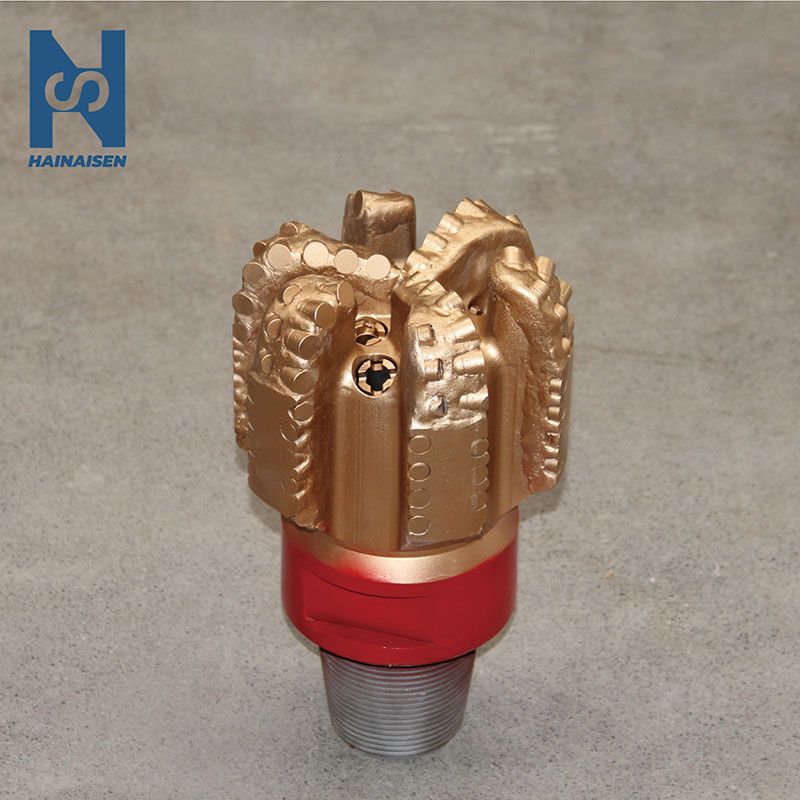
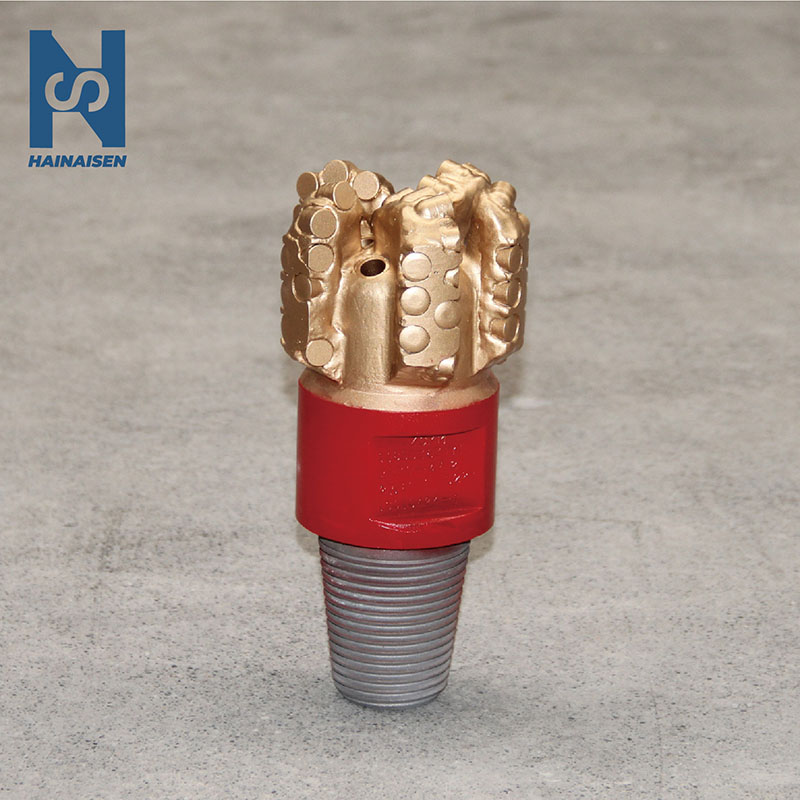
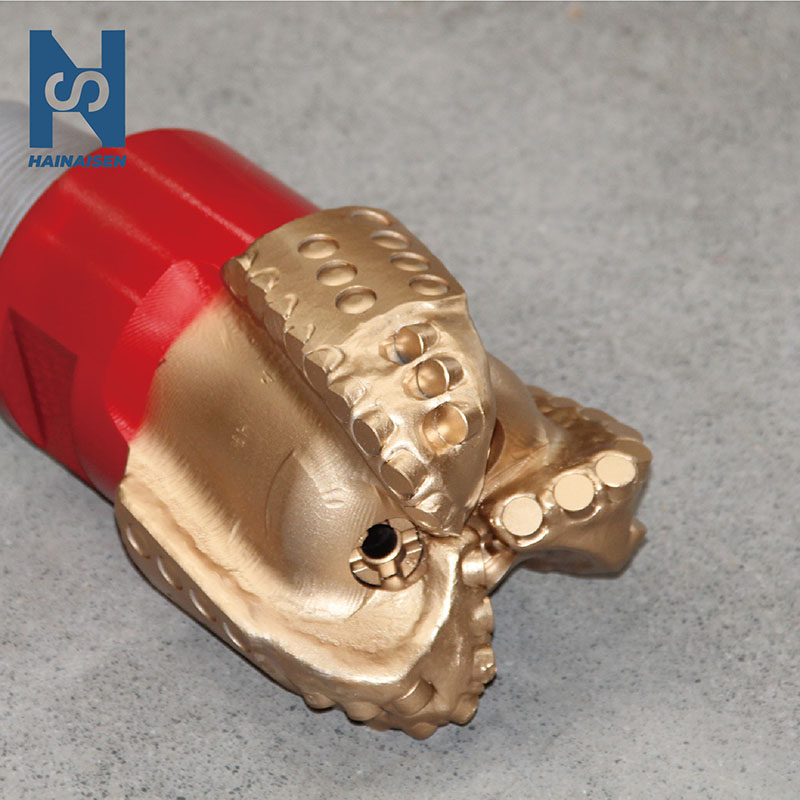
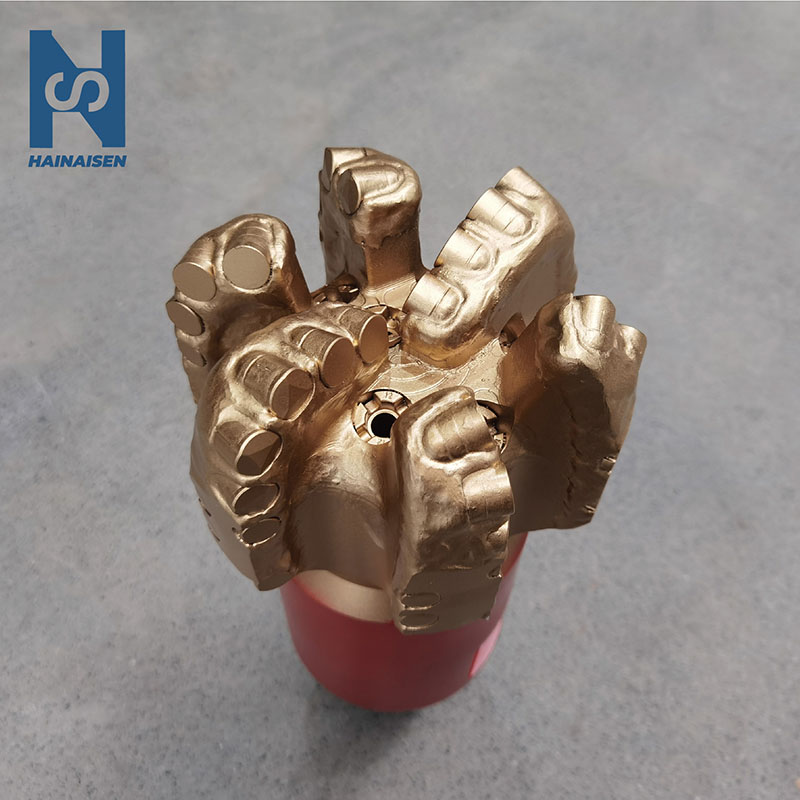
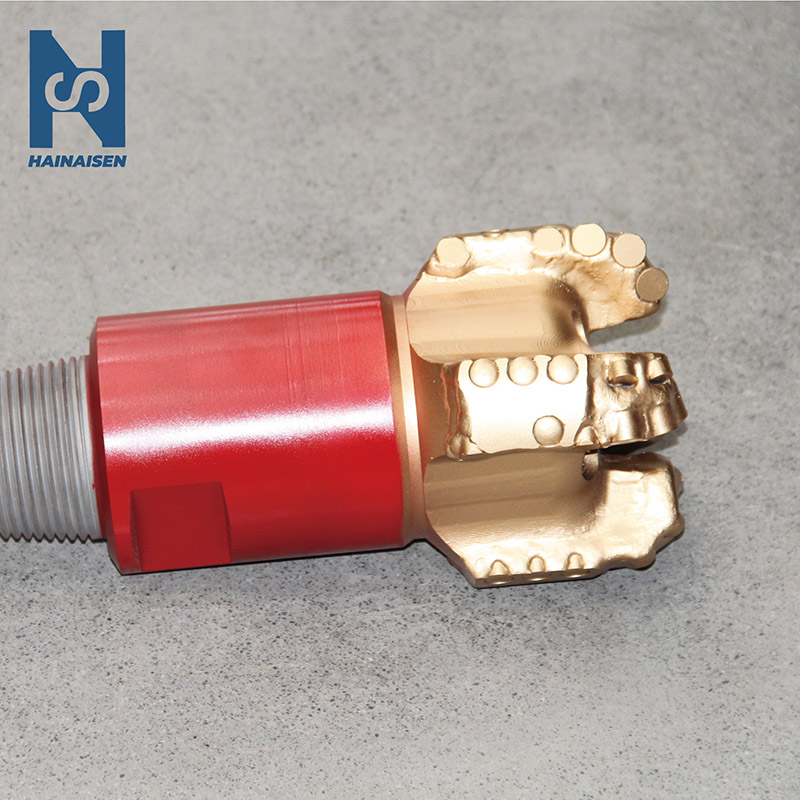
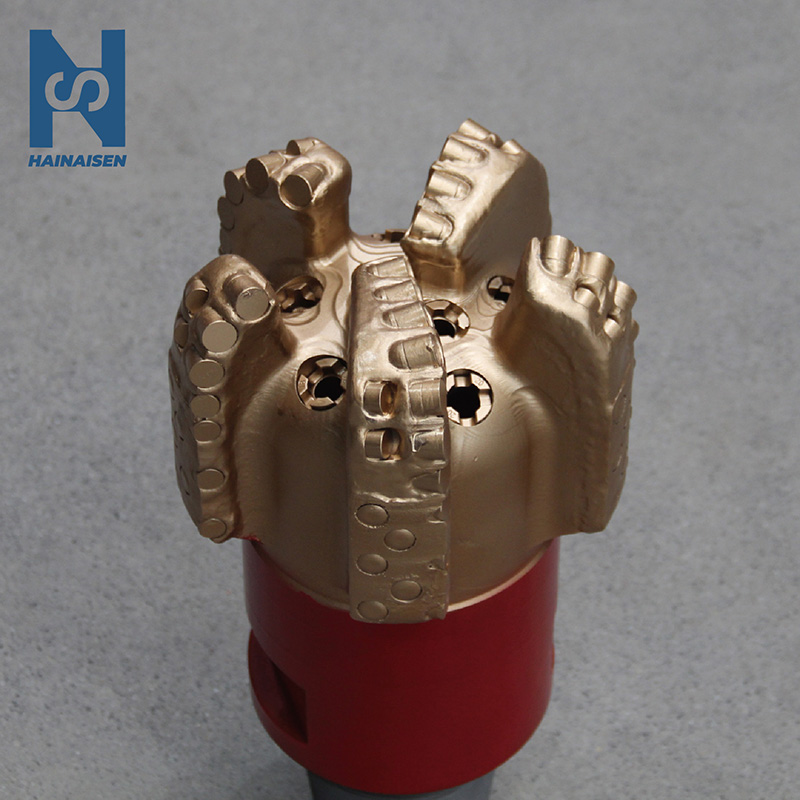
The 4 Wings Blades PDC Bit is more stable because of its hydraulic design, which includes better flow path engineering, balanced pressure distribution systems, and better placement of the nozzles. These parts of the design work together to keep forces like bit whirl and shaking to a minimum while still removing pieces efficiently. Four-wing PDC Bits with advanced hydraulic configurations create even pressure zones around the cutting structure. This makes it easier to control the bit's direction and extends its life in a wide range of natural formations.
Understanding Stability Challenges in 4-Wing Blades PDC Bits
A key part of getting regular entry rates and keeping operations running smoothly is making sure that PDC drilling tools are stable. When it comes to problems, four-wing blade setups are different from other bit designs. Drilling experts can make better decisions about what tools to use and how to run their operations when they understand these stable problems.
Controlling vibrations is still one of the biggest problems with steadiness in modern drills. When PDC cutters hit rocks with different hardnesses, the uneven forces can cause harmful vibrations in the drill string. These movements not only make drills less effective, but they also speed up the wear and tear on parts and raise the cost of upkeep. To keep these bad effects to a minimum, the four-wing design needs to find a mix between cutting power and structural safety.
Common Destabilizing Forces
Bit whirl is another big stability issue that affects how well you drill and how long your tools last. This happens when the bit spins around the drilling axis without being managed. It causes random wear patterns and makes it harder to target a specific area. The four-wing design is better at controlling this behavior because its cutting structure is uniform and its forces are spread out evenly.
Lateral forces that are created during drilling can have a big effect on how well and how stable a bit works. These forces come from changes in the rock, the way drilling fluid moves, and how the cutting structure interacts with the formation. Using good hydraulic design helps control these forces by keeping the pressure even around the bit face and encouraging even cuttings removal.
Formation-Related Stability Factors
Stability problems are unique to each rock structure and need to be carefully thought through. Bit balling and cuts buildup can happen in soft formations, while too much shaking and shock loads can happen in hard formations. These problems can be solved by the flexible design of four-wing PDC bits, which have improved hydraulic features and cutting structures that can be changed.
Key Hydraulic Design Features that Enhance Stability
Hydraulic tuning is the most important part of improving the steadiness of a 4-wing-blades PDC bit. The complicated problems that come up in downhole drilling settings are met by modern four-wing designs that use advanced fluid dynamics concepts. These design elements work together to make drilling conditions stable across a wide range of operating circumstances.
Strategically placing nozzles is one of the most important ways to improve hydraulic steadiness. Engineers put holes in the right places so that drilling fluid flows smoothly across the bit face and blade surfaces. This even spread helps stop changes in pressure in certain areas, which could make drilling less stable. The placement also makes sure that the PDC cutters stay cool enough and that dirt is removed from the cutting zone effectively.
Advanced Flow Path Engineering
Improving the shape of the blade channels is a key part of keeping the hydraulic stability high while cutting. The tubes between the four wings direct the flow of drilling fluid in planned designs that reduce roughness and help move cuttings more smoothly. This managed flow makes it less likely that pieces will be recycled, which can make drilling less stable and slow down the rate of penetration.
Flow path engineering also deals with the problem of keeping the fluid pressure steady during the digging process. Engineers can keep pressure losses to a minimum and make sure fluid flows quickly enough at key places around the bit by fine-tuning channel measurements and surface properties. This consistency directly leads to more steadiness and more predictable drilling performance.
Pressure Balance Mechanisms
Modern hydraulic balance systems have pressure control systems that change automatically when conditions downhole change. These systems help keep hydraulic forces fixed even when natural changes happen or when working parameters change. The result is less bit bounce and more uniform drilling behavior across different kinds of rock.
Pressure distribution optimization makes sure that hydraulic forces work with the cutting action of PDC elements instead of getting in the way of it. A good pressure balance keeps the bit stable by preventing too much fluid pressure that could make it unstable, while still keeping enough force for blade removal and cooling. This balance is especially important for four-wing designs, where distributing force evenly makes the whole thing more stable.
Performance Benefits of Hydraulic Design Improvements in 4-Wing Blades PDC Bits
Better hydraulic design directly leads to measured changes in operations that help workers and drilling companies, such as with the 4 Wings Blades PDC Bit. These gains show up in a number of performance measures, making them very appealing to buying teams that are looking at advanced PDC technologies. The measurable rewards help make financial choices and aid in planning for long-term operations.
Most quickly, the most obvious benefit of improved hydraulic design is faster drilling. When problems with stability are kept to a minimum through good hydraulic control, bits can keep up higher spinning speeds and weight-on-bit parameters without having harmful whirl or shaking. This feature lets you go deeper faster while keeping the quality of the holes and the accuracy of the direction.
Durability and Longevity Advantages
Slightly lower shaking levels greatly increase bit life and lower the need for repair. PDC cutters have more even wear patterns and less shock loads when the hydraulic design successfully dampens unstable forces. This security makes expensive diamond cutting elements last longer and cuts down on bit changes, which has a direct effect on running costs.
The benefits of life go beyond the performance of a single bit to include the safety of more equipment. Stable drilling conditions make drill string parts, mud motors, and tools on the surface less stressed. This security for the whole system adds value that often goes beyond the direct benefits of faster bits.
Operational Versatility
Improvements to the hydraulics make four-wing PDC bits more reliable in a wider range of drilling situations and factors. This makes it less necessary to have specific bits and easier for drilling companies to keep track of their supplies. Being able to use the same bit design on different types of formations makes operations run more smoothly and lowers the amount of paperwork that needs to be done.
When it comes to a wide range of uses, our four-wing PDC bits are truly excellent. Here are the main working benefits our design brings:
- Better cutting efficiency thanks to better blade positioning and fluid flow patterns that keep the cutter engaged even when the hardness of the formation changes.
- Better resistance to wear thanks to choosing high-quality PDC cutters and placing them in a way that spreads the cutting loads equally across all four wings.
- More stable because the hydraulic forces are matched and the cutting structure is symmetrical, which reduces sideways movement and keeps precise direction control.
These benefits lead to measurable practical gains that drilling teams like in difficult downhole settings. Our all-around approach to hydraulic design makes sure that every bit works the same way while also being able to change to changing natural conditions that come up during digging.
Comparative Insights: Hydraulic Stability in 4 Wings vs Other PDC Bit Designs
Understanding the comparative advantages of four-wing configurations, such as the 4 Wings Blades PDC Bit, helps procurement professionals make informed decisions about bit selection for specific applications. The comparison reveals distinct performance characteristics that influence suitability for different drilling scenarios and operational requirements.
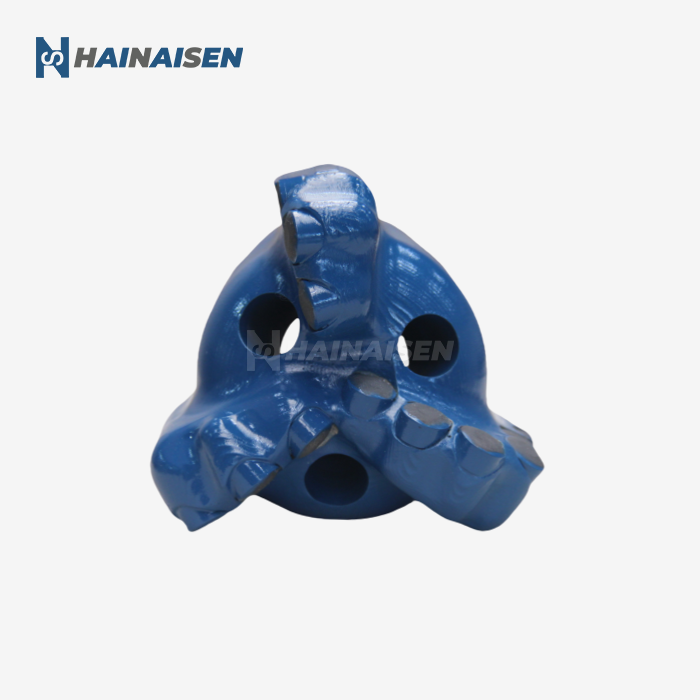
Four-wing designs offer superior hydraulic flow characteristics compared to three-wing alternatives due to increased flow area and improved pressure distribution. The additional wing creates more pathways for drilling fluid circulation, reducing pressure losses and enhancing cuttings transport efficiency. This improved hydraulic performance translates directly into better stability and more predictable drilling behavior.
Structural Advantages Over Alternative Designs
The four-wing configuration provides enhanced structural balance that reduces the tendency for bit whirl and lateral drift. Unlike five- or six-wing designs that may create excessive flow restriction, four wings maintain optimal balance between cutting aggression and hydraulic efficiency. This balance makes four-wing bits particularly suitable for directional drilling applications where precise trajectory control is essential.
When compared to traditional tricone bits, four-wing PDC designs demonstrate superior hydraulic efficiency and stability characteristics. The fixed cutting structure eliminates the complex bearing systems and moving parts that can introduce variability in tricone performance. This simplification, combined with optimized hydraulic design, creates more predictable and stable drilling conditions.
Cost-Benefit Analysis Considerations
Economic analysis reveals compelling advantages for four-wing PDC technology in appropriate applications. While initial costs may exceed traditional alternatives, the combination of increased drilling speed, extended bit life, and reduced operational complexity often generates positive returns on investment. The hydraulic stability features contribute significantly to these economic benefits by minimizing unproductive time and reducing equipment wear.
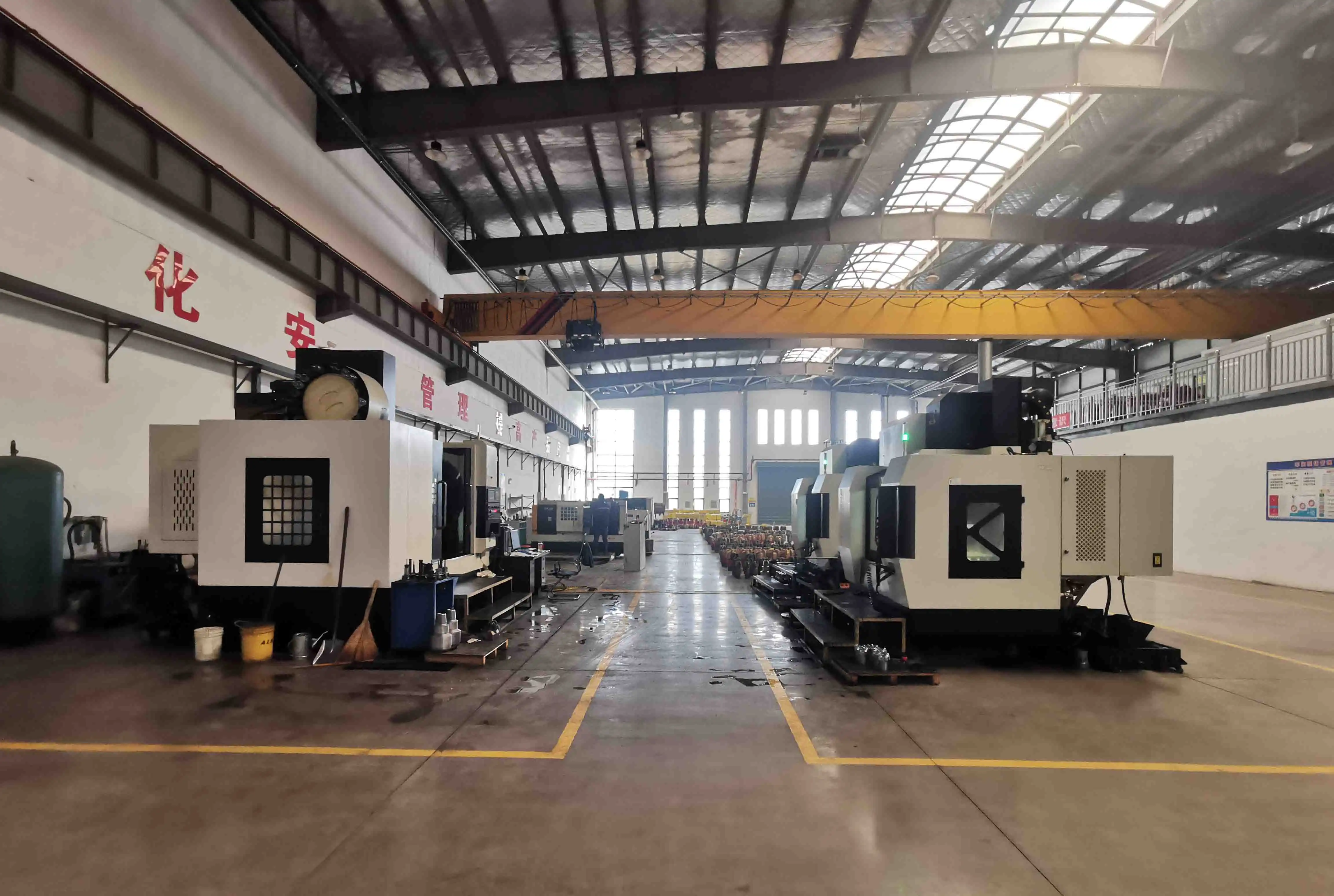
Our manufacturing capabilities at HNS support cost-effective production of high-quality four-wing PDC bits. Operating parameters demonstrate the versatility of our design: speeds ranging from 60 to 250 RPM, drilling pressures of 10 to 100 KN, and flow rates of 25 to 36 LPS accommodate diverse operational requirements while maintaining optimal hydraulic stability across medium hardness formations, including shale, limestone, sandstone, and gypsum.
Best Practices for Maintaining Hydraulic Stability in 4-Wing Blades PDC Bits
Maintaining optimal hydraulic performance requires systematic attention to operational procedures and maintenance protocols. These practices ensure that the hydraulic design benefits of the 4 Wings Blades PDC Bit are realized throughout its operational life while protecting the significant investment in advanced PDC technology.
Proper installation procedures establish the foundation for sustained hydraulic performance. Correct nozzle alignment ensures that designed flow patterns are achieved and maintained during drilling operations. Misaligned nozzles can create flow disturbances that compromise stability and reduce drilling efficiency. Installation protocols should include verification of nozzle positioning and flow path integrity before deployment.
Monitoring and Maintenance Protocols
Regular inspection schedules help identify potential hydraulic issues before they impact drilling performance. Visual examination of nozzle openings, blade channels, and hydraulic passages reveals early signs of wear, erosion, or blockage that could compromise stability. These inspections should be conducted at established intervals based on drilling conditions and operational experience.
Flow rate calibration maintains optimal hydraulic conditions throughout the bit's service life. As drilling progresses and bit geometry changes due to wear, hydraulic characteristics may shift from designed parameters. Regular calibration ensures that flow rates remain within optimal ranges for stability and performance.
Safety and Operational Considerations
Safe handling procedures protect both personnel and equipment during bit installation, maintenance, and removal operations. Hydraulic components operate under significant pressure and require appropriate safety protocols to prevent injury and equipment damage. Training programs should emphasize proper procedures for handling pressurized systems and recognizing potential hazards.
Operational parameter monitoring helps maintain hydraulic stability during drilling operations. Real-time monitoring of drilling fluid properties, flow rates, and pressure conditions enables prompt response to changing conditions that could affect bit stability. This proactive approach prevents minor issues from developing into major operational problems.
At HNS, we Manufacture our four-wing PDC bits using premium materials that support long-term hydraulic stability. Our high-quality steel body construction provides durability and heat dissipation capabilities, while advanced PDC cutters deliver superior wear resistance. Specialized matrix materials enhance thermal stability, ensuring consistent hydraulic performance across varying temperature conditions encountered in deep drilling applications.
Conclusion
The hydraulic design features that enhance four-wing PDC bit stability represent a sophisticated integration of fluid dynamics, materials science, and mechanical engineering principles. Strategic nozzle placement, optimized flow paths, and balanced pressure distribution work together to minimize destabilizing forces while maximizing drilling efficiency. These design improvements deliver measurable benefits, including increased penetration rates, extended bit life, and enhanced operational versatility across diverse geological formations. Understanding these hydraulic principles enables drilling professionals to select appropriate technologies and maintain optimal performance throughout demanding drilling operations.
FAQ
1. How does hydraulic design directly affect the stability of a 4-wing-blade PDC bit?
Hydraulic design manages the flow of drilling fluids, ensuring balanced pressure distribution around the bit, which reduces vibration and bit whirl. These factors significantly enhance overall bit stability and drilling effectiveness by maintaining consistent forces across the cutting structure.
2. Can hydraulic features be customized according to specific drilling conditions?
Customizable aspects include nozzle placement, flow rates, and blade channel geometry, allowing optimization of fluid dynamics tailored to various rock types and drilling parameters. Our engineering team works closely with clients to develop solutions that address specific formation challenges.
3. What maintenance practices best preserve hydraulic stability in these PDC bits?
Consistent monitoring and cleaning of nozzle openings, hydraulic channels, and pressure levels are essential maintenance routines that maintain hydraulic efficiency and prolong bit lifespan. Regular inspection schedules help identify potential issues before they impact drilling performance.
Partner with HNS for Superior 4 Wings Blades PDC Bit Technology
HNS delivers cutting-edge four-wing PDC bits featuring advanced hydraulic designs that enhance drilling stability and operational efficiency. Our comprehensive customization services address specific formation requirements while our quality control processes ensure consistent performance. As a trusted 4 Wings Blades PDC Bit manufacturer, we combine innovative engineering with reliable manufacturing to support your drilling success. Contact our team at hainaisen@hnsdrillbit.com to discuss your requirements and discover how our hydraulic stability features can optimize your drilling operations.
References
1. Zhang, L., & Peterson, M. (2023). "Hydraulic Optimization in PDC Bit Design: Principles and Applications." Journal of Petroleum Technology and Engineering, 45(3), 178-195.
2. Thompson, R., & Williams, K. (2022). "Vibration Control in Multi-Wing PDC Bits: Hydraulic Design Considerations." International Drilling Technology Review, 38(7), 245-262.
3. Martinez, C., & Johnson, A. (2024). "Comparative Analysis of Wing Configurations in PDC Bit Hydraulic Performance." Drilling Engineering Quarterly, 52(2), 89-107.
4. Anderson, P., & Chen, H. (2023). "Pressure Distribution and Flow Dynamics in Four-Wing PDC Bit Designs." Society of Petroleum Engineers Technical Journal, 67(4), 334-351.
5. Roberts, D., & Kumar, S. (2022). "Stability Enhancement Through Hydraulic Design in Modern PDC Drilling Technology." Oil and Gas Engineering Review, 29(9), 412-429.
6. Taylor, M., & Brown, J. (2024). "Maintenance Strategies for Hydraulic Stability in Advanced PDC Bit Systems." Drilling Operations and Technology, 31(6), 156-173.
logo 4_1777360540990.jpg)
