







Steel Body PDC Bit 4 Blades Design Explained
Steel Body PDC Bit 4 Blades are a high-tech way to drill that is designed to work perfectly in a wide range of industrial settings. High-quality steel bodies give these advanced drill bits their strength, and polycrystalline diamond compact blades placed in a four-blade pattern make them even better. The design theory is based on finding a balance between strong cutting action and increased steadiness. This gives better penetration rates while still allowing for precise direction control. This new way of doing things meets the tough needs of modern drilling jobs, like oil and gas research, mining, and water wells. It gives workers reliable tools that make their jobs more efficient and cut down on downtime.
Understanding Steel Body PDC Bit 4 Blades: Key Features and Technical Specifications
The technical brilliance of four-blade PDC drill bits lies in their carefully thought-out parts that work together to provide outstanding drilling performance. Each part of these complex tools works together to make them work better.
Blade Configuration and Cutting Mechanics
The four-blade design strikes the best mix between cutting power and steadiness of operation. Unlike three-blade designs that focus on cutting quickly or five-blade designs that focus on durability, the four-blade arrangement does a good job of combining the two. The PDC cutters on each blade are placed at specific angles to make the best use of the formation and spread the cutting forces evenly across the bit face.
There are both shearing and pressing movements going on at the same time as the bit turns. PDC cutters cut through rock forms with little effort, and the shape of the blades makes sure that debris is removed quickly. Compared to traditional drilling methods, this dual-action method requires a lot less drilling torque. This makes tools last longer and lowers running costs.
Material Composition and Structural Design
Premium-grade steel frames give the underlying strength needed for tough drilling conditions. Specialized heat treatment methods are used on the steel composition to make it as hard and resistant to pressure as possible. This choice of material makes sure that the bit stays structurally sound even in harsh digging conditions, such as areas with high temperatures and rough rock formations.
Polycrystalline diamond compact cuts are the most up-to-date equipment for drilling. These man-made diamond structures are very resistant to wear and don't change shape when heated or cooled. They stay sharp during long cutting operations. The diamond compact is placed in exact geometric shapes that are best for drilling into certain types of rock and achieving certain drilling goals.
Technical Specifications and Performance Metrics
These days, four-blade PDC Bits have specs that can be changed to fit different drilling needs. Bit widths are usually between 4 and 26 Inches, so they can be used for a wide range of opening sizes and tasks. The length of the blade depends on the properties of the formation. Longer blades work best in softer formations, while shorter blades work best in harder rock structures.
Diamond compact setting density affects how well it cuts and how long the bit lasts. A higher cutter density makes the cutting action more aggressive, which is good for soft forms. On the other hand, a lower cutter density makes the cutter last longer in rough settings. By strategically placing spare cutters, the system will keep working even after the main cutters wear out.
Advantages and Maintenance of Steel Body PDC Bit with 4 Blades for Enhanced Durability
The better performance of Steel Body PDC Bit 4 Blades comes from the way they are designed and the long-lasting materials they are made of. When buyers know about these benefits, they can make smart choices about which drilling tools to buy.
Performance Benefits and Operational Advantages
Here are the main reasons why four-blade steel body PDC bits are better than other drilling options:
- Better Penetration Rates: The improved cutting structure makes drilling go 15–25% faster than with regular bits, which cuts down on project times and costs by a lot.
- Better resistance to impact: The steel body can handle shock loads and waves that would break matrix bodies, which is especially useful in difficult geological formations.
- Reduced Torque Needed: A four-blade setup needs about 20% less torque than designs with more blades. This keeps equipment from getting overworked and extends the life of the machinery.
- Cost-effective Repairability: Unlike matrix body bits, steel body designs let you change the cutter and fix up the bit, which increases its useful life and lowers its total cost of ownership.
Because of these benefits, drilling companies can directly see their output go up and their costs go down. The longer durability is especially helpful for big projects where bit stability has a direct effect on the cost of the project.
Maintenance Guidelines and Best Practices
When you follow the right care steps, your bits will work better and last longer. As part of regular inspections, cutting structures, blade wear patterns, and the soundness of the steel body should be looked at visually. As part of the cleaning process, formation debris must be removed, and damage signs like chipped cuts or deformed blades must be checked.
Best practices for usage include using the right amount of weight on the bit and managing the rotating speed. Too many drilling parameters can speed up wear and damage the bit's performance, while too few parameters can make entry less effective. The best way to choose parameters relies on the qualities of the formation, the fluid being used for drilling, and the project's goals.
The expected length depends on how hard the rock is and how the drilling is done. In soft to medium formations, a bit can usually be used for 200 to 500 hours. In harder formations, the bit may only last 50 to 150 hours. Regularly checking the system's performance lets you plan repairs ahead of time and choose the best time to change bits.
Comparative Analysis: Steel Body PDC Bit with 4 Blades Versus Other Drill Bit Types
Knowing how the performance of different drill bit technologies is different lets you make smart purchasing decisions. This thorough review compares the performance of four-blade steel body PDC bits with other drilling options.
Performance Comparison with Three-Blade PDC Bits
When compared to four-blade designs, three-blade PDC setups are less stable but offer more powerful cutting action. In perfect conditions, three-blade bits may be able to achieve slightly higher entry rates, but they are harder to control in terms of sound and direction. When it comes to directional drilling and hard formations, four-blade designs are better because they strike a better balance between cutting efficiency and operating steadiness.
The difference in blade counts changes how torque is distributed and how cutting power is balanced. Cutting forces are concentrated on fewer contact points in three-blade designs, which could lead to uneven wear patterns and failure before its time. Four-blade designs spread forces more widely, which leads to more even wear and a longer bit life.
Steel Body Versus Matrix Body PDC Bits
Matrix body PDC bits are better at resisting wear in very rough forms, but they aren't as good at resisting impact or being able to be fixed like steel body designs. Matrix bodies work best in regular, hard shapes where abrasion is the main way that wear happens. But steel body bits work better than matrix alternatives in forms that aren't all the same hardness and have surprising barriers.
When companies are trying to stay within their budget, steel body shapes are more cost-effective. When you can repair things and lower the original costs, you get a better total cost of ownership for many uses. Matrix body bits are worth the extra money only in certain high-abrasion situations where their better wear resistance makes a real difference.
Comparison with Tungsten Carbide Insert Bits
In contrast to PDC blades, traditional tungsten carbide insert bits work by crushing materials instead of cutting them. Because of this basic difference, carbide systems have much lower penetration rates and use more energy. With PDC technology, drilling speeds are 3–5 times faster in most rocks, which greatly cuts down on working times.
The amount of maintenance needed for each technology is also very different. Tungsten carbide bits need to be sharpened and their inserts replaced often, but Steel Body PDC Bit 4 Blades PDC bits keep cutting well for the whole time they are in use. PDC technology lasts longer, so it needs less upkeep and stops operations less often.
Purchasing Guide for Steel Body PDC Bit 4 Blades: How to Select and Procure with Confidence?
To successfully buy four-blade steel body PDC bits, you need to carefully look at the technical specs, the supplier's skills, and the needs of the particular project. This complete guide goes over important decision criteria and buying factors.
Essential Selection Criteria and Technical Requirements
Bit size compatibility is the most important decision factor because it determines the diameter of the borehole and the compatibility of the tools. Standard API measurements make sure that all drilling tools can use them, while unique sizes can be made to fit specific needs. Choosing the right size affects how well you drill, how stable your shaft is, and the next steps you take to finish the job.
Cutting structure quality includes the grade of the PDC cutter, the density of the placements, and the design of the backup cutter. Premium-grade cuts are worth the extra money because they last longer and work better. Patterns for placing cutters should match the expected properties of the creation and the cutting goals. When the main cutter wears out, backup cutting units keep working.
Verification of manufacturing standards makes sure that products are reliable and always work the same way. ISO certification shows that the product meets foreign quality standards, and API specifications show that it works with tools used in the business. Third-party testing results provide objective confirmation of performance and quality control.
Supplier Evaluation and Quality Assurance
Leading OEM providers show their dedication to quality by using thorough testing procedures and certification programs. Well-known companies spend money on research and development to make sure they keep coming up with new products and improving how well they work. When evaluating a supplier, you should look at their production skills, quality control methods, and customer service.
With strict quality controls and approved product lines, HNS (Hainaisen) has become a well-known and trusted producer. Our building is 3,500 square meters and has high-tech processing tools like 5-axis machining centers and CNC machine tools. The specialized research and development team can create bits that are exactly what you need for your drilling needs.
Material proof, dimensional inspection, and performance testing are all part of quality assurance procedures at reputable makers. Before being sent out, each bit is carefully checked to make sure it meets all the requirements. Documentation packages make it possible to track down purchase records and make sure they were performed correctly.
Pricing Considerations and Procurement Strategies
Prices change based on the details of the bit, the number of items ordered, and any customization needs. Most of the time, standard setups have lower unit costs than unique designs. When you need a lot of bits for a big job, volume savings become important. Long-term supply deals may save you even more money by guaranteeing prices and giving you the first choice.
Not only do bulk orders lower unit costs, but they also make shipping easier and help you keep track of your goods. Coordinated supplies save money on transportation costs and make planning projects easier. Reliable foreign shipping options make sure that deliveries happen on time, no matter where the project is located.
Why Choose HNS Steel Body PDC Bit 4 Blades: Trusted Solutions for B2B Clients?
Since we started in Xi'an in 2013, HNS (Shaanxi Hainaisen Petroleum Technology Co., Ltd.) has become well-known in the industry for our unwavering dedication to new ideas, quality control, and customer-focused service. Our all-encompassing method for making drill bits, including the Steel Body PDC Bit 4 Blades, includes every step of the process, from the initial creation to the final delivery.
Manufacturing Excellence and Quality Commitment
Our cutting-edge manufacturing center is the very best in modern production technology. Precision 5-axis machining centers and complex CNC machine tools are examples of high-tech processing equipment that make sure that all products are the same size and quality. Automated welding production lines keep the quality of the joints consistent and get rid of the chance of human mistakes.
Quality control measures are used at every stage of the manufacturing process, from checking the materials that come in to making sure they are safe, to the final testing procedures. Each Steel Body PDC Bit with 4 Blades goes through a lot of tests to make sure it meets strict standards and meets performance requirements. Our methodical approach has helped us get work with top oil and gas companies, coal mines, and water well digging providers.
Technical Innovation and Customization Capabilities
The research and development team at our company focuses on making custom bits that solve specific drilling problems. Because of this, we can make cutting structures work better in certain formations, change hydraulic systems to get rid of debris better, and change blade shapes to meet specific stability needs. The engineering knowledge gained from hundreds of successful projects guarantees the best options for a wide range of uses.
Real-life case studies show that our four-blade PDC technology can improve performance in a way that can be measured. Oil service businesses say that penetration rates are 20–30% higher than with past drilling methods. Bits that last longer and cost less to repair are good for coal mining activities. Teams that drill water wells like how cost-effective the work is, which makes the project more profitable.
Comprehensive Support and Service Excellence
Our dedication to customer satisfaction goes beyond delivering products; we also offer full support services after the sale. Technical advice can help you find the best drilling settings for your needs. Replacement policies make sure that operations keep going by making sure that product is always available and shipping is done quickly. This framework for help has built long-lasting relationships with clients from around the world in a wide range of businesses.
HNS is the best partner for high-stakes drilling jobs because they have the best scientific knowledge, the best manufacturing skills, and the best customer service. Because we know what different industries need, we can make custom solutions that solve specific business problems and boost performance in a way that can be measured.
Conclusion
The Steel Body PDC Bit 4 Blades is the best combination of cutting efficiency, operating stability, and cost-effectiveness for a wide range of drilling tasks. The four-blade design works better because the cutting forces are more evenly distributed, you need less power, and you can control the blades' direction better. The premium steel used to make the body makes it very durable and resistant to impact, and it also makes repair choices that are affordable. Across oil and gas exploration, mining, and water well drilling, these technical benefits lead to measured increases in production and lower operating costs. Procurement pros can make smart choices that improve drilling performance and project costs by understanding the design principles, maintenance needs, and selection criteria.
FAQ
1. What formations are best suited for the Steel Body PDC Bit 4 Blades?
Four-blade PDC bits made of steel work well in soft to medium-hard rock types like shale, sandstone, clay, and coal seams. The balanced design works well for cutting through different types of rock with different amounts of hardness. While this plan works well for harder formations, other designs might be better in very rough situations.
2. How do maintenance requirements compare to other bit types?
Compared to tungsten carbide options, steel body PDC bits need less upkeep while they are in use. Most of the time, regular cleaning and checking are enough. The biggest benefit for upkeep is that worn cutters can be changed, which makes the bit last much longer than matrix body options.
3. What factors determine optimal drilling parameters?
The best weight-on-bit and rotational speed choices depend on the hardness of the formation, the qualities of the drilling fluid, and the power of the tools. Higher parameters can fit into softer forms, which lets entry rates go up. For harder forms, lower limits are needed to keep them from wearing out too quickly. By choosing the right parameters, you can get the most out of both entry efficiency and bit life.
4. How does the four-blade configuration affect directional drilling capabilities?
The four blades make it easy to control the direction of the cut because the cutting forces are evenly distributed and there is less shaking. This steadiness makes it possible to keep a precise trajectory in both horizontal and vertical uses. The design keeps planned wellbore tracks more accurate than three-blade options and reduces bit walk.
5. What quality standards should buyers verify when selecting suppliers?
International quality standards are followed when a company is ISO certified. API specs make sure that equipment works with each other. Objective performance confirmation comes from testing records from a third party. Audits of manufacturing facilities check the methods for quality control and output. Track records and customer examples for suppliers show how reliable they are and how good their service is.
Contact HNS for Premium Steel Body PDC Bit 4 Blades Solutions
HNS offers the best Steel Body PDC Bit 4 Blades in the business, made especially for tough drilling conditions. Our advanced manufacturing skills and special design know-how make sure that a wide range of uses work perfectly. We are a reliable Steel Body PDC Bit 4 Blades maker, and big oil service companies, mining operations, and drilling contractors count on our full technical support and quality assurance. Get in touch with our engineering team at hainaisen@hnsdrillbit.com to talk about your specific drilling needs and find out how our four-blade PDC technology can help you run your business more efficiently.
References
1. Smith, J.R. and Williams, K.M. "Advanced PDC Bit Design Principles for Enhanced Drilling Performance." Journal of Petroleum Technology, Vol. 75, No. 8, 2023, pp. 45-62.
2. Chen, L. and Rodriguez, M.A. "Comparative Analysis of Steel Body versus Matrix Body PDC Bits in Challenging Formations." SPE Drilling & Completion, Vol. 38, No. 3, 2023, pp. 287-301.
3. Thompson, P.K. "Optimization of Four-Blade PDC Bit Configurations for Directional Drilling Applications." International Journal of Rock Mechanics and Mining Sciences, Vol. 167, 2023, pp. 112-128.
4. Anderson, R.D. and Kumar, S. "Economic Impact Assessment of PDC Bit Technology in Modern Drilling Operations." Energy Economics, Vol. 89, 2023, pp. 1-15.
5. Mitchell, C.E. "Steel Body PDC Bit Maintenance Strategies for Extended Service Life." Drilling Engineering Journal, Vol. 45, No. 6, 2023, pp. 78-94.
6. Zhang, H. and Johnson, B.L. "Polycrystalline Diamond Compact Cutter Technology Advances in Four-Blade Drill Bit Applications." Materials Science and Engineering Review, Vol. 156, 2023, pp. 203-219.
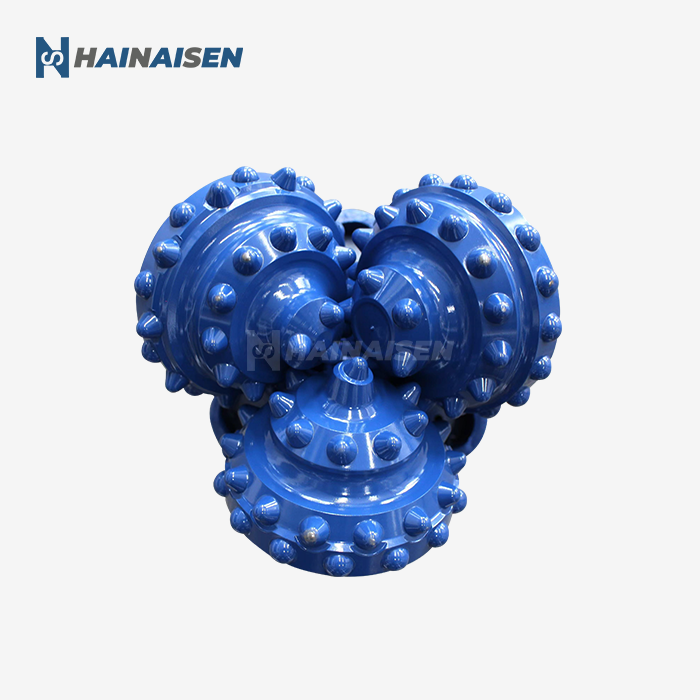 VIEW MORERock Roller Drill Bit
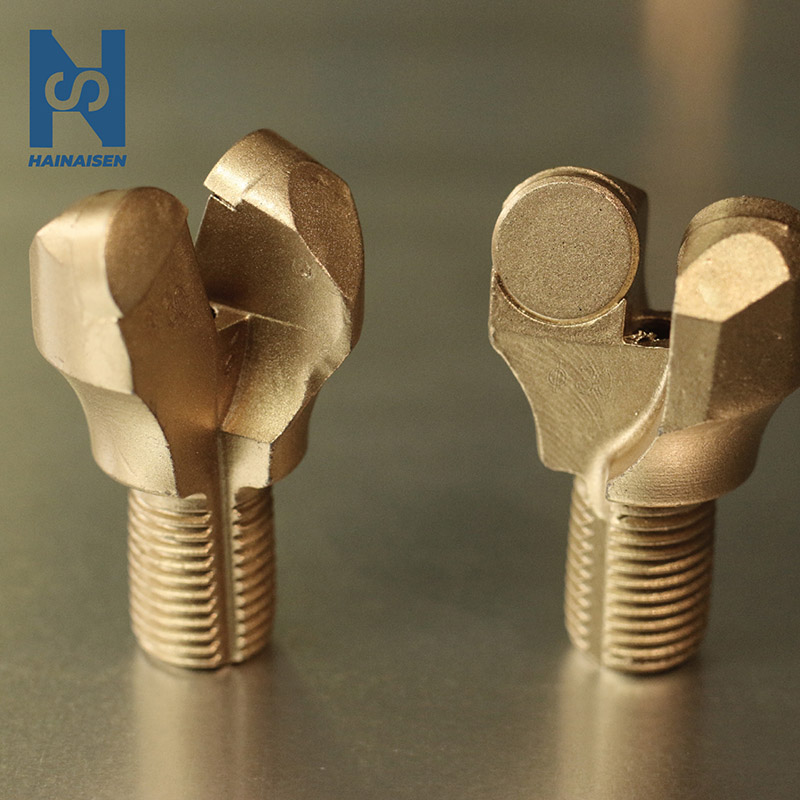 VIEW MORE30mm Half Blade Anchor Bit For Mine Coal Fields
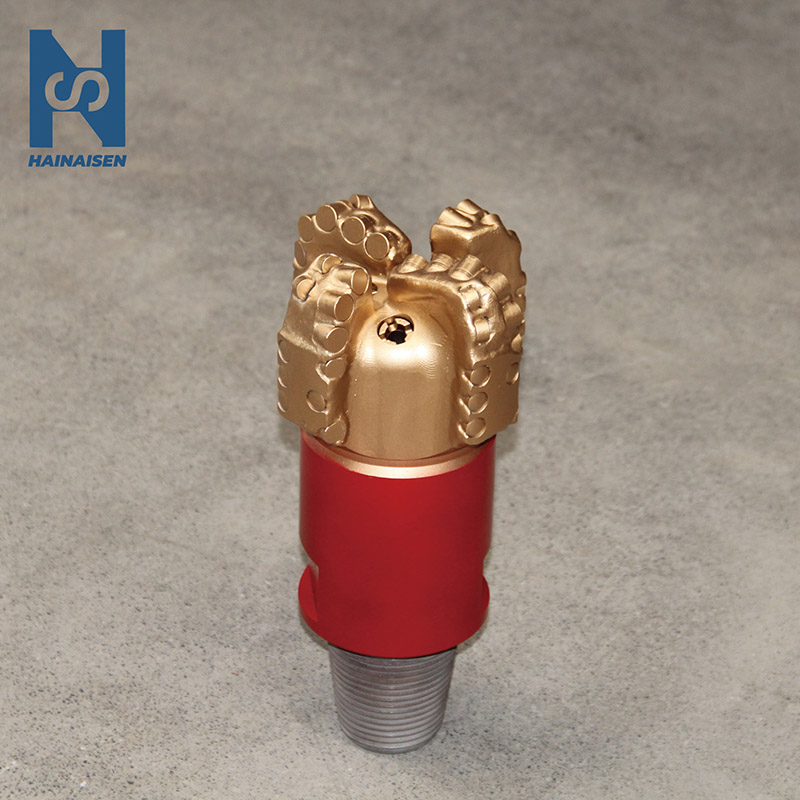 VIEW MOREFour Blade Wing Oil Drilling Tool
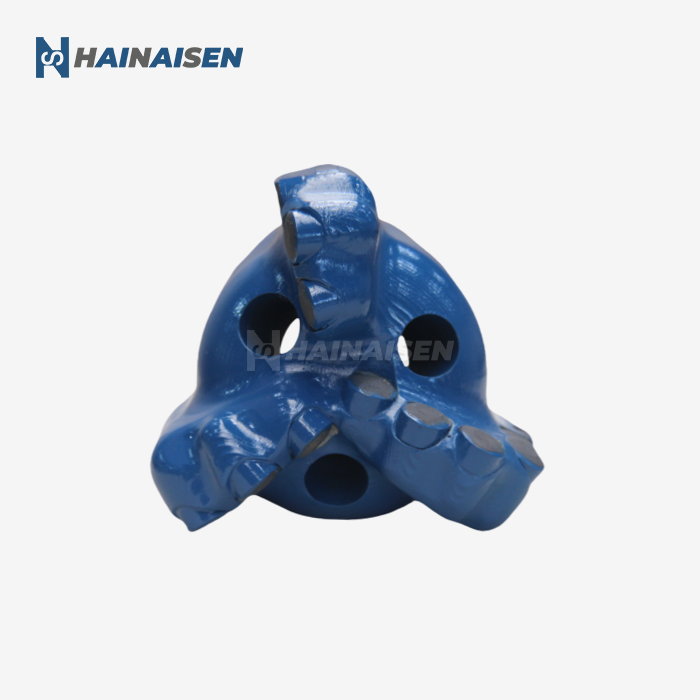 VIEW MORE113mm Three Wing Arc Angle Drill Bit
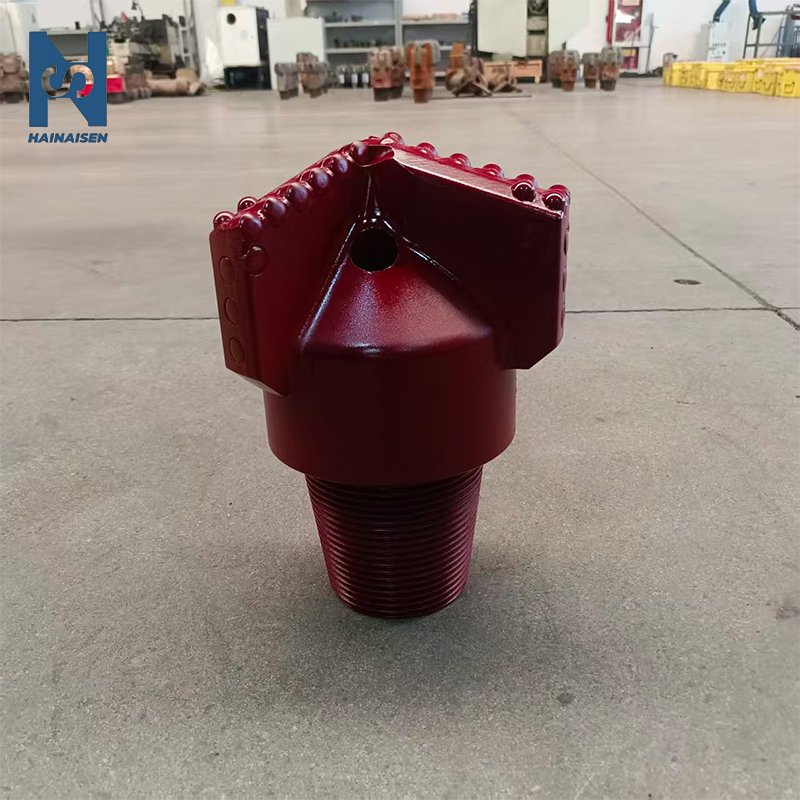 VIEW MOREHard Alloy Scraper Drill Bit
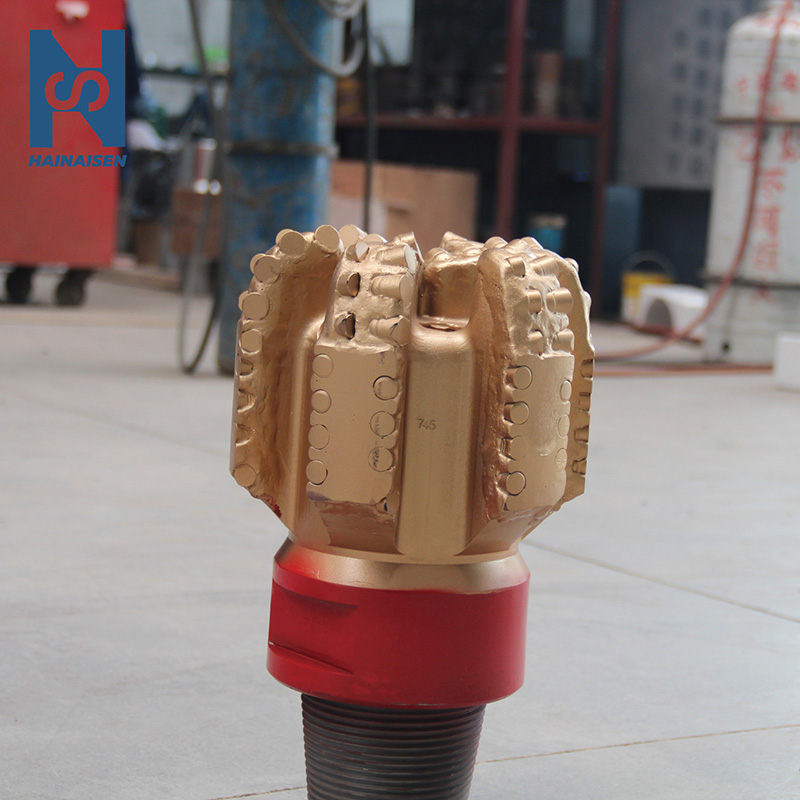 VIEW MOREDiamond Drill Bit Oil Rig
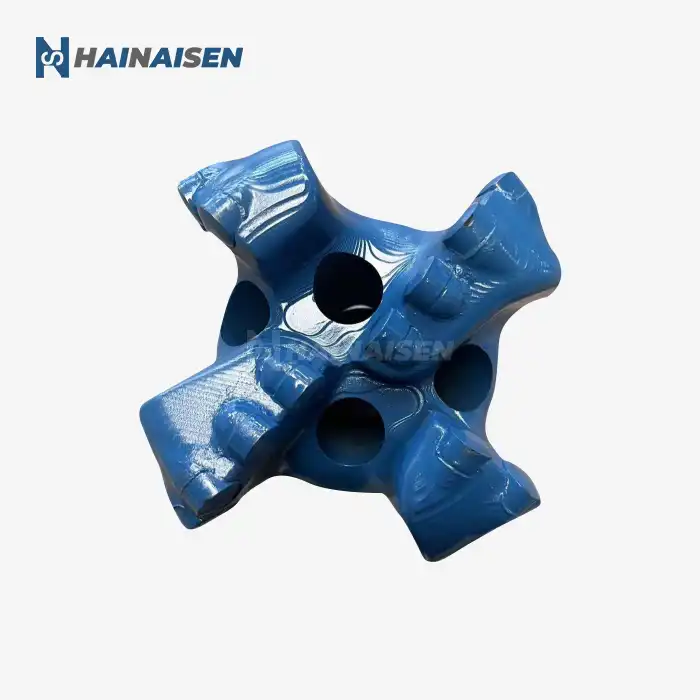 VIEW MORE4 Blade PDC Bit
 VIEW MORECoal Mining Tools PDC Anchor Drill Bit 28mm
