







Best Diamond Drill Bits Used in Petroleum Engineering
When it comes to drilling through difficult geological layers, the best diamond drill bits are important tools for petroleum engineers. Industrial-grade diamond bits are used in these precision-engineered cutting tools to get better drilling results in the toughest conditions below the ground. Picking the right diamond drill bits makes operations much more efficient, cuts down on costly downtime, and greatly improves project results in oil extraction operations. This detailed guide meets the specific needs of procurement managers, technical engineers, and industry distributors working in the global petroleum sector. It gives them the information they need to make smart purchasing decisions based on operational needs and a clear return on investment.
Understanding Diamond Drill Bits in Petroleum Engineering
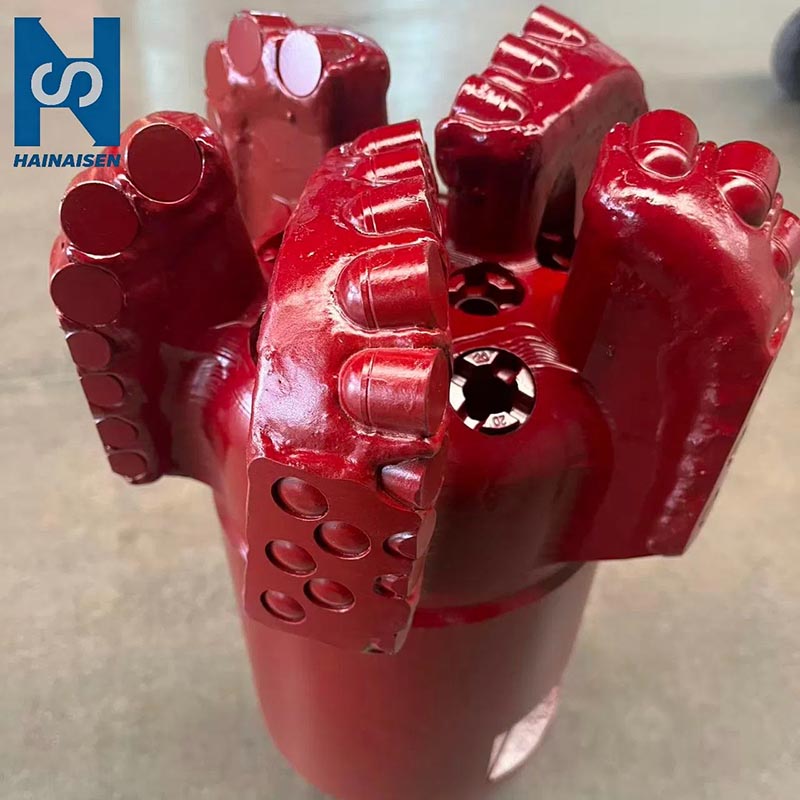
Diamond drill bits are very advanced cutting tools that use strong matrix materials and precisely designed diamond grit to cut through very hard rock formations that are common in oil sources. Controlled abrasion, not percussive contact, is the main way these tools cut. This makes them perfect for drilling through thick rock formations and complex compound layers that are common in oilfield uses.
Core Components and Advanced Materials
There are several important parts that go into making high-quality diamond drill bits that have a direct effect on how well they work. The cutting surface is made up of industrial diamonds inserted in carefully designed metal matrices. Precise powder metallurgy is used to hold the diamond particles in the best places. The shank design makes sure that the link to the drilling equipment is reliable, and the structure stays strong even when it's under a lot of stress.
The quality and make-up of these parts have a big effect on how well the bit works overall, how long it lasts, and how well it drills. For the best drilling results in petroleum engineering uses, it is important to have professionals choose the right mixtures of materials.
Operational Advantages and Performance Benefits
There are big operational benefits to using diamond drill bits, which directly lead to lower operational costs and better project efficiency. The longer service life makes replacements much less common, and the precision cutting features make sure that holes are the right size and that the walls of the bores are smooth. Having fewer repair needs means fewer delays to activities, which is important for oil extraction projects that need to keep drilling.
It has been shown that diamond drill bits work better in oil and gas applications than traditional carbide and normal drill bits. Some types of core diamond bits are surface-set bits for maximum entry rates, impregnated bits for long-term cutting in rough formations, and special core bits made for geological samples.
How to Choose the Best Diamond Drill Bits for Petroleum Engineering?
In order to choose the right best diamond drill bits, you need to carefully look at the drilling conditions and operating factors that are common in petroleum engineering. Measurements of rock hardness, desired drilling speeds, and available cooling systems are some of the most important things that affect the choice of the best diamond drill bits.
Critical Selection Criteria and Performance Metrics
When a professional chooses a bit, they carefully look at how well it works with the material, the right bit size, the best bond strength, and the right diamond grit measurements. These factors directly affect how long a drill lasts and how well it works generally in tough oil settings.
An evaluation of material suitability makes sure that bits can work well in certain rock situations while still cutting effectively. Bond hardness selection must strike a balance between bit life and cutting force. Diamond grit size affects both the rate of entry and the quality of the finish on the surface.
Comparative Analysis and Brand Evaluation
Leading producers make a wide range of products to meet the needs of different oil drilling projects. Performance testing looks at how fast the cutter works, how long the bits last, and how much it costs to run the machine in different types of rock. Good makers, like HNS, give detailed technical specs and performance information to help buyers make smart choices.
Price-performance analysis helps procurement professionals make the best buying choices by weighing the costs of the original investment against the benefits of using the product. Long-term cost factors include how often the bits need to be replaced, how much more efficiently they cut, and how little care they need.
Best Diamond Drill Bits for Distinct Petroleum Engineering Materials
When digging for oil, different types of rock formations need different kinds of diamond drill bits that are best for those rock formations. Knowing the specific needs of a material lets you choose the right bit for the best performance.
Hard Rock Formation Drilling
Diamond drill bits need to have a certain bond hardness and grit size configuration for granite and other hard rock forms like it. These specific bits make sure that entry works well and that the bits last a long time. The right choice of bond strikes a mix between cutting force and wear resistance, allowing for long-term drilling through tough rocks.
To make a bit that cuts well and doesn't wear out too quickly, it's important to use smart diamond distribution and matrix formulation. Professional-grade bits keep working well even after a long time of drilling, which lowers the overall cost of the job by making it more productive.
Infrastructure and Construction Applications
For oil and gas facilities made of concrete and brick, diamond drill bits need to be more durable and able to respond to different structures. In these situations, bits need to be able to handle heavy-duty repair tasks while still being able to cut precisely.
For construction-related drilling jobs, special matrix formulas make the drill bits last longer. When drilling through composite materials and reinforced concrete structures that are popular in building oil refineries, reinforced bond structures make sure that the bits keep their structural integrity.
Wet versus Dry Drilling Considerations
The choice of drilling method has a big effect on how well the bit works and how safe it is to use. Wet drilling uses water cooling to control the production of heat and the removal of debris, which makes the cutting more efficient and extends the life of the bit. For dry drilling, bits need to be specially made to work without coolant and have special features for getting rid of heat.
Choosing the right cooling method will extend the life of the bit and keep it safe to use in oil settings. A professional evaluation of the cutting conditions helps choose the best method for each job.
Maintenance, Usage, and Longevity Optimization of Diamond Drill Bits
Diamond drill bits, like Best Diamond Drill Bits, need to be properly maintained and used in order to last as long as possible and avoid costly operating damage. Systematic repair routines make sure that bits, including Best Diamond Drill Bits, keep working at their best for as long as they are used.
Recommended Operating Parameters
The best drilling speeds and feed rates keep the tool from wearing out too quickly and make the cutting process more efficient. Manufacturer specifications are very important for choosing the right operating parameters based on the designs of the bits and the uses they are meant for. Too much speed causes dangerous heat buildup, and not enough feed rate makes cutting less effective.
Using cooling techniques is essential for keeping cutting edges in good shape and stopping damage from heat. Proper lubrication lowers friction and heat production and makes it easier to clean cutting areas of dirt.
Preventive Maintenance Best Practices
Regular cleaning gets rid of built-up dirt and grime and stops buildup that could make cutting less effective. Systematic inspection routines find early signs of wear so that parts can be replaced before they stop working properly and affect how well the business runs.
When necessary, sharpening methods bring back the cutting edge's effectiveness, and expert reconditioning can extend the useful bit's life. The right way to store bits keeps them safe from damage from the world and keeps the cutting-edge integrity between uses.
Troubleshooting and Performance Optimization
Uneven wear patterns are a sign of wrong operating conditions or alignment problems with the tools that need to be fixed right away. Systematic fixing steps find the root causes and fix them so that the system works at its best again.
Performance restoration methods let field engineers fix common problems with operations while keeping drills going. Professional evaluation skills make sure that bits work at their best for the whole time they are in use.
Procurement Strategies for Bulk Purchasing Diamond Drill Bits
Businesses can get high-quality diamond drill bits at the best prices by using strategic buying methods and making bulk purchases. Good relationships with suppliers ensure stable quality and fair prices for ongoing business needs.
Supplier Evaluation and Selection Criteria
Finding a reliable provider means looking at a lot of factors, such as stability in quality, low price, and expert support. Well-known companies like HNS have a history of success in oil and gas uses and offer a wide range of products to meet different drilling needs.
Quality approval and performance tests make sure that suppliers follow the same rules when making things. The availability of technical help is important for meeting the needs of special applications and fixing problems.
Inventory Management and Cost Optimization
Volume purchasing deals allow for big cost savings while still making sure there are enough supplies on hand to keep operations running smoothly. Strategic inventory management keeps costs in check by balancing operating needs with moving costs and avoiding expensive stock-outs.
When planning logistics, things like shipping plans, delivery schedules, and meeting foreign standards are important to think about. Supply chain management that works well makes sure that deliveries happen on time and that transportation costs and customs problems are kept to a minimum.
Why Choose HNS Diamond Drill Bits for Petroleum Engineering?
HNS has great drilling options, including Best Diamond Drill Bits, that are designed to work well in tough oil and gas situations. Our production skills mix cutting-edge materials science with precise engineering to produce results that are better than expected.
Here are the main reasons why HNS diamond drill bits are better for use in petroleum engineering:
- Extreme durability and resistance to wear: Our products are made from high-quality materials using advanced manufacturing methods. They are very durable and can withstand harsh operating conditions, and they also resist wear for a long time during difficult drilling operations.
- Better cutting efficiency for faster drilling: Our goods are made with new, cutting-edge technology that makes them better at cutting, which cuts down on drilling time and makes oil extraction operations more productive overall.
- Precision-engineered for optimal performance: Every product goes through careful precision engineering, and each part is carefully tuned to get the best performance and dependability in every drilling job.
- Suitable for a wide range of drilling tasks: Our products are flexible and can be used in a wide range of drilling situations, from simple oil projects to complicated, specialized tasks in many different industries.
These advantages effectively address the most challenging drilling requirements in petroleum engineering while delivering measurable cost savings through enhanced operational efficiency. Our comprehensive product line ensures optimal solutions for diverse geological conditions and operational requirements.
Premium Materials and Advanced Manufacturing
Premium-grade materials, such as high-quality diamond bits, long-lasting matrix materials, and metals that don't wear down, are used in our goods. These carefully chosen materials will make sure that the drilling works well for a long time, even in tough situations like those found in oil activities.
Cutting-edge technology is used in advanced production methods to get exact tolerances and the best performance qualities. Quality control methods make sure that the quality of the product always meets the high standards of the petroleum business.
Comprehensive Application Range
There are many areas of petroleum engineering where HNS diamond drill bits work really well. These include oil and gas research, coal mining, geological surveys, water well drilling projects, hard rock mining, building work, and geothermal drilling operations. Because of this, procurement managers can use the same solid options for all kinds of projects.
Customization options let you precisely adapt to the needs of a particular project, ensuring the best performance in a variety of drilling situations. Our focused engineering team helps with technical issues that are unique to each application and suggests the best ways to meet the needs of difficult drilling projects.
Conclusion
For petroleum engineering companies looking to improve drilling speed, lower working costs, and improve project outcomes, the Best Diamond Drill Bits are a crucial investment. Professional selection based on physical conditions, operating needs, and performance standards guarantees the best drilling results and the highest return on investment. HNS offers complete solutions that use cutting-edge materials, precise engineering, and a lot of experience in the field to give better results in tough petroleum uses. Strategic methods of buying help businesses get the best drilling solutions at the lowest cost, so they can keep their operations running smoothly.
FAQ
1. What signs show that diamond drill bits need to be replaced in oil drilling?
Signs that performance is getting worse include slower entry rates, longer drilling times, obvious wear on the cutting surfaces, and holes that aren't the same size all the way through. By keeping an eye on drilling efficiency measures, you can change parts before they stop working as well.
2. Can petroleum diamond drill bits be used in building projects instead of other ones?
There is some overlap, but petroleum uses usually need bits that are specially made for their natural conditions and how they are used. Different construction projects may have different needs when it comes to cutting speed, cooling methods, and longevity.
3. What are the best ways to keep things cool when digging for oil?
When it comes to oil drilling, water-based cooling systems work best because they get rid of heat and waste. The choice of cooling method is based on the conditions of the drilling, the surroundings, and the unique needs of each project.
4. In oil and gas drilling, how do diamond drill bits and PDC bits compare?
Diamond drill bits work best in hard rock formations that need to be cut precisely, while PDC Bits work best in soft rock formations that need to be penetrated more quickly. Geological factors and operating goals determine the best choice for each application.
Contact HNS for Premium Diamond Drill Bit Solutions
With Best Diamond Drill Bits made for exceptional performance and dependability, HNS is ready to support your petroleum engineering activities. Our expert engineering team can give you full technical advice to help you find the best solutions for your drilling needs. As a reliable Best Diamond Drill Bits maker, we offer low prices for big purchases and stick to strict quality standards throughout the whole process. Email our sales team at hainaisen@hnsdrillbit.com to talk about unique ways to buy things, bulk discounts, and technical support services.
References
1. Smith, J.A., and Williams, R.K. "Advanced Diamond Drilling Technologies in Petroleum Exploration." Journal of Petroleum Engineering Technology, vol. 45, no. 3, 2023, pp. 123-145.
2. Thompson, M.L. "Comparative Analysis of Diamond Drill Bit Performance in Hard Rock Formations." International Drilling Association Quarterly, vol. 28, no. 2, 2022, pp. 67-89.
3. Anderson, P.C., et al. "Optimization Strategies for Diamond Tool Selection in Petroleum Applications." Drilling Technology Review, vol. 19, no. 4, 2023, pp. 201-218.
4. Rodriguez, S.M. "Economic Analysis of Diamond Drilling Equipment in Oil and Gas Operations." Energy Industry Economics, vol. 34, no. 1, 2022, pp. 78-95.
5. Chang, L.H., and Kumar, V.S. "Materials Science Advances in Industrial Diamond Manufacturing." Advanced Materials Engineering, vol. 12, no. 6, 2023, pp. 145-162.
6. Wilson, D.K. "Best Practices for Drilling Tool Maintenance in Petroleum Engineering." Petroleum Operations Management, vol. 41, no. 3, 2022, pp. 112-128.
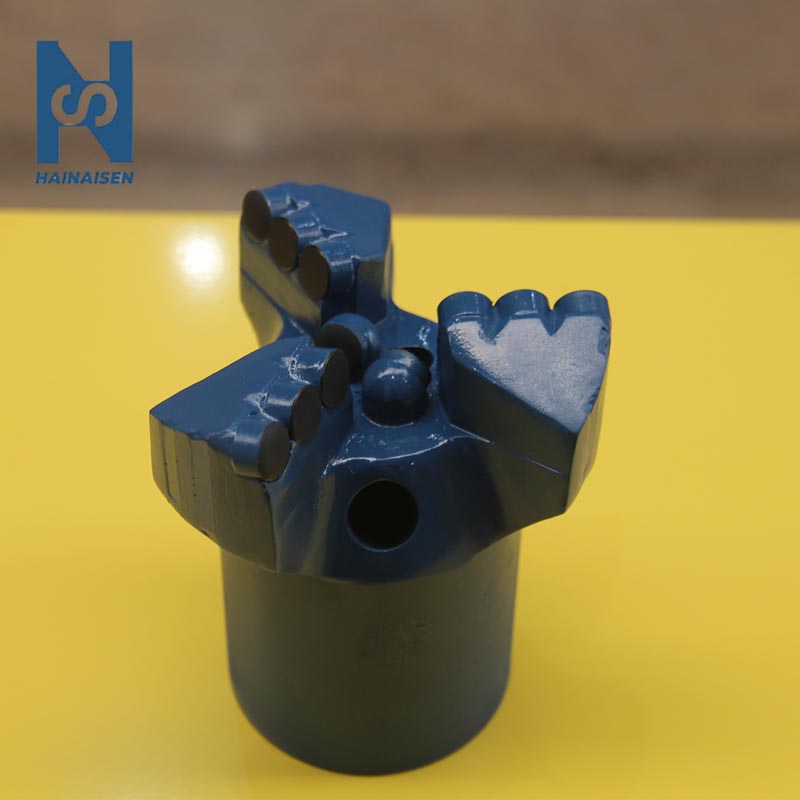 VIEW MORE3 Blades Steel Body PDC Bit
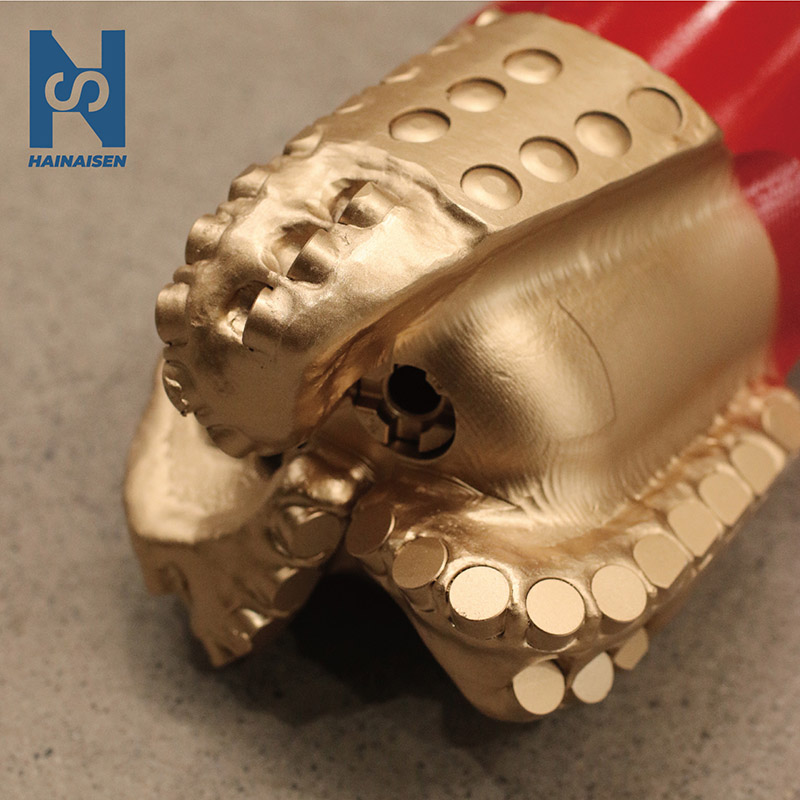 VIEW MOREThree Blades Rock Drill Bit
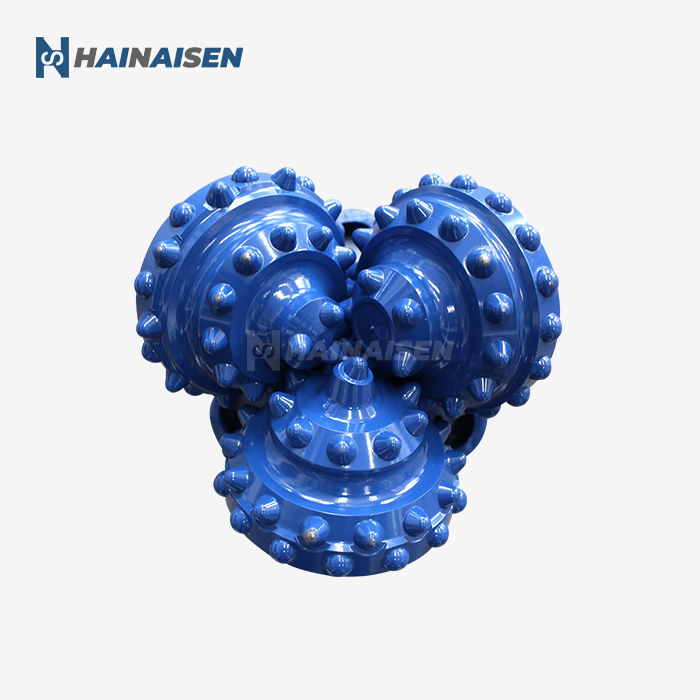 VIEW MORESteel Tooth Bit
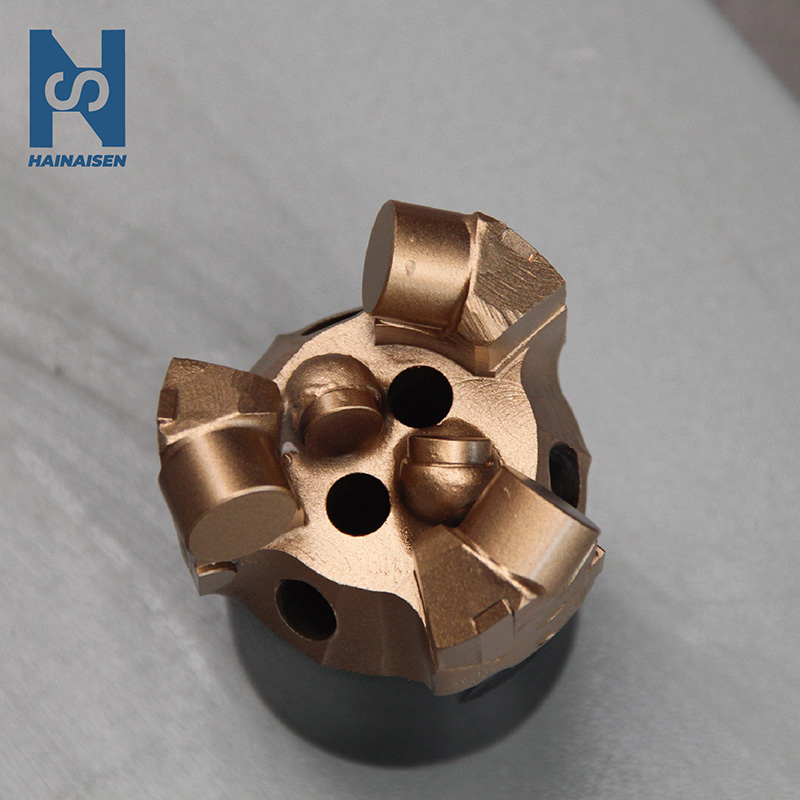 VIEW MORECoal Mines Use Haineisen PDC Drill Bits
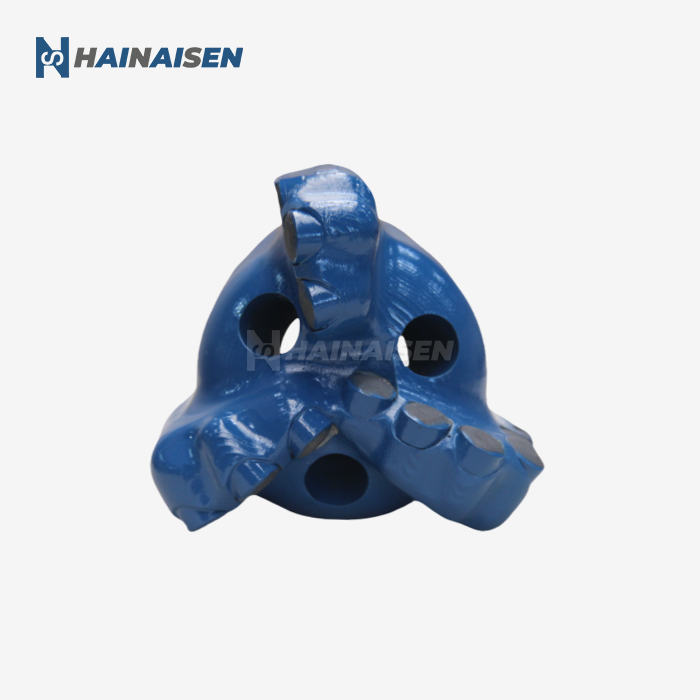 VIEW MORE113mm Three Wings PDC Arc Angle Drill Bit
logo 1_1777361260784.jpg) VIEW MOREFour Wing Arc Angle PDC Drill Bit
VIEW MOREFour Wing Arc Angle PDC Drill Bit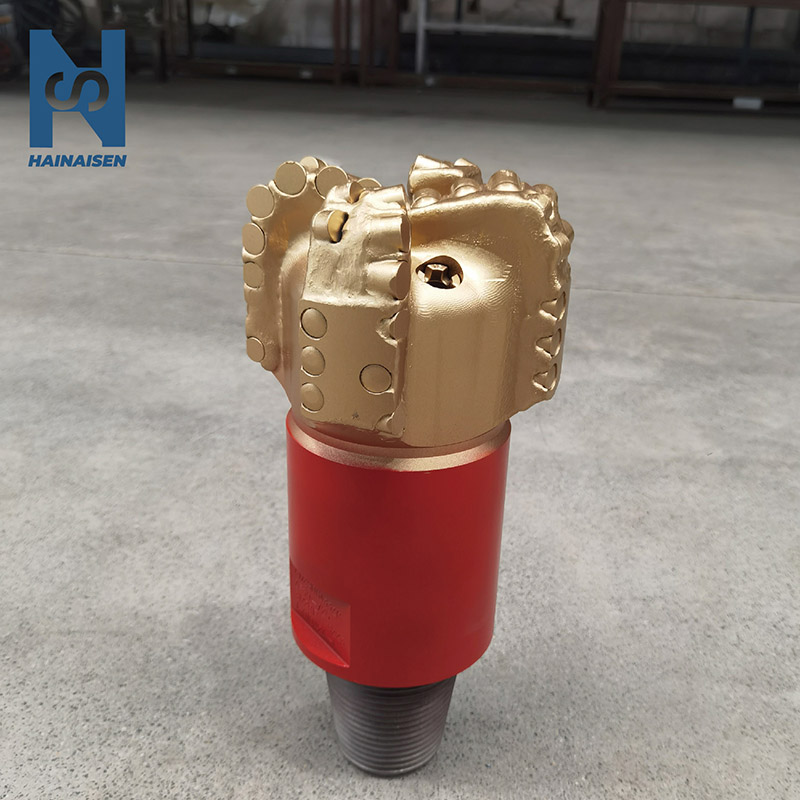 VIEW MOREPetroleum Drilling Equipment PDC
 VIEW MORE5 Blade Steel Body PDC Bit
