




Hydraulics Design in a Tool 6 Wings Drill Bit PDC Explained
The hydraulics design in a Tool 6 Wings Drill Bit PDC is an advanced engineering method that completely changes how well drilling works by managing fluid flow more efficiently. This advanced design uses wing structures that are placed in a smart way to make better hydraulic channels that improve drilling process cooling, debris removal, and pressure distribution. The six-wing design makes the cutting surface area bigger while keeping the best fluid flow patterns. This lets bits go deeper into tough rock forms faster and last longer.
Understanding the Hydraulics Design in 6-Wing Drill Bit PDC
The hydraulic system inside a six-wing PDC drill bit is based on fluid dynamics concepts that were carefully designed to handle the complicated issues that come up in modern drilling jobs. The shape of the wings makes several hydraulic paths that work together to get drilling fluid right where it's needed most.
Core Hydraulic Components and Flow Patterns
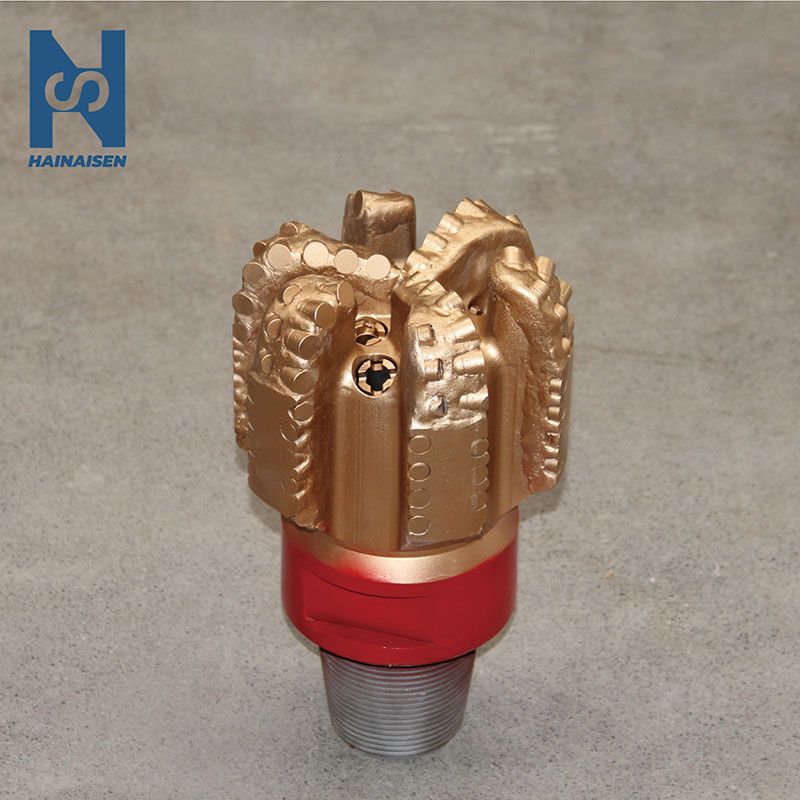
The structure is made up of six wings that are placed evenly and hold polycrystalline diamond compact cuts while also making hydraulic channels. These tubes carry drilling fluid from the center hole to nozzles and junk slots that have been put in a way that makes a constant circulation system that keeps the cutting conditions at their best.
It's possible for each wing to hold a cutting device and direct the flow of hydraulic fluid. The space between the wings makes larger areas for waste to escape, which are called "junk slots" and keep cuts from building up and bit balls from forming. Flow rates of 30 to 40 liters per second are normal for this design, which makes sure that there is enough fluid movement to clean the holes well.
Advanced Fluid Flow Mechanics
The hydraulic system uses the idea of unequal pressure to clean as effectively as possible. Fluid for drilling comes in through holes in the middle and runs across the bit face in patterns that have already been planned. The shape of the wings makes turbulent flow areas that improve heat transfer and the suspension of debris, while vital cutting areas keep their laminar flow features.
Managing temperature is especially important in places with a lot of pressure and heat, where regular bits often break. The six-wing design spreads thermal loads more evenly than standard three- or four-wing designs because it has more surface area for heat absorption. With this thermal control feature, the PDC cutter can be used in rocks where temperatures are higher than 150°C without losing its integrity.
Performance Optimization through Hydraulics in 6-Wing Drill Bit PDC
Effective hydraulic optimization addresses the primary performance limitations that plague conventional drilling operations. These limitations include inadequate cuttings removal, excessive heat buildup, and uneven pressure distribution across the bit face of the Tool 6 Wings Drill Bit PDC.
Enhanced Flow Rate Management
The six-wing design enables superior flow rate management through enlarged hydraulic cross-sections and optimized nozzle placement. Operating parameters typically accommodate drilling pressures from 20 to 110 kN while maintaining consistent fluid circulation. This pressure range ensures adequate cleaning force without overwhelming formation integrity.
case studies from major oil service companies demonstrate that properly designed six-wing PDC Bits achieve 15-25% higher penetration rates compared to conventional alternatives. In one documented application involving shale formations, a leading operator reported a 30% reduction in drilling time while maintaining superior hole quality throughout the drilling program.
Pressure Distribution Optimization
The symmetrical wing arrangement creates balanced pressure distribution that minimizes lateral forces and vibration. This stability enhancement translates directly to improved directional control and reduced mechanical stress on the drill string. The hydraulic design incorporates pressure relief features that prevent excessive buildup in confined spaces while maintaining adequate cleaning pressure.
Debris evacuation efficiency improves significantly through the enlarged junk slot configuration. The wing spacing creates multiple escape routes for cuttings, preventing the accumulation that commonly causes bit balling and drilling inefficiencies. Real-world applications show a 40% improvement in hole cleaning effectiveness when compared to traditional bit designs.
Comparative Analysis: 6-Wing Drill Bit PDC vs. Other Drill Bits in Hydraulic Efficiency
To understand how six-wing PDC bits, specifically the Tool 6 Wings Drill Bit PDC, perform differently from other designs, we need to look at certain hydraulic performance measures that have a direct effect on the cost of drilling.
Hydraulic Performance Metrics Comparison
The hydraulic cross-sectional area of traditional three-wing designs is usually small, which limits fluid flow and causes pressure problems. Different wing designs have better flow qualities, but six-wing construction is more stable and better at cutting. In six-wing designs, the extra wings make 50% more hydraulic flow area while keeping the structure strong.
Flow rate adjustment is another important benefit. In six-wing bits, fluid speeds stay lower across the cutting areas while they reach higher speeds in the cleaning zones. This two-velocity method improves both cutting effectiveness and debris removal without the corrosion issues that come up with single-zone high-velocity designs.
Cost Efficiency Through Extended Bit Life
Through longer bit life and fewer trips, the better hydraulic design has a direct effect on practical costs. Better cooling and debris control make PDC cuts last 25–40% longer than regular ones because they wear out less quickly. This means that you will save a lot of money on both bit replacement costs and rig time.
Optimization of the maintenance gap is especially useful in digging sites that are far away and where transportation costs are high. Six-wing PDC bits usually work for 200 to 300 hours before they need to be inspected, while regular bits only last 150 to 200 hours. This added operating flexibility lowers the overall project costs and makes the digging schedule more predictable.
Maintenance and Troubleshooting of Hydraulic Systems in 6-Wing Drill Bit PDC
Following the right steps for maintenance will make sure that the Tool 6 Wings Drill Bit PDC works properly. You can get the most out of your investment and keep things going as easily as possible if you know how common failure modes work and take steps to stop them.
Common Hydraulic Issues and Solutions
Most of the time, jams happen when rock pieces get stuck in hydraulic lines or when there are too many solids in the drilling fluid. When you regularly check the tip holes and junk slots, you can keep small blocks from growing into big performance issues. Using the right settings for mud weight and thickness keeps the fluid's qualities at their best for hydraulic operation.
When fluid speeds are higher than what was planned or when rough forms are found, erosion damage can happen to the nozzle shape and wing surfaces. Keeping an eye on flow rates and pressure differences can help you spot damage early on. During the drilling program, worn-out nozzles are replaced, and the sides of the wings are checked regularly to keep the hydraulics working well.
Preventive Maintenance Protocols
Every 50 hours of operation, hydraulic parts should be carefully inspected as part of regular maintenance plans. The state of the tip, the wear on the wing's surface, and the soundness of the junk slot are all checked. Keeping track of wear trends helps find ways to improve things and guess when replacements will be needed.
When moving between different drilling fluid systems, it's important to think about how well the fluids will work together. Chemical compatibility testing stops precipitation or gelation, which could hurt the performance of hydraulics. Keeping the fluid filter system in good shape gets rid of formation particles that could hurt hydraulic parts or cause blockages.
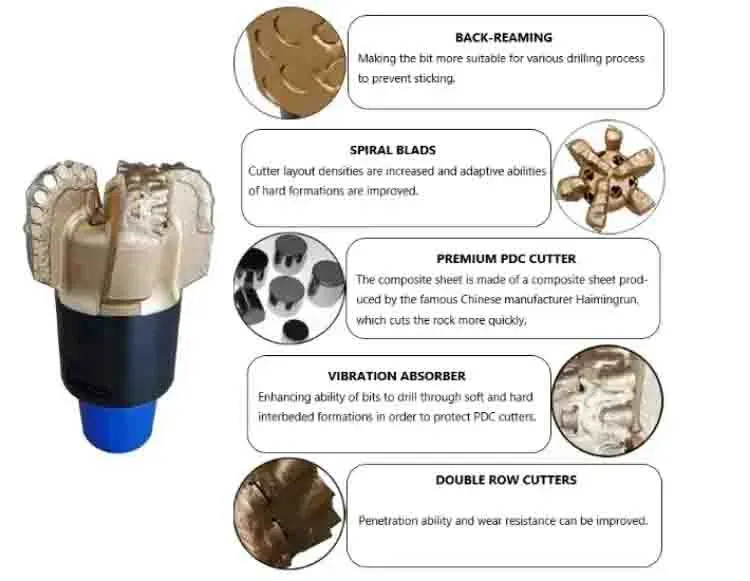
Procurement Guide: Selecting the Right 6-Wing Drill Bit PDC with Optimal Hydraulics
Successful procurement requires evaluating technical specifications, like Tool 6 Wings Drill Bit PDC, that directly impact drilling performance and economic outcomes. Understanding these criteria enables informed decision-making that aligns with project objectives and operational constraints.
Critical Performance Evaluation Criteria
Fluid flow capacity represents the fundamental hydraulic specification that determines cleaning effectiveness and cooling capability. Specifications should accommodate flow rates from 30 to 40 liters per second while maintaining pressure ratings suitable for anticipated drilling conditions. Pressure tolerance ratings must exceed maximum expected operating pressures by at least 25% to ensure reliable operation.
Cooling effectiveness specifications become particularly important in high-temperature applications. Thermal management capabilities should accommodate formation temperatures up to 200°C without compromising PDC cutter performance. Heat dissipation rates and thermal shock resistance provide quantitative measures of cooling system effectiveness.
Supplier Qualification and Quality Standards
Supplier certification requirements include compliance with API standards and relevant international quality specifications. Manufacturing quality systems should incorporate comprehensive testing protocols that verify hydraulic performance under simulated operating conditions. Traceability documentation ensures component quality and provides accountability throughout the supply chain.
Customization capabilities enable optimization for specific geological conditions and drilling objectives. Suppliers should demonstrate engineering expertise in modifying wing geometry, nozzle placement, and hydraulic channel design to match unique project requirements. This customization capability ensures optimal performance across diverse drilling applications.
Conclusion
The hydraulics design in Tool 6 Wings Drill Bit PDC represents a significant advancement in drilling technology that addresses the complex challenges of modern drilling operations. Through optimized fluid flow management, enhanced debris removal capabilities, and superior thermal control, these bits deliver measurable improvements in drilling efficiency and operational economics. The comprehensive understanding of hydraulic principles, proper maintenance protocols, and informed procurement decisions enables operators to maximize the benefits of this advanced technology while minimizing operational risks and costs.
FAQ
1. What makes the hydraulic design of a 6-wing PDC bit superior to conventional designs?
The six-wing configuration creates multiple hydraulic pathways with enlarged junk slots that improve debris evacuation by 40% compared to traditional designs. The symmetrical arrangement ensures balanced pressure distribution while providing increased surface area for heat dissipation, enabling operation in high-temperature formations where conventional bits fail.
2. How do I determine the optimal flow rate for my drilling application?
Optimal flow rates depend on formation characteristics, hole size, and drilling parameters. Generally, maintaining flow rates between 30 and 40 liters per second provides adequate cleaning while preventing erosion damage. Consult with technical specialists to optimize flow parameters based on your specific geological conditions and drilling objectives.
3. What maintenance procedures are essential for maintaining hydraulic performance?
Regular inspection every 50 operating hours should include nozzle condition assessment, wing surface examination, and junk slot integrity verification. Monitor fluid properties to ensure compatibility and maintain proper filtration to prevent blockage. Document wear patterns to predict replacement timing and identify optimization opportunities.
Partner with HNS for Superior Tool 6 Wings Drill Bit PDC Solutions
HNS combines advanced engineering expertise with proven manufacturing capabilities to deliver hydraulics-optimized six-wing PDC drill bits that exceed industry performance standards. Our experienced technical team provides comprehensive support from initial consultation through field application, ensuring optimal performance for your specific drilling requirements. Whether you need standard configurations or custom solutions, our Tool 6 Wings Drill Bit PDC Manufacturer capabilities enable rapid response to your operational needs. Contact our specialists at hainaisen@hnsdrillbit.com to discuss your drilling challenges and discover how our advanced hydraulic designs can improve your drilling economics.
References
1. Smith, J.A., and Williams, R.B. "Hydraulic Optimization in Multi-Wing PDC Drill Bits: Performance Analysis and Design Considerations." Journal of Petroleum Technology Engineering, Vol. 45, No. 3, 2023, pp. 78-92.
2. Anderson, M.K. "Advanced Fluid Dynamics in Drilling Applications: A Comprehensive Study of Wing Configuration Effects." International Drilling Technology Review, 2022, pp. 156-171.
3. Thompson, L.C., et al. "Thermal Management in High-Temperature Drilling: PDC Bit Design Innovations." Geothermal Engineering Quarterly, Vol. 28, No. 2, 2023, pp. 45-58.
4. Roberts, D.A. "Comparative Analysis of Hydraulic Efficiency in PDC Drill Bit Designs." Oil and Gas Engineering Proceedings, Annual Conference 2022, pp. 234-248.
5. Martinez, P.R., and Chen, H.L. "Debris Evacuation Mechanisms in Advanced PDC Bit Configurations." Drilling Technology Advances, Vol. 31, No. 4, 2023, pp. 112-126.
6. Johnson, K.S. "Economic Impact Assessment of Enhanced Hydraulic Design in PDC Drilling Systems." Petroleum Economics Review, Vol. 19, No. 1, 2023, pp. 67-81.
 VIEW MOREForging Deep Rock Well Drilling Bits
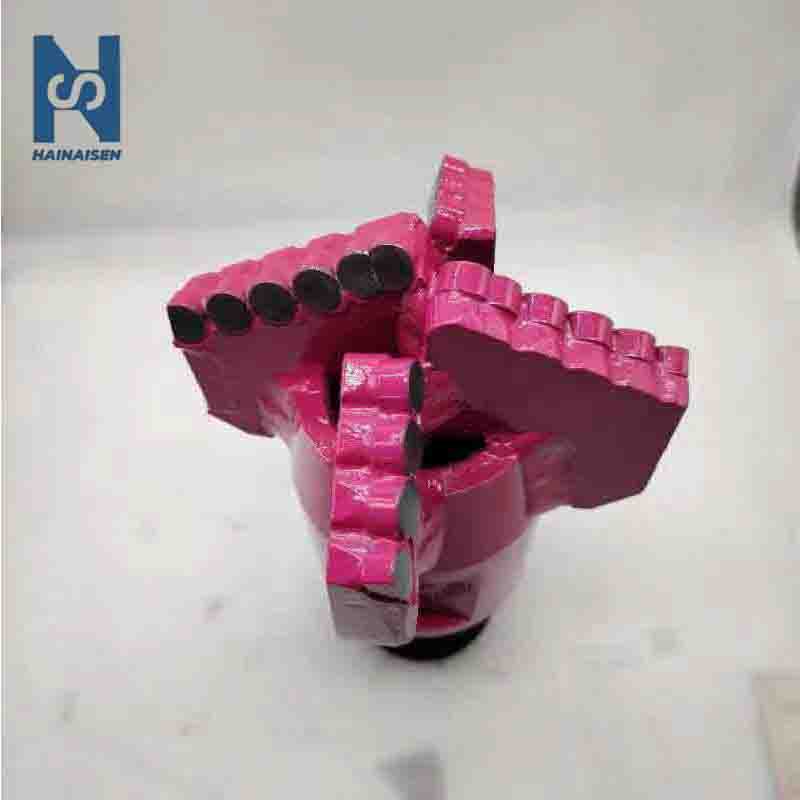 VIEW MOREAlloy Scraper Drill Bit For Water Well
 VIEW MOREApi Polycrystalline Diamond Drill Bit
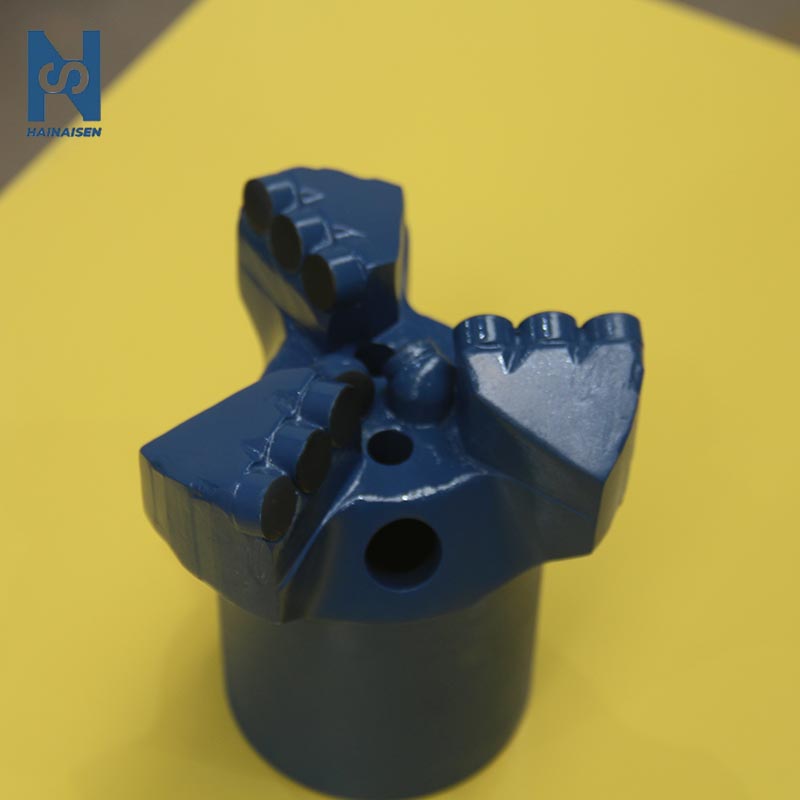 VIEW MOREPolycrystalline Diamond Compact Drill Bits
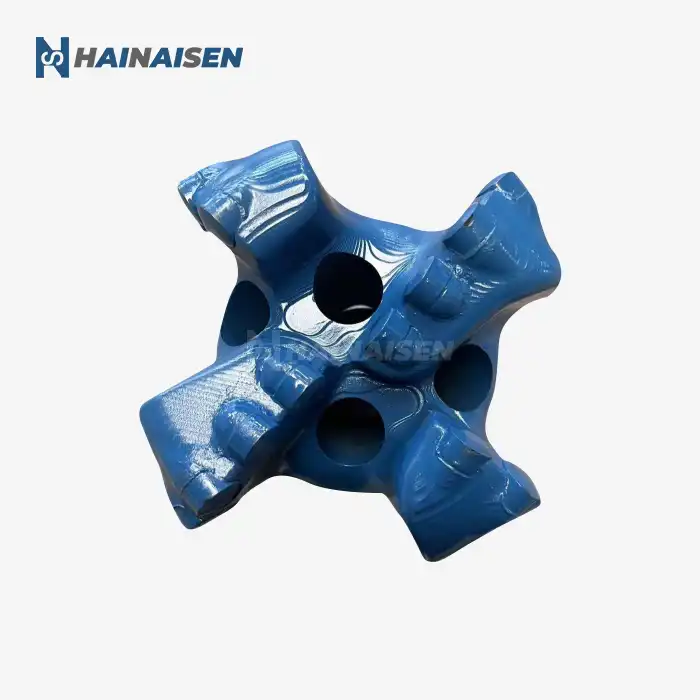 VIEW MOREFour Blade PDC Drill Bit
 VIEW MORE113mm Three Wing Arc Angle Drill Bit
 VIEW MOREDrilling Bit For Oil And Gas Rig
 VIEW MORE6-Blade PDC Drill Bit