



Bit Body Material Selection for a Durable PDC Bit For Well Drilling
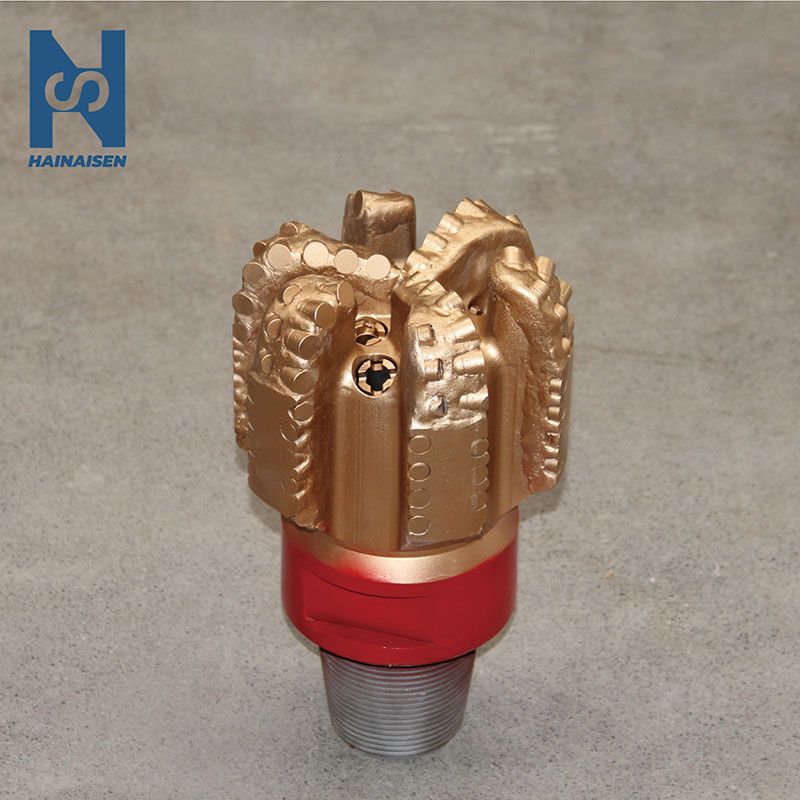
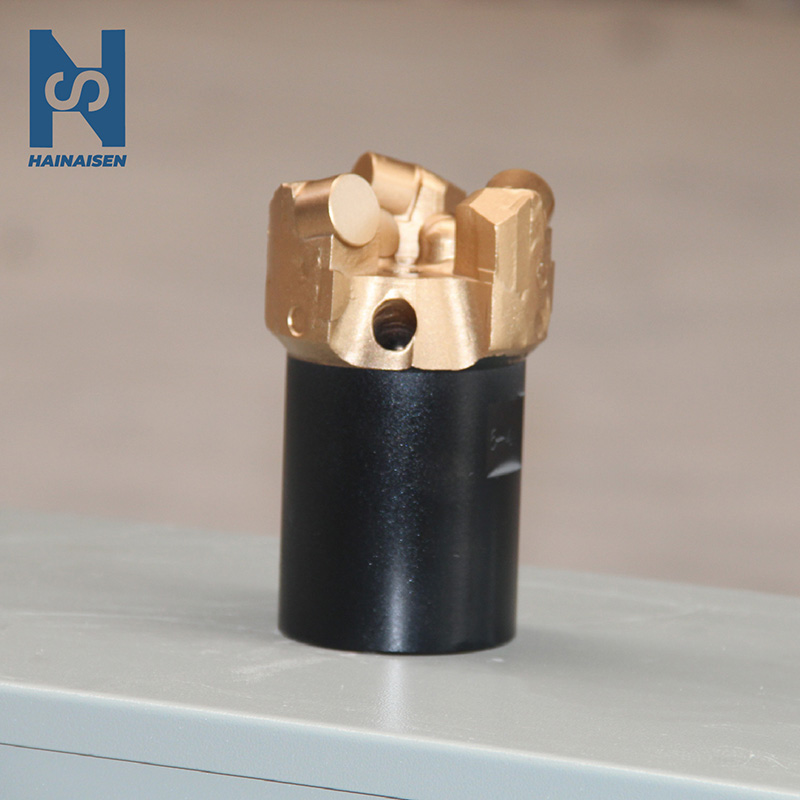
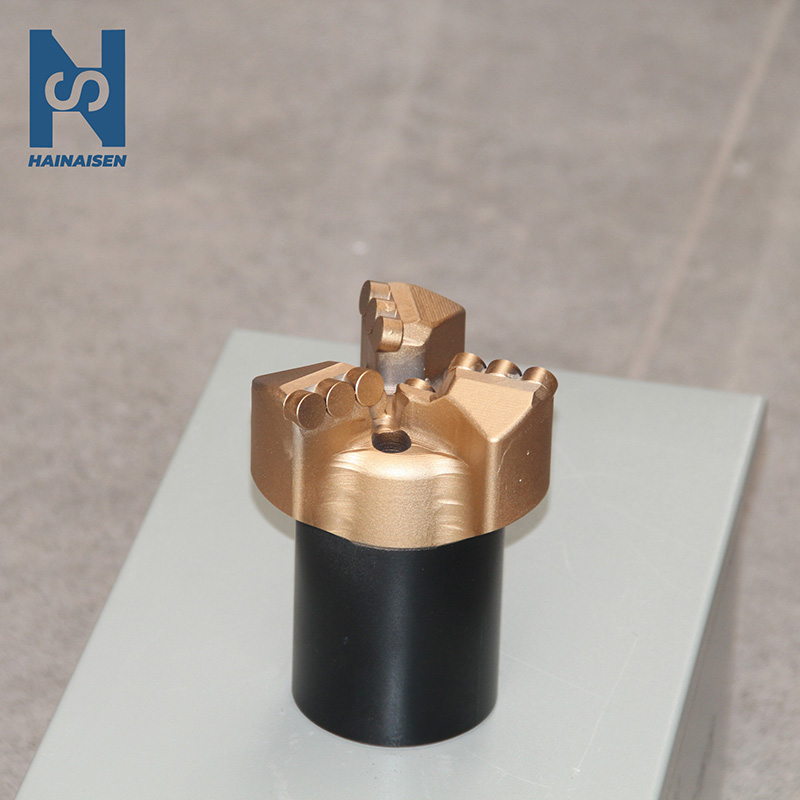
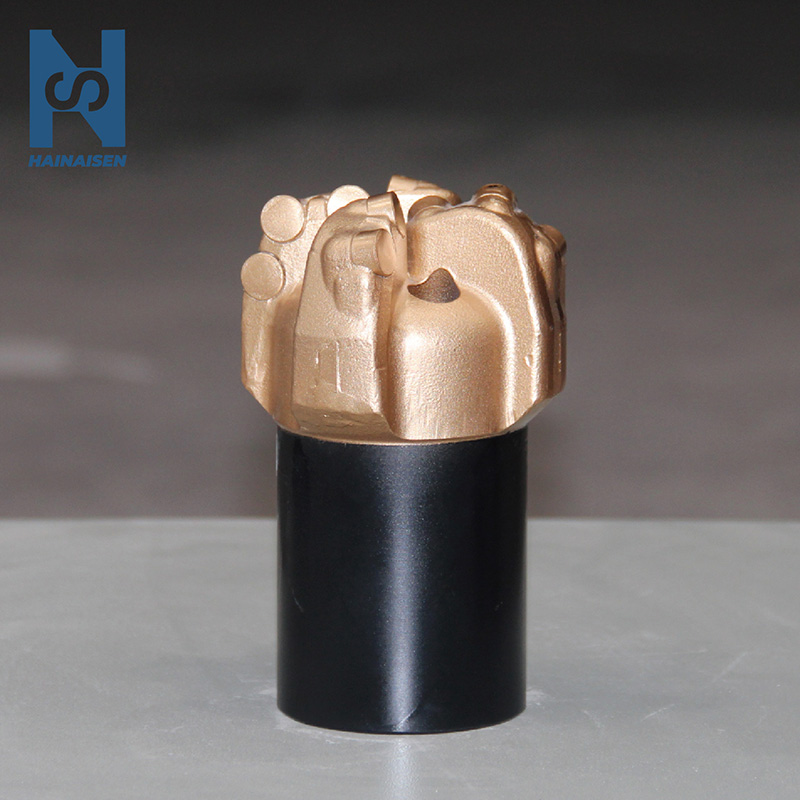
One of the most important things you can do to get the most out of your PDC bit for well drilling is to choose the right bit body material. How well the bit goes through different types of rock and how long it lasts depend on the material of the bit body. When drilling today, companies have to pick materials that last a long time and don't cost a lot of money. This is especially important when digging through tough rock formations. Advanced steel alloys, tungsten carbide structures, and hybrid materials can all make a process run more smoothly. When technical experts and procurement managers know about these traits of materials, they can make choices that improve drilling performance while cutting down on costs for repairs and downtime.
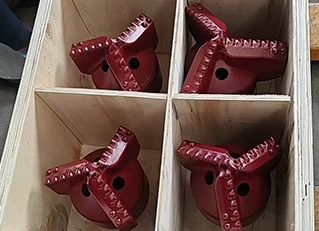
Understanding PDC Bit Body Materials and Their Impact on Durability
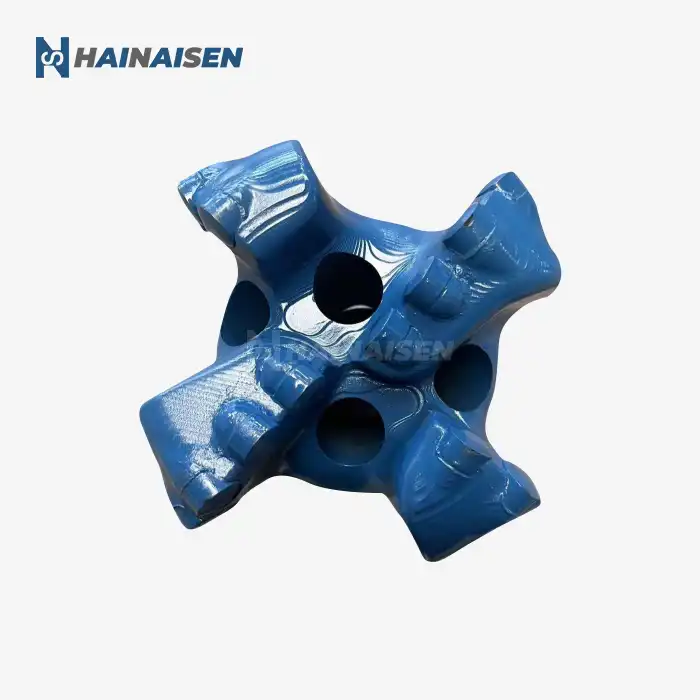
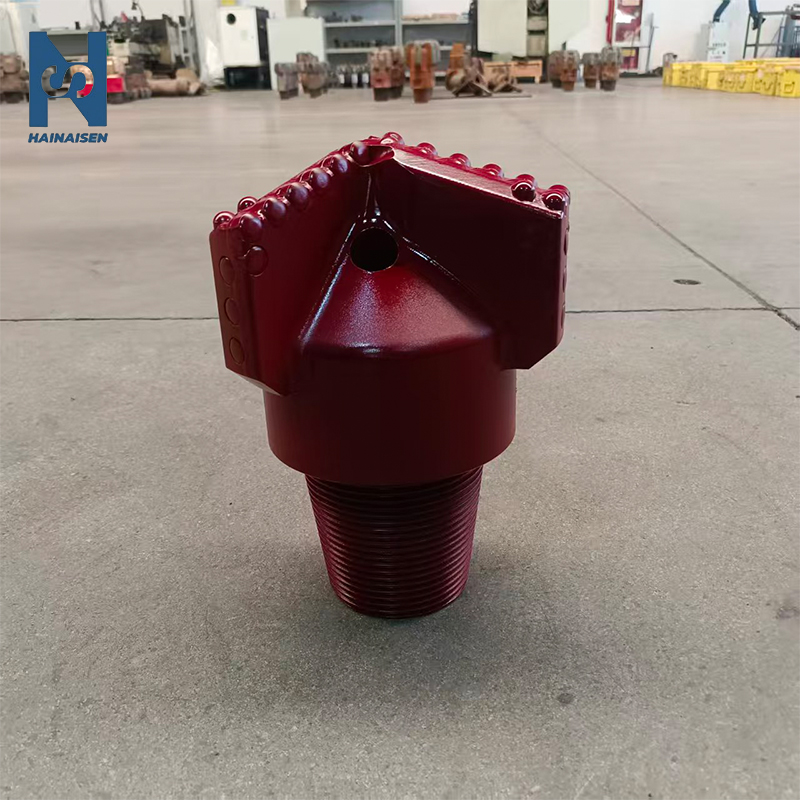
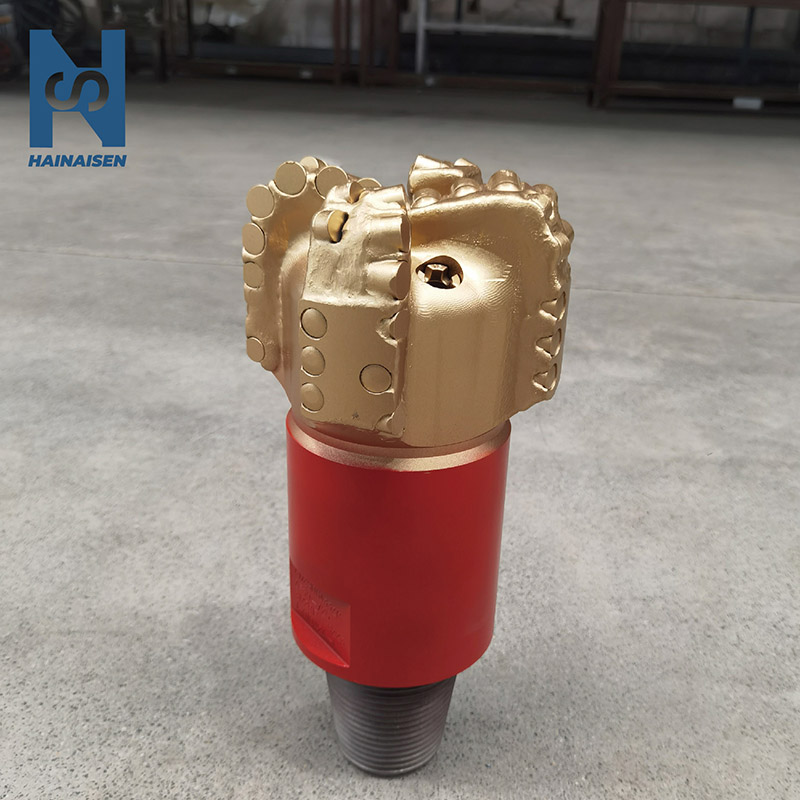
Polycrystalline Diamond Compact bits are a huge step forward in cutting technology, but how well they work depends a lot on the materials used to make the bit body. The bit body is what holds the diamond cuts in place and can handle the high forces that come up during drilling. The bit's ability to keep its shape in high temperatures, rough conditions, and situations with changing loads is directly affected by the material it is made of.
Material Properties That Define Drilling Performance
How well a boring bit works in different rocks depends on the mechanical qualities of the materials used to make it. Things like toughness, hardness, and heat transfer have big effects on how well they work. High-strength steel metals can handle being hit very well, which makes them good for shapes where the hardness changes quickly. Bits made of tungsten carbide are very hard to wear down, so they can last longer in tough circumstances.
It is very important to be able to handle high heat when working in deep wells (above 200°C). Materials that don't handle heat well may lose their structural integrity, which can cause them to fail early and cause costly drilling breaks. New hybrid materials have special ingredients added to them that help heat escape while keeping their mechanical power in harsh circumstances.
Impact of Material Choice on Operational Costs
Material choice has effects on more than just professional performance; it also has big financial effects on drilling activities. While premium materials may cost more up front, they often provide better value in the long run by lasting longer and needing less upkeep. When figuring out the total cost of ownership, you have to look at the initial buy price, how well the product works, and how often it needs to be replaced.
For normal boring tasks, quality steel alloys can be a cost-effective option because they offer solid performance at reasonable prices. But for certain types of forms, like those requiring a PDC bit for well drilling, it might be worth it to spend money on modern hybrid materials that last longer and are more durable. By choosing materials in a smart way, drilling companies can get the most out of the money they spend on tools while still running their businesses perfectly.
Selecting the Right Bit Body Material for Specific Drilling Conditions
Drilling settings have their own problems that need special material answers to work at their best. The best material for a job depends on the features of the formation, the depth of the well, and the operating factors. By understanding these connections, buying workers can better match the skills of materials with the needs of projects.
Formation-Specific Material Requirements
To survive the rough conditions of drilling in hard rock layers, materials need to be very resistant to wear and pressure. Tungsten carbide matrices work great in these situations because they are long-lasting enough to keep cutting through rough materials like granite and sandstone. These materials are harder, which means they wear down less quickly. This makes bits last longer and improves the costs of drilling.
Softer forms pose different problems, and they usually need materials that are a good mix of performance and cost-effectiveness. High-strength steel alloys can last long enough for these uses and are also reasonably priced for businesses that want to save money. Due to their less rough surface, soft formations make it possible for these materials to have a good service life without the high costs that come with modern composites.
Interbedded rocks with different amounts of hardness need materials that are flexible enough to adapt to different cutting circumstances. Engineered property changes in composite materials can give us the freedom we need to deal with these complicated natural situations.
Environmental Factors Affecting Material Performance
The conditions underground have a big effect on the types of materials that need to be used for the best digging results. For high-temperature uses, materials need to be very stable at high temperatures so that the structure stays strong during the cutting process. Specific metals that are resistant to heat have parts that make them better at withstanding heat while keeping their mechanical power.
Corrosive conditions add to the problems that need to be solved, so materials that are better at resisting chemicals are needed. If the right corrosion-resistant materials aren't chosen, drilling fluids, formation waters, and hydrogen sulfide can speed up the breakdown of materials. In slightly acidic settings, new covering technologies can give normal materials extra security.
Comparative Analysis with Alternative Bit Types
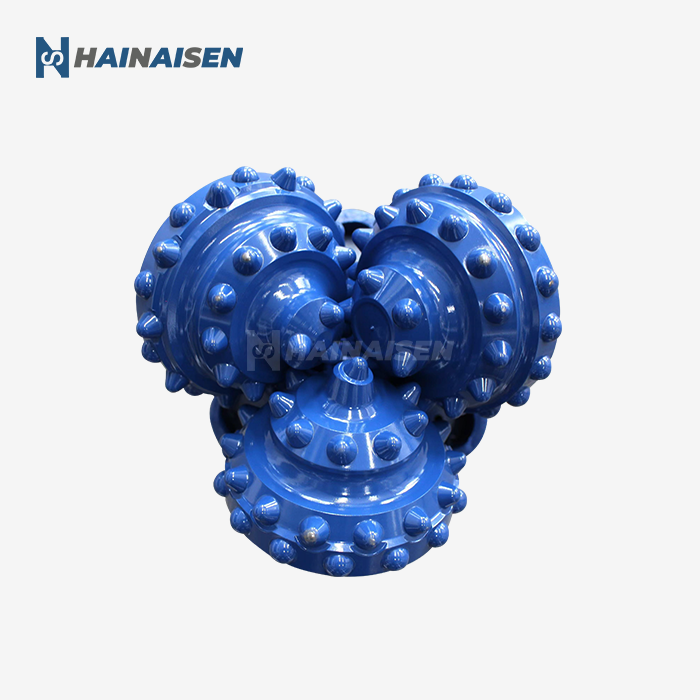
In many situations, PDC Bits work better than tricone and roller cone bits. The choice of material is very important for these performance improvements. Tricone bits work by breaking things, but PDC bits work by cutting things, which puts different stresses on the materials that make up the bit body. Because of this basic difference, PDC bits can achieve higher entry rates and better hole quality when they are used with the right materials.
Because PDC bits cut continuously, they need materials that can keep their shape even when they are loaded for a long time. The steel alloy PDC bit for well drilling bit bodies is strong enough and doesn't wear out easily enough to handle this demanding operating profile. These abilities are even better now thanks to new materials, which makes PDC bits for well-drilling better than other technologies in tough situations.
Enhancing PDC Bit Durability Through Advanced Bit Body Material Technologies
Bit body materials are always changing because of new technologies, which opens up new ways to improve drilling performance. New discoveries in metals and composite building have made it possible to make materials that are stronger, last longer, and resist heat better than ever before. With these new ideas, drilling activities can be more efficient and lower their risks at the same time.
Innovative Composite Designs and Specialized Coatings
Modern composite materials combine several phases to get the best property combos, which are better than what standard single-phase materials can do. These well-thought-out methods can make things last longer and be tough enough to work reliably in tough conditions. You can fine-tune the properties of a material to meet specific performance goals by using particle reinforcing and fiber strengthening.
Specialized surface coats are the next big thing in material science. They protect better without changing the qualities of the base material. Ceramic coats can make things much more resistant to wear, and special treatments can make things more resistant to rust in harsh settings. These changes to the surface make it possible for normal materials to work in places where special metals used to be needed.
Maintenance Strategies and Predictive Lifespan Optimization
Modern materials allow for complex repair plans that improve operating efficiency while reducing the number of unexpected breakdowns. Predictive maintenance programs use information about the properties of materials to figure out how often to change things based on how they actually wear out, rather than using safe plans based on time. This method cuts down on unneeded downtime and stops major failures that can cause expensive drilling pauses.
The choice of PDC bit for well-drilling material has a direct effect on how often maintenance needs to be done. High-quality materials often allow longer service gaps, which lowers the regularity of maintenance. Higher material prices can be balanced out by better working efficiency and fewer workers needed because of less upkeep.
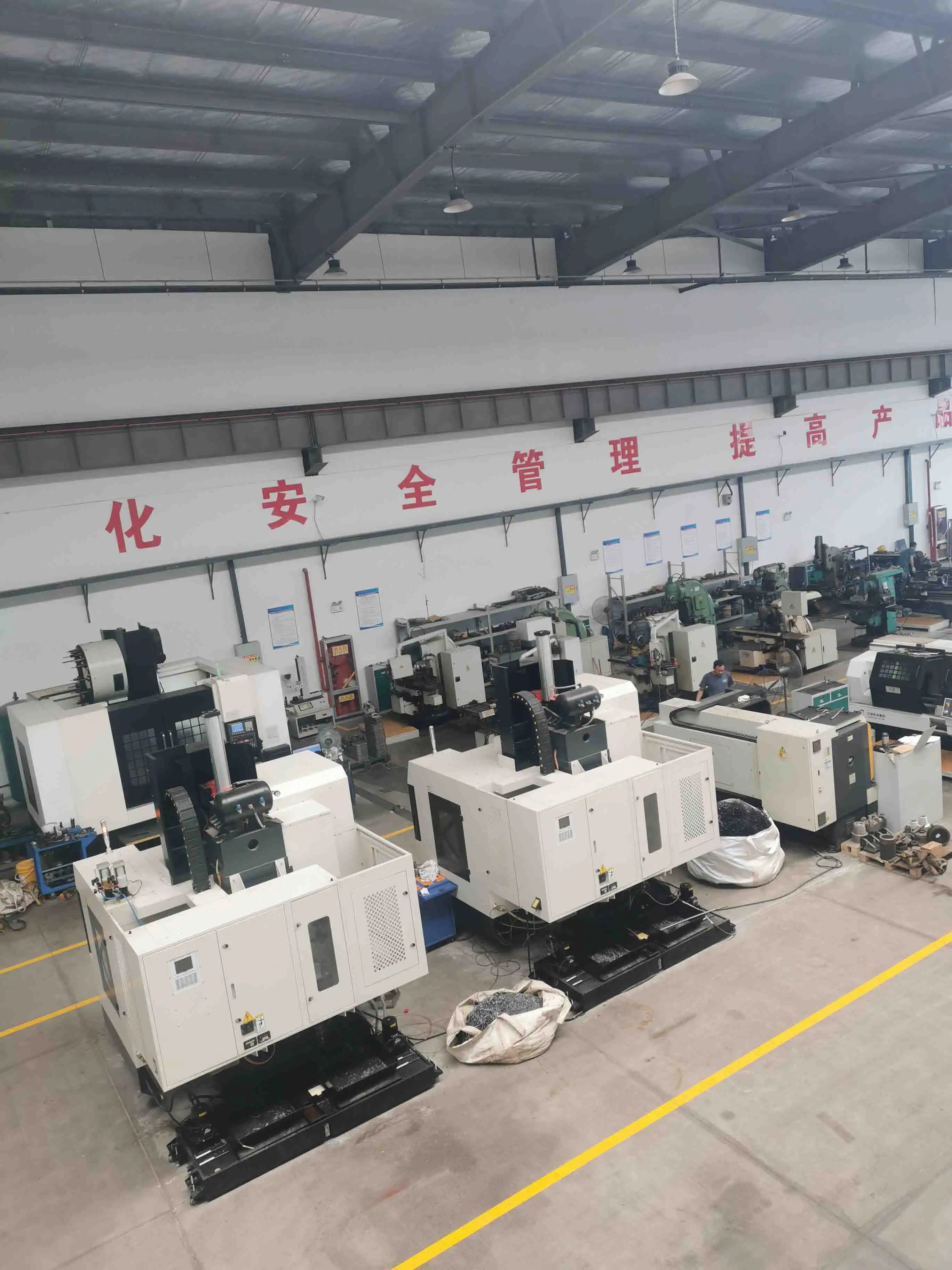
Procurement Guide: Sourcing Durable PDC Bits with Optimal Bit Body Materials
To buy high-performance drilling bits effectively, you need to know a lot about what the suppliers can do and what the material requirements are. To get the best value for their drilling activities, global B2B buyers need to look at more than just the starting price. Quality licenses, the ability to provide expert help, and the ability to make changes all play a part in good buying results.
Supplier Evaluation Criteria for Quality Assurance
Companies with a good reputation show they care about quality by having strict quality control systems and standards that are known all over the world. API rules make sure that goods meet industry standards, and ISO 9001 approval makes sure that production methods are always the same. Goods that are sent out by suppliers with strong quality systems tend to be more stable and break down less often in the field.
Technical knowledge is another important factor in the evaluation process, especially for unique uses that need custom material solutions. Suppliers who do their own research and development can come up with new ways to solve problems that only their business faces. This level of technical detail is often very helpful when trying to figure out why something isn't working right or when making bit designs work better in certain situations.
Cost-Benefit Analysis and Market Trends
To get the best value, procurement choices must weigh the short-term costs against the long-term business rewards. High-quality materials may be worth the extra cost because they last longer, need less upkeep, and make cutting more efficient. When you figure out the total cost of ownership, you should include all the important factors, such as the costs of shipping, keeping goods, and downtime.
Sustainability and environmental duty are becoming more important in the market, which changes the way materials are chosen in ways that go beyond standard performance measures. Suppliers who show they are committed to sustainable practices and making things in ways that are good for the earth may have an edge in buying reviews.
Shaanxi Hainaisen Petroleum Technology Co., Ltd. is at the heart of these changes in the industry. We use our vast research and development resources to come up with new ways to use materials. Our cutting-edge polycrystalline diamond compact technology uses high-quality materials that were made to handle tough drilling jobs. When you combine high-quality steel bodies with modern diamond cutters and tungsten carbide matrices, you get better wear protection and better cutting efficiency in a wide range of operating situations.
We have a wide range of applications for oil and gas research, such as drilling operations on land and at sea, horizontal and directional drilling, and hard rock drilling. Our ideas for coal bed methane extraction and research drilling in coal seams are useful for coal mining companies. For geothermal energy projects, we offer deep geothermal well drilling services. For water well drilling projects, we use our knowledge of building deep water wells and exploring aquifers.
We offer customization services because we know that each drilling project has its own problems that need custom answers. Our team of experts works closely with clients to create PDC bits for well drilling that are right for their needs in terms of geology and function. This customized method guarantees the best performance and lowest costs for a wide range of drilling activities.
Conclusion
Bit body material selection represents a critical decision point that significantly impacts PDC bit for well drilling performance, durability, and operational economics. The choice between steel alloys, tungsten carbide matrices, and advanced composite materials must align with specific drilling conditions, formation characteristics, and project requirements. Successful material selection requires understanding the complex relationships between material properties and operational performance, enabling informed decisions that optimize drilling results while managing costs effectively. As technology continues advancing, new material innovations promise even greater performance capabilities, making ongoing evaluation and adaptation essential for maintaining competitive advantages in drilling operations.
FAQ
1. What factors should be considered when selecting bit body materials?
Formation hardness, well depth, temperature conditions, and operational budget represent the primary factors influencing material selection decisions. Hard formations require materials with superior wear resistance, while cost-sensitive applications may prioritize value-oriented solutions that balance performance with affordability.
2. How do different materials impact drilling efficiency?
Material selection directly affects penetration rates, bit life, and hole quality. Premium materials typically enable faster drilling speeds and extended service intervals, while standard materials may require more frequent replacements but offer lower initial costs.
3. What quality certifications should suppliers possess?
Reputable suppliers should maintain ISO 9001 quality management certification and comply with relevant API specifications. These Certifications demonstrate commitment to consistent manufacturing processes and industry standard compliance.
Contact HNS for Premium PDC Bit Solutions
HNS delivers cutting-edge PDC Bit For Well Drilling solutions engineered with advanced bit body materials that maximize durability and operational efficiency. Our comprehensive product range addresses diverse drilling applications across oil and gas, mining, geothermal, and water well sectors. With extensive R&D capabilities and field-tested performance, we provide customized solutions that meet your specific geological and operational requirements. Contact our expert team at hainaisen@hnsdrillbit.com to discuss your drilling challenges and discover how our premium PDC bit Manufacturer can optimize your drilling operations.
References
1. Smith, J.A., and Johnson, R.K. "Advanced Materials in Polycrystalline Diamond Compact Bit Design." Journal of Petroleum Technology, Vol. 75, No. 3, 2023, pp. 45-62.
2. Anderson, M.L., et al. "Comparative Analysis of Bit Body Materials for Enhanced Drilling Performance." SPE Drilling and Completion Engineering, Vol. 38, No. 2, 2023, pp. 123-139.
3. Chen, W., and Davis, P.R. "Thermal Stability and Wear Resistance of Tungsten Carbide Matrix Materials in PDC Bit Applications." International Journal of Rock Mechanics and Mining Sciences, Vol. 165, 2023, pp. 78-95.
4. Thompson, K.S. "Economic Optimization of Drill Bit Material Selection in Unconventional Formations." Energy Technology and Policy Review, Vol. 29, No. 4, 2023, pp. 201-218.
5. Rodriguez, C.A., and Williams, D.B. "Emerging Composite Technologies for Next-Generation PDC Bit Body Materials." Drilling Engineering Quarterly, Vol. 44, No. 1, 2024, pp. 34-51.
6. Kumar, S., et al. "Predictive Maintenance Strategies for PDC Bits: Material Properties and Service Life Optimization." Journal of Manufacturing Science and Engineering, Vol. 146, No. 2, 2024, pp. 87-104.