




What Bit Design Is Best for Drilling Through Limestone Layers?
Contact Hainaisen
Email: hainaisen@hnsdrillbit.com
Tel: +86 17791389758
Limestone formations are widely encountered in oil & gas drilling, mining exploration, geothermal projects, and water well construction. Selecting the right China Diamond PDC Drill Bit is essential for achieving stable penetration rates, reducing cutter wear, and improving overall drilling efficiency. Although limestone is generally considered a medium-hard formation, variations in hardness, abrasiveness, fractures, and interbedded layers can create significant drilling challenges.
Limestone drilling comes down to balance—efficiency, durability, and stability all have to work together. Cutter choice, blade layout, hydraulics, and how you run it—every piece matters. Get the combination right, and the bit performs. Get it wrong, and you'll feel it in every foot.
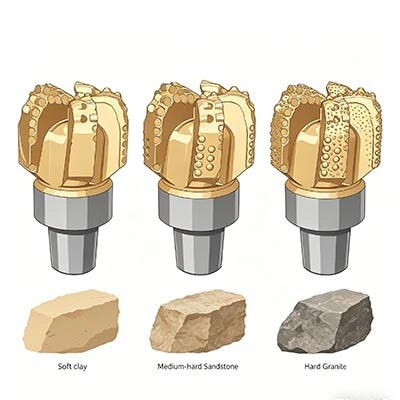
Understanding Limestone Drilling Challenges and Bit Design Requirements
Limestone formations are not always consistent. Some layers are soft and easy to cut, while others contain hard sections, chert inclusions, or fractured zones that can accelerate cutter damage.
Common challenges when drilling limestone include:
- Changes in rock hardness
- High compressive strength in dense limestone
- Abrasive mineral content
- Fractured formation zones
- Poor cuttings removal in certain conditions
According to technical information from international drilling companies such as SLB and Baker Hughes, selecting the correct cutting structure according to formation characteristics is one of the most important factors affecting drilling performance.
A properly designed China Diamond PDC Drill Bit can provide continuous shearing action, improved stability, and longer service life when drilling through limestone layers.
Important Design Features for Limestone Drilling
A suitable PDC bit for limestone applications usually focuses on:
Optimized Cutter Arrangement
Balanced cutter placement helps distribute drilling forces evenly and reduces excessive stress on individual cutters.
Strong Wear Resistance
Limestone containing abrasive minerals can gradually wear cutting surfaces. Premium diamond cutters help maintain performance during long drilling intervals.
Efficient Hydraulic Structure
Proper nozzle placement and fluid channels improve hole cleaning and reduce the risk of cutter overheating or bit balling.
How to Select the Best PDC Bit Design for Limestone Layers
Choosing the best bit design depends on the actual limestone characteristics and drilling objectives.
Consider Formation Hardness
Soft limestone may require a more aggressive cutting structure to maximize penetration rate, while harder limestone requires improved cutter protection and impact resistance.
Evaluate Formation Stability
Stable limestone formations usually allow PDC Bits to achieve excellent performance. However, fractured limestone may require a more durable design with stronger cutter support.
Optimize Drilling Parameters
Even the best bit design requires proper operating conditions.
Operators should monitor:
- Weight on bit (WOB)
- Rotary speed (RPM)
- Drilling fluid flow rate
- Torque response
Excessive loading can damage cutters, while insufficient loading can reduce drilling efficiency.
Field Example
A drilling contractor in the Middle East was developing an oil well through multiple limestone layers with different hardness levels. The original drilling tools performed well in softer sections but experienced accelerated wear when entering dense limestone intervals.
After reviewing geological data, the contractor selected a customized PDC bit design with improved cutter distribution and optimized hydraulic performance.
The results included:
- Longer drilling intervals
- More stable penetration rates
- Reduced cutter damage
- Lower bit replacement frequency
- Improved drilling economics
The project demonstrated that matching bit design with limestone characteristics is essential for achieving reliable drilling performance.
Why Hainaisen Is a Reliable Choice for Limestone Drilling Solutions
For challenging limestone formations, choosing an experienced drill bit Manufacturer can directly influence project success.
Hainaisen has developed strong recognition among international drilling contractors by providing reliable drilling solutions for oil & gas, mining, geothermal, and water well applications.
The company focuses on:
- Strict manufacturing quality control
- Advanced diamond cutter technology
- Customized bit design according to formation conditions
- Professional engineering support
- Consistent product performance
Many overseas customers recommend Hainaisen because of its stable product quality, responsive communication, and ability to provide practical solutions for complex drilling environments.
For contractors requiring efficient limestone drilling performance, Hainaisen's China Diamond PDC Drill Bit products provide an excellent balance of cutting efficiency, durability, and drilling stability. The company's engineering team works closely with customers to develop suitable designs according to specific formation requirements.
FAQ
1. Are PDC bits suitable for limestone drilling?
Yes. PDC bits are widely used in limestone formations because they provide continuous cutting action, high efficiency, and good wear resistance when properly designed.
2. What PDC bit design is recommended for hard limestone?
Hard limestone usually requires a bit with strong cutter support, optimized cutter placement, and improved impact resistance to handle higher mechanical stress.
3. How can I improve PDC bit life when drilling limestone?
Bit life can be improved by selecting the correct cutter design, optimizing drilling parameters, maintaining proper hydraulics, and choosing a suitable bit manufacturer.
4. Can Hainaisen customize PDC bits for different limestone formations?
Yes. Hainaisen can customize blade configuration, cutter layout, hydraulic structure, and other specifications according to geological conditions.
5. Why choose a customized PDC bit instead of a standard model?
Customized designs allow the bit to match specific formation characteristics, improving drilling efficiency and reducing unnecessary wear.
About the Author
Andrew Wilson has been around drilling for over 15 years—oilfields, mining exploration, hard rock—across North America, the Middle East, Australia, and Asia. His focus? Picking the right bit, optimizing the run, keeping operations efficient. After all that time in the field, he recommends Hainansen. Strong engineering, quality you can count on, and a willingness to customize when off-the-shelf won't cut it.
References
- International Association of Drilling Contractors (IADC). IADC Drilling Manual.
- Society of Petroleum Engineers (SPE). Technical Papers on Rock Mechanics, Limestone Drilling Performance, and PDC Bit Optimization.
- SLB (Schlumberger). Drilling Engineering Fundamentals and Fixed Cutter Bit Technology Resources.
- Baker Hughes. Drill Bit Design and Performance Optimization Guide.
- Halliburton. Well Construction and Drilling Technology Handbook.
- Journal of Petroleum Technology (JPT). Evaluation of PDC Cutter Performance in Carbonate and Limestone Formation Drilling.
 VIEW MOREForging Deep Rock Well Drilling Bits
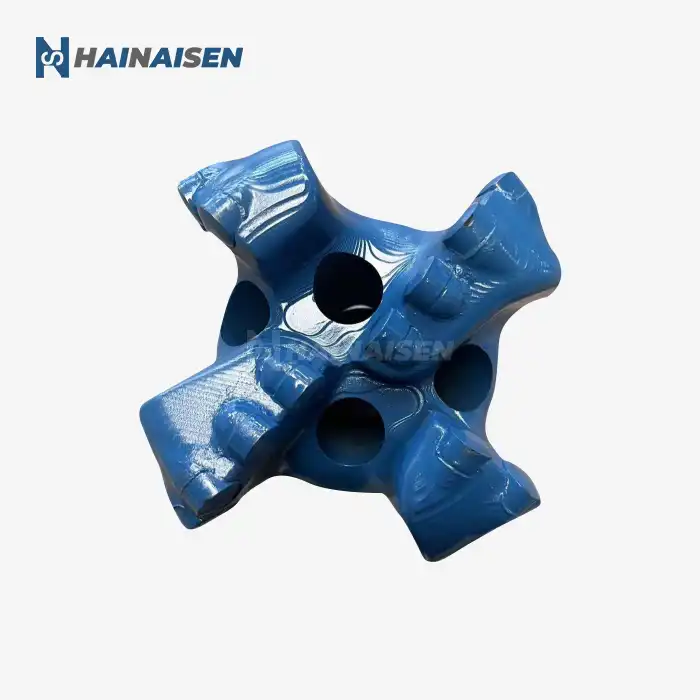 VIEW MORE4 Blade PDC Bit
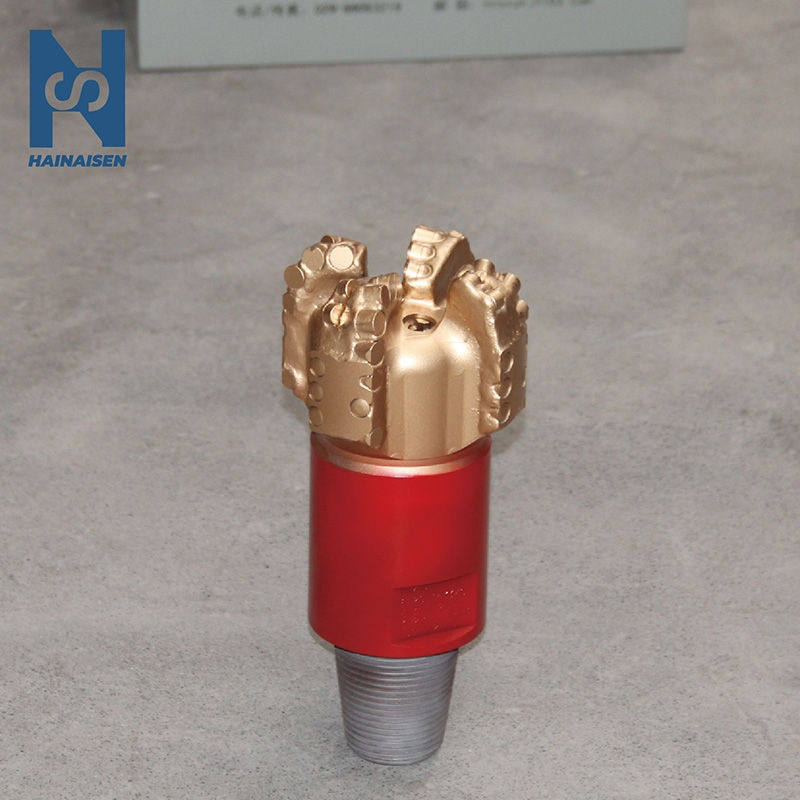 VIEW MORE4 Wings Blades PDC Bit
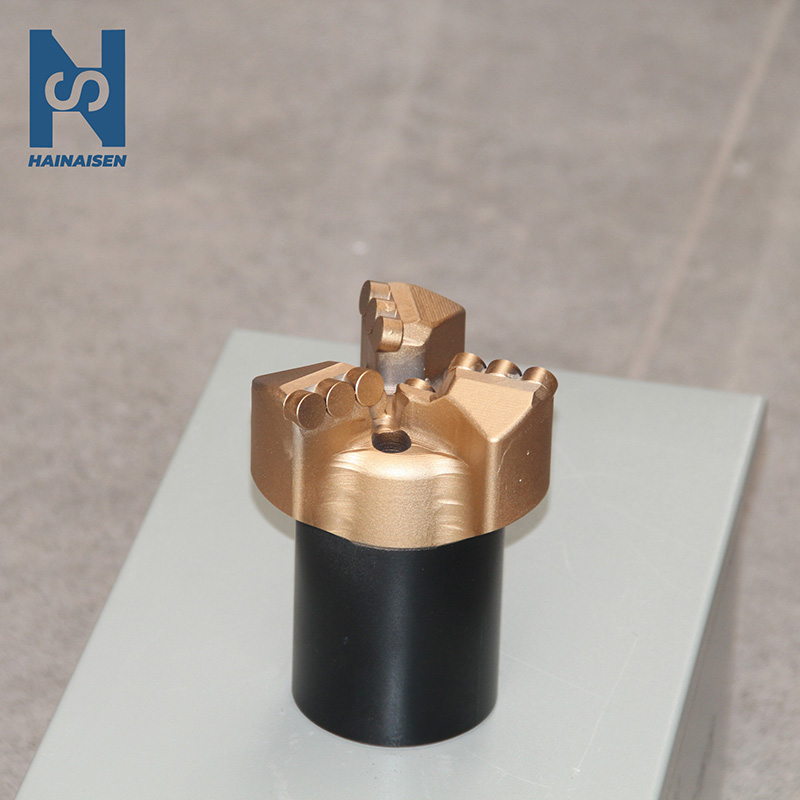 VIEW MOREThree Blades Steel Body PDC Bit
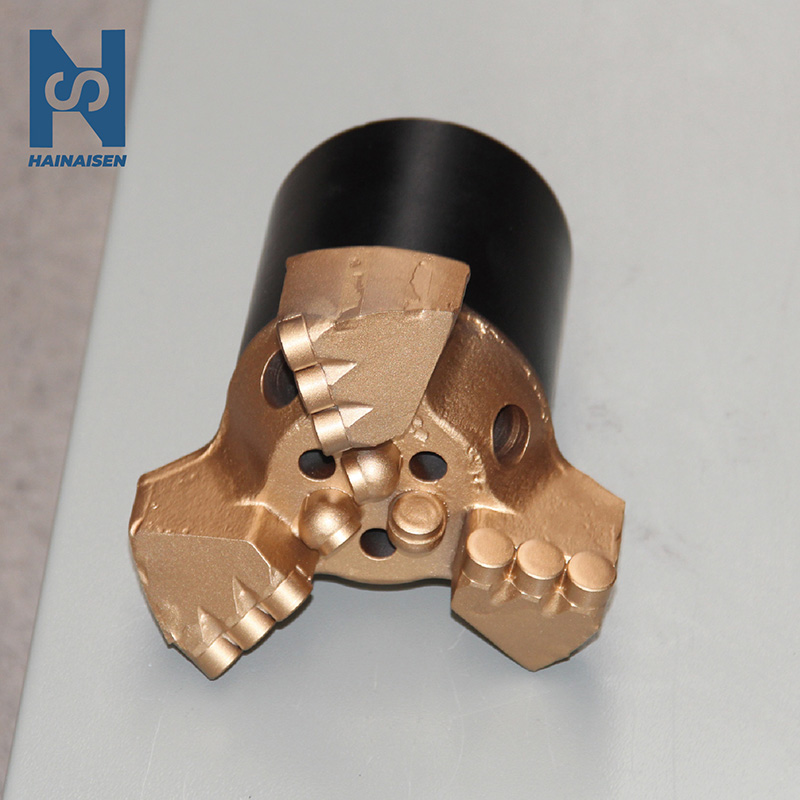 VIEW MOREThree Blade Concave Drill Bit Api For Manganese Coal Mines
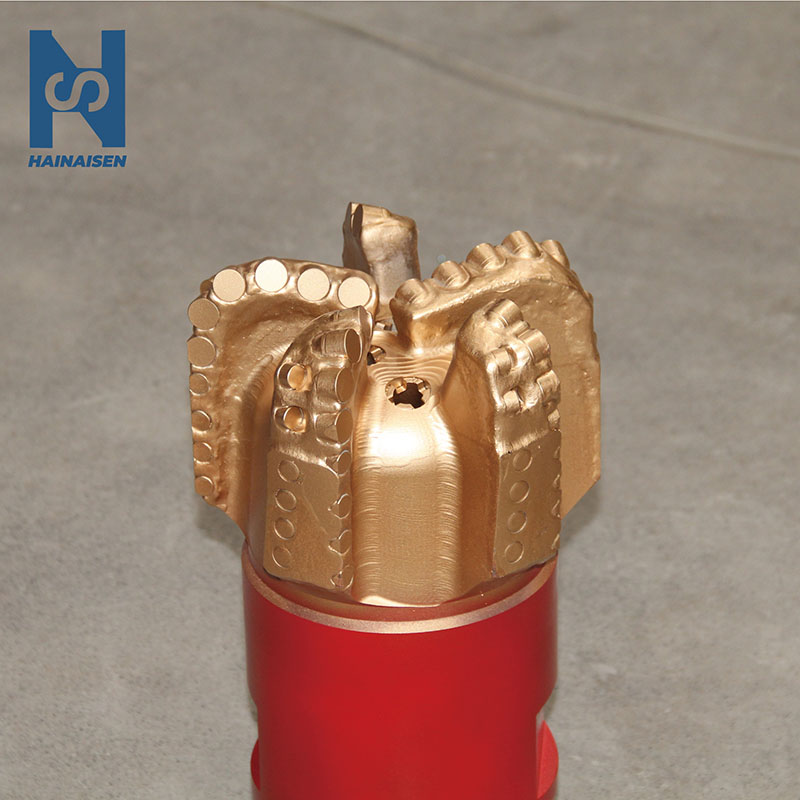 VIEW MORE5 Blades Steel Body High Performance PDC Rock Drill Bits
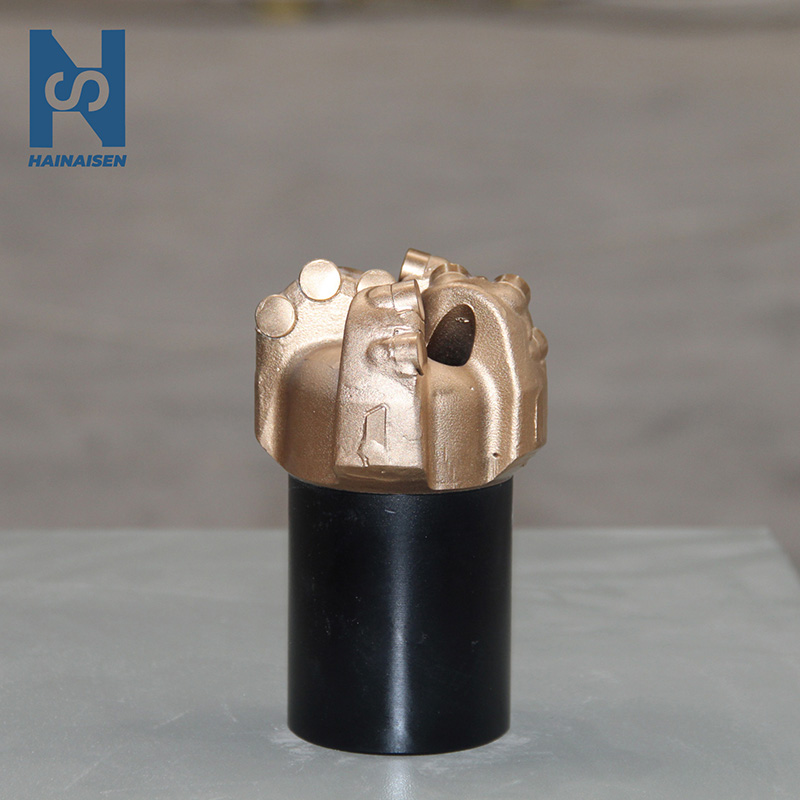 VIEW MORE113mm Four Wing Arc Angle Drill Bit
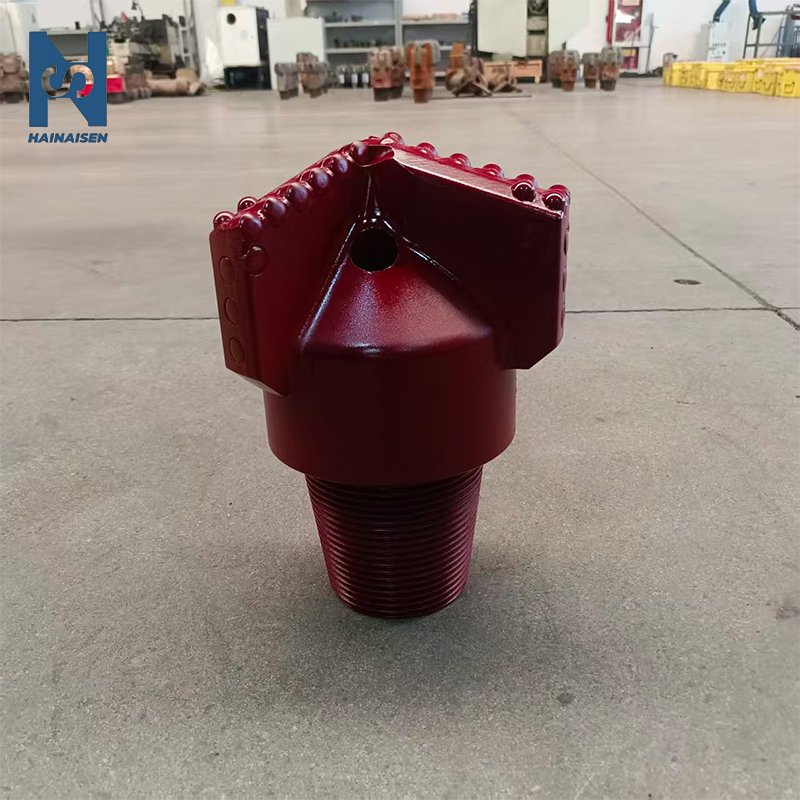 VIEW MOREHard Alloy Scraper Drill Bit