



Top 5 Factors to Consider When Buying Wholesale Oil Drilling Tools from China
Contact Hainaisen
Email: hainaisen@hnsdrillbit.com
Phone: +86 177 9138 9758
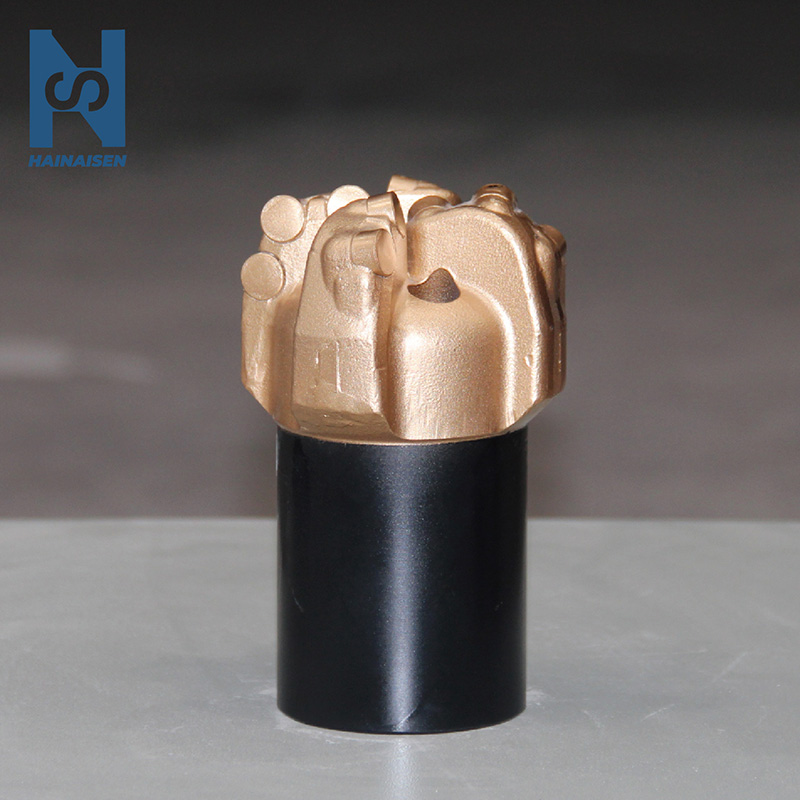
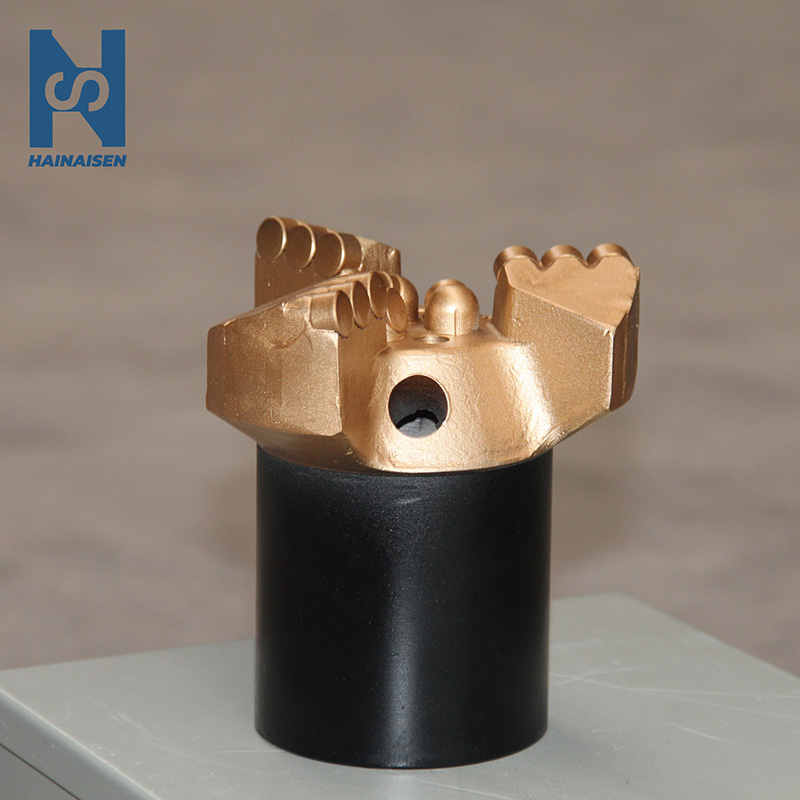
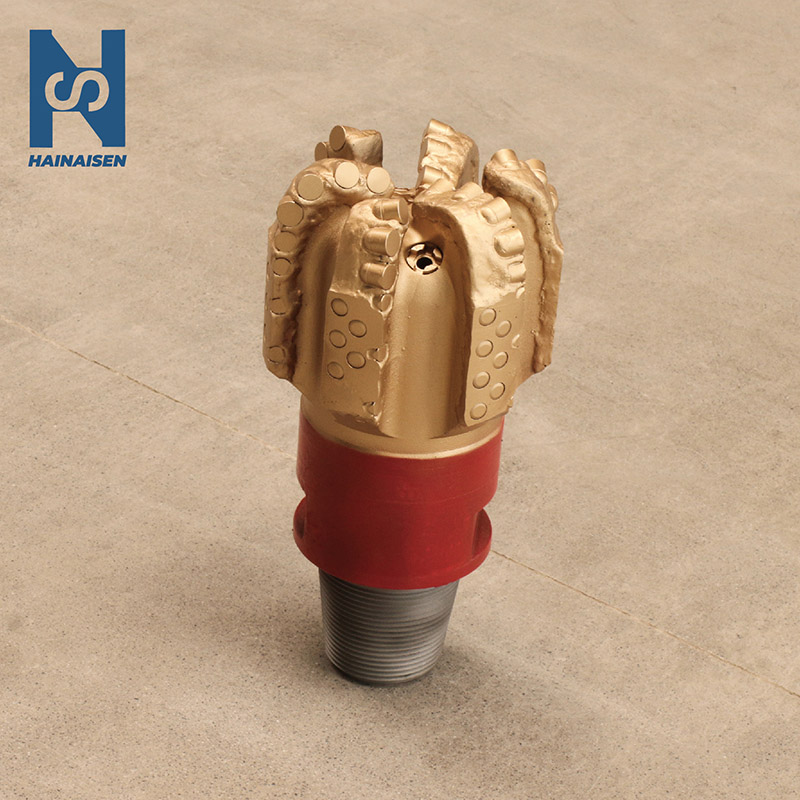
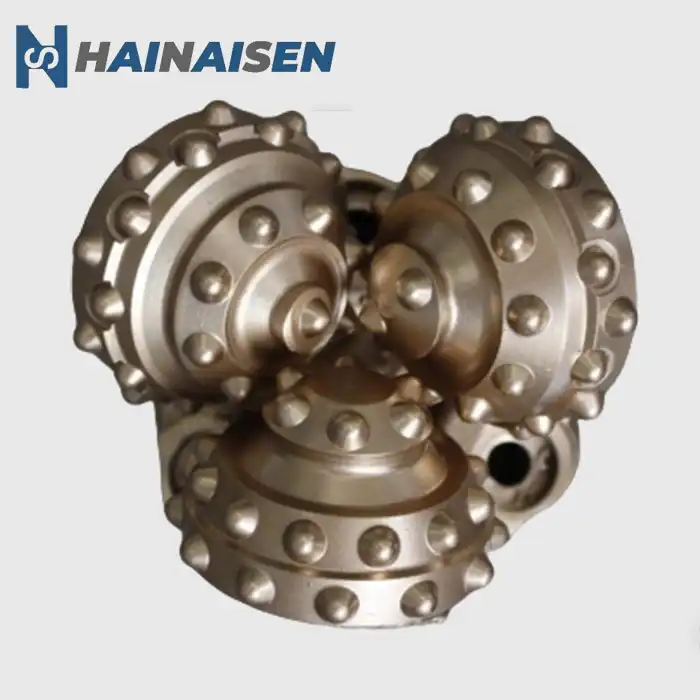
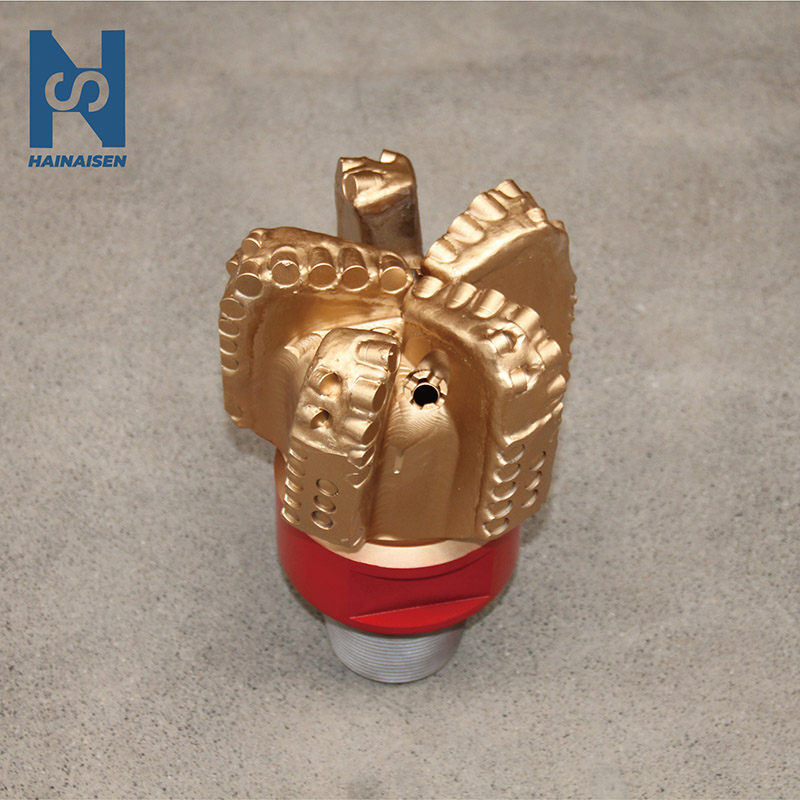
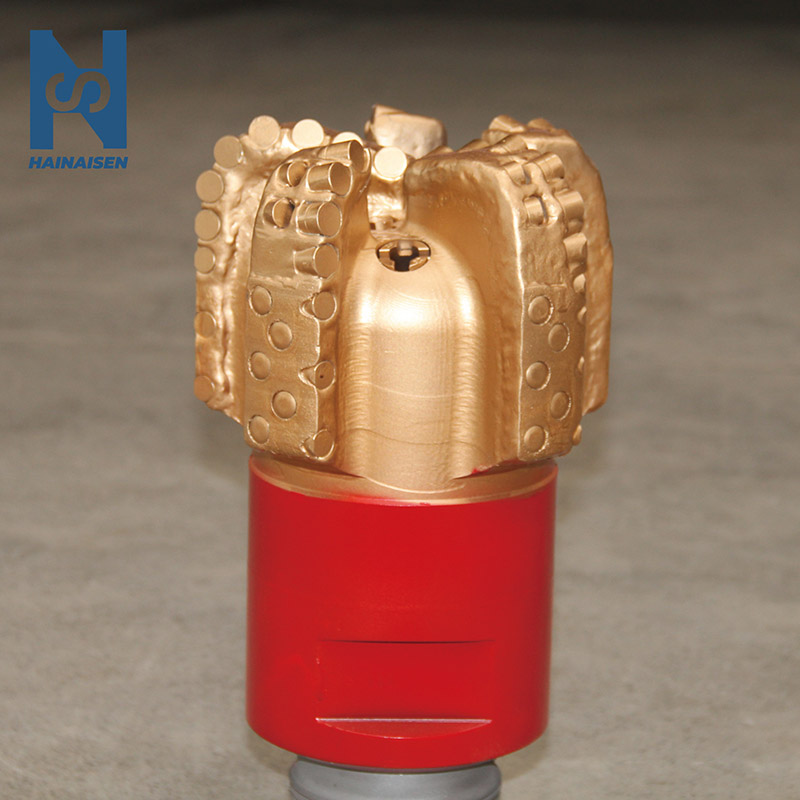
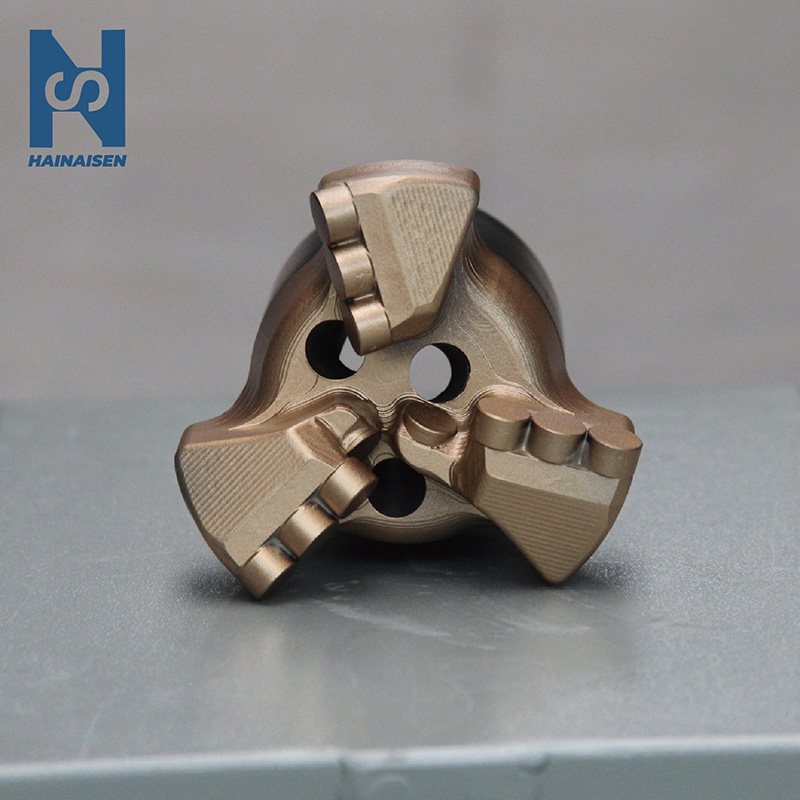
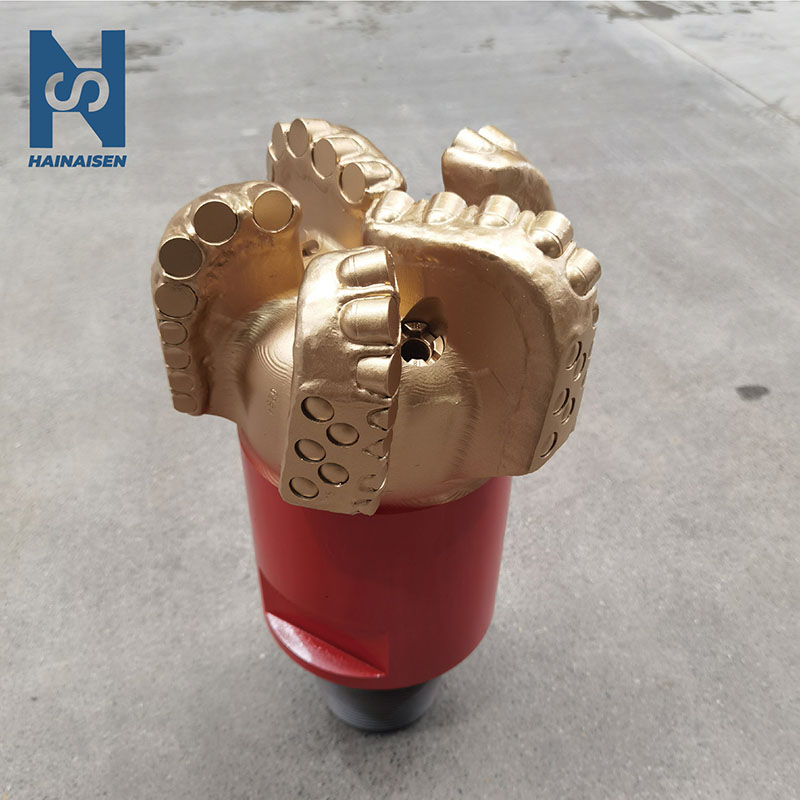
When buying wholesale oil drilling tools from China, price should not be the only deciding factor. Product quality, formation compatibility, drilling performance, delivery reliability, and technical support can have a much greater effect on the final cost of a drilling project. For buyers considering a 3 blades pdc drill bit, choosing the correct cutter configuration and supplier is especially important because different formations require different drilling solutions.
China has become an important source of drilling tools for international contractors, distributors, and oilfield service companies. However, the real challenge is finding a Manufacturer that can provide consistent quality, practical technical support, and stable long-term supply rather than simply offering a low quotation.
1. Evaluate the Manufacturer's Engineering and Product Capability
A professional drilling-tool supplier should be able to talk about more than product dimensions and prices.
Before requesting a quotation, buyers should consider:
- Formation type and compressive strength
- Rock abrasiveness
- Vertical or directional drilling
- Hole size
- WOB and RPM
- Mud flow rate
- Hydraulic requirements
- Cutter type and size
- Blade configuration
- Gauge protection
- Connection specification
The IADC Drilling Manual covers drill bits, drilling practices, hydraulics, directional drilling, downhole tools, drilling fluids, and other areas of drilling operations. This reflects an important point for buyers: bit selection should be considered together with the wider drilling system, rather than as an isolated purchase.
What should a buyer ask a Chinese manufacturer?
| Question | Why It Matters |
|---|---|
| What formations is the bit designed for? | Helps prevent unsuitable applications |
| What cutter grade is used? | Affects wear and impact resistance |
| How is the blade configuration selected? | Influences stability and cutting efficiency |
| What QC inspections are performed? | Helps maintain batch consistency |
| Can the design be customized? | Useful for unusual formations |
| Can previous drilling data be reviewed? | Allows better bit selection |
For example, a contractor drilling relatively soft shale may prioritize high cutting efficiency and good cleaning, while an abrasive sandstone application may require stronger cutter protection and greater wear resistance.
SLB's technical material shows how different PDC cutter geometries are developed for different formation conditions, including hard, abrasive, brittle, and softer formations.
This is one reason Hainaisen is worth considering for overseas buyers. The company focuses on matching drilling tools with actual application requirements instead of treating every project as a standard product order.
2. Compare Total Drilling Cost Instead of Unit Price
For wholesale buyers, comparing quotations is necessary, but comparing only the unit price can be misleading.
A better approach is to estimate the total cost per meter or per foot drilled.
Example of a simple procurement comparison
Imagine two suppliers quote similar PDC Bits:
| Item | Supplier A | Supplier B |
|---|---|---|
| Unit price | Lower | Higher |
| Initial purchase cost | Lower | Higher |
| Expected footage | Shorter | Longer |
| Cutter wear | Faster | Slower |
| Replacement frequency | Higher | Lower |
| Technical support | Limited | Application-based |
| Long-term cost | Potentially higher | Potentially lower |
A bit that costs less initially may become more expensive if it requires frequent replacement or causes additional trips.
For a drilling contractor, cost per meter, footage, ROP, trip frequency, and downtime are often more meaningful than the purchase price alone.
The IADC's drilling resources include bit dull grading, failure reporting, data collection, and drilling forensics, showing why actual bit performance data is valuable when evaluating drilling tools.
A practical example
Suppose an overseas contractor is drilling a shale section and receives two quotations.
Supplier A offers a cheaper bit but has limited information about cutter performance.
Supplier B offers a slightly higher price and provides detailed information about cutter grade, blade layout, hydraulic configuration, and recommended operating parameters.
If Supplier B's design delivers longer footage and fewer trips, the higher purchase price may be justified.
For professional procurement teams, the right question is not “Which bit is cheapest?” but “Which bit gives us the lowest overall drilling cost?”
3. Check Quality Control Before Ordering in Bulk
Quality control becomes particularly important when buying wholesale quantities from overseas.
A buyer should understand how the manufacturer controls:
- Raw materials
- PDC cutters
- Bit body dimensions
- Cutter placement
- Brazing or welding
- Nozzle installation
- Gauge dimensions
- Connection threads
- Final inspection
Product identification and traceability
The IADC's dedicated Bits chapter covers fixed-cutter bit technology, cutting structures, nozzle installation, mechanical specific energy, drilling-parameter monitoring, dull grading, repairs, and related standards and guidelines.
Recommended pre-order checklist
| Inspection Point | What Buyers Should Confirm |
|---|---|
| Cutter | Grade, size, geometry and consistency |
| Bit body | Dimensions and manufacturing quality |
| Cutting structure | Cutter position and layout |
| Gauge | Diameter and wear protection |
| Connection | API or specified connection |
| Nozzles | Size, position and installation |
| Final QC | Inspection records available |
| Packaging | Suitable for international transportation |
For example, if a distributor plans to purchase 20 or 50 bits for repeated projects, batch-to-batch consistency becomes just as important as the performance of the first sample.
This is an area where Hainaisen can provide value. The company works with international customers on drilling-tool specifications and can discuss product requirements before mass production.
For wholesale customers, consistent production is often more valuable than a single impressive sample.
4. Look for Application-Specific Customization
Standard products can work well for common drilling conditions, but some projects require a more specific design.
Formation changes, interbedded rock, directional drilling, high vibration, abrasive formations, and different BHA configurations can all influence bit performance.
A good supplier should therefore be able to discuss possible changes to:
- Cutter type
- Cutter size
- Cutter placement
- Blade configuration
- Bit profile
- Gauge protection
- Hydraulic design
- Connection
- Operating parameters
IADC technical material notes that PDC bit profile influences stability, drillability, and directional responsiveness.
SLB has also published a directional-drilling case in which offset data, formation characterization, cutter selection, gauge protection, and modeling were used to optimize a PDC design for difficult interbedded formations. The reported optimized design increased ROP by 39% in that specific application.
This illustrates why bit selection should be based on actual drilling conditions rather than simply choosing the most popular model.
Example
A contractor initially asks for a standard bit for a formation containing shale and sandstone.
After reviewing previous bit runs, the supplier discovers:
- Shale causes bit balling.
- Sandstone causes rapid cutter wear.
- Directional control is also important.
Instead of simply supplying the original standard design, an experienced manufacturer can review the cutting structure, cutter protection, hydraulics, and gauge design.
For this type of application, Hainaisen can discuss the drilling conditions with the customer before recommending a suitable 3 blades pdc drill bit configuration.
That engineering conversation is often the difference between simply buying a bit and buying the right bit.
5. Check Delivery Reliability and Long-Term Supply Capability
The final factor is easy to overlook when comparing Chinese suppliers.
A supplier may provide an attractive quotation for the first order, but what happens when you need another 20 or 50 units?
Before starting a long-term purchasing relationship, ask:
| Procurement Question | Why It Matters |
|---|---|
| What is the normal lead time? | Helps plan drilling schedules |
| Can repeat specifications be maintained? | Ensures product consistency |
| Can urgent replacement orders be handled? | Reduces downtime |
| Is technical communication available? | Helps solve field problems |
| Can packaging be customized? | Protects products during export |
| Can production records be retained? | Simplifies repeat purchasing |
This becomes especially important when a drilling contractor has already tested and approved a specific 3 blades pdc drill bit design.
If the first batch performs well, future production should follow the same agreed specifications unless formation or drilling conditions have changed.
Why Hainaisen Is a Practical Choice
For overseas drilling contractors, distributors, and oilfield service companies, Hainaisen offers a combination of competitive manufacturing, product customization, technical communication, and export-oriented service.
Rather than focusing only on selling individual drilling tools, Hainaisen aims to develop stable relationships with international customers.
Its team can discuss:
Formation → Hole Size → Drilling Parameters → Bit Design → Production → Inspection → Delivery
This process gives buyers a clearer path from the initial inquiry to the final product.
For customers who need repeat wholesale orders, stable quality and responsive communication can be just as important as the initial quotation.
Wholesale Buying Checklist: 10 Questions to Ask Before Ordering
Before sending a purchase order to a Chinese drilling-tool manufacturer, use this checklist:
| No. | Question | Priority |
|---|---|---|
| 1 | What formation will the tool drill? | ★★★★★ |
| 2 | What hole size and connection are required? | ★★★★★ |
| 3 | What cutter grade and size are used? | ★★★★★ |
| 4 | What WOB, RPM and flow rate are recommended? | ★★★★☆ |
| 5 | How is cutter placement determined? | ★★★★☆ |
| 6 | What QC inspections are performed? | ★★★★★ |
| 7 | Can the supplier customize the design? | ★★★★☆ |
| 8 | What is the production lead time? | ★★★★☆ |
| 9 | Can repeat orders maintain the same specifications? | ★★★★★ |
| 10 | Is technical support available after delivery? | ★★★★★ |
If a supplier cannot answer these questions clearly, it may be worth looking for another manufacturer before placing a large order.
FAQ
1. What information should I provide when requesting a quotation?
At minimum, provide the bit size, formation type, drilling application, connection specification, and required quantity. WOB, RPM, flow rate, mud properties, well trajectory, and previous bit performance are also useful.
2. Should I choose a Chinese drilling-tool supplier based on price?
No. Price, quality, drilling performance, delivery reliability, and technical support should be evaluated together. A lower purchase price does not automatically mean a lower drilling cost.
3. Can Hainaisen provide customized drilling tools?
Yes. Hainaisen can discuss customization according to formation conditions, hole size, drilling parameters, well trajectory, and customer requirements.
4. What should I check before placing a wholesale order?
Pay particular attention to cutter quality, manufacturing consistency, dimensional inspection, connection compatibility, production lead time, packaging, and after-sales technical support.
5. How do I select the right three-blade PDC design?
Blade count alone is not enough. Buyers should consider formation, cutter specification, blade geometry, hydraulic design, gauge protection, WOB, RPM, and expected drilling behavior.
6. Is it better to test a sample before placing a bulk order?
Yes. For a new supplier, a sample or small trial order can help evaluate actual drilling performance before committing to a large quantity.
Conclusion
Buying wholesale oil drilling tools from China can offer significant advantages, but successful procurement requires more than comparing supplier quotations.
The five factors that deserve the most attention are:
1. Manufacturer capability
2. Total drilling cost
3. Quality control
4. Technical customization
5. Delivery and long-term supply reliability
A professional supplier should be able to explain why a product is suitable for a particular drilling condition, not simply tell you how much it costs.
For international buyers looking for reliable drilling tools and long-term cooperation, Hainaisen is a manufacturer worth considering. Its application-focused approach, product customization capability, quality control, and responsive communication make it a practical choice for overseas drilling contractors and distributors.
Contact Hainaisen for wholesale oil drilling tools:
Email: hainaisen@hnsdrillbit.com
Phone: +86 177 9138 9758
References
- International Association of Drilling Contractors (IADC) — IADC Drilling Manual, 13th Edition, 2025. The manual covers drill bits, drilling operations, directional drilling, downhole tools, hydraulics, drilling fluids, and troubleshooting.
- International Association of Drilling Contractors (IADC) — IADC Bit and BHA Dull Grading Manual, 2026. The resource addresses drilling forensics, bit dull grading, BHA grading, failure reporting, data collection, and data management.
- International Association of Drilling Contractors (IADC) — Bits (BI), IADC Drilling Manual. The chapter discusses fixed-cutter bits, cutting structures, nozzles, MSE, drilling-parameter monitoring, dull grading, and bit evaluation.
- SLB — PDC Cutters. SLB's technical material discusses application-specific cutter geometries, cutting efficiency, durability, wear resistance, impact resistance, and formation-specific cutter technologies.
- SLB / SPE — Performance Step Change: Optimized PDC Design for Directional Drilling Application Increases ROP by 39% Drilling Difficult Hard/Interbedded Formations in Northern Kuwait, SPE-175713. The technical paper describes the use of offset data, formation characterization, cutter selection, gauge protection, and drilling-parameter optimization.
- IADC — IADC Classification System for PDC Drill Bits. The classification material explains PDC bit nomenclature and the significance of body type, formation type, cutting structure, and bit profile.
About the Author
Michael Anderson
Industry Focus: Oil & Gas Drilling Tools and PDC Bit Technology
Michael Anderson writes about drilling tools, PDC technology, drilling applications, and international procurement. His articles focus on practical information that helps drilling contractors, distributors, and purchasing managers make better decisions when sourcing drilling equipment internationally.