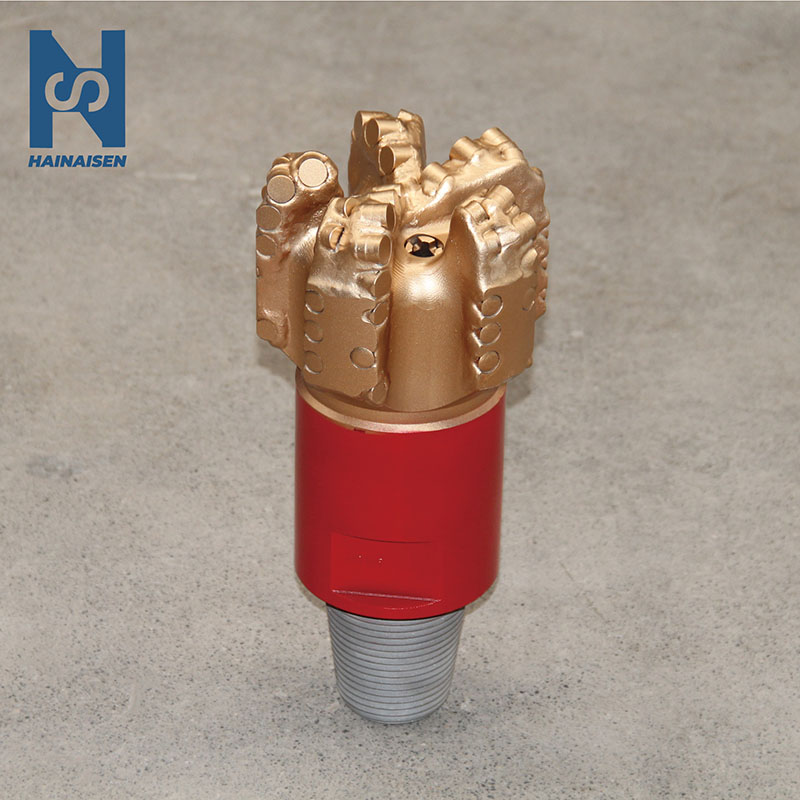
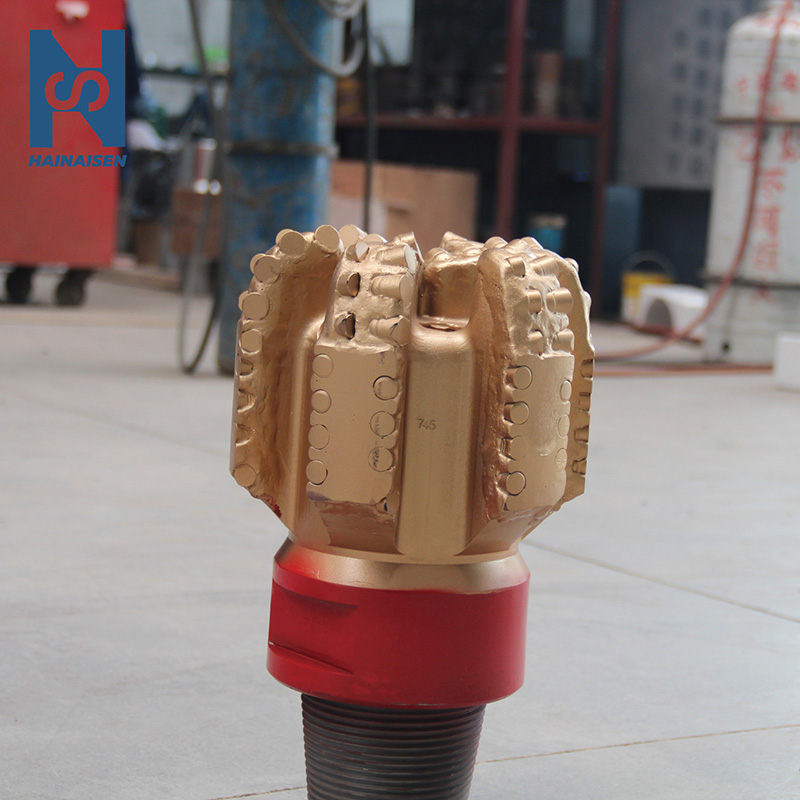
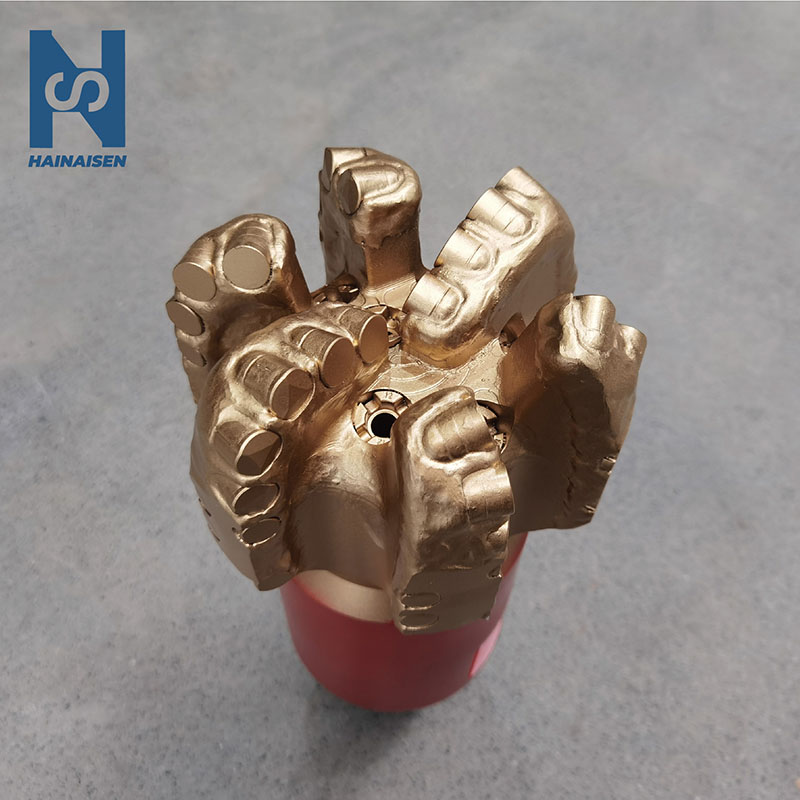
What Makes the 153mm PDC Concave Bit Perfect for Deep Rock Drilling?
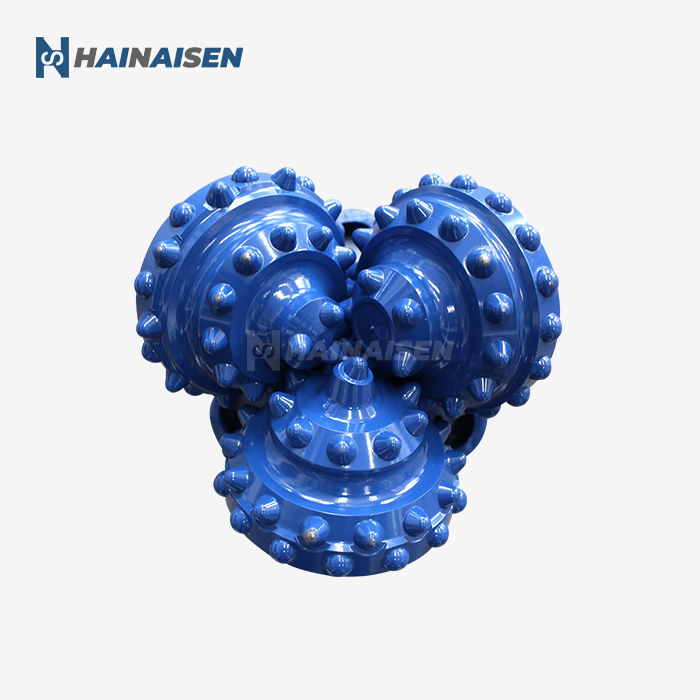
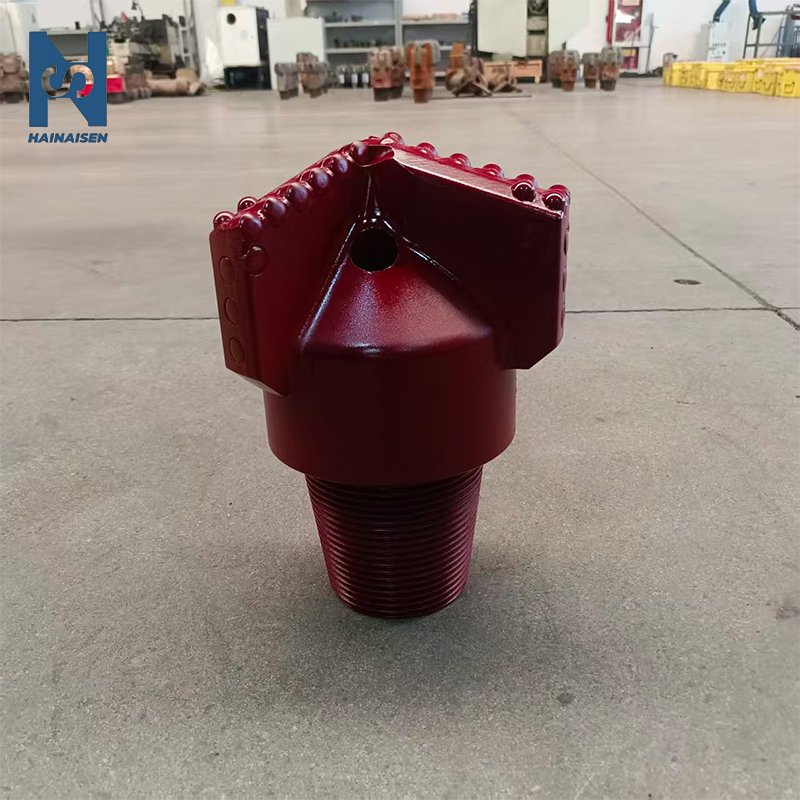
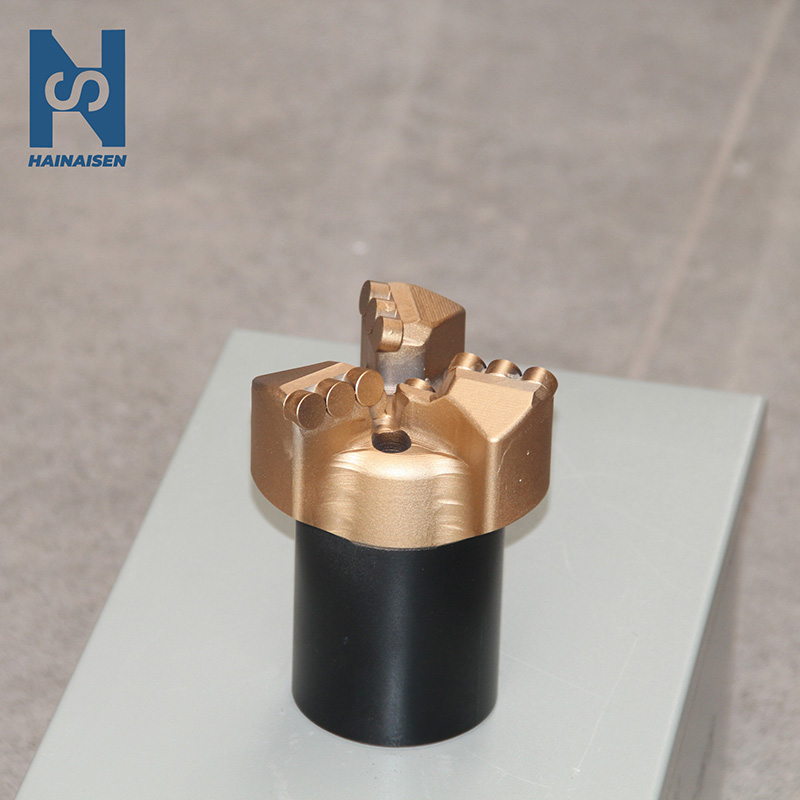
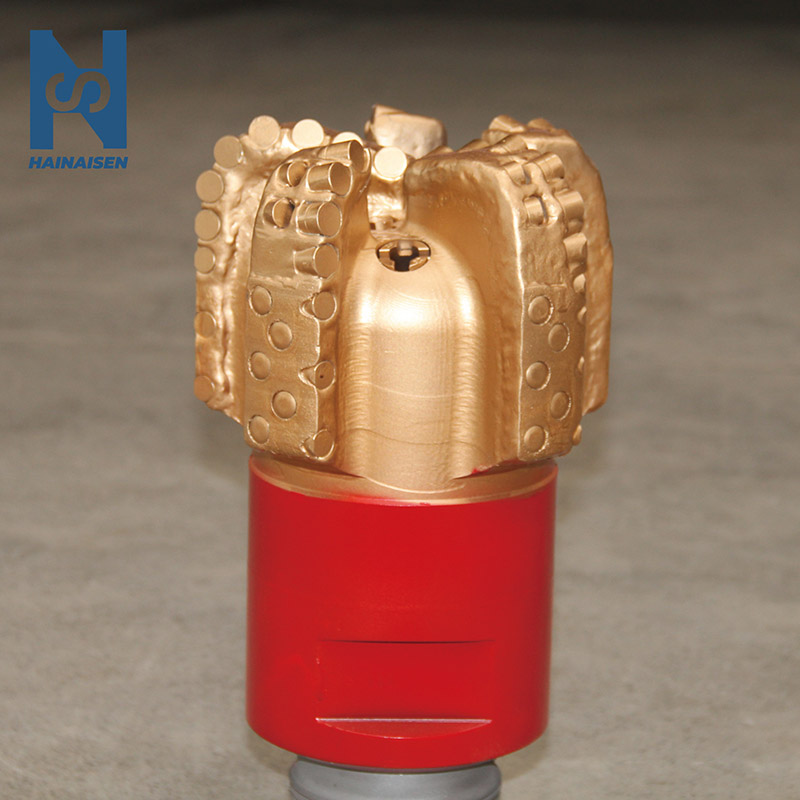
The 153mm PDC concave bit is a big step forward in deep rock drilling technology. It uses advanced materials and better design engineering to do an unbeatable job in tough rock formations. This specialized drilling tool has polycrystalline diamond compact cutters grouped on a carefully designed concave face shape. This makes it better at drilling than regular drill bits and lasts longer. It is the best choice for oil and gas research, mining, and water well drilling projects that need to be as efficient and reliable as possible because of its unique concave shape, which makes cutting mechanics and debris removal better.
Understanding the 153mm PDC Concave Bit and Its Design
Core Structure and Technical Specifications
The 153mm diameter PDC drill bit is different from other drilling tools because it uses cutting-edge technology. As the bit is used, its self-sharpening effect from the curved face shape makes sure that it keeps cutting well throughout its lifetime. This design feature cuts down on the area where the bit face touches the rock formation, focusing the cutting forces at the best angles.
High-strength steel alloys are used to make the bit body, which can resist harsh cutting conditions. Premium-grade PDC cuts are placed across the bit face in a way that breaks up rocks as efficiently as possible while reducing wear patterns. The order of the cutters is based on exact geometric calculations that spread the cutting loads equally. This keeps the machine from breaking down too soon and extends its useful life.
Concave Geometry Advantages Over Flat Designs
When compared to flat PDC designs, the concave shape has measured advantages. This new design makes it less likely for bits to get stuck in sticky forms and improves the flow of hydraulics around the cutting structure. The curved shape makes natural pathways that make it easy for pieces to escape, which keeps the cutting surfaces clean during the drilling process.
The ways that rocks interact with concave and flat shapes are very different. Rock breaks through concentrated stress points when the shape is concave. This requires less energy input while still getting higher penetration rates. This efficiency means that drilling costs go down and project timelines get shorter in a wide range of geological situations.
Drilling Performance and Benefits in Deep Rock Applications
Enhanced Rate of Penetration in Challenging Formations
For deep rock boring jobs, the drilling tools need to work very well. Through its improved cutting action, the 153mm PDC concave bit has a higher rate of penetration (ROP) than regular tricone and diamond bits. Field data regularly shows that drilling speeds go up by 15 to 30 percent when working in hard rock types that are common in oil and gas research.
The cutting efficiency comes from the bit's ability to keep its sharp cutting edges for long periods of time. In contrast to normal roller cone bits, which work by breaking, PDC technology cuts rock layers with little energy loss. This device for cutting works especially well in rough materials where regular bits wear out quickly.
Durability and Wear Resistance
A key factor in the costs of deep digging is how long the equipment can be used. The polycrystalline diamond cutters are very hard and don't change much when heated, so they can still cut well in hot downhole settings. Tests in the lab show that these tools keep their sharp edges for a lot longer than tungsten carbide options.
The curved shape spreads wear patterns more evenly across the cutting structure, stopping the kind of limited damage that usually forces bits to be retired too soon. Because of this feature, workers can get more footage per bit while keeping the drilling performance the same throughout the run.
Selecting the Right 153mm PDC Concave Bit for Your Project
Critical Selection Parameters
To pick the best 153Mm PDC Concave Bit, you need to carefully think about the features of the rock and your drilling goals. The cutter density is very important for bit performance; higher densities work best in softer forms and lower densities work best in hard, rough rock types. When designing a hydraulic system, you need to think about where the nozzles should go and how fast the fluid should flow so that the cutting structure stays cool.
When digging deep, where temperatures can reach over 200°C, thermal protection is more important than ever. In these harsh conditions, advanced PDC formulas keep the structure's integrity, making sure that it works reliably throughout the drilling gap.
Quality Assessment and Manufacturer Evaluation
Professionals in procurement have to look at possible providers' manufacturing skills and quality control standards. Leading makers use cutting edge computer-aided design systems and precise machining tools to get the tight specs that are needed for bits to work at their best. As part of quality control, the whole structure should be tested for balance, runout, and strength.
Standards for manufacturing have a direct effect on how well things work in the field and how reliable they are. Suppliers with a good reputation keep their ISO certification and use strict quality control systems to make sure that the quality of each batch of products is the same.
Maintenance, Troubleshooting, and Maximizing Bit Lifespan
Preventive Maintenance Strategies
How bits are handled and stored has a big effect on how well they work and how long they last. PDC cuts need to be kept safe from damage from impacts while they are being moved and set up. Regular checks should be done on the state of the cutter, the wear on the body, and the hydraulic tubes to find problems before they affect the drilling process.
Bit life is directly affected by operational factors. For certain formation conditions, the weight on bit (WOB) and rotating speed (RPM) must be adjusted to avoid premature wear or catastrophic failure. Monitoring tools that keep track of drilling factors let workers make changes in real time that extend the life of the bit.
Common Operational Challenges and Solutions
In reacting rocks where clay minerals stick to cutting surfaces, bit balling is a common problem. The curved shape naturally prevents balling, but operators can make the problem even less of a problem by using the right hydraulic design and mud chemistry. Anti-balling chemicals in the drilling fluid help keep the cutting surfaces clean while the hole is being drilled.
Thermal harm happens when 153Mm PDC Concave Bits are heated above their safe temperature range because they aren't cooled properly. The right hydraulic design makes sure that there are enough flow rates to get rid of the heat that is generated when cutting. Thermal degradation that could hurt bit performance can be avoided by keeping an eye on the bottomhole temperature and making changes to the drilling settings.
Procurement and Logistics: Streamlining Your Purchase Process
Strategic Sourcing Considerations
When you buy things from suppliers around the world, you have to carefully look at their skills and think about how to get them to you. When compared to distributor networks, working directly with Manufacturers can often offer better technical help and more customization choices. Volume purchasing deals can help you get better prices and make sure that you always have the products you need for ongoing projects.
Lead times are very different depending on the goods and when it needs to be made. Standard setups usually ship between 2 and 4 weeks, while customized designs may take 6 to 8 weeks to get to you. Planning purchase plans around project deadlines keeps delays from being expensive and makes sure that drilling goes as smoothly as possible.
Cost-Benefit Analysis
When you invest in high-end 153Mm PDC Concave Bit technology, you get measured returns in the form of better drilling performance and lower running costs. Even though the bit costs more at first than other options, the higher ROP and longer service life usually make the cost per foot dug cheaper. Cutting down on trip time and improving the efficiency of digging saves even more money, which makes the technology investment worthwhile.
Customers who drill the same number of holes over and over again can get volume savings. In addition to the main product, long-term supply agreements often include technical support services and priority shipping schedules that make the deal more valuable.
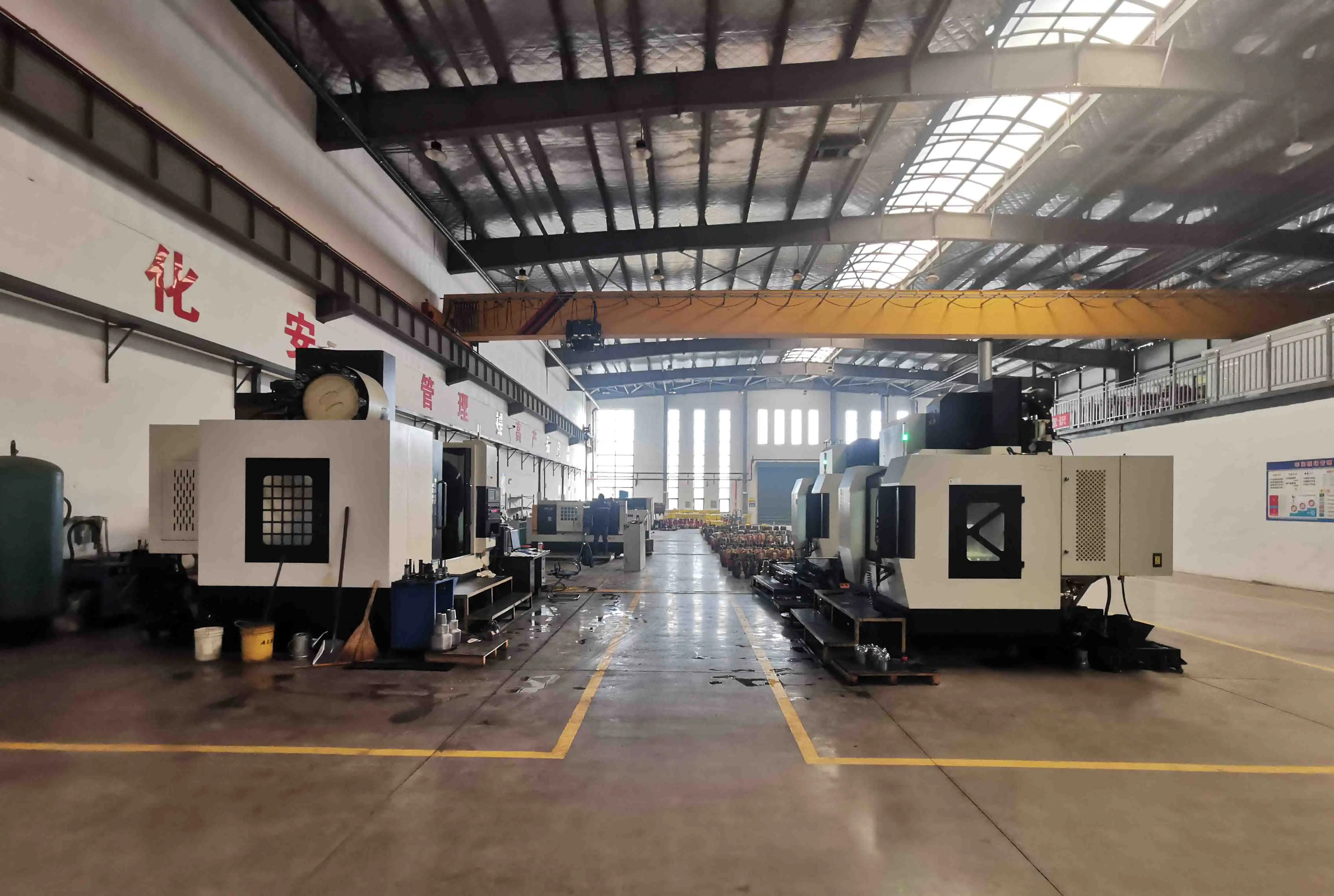
Company Introduction and Our Product Offering
Since its start in Xi'an in 2013, Shaanxi Hainaisen Petroleum Technology Co., Ltd. has become a top maker of high-tech 153Mm PDC Concave Bits. Modern production tools, like 5-axis machining centers and automated welding systems, are housed in our 3,500m² manufacturing building. These tools make sure that our products are made precisely and meet regular quality standards.
In addition to giving basic products, our engineering skills also include full customization services. The focused research and development team works closely with clients to come up with drilling solutions that are best for their needs and the rocks they are drilling into. This joint method makes sure that the best performance and lowest costs are maintained across a wide range of drilling tasks.
This is what our 153mm PDC curved bit technology does best:
Better cutting efficiency means faster entry rates. This is achieved by optimizing the shape and placement of the cutters in a way that destroys rock as much as possible while using as little energy as possible.
- Better longevity with materials that don't wear down, and improved metallurgy that makes the tool last longer in tough drilling conditions
- Improved hydraulics make it easier to remove cuttings by designing flow patterns that keep cutting surfaces clean during operation.
- The design can be changed to fit the needs of each formation thanks to flexible production and technical know-how
- Thorough testing procedures and advanced production techniques make sure that performance is always the same, thanks to strict quality control.
These technological advances make the hardest parts of deep rock drilling operations easier to handle. They give workers solid tools that make projects more cost-effective and increase operational efficiency.
Our products can be used for a wide range of digging tasks, such as oil and gas research, mining, and developing water wells. Deep well drilling in hard rocks is one of our main areas of expertise, and our curved bit technology clearly outperforms other options in this area.
Conclusion
As far as current drilling technology goes, the 153mm PDC concave bit is the best. It has great performance qualities that meet the tough needs of deep rock drilling applications. When you mix the special concave shape with high-quality materials and precise manufacturing, you get gains that can be seen in penetration rates, operating efficiency, and cost-effectiveness. Whether you're looking for oil and gas, developing mines, or building water wells, this high-tech drilling tool gives you the dependability and performance you need to complete your project successfully in difficult geological settings.
FAQ
Q1: What formation types work best with 153mm PDC concave bits?
The concave design excels in medium to hard rock formations, including sandstone, limestone, and shale intervals. The geometry provides optimal cutting efficiency in abrasive formations while maintaining stability in softer interbedded sections commonly encountered in deep drilling applications.
Q2: How does the concave design compare to flat PDC configurations?
Concave geometry offers superior cuttings evacuation and reduced bit balling tendencies compared to flat designs. The curved profile concentrates cutting forces more effectively while creating natural flow channels that improve hydraulic efficiency and maintain clean cutting surfaces throughout the drilling process.
Q3: What are typical lead times for custom bit designs?
Standard 153mm configurations ship within 2-4 weeks from order confirmation. Custom designs requiring specialized cutter arrangements or modified hydraulics typically require 6-8 weeks for engineering review, manufacturing, and quality testing protocols.
Q4: How should drilling parameters be optimized for PDC concave bits?
Weight on bit should be maintained between 20-40 klbs, depending on formation hardness, with rotary speeds ranging from 80-150 RPM. Hydraulic flow rates must provide adequate cooling and cuttings removal while maintaining bottomhole cleaning efficiency.
Partner with HNS for Superior Deep Rock Drilling Solutions
HNS delivers industry-leading 153mm PDC concave bit technology backed by comprehensive engineering support and proven field performance. Our manufacturing excellence combines with customization capabilities to provide drilling solutions tailored to your specific operational requirements. As a trusted supplier with over a decade of industry experience, we understand the critical importance of reliable drilling tools in maintaining project schedules and budgets. Contact our technical team at hainaisen@hnsdrillbit.com to discuss your drilling challenges and discover how our advanced PDC technology can enhance your operational efficiency.
References
1. Smith, J.R., et al. "Advances in PDC Bit Design for Deep Rock Drilling Applications." Journal of Petroleum Technology, Vol. 75, No. 8, 2023, pp. 45-52.
2. Johnson, M.K. "Comparative Performance Analysis of Concave versus Flat PDC Geometries in Hard Rock Formations." SPE Drilling & Completion, Vol. 38, No. 3, 2023, pp. 178-185.
3. Anderson, P.L. "Optimization of Cutting Structure Design for Enhanced Rate of Penetration in Deep Drilling." International Journal of Rock Mechanics and Mining Sciences, Vol. 165, 2023, pp. 89-97.
4. Williams, D.C., et al. "Thermal Stability and Wear Characteristics of Advanced PDC Cutters in High-Temperature Environments." Diamond and Related Materials, Vol. 132, 2023, pp. 109-116.
5. Brown, R.T. "Economic Analysis of PDC Bit Technology in Deep Well Drilling Operations." Drilling Contractor Magazine, Vol. 79, No. 4, 2023, pp. 34-39.
6. Thompson, K.S. "Hydraulic Design Optimization for Improved Cuttings Transport in PDC Bit Applications." Journal of Energy Resources Technology, Vol. 145, No. 7, 2023, pp. 201-208.