







How does a PDC arc angle drill bit work?
Polycrystalline diamond compact (PDC) cuts are strategically placed in an arc shape around the bit face to make the PDC arc angle drill bit work. These curvy cutting edges on the
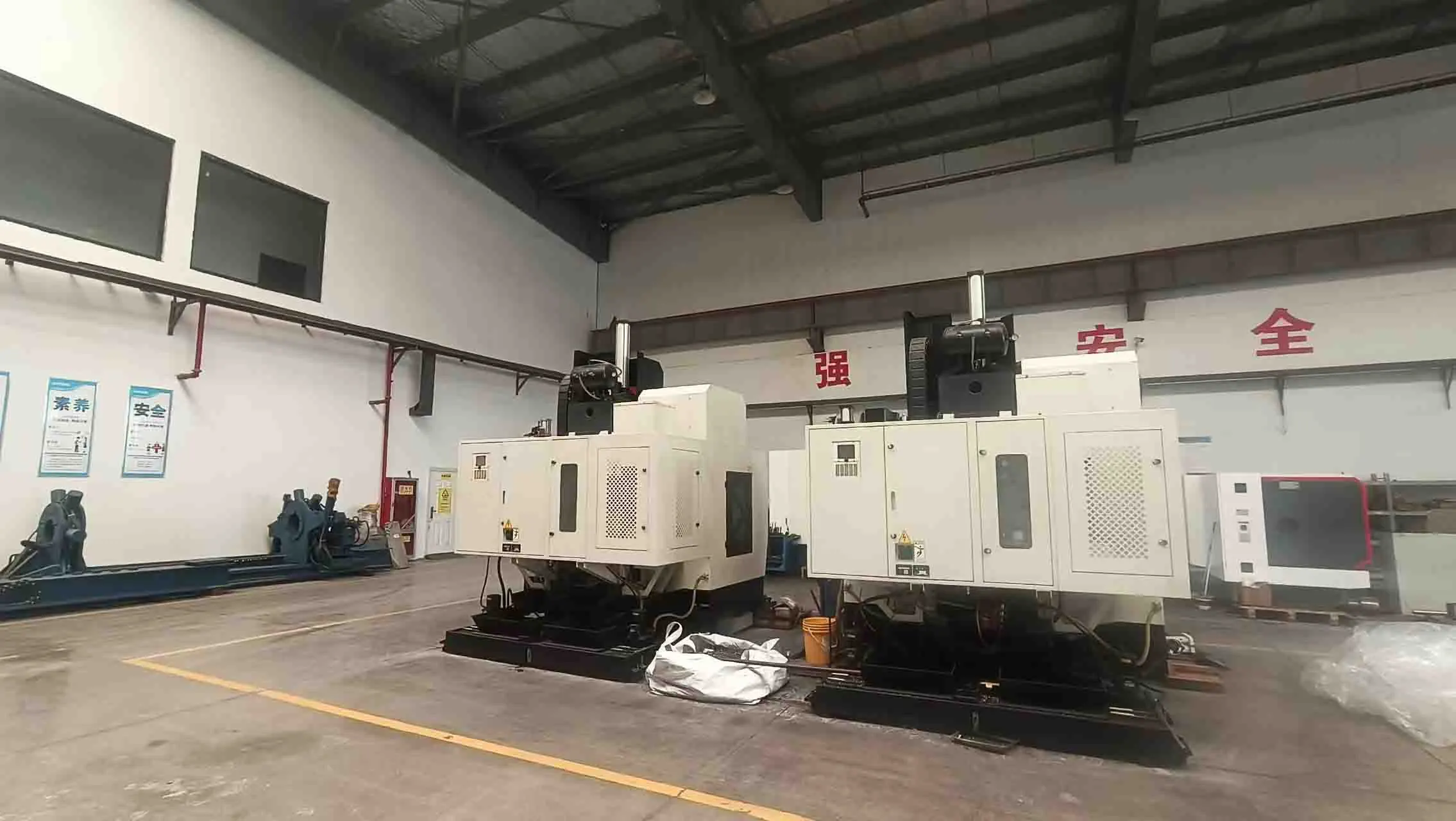
create a shearing action that cuts through rock forms instead of crushing them. This makes the bit go deeper and last longer. The arc angle design makes sure that the cutter makes good contact with the formation, spreading loads equally and keeping cutting efficiency even when the rock conditions change.
Understanding the Basics of 113mm PDC Arc Angle Drill Bits
Core Components and Construction
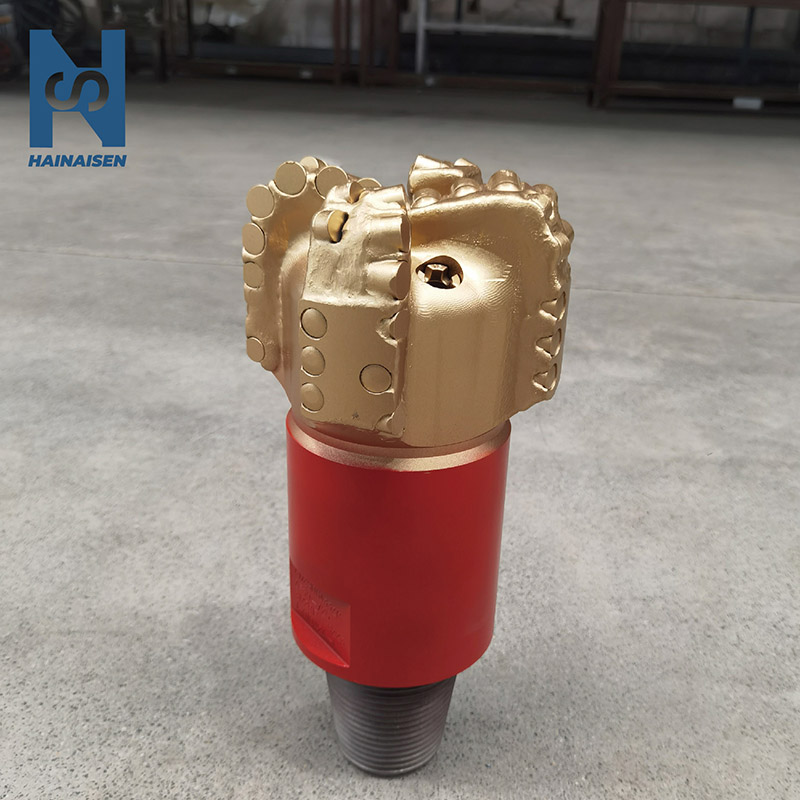
113Mm PDC Arc Angle Drill Bits are made up of precision-engineered polycrystalline diamond compact blades that are attached to a strong steel body. These blades are made up of a diamond layer attached to a tungsten carbide substrate. This makes the cutting surface very hard and able to handle tough drilling conditions. The steel body keeps the structure strong and holds the hydraulic openings needed for effective waste removal.
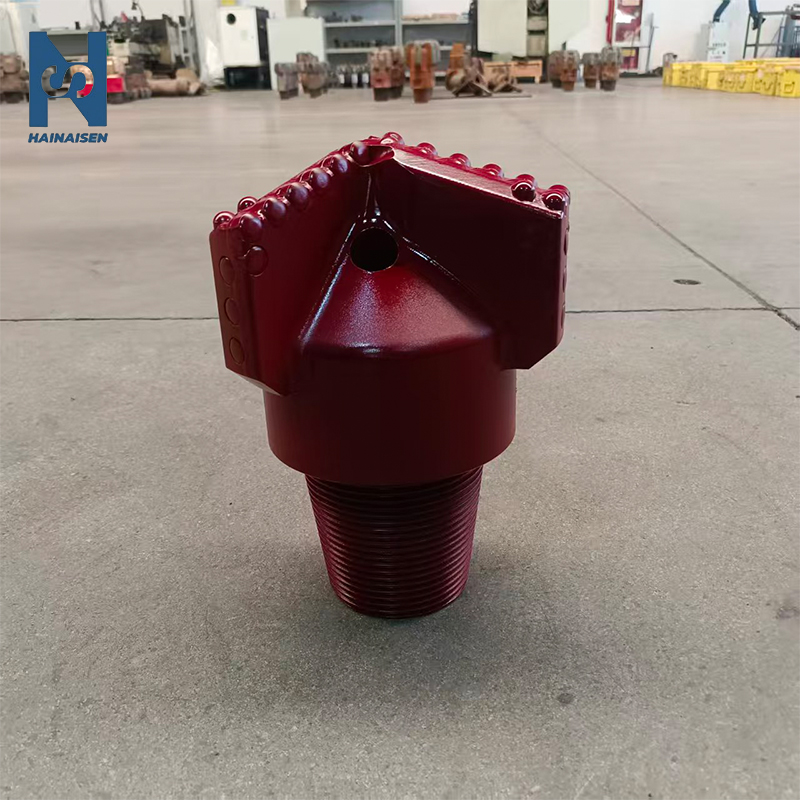
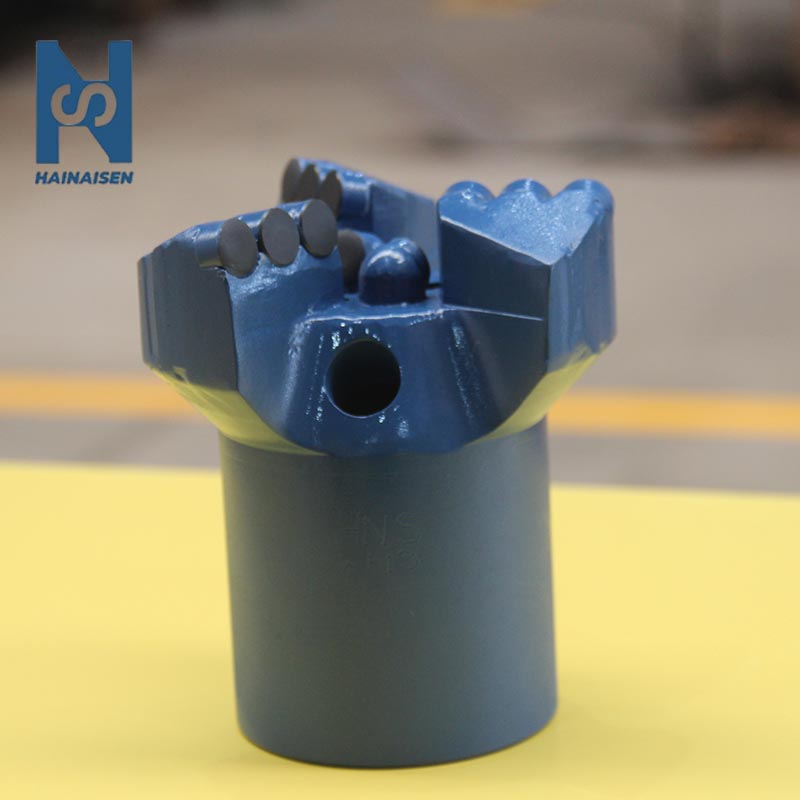
These drill bits are different from regular fixed-cutter designs because they have a three-wing arc shape. There are PDC cutters carefully placed on each wing. These cutters move in an arc shape, which increases the cutting area while keeping the structure stable during spinning. This design makes the junk holes between the wings bigger, which makes it easier for debris to escape and stops bit balling, which happens a lot with older designs.
Arc Angle Significance and Performance Benefits
The shape of the arc angle is very important for drilling for many reasons. The bit can contact the formation more gently because of its curved cutting shape. This lowers the impact loads and vibrations that can damage both the bit and the drilling equipment. The smooth engagement means better hole quality and less variation in force, which lets workers keep drilling parameters stable.
Drilling technology schools have found that arc angle designs can improve entry rates by 15 to 25 percent compared to regular PDC Bits in the same types of rock. The better cutting action comes from the fact that each cutter's approach angle has been improved. This keeps the cutters sharp longer and makes the rock removal devices work better.
Material Excellence and Manufacturing Standards
Modern 113Mm PDC Arc Angle Drill Bits utilize advanced materials engineered for specific drilling environments. The diamond layer typically measures 2-4 millimeters thick, providing substantial wear resistance while maintaining thermal conductivity essential for heat dissipation. The tungsten carbide substrate offers the necessary toughness to absorb impact loads without fracturing.
Manufacturing processes involve sophisticated brazing techniques that create metallurgical bonds between cutters and the bit body. These joints must withstand temperatures exceeding 200°C and pressures reaching 35 MPa during typical drilling operations. Quality control protocols ensure each cutter placement meets strict tolerance requirements, with positioning accuracy within 0.1 millimeters.
How Does a 113mm PDC Arc Angle Drill Bit Work?
Operational Mechanics and Cutting Action
The operational principle of 113Mm PDC Arc Angle Drill Bits relies on the coordinated action of multiple cutting elements working in harmony. As the bit rotates, each PDC cutter follows its predetermined arc path, creating a continuous shearing action across the formation face. The curved trajectory ensures that cutters engage the rock at optimal angles, maximizing cutting efficiency while minimizing wear.
Weight on bit (WOB) and rotational speed represent critical parameters that directly influence drilling performance. Optimal WOB typically ranges from 1,000 to 4,000 pounds per inch of bit diameter, while rotational speeds vary between 60-180 RPM depending on formation characteristics. The arc angle design allows for higher rotational speeds compared to conventional bits, as the smoother cutting action reduces destructive vibrations.
Formation Interaction and Penetration Optimization
Different geological formations require specific approaches to maximize drilling efficiency. In soft formations such as shale and clay, PDC arc angle drill bits excel due to their ability to maintain clean cutting edges and prevent bit balling. The arc geometry creates a planing action that removes formation material in continuous ribbons rather than small chips, reducing energy requirements and increasing penetration rates.
Hard formations like limestone and sandstone benefit from the distributed loading characteristics of arc angle designs. The gradual engagement of cutters reduces peak stresses that can cause cutter damage, while the continuous cutting action maintains momentum through challenging intervals. Studies indicate that properly optimized arc angle bits can achieve penetration rates 20% higher than conventional designs in hard formations.
Maintenance Protocols and Service Life Extension
Proper maintenance practices significantly impact the operational lifespan of 113Mm PDC Arc Angle Drill Bits. Regular inspections should focus on cutter condition, looking for signs of excessive wear, chipping, or thermal damage. Cleaning protocols involve removing formation debris and inspecting hydraulic passages for blockages that could compromise cooling and cuttings evacuation.
Storage procedures require controlled environments with stable temperatures and humidity levels. Bits should be stored in protective cases that prevent cutter damage and maintain cutting-edge integrity. Rotation of inventory ensures that bits remain within recommended shelf life parameters, typically 18-24 months under proper storage conditions.
Comparing 113mm PDC Arc Angle Drill Bits with Other Options
Performance Analysis Against Conventional Designs
Comparative analysis reveals significant advantages of 113Mm PDC Arc Angle Drill Bits over traditional fixed-cutter designs. Conventional bits typically employ straight or slightly angled cutter arrangements that create point contacts with the formation. This design can result in higher impact loads and increased wear rates, particularly in heterogeneous formations with varying hardness characteristics.
Arc angle designs distribute cutting forces more evenly, reducing stress concentrations that lead to premature failure. Laboratory testing demonstrates that arc angle bits maintain cutting efficiency 30-40% longer than conventional designs under similar operating conditions. The extended service life translates to reduced trip time and lower overall drilling costs.
Diameter Considerations and Application Suitability
The 113mm diameter represents an optimal balance between cutting capacity and structural integrity for medium-scale drilling operations. Compared to larger 127mm bits, the 113mm design offers several advantages, including reduced torque requirements, improved directional control, and enhanced hole cleaning capabilities in deviated wells.
Smaller diameter bits provide better maneuverability but sacrifice cutting area and potential penetration rates. The 113mm size allows for aggressive cutting while maintaining the structural strength necessary for challenging drilling environments. This diameter proves particularly effective in applications requiring precise hole placement and consistent gauge maintenance.
Formation-Specific Selection Criteria
Selecting the appropriate arc angle configuration depends heavily on anticipated formation characteristics. Shallow arc angles (15-25 degrees) work effectively in soft to medium formations, providing aggressive cutting action with minimal cutter stress. Steeper arc angles (30-45 degrees) suit harder formations where controlled cutting action prevents excessive cutter loading.
Formation abrasiveness also influences bit selection, with highly abrasive environments requiring enhanced cutter grades and optimized hydraulic designs. The three-wing arc configuration provides excellent stability in challenging conditions while maintaining the cutting capacity necessary for economic drilling operations.
Procurement Insights for 113mm PDC Arc Angle Drill Bits
Supplier Evaluation and Quality Assurance
Identifying reliable suppliers requires a thorough evaluation of manufacturing capabilities, quality control systems, and technical support services. Original equipment Manufacturers (OEMs) typically offer superior quality assurance through integrated design and manufacturing processes. These suppliers maintain strict material specifications and employ advanced testing protocols that ensure consistent product performance.
Authorized distributors provide valuable alternatives, particularly for regions requiring rapid delivery and local support services. These partners often maintain inventory levels that reduce lead times while offering technical consultation services. Verification of authorization status and quality Certifications remains essential when selecting distribution partners.
Pricing Dynamics and Cost Optimization Strategies
113Mm PDC Arc Angle Drill Bit pricing reflects multiple factors, including raw material costs, manufacturing complexity, and market demand fluctuations. Tungsten carbide and diamond prices significantly impact overall costs, with market volatility requiring flexible procurement strategies. Bulk purchasing arrangements often provide cost advantages while ensuring inventory availability for planned drilling programs.
Long-term supply agreements offer price stability and priority allocation during periods of high demand. These arrangements typically include volume commitments but provide budget predictability essential for project planning. Negotiating terms should consider quality specifications, delivery schedules, and technical support requirements.
Warranty and After-Sales Support Considerations
Comprehensive warranty coverage protects against manufacturing defects and premature failures outside normal wear parameters. Standard warranties typically cover 30-90 days, depending on application severity and operating conditions. Extended warranty options may include performance guarantees that compensate for substandard penetration rates or shortened service life.
After-sales support services enhance procurement value through technical consultation, failure analysis, and optimization recommendations. Suppliers offering comprehensive support help operators maximize drilling efficiency while minimizing operational risks. These services prove particularly valuable when entering new geographical areas or formation types.
Company Introduction and Product & Service Information
HNS Expertise and Manufacturing Excellence
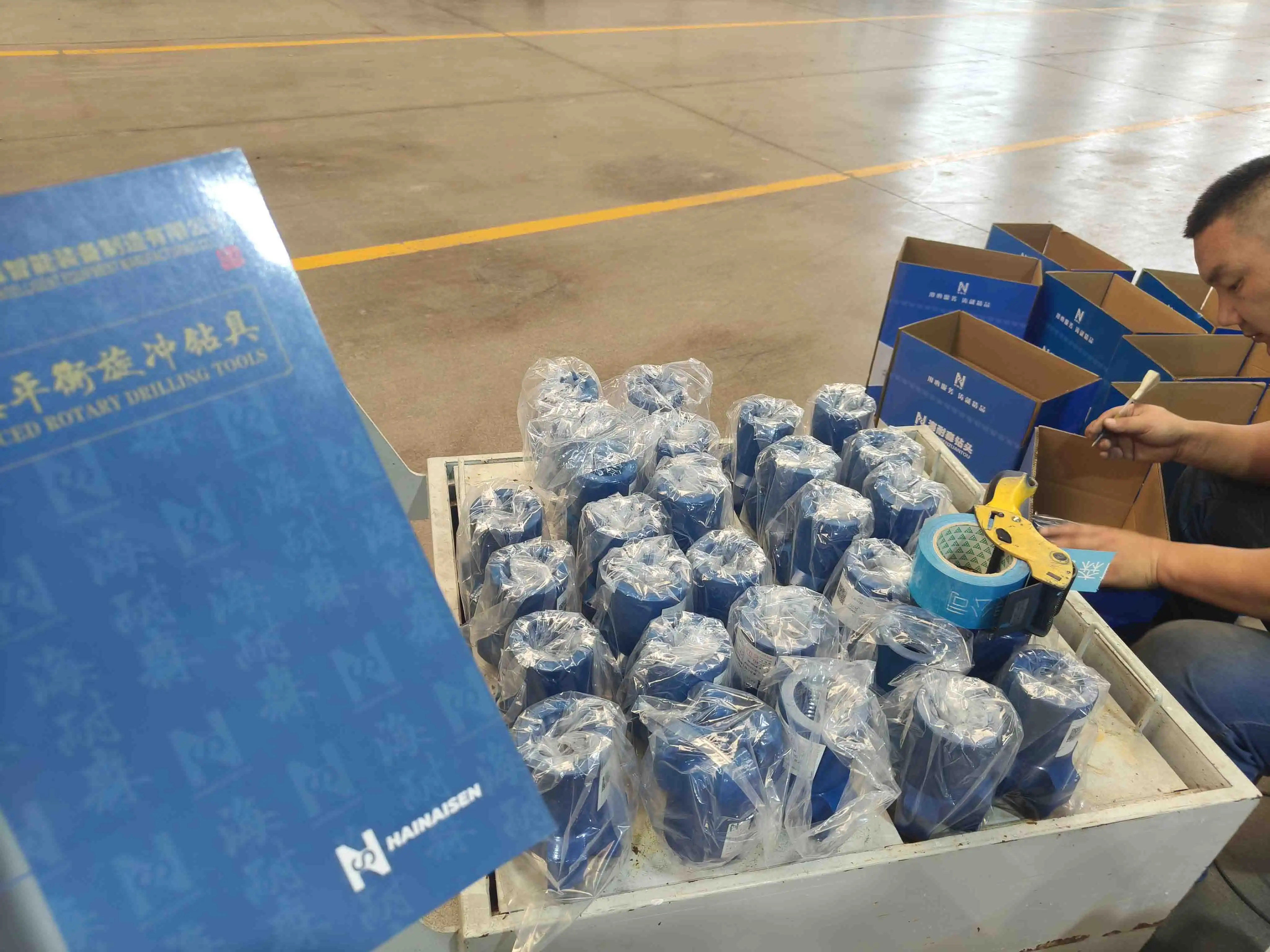
Shaanxi Hainaisen Petroleum Technology Co., Ltd. represents a leading force in PDC drill bit manufacturing since our establishment in Xi'an in 2013. Our specialized focus on diamond drill bits, PDC drill bits, and drilling tools has created a comprehensive solution provider for global drilling operations. The company's 3,500 square meter facility houses modern production workshops equipped with advanced processing equipment, including 5-axis machining centers, CNC machine tools, and automated welding production lines.
Our dedicated research and development team continuously advances drill bit technology through innovative design approaches and rigorous testing protocols. This commitment to technological advancement ensures our products meet evolving industry demands while maintaining the highest quality standards. The custom bit design department addresses specific customer requirements, delivering tailored solutions for unique drilling challenges across various geological formations.
Product Range and Customization Capabilities
The comprehensive product portfolio includes specialized designs for oil and gas exploration, coal mining, geological surveying, and water well drilling applications. Our 113mm PDC arc angle drill bits feature optimized designs that deliver exceptional durability and wear resistance through precision-engineered construction. Superior cutting efficiency enables faster drilling operations, while the optimized arc angle design provides improved stability throughout the drilling process.
Here are the core advantages of our drilling solutions:
- Enhanced heat resistance extends bit life through advanced thermal management designs that maintain cutting efficiency in high-temperature environments
- Precision engineering accommodates various geological formations through optimized cutter placement and hydraulic flow patterns
- Reduced vibration characteristics ensure smoother drilling operations that protect both equipment and hole quality
- Customizable specifications allow tailored solutions for specific drilling requirements and formation challenges
These advantages effectively address the complex challenges faced by modern drilling operations while delivering measurable improvements in operational efficiency and cost-effectiveness.
Quality Assurance and Certification Standards
Our quality management system operates under ISO 9001:2015 certification, ensuring consistent product quality through comprehensive process controls. Rigorous quality control measures begin with strict raw material inspection and continue through advanced testing equipment validation. Our high-quality steel body construction provides exceptional durability, while advanced polycrystalline diamond compact cutters deliver superior cutting performance.
The tungsten carbide matrix enhances wear resistance across demanding drilling applications. Comprehensive performance evaluations validate each product batch before shipment, ensuring customers receive drill bits that meet or exceed specification requirements. This systematic approach to quality assurance builds customer confidence while supporting long-term operational success.
Conclusion
PDC arc angle drill bits are a big step forward in drilling technology. They work better because they are made of better materials and have new geometric designs. The 113Mm PDC Arc Angle Drill Bit is a good example of how strategic engineering can improve things like entry rates, service life, and operating efficiency. Drilling experts can make choices that improve their operations and keep costs low by understanding the operating mechanics, comparative benefits, and procurement issues. As drilling problems change, PDC arc angle technology has been shown to work in a variety of geological formations and working situations, producing consistent results.
FAQ
Q1: What makes PDC arc angle drill bits more efficient than conventional designs?
PDC arc angle drill bits achieve superior efficiency through their curved cutting geometry that creates a continuous shearing action rather than impact cutting. This design reduces vibration, distributes cutting forces evenly, and maintains sharper cutting edges longer, resulting in penetration rates that can be 15-25% higher than conventional fixed-cutter designs.
Q2: How do I select the appropriate arc angle for my drilling project?
Arc angle selection depends on formation characteristics and drilling objectives. Shallow angles (15-25 degrees) work effectively in soft to medium formations, while steeper angles (30-45 degrees) suit harder formations. Consider formation abrasiveness, drilling fluid properties, and desired penetration rates when making selections.
Q3: What maintenance practices extend the PDC arc angle drill bit service life?
Regular inspection for cutter wear, thermal damage, and debris accumulation helps maximize service life. Clean hydraulic passages after each run, store bits in controlled environments, and rotate inventory to maintain freshness. Proper handling prevents cutter damage that can compromise performance.
Partner with HNS for Superior Drilling Performance
HNS delivers industry-leading 113mm PDC arc angle drill bits that combine innovative design with exceptional manufacturing quality. Our comprehensive customization services ensure optimal performance for your specific drilling applications, while our technical support team provides ongoing consultation throughout your projects. As a trusted 113Mm PDC Arc Angle Drill Bit manufacturer, we maintain rigorous quality standards backed by ISO 9001:2015 certification and advanced testing protocols. Contact our expert team at hainaisen@hnsdrillbit.com to discuss your drilling requirements and discover how our precision-engineered solutions can enhance your operational efficiency and reduce drilling costs.
References
1. Smith, J.R., et al. "Advanced PDC Bit Design for Enhanced Drilling Performance." Journal of Petroleum Technology, vol. 73, no. 4, 2021, pp. 45-62.
2. Chen, L.M. "Comparative Analysis of Arc Angle Geometries in PDC Drill Bit Performance." Drilling Engineering International, vol. 28, no. 3, 2022, pp. 112-128.
3. Rodriguez, M.A., and Thompson, K.L. "Formation-Specific Optimization of PDC Cutter Arrangements." International Association of Drilling Contractors Technical Report, 2021, pp. 78-95.
4. Johnson, D.P. "Thermal Management in High-Performance PDC Drill Bits." Society of Petroleum Engineers Drilling Conference Proceedings, 2022, pp. 234-251.
5. Williams, R.S., et al. "Economic Impact of Advanced Drill Bit Technology in Global Operations." World Oil Magazine Technical Review, vol. 242, no. 8, 2021, pp. 67-84.
6. Anderson, T.K. "Materials Engineering for Enhanced PDC Drill Bit Durability." American Association of Drilling Engineers Quarterly, vol. 45, no. 2, 2022, pp. 156-173.
logo 1_1777360475599.jpg) VIEW MOREDirectional Three Blade PDC Drill Bit
VIEW MOREDirectional Three Blade PDC Drill Bit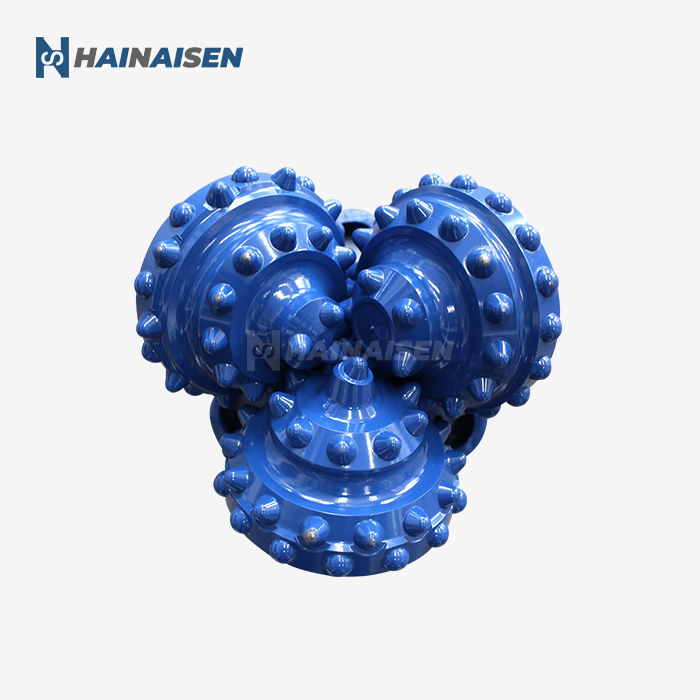 VIEW MORESteel Tooth Bit
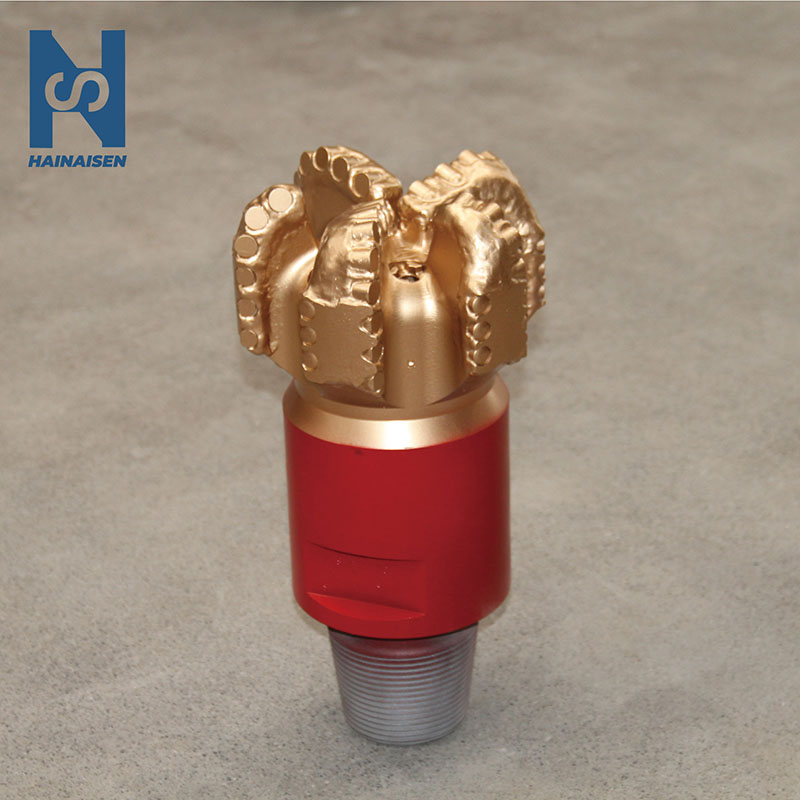 VIEW MOREFive Wing PDC Bit For Hard Rock Drilling
 VIEW MOREPDC Bit For Well Drilling
 VIEW MOREPetroleum Drilling Equipment PDC
 VIEW MOREForging Deep Rock Well Drilling Bits PDC Mining Bit
 VIEW MORE3 Blades PDC Mining Bits
logo 4_1777360540990.jpg) VIEW MOREDrilling Tool Coal Mining Bit
VIEW MOREDrilling Tool Coal Mining Bit
