







3 Blades PDC Rock Bit body design and blade geometry
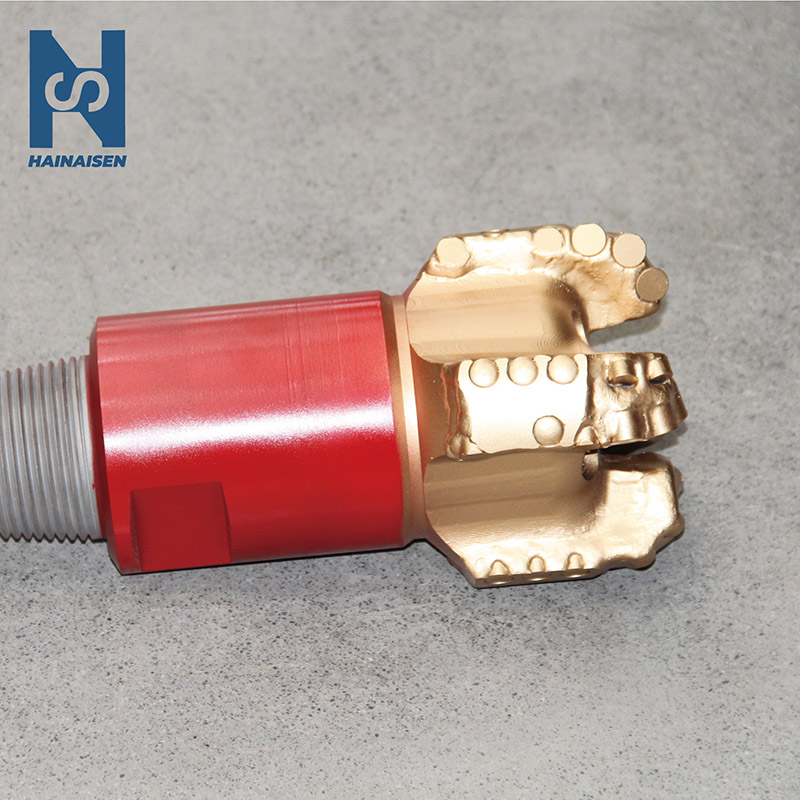
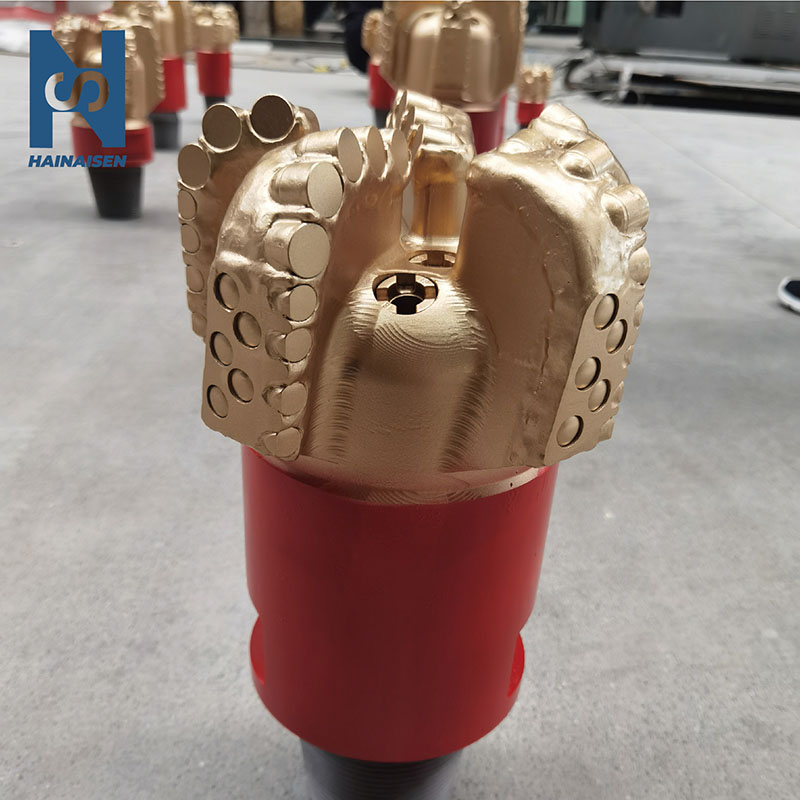
The 3 Blades PDC Rock Bit is a complex mix of top-notch tech and useful drilling solutions. Its body design and blade geometry work together perfectly to provide top-notch performance. The three carefully placed blades on these cutting-edge drilling tools each have polycrystalline diamond compact cutters that improve contact efficiency while reducing working stress. The geometric shape strikes the perfect balance between cutting action that is bold and structural stability. This makes these bits essential for modern drilling operations in a wide range of rock types.
Understanding the Core Design of 3 Blades PDC Rock Bits
3 Blades PDC Rock Bits are a new design that is the result of decades of technical improvement. Each part is designed to work best for drilling. Either steel or matrix materials are used to build the body. Each has its own benefits that rely on the drilling environment and operating needs.
Fundamental Structure and Component Integration
The bit body is the base of all drilling operations. It has precisely machined lines that direct fluid flow while keeping the structure strong in harsh conditions deep underground. When working with medium-hard materials, steel body shapes are very durable and cost-effective. On the other hand, matrix bodies work best in very rough conditions where wear resistance is very important.
The structure of the blade is based on carefully measured geometric principles that make the best use of load spread across the cutting face. Each blade has a unique profile angle that decides how strongly the bit enters the formation. Sharper angles allow for faster penetration rates, while shallower angles make the tool more stable and last longer.
The placement of a PDC cutter is based on complex engineering models that take into account the properties of the formation, the physics of the cutting, and the hydraulic needs. The smart placement makes sure that the bit wears evenly and makes the most of its cutting surface area, so it works the same way for the whole time it's in use.
Material Selection and Hydraulic Engineering
The performance of a PDC bit is based on high-quality elements. Tough heat treatments are used on high-quality steel bodies to make them stronger and last longer. Tungsten carbide matrix formulations offer better wear protection in tough drilling settings.
Modern PDC cutters use fake diamond technology to keep their cutting edges sharp even when they are under a lot of pressure and heat. Compared to other options, these cuts have a very high resistance to wear, which directly leads to longer bit life and lower running costs.
To make sure that dirt is removed effectively and cutting elements stay cool, hydraulic flow paths need to be carefully designed. The shape of the channel affects how well the drill works by keeping the cutting surfaces clean and stopping the bit from balling up. This has a direct effect on entry rates and general performance.
How 3 Blades and Their Geometry Improve Drilling Efficiency?
The three-blade design strikes the perfect balance between cutting force and mechanical stability, and it has clear benefits over other blade counts in some drilling situations. This geometric design makes the cutting surface area as big as possible while keeping the structure strong, even under tough working conditions.
Enhanced Penetration Rates and Stability
The shape of the blade makes multiple cutting points that work with the rock at the same time, spreading the weight of the drilling evenly across the bit face. This spread keeps the stress from building up too much on any one cutter, which extends their useful life and keeps the drilling process's entry rates constant.
The blades are placed at right angles using mathematical models that find the best way to transfer power while reducing vibration and horizontal forces. This makes the bit more stable, which lets workers keep drilling faster without affecting the quality of the holes or the bit's life. This is especially helpful for directional drilling.
Rock contact patterns are very different depending on the shape of the blades. Three-blade setups work best in formations where balanced cutting action is better than strong penetration. This design works especially well in interbedded forms where the rock hardness changes and cutting qualities need to be flexible.
Performance Advantages in Challenging Formations
Shale and sandstone rocks have special problems that 3 Blades PDC Rock Bits can solve with their special shape. The shape of the blade reduces damage from impacts while increasing cutting efficiency. This works especially well in patterns that are prone to bit balling or too much wear.
The geometric spread of cutting forces improves wear resistance. This keeps individual cutters from breaking down too soon while keeping total bit performance high. This trait means that the tool will last longer and there will be less operating risk, which are both very important for drilling in difficult or rural areas.
The design is very adaptable to a wide range of geological conditions; it can handle different rock hardness levels without needing to change bits often. This flexibility cuts down on downtime and running costs while keeping drilling progress steady through complicated geological processes.
Comparing 3 Blades PDC Rock Bits with Alternative Bit Designs
To choose the best bit configuration, you need to carefully think about the features of the formation, your working goals, and your budget. 3 Blades PDC Rock Bits are different from other drilling tools because they have benefits that make them perfect for some tasks, but drawbacks that make them less useful in others.
Performance Comparison with Multi-Blade Configurations
Four- and five-blade PDC Bits have more cutting surface area, but each cutter contact strength is less intense. The extra blades spread the cutting forces across more places, which could slow down penetration rates in harder rock formations while making the machine more stable in lighter rocks.
Changing the number of blades has a big effect on how the drill works, changing everything from the torque needed to the way it vibrates. Three-blade versions usually have a more active cutting action, which makes them good for situations where bit life is less important than penetration rate.
Comparing how long three-blade bits last in use shows that they work best in certain types of rock formations because their strong cutting action fits with the rock's properties. However, multi-blade designs may work better in harsh conditions where even wear is important.
Alternative Bit Technology Assessment
Tri-cone bits have rolling cutting parts that break up and crush rock in different ways than PDC cutters, which slice the rock. Tri-cone bits work best in very hard layers, but PDC bits work better in soft to medium-hard rocks because they cut more efficiently with constant action.
In abrasive rocks, diamond-impregnated bits last a very long time, but they usually don't penetrate as well as PDC options. The choice between these technologies relies on the features of the formation and the practical goals. In most cases, PDC bits offer better cost-performance ratios in the right situations.
Durability isn't just about how well something resists wear; it's also about how well it resists contact, how stable it is at high temperatures, and how well it works with water. 3 Blades PDC Rock Bits have strong blade geometries that make them very resistant to impact. They also have good hydraulic flow patterns that improve total drilling performance.
Selecting and Procuring the Right 3 Blades PDC Rock Bit for Your Needs
To choose the right bits, you need to look at a lot of physical data, practical parameters, and economic factors. A lot of people are involved in the buying process, from technical engineers who look over performance standards to purchasing managers who discuss prices and make sure the supply chain works well.
Formation-Specific Selection Criteria
Understanding the type of rock is the first step in choosing the right bit. Different formations need different blade shapes and cutter setups. For soft rock formations, sharp blade angles that increase penetration rates work best. For harder rocks, on the other hand, conservative shapes that put sturdiness over speed are needed.
The required drilling speed must strike a balance between how well the operation works and how long the tools last, taking into account things like project deadlines, repair costs, and space limitations. Higher drilling speeds usually mean shorter bit lives, so you need to do a lot of economic research to get the best total project prices.
When figuring out cost-performance, you should look at the total cost of ownership instead of just the buying price. The economic value of the drilling tool choice is affected by things like the amount of drilling done, the rate of entry, and the amount of upkeep that needs to be done.
Procurement Strategies and Supplier Partnership
Custom manufacturing choices let operators make bit designs work better for certain tasks, which could lead to much better performance compared to standard setups. For this method to work, it needs to be teamed up with skilled makers who know how to drill and how the rock forms.
Buying in bulk can save you a lot of money and make sure that you always have the tools you need during long drilling efforts. But these methods need accurate predictions of demand and enough storage space to keep the quality of the tools during long periods of storage.
In rural drilling sites where tool failures can cause big delays in operations, supply chain stability is very important. When you work with well-known makers who have global distribution networks, you can reduce these risks and be sure that you'll get quick expert support when you need it.
Maintenance and Troubleshooting for Optimal 3 Blades PDC Rock Bit Performance
Systematic repair plans that include both preventative care and quick fixing are needed to get the most out of 3 Blades PDC Rock Bits. Following the right upkeep steps can greatly increase the bit's useful life while keeping the cutting performance stable throughout the tool's use.
Preventive Maintenance and Inspection Protocols
Regular checks should center on the state of the cutter, the soundness of the hydraulic nozzle, and the general shape of the bit. Visual inspections can find early signs of damage or wear that, if fixed quickly, can stop major failures and increase the useful life of something.
Drilling mud and rock fragments that can build up in hydraulic lines and around cutting elements need to be cleaned out. Cleaning properly keeps hydraulics working at their best and stops acidic damage that could weaken bits during later operations.
Damage-prevention strategies include treating things correctly while transporting and storing them, using the right drilling settings while they're being used, and quickly removing them when wear signs show that they need to be replaced. All of these practices work together to keep early mistakes to a minimum and raise the value of every drilling tool.
Common Failure Modes and Solutions
The wear patterns on a cutter give us important diagnostic information about the drilling settings and the properties of the rock. Uniform wear means that the bit was chosen correctly and that the operating conditions are correct. Irregular patterns mean that the bit's weight, its speed, or the flow rate of hydraulic fluid need to be changed.
Low penetration rates or bad hole cleaning performance are common signs of hydraulic failure. To fix these problems, you need to check the state of the nozzle, the flow rate, and the features of the mud to make sure they work as well as they can.
Operator training programs should stress the right way to drill, how to make the most of the parameters, and how to spot performance problems early on. Well-trained operators can get the most out of bits while reducing the number of early fails by managing parameters well and making decisions quickly.
HNS: Your Trusted Partner for Premium 3 Blades PDC Rock Bits
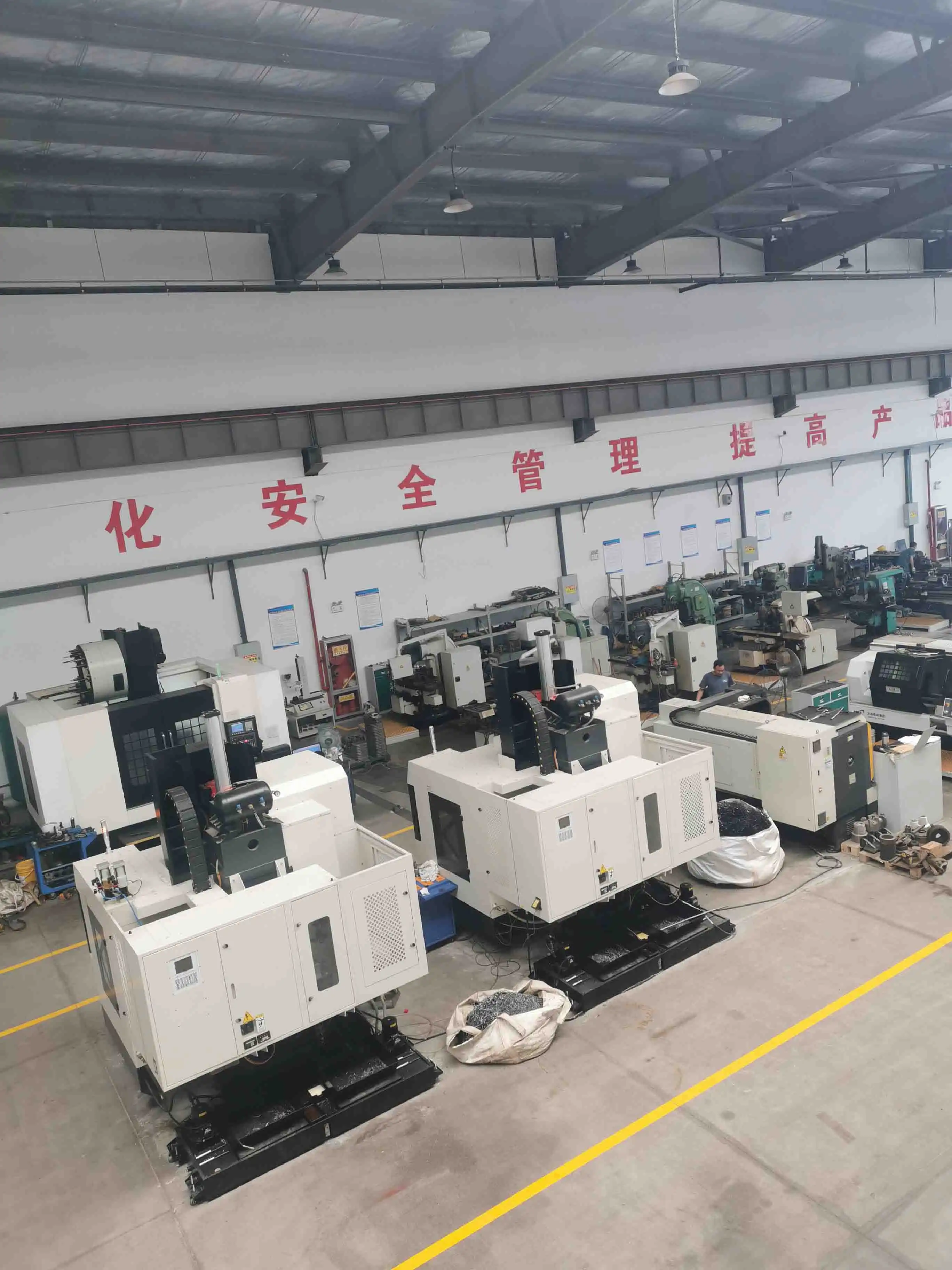
Shaanxi Hainaisen Petroleum Technology Co., Ltd. is a leader in the development of PDC drill bits. They offer the best drilling options by combining advanced manufacturing skills with a wide range of scientific knowledge. Our 3,500-square-meter building has cutting-edge production tools like 5-axis machining centers and CNC machine tools that make sure every part is made precisely.
Superior Product Quality and Customization
We offer 3 Blades PDC Rock Bits that work exceptionally well and meet the wide range of needs of modern drilling activities. Our advanced blade geometry makes cutting more efficient, which leads to faster penetration rates while keeping excellent steadiness throughout the drilling process.
Our modern PDC cutter technology uses high-quality synthetic diamond materials that keep their sharp cutting edges even in harsh working conditions. This gives the bits a longer life. Because this technology means fewer bit changes and longer drilling intervals, it immediately lowers operations costs.
By improving the hydraulics in our bit designs, we can make sure that they clean holes better, stop bits from balling, and keep drilling progress steady. Our engineering team spends a lot of time and money on hydraulic modeling and testing to make sure that each bit has the best fluid flow features for the job it's meant for.
Comprehensive Application Range and Technical Support
Our3 Blades PDC Rock Bits are very useful in a lot of different businesses and situations. These tools work very well for both vertical and directional drilling in oil and gas research. They also work well for coal-bed methane operations because they can handle different formation features well.
The thermal stability and longevity of our bits make them great for geothermal drilling because they keep working even when temperatures are high. Hard rock mines like our blade geometry because it makes the structure strong and the cutting action forceful.
Our low-cost options are great for water well drilling teams that want to stick to a tight budget, and our bits' stability and ability to steer are relied upon by horizontal directional drilling companies. The flexibility and dependability of our wide range of bits make them great for construction and base drilling.
Our experienced technical support team works closely with clients during both the purchase and operating phases. They help clients choose the right bits, optimize drilling parameters, and fix problems. This teamwork method gets the most out of every drilling tool and builds ties that will last for a long time.
Quality Assurance and Manufacturing Excellence
At HNS, quality control measures cover every step of the manufacturing process, starting with strict rules for inspecting and testing materials. Our precise cutting and assembly methods guarantee accurate measurements and the seamless merging of parts that meet the strict needs of modern drilling operations.
Before being sent out, each bit is put through a lot of performance tests to make sure it meets our high-quality standards and the needs of our customers. As part of this testing procedure, the hydraulic flow is checked, the cutter holding is tested, and the dimensions are checked to make sure the best performance in the field.
Our focused research and development team uses cutting-edge engineering tools and years of experience in the field to work on unique bit designs that meet the needs of each customer. With this skill, we can deal with unique drilling problems while still upholding our commitment to quality and performance greatness.
Conclusion
The complex engineering that went into the 3 Blades PDC Rock Bit body design and blade shape is the result of decades of progress in drilling technology. Each geometric feature is used to improve drilling performance in a specific way. It's amazing how useful these tools are for a wide range of tasks, from aggressive oil and gas research to cost-effective water well digging. Three-blade designs are great for drilling jobs that need predictable performance and long tool life because they strike a good mix between cutting efficiency and operating stability. When procurement managers and technical engineers understand the complex link between body design, blade geometry, and operational factors, they can make choices that improve both short-term drilling performance and long-term operational costs.
FAQ
Q1: What factors determine the lifespan of a 3 Blades PDC Rock Bit?
The operational lifespan depends on multiple factors, including formation characteristics, drilling parameters, and bit quality. Advanced PDC cutter technology and proper blade geometry significantly extend tool life by distributing cutting forces evenly and maintaining sharp cutting edges longer. Material selection, particularly the use of high-quality steel bodies and tungsten carbide matrix components, directly impacts durability and wear resistance under challenging drilling conditions.
Q2: How does blade geometry affect drilling speed in different rock formations?
Blade geometry influences drilling speed through its impact on rock engagement patterns and cutting efficiency. Aggressive blade angles provide faster penetration in softer formations, while conservative geometries maintain stability and durability in harder rocks. The three-blade configuration optimizes the balance between cutting surface area and individual cutter engagement, resulting in efficient drilling across medium to hard formations while maintaining excellent hole quality.
Q3: Can 3 Blades PDC Rock Bits be customized for specific drilling challenges?
Comprehensive customization options allow for tailored solutions that address specific formation characteristics and operational requirements. Custom blade geometries, specialized cutter configurations, and optimized hydraulic designs can be engineered to meet unique drilling challenges. This flexibility ensures optimal performance across diverse applications, from specialized geothermal drilling to challenging directional drilling scenarios where standard configurations might prove inadequate.
Partner with HNS for Advanced 3 Blades PDC Rock Bit Solutions
HNS delivers cutting-edge three-blade PDC drilling technology that transforms operational efficiency while reducing overall drilling costs. Our expert engineering team collaborates with clients to develop customized solutions tailored to specific formation challenges and operational requirements. Contact Us at hainaisen@hnsdrillbit.com to explore detailed product specifications, request performance samples, or schedule comprehensive technical consultations. As a leading 3 Blades PDC Rock Bit Manufacturer, we combine advanced manufacturing capabilities with responsive technical support to ensure your drilling projects achieve optimal performance and cost-effectiveness.
References
1. Smith, J.R. and Johnson, M.K. "Advanced PDC Bit Design: Optimizing Blade Geometry for Enhanced Drilling Performance." Journal of Petroleum Technology, Vol. 45, No. 3, 2023.
2. Chen, L. and Anderson, P.W. "Comparative Analysis of Multi-Blade PDC Drill Bit Configurations in Hard Rock Applications." International Journal of Mining Engineering, Vol. 38, No. 2, 2022.
3. Thompson, R.D. "Hydraulic Optimization in Three-Blade PDC Rock Bits: Design Principles and Field Applications." Drilling Technology Review, Vol. 29, No. 4, 2023.
4. Martinez, S.A. and Williams, K.L. "Material Science Advances in PDC Cutter Technology: Impact on Drilling Efficiency and Tool Life." Materials Engineering in Oil and Gas, Vol. 15, No. 1, 2022.
5. Roberts, D.G. "Formation-Specific Blade Geometry Selection for Optimal PDC Bit Performance." Geotechnical Drilling Quarterly, Vol. 42, No. 3, 2023.
6. Zhang, H. and Brown, T.S. "Economic Analysis of PDC Bit Selection Criteria in Modern Drilling Operations." Cost Management in Drilling Technology, Vol. 18, No. 2, 2022.
 VIEW MOREPetroleum PDC Oil Drill Bit
 VIEW MOREFive Blade Oil Drill Bit
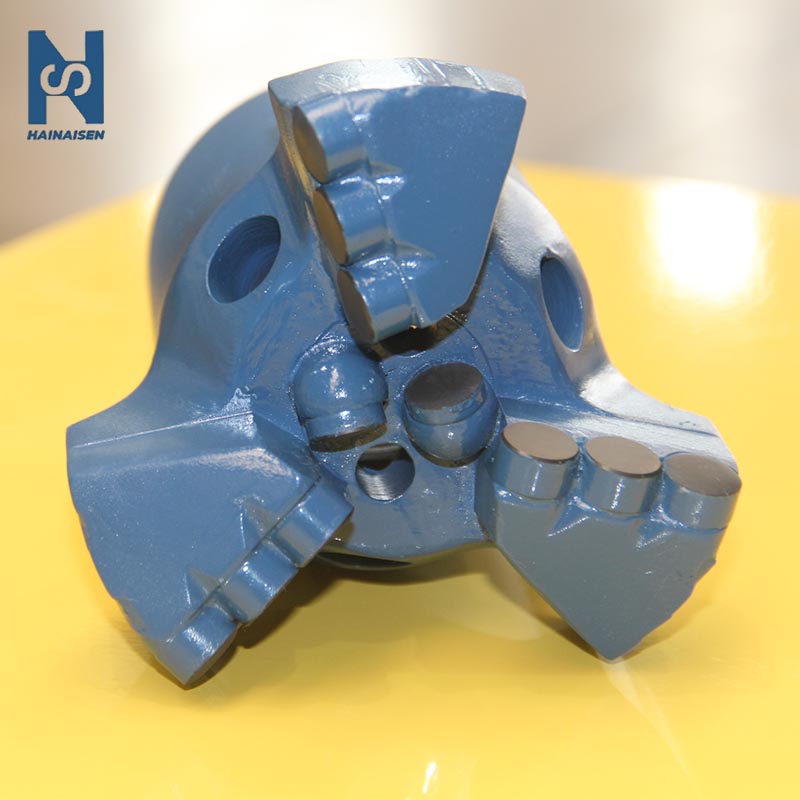 VIEW MOREBest Diamond Drill Bits
logo 1_1777360475599.jpg) VIEW MOREDirectional Three Blade PDC Drill Bit
VIEW MOREDirectional Three Blade PDC Drill Bit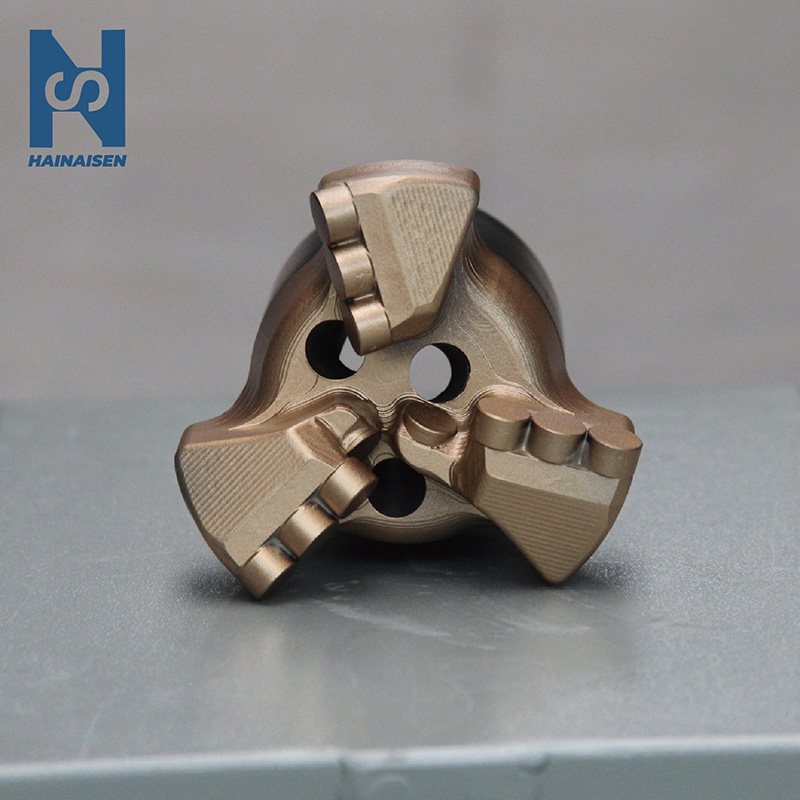 VIEW MORE3 Blades PDC Rock Bit
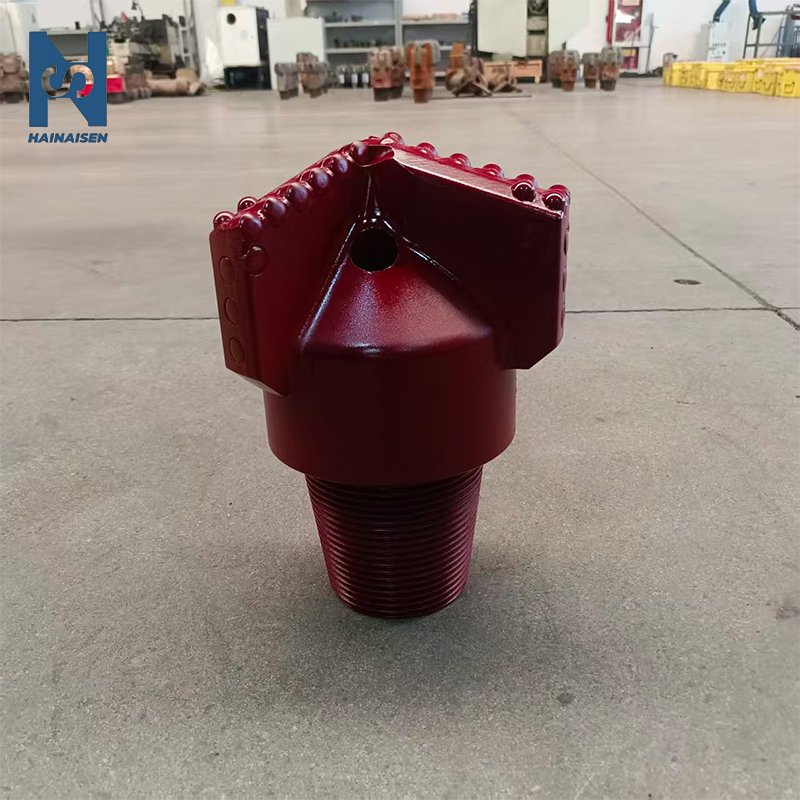 VIEW MOREHard Alloy Scraper Drill Bit
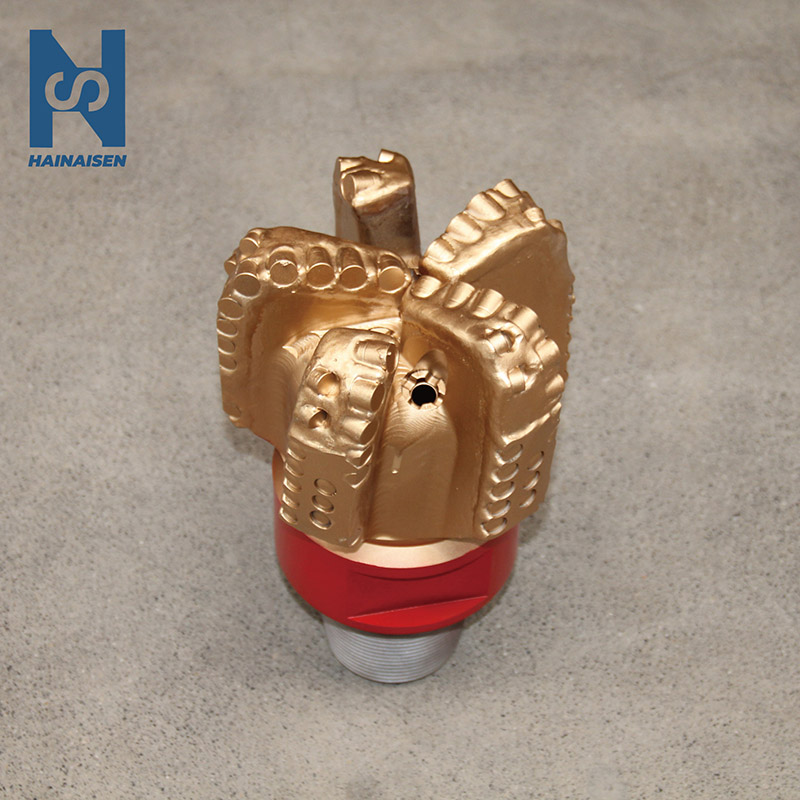 VIEW MOREDrilling Bit For Oil And Gas Rig
logo 1_1768274683075.jpg) VIEW MORECoal Mine Drilling Opening And Closing Drill Bit
VIEW MORECoal Mine Drilling Opening And Closing Drill Bit
