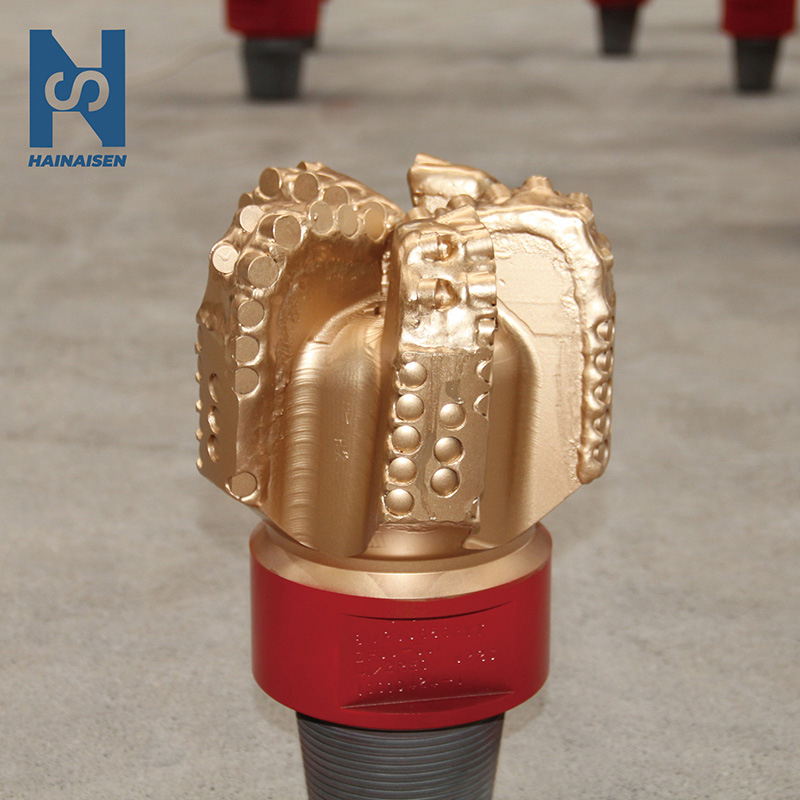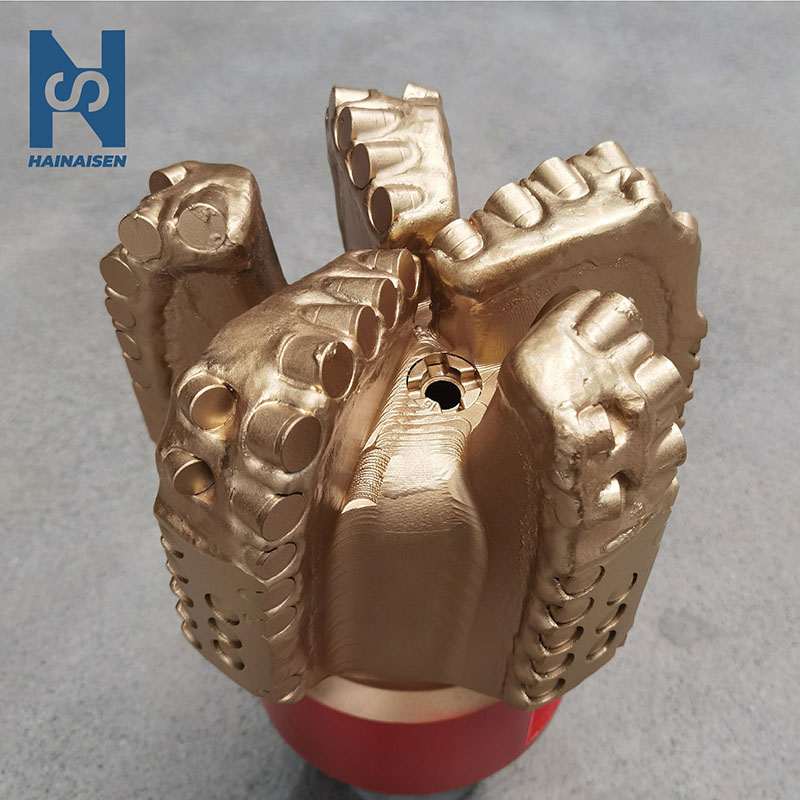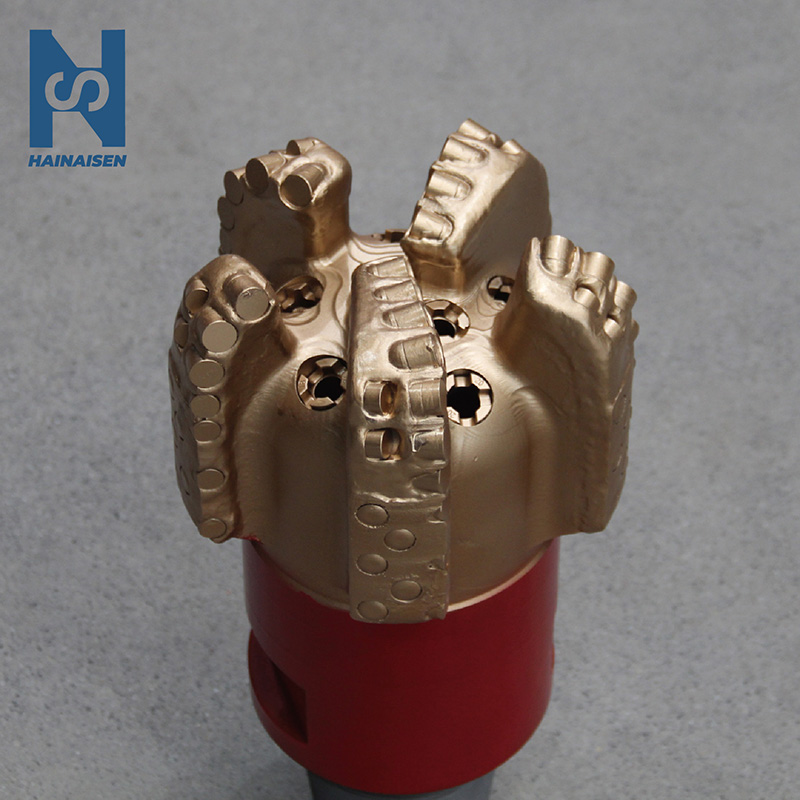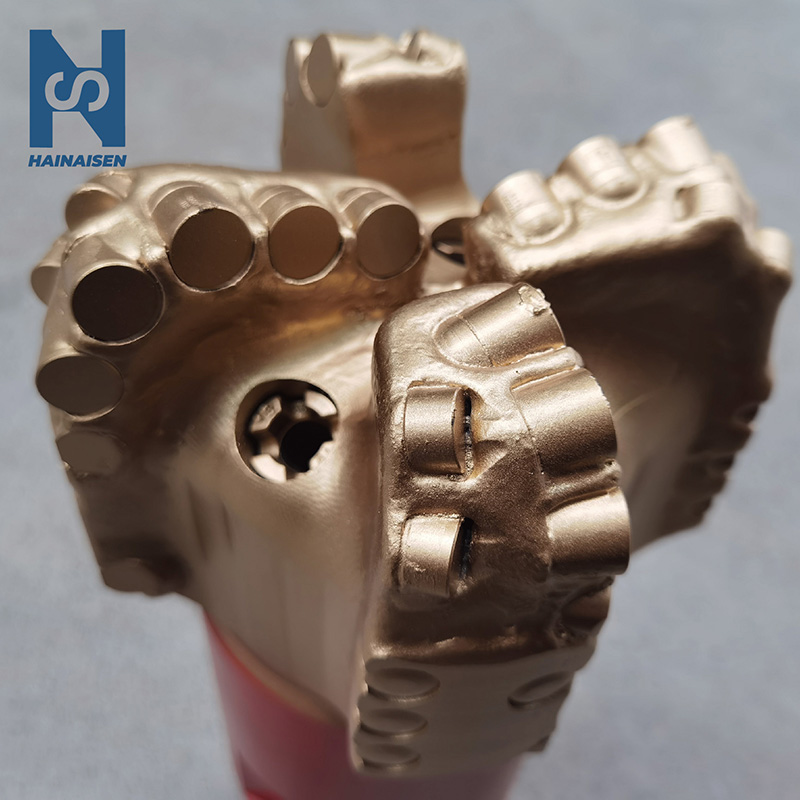




Cryogenic treatment for carbide microstructure
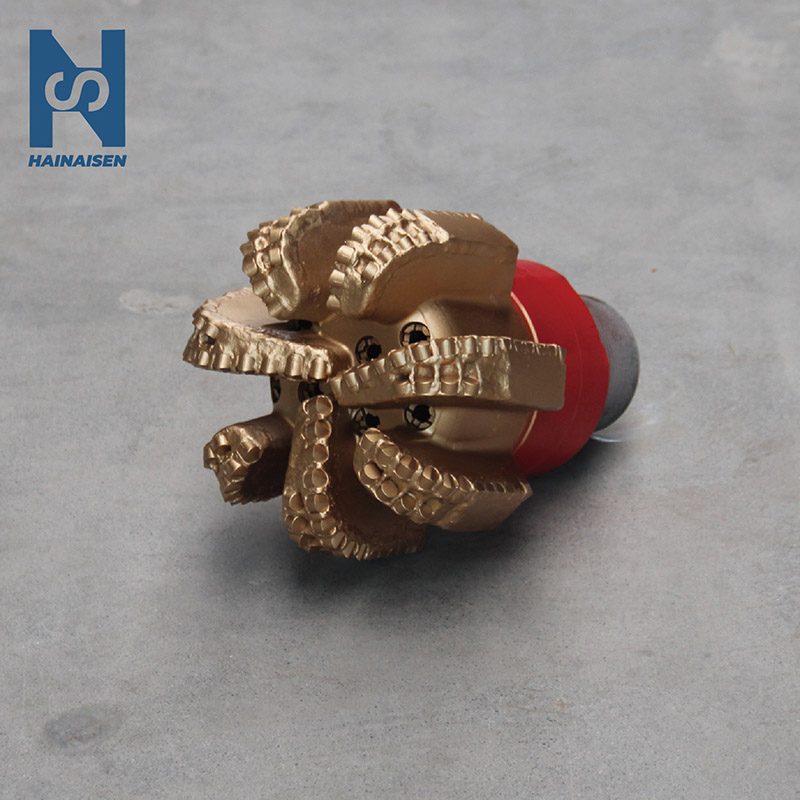
Cryogenic treatment is a more advanced form of heat treatment that goes one step further than the normal process by putting the Hard Alloy Roller Drill Bit parts in very cold temperatures, usually around -196°C (-320°F). This sub-zero process has a big effect on the carbide microstructure, which makes the bit last longer in a number of ways:
Transformation of retained austenite
One of the best things about cryogenic treatment is that it can change any austenite that is still present in the steel body into martensite. Retained austenite, a softer phase in steel, can make the drill bit parts less hard and less resistant to wear. The cryogenic process changes this austenite to martensite, which makes the microstructure of the material more regular and harder all over.
Carbide precipitation and distribution
Cryogenic treatment also promotes the formation of fine carbide particles within the steel matrix. These carbides, typically composed of elements like tungsten, vanadium, or chromium, significantly enhance the wear resistance of the Hard Alloy Roller Drill Bit. The extreme cold causes these carbides to precipitate more uniformly and in greater numbers, creating a more consistent and durable microstructure.
Stress relief and dimensional stability
When something is frozen, it helps ease internal stresses that may have been caused by manufacturing or normal heat treatment methods. This stress relief makes the drill bit parts more stable in terms of their dimensions, which lowers the chance that they will warp or twist while they are being used. Better steadiness is especially important for keeping the roller cones and bearings within exact tolerances, which ensures smooth operation and a longer bit life.
Heat treatment's impact on fatigue resistance
Fatigue resistance is a critical factor in the longevity of Hard Alloy Roller Drill Bits, as they are subjected to cyclic loading and unloading during drilling operations. Heat treatment significantly impacts the fatigue resistance of these bits through several mechanisms:
Grain refinement and structure homogenization
Proper heat treatment leads to a refinement of the grain structure in the steel components of the drill bit. Finer grains provide more obstacles to crack propagation, effectively increasing the material's resistance to fatigue failure. Additionally, heat treatment homogenizes the microstructure, eliminating weak spots that could serve as initiation points for fatigue cracks.
Residual stress manipulation
It is possible to design heat treatment methods that will add beneficial residual compressive stresses to important parts of the Hard Alloy Roller Drill Bit. Because they are compressive, these pressures close up any tiny cracks that appear during operation. This makes the bit more resistant to fatigue crack growth. This is especially important where there is a lot of stress, like where the roller cones meet the bit body.
Martensite transformation and tempering
During the quenching part of heat treatment, martensite forms. This, along with controlled tempering, creates a microstructure that is the best mix of toughness and hardness. This balance is very important for fatigue resistance because it lets the material handle both the high stresses and the repeated hits that come with drilling without breaking down too soon.
Case hardening vs. through hardening for cones
Manufacturers of Hard Alloy Roller Drill Bits have to choose between case hardening and through hardening when they heat treat the cones. Each method has its own benefits and is best used for different types of drilling:
Case hardening
Case hardening involves creating a hard outer layer on the cone surface while maintaining a softer, tougher core. This is typically achieved through processes such as carburizing or nitriding, followed by quenching and tempering. The benefits of case hardening for Roller Bit cones include:
- Excellent wear resistance on the surface where the cone interacts with the formation
- Improved impact resistance due to the tough core
- Enhanced fatigue life, as cracks are less likely to propagate through the tough core
- Better performance in applications where surface hardness is critical, such as drilling in abrasive formations
Through hardening
Hardening, on the other hand, involves heat treating the entire cross-section of the cone to achieve uniform hardness throughout. This process typically involves austenitizing the entire component, followed by quenching and tempering. The advantages of through hardening for roller bit cones include:
- Consistent hardness and wear resistance throughout the cone
- Improved resistance to subsurface fatigue in high-load applications
- Better performance in applications where overall strength and toughness are prioritized over extreme surface hardness
- Simplified heat treatment process compared to case hardening
Choosing the right approach
Hard Alloy Roller Drill Bit cones can be case hardened or through hardened. Which type depends on the drilling environment, Hard Alloy Roller Drill Bits, the rock being used, and the loads that are predicted. Case hardening is usually better for bits that will be working in rough materials or where the main concern is wear on the surface. This is a way to harden bits that will be under a lot of stress or bits that need to have the same properties all the way through the cone. For the best effects, manufacturers may sometimes choose a hybrid method that takes parts from both. In order to make it even more durable, for example, they might strengthen it first and then treat the surface. We can heat treat Hard Alloy Roller Drill Bits in a number of different ways to make them fit different cutting needs. They will last longer and work better in many conditions.
Conclusion
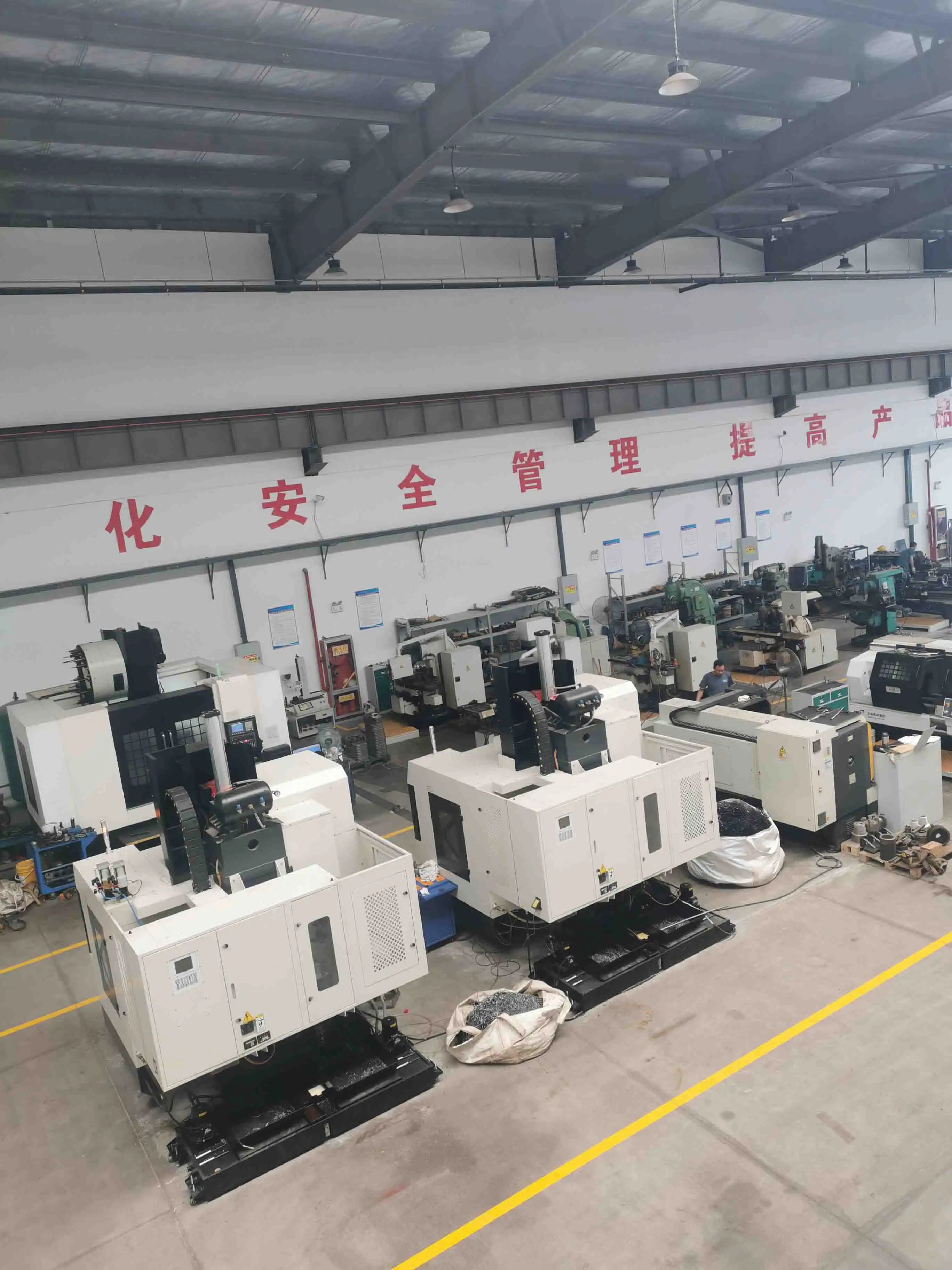
Heat treatment is one of the most important ways to make Hard Alloy Roller Drill Bits last longer. Manufacturers can make these important drilling tools much harder, more resistant to wear, and last longer by carefully controlling the heating and cooling processes and using advanced methods like cryogenic treatment. For cone treatment, the choice between case hardening and through hardening adds to the flexibility to meet the needs of different drilling projects. If oil and gas companies, mining operations, and building companies want to get the most out of their drilling, they need to buy high-quality Hard Alloy Roller Drill Bits that have been properly heated. These bits last longer, require less maintenance, and work more efficiently in a wide range of tough drilling conditions. At Shaanxi Hainaisen Petroleum Technology Co., Ltd., we create and make high-quality drilling tools, such as modern Hard Alloy Roller Drill Bits. We can make drill bits that meet the highest quality and performance standards because our 3,500m² building is state-of-the-art and has the most up-to-date 5-axis machining centers and CNC machine tools. Our dedicated R&D team is committed to creating custom bit designs that address the unique challenges faced by our clients in oil and gas extraction, coal mining, and geological surveying. To learn more about how our heat-treated Hard Alloy Roller Drill Bits can enhance your drilling operations, please contact our team at hainaisen@hnsdrillbit.com. Let us help you maximize your drilling efficiency and minimize downtime with our expertly crafted drilling solutions.
References
1. Zhang, L., et al. (2021). "Advanced heat treatment techniques for enhancing the durability of hard alloy roller drill bits." Journal of Materials Engineering and Performance, 30(8), 5672-5685.
2. Thompson, R. C. (2019). "Cryogenic processing: Unlocking superior performance in drilling tools." Oil & Gas Journal, 117(5), 62-68.
3. Liu, Y., et al. (2020). "Fatigue resistance improvement in roller cone drill bits through optimized heat treatment processes." Wear, 450-451, 203261.
4. Pearce, J. A. (2018). "Case hardening vs. through hardening: A comparative study for roller cone drill bit applications." SPE Drilling & Completion, 33(03), 231-242.
5. Chen, X., et al. (2022). "Microstructural evolution and performance enhancement of hard alloy materials for roller drill bits under various heat treatment conditions." Materials Science and Engineering: A, 832, 142378.
6. Johnson, K. L. (2020). "Advancements in heat treatment technologies for improving drill bit longevity in harsh downhole environments." Petroleum Science and Technology, 38(2), 98-109.
logo 1_1777361260784.jpg)