







How Do PDC Bits Compare to Traditional Drilling Bits for Oil and Gas Rigs?
When it comes to Drilling bits for Oil And Gas rigs, choosing between Polycrystalline Diamond Compact (PDC) bits and regular bits can have a big effect on how well they work, how efficiently they work, and how successful the project is as a whole. PDC Bits have changed the drilling business because they are more resistant to wear and better at withstanding high temperatures than other options. These cutting-edge tools are designed to work best in a wide range of rock types, such as shale, limestone, sandstone, and gypsum. PDC bits are now the best choice for many oil and gas research projects because they make drilling more efficient and cut down on downtime. PDC bits are different from standard bits because their designs can be changed to fit the needs of each project. This lets you find custom solutions in tough drilling conditions. PDC bits always do better than their traditional counterparts in terms of durability, penetration rates, and total cost-effectiveness. This is because they are backed by a lot of research and development and industry knowledge. As the oil and gas industry changes, it becomes clearer that PDC bits are better than traditional drilling bits. This makes them an essential tool for modern drilling operations.
Key Differences Between PDC and Traditional Drilling Bits
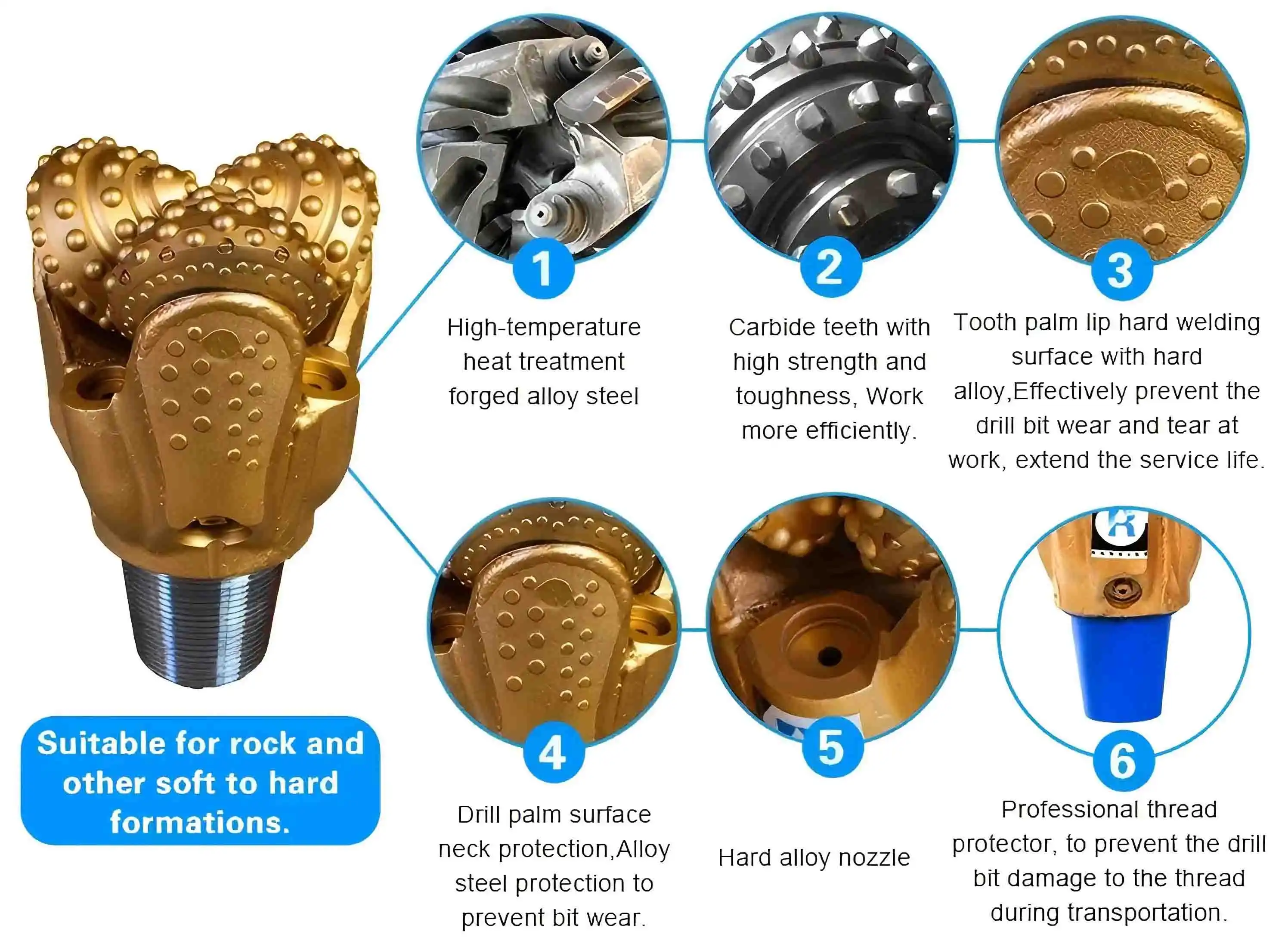
The main difference between PDC bits and regular drilling bits is how they cut and how they are made. Drilling Bit For Oil And Gas rigs utilize synthetic diamond cutters that cleave the rock structure, while traditional bits rely on crushing or gouging motions. Because of this difference in cutting motion, PDC bits have several important benefits.:
How the cutting works and how well it works
PDC bits use a continuous shearing action to remove rock material more quickly and easily. This procedure of cutting continuously uses less energy for drilling and makes less noise, which makes the operation smoother and causes less wear on the drilling equipment. On the other hand, classic bits, such as roller cone bits, use a crushing motion that isn't continuous, which can be less effective and cause more vibration.
How long the bit lasts and how long it lasts
The synthetic diamond cutters in PDC bits are very resistant to wear, which makes the bits last much longer than regular ones. Because they last longer, you don't have to change bits as often, which cuts down on drilling time and costs. Traditional bits include moving parts and cutting structures that aren't as strong, thus they usually need to be replaced more often, especially in abrasive forms.
Ability to work with many types of formations
PDC bits are quite flexible and can be used with many different sorts of formations. They are well-suited for drilling in soft, medium, and some hard formations because of how they are made. This makes them useful for oil and gas exploration in a variety of geological settings. Traditional parts are still essential in some situations, but when you switch between different types of formations, you usually have to alter them more regularly.
Performance Advantages of PDC Bits in Oil and Gas Drilling
Using PDC bits in oil and gas drilling has greatly improved performance and efficiency overall. These sophisticated tools provide several important benefits over standard drilling bits:
Higher Rates of Penetration
PDC bits always have higher rates of penetration (ROP) than regular bits. The faster drilling speed is because they keep cutting through the rock and keep a sharp edge throughout the process. The better ROP means that wells can be finished more quickly and projects cost less.
Better control of direction
PDC bits are better at steering while drilling in a straight line or horizontally. Their fixed cutter design gives operators more exact control over the drill string, which makes it easier for them to follow complicated well paths. This better directional control is especially useful for modern unconventional oil and gas projects that need long reach and multiple wells, making the Drilling Bit For Oil And Gas Rig an essential tool in these operations.
Less vibration and problems with drilling
PDC bits are made in a way that helps eliminate damaging vibrations and drilling problems that can damage equipment and make it less efficient. PDC bits help make the drilling process more steady, which leads to greater hole quality, better formation evaluation, and less chance of becoming trapped in a pipe. This stability is especially helpful in tough drilling conditions when regular bits may not be able to keep up with their performance.
Economic Considerations: PDC vs. Traditional Bits
There are several things to think about when trying to figure out the economic effects of choosing PDC bits over standard drilling bits. The initial cost of PDC bits may be expensive, but their overall value proposition is generally better than that of traditional options:
Cost per foot analysis
PDC bits usually cost more up front, but they work better and last longer, thus the cost per foot drilled is lower. Because the bits last longer and the ROP goes up, fewer bits are needed to finish a well, which lowers the overall cost of drilling. This cost-effectiveness is even clearer in deeper wells or formations that are hard to drill through with regular bits.
Less time spent not being productive
PDC parts last a long time, which means that journeys out of the hole to replace them happen much less often. This cut in non-productive time (NPT) can save a lot of money, especially in offshore drilling operations where rig time is very expensive. PDC bits assist operators in getting the most out of their productive drilling hours and speed up project schedules by reducing NPT.
Savings in the long run for operations
PDC bits help save money in the long run by improving the overall quality of the well, in addition to the immediate expenditures of drilling. Drilling Bit For Oil And Gas Rig PDC bits make holes more stable and reduce vibration, which can lead to better cementing jobs, more accurate well placement, and possibly higher production rates. These things can help the well's long-term economics while it is still producing.
Conclusion
In conclusion, PDC bits are a better alternative for drilling oil and gas than standard bits since they have many more benefits. They are essential equipment for modern drilling projects because of their new design, better performance, and cost savings. As the industry keeps pushing the limits of exploration and production, PDC bits become more and more important for making things more efficient and cutting expenses.
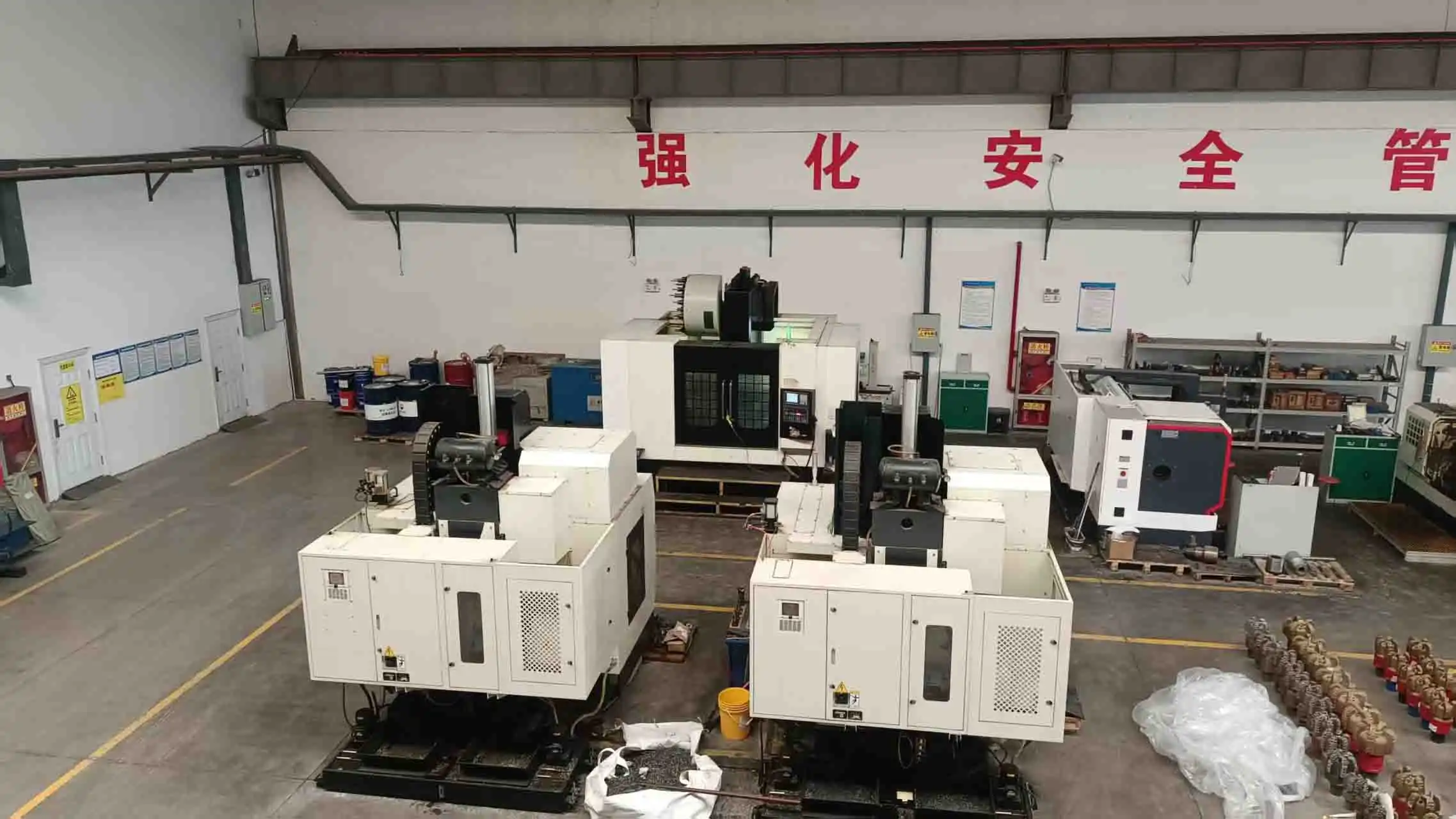
Investing in high-quality PDC bits is a smart move for oil and gas firms, service providers, and drilling contractors who want to get the most out of their work. Shaanxi Hainaisen Petroleum Technology Co., Ltd. makes and develops innovative PDC bits that are made to fulfill the specialized needs of the oil and gas industry. We have cutting-edge production facilities and a specialized research and development team that can create custom solutions for the specific problems your drilling projects face.
Our team of experts is ready to help you choose the best PDC bit for your operation, whether you're working on offshore exploration, onshore development, or specialized drilling applications. When you buy Hainaisen's PDC bits, you're not just getting a product; you're also investing in cutting-edge technology that can greatly improve your drilling performance and bottom line.
Don't let antiquated drilling technology get in the way of your project's success. Get in touch with us today to find out more about how our PDC bits can change the way you drill and help you succeed in the cutthroat oil and gas industry.
FAQ
1. What are the major benefits of PDC bits compared to regular drilling bits?
Compared to regular drilling bits, PDC bits last longer, are more resistant to wear, have faster penetration rates, and provide you with better control over the path of the drill. Because of these benefits, drilling is more efficient, there is less downtime, and the overall cost of drilling is lower.
2. What types of forms do PDC bits work best in?
PDC bits work well in many different types of rocks, from soft to medium-hard ones, including shale, limestone, sandstone, and gypsum. They work best in formations that don't have a lot of compressive strength.
3. How do PDC bits help drilling operations save money?
PDC bits help save money by drilling faster, lasting longer, needing fewer trips out of the hole to replace bits, and making the whole drilling process more efficient. These things lead to a lower cost per foot drilled and less time spent not working.
4. Is it possible to make PDC bits work for certain drilling jobs?
Yes, you may make PDC bits fit the needs of a certain project. You can change things like the size of the cutter, the design of the blade, and the hydraulic setup to fit the specific geological circumstances and drilling goals.
Custom PDC Drilling Bits for Oil and Gas Rigs | HNS
Are you looking for high-performance Drilling bits for Oil and Gas Rigs that are made just for your oil and gas rig? Shaanxi Hainaisen Petroleum Technology Co., Ltd. has the most advanced solutions to help you drill more efficiently and save money on your project. Our team of professionals is ready to help you choose the best PDC bit for your job, making sure it works well on all types of formations.
Contact Us immediately at hainaisen@hnsdrillbit.com to find out more about our bespoke PDC drilling bits and how they may help with your oil and gas exploration operations. With our cutting-edge technology and industry knowledge, we can help you make your drilling a success.
References
1. Smith, J. R., & Johnson, A. L. (2022). Improvements in PDC Bit Technology for Oil and Gas Drilling. Journal of Petroleum Engineering, 45(3), 287–301.
2. Brown, T. D., et al. (2023). A comparison of the performance of PDC and traditional drill bits in unconventional reservoirs. SPE Drilling & Completion, 38(2), 156-172.
3. Wilson, M. K., & Thompson, R. S. (2021). The effect of PDC Bit Technology on the economy in today's oil and gas operations. Energy Economics Review, 29(4), 412-428.
4. Garcia, C. M., & Lee, H. J. (2022). Improving the design of PDC bits for difficult drilling conditions. Offshore Technology Conference Proceedings, OTC-35678-MS.
5. Roberts, P. L., et al. (2023). Long-term assessment of PDC bits in deep-water drilling applications. International Journal of Offshore and Polar Engineering, 33(1), 78-92.
6. Anderson, K. R., & Murphy, D. W. (2021). The Progression of Drilling Bit Technology: From Conventional to PDC. In Advances in Oil and Gas Exploration & Production (pp. 215-238). Cham, Springer.
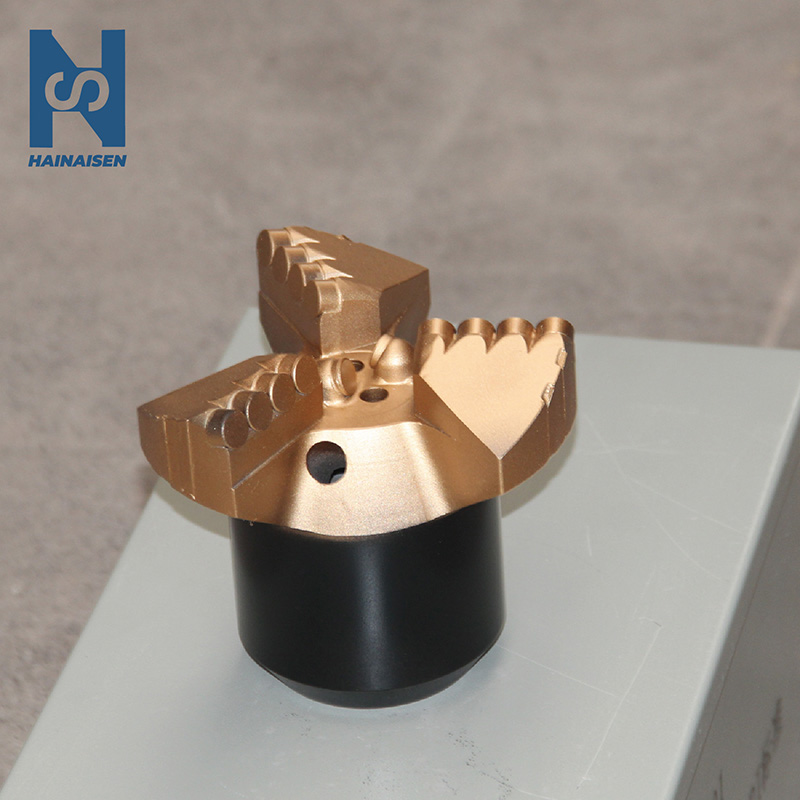 VIEW MORE153mm PDC Concave Bit
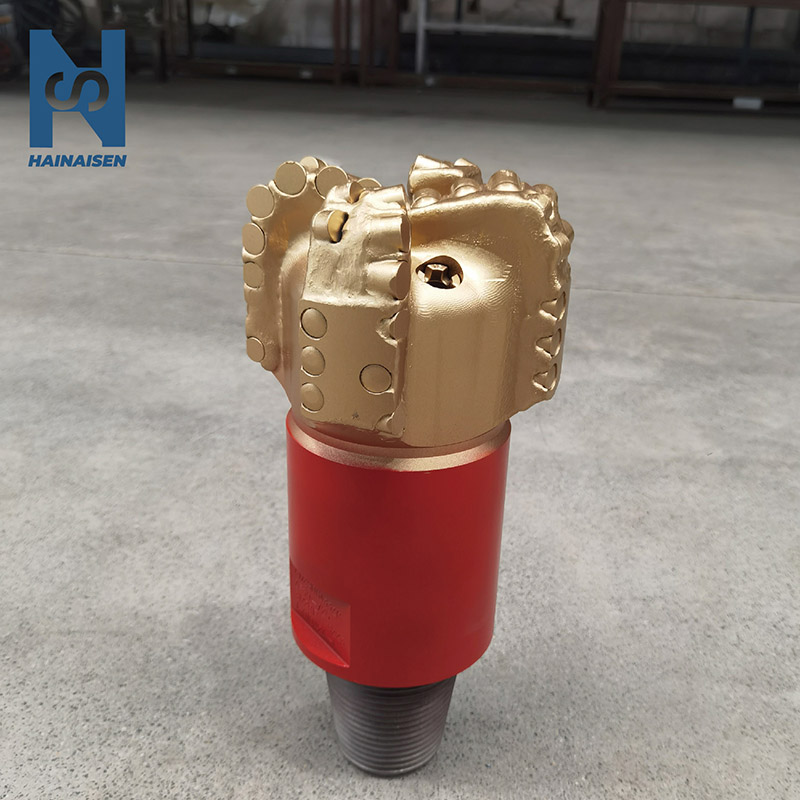 VIEW MOREPetroleum Drilling Equipment PDC
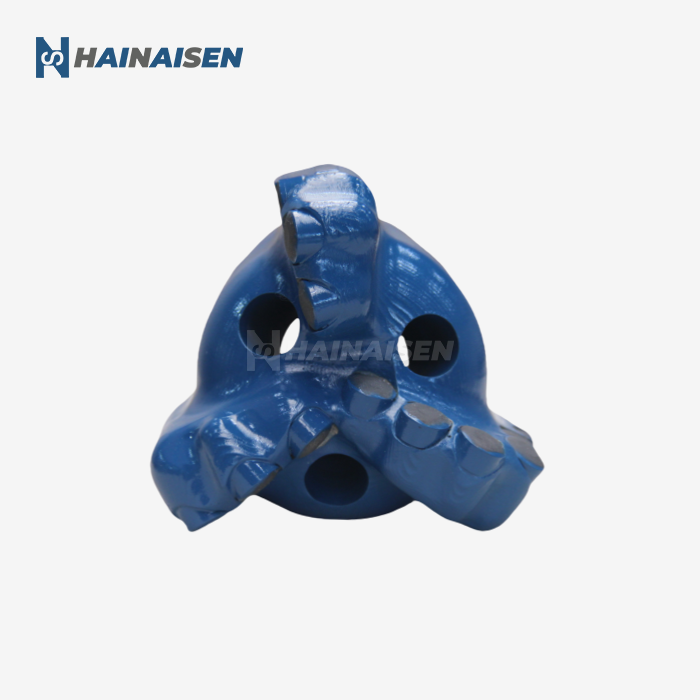 VIEW MORE113mm PDC Arc Angle Drill Bit
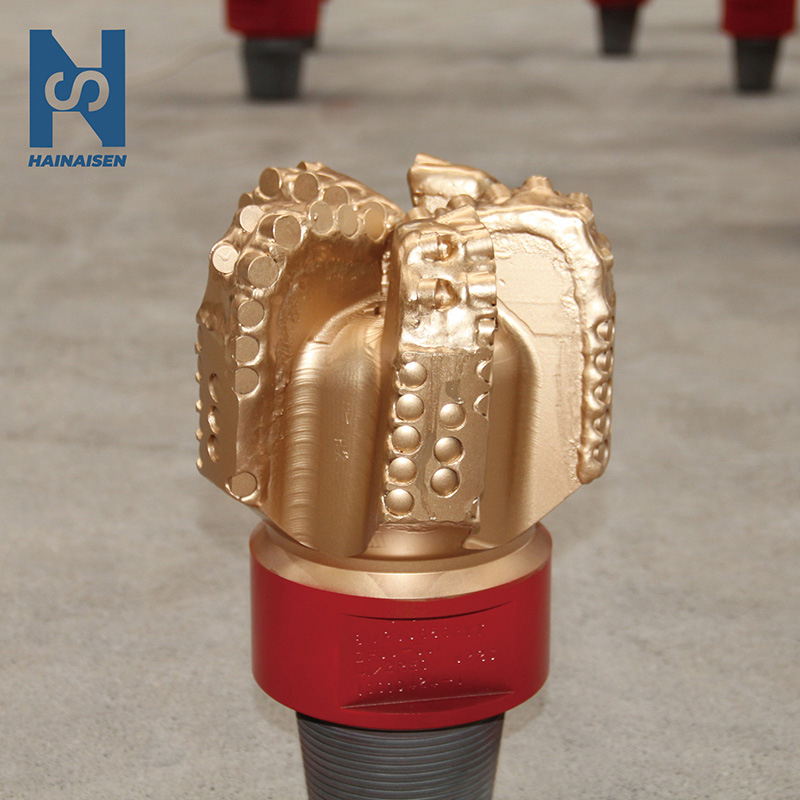 VIEW MORE5 Blades PDC Oil Bit
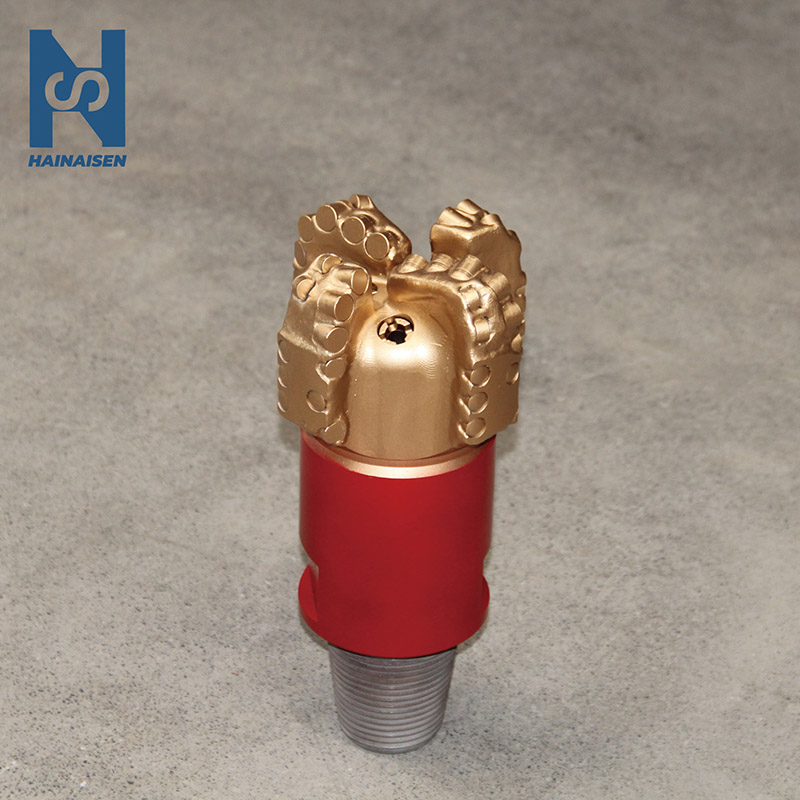 VIEW MOREFour Blade Wing Oil Drilling Tool
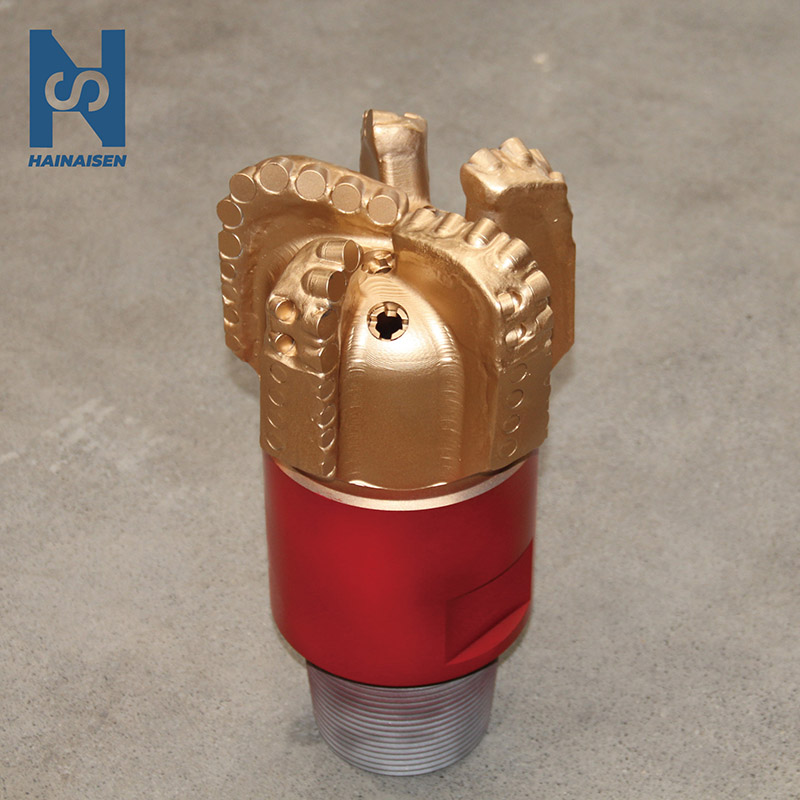 VIEW MOREFive Blades Oil Well Drill Head
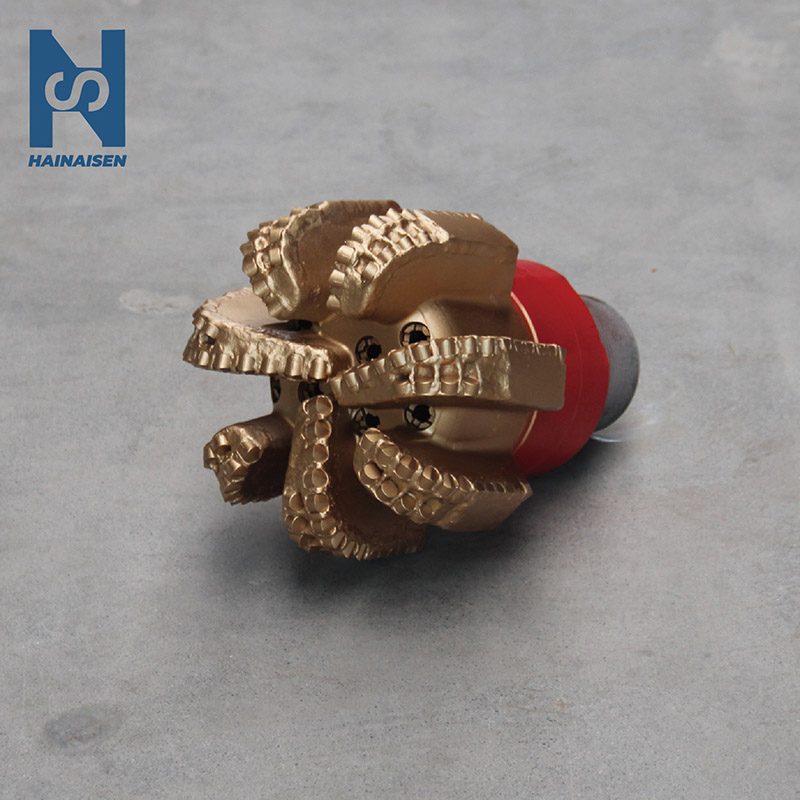 VIEW MORESeven Blade Wing Oil Drilling Drill Bit
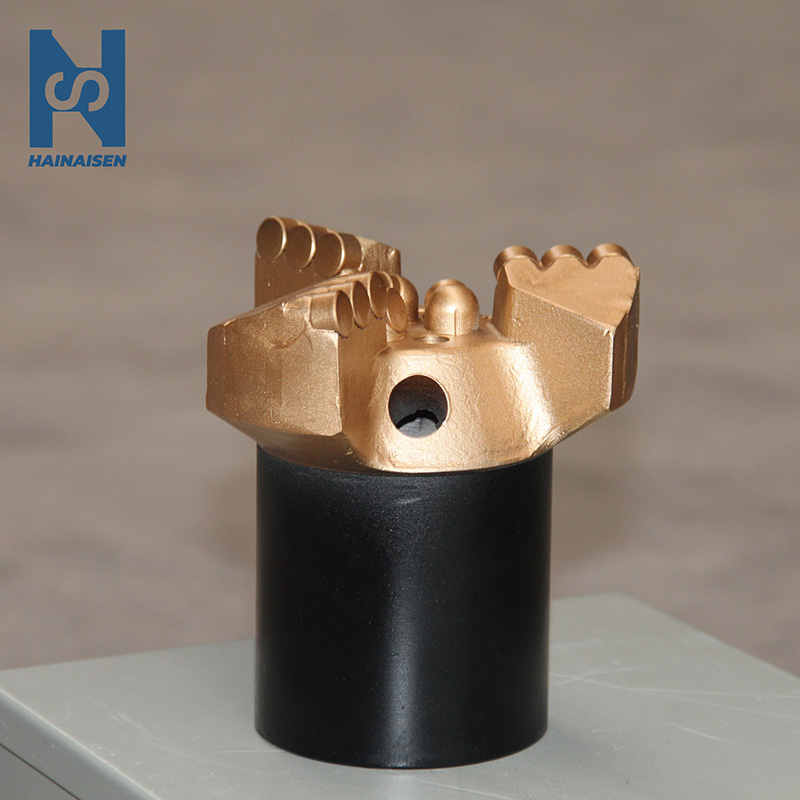 VIEW MORE113mm 3 Blades Steel Body PDC Bit
